
There is something instantly recognizable about the sight of a character trying not to laugh while someone else is tickling them. The moment the fingers reach the ribs, sides, feet, belly or armpits, keeping a straight face can become almost impossible. In movies, cartoons and comics, this simple physical reaction has often been turned into a memorable comic device: one character deliberately tickles another, and the resulting laughter becomes the real focus of the scene.
Leggi tutto: Best ticklish laughter scenesThese are the moments that can be described as ticklish laughter scenes: situations in which tickling is deliberately used to make a character laugh, usually producing an exaggerated, helpless or uncontrollable reaction. Sometimes the intention is simply playful. Sometimes the scene is built around teasing. In other cases, the tickling is used as a distraction or as part of a larger comedy routine. Whatever the context, the basic mechanism remains the same: tickling becomes a remarkably effective way of making a normally composed character lose control and burst into laughter.
Cartoons are particularly fond of the idea, exaggerating both the tickling and the resulting laughter for comic effect. In live-action movies and television, the same gag can be used to show affection between characters, break someone’s composure or turn a normally serious situation into physical comedy. Comics have their own version, using exaggerated facial expressions, poses, motion lines and laughter bubbles to convey the reaction.
From a quick playful tickle to an entire scene built around uncontrollable laughter, these moments share the same simple premise: someone knows exactly how to make another person laugh, and decides to put that knowledge to use.
Movies
In “North to Alaska,” George decides to make Sam jealous by leading him to believe that he and Michelle are having fun and flirting. He asks her to laugh, but she says she doesn’t feel like it. After trying to make her laugh, he asks if she’s ticklish, to which she, a little scared, replies no. George doesn’t believe her, takes off one of her shoes, and starts tickling her ferociously. She bursts into raucous laughter and starts wriggling, laughing so hard that George hears her, which infuriates her.


In “Demon’s Legacy,” one of the two female protagonists tickles her lover’s sides to make her smile.


In “Final Girl,” the protagonist claims she isn’t afraid of anything, but her coach says that if that were true, she wouldn’t be human, and starts tickling her sides. The girl bursts out laughing and squirming, asking him to stop, proving that there is, in fact, something she fears.


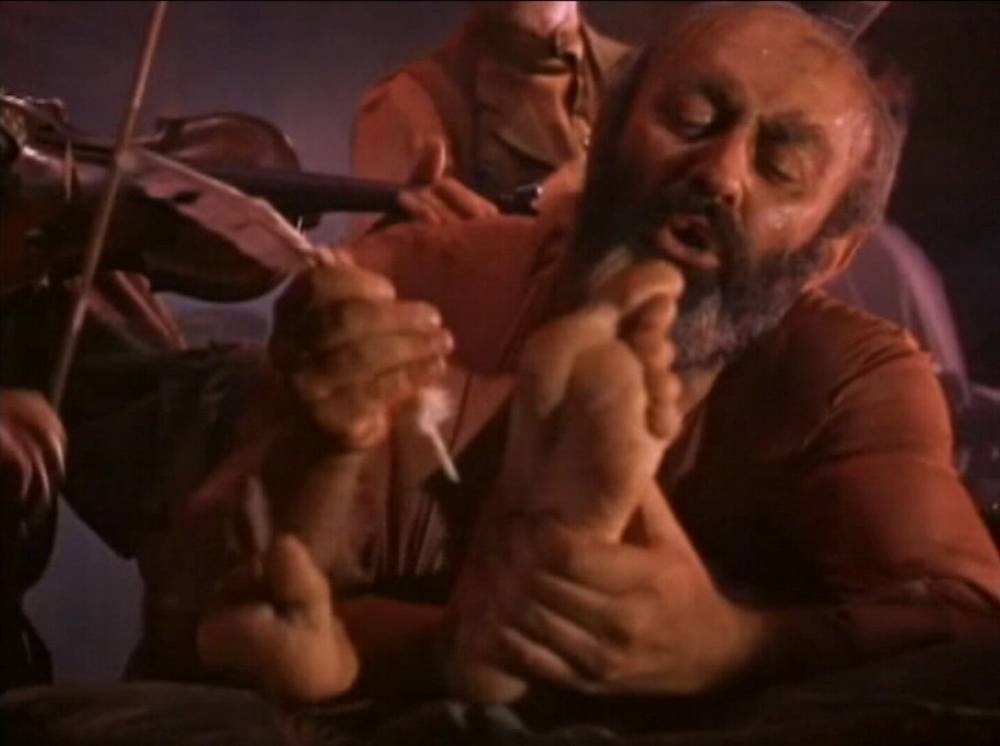
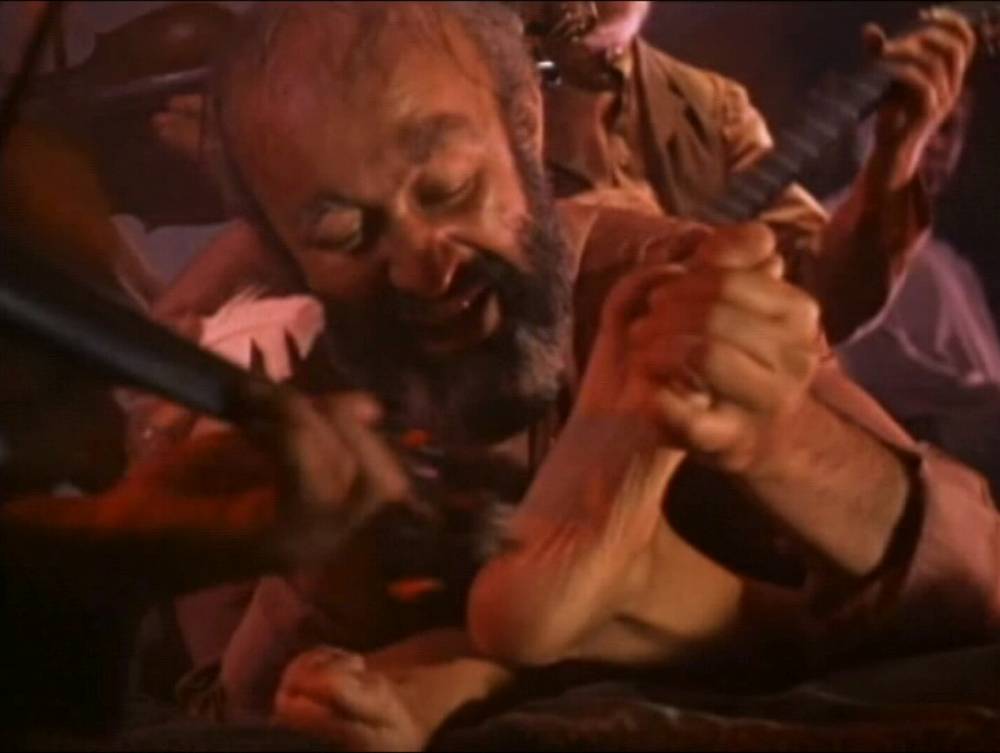
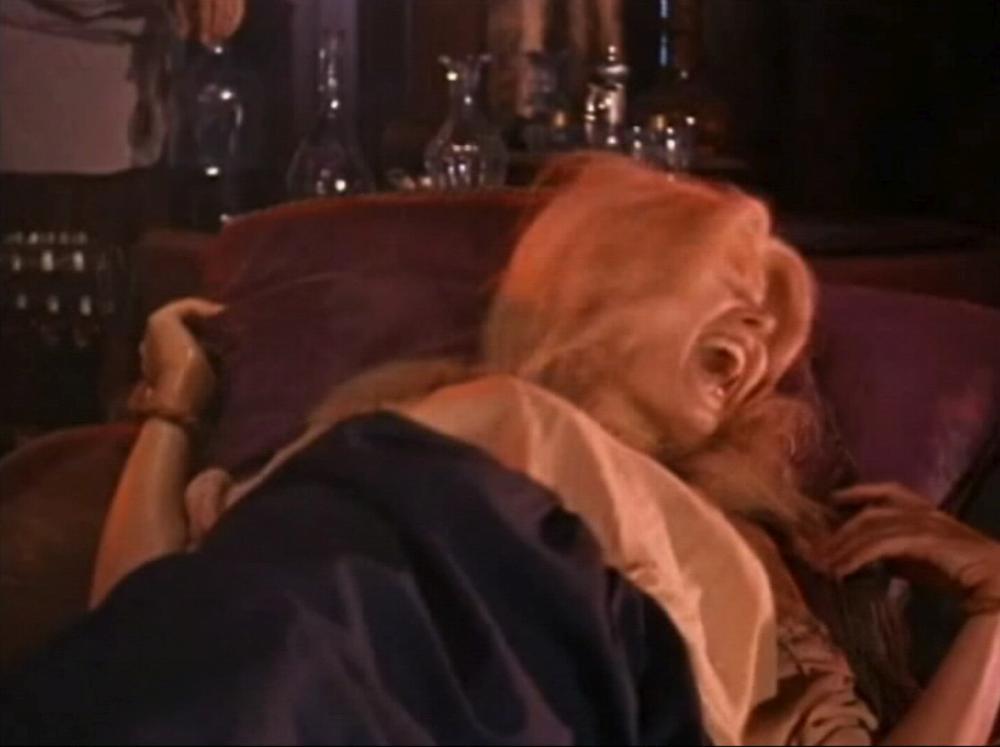
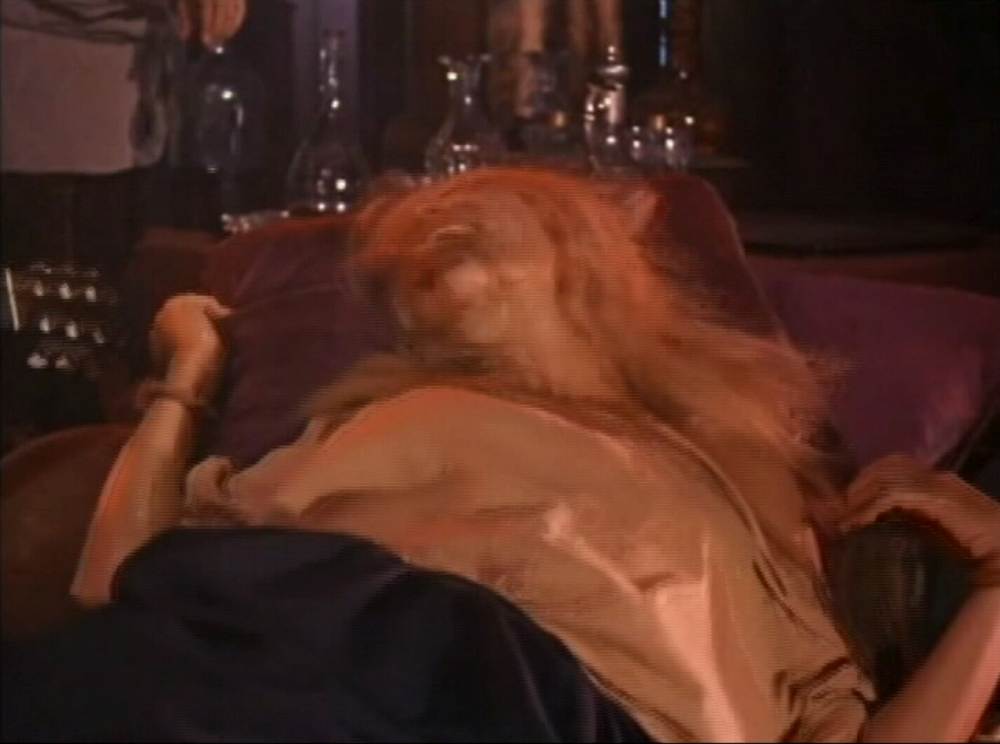
In “The Brothers Karamazov“, an attractive blonde woman is tickled on the feet for fun by old Karamazov, causing her to laugh heartily.
Cartoons
In “Inspector Gadget,” a woman working for the villains tickles the soles of a king’s feet—who looks exactly like Inspector Gadget—in order to make him laugh and discredit him, since his subjects expect their ruler to be perpetually sad. The tactic works perfectly, and the prolonged tickling puts him in a good mood.


In “Floopaloo” Episode 8, a plant blooms when it hears genuine laughter.

In “Mahō shōjo Puritī Samī,” the protagonist, trapped inside a bubble, is tickled under the armpits in order to force her to laugh (other characters hear her laughing and think she’s having fun).


In “Heaven’s Lost Property,” the protagonist (an angel in human form) doesn’t know what it means to smile. A classmate takes advantage of the fact that she’s holding a ball with her arms raised to vigorously tickle her under the armpits, confident that this technique will bring a smile to her face—but she unexpectedly reacts with erratic movements.
A boy complains that her tickling technique isn’t working and starts tickling her himself with immense vigor, taking the opportunity to grope her, causing her to laugh and squirm from the intense tickling.


In “Peter Pan and the Pirates,” the mermaids, jealous of Peter’s affection for Wendy, lure her toward their pool of water; once they’ve captured her, they begin to tickle her to force her to laugh, dragging her into the water. Her prolonged laughter escapes her body, leaving her behind.


In “Isekai Nonbiri Nouka” (S2X5), a girl has her feet tickled with a feather with the explicit purpose of making her laugh until she cries and produce a tear.


In “Mysticons” (S2X10), one of the main characters has her feet tickled in order to make her laugh until she cries, so that a tear can be collected as a gift.


An example of tickling to make a notoriously serious girl smile, from “Wonder Egg Priority” Episode 5.


In “Dr. Slump & Arale“, Midori laughs when tickled by Arale.


Manga
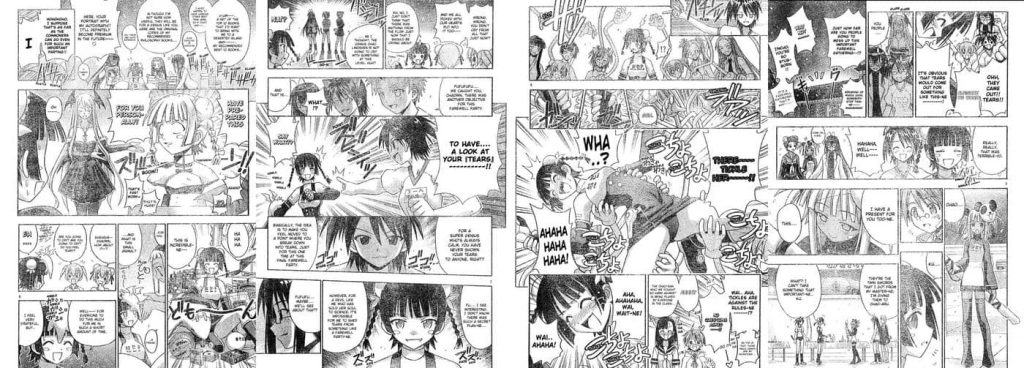
In “Negima” Chapter 135, a girl is tickled by a machine in order to make her cry from laughter.
TV Shows
In “Music Show,” a comedy segment features a hypothetical product that can suddenly stop laughter: a woman takes it and stops laughing while a man tickles her.


In “El Gran Juego de la Oca,” one of the challenges involves tickling girls to make them laugh, and then tickling them again while their faces are covered, so as to identify them among the other girls.


On “Giga TV,” host Miriam Pielhau is tickled by someone off-screen while she’s speaking, in an attempt to tease her: she tries to resist but eventually gives in and shooes the hand away.


Informazioni sull'autore

Related posts:
 Best sexy tickling scenes in movies
 Vote For The Greatest Ticklish Character of All Time!
 List of tickling scenes in “James Bond” franchise
 Tickling scenes in “Lonely Lonely Rich Lady”
 Top 10 Tickler Heroes
 Top tickling scenes in videogames
 List of tickling scenes in “The Howard Stern Show”
 Tickling scenes with adult models
 List of tickling scenes in Italian TV shows
 Tickling scenes in “Sabrina the Teenage Witch” franchise
 Tribute to Lucy Heartfilia | Most iconic sexy and tickling scenes
 Most iconic tickling machines and tickle torture devices


