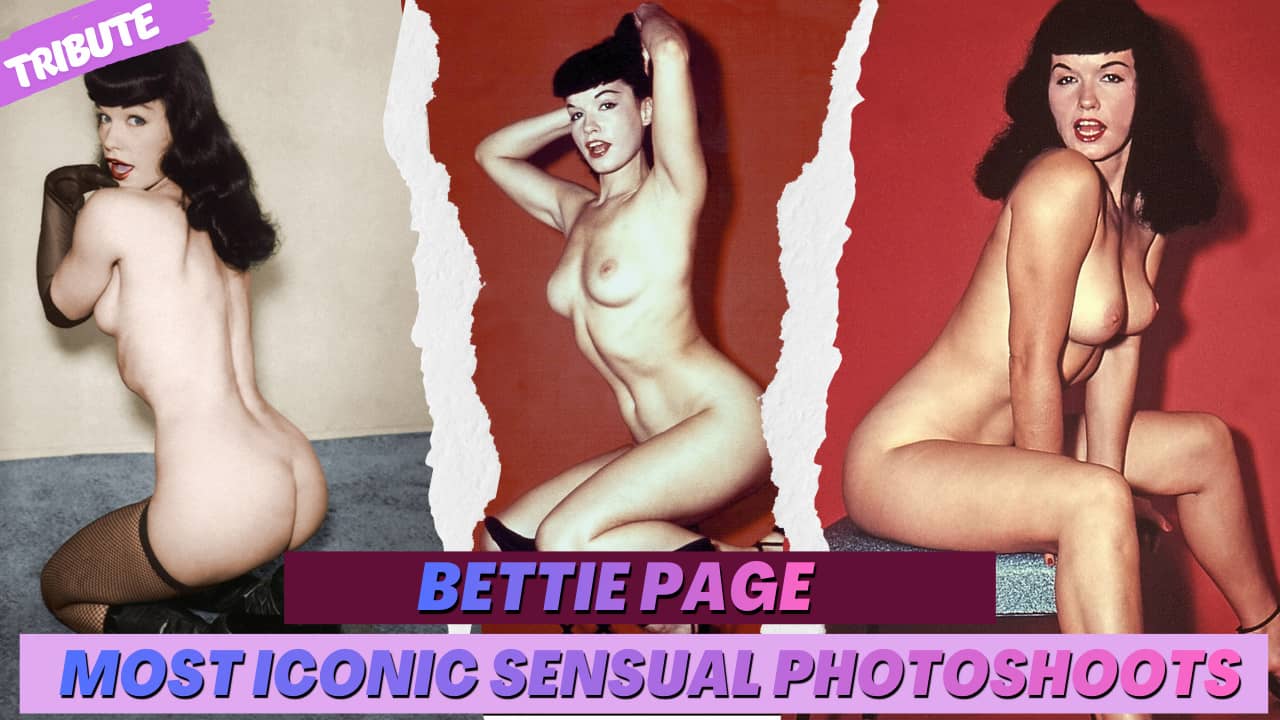
Bettie Page was an iconic American pin-up model of the 1950s, renowned for her jet-black hair, signature bangs, and bold poses that challenged mid-century norms on female sexuality. Often called the “Queen of Pinups,” she pioneered fetish and nude modeling without ever engaging in explicit sexual content.
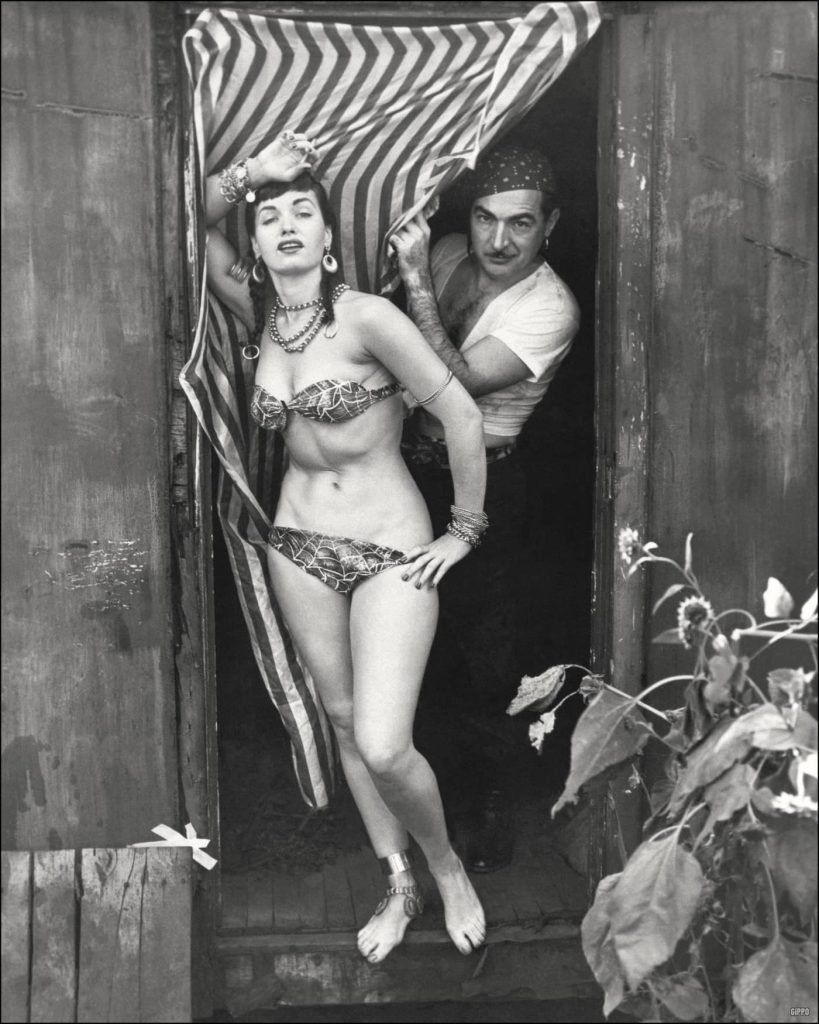
Born Bettie Mae Page on April 22, 1923, in Nashville, Tennessee, she grew up in poverty amid family instability, including her parents’ divorce and alleged abuse by her father. Page excelled academically, graduating as salutatorian from high school and earning a BA from George Peabody College in 1944, initially aiming for teaching or acting. After a brief marriage and moves to California, she relocated to New York in 1947 to pursue acting but pivoted to modeling after a chance beach encounter with photographer Jerry Tibbs.
Contents
Modeling career and fetish and bondage work
Page’s career ignited in 1950 when Tibbs photographed her for camera clubs, legal fronts for nude shoots, leading to appearances in magazines like Wink, Titter, Eyeful, and Beauty Parade by 1951. She crafted her own bikinis and hairstyles, including the bangs that defined her look.
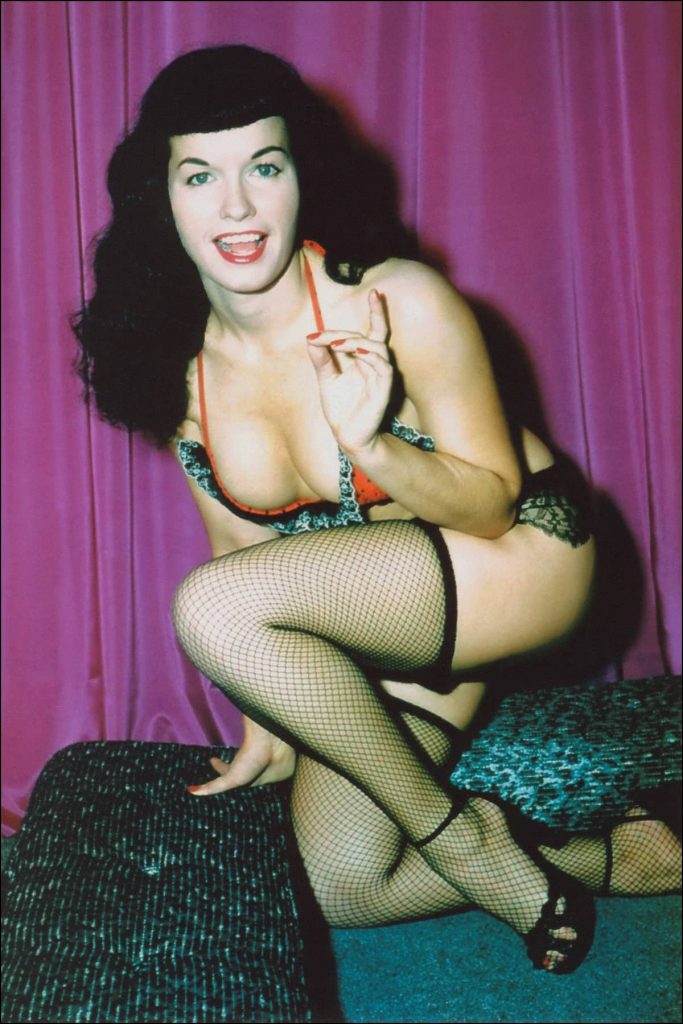
From 1951-1957, Page collaborated extensively with Irving Klaw and his sister Paula, becoming the first famous bondage model through mail-order photos and short 8mm/16mm films depicting S&M scenarios like abduction, domination, spanking, whips, ropes, leather restraints, and slave-training. She alternated as dominatrix or victim, always in lingerie or heels—no nudity in Klaw’s public works. Iconic Klaw images include her highest-selling photo: gagged and bound in ropes from Leopard Bikini Bound. She also appeared in burlesque films like Striporama (1953), Varietease (1954), and Teaserama (1955), featuring dances with stars like Lili St. Cyr.
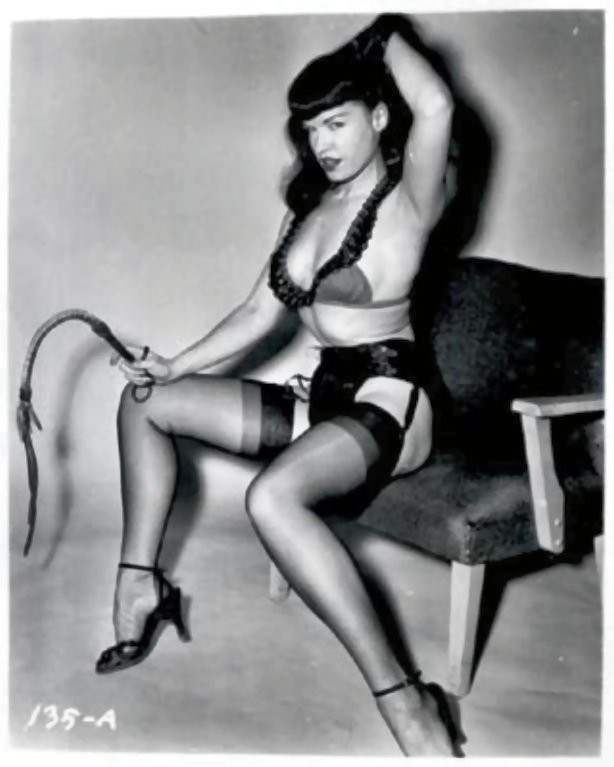
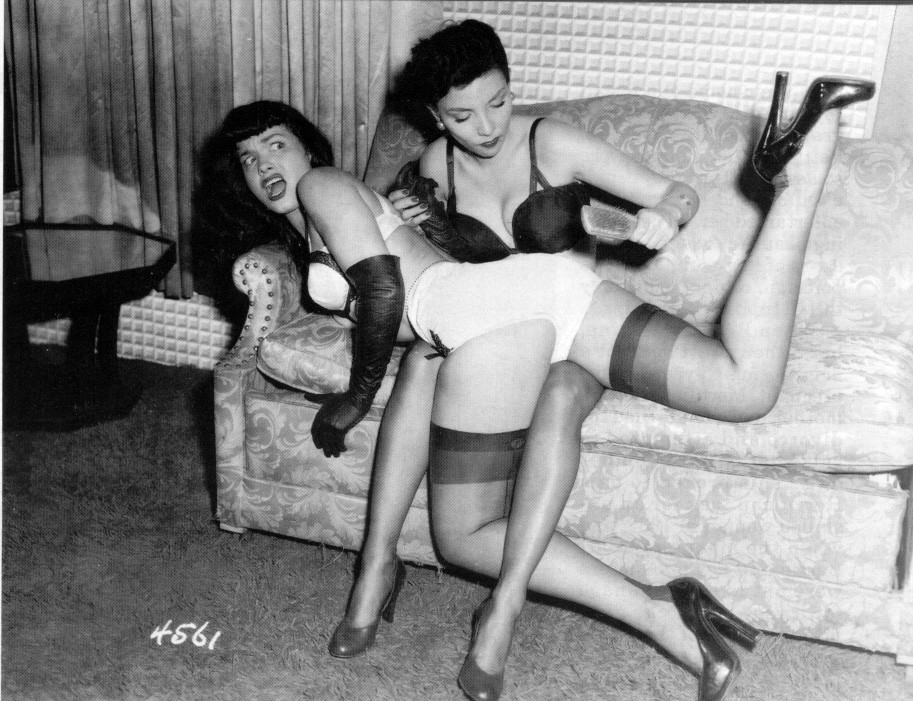
Bettie Page’s nude and sensual shoots
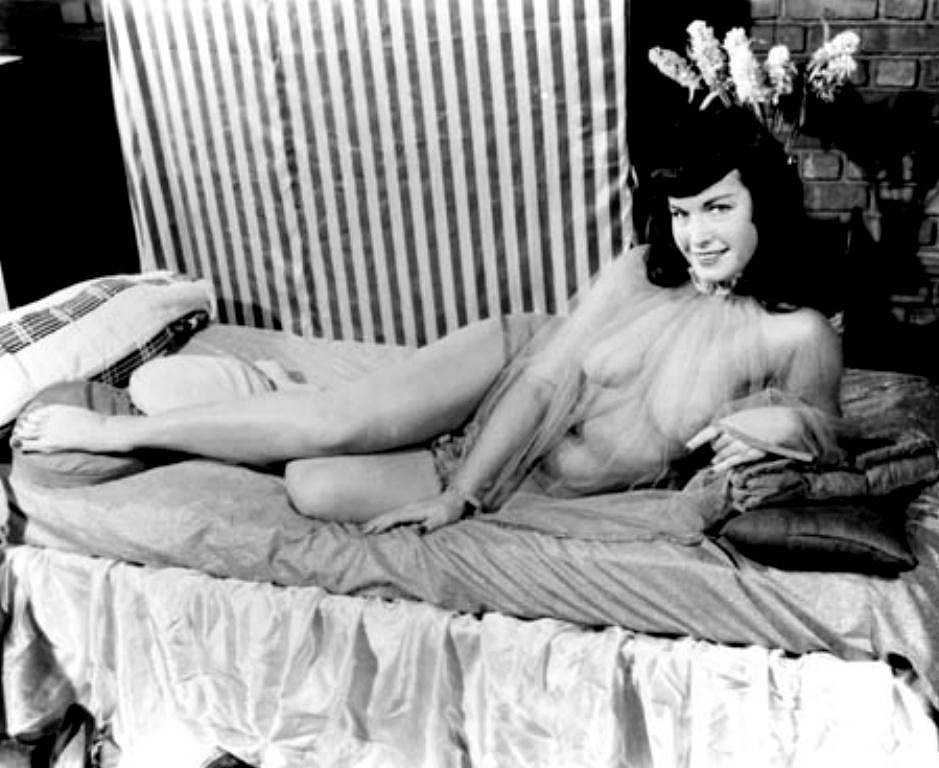
Page’s foray into nude modeling began in earnest through “camera clubs,” those late-1940s loopholes in U.S. laws that masqueraded as artistic photography groups but often served as fronts for producing and distributing nude images, which were otherwise restricted.
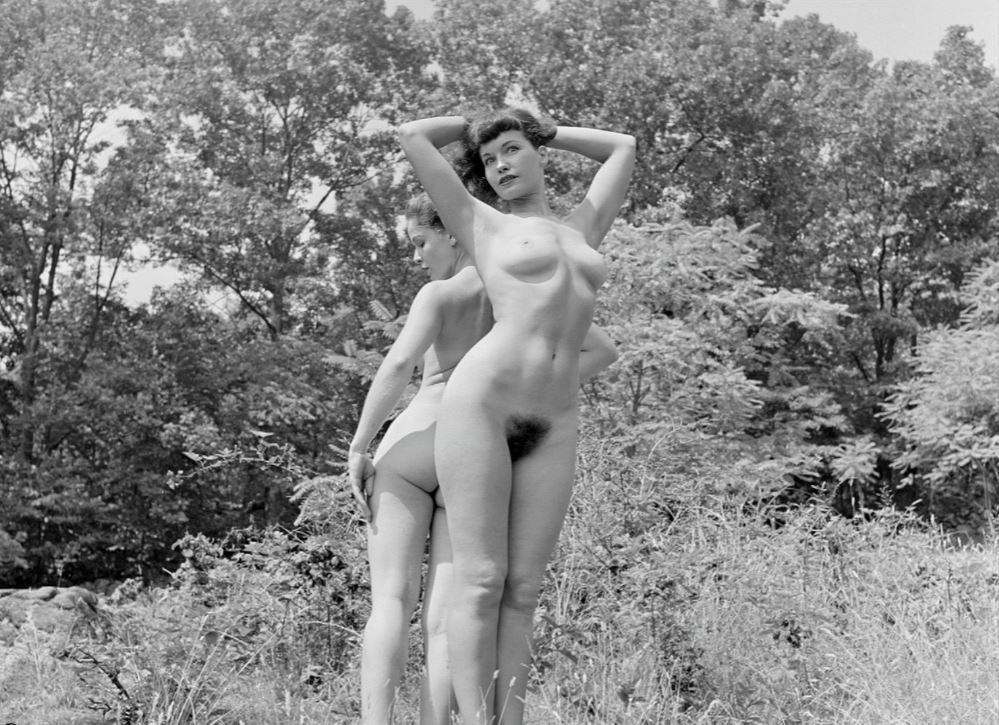
Starting around 1950, she posed frequently—half-nude to fully nude—for these clubs, initially with photographers like Jerry Tibbs (who discovered her on a New York beach), Cass Carr, and later others such as Jan Caldwell and H.W. Hannau during her Florida vacations, bringing her signature uninhibited style and playful confidence that set her apart without venturing into hardcore explicitness. These early shoots, including Tibbs’ beach nudes and Carr’s glamour sessions, appeared in men’s magazines like Eyeful, Wink, Titter, and Beauty Parade by 1951, blending sensuality with high spirits.
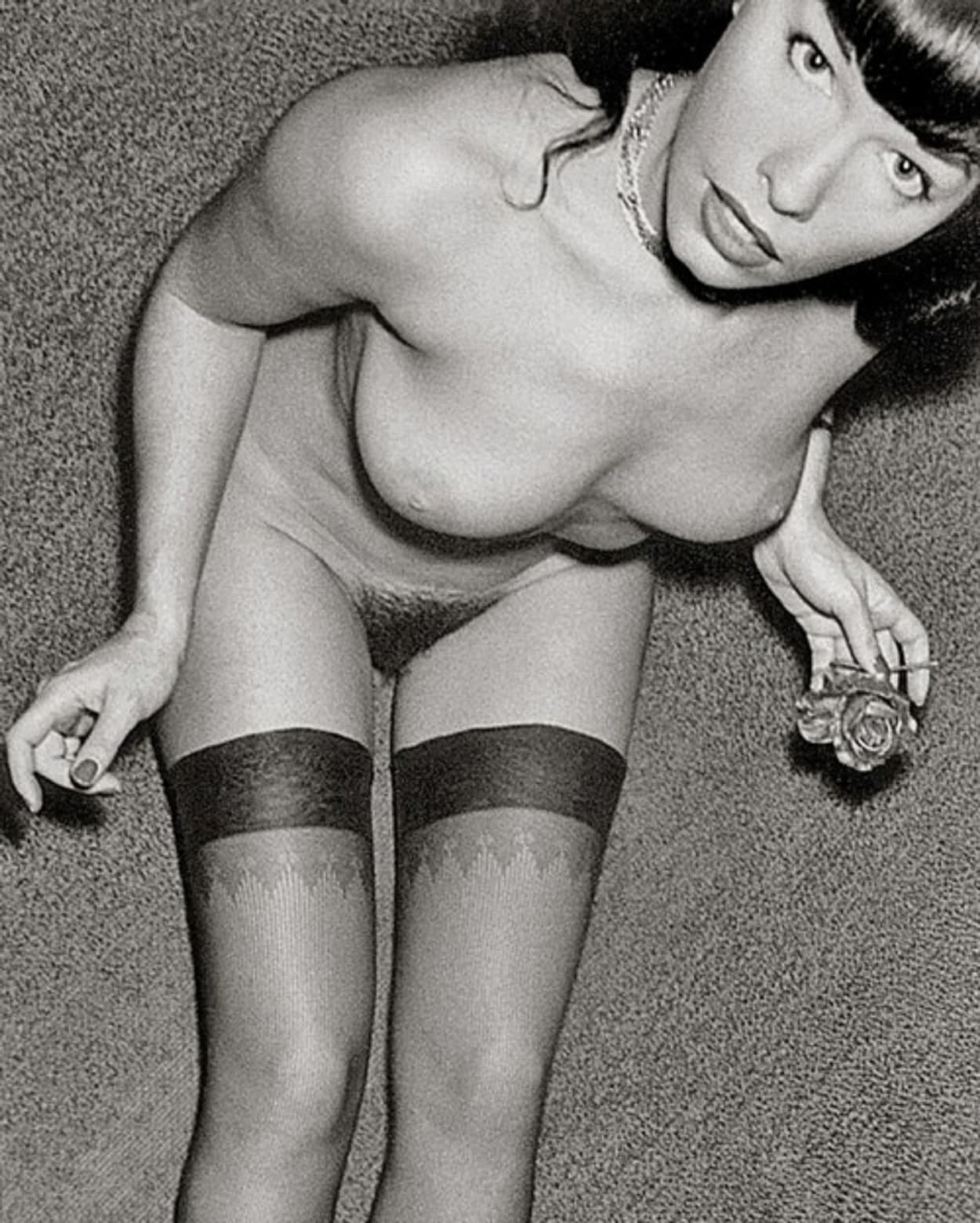
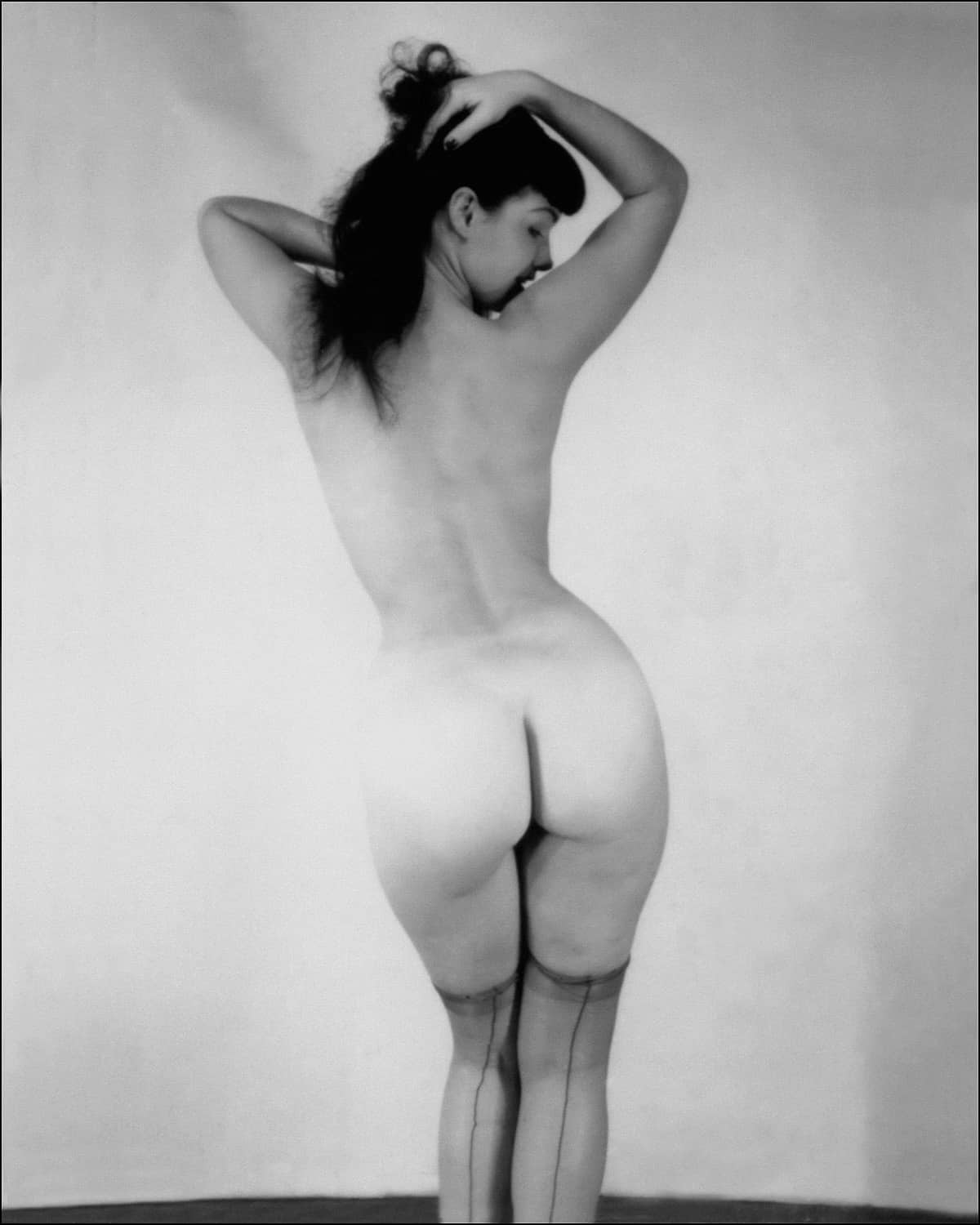
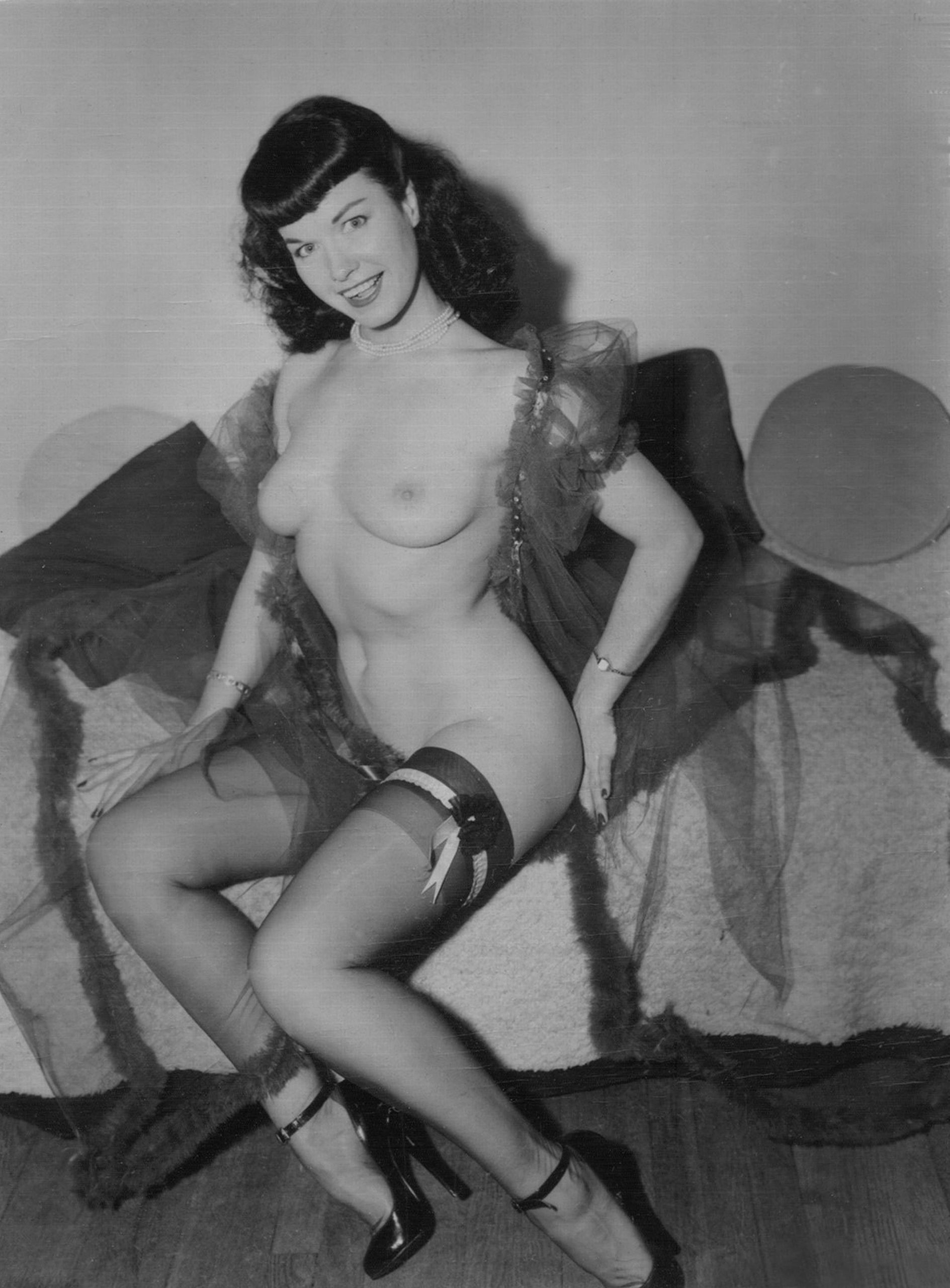
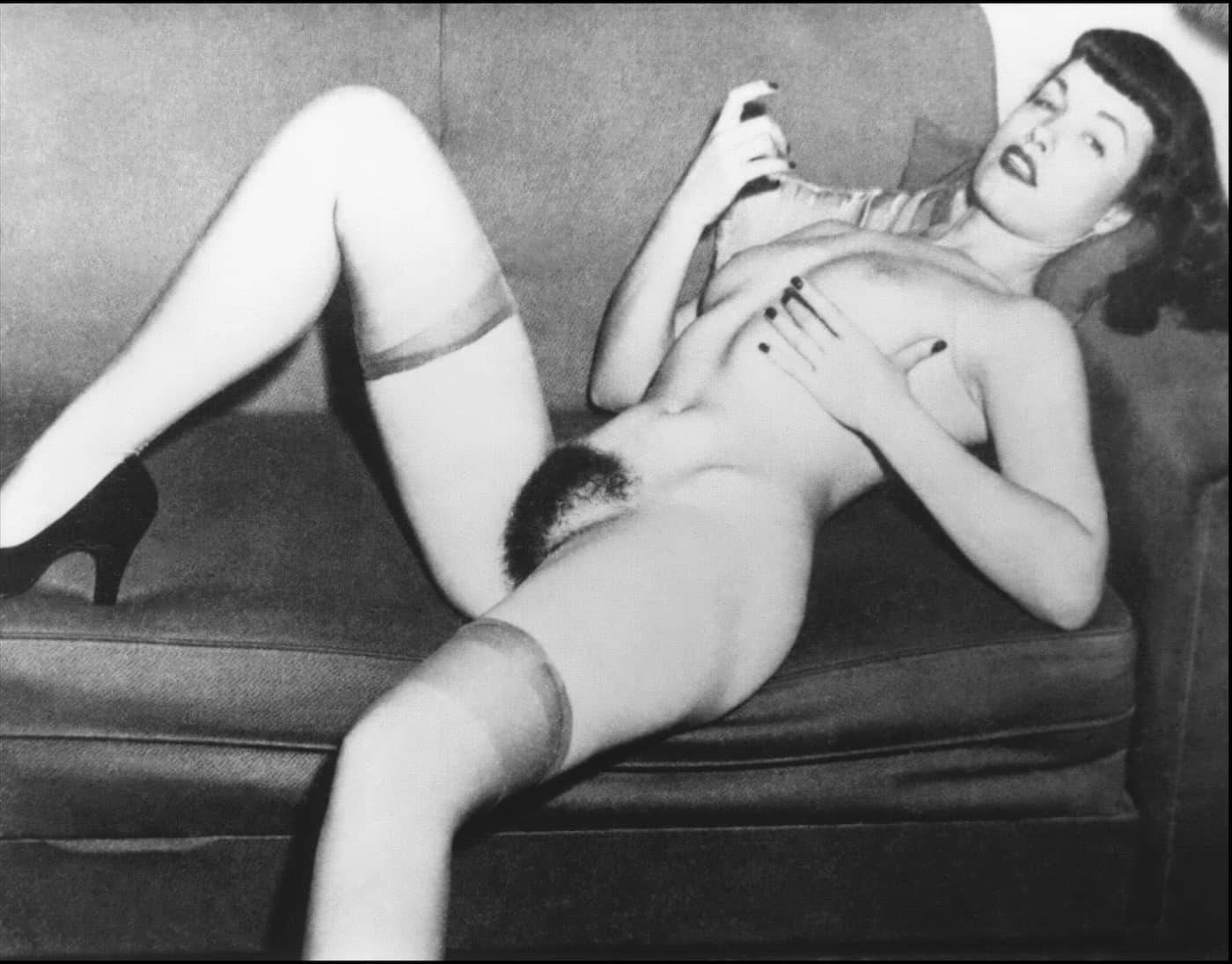
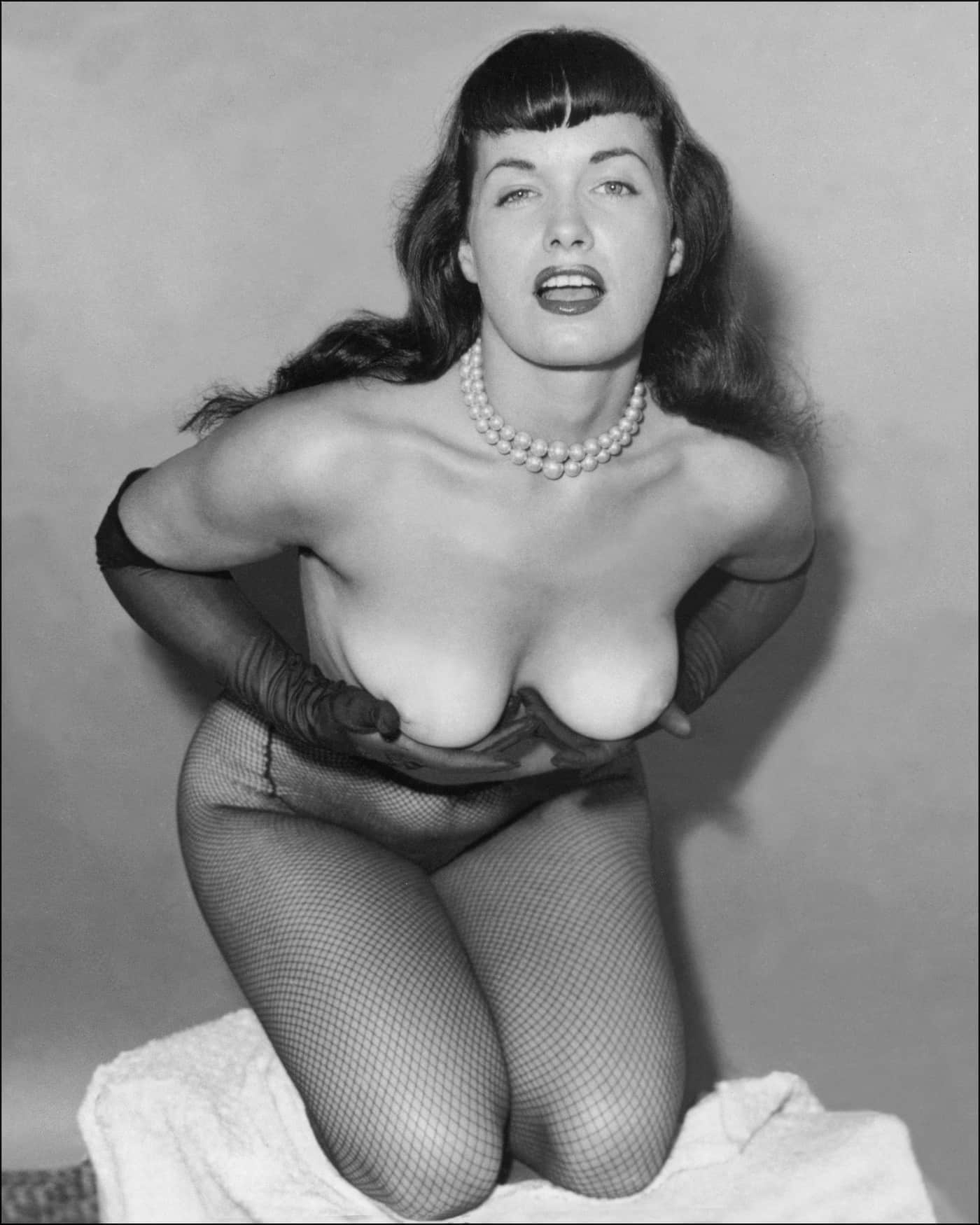
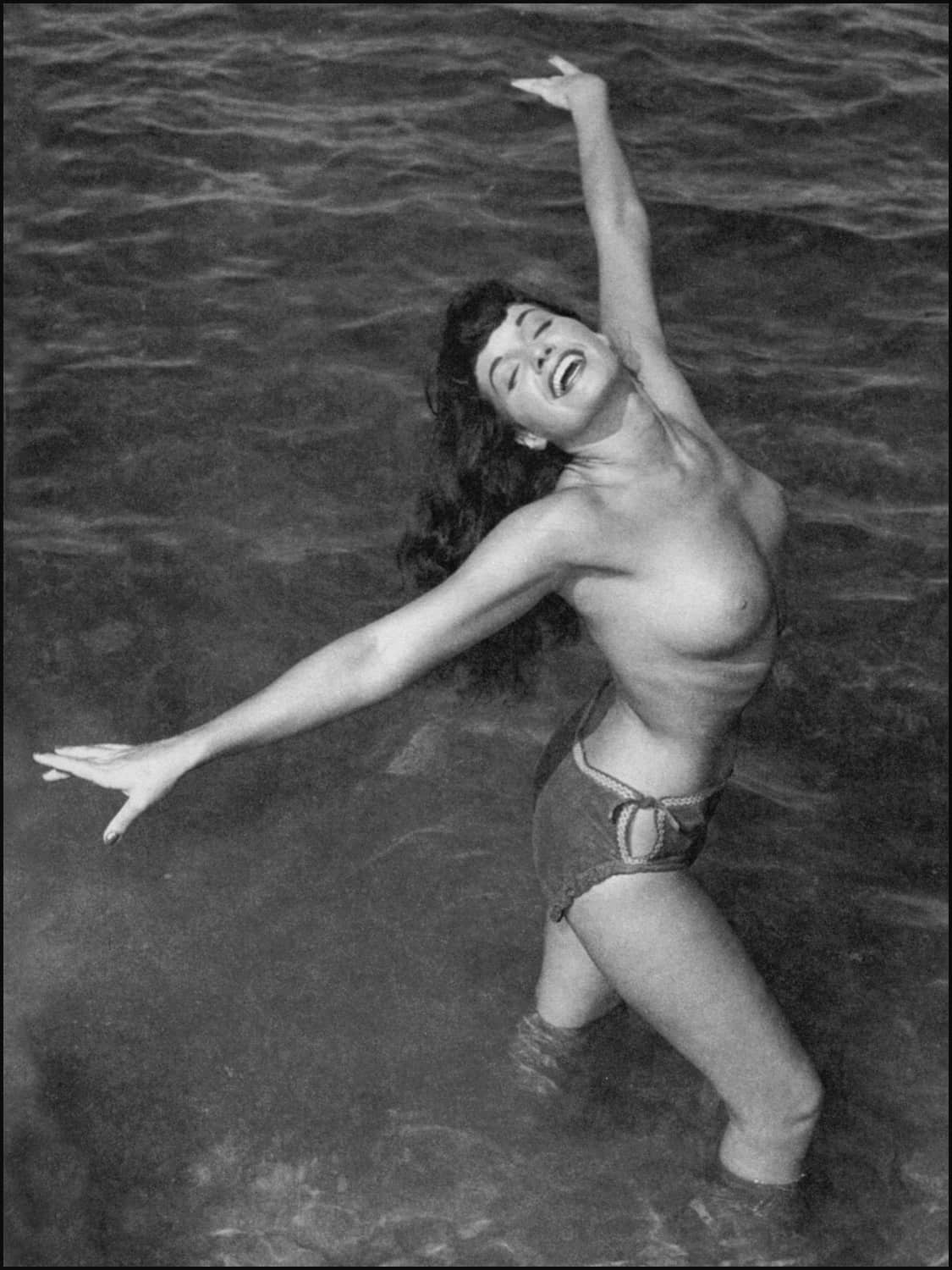
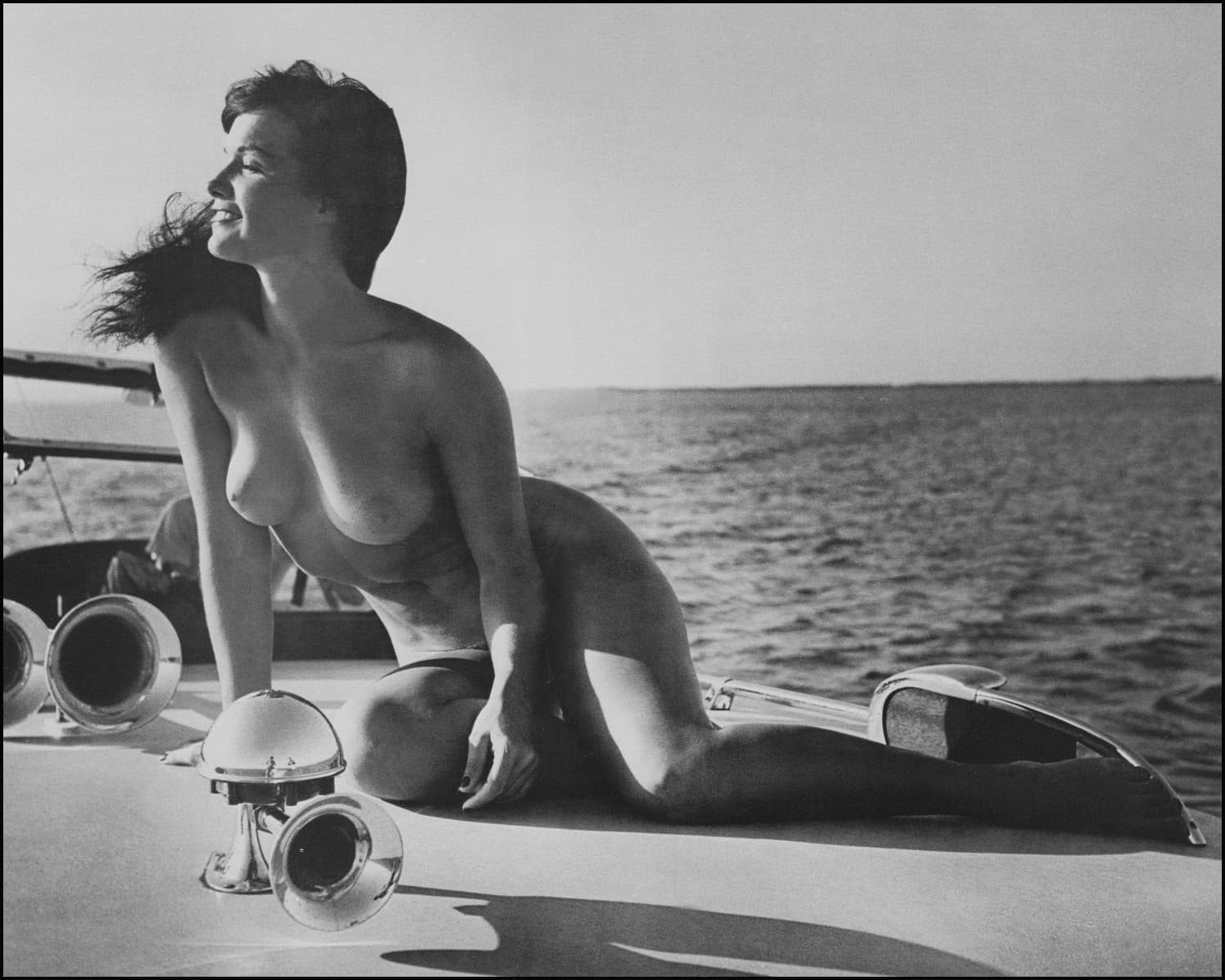
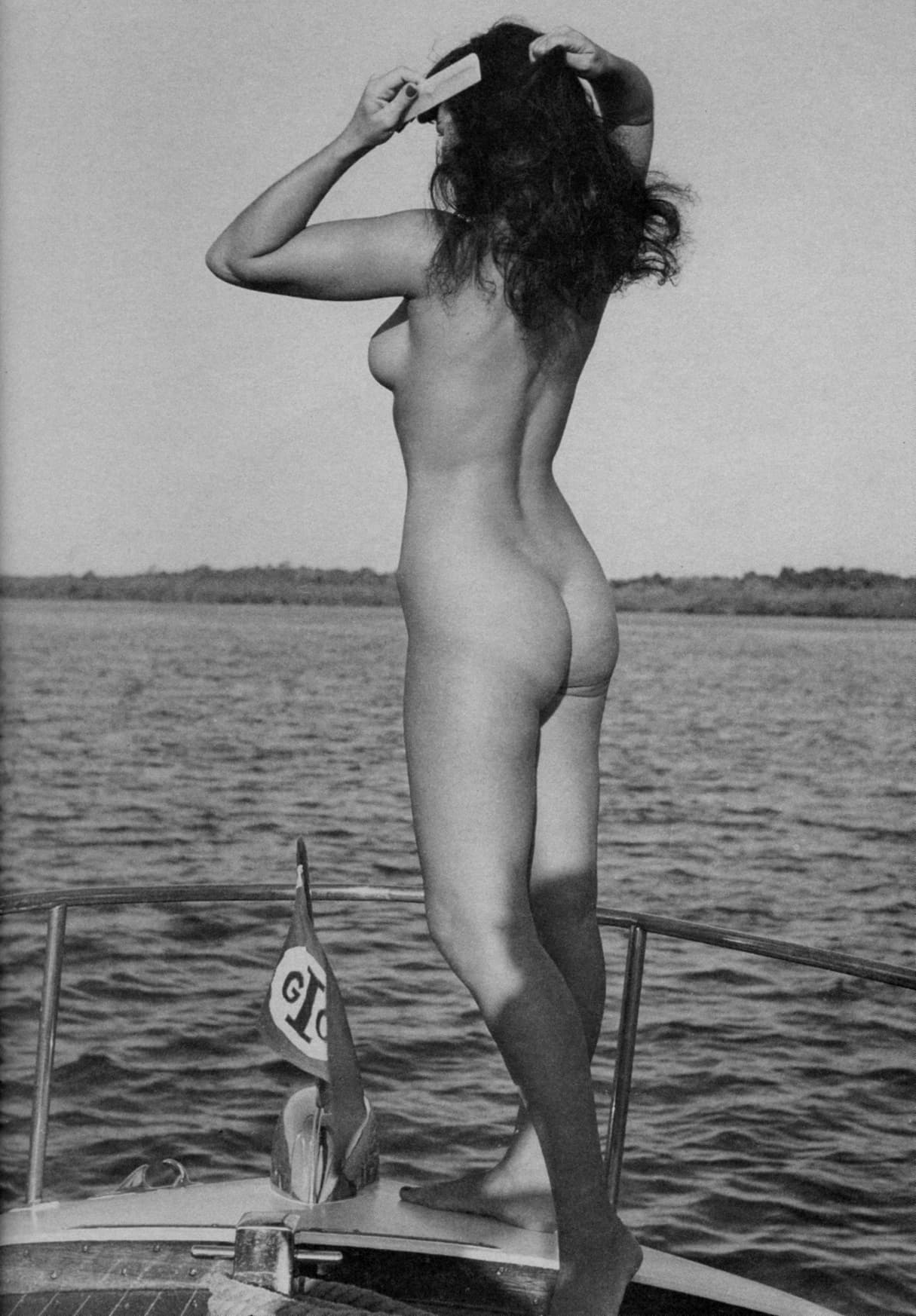
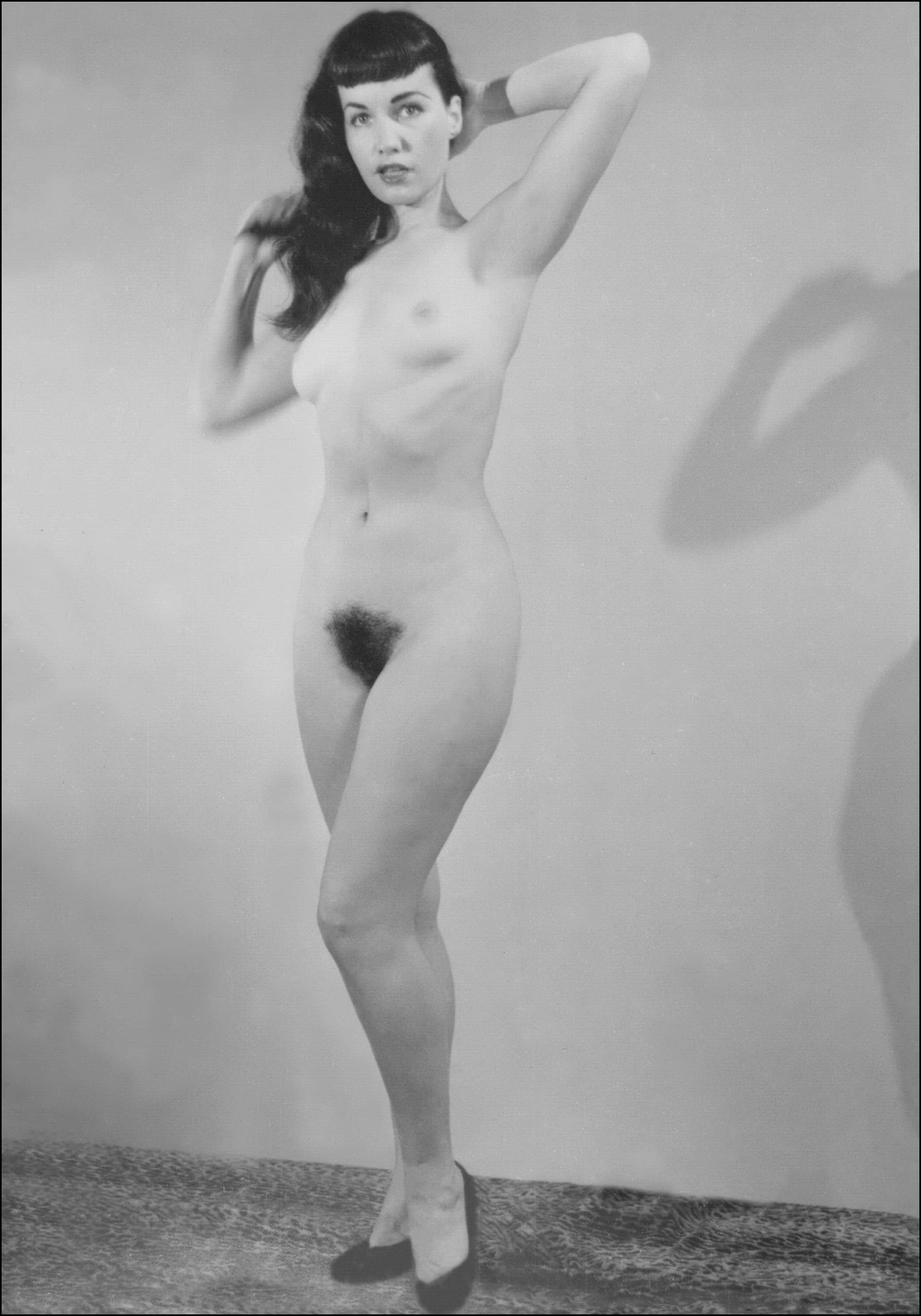
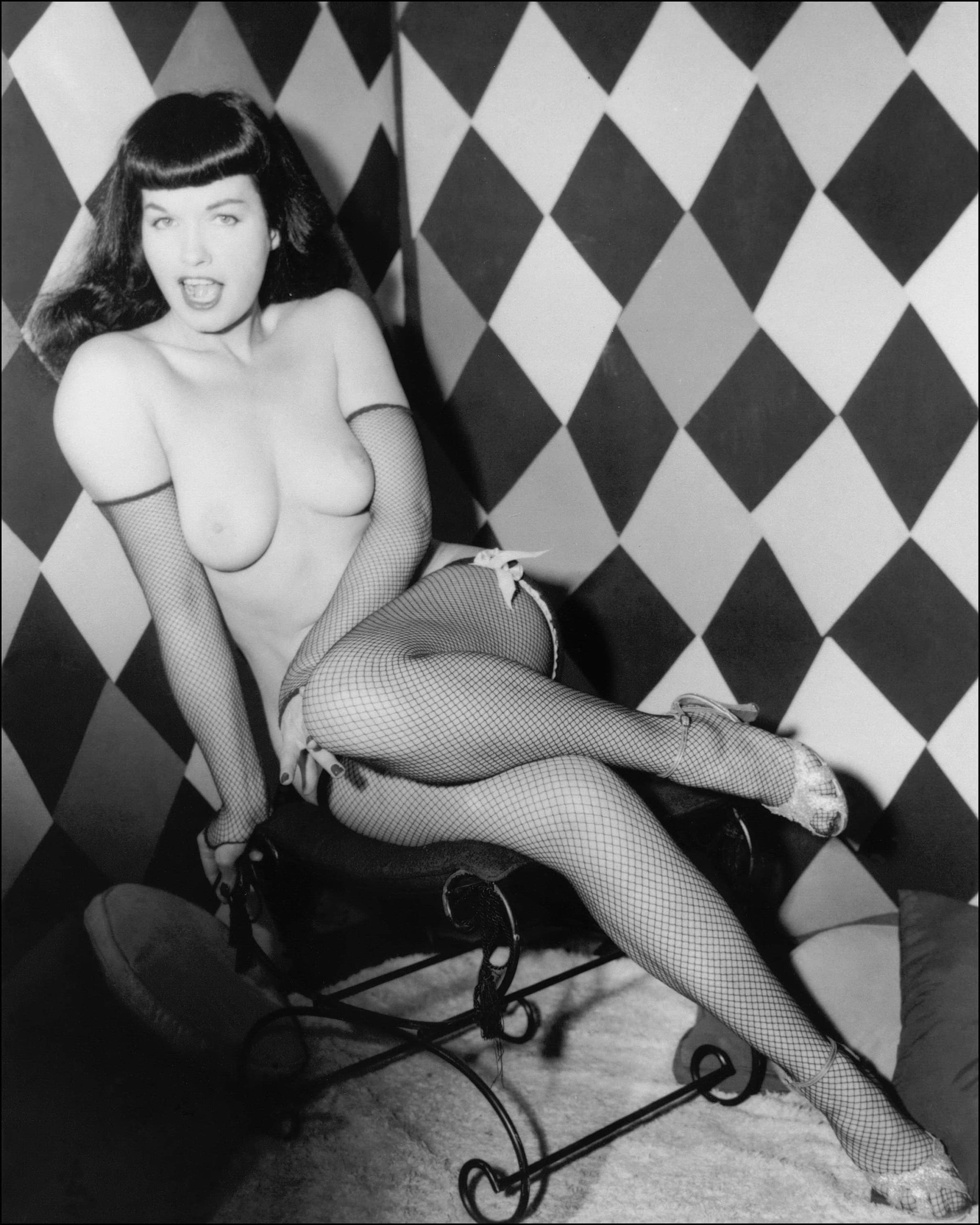
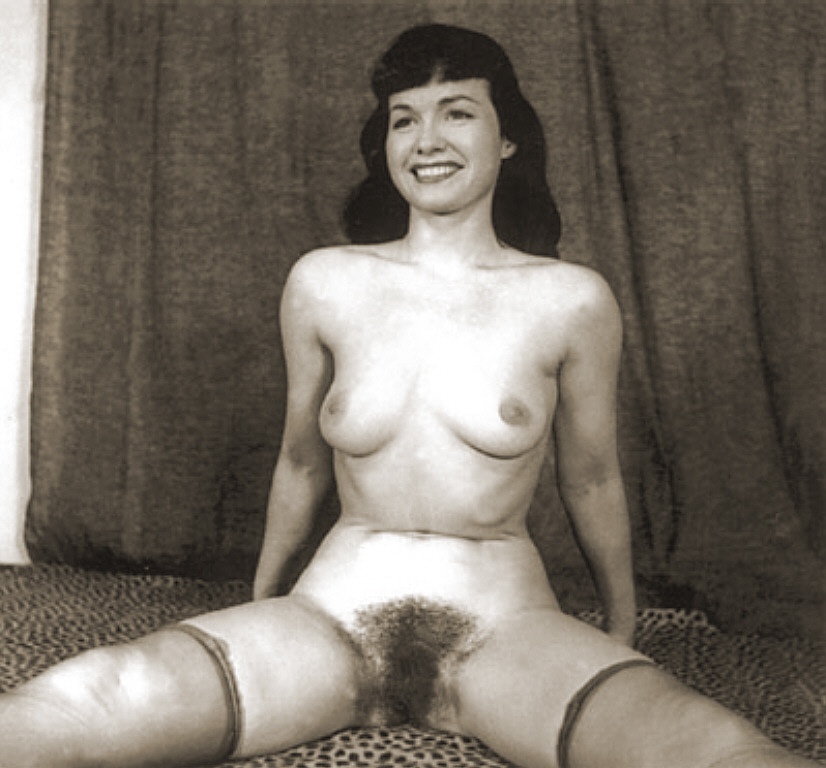
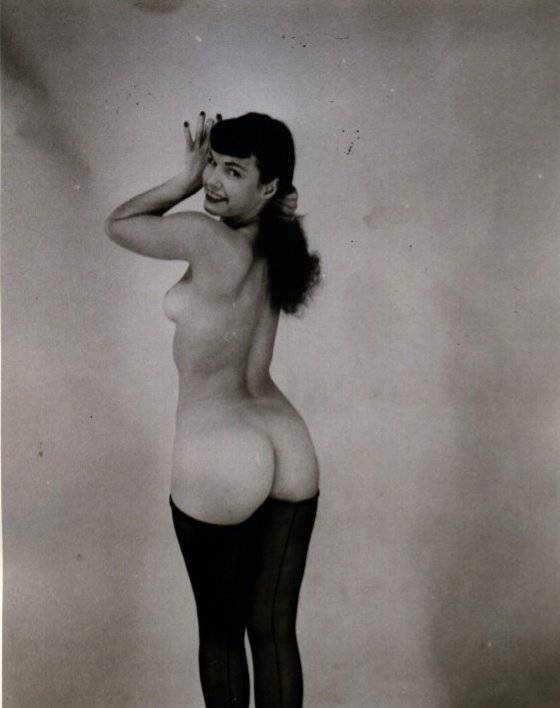
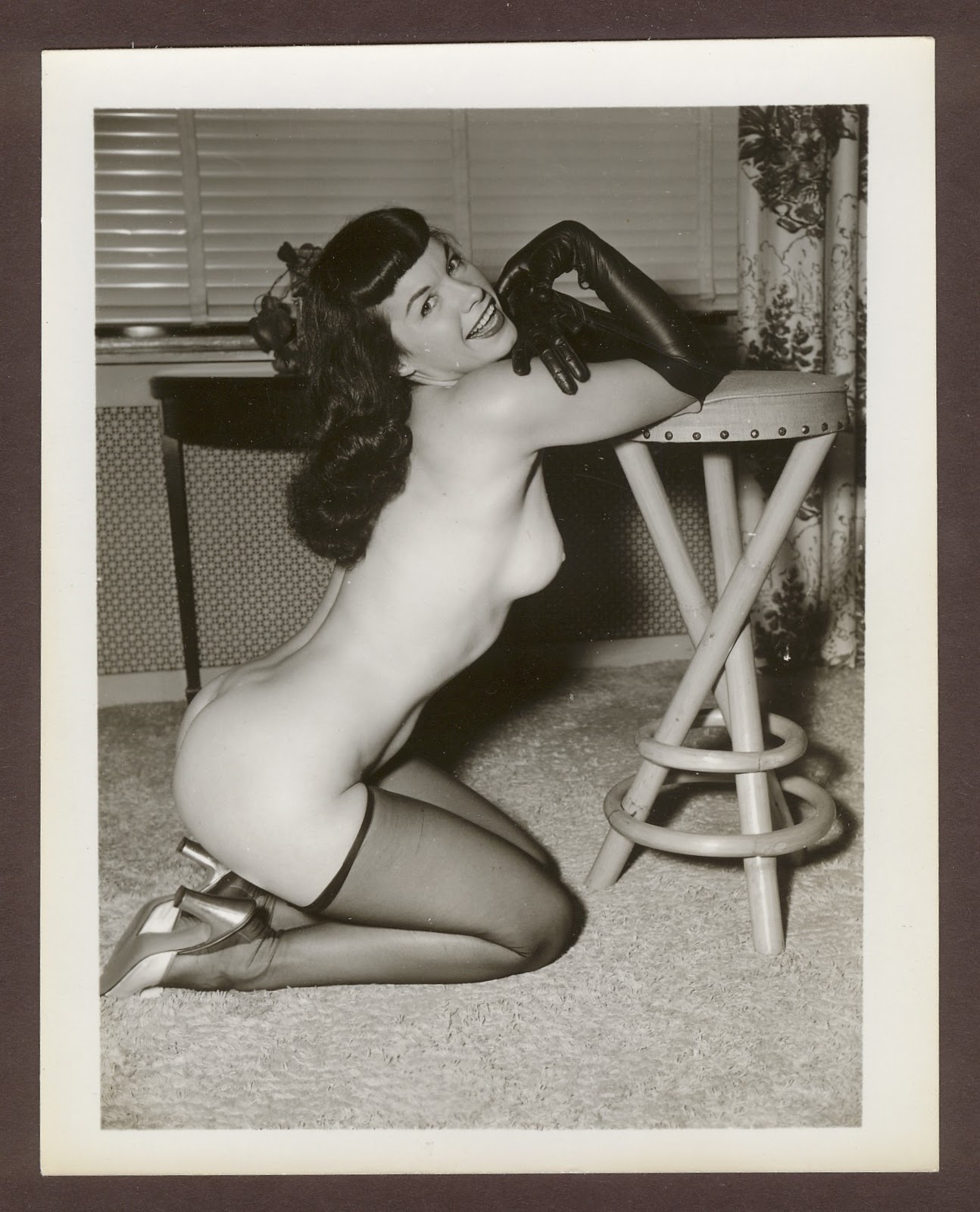
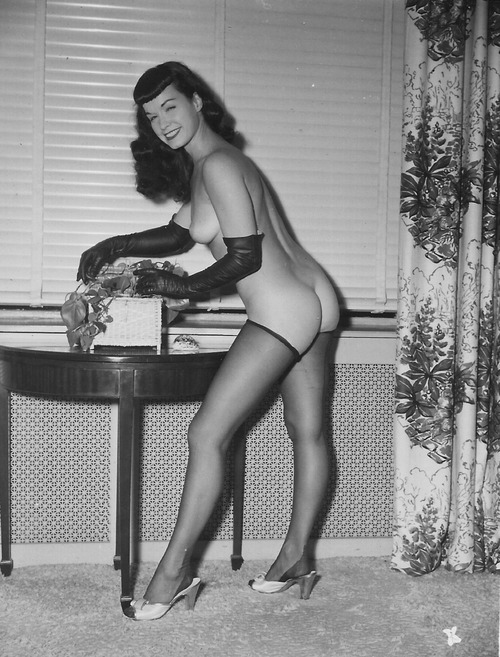
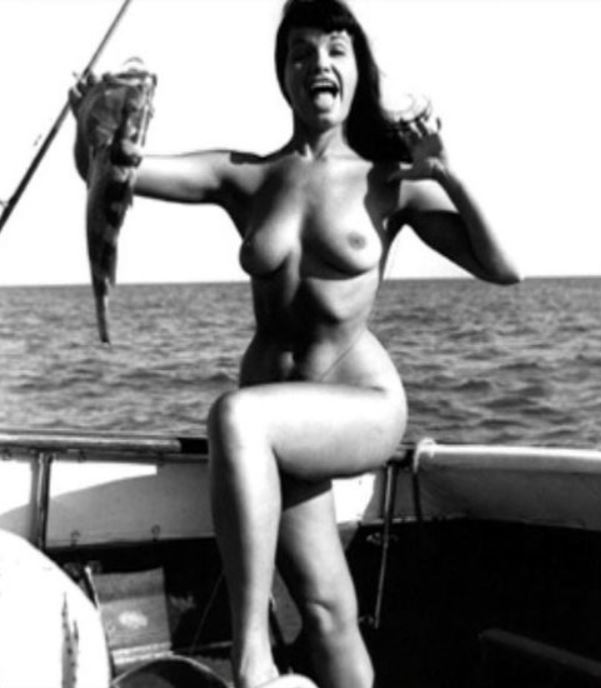
Her most celebrated nude work came from collaborations with Bunny Yeager, a former model turned photographer whom Page met during a 1954 Miami vacation; together, they produced over 1,000 images that year, revolutionizing pin-up with Yeager’s innovative outdoor techniques like fill flash and natural light to highlight Page’s direct gaze and dynamic poses. The pinnacle was the “Jungle Bettie” series at the now-defunct Africa U.S.A. wildlife park in Boca Raton, Florida, where Page—clad in her self-crafted leopard-skin bikini or fully nude—interacted fearlessly with cheetahs Mojah and Mbili amid tropical foliage, creating timeless shots of exotic, flirtatious empowerment later compiled in books like Bettie Page Confidential (1994). Yeager also captured Page in beach scenes, boats, and other sun-drenched Florida locales, emphasizing a mix of innocent allure and bold eroticism.
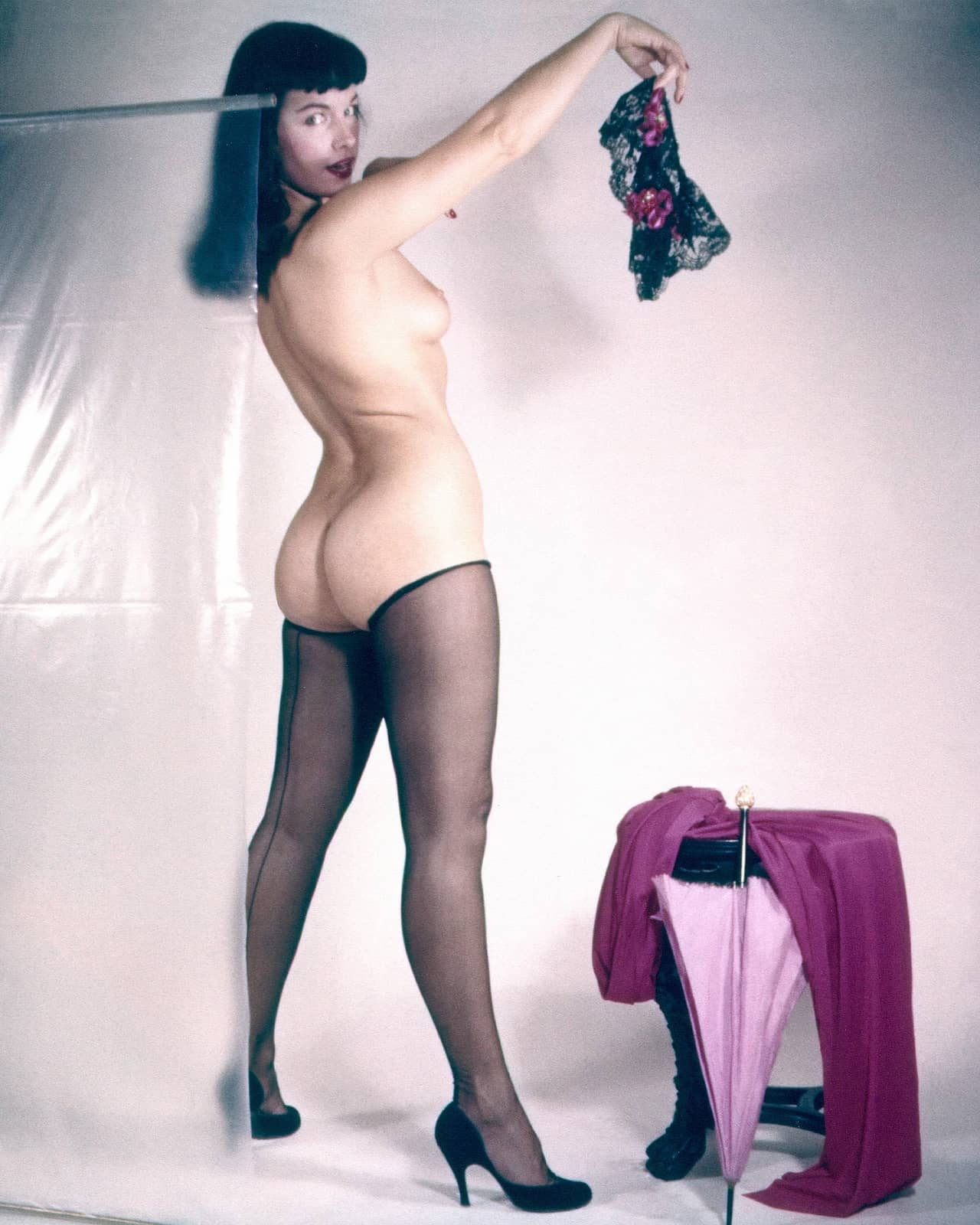
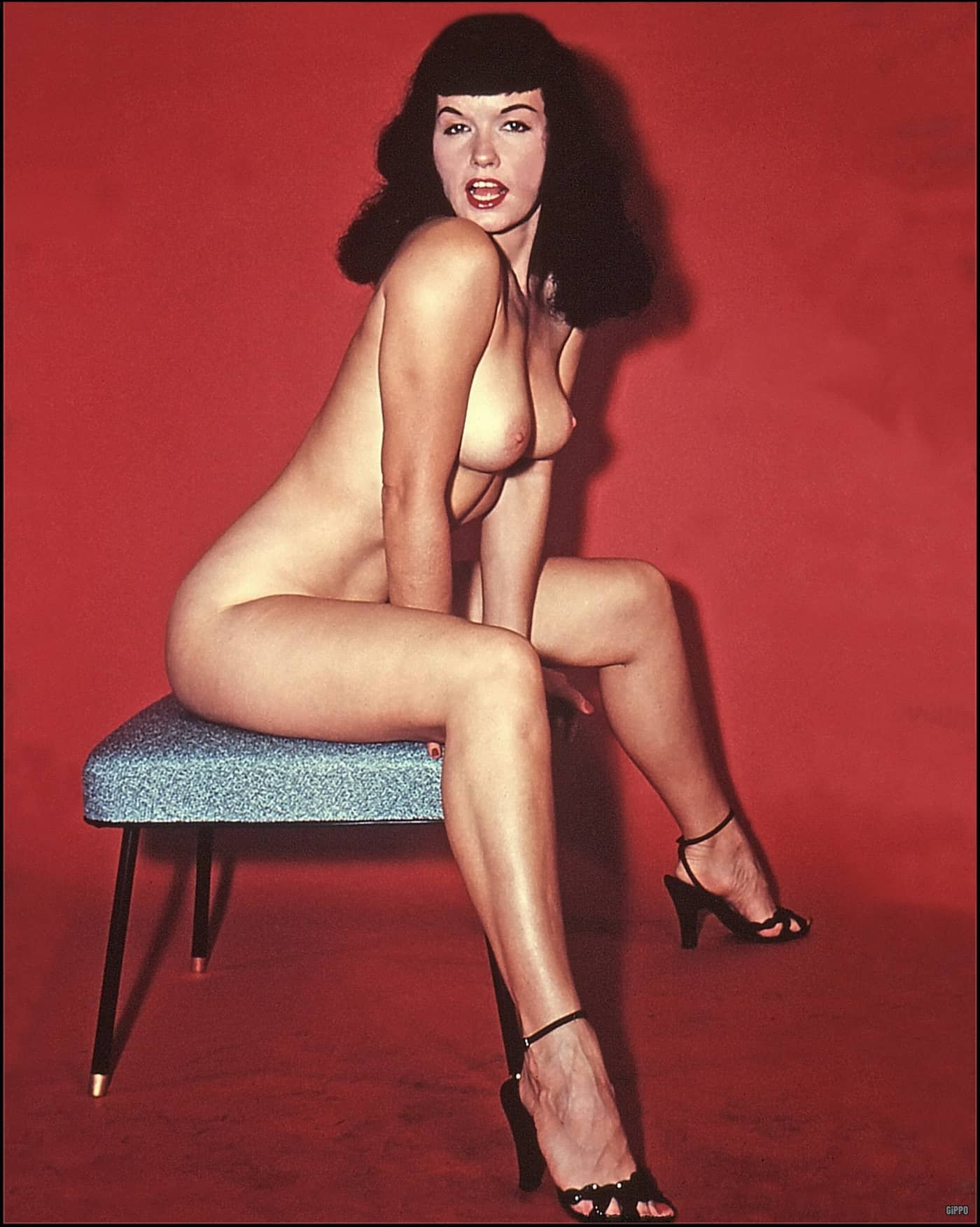
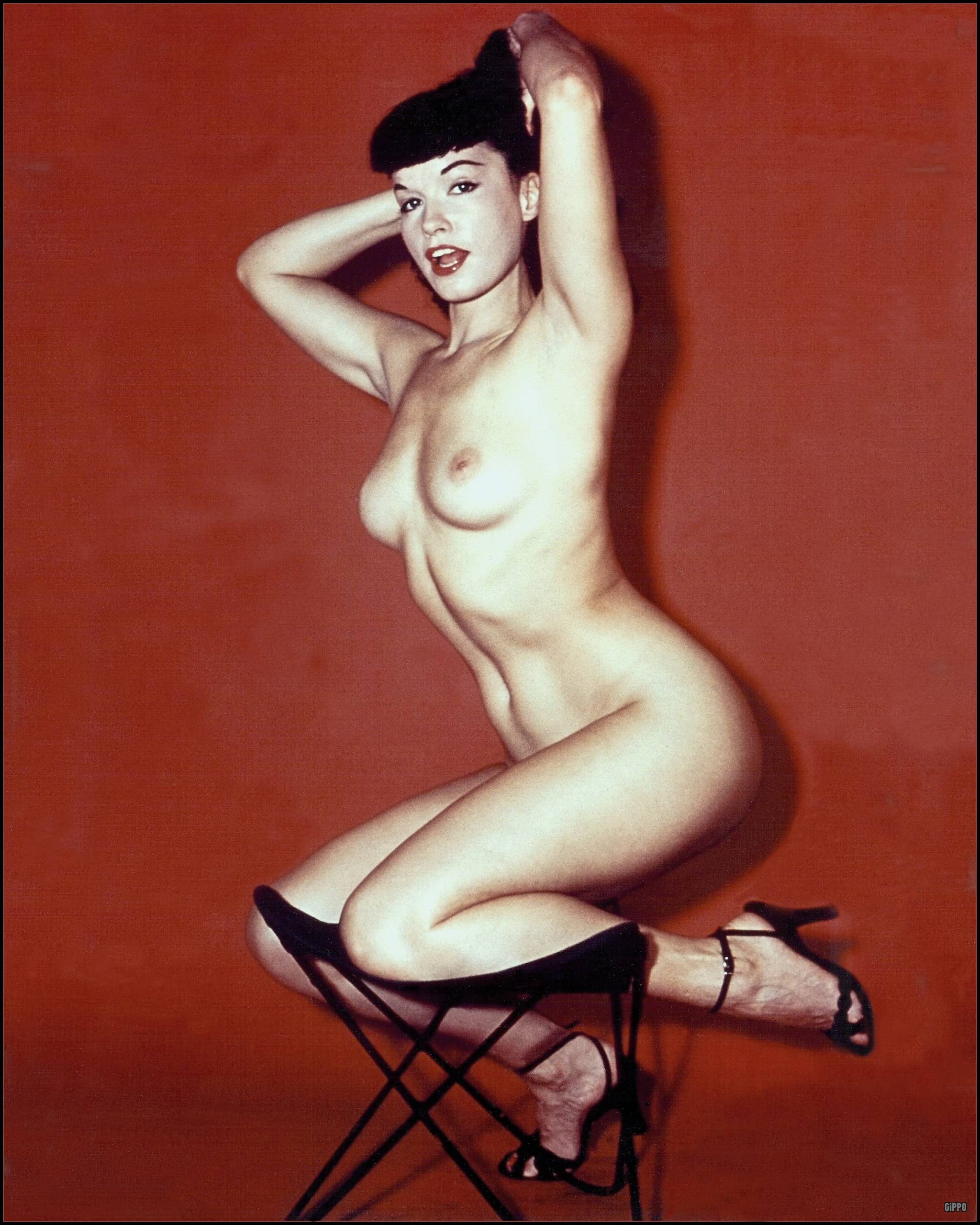
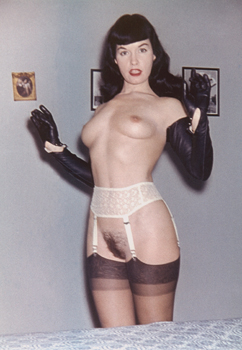
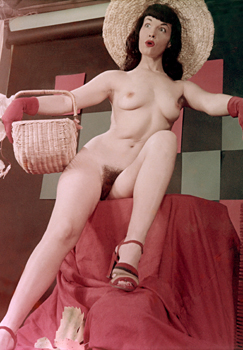
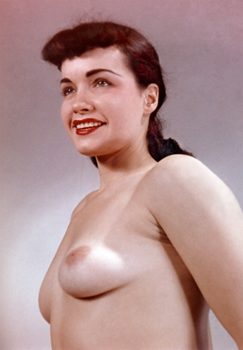
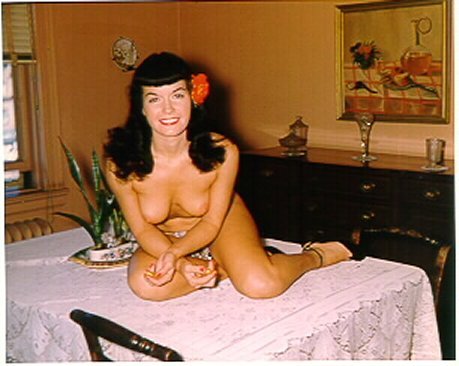
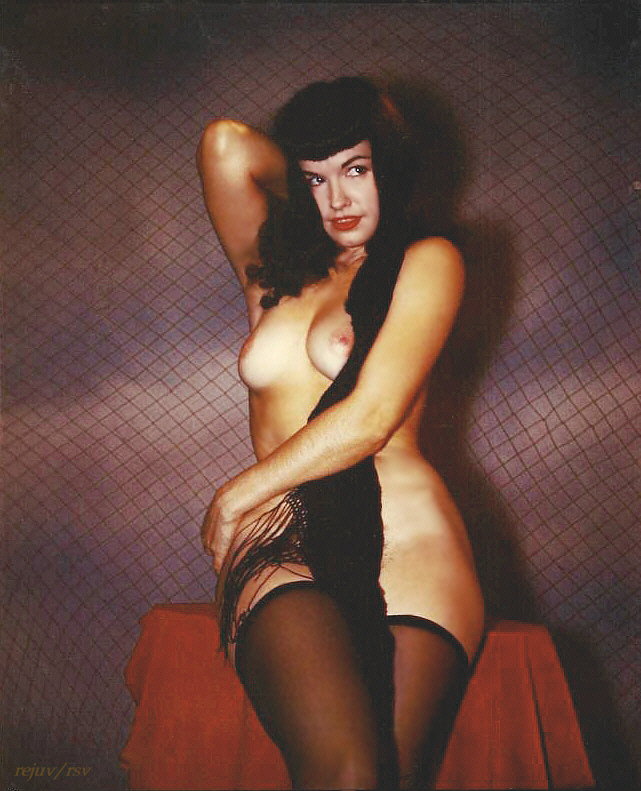
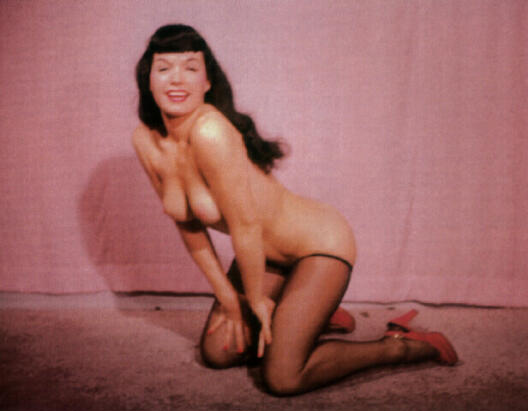
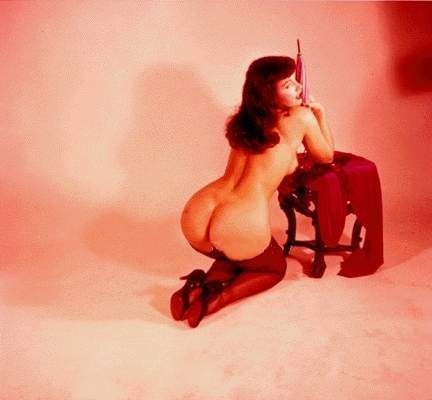
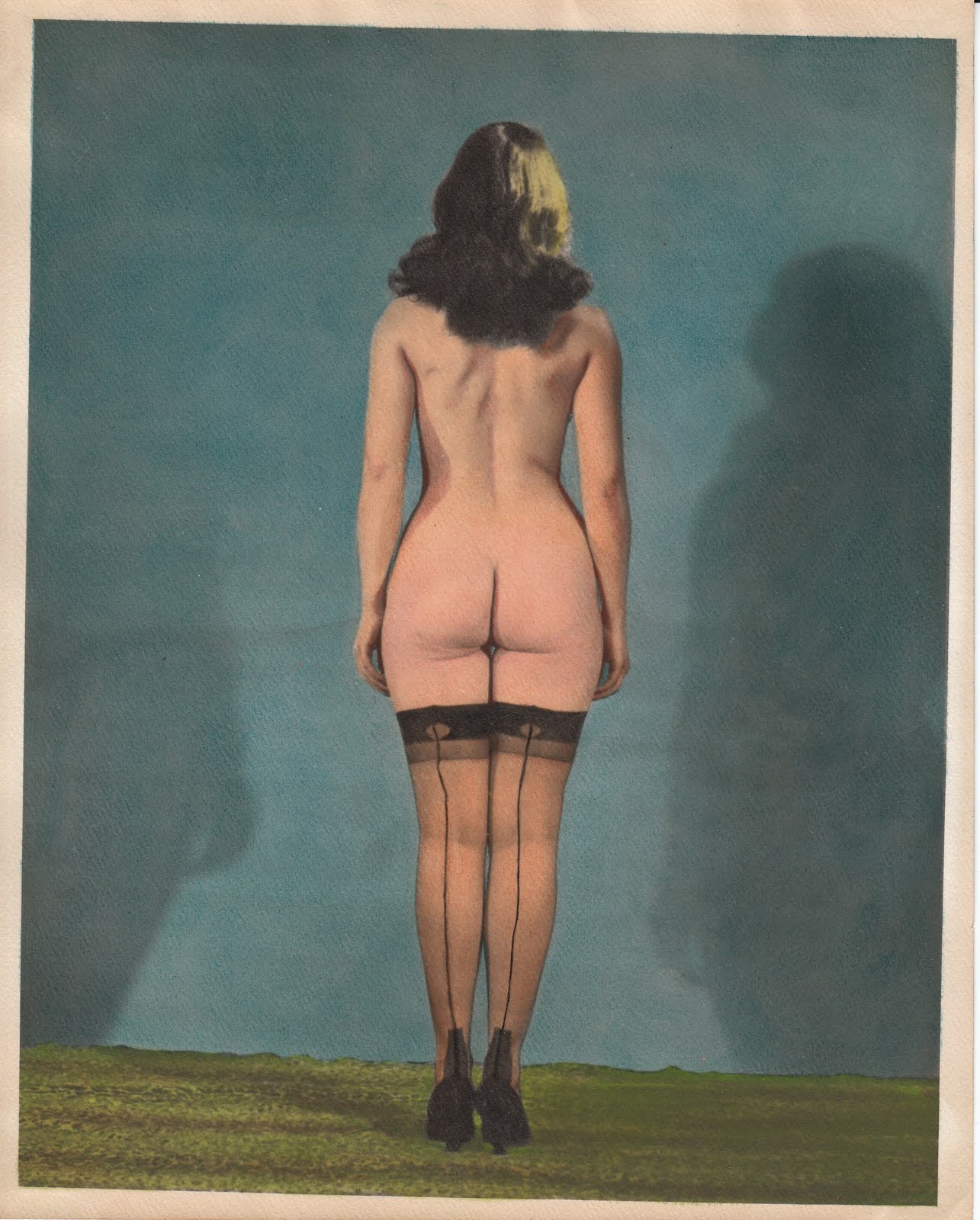
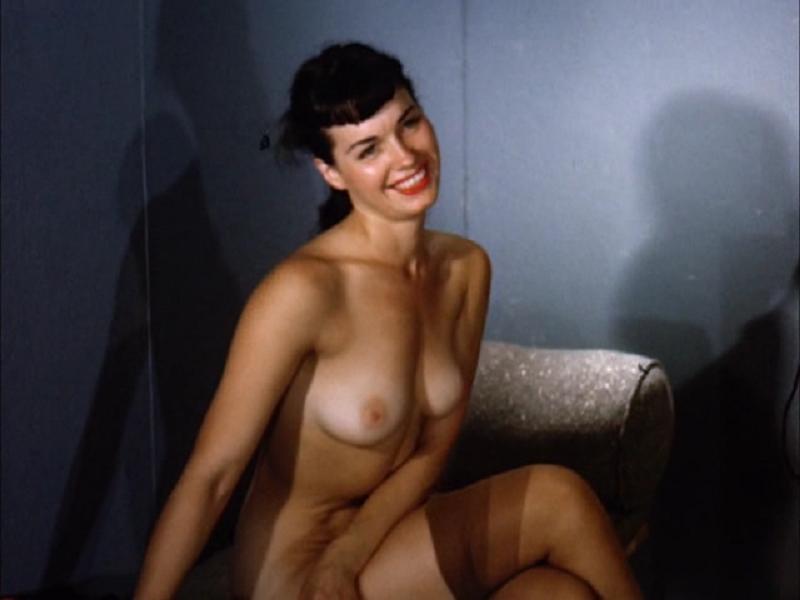
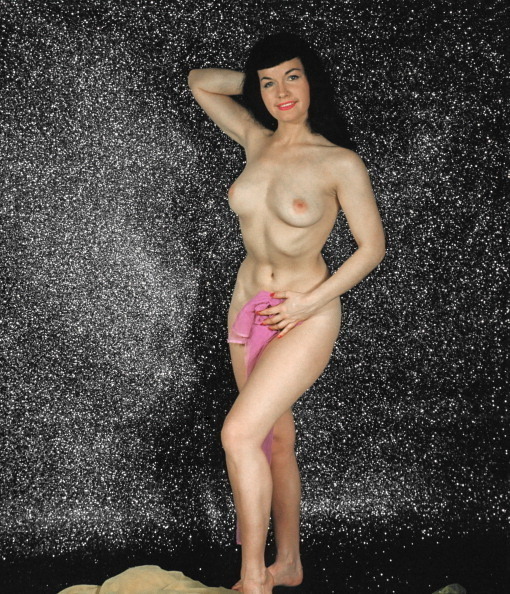
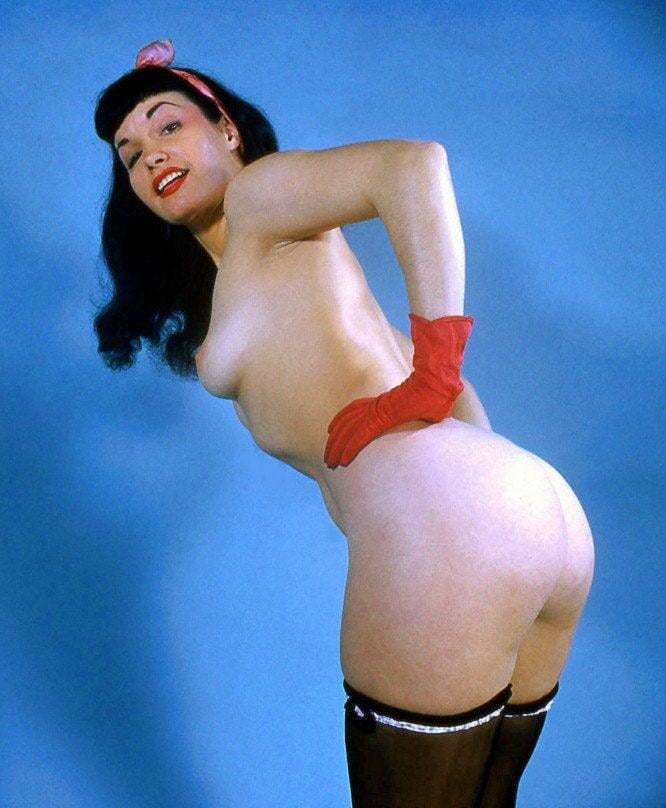
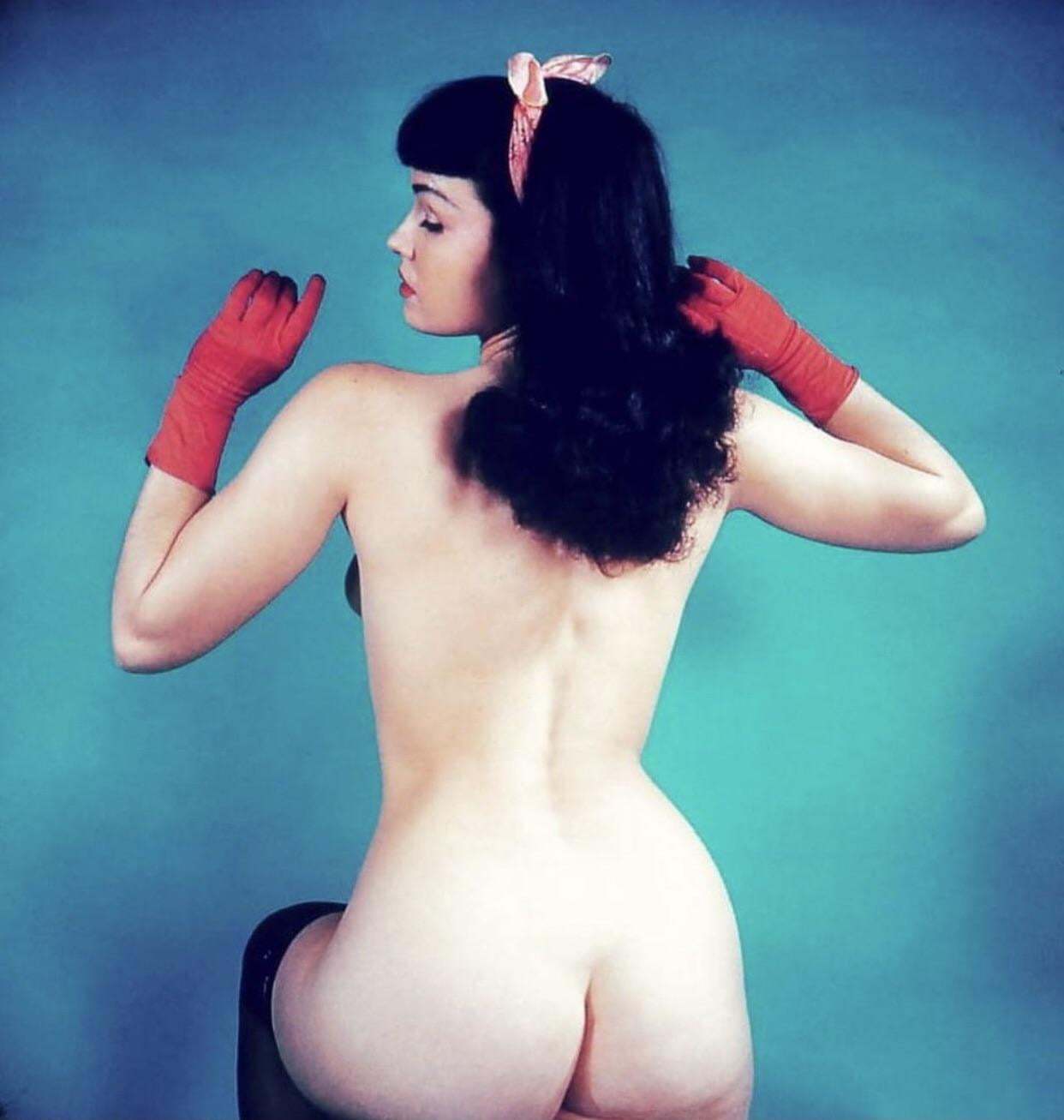
These efforts culminated in Page’s January 1955 Playboy centerfold, shot by Yeager: a nude Page winking mischievously beside a Christmas tree in a Santa hat, her curvaceous form relaxed and joyful, which helped propel her fame nationwide alongside Hefner’s praise. Additional sensual highlights include her ongoing Playboy pin-ups, more outdoor glamour from Hannau and Caldwell, and private club nudes that always prioritized narrative playfulness—eyes sparkling with mischief—over raw vulgarity, influencing erotic photography’s shift toward empowered femininity.

Page retired around 1957 amid Senate hearings on obscenity, converting to evangelical Christianity in 1959 and pursuing missionary work. Her later years involved mental health struggles, including schizophrenia diagnosis, hospitalizations, and divorces, until her death on December 11, 2008, at age 85.
Artistic Legacy
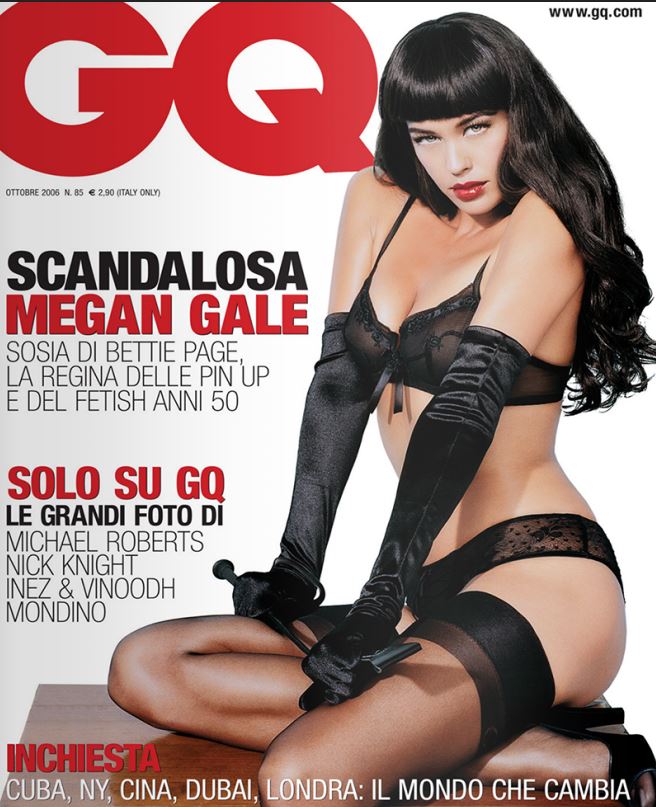
A 1970s-1980s cult revival led to books like A Nostalgic Look at Bettie Page (1976) and comics; her estate earned millions posthumously via licensing. Representations span Olivia De Berardinis paintings, Dark Horse Bettie Page comics, and influences on Poison Ivy (DC Comics), films like The Notorious Bettie Page (2005). Products featuring her (often nude or pin-up likenesses) include official Bettie Page clothing/lingerie lines evoking her playful sex appeal, Etsy art prints/posters, calendars, and murals. Icons like Madonna, Dita Von Teese, Katy Perry, and Rihanna drew from her bangs, corsets, and bondage aesthetic in fashion/music.
Movies
The Notorious Bettie Page (2005)
The Notorious Bettie Page (2005), directed by Mary Harron with a screenplay co-written by Harron and Guinevere Turner, offers a nuanced biographical drama tracing Bettie Page’s life from her troubled Tennessee childhood in the mid-1930s through her explosive modeling career and abrupt retirement in the late 1950s.
Gretchen Mol delivers a standout performance as the adult Page, capturing her wide-eyed Southern innocence, unshakeable Christian morality, and joyful embrace of nudity and bondage modeling—she famously quips lines like “Adam and Eve were naked, weren’t they?” to reconcile her faith with her work. The film recreates iconic shoots with Irving Klaw (played by Chris Bauer) and Paula Klaw (Lili Taylor), featuring Mol in period-accurate high heels, leopard bikinis, ropes, and full-frontal nude scenes that echo Page’s real photosets, all shot with black-and-white authenticity interspersed with color footage.
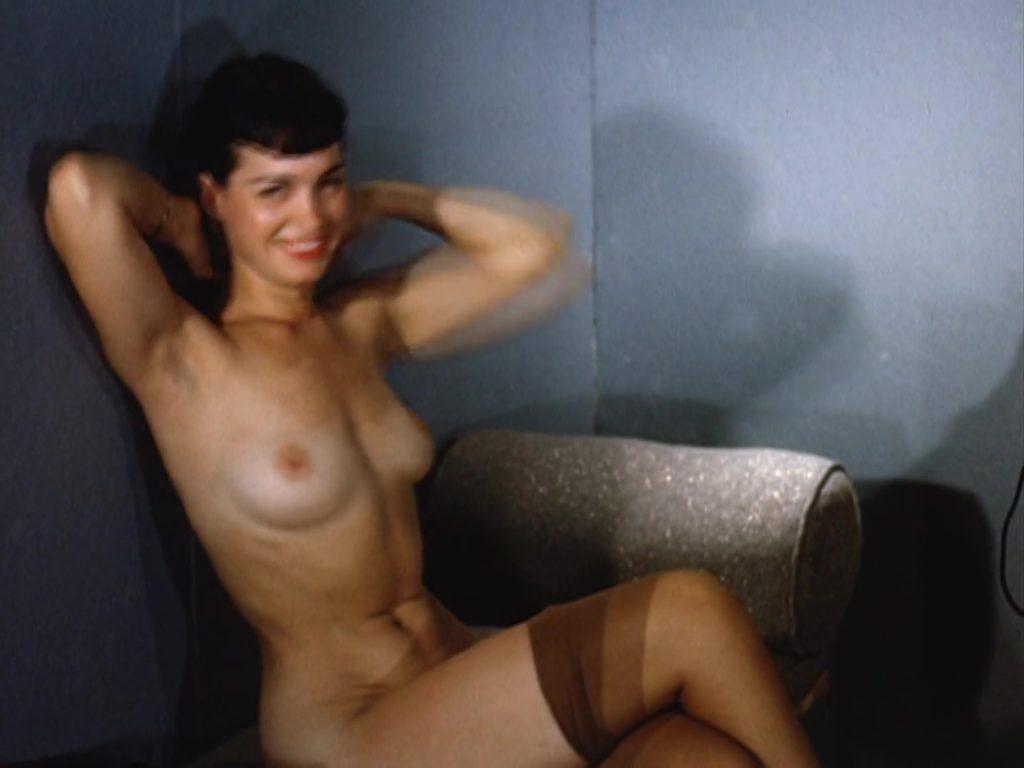
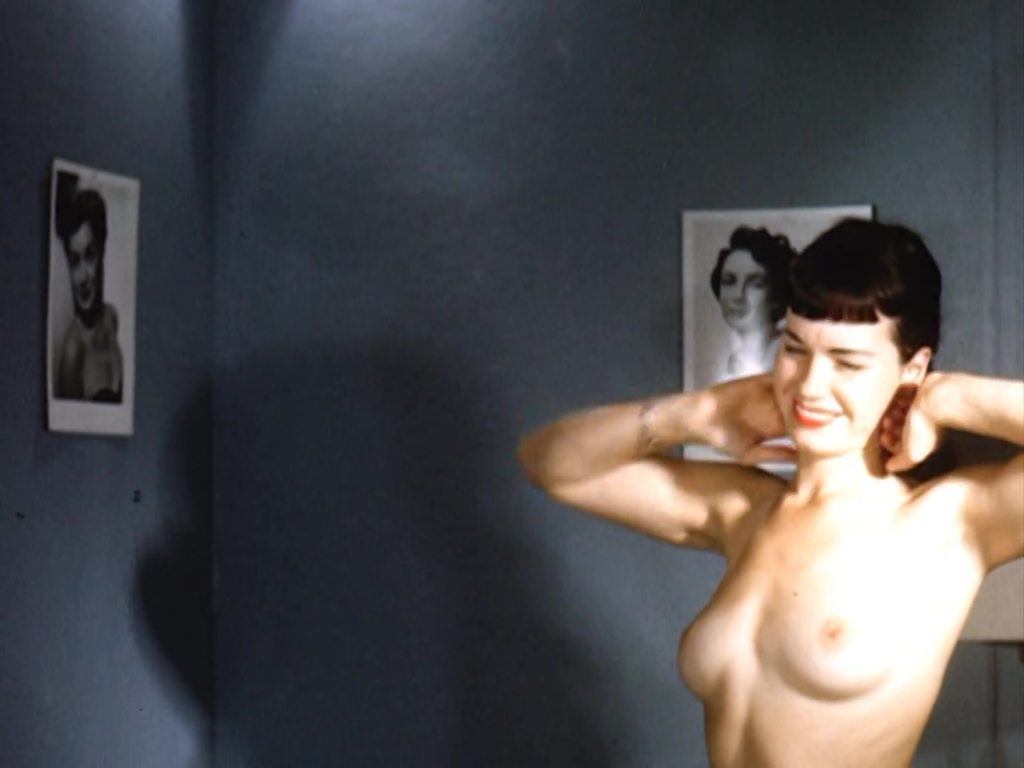
It balances sensuality with commentary on 1950s repression, culminating in the Senate obscenity hearings that pressured Klaw and indirectly ended Page’s era, while portraying her as blissfully unaware of her “notorious” status—always posing with that signature playful smile. Bonus DVD content includes rare 1950s color film of the real Page undressing and striking nude poses, adding historical depth. Critics praised Mol’s spirited embodiment, the film’s sweet charm amid leather-and-lace visuals, and its recreation of Page’s pin-up legacy, though it notes her post-retirement struggles only briefly.
Bettie Page Reveals All (2012)
Bettie Page Reveals All (2012) is an intimate documentary directed by Mark Mori that offers an unprecedented glimpse into the life of the iconic pin-up model, narrated primarily through rare audio interviews recorded with Page herself a decade before her 2008 death. With her signature Tennessee twang and razor-sharp wit, Page recounts her journey from a hardscrabble Nashville childhood—marked by orphanage stays, sexual abuse, and academic excellence as high school salutatorian—to her explosive 1950s modeling fame, sudden 1957 retirement, failed marriages, born-again Christianity phase with Billy Graham crusades, mental health struggles including a stint in a psychiatric institution after an attempted murder charge, and her unaware rediscovery as a cult icon in the 1990s.
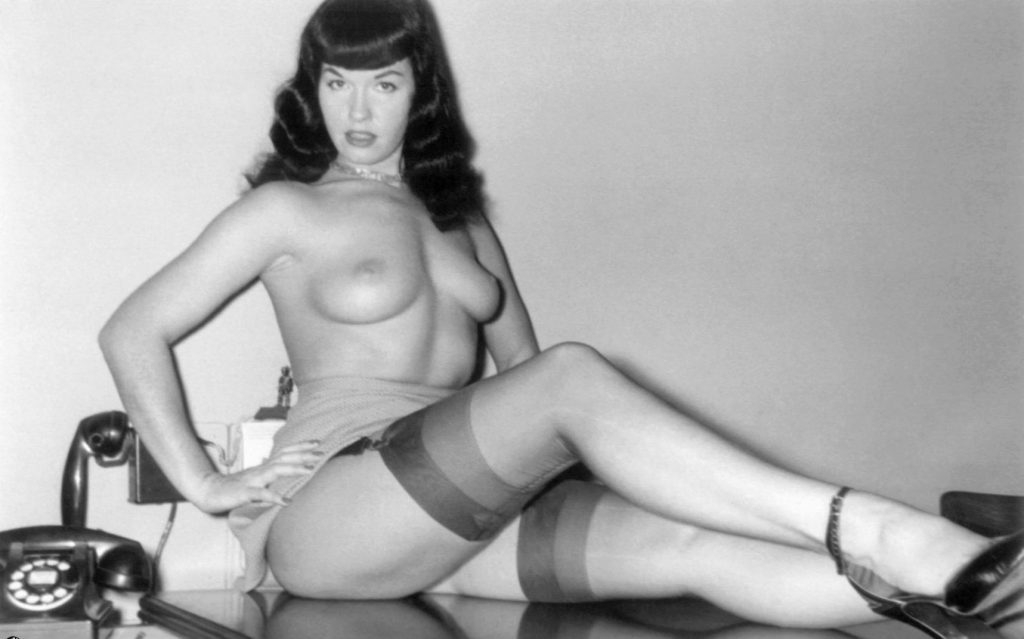
The film weaves her personal anecdotes—bondage shoots with Irving and Paula Klaw, indecent exposure arrests, celebrity propositions from Howard Hughes, jilted lovers, and government “witch hunts” amid Senate hearings—with a vibrant collage of 1950s pop culture clips (hit songs, TV ads, sci-fi movies, moralizing shorts), her actual photos, and unseen footage, emphasizing how her joyful nudity and fetish poses sparked the sexual revolution. Contributors like photographers Bunny Yeager and Paula Klaw, stripper Tempest Storm, Hugh Hefner, Dita Von Teese, Mamie Van Doren, Rebecca Romijn, and others (including mentions of modern stars like Madonna, Beyoncé, Katy Perry, Rihanna, and Lady Gaga) reflect on her influence on fashion, art, photography, film, music, and empowered sexuality.
Bettie Page: Dark Angel (2004)
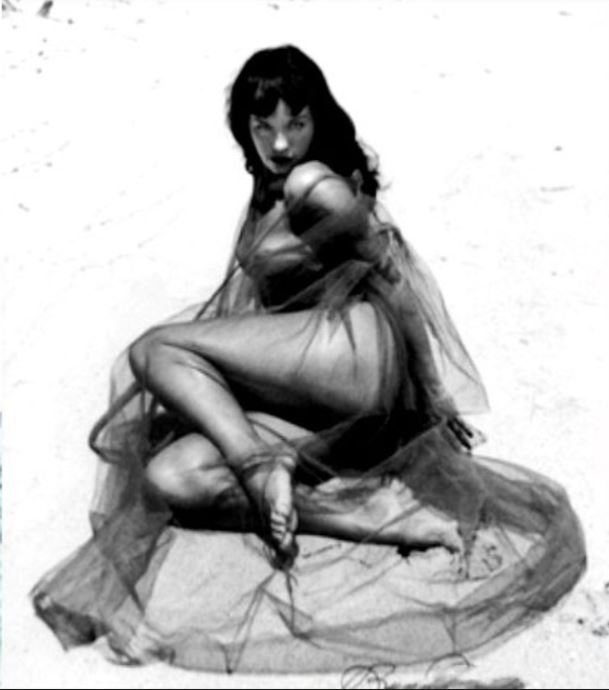
This low-budget independent biopic, directed by Nico Bruinsma (also known as Nico B.), chronicles the final three years (1953–1957) of Bettie Page’s modeling career in New York, with fetish model Paige Richards portraying Page in a striking physical likeness. The film faithfully recreates six lost 16mm bondage featurettes she filmed for Irving Klaw (played by Dukey Flyswatter as Michael Sonye), including scenarios of ropes, whips, domination, and playful S&M antics that earned her the nickname “Dark Angel.” Jamie Henkin plays Paula Klaw, while cameos like Kirsi Sand as Bunny Yeager add authenticity; it blends episodic vignettes of her pin-up shoots, arrests for indecency, and the Senate obscenity investigations that contributed to her disappearance from the spotlight, all shot in a gritty, retro style with sparse sets and vibrant period costumes.
Running 75 minutes, it’s more erotic homage than polished drama—critics noted its tongue-in-cheek humor and detailed Klaw recreations (using real Page stills for jungle scenes), though the script plods and acting varies, earning a 3.5/10 IMDb rating as a niche treat for fans.
Bettie Page: The Girl Next Door (1997)
This short documentary (often listed around 30-50 minutes in archives) serves as an early tribute to Page’s legacy, produced during her rediscovery phase when she was still alive but reclusive. Directed by an independent team, it features interviews with Page herself (in rare footage), photographers like Bunny Yeager and Paula Klaw, and contemporaries, interspersing her life story—childhood hardships, 1950s rise via camera clubs and Playboy, bondage work, retirement amid hearings—with iconic photos, clips from burlesque films like Teaserama, and reflections on her “girl next door” charm amid sensual poses. Less comprehensive than later works like Reveals All, it emphasizes her joyful nudity and cultural impact without delving deeply into later struggles, positioning her as a proto-feminist icon in pin-up history. Primarily circulated on VHS and festival circuits, it’s a foundational piece in her revival narrative.
Books
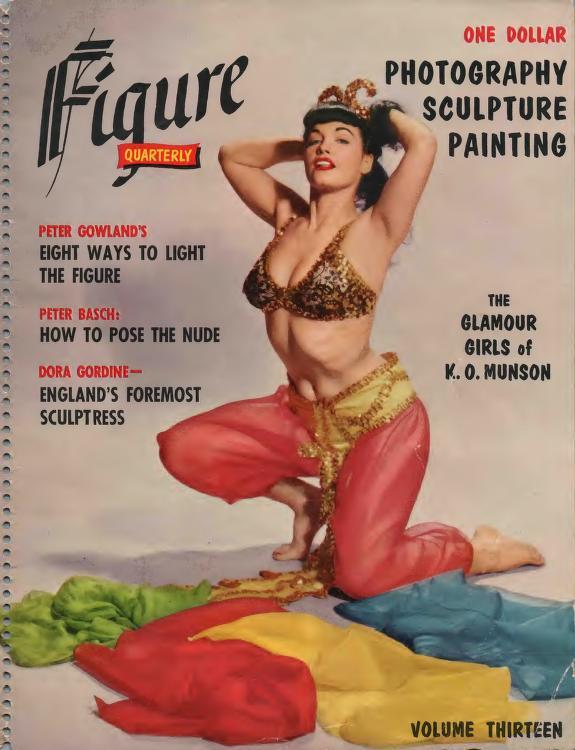
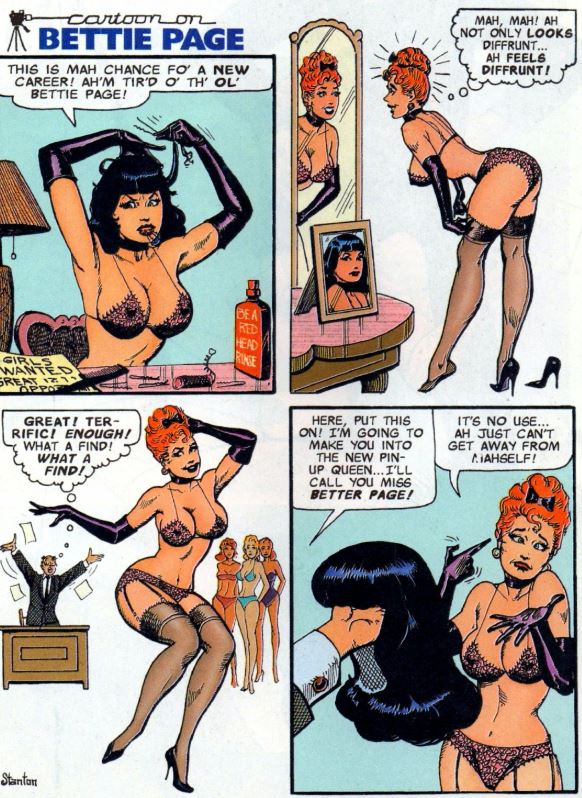
A cult revival of Bettie Page’s image ignited in the 1970s among underground enthusiasts, sparked by key publications like A Nostalgic Look at Bettie Page (1976) from Eros Publishing—a mix of her 1950s photos—and Belier Press’s four-volume Betty Page: Private Peeks series (1978-1980), which reprinted private camera club nudes, drawing a small but devoted following. The 1980s amplified this with London Enterprises’ In Praise of Bettie Page (1983), airbrushed art by Robert Blue, illustrations from Eric Stanton, Dave Stevens, Frank Frazetta, and Olivia De Berardinis’ sensual paintings, plus her appearances in comic strips, rock posters, and fashion nods that helped models reclaim smiling poses. Posthumously, her estate—managed by CMG Worldwide—has generated millions through exclusive licensing deals since the 1990s, funding her later years and beyond.
Comics
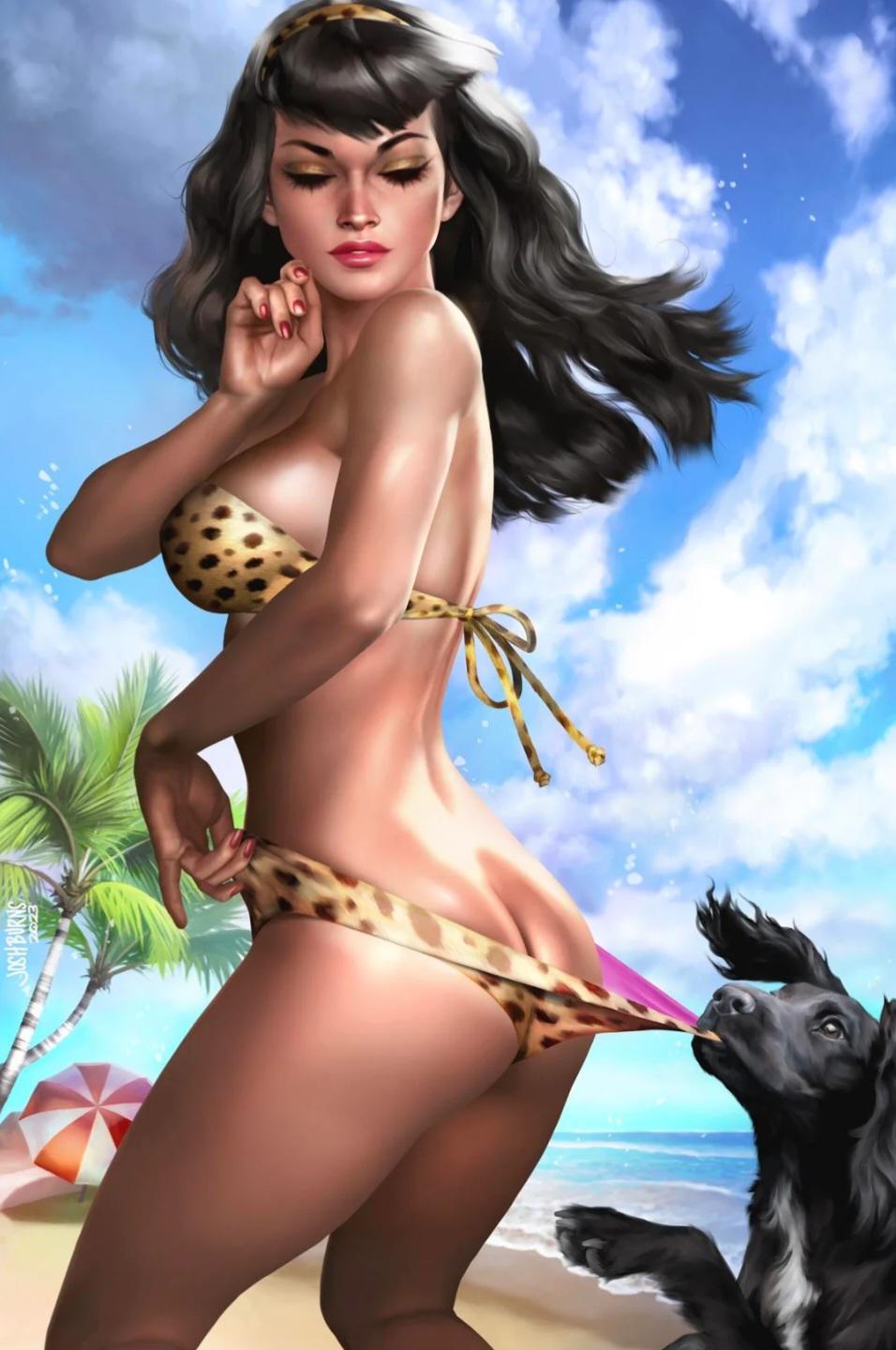
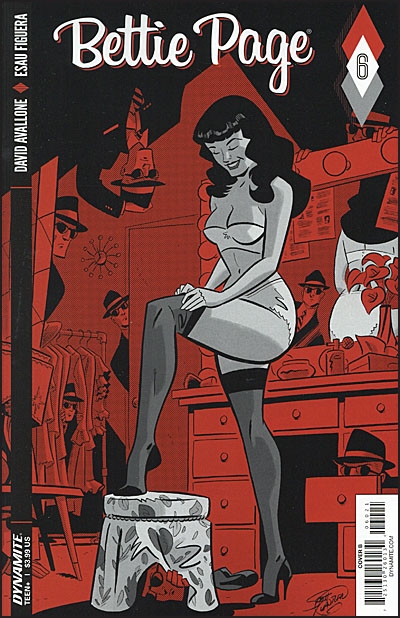
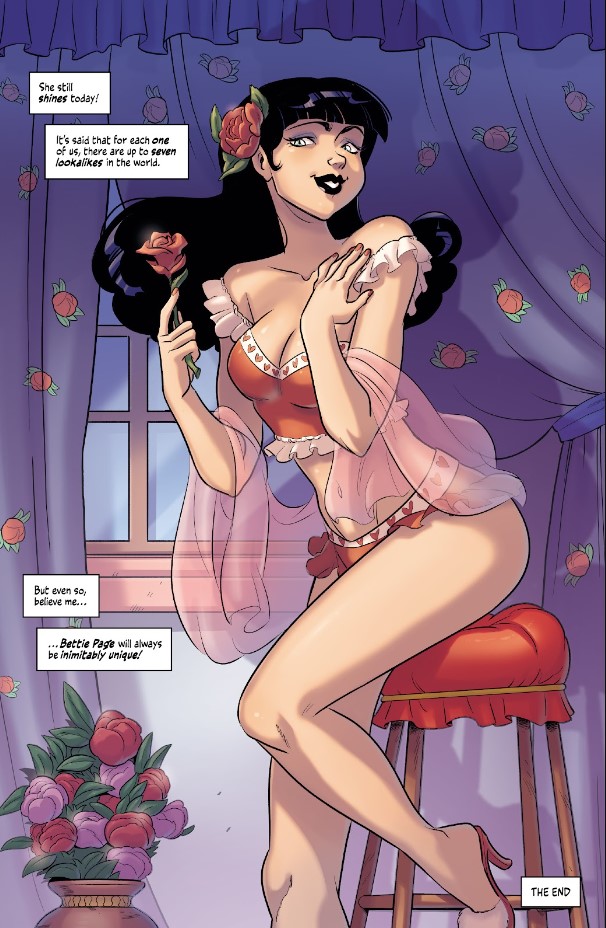
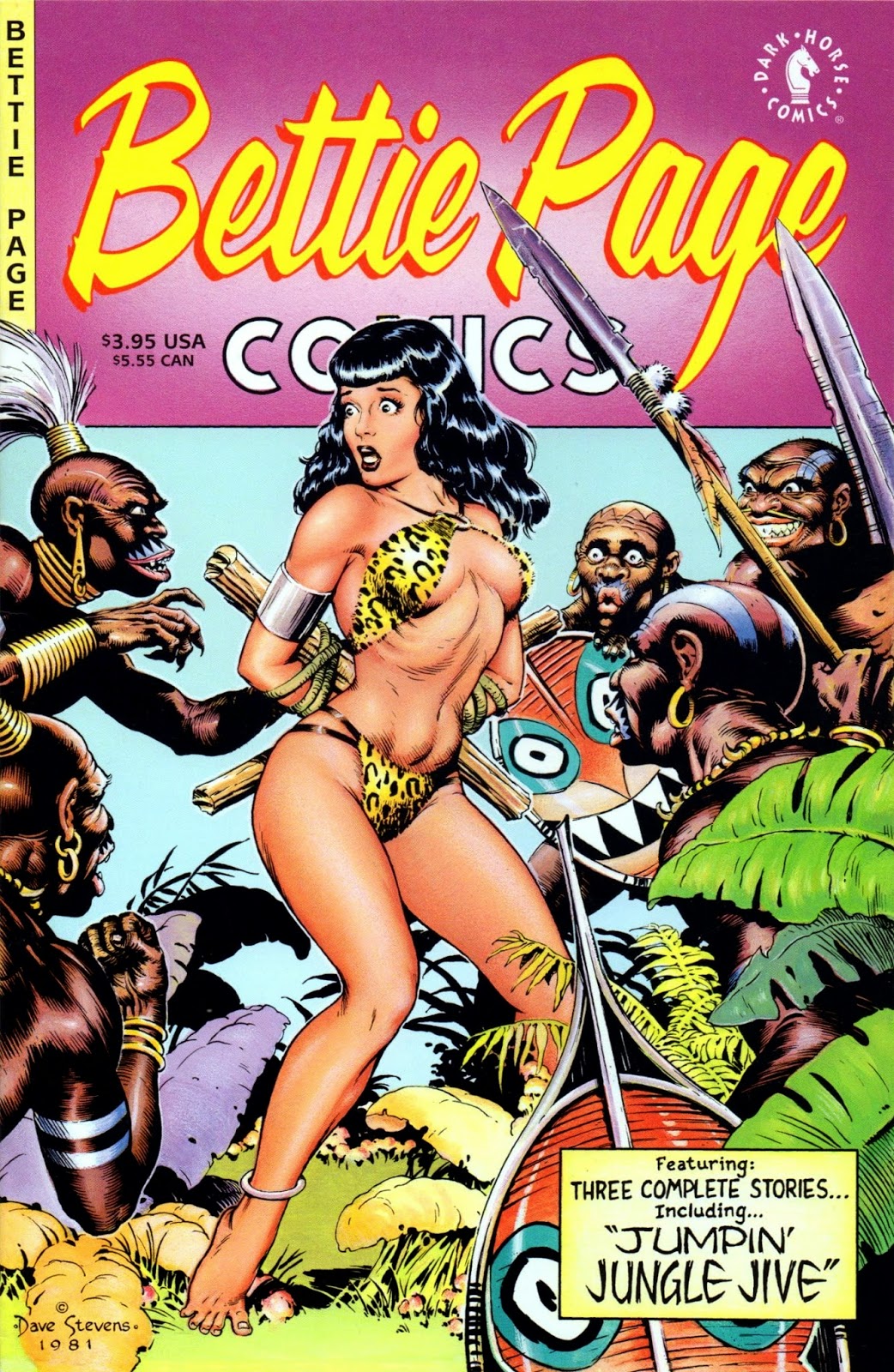
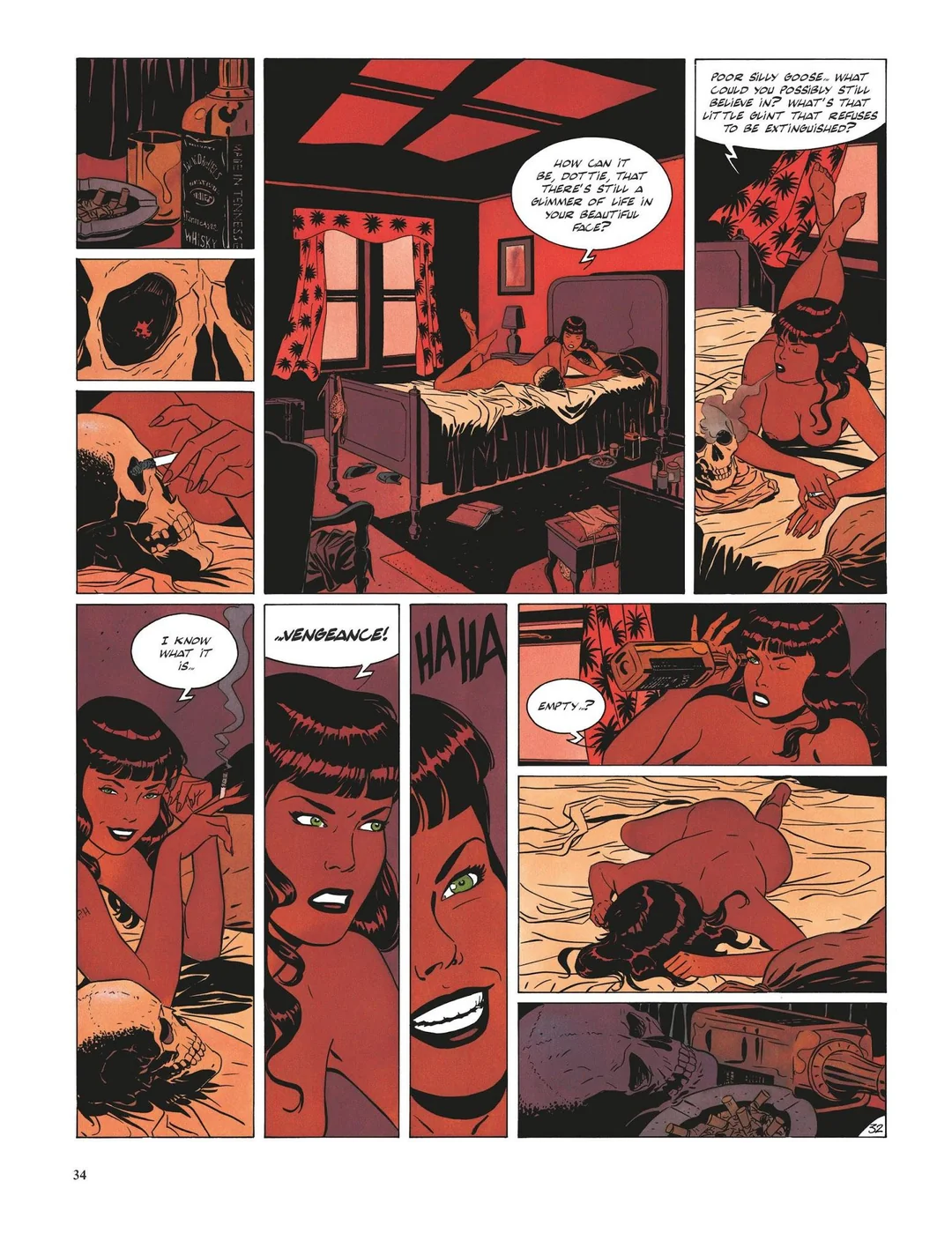
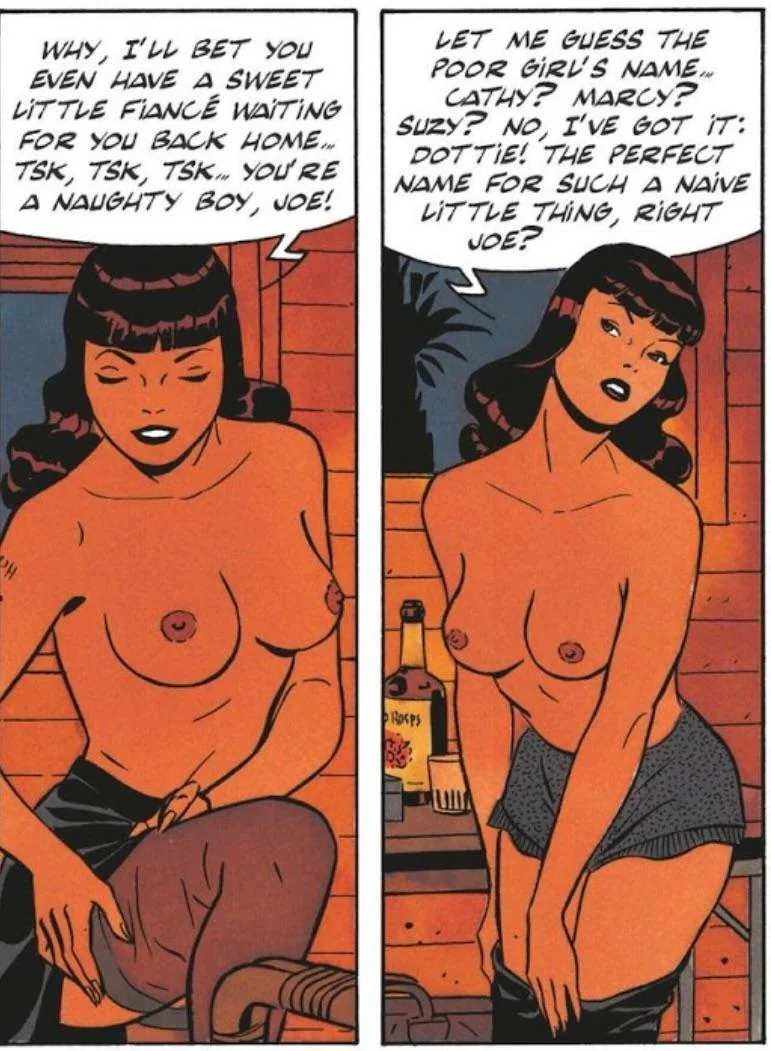
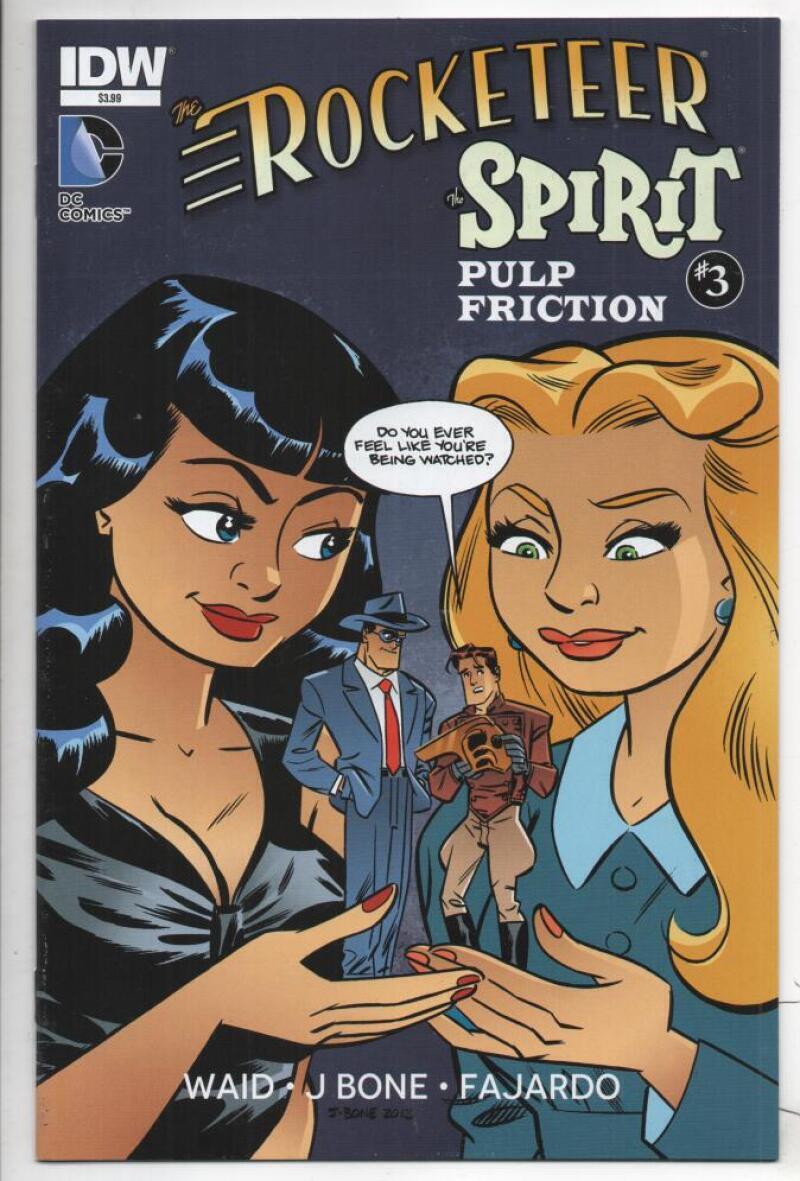
Comic adaptations flourished, including Dark Horse’s 1996 one-shot Bettie Page Comics illustrated by Dave Stevens and others, a 2017 series by David Avallone and Colton Worley, and Dynamite Entertainment’s ongoing adventures like Bettie Page and Apocatequil’s Ring (2021 Kickstarter) and a 2023 series by Elisa Ferrari, Luca Blengino, and Mirka Andolfo, often portraying her in pin-up glory amid pulp-style escapades.
The Rocketeer
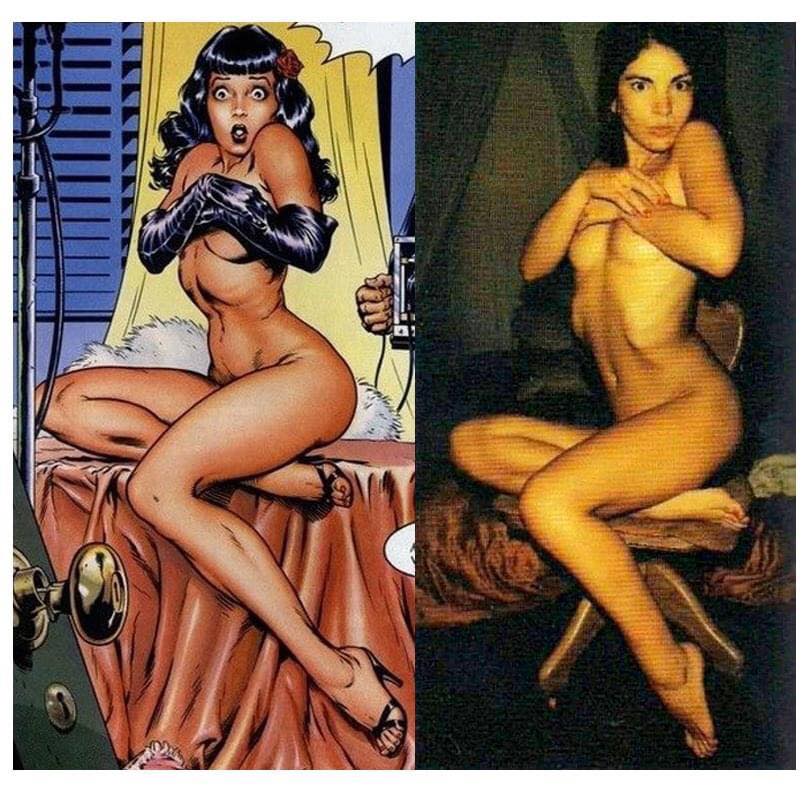
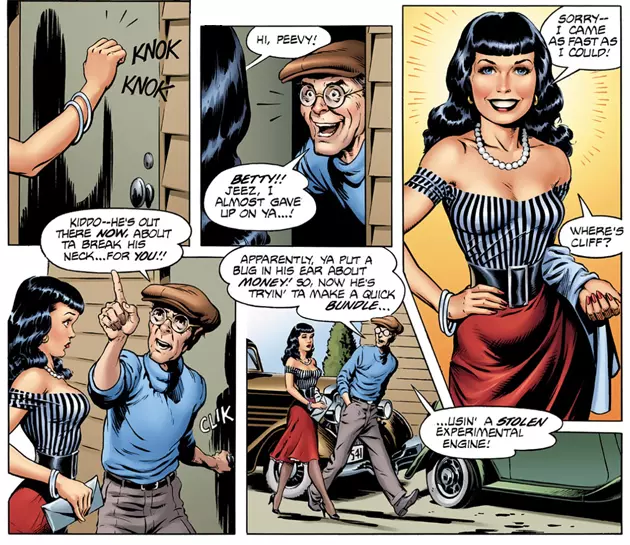
In Dave Stevens’ The Rocketeer comic series—first serialized in Starslayer #2 (1982) and collected as a graphic novel in 1984—Bettie Page appears as “Betty,” the fiery, ambitious girlfriend of protagonist Cliff Secord, a stunt pilot who becomes the rocket-powered hero. Visually modeled directly after the real Bettie Page, whom Stevens idolized as the ultimate 1950s pin-up, Betty sports her signature jet-black bangs, hourglass figure, and playful sensuality, often depicted in curve-hugging swimsuits, heels, and glamorous poses lifted straight from Page’s actual photoshoots with Bunny Yeager and Irving Klaw.
Tickling scenes with Bettie Page
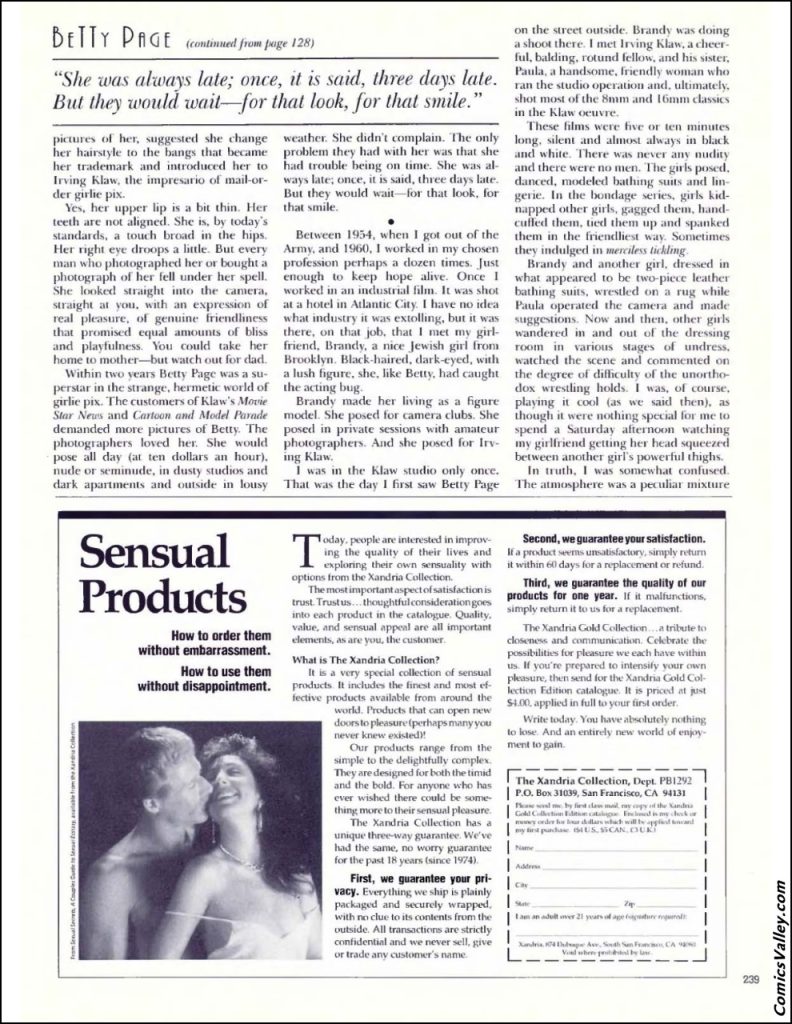
In “Playboy”, December 1992, the narrator describes the short, silent films produced by Irving Klaw between the 1950s and 1960s. These were typically “pin-up” or “girlie” films featuring models like Bettie Page and a model named Brandy. While these films were black and white and avoided nudity, they often depicted “bondage series” themes. Within these scripted scenarios, the models would engage in various activities. The models would pretend to kidnap, gag, handcuff, or spank each other “in the friendliest way. The narrator specifically mentions that during these staged scenes, the models “sometimes… indulged in merciless tickling.”
Informazioni sull'autore

Related posts:
 Tribute to Brooke Burke | Most iconic sensual photoshoots and tickling scenes
 Tribute to Bulma | Most iconic sexy and tickling scenes
 Tribute to “Battle Angel: Alita” | Most iconic sensual and tickling scenes
 Tribute to Elvira | Most iconic Cassandra Peterson’s sensual roles and tickling scenes
 Tribute to Vanessa Kirby | Most iconic sensual roles and tickling scenes
 Tribute to Nina Marie Daniele | Most iconic Nina Drama’s sensual photoshoots and tickling scenes
 List of tickling scenes in “The Howard Stern Show”
 List of sexy and nude italian calendars
 Glamour Glory #1: Magdalena Aleman’s most iconic nude photoshoots
 Tickling scenes with adult models
 Glamour Glory #2: Lane Weldon’s most iconic nude photoshoots
 Tribute to Brigitte Bardot | Most iconic sensual roles and tickling scenes