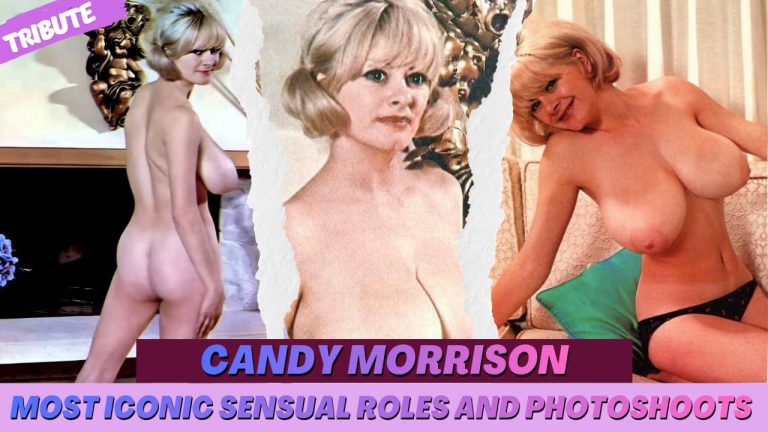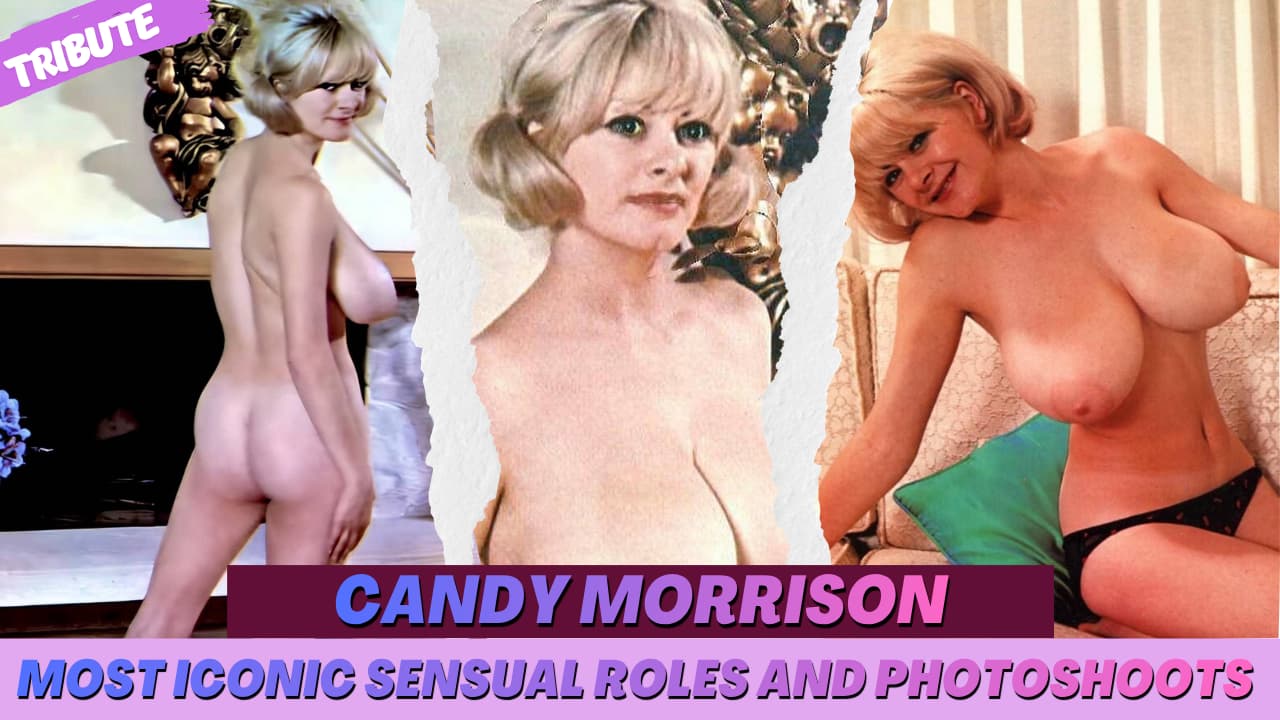
Candy Morrison was a prominent British pin-up model, stripper, and actress who became a defining figure in the mid-20th-century adult entertainment and “sexploitation” film eras.
Leggi tutto: Tribute to Candy Morrison – Most iconic sensual roles and photoshoots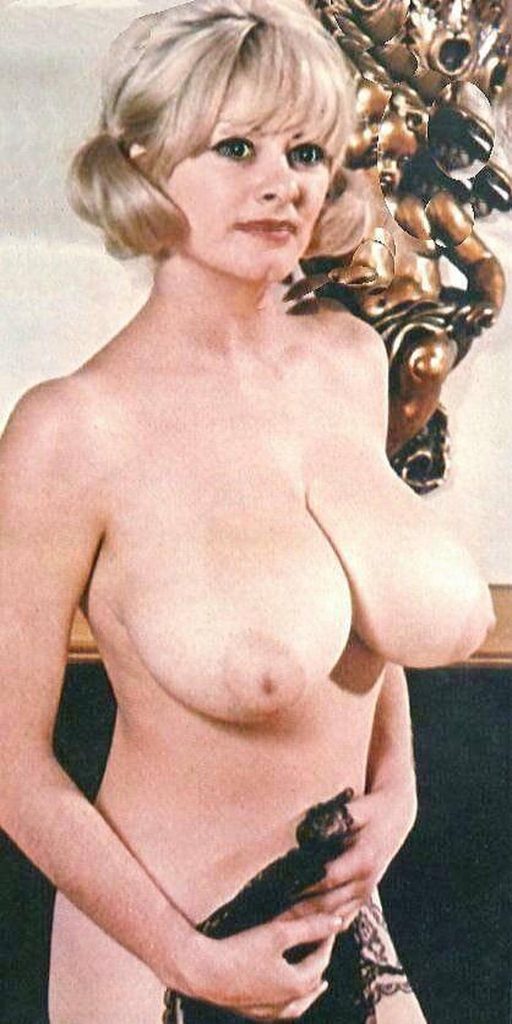
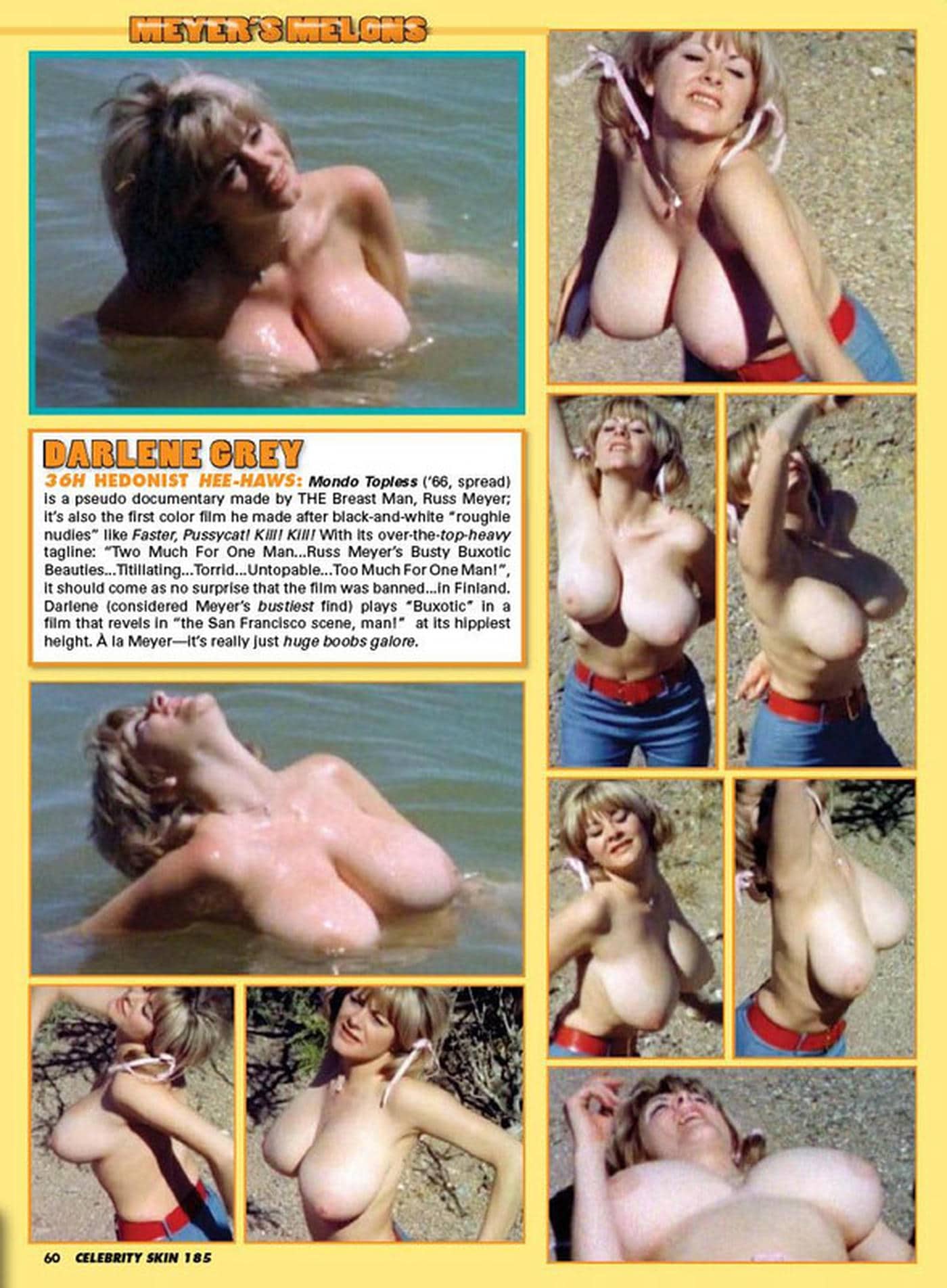
Born as Vivian Cournoyer in Maidenhead, Berkshire, England, on January 1, 1949, she eventually relocated to the United States to pursue a career in the entertainment industry. According to the sources, her professional trajectory was fundamentally transformed when she was discovered by the famed filmmaker Russ Meyer while she was working as a stripper in a San Francisco nightclub. Meyer, a known connoisseur of the female form, was immediately struck by her natural physique and chose to feature her in his 1966 film Mondo Topless.
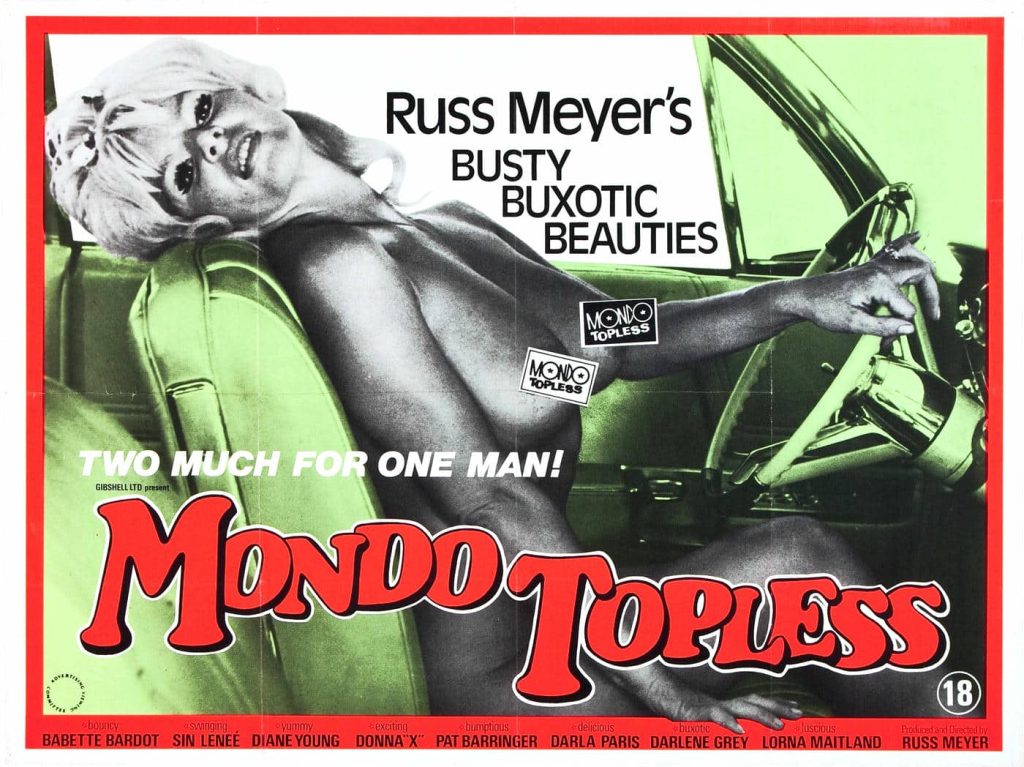
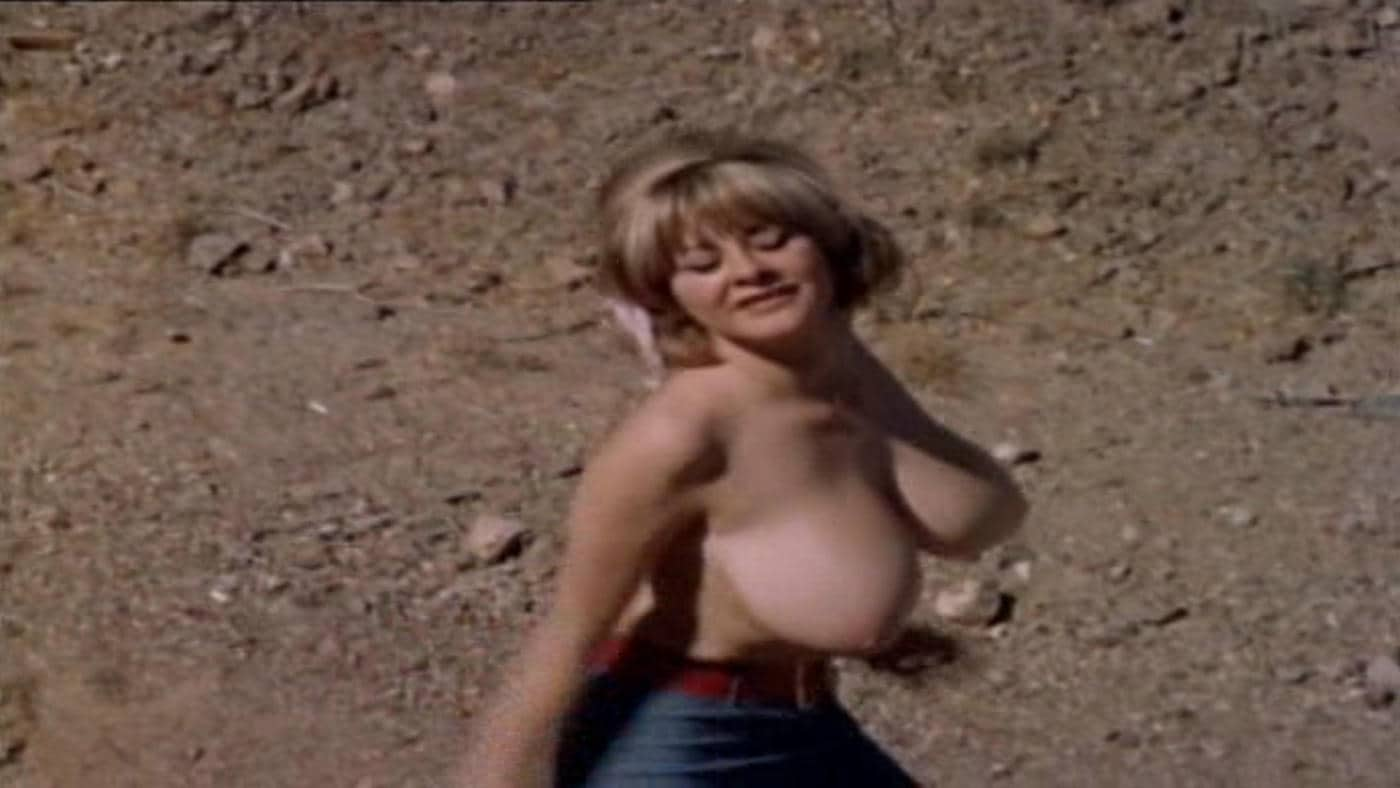
In this cinematic debut, she performed a topless dance in the desert and was credited under the pseudonym Darlene Gray, a name chosen specifically by Meyer. However, she would later become more famously known as Candy Morrison, a stage name originally given to her by Arv Miller of Fling magazine.
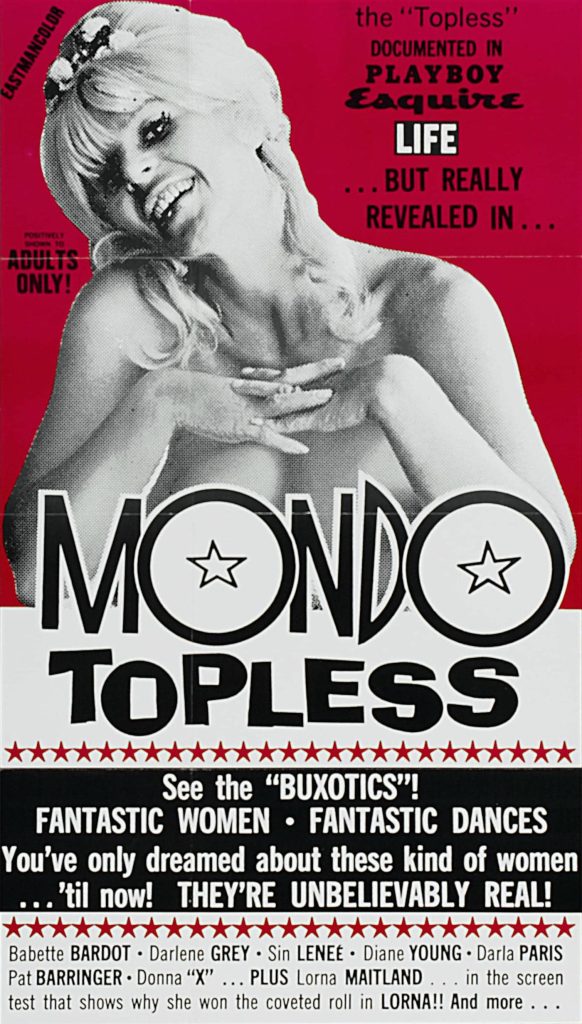
Throughout her time in the spotlight, she utilized several other aliases, including Vivian Moyer, Viviana Cantara, and Angela Carter. Morrison’s career was defined by her remarkable natural figure, with measurements often cited as 42-26-37 or 36-26-37 and a bra size of 36H or 42H. Her importance as an actress and model is largely tied to her status as a cult icon of the 1960s, representing the peak of the “blonde bombshell” aesthetic favored by directors like Meyer.
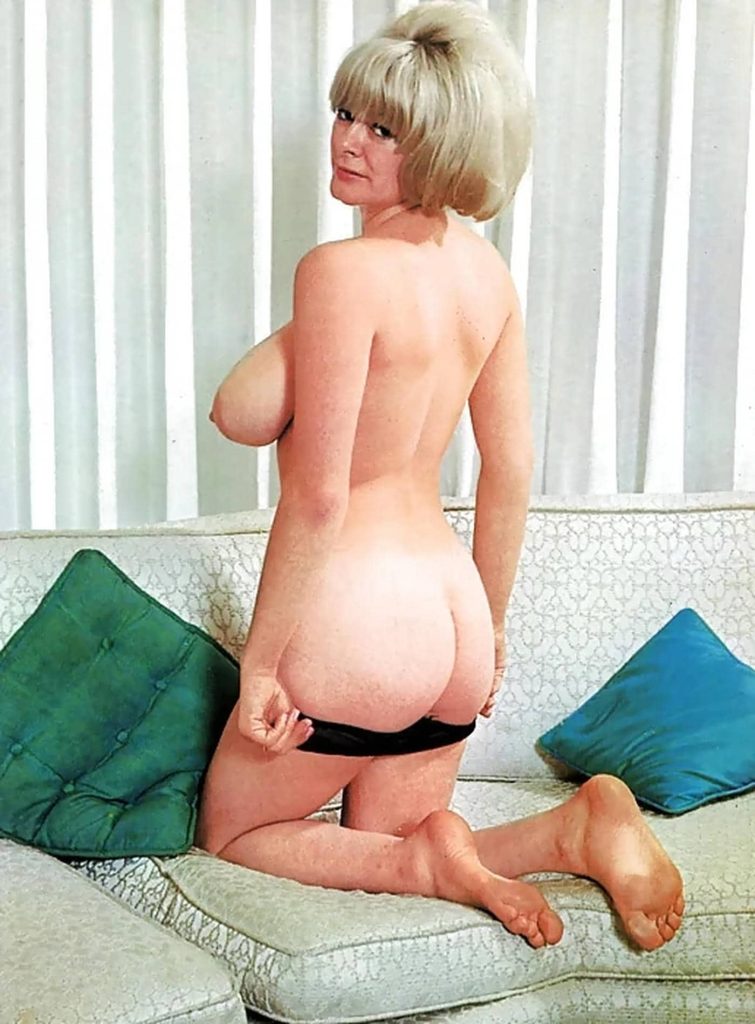
Contents
Candy Morrison’s breast
Candy Morrison was defined by her extraordinary and natural physical presence, which made her a living embodiment of the “blonde bombshell” archetype of the 1960s.
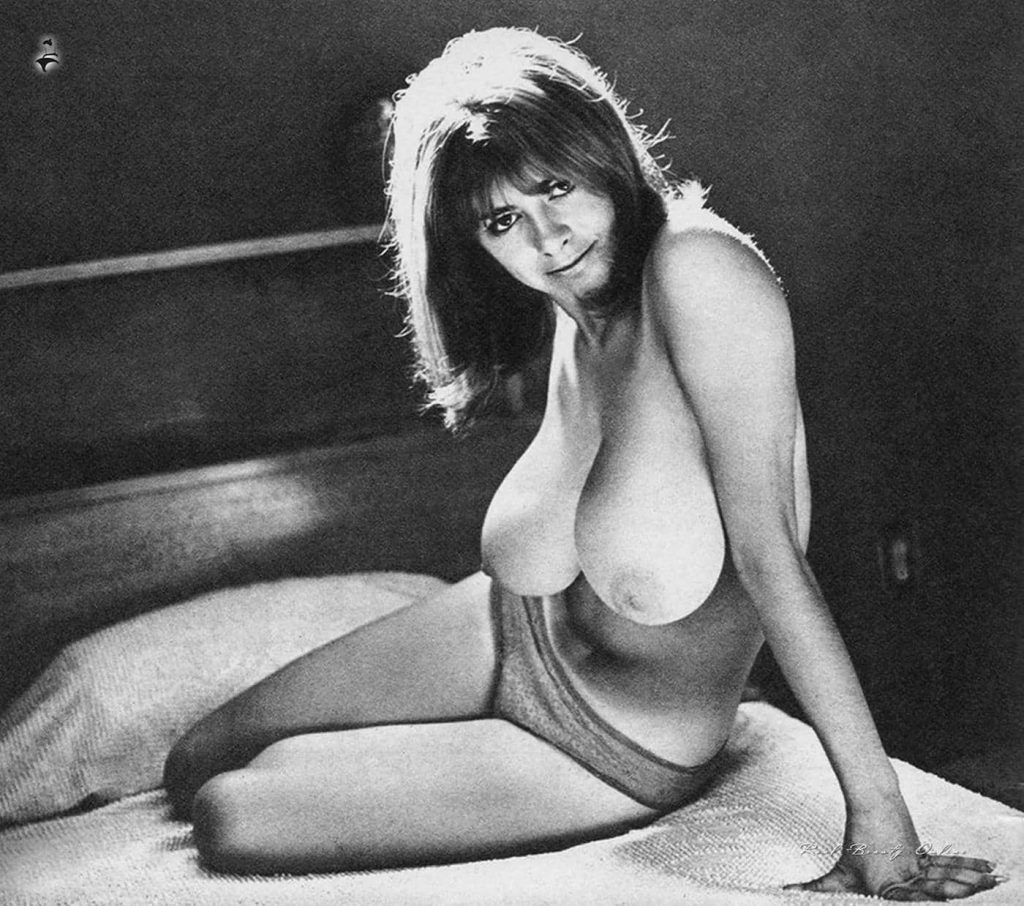
This persona was centered entirely on her natural 36H or 42H bust, which was often described in hyperbole by the media of the time as “mammoth,” “gigantic,” and “enormous”. Her aesthetic sense was one of unabashed, natural voluptuousness; she possessed an hourglass figure with measurements often cited as 42-26-37, which she used to “seduce the camera” during the peak of the sexploitation film era. Unlike many performers who sought to conform to a standardized beauty ideal, Morrison’s appeal was rooted in being beyond the norm, a quality that defined the trajectory of her fame.
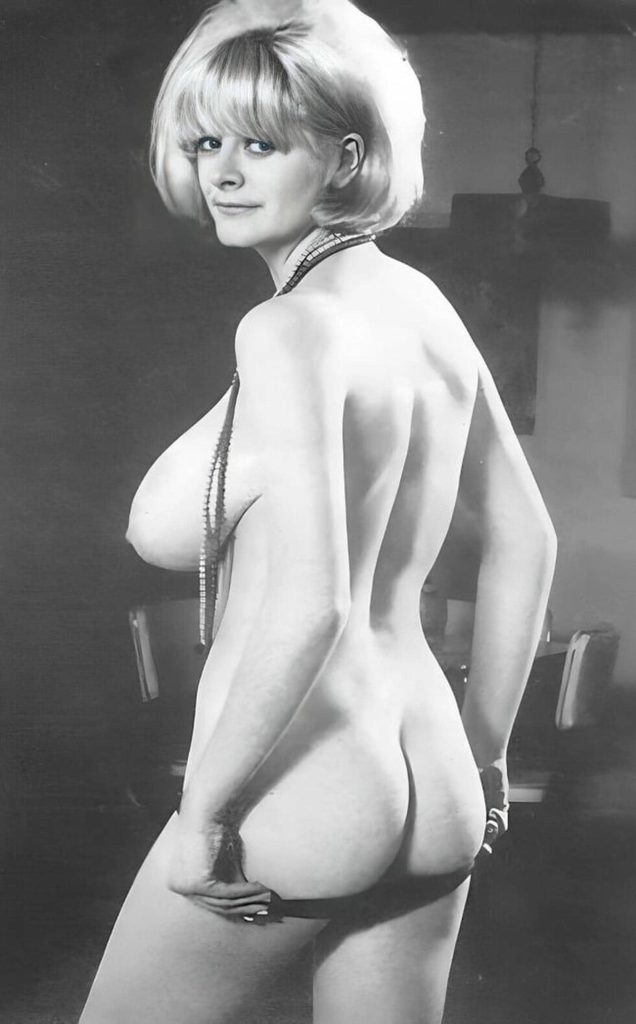
The opinions of others regarding her physique were often characterized by a mix of astonishment and professional admiration. Perhaps the most famous assessment came from the esteemed film critic Roger Ebert, who noted that she was “undoubtedly the most voluptuous actress” that legendary director Russ Meyer had ever cast in a film.
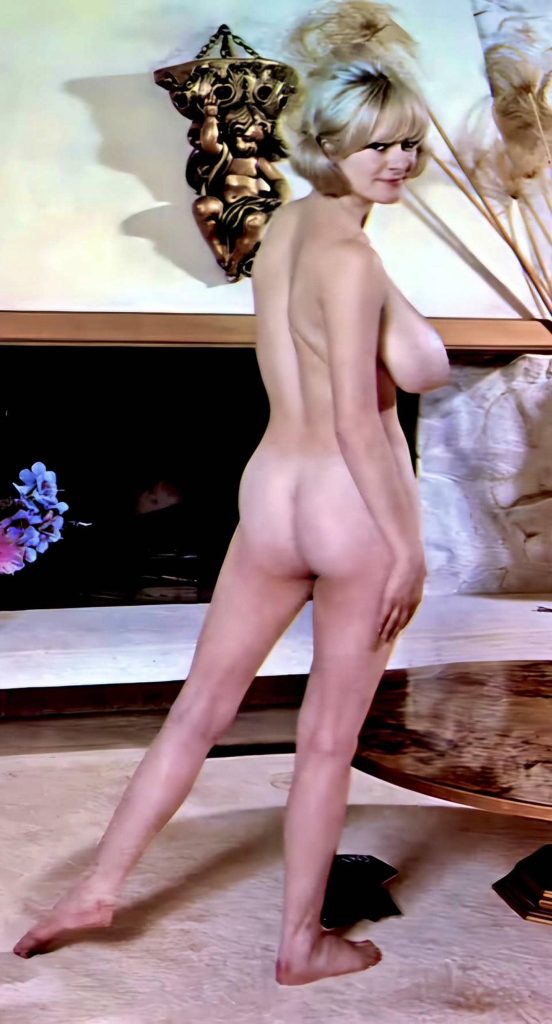
Meyer himself, a known “boob connoisseur,” was reportedly captivated the moment he saw her performing as a stripper in a San Francisco nightclub, recognizing immediately that her “incredible rack” was destined for the silver screen. Conversely, the mainstream industry’s reaction was more exclusionary; she was famously rejected by Playboymagazine during her early career because her natural breasts were deemed “too big” for their specific editorial standards at the time. This rejection, however, only bolstered her status in “men’s magazines” like Fling, Gent, Buf, and Gem, which reportedly engaged in a “battle royal” to feature her in their layouts.
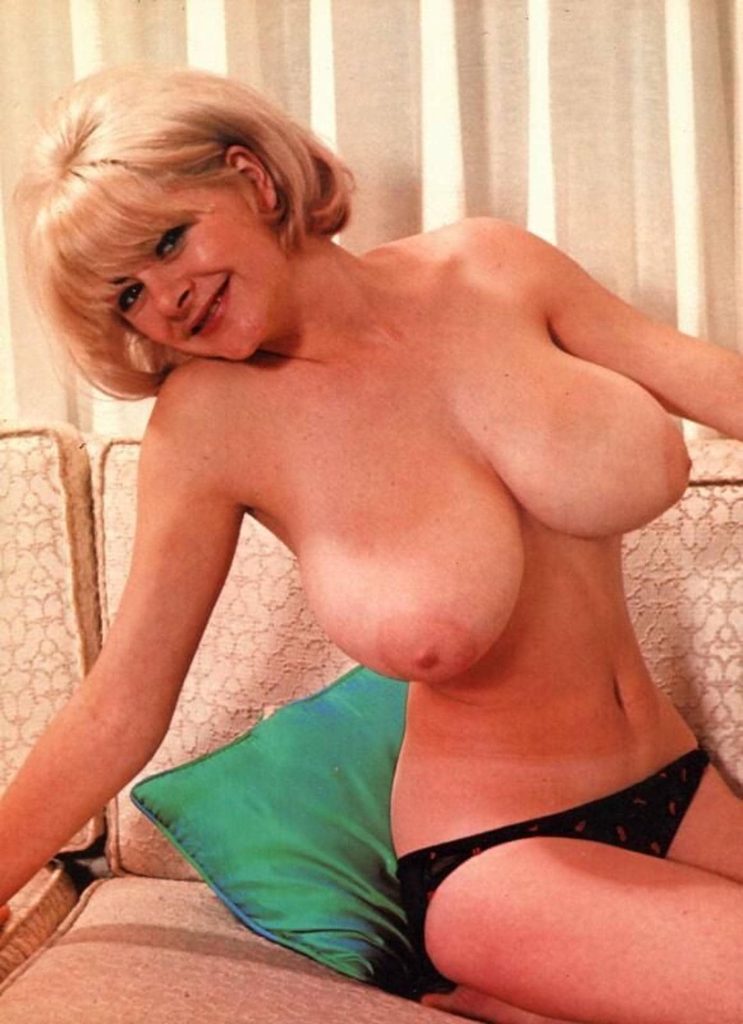
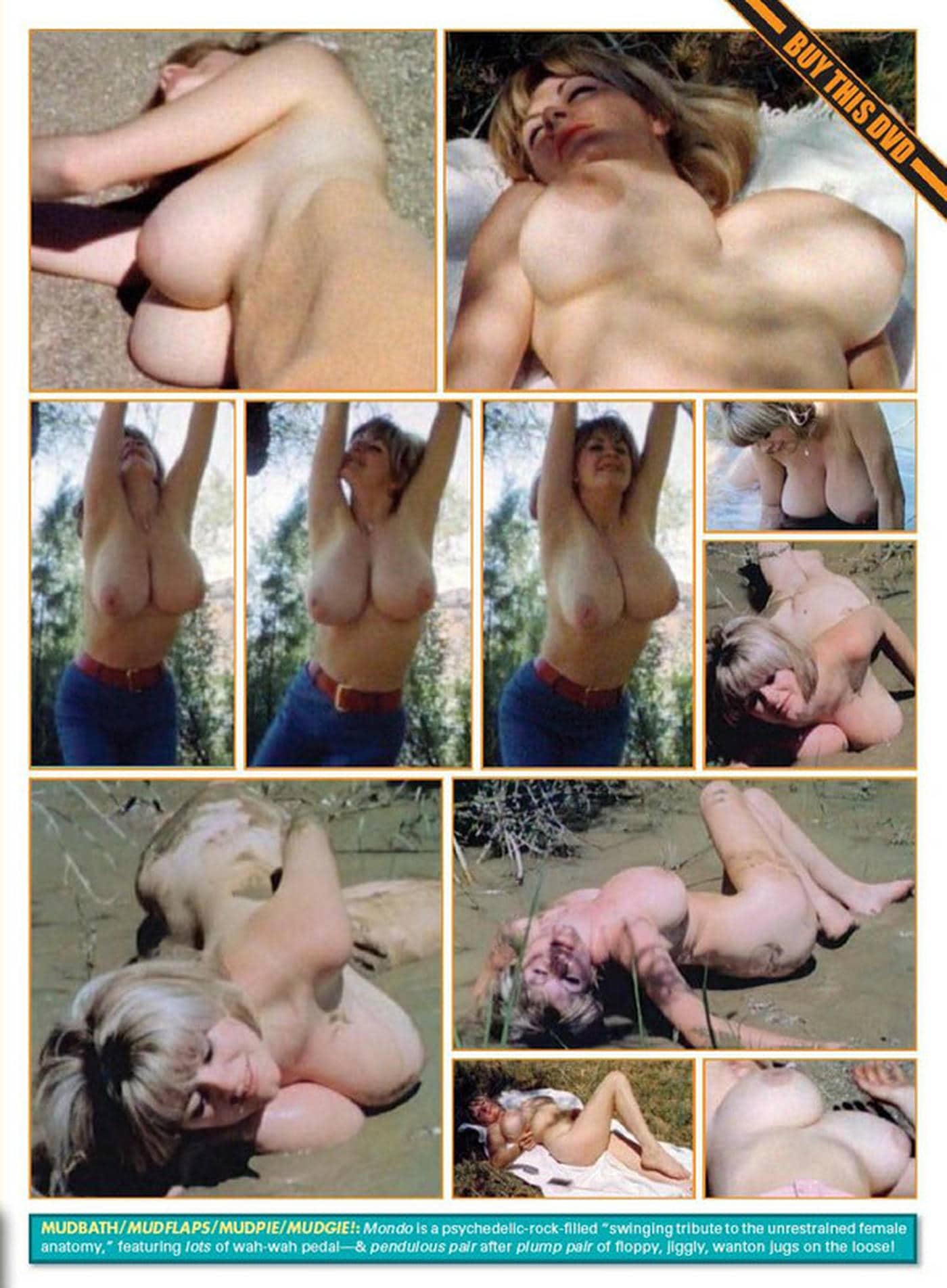
Morrison acted as a muse for the aesthetic of Russ Meyer, helping to define the “Mondo” style of filmmaking that celebrated the female form in a flamboyant, stylized manner. Her appearance in the 1966 film Mondo Topless—where she performed a topless dance in the desert under the name Darlene Gray—is considered a “love letter to breasts” and remains her most significant cinematic contribution.
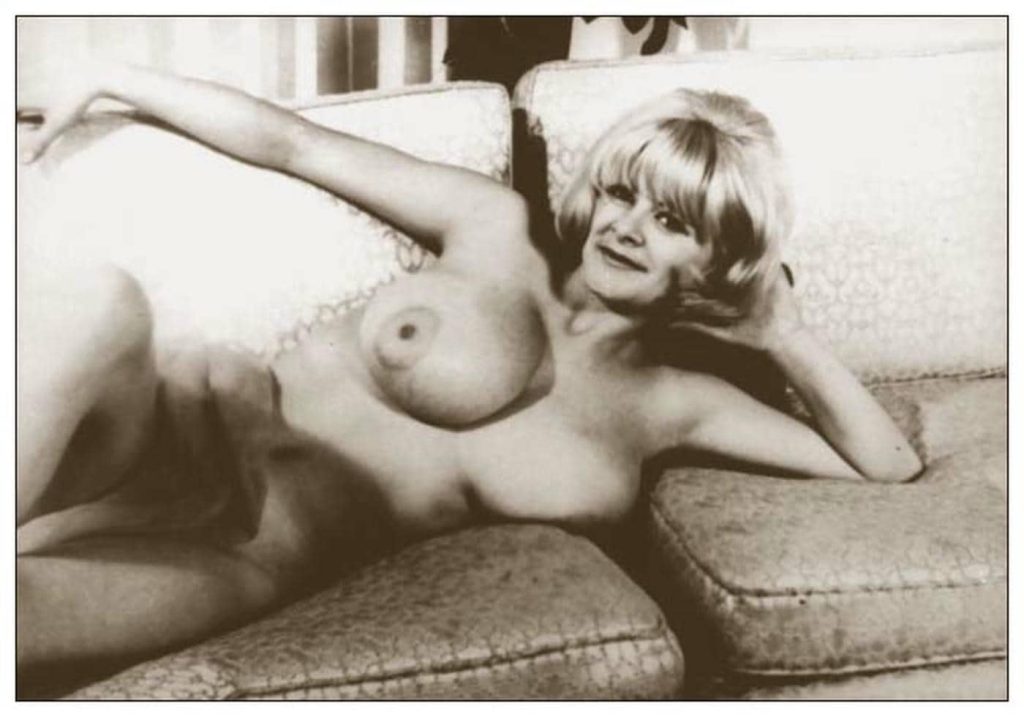
Within the industry, she represented the pinnacle of the natural-body cult movement, proving that a performer could achieve icon status specifically by embracing features that mainstream publications found excessive. Even as her active career wound down toward the late 1960s and early 1970s, her impact was so enduring that she was eventually featured in a 1995 retrospective issue of Playboy, effectively validating her legacy decades after the magazine had initially turned her away.
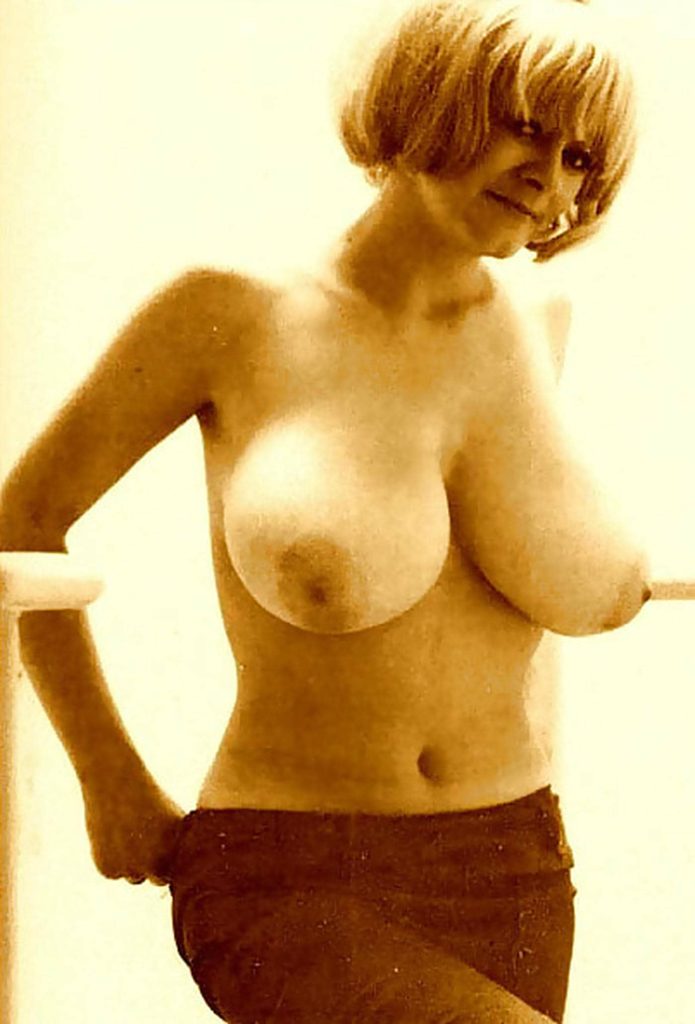
Candy Morrison’s sexy appearances in magazines
Candy Morrison’s career in print media was defined by a striking paradox, as she was famously rejected by Playboy magazine early in her career because her natural 42H bust was considered “too big” for the publication’s aesthetic standards at the time. Despite this initial snub, her physical presence was so commanding that other men’s publications like Fling, Gent, Buf, and Gem reportedly engaged in a “battle royal” to see which title could feature her layouts first.
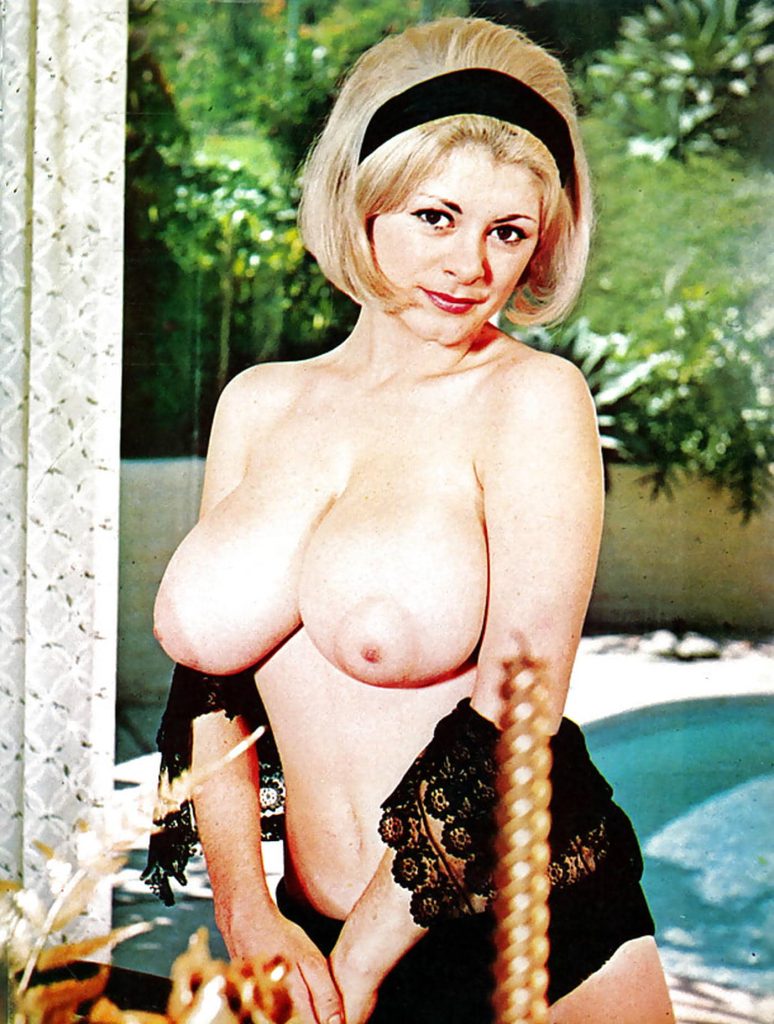
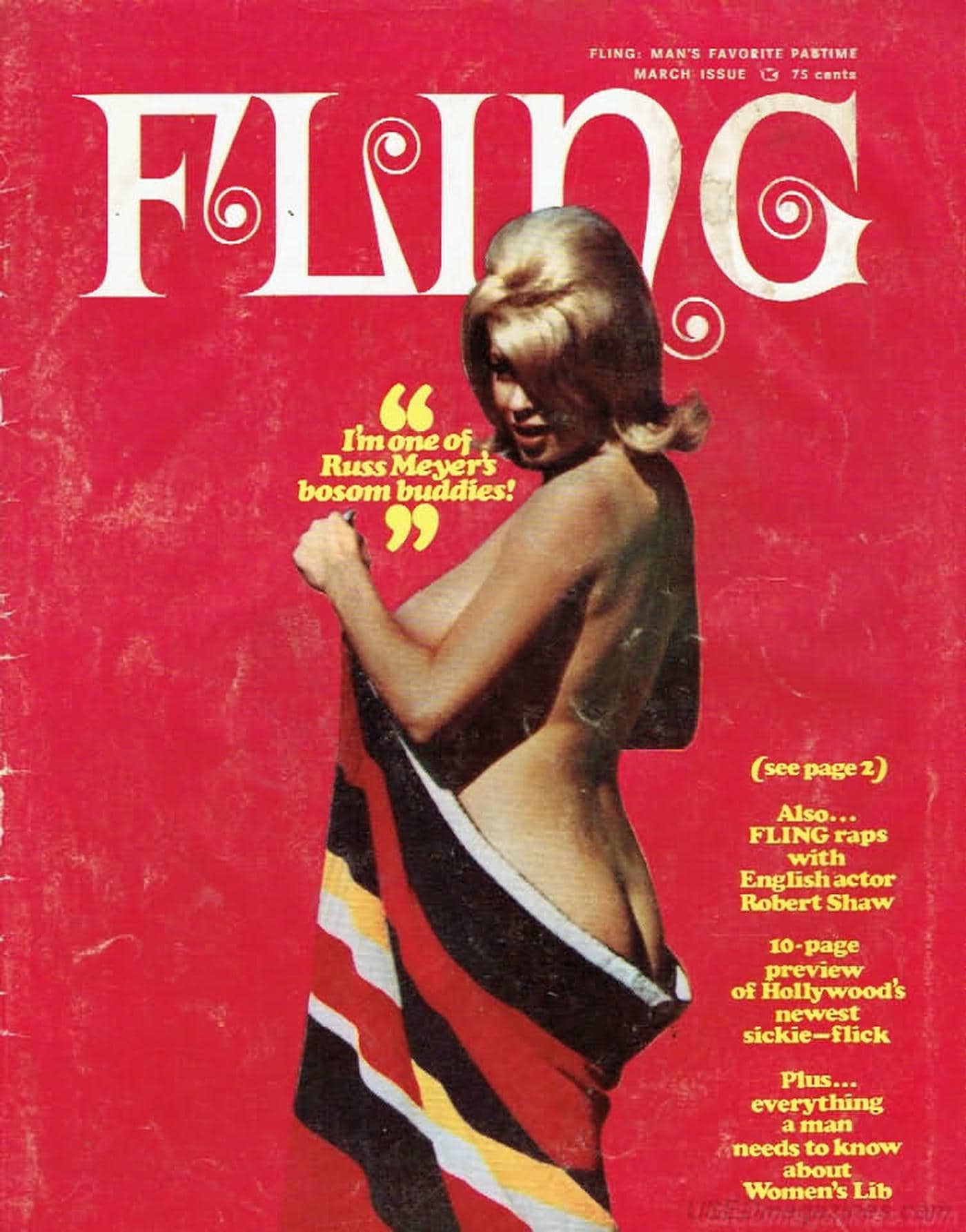
Among these, Fling magazine played a pivotal role in her legacy; its editor, Arv Miller, was the individual who first featured her and bestowed upon her the stage name Candy Morrison. She became one of the magazine’s all-time favorite models and was notably featured in a March 1971 article titled “Russ Meyer’s Bosom Buddies”.
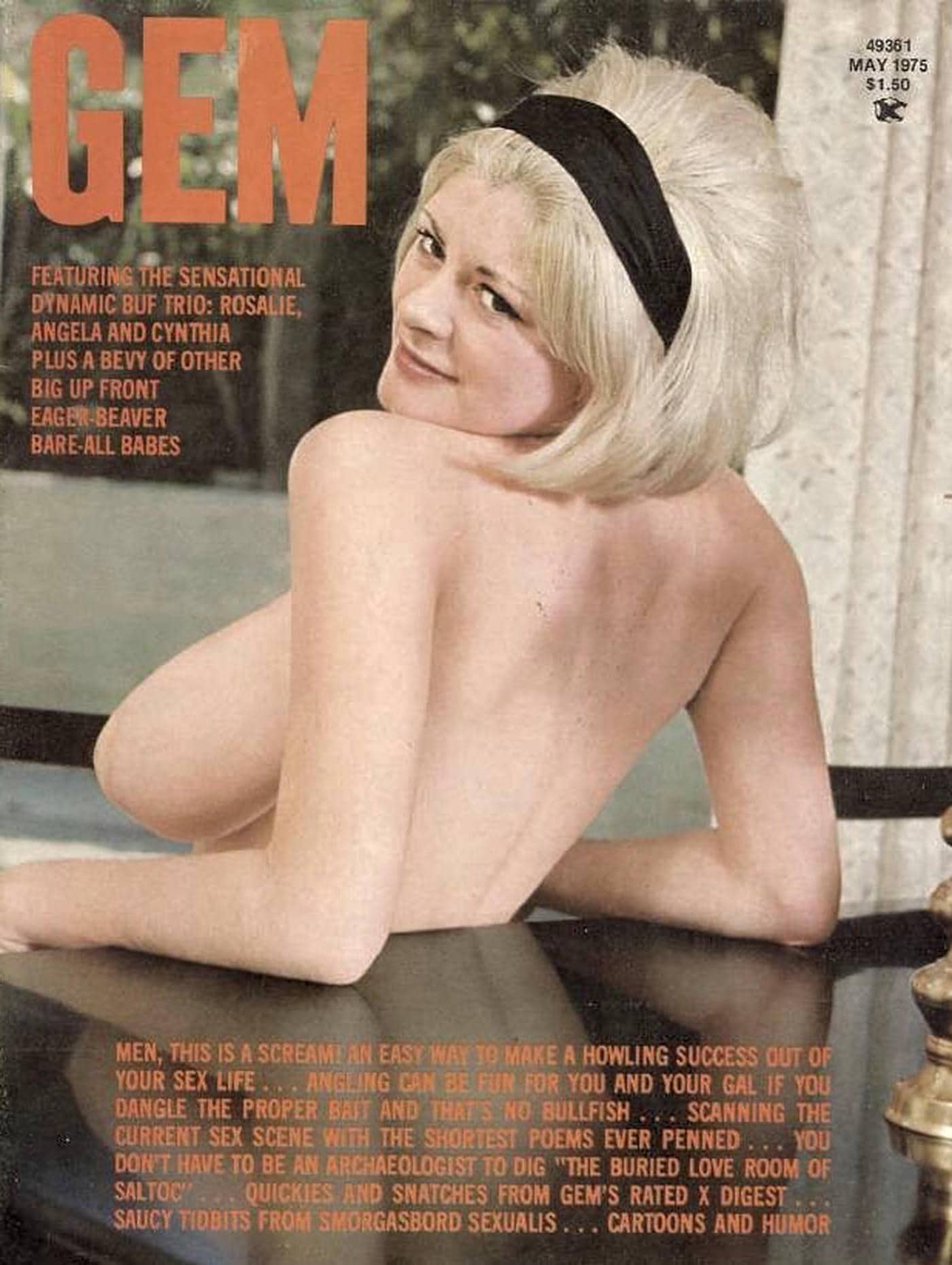
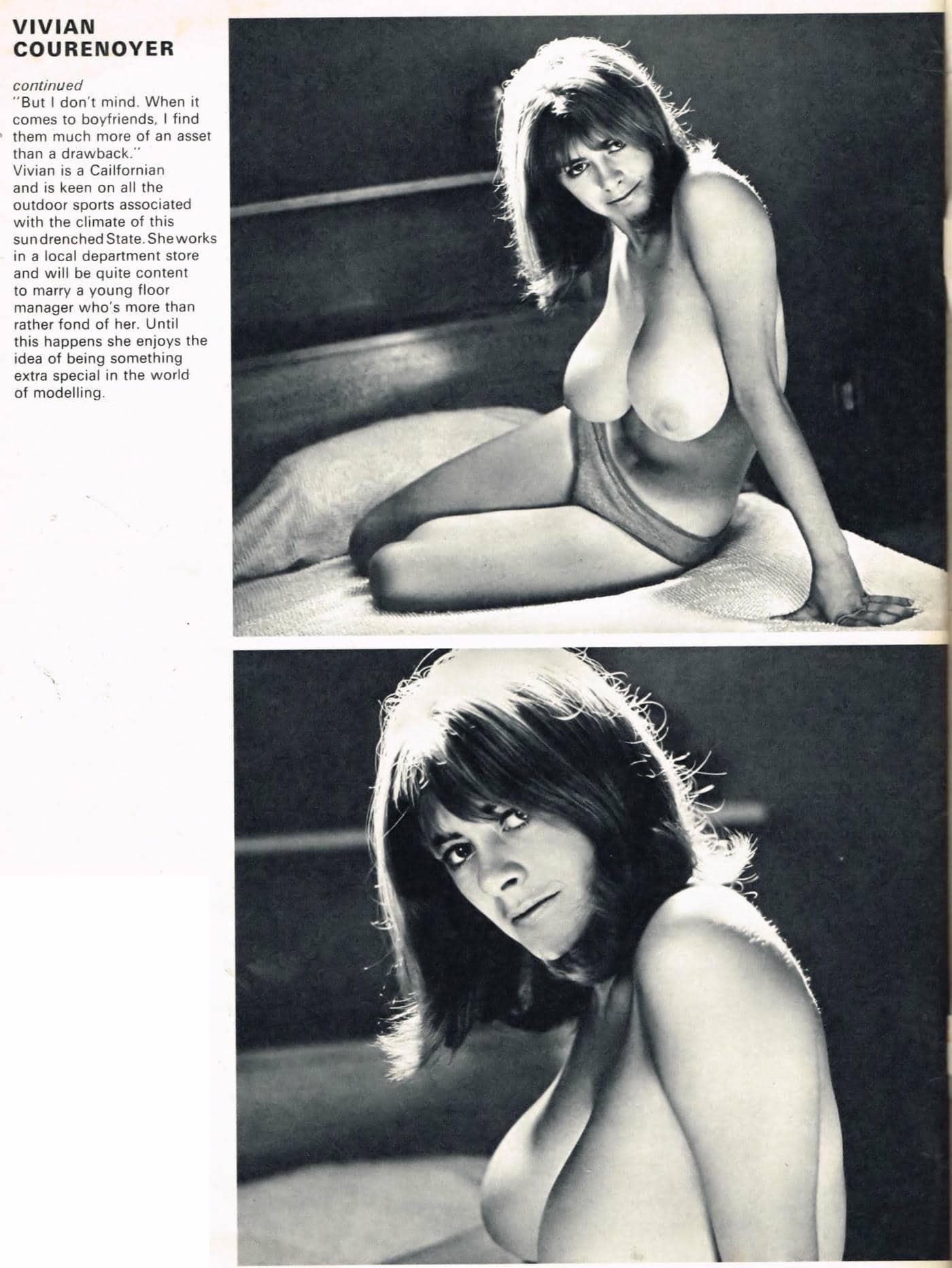
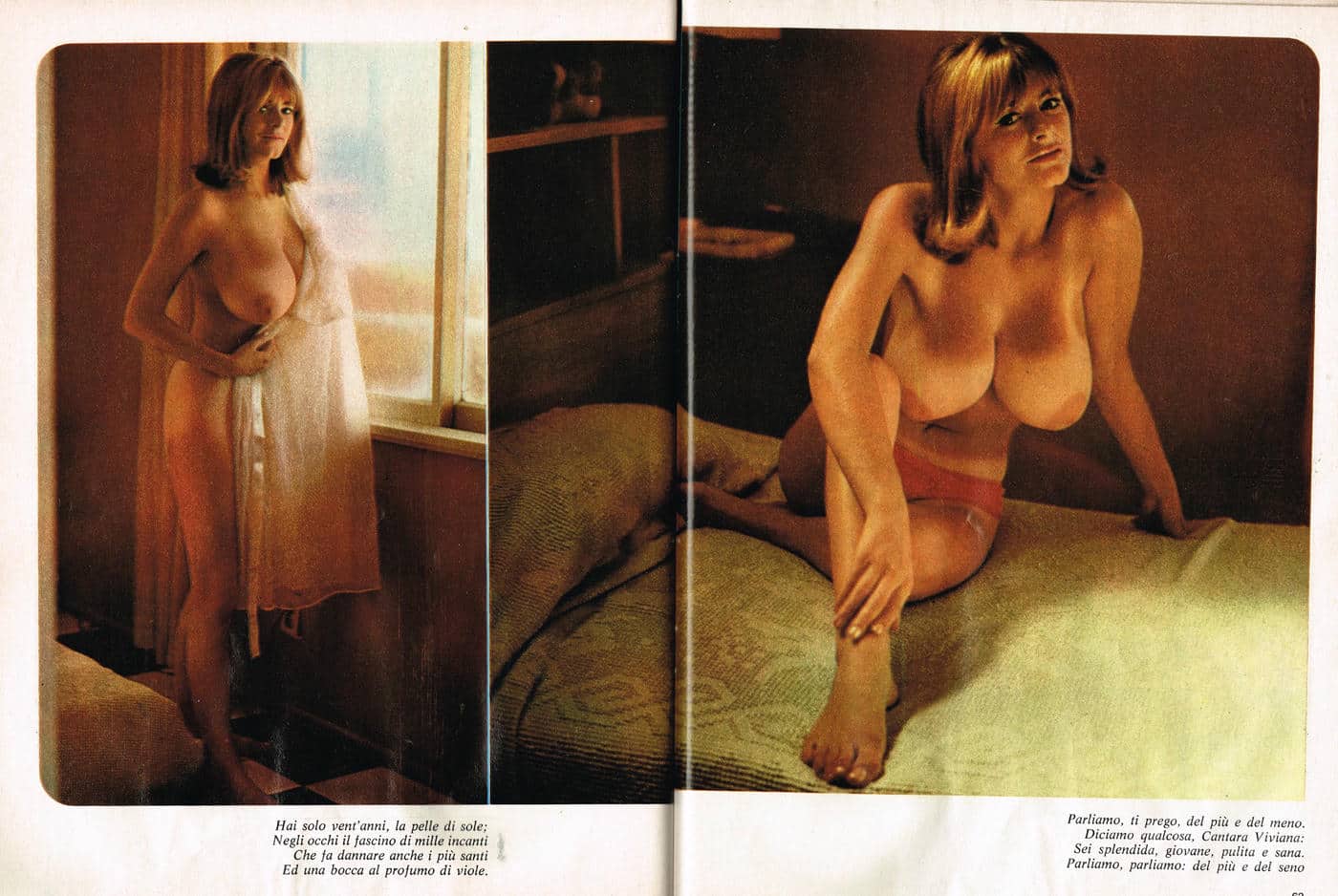
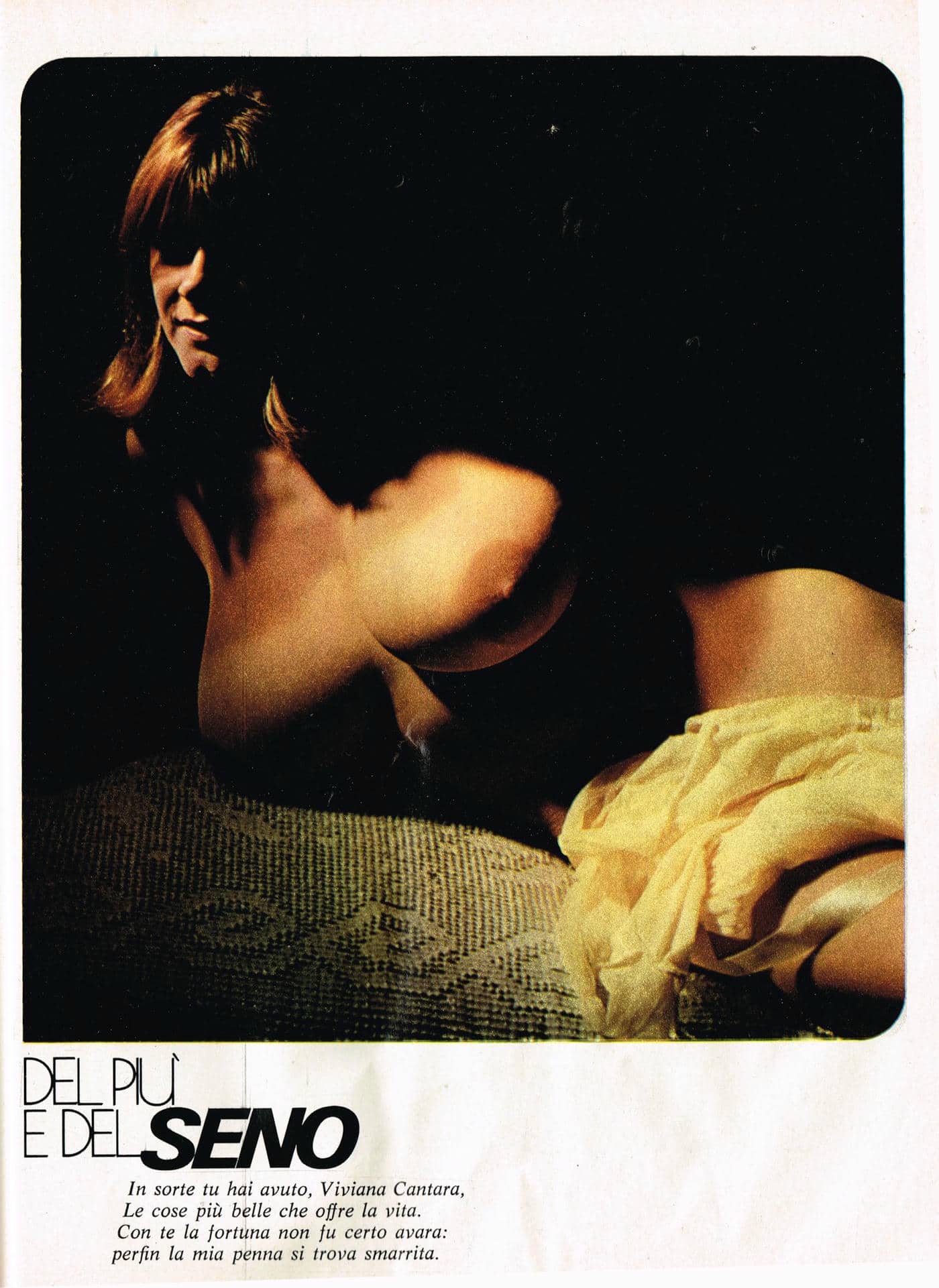
In magazines such as Gent, Buf, and Gem, she was frequently presented under various aliases, including Vivian Moyer and Angela Carter, while her appearance in Girl Illustrated (Volume 5, Number 2) saw her credited as Vivian Courenoyer. Her work also extended to publications like Artists and Models. The visual nature of these magazine appearances was consistently centered on her mammoth natural physique, with layouts typically consisting of topless photos where her bust was the absolute focal point.
The trajectory of her magazine career eventually came full circle decades after her initial rejection. In June 1995, she was finally featured in Playboy within a retrospective article titled “The Immoral Mr. Meyer,” which acknowledged her status as one of the most voluptuous and iconic actresses associated with the legendary filmmaker. Her magazine spreads were often described in hyperbolic terms, with editors and fans marveling at how her giant breasts seemed to virtually defy gravity while maintaining a natural, perky appearance that made her a quintessential “blonde bombshell” of the era.
Candy Morrison’ sexy appearances in movies
Mondo Topless, The Pink Jungle, and Dragonard
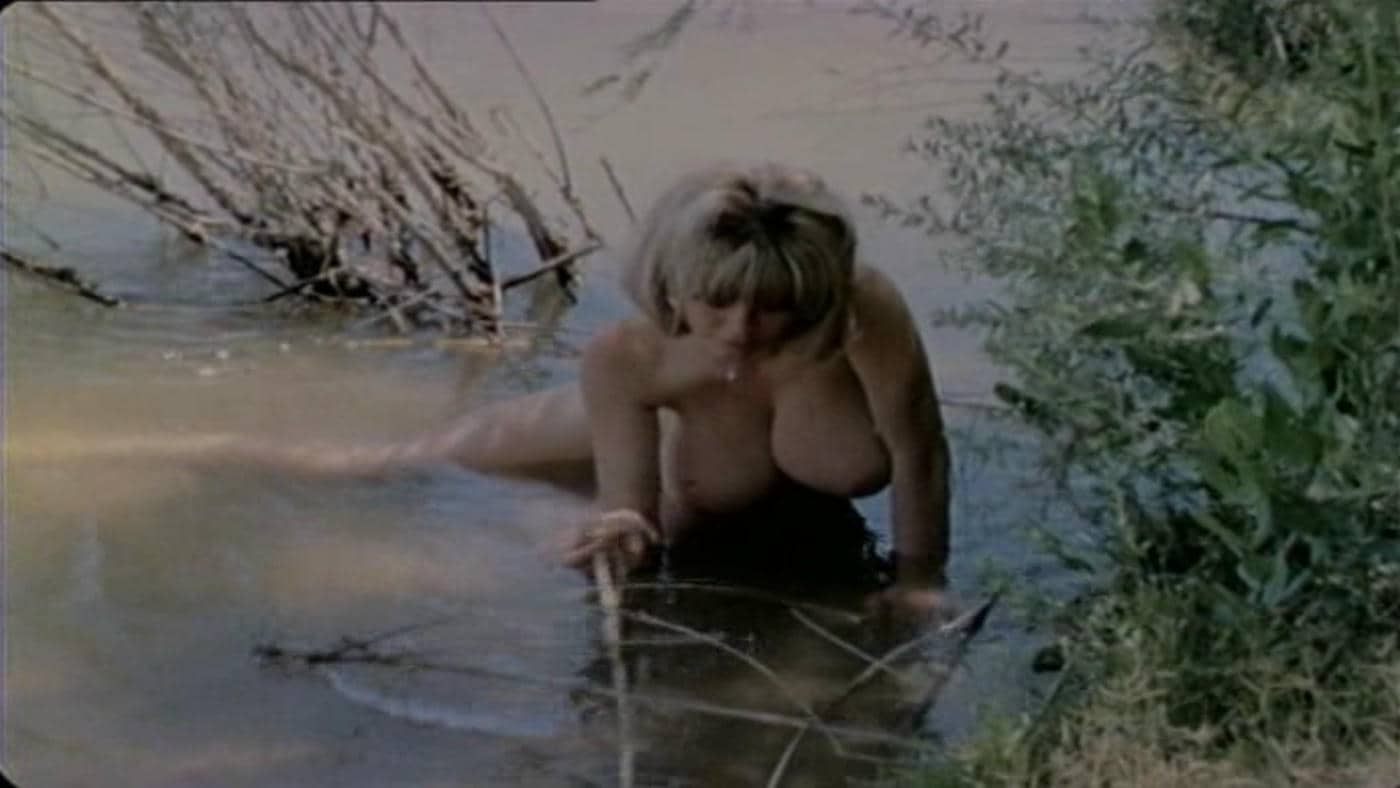
Candy Morrison’s cinematic career was primarily defined by her visually striking performances that showcased her natural physique, most famously in the works of director Russ Meyer,. Her most iconic and celebrated scenes appear in the 1966 film Mondo Topless, where she was introduced to audiences under the pseudonym Darlene Gray. In this production, which has been described as a cinematic “love letter to breasts,” Morrison performs a memorable topless dance set against a desert landscape. These scenes were a direct result of Meyer discovering her while she was working as a professional stripper in a San Francisco nightclub, leading him to cast her as the highlight of a film meant to showcase the most impressive figures of the era,. The sheer visual impact of her presence in Mondo Topless led critic Roger Ebert to famously designate her as the “most voluptuous actress” ever featured in a Meyer film.
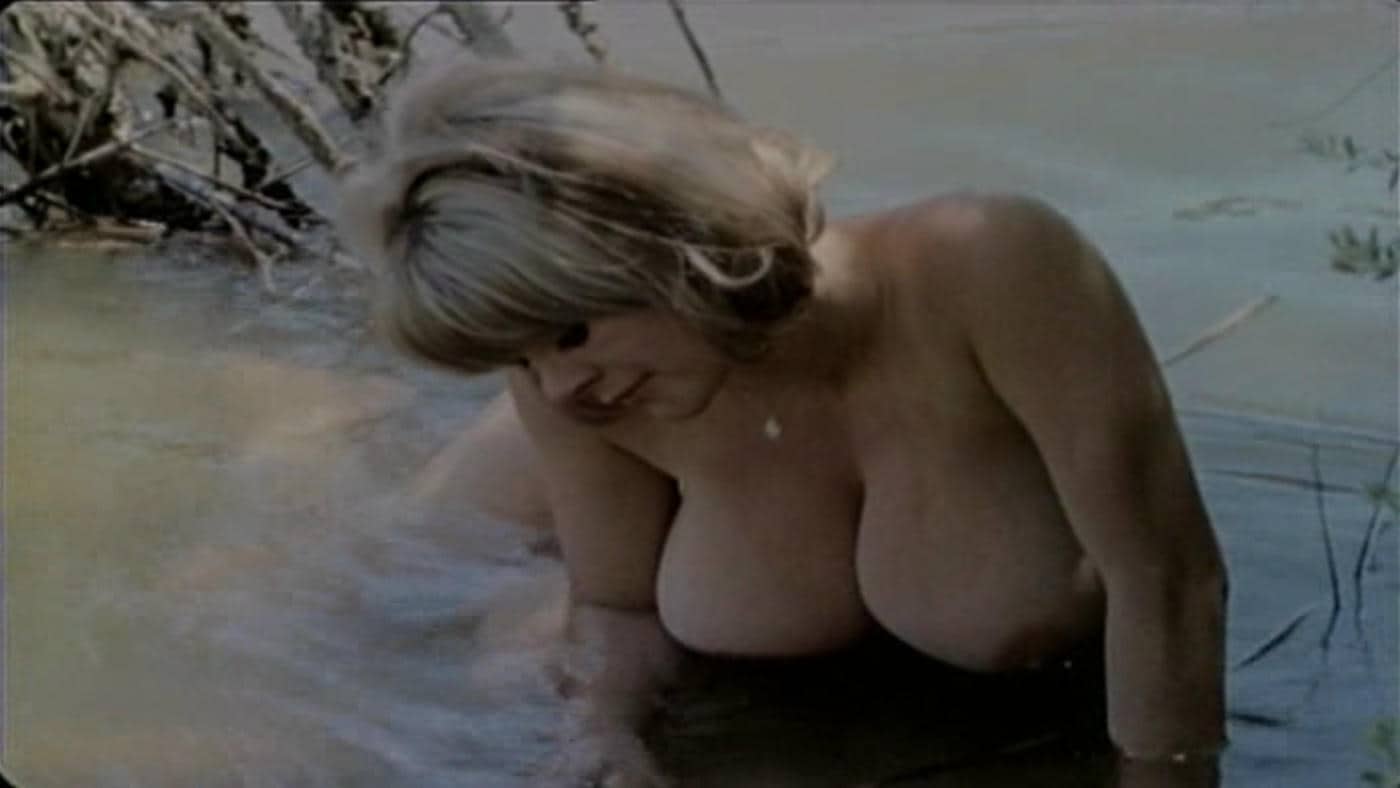
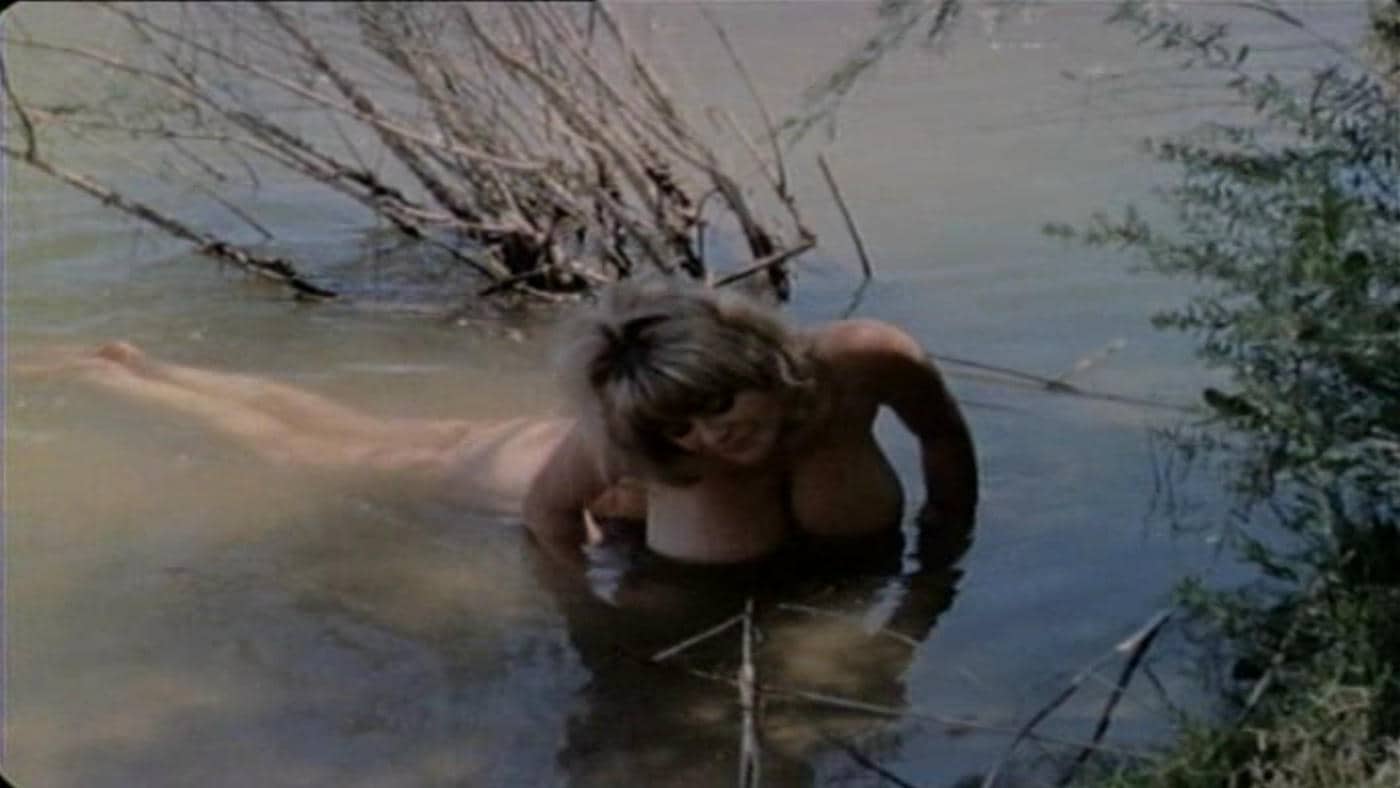
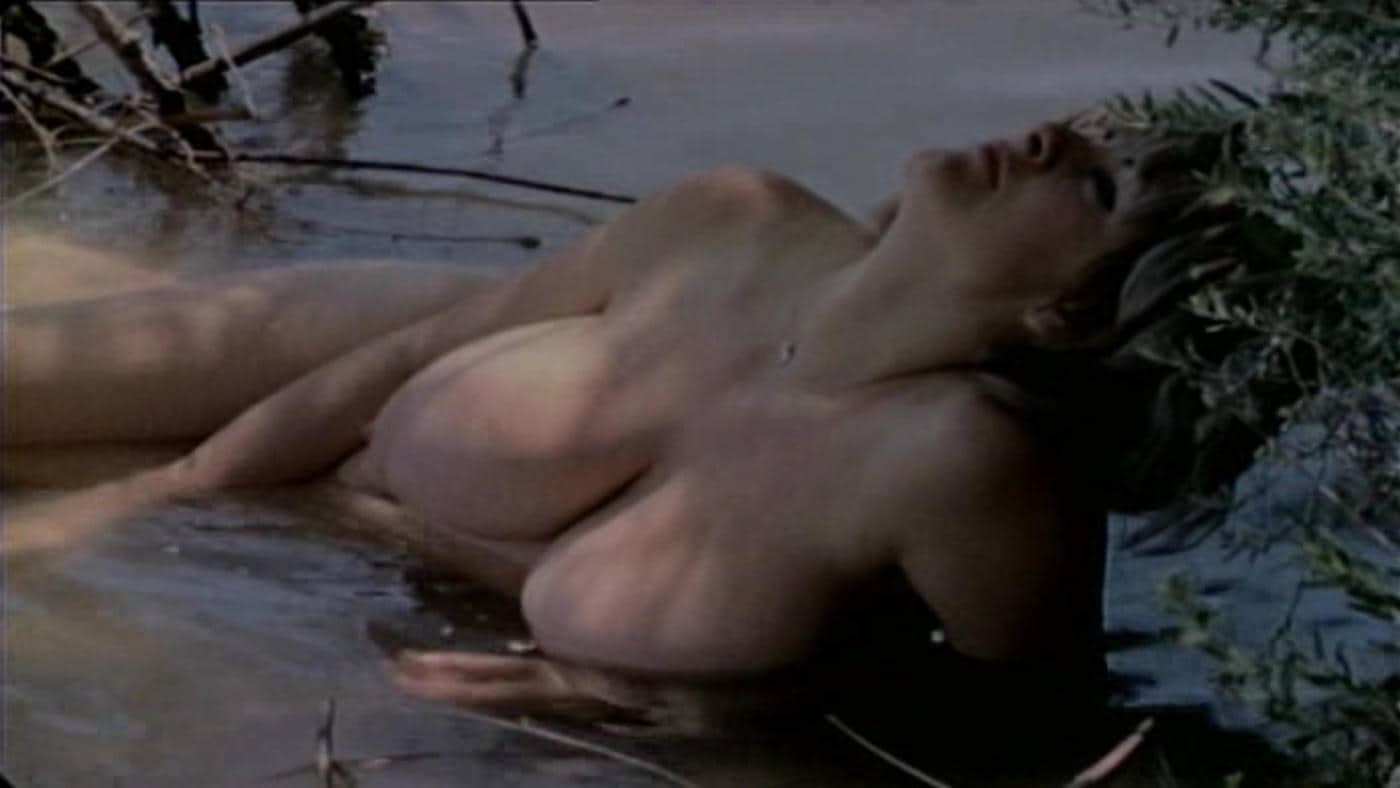
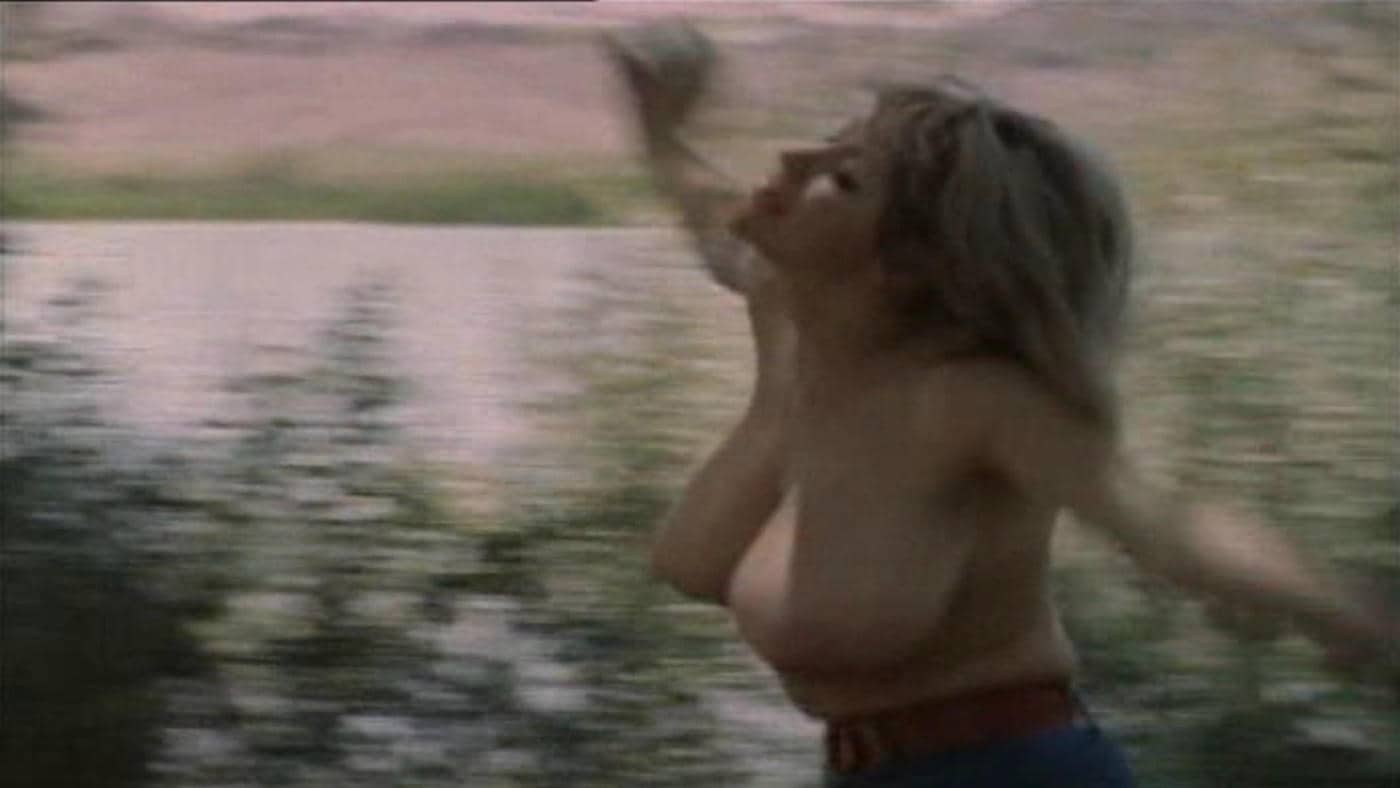
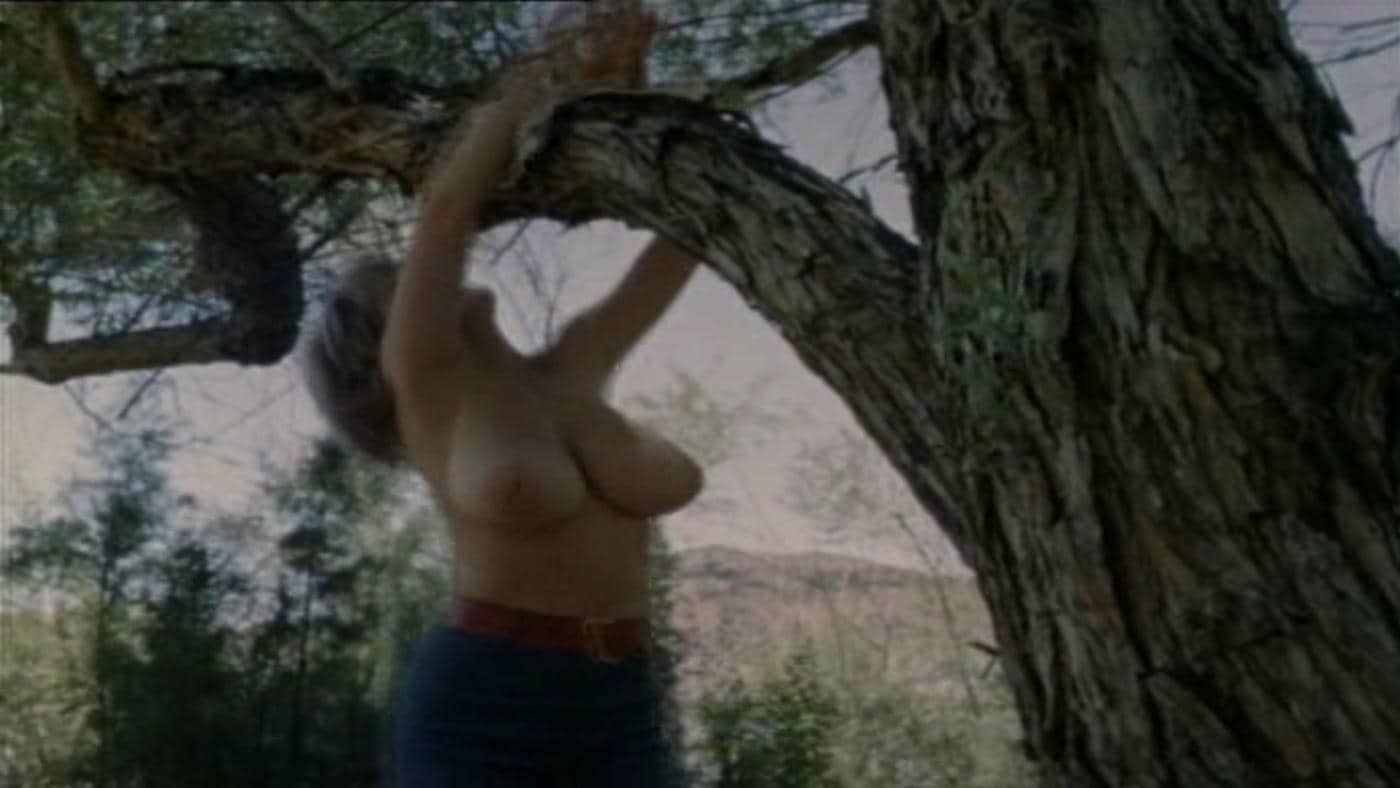
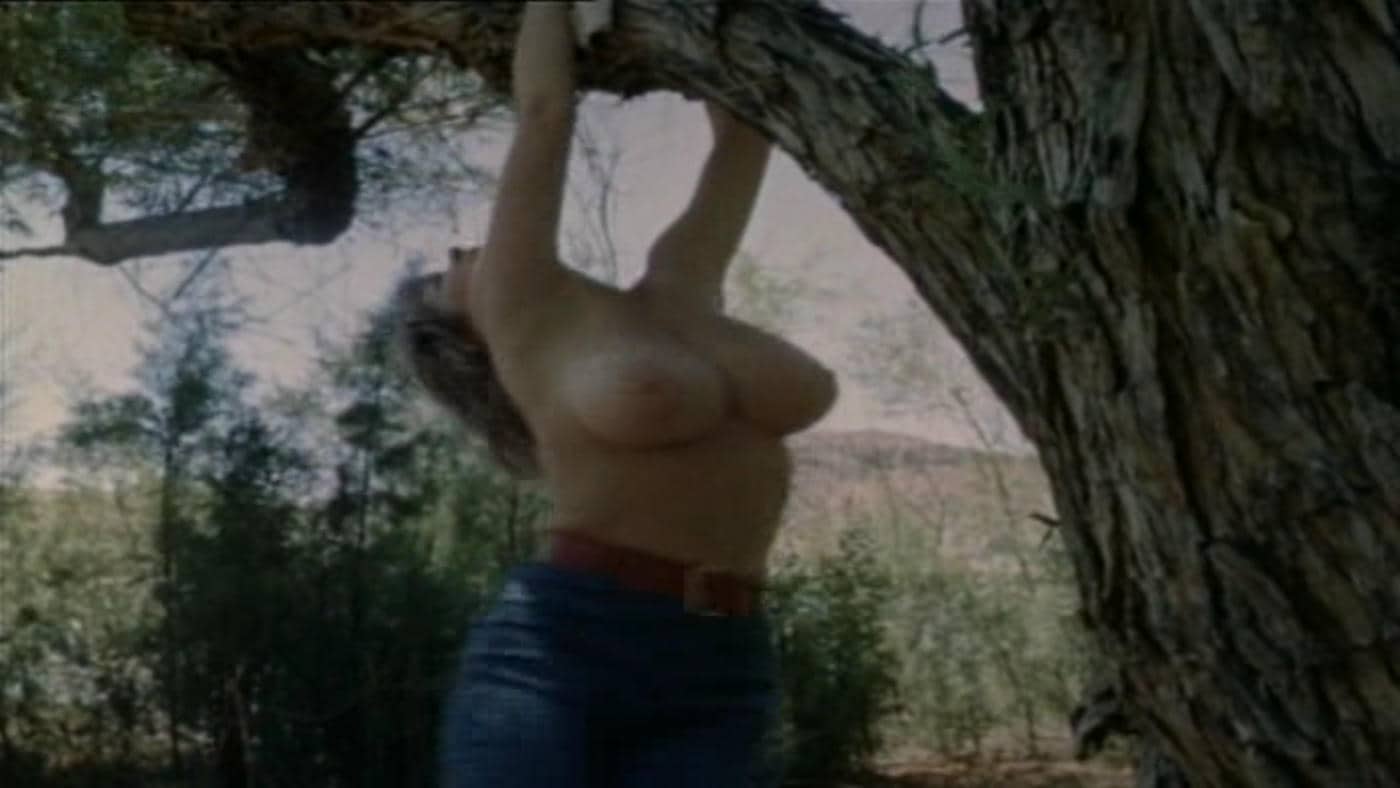
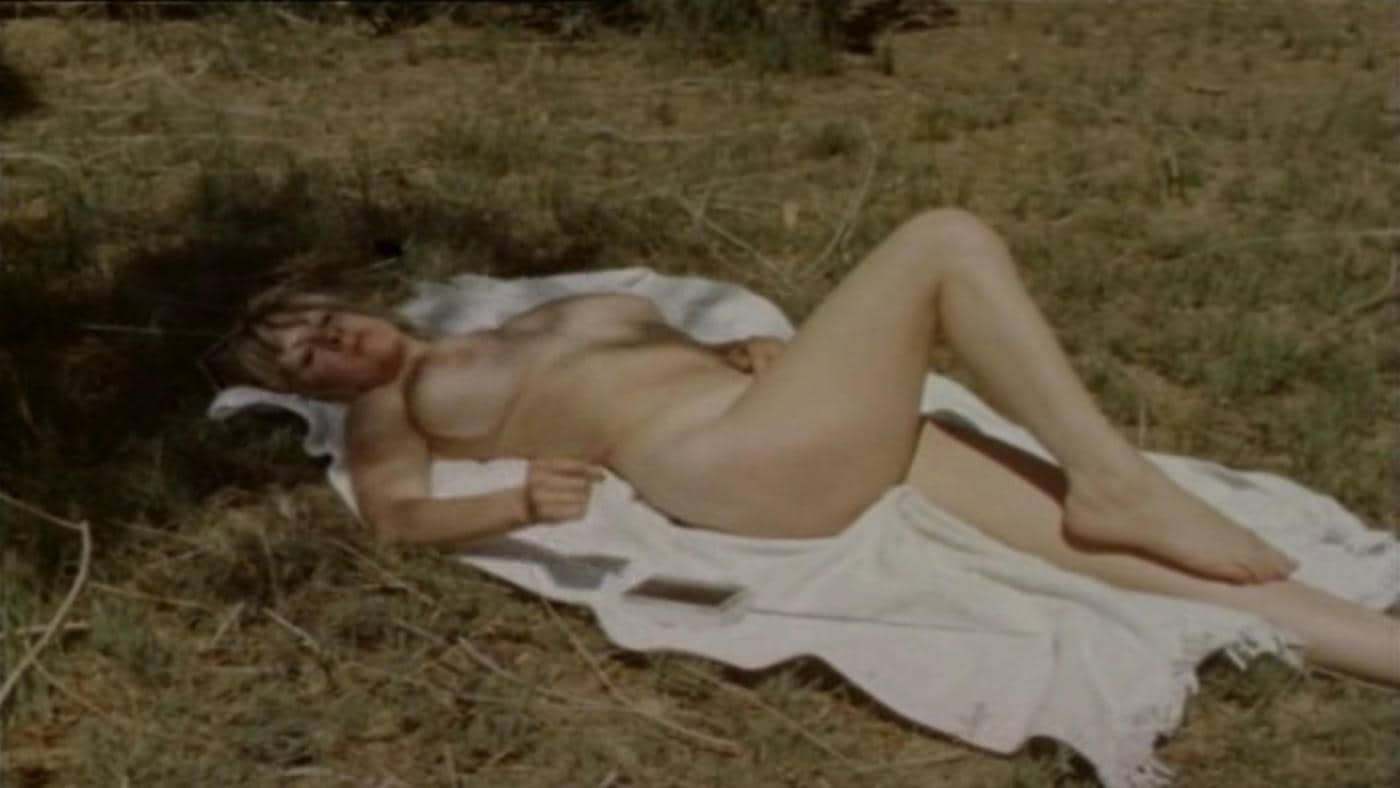
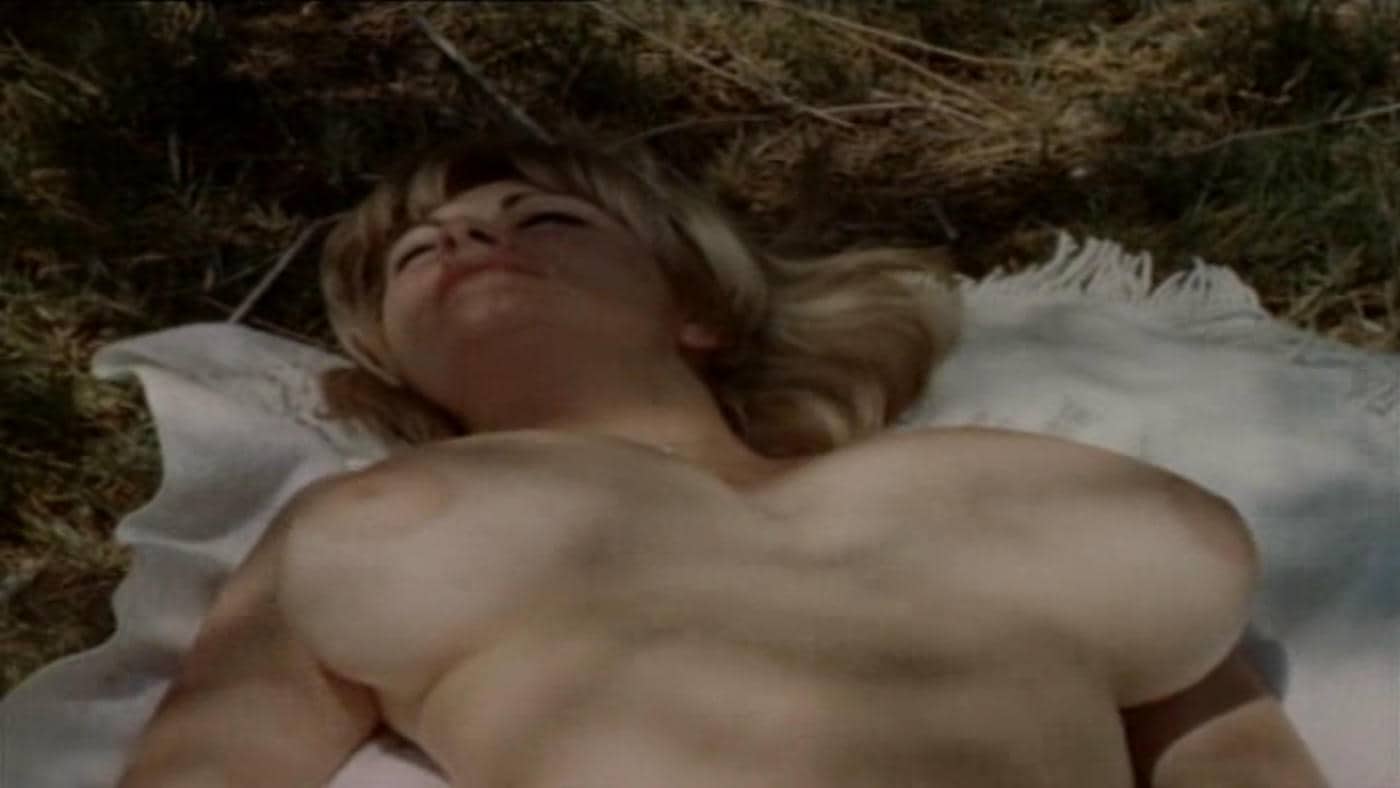
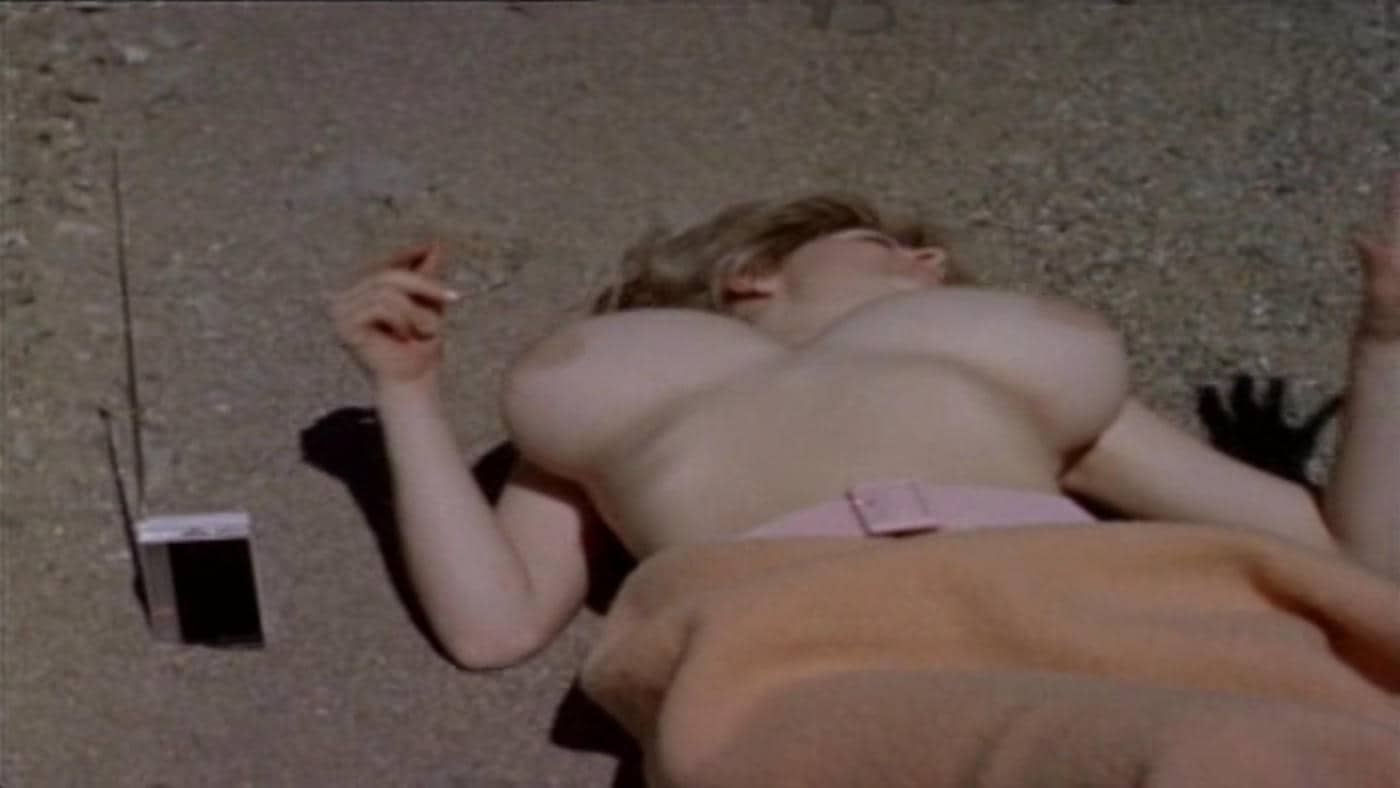
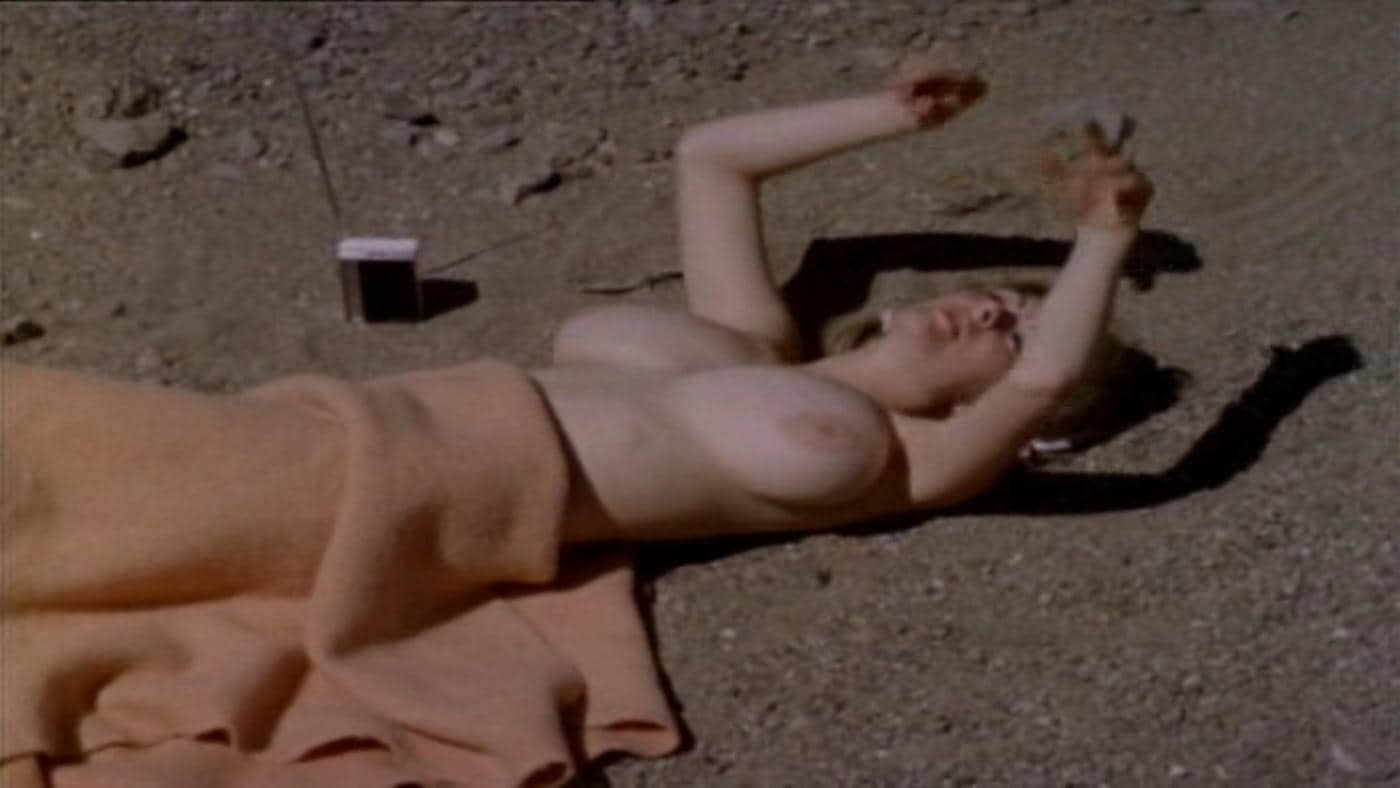
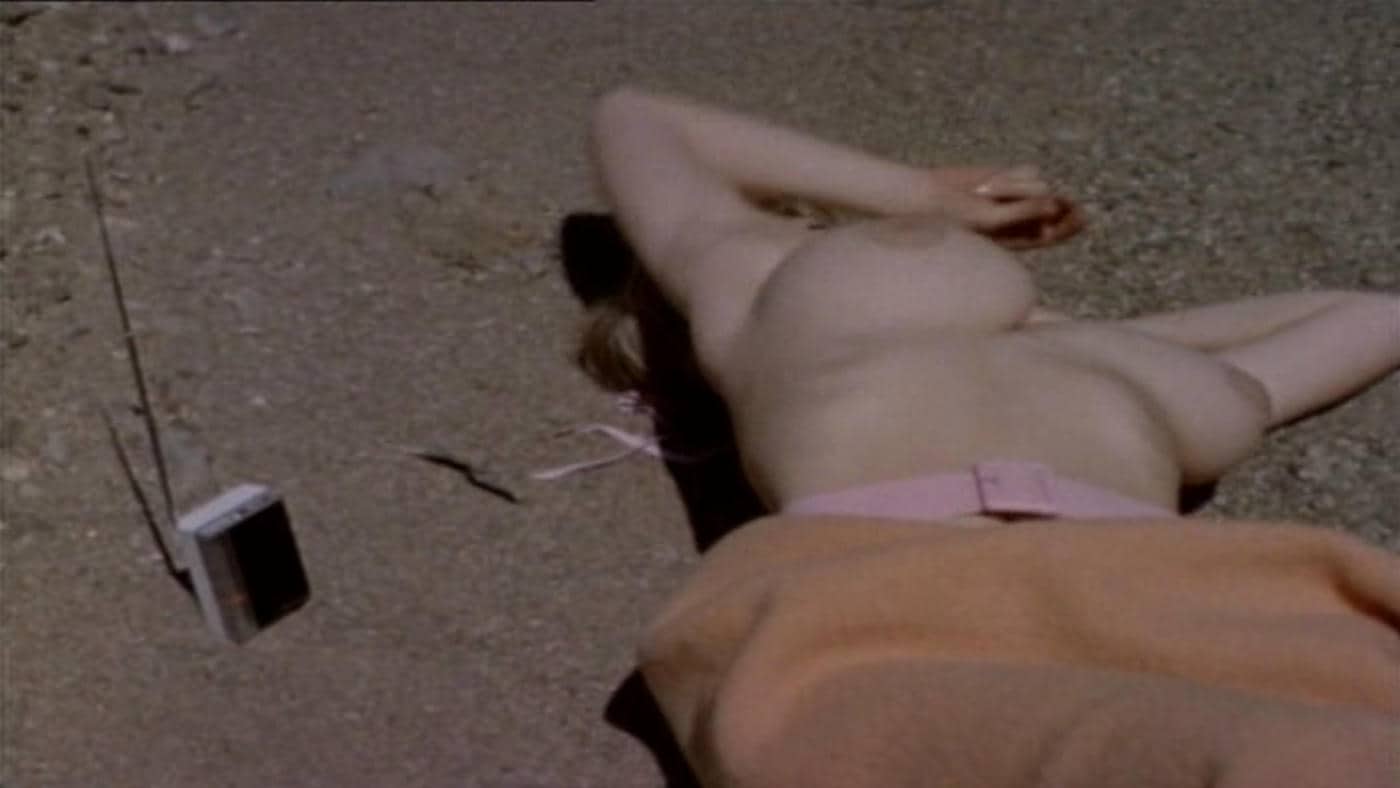
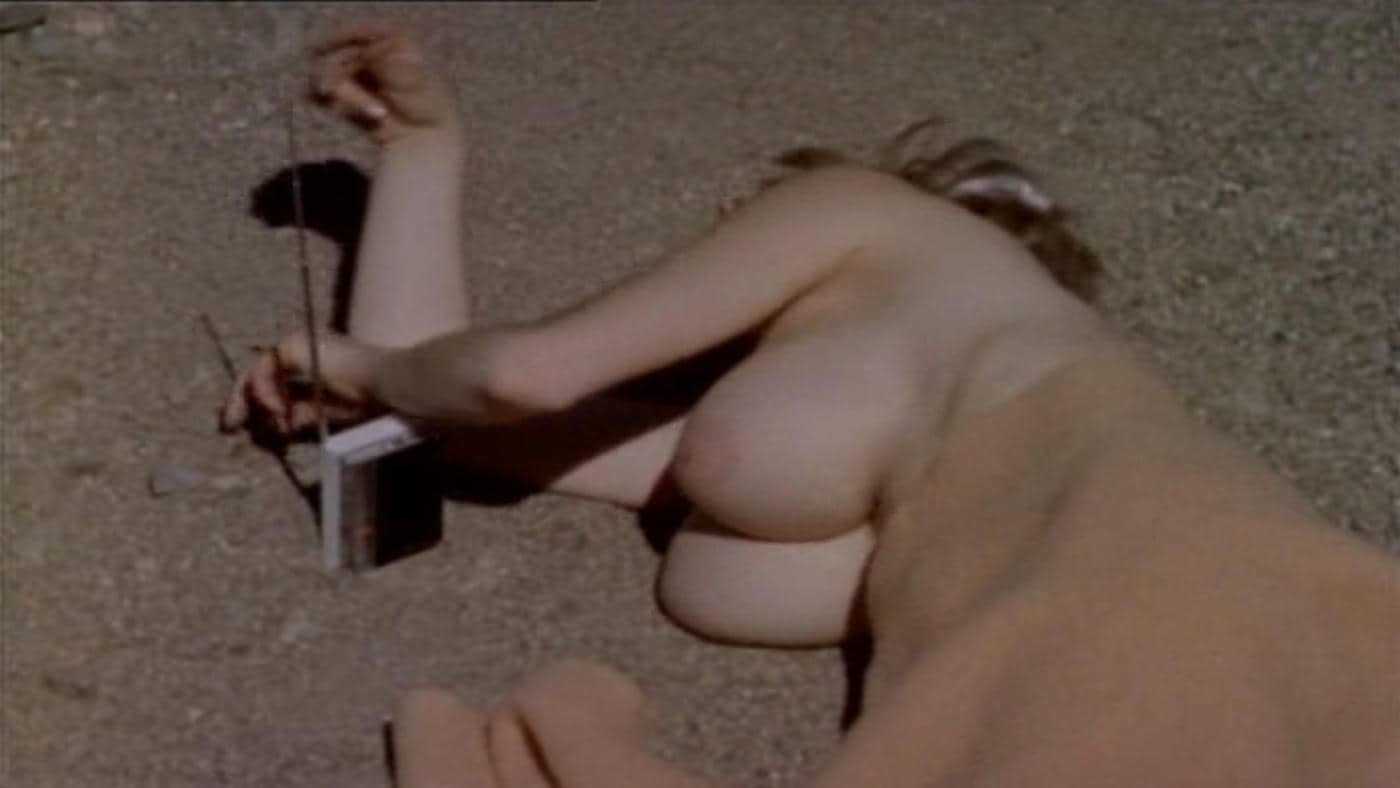
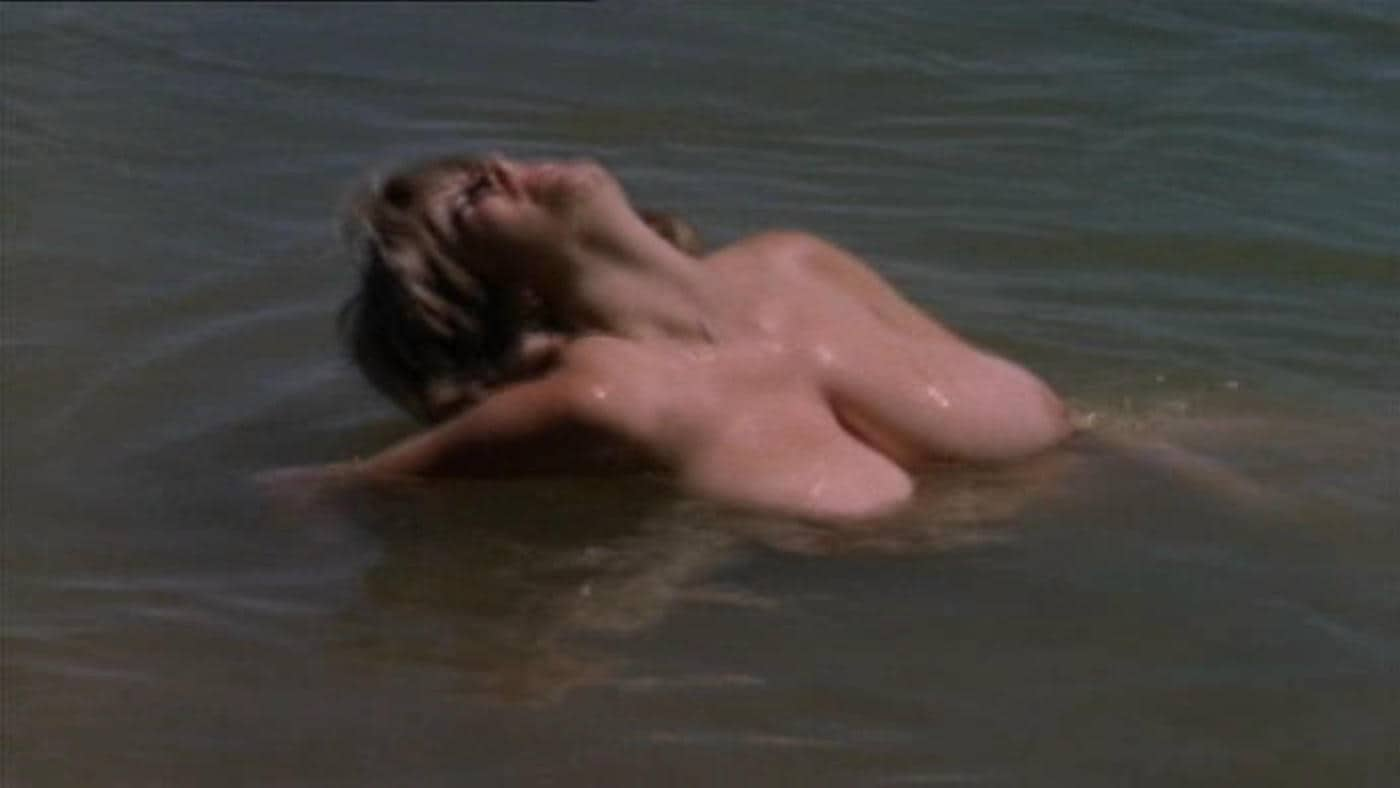
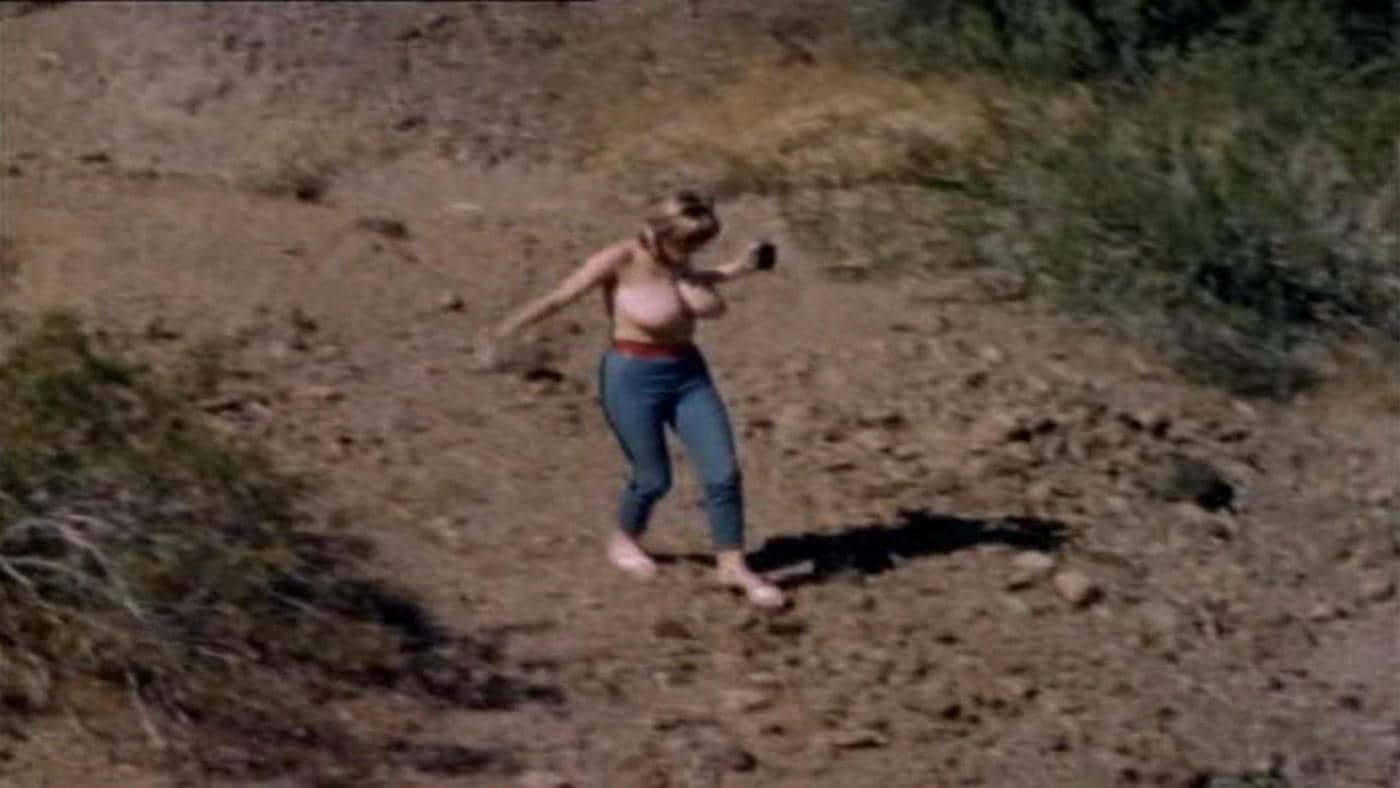
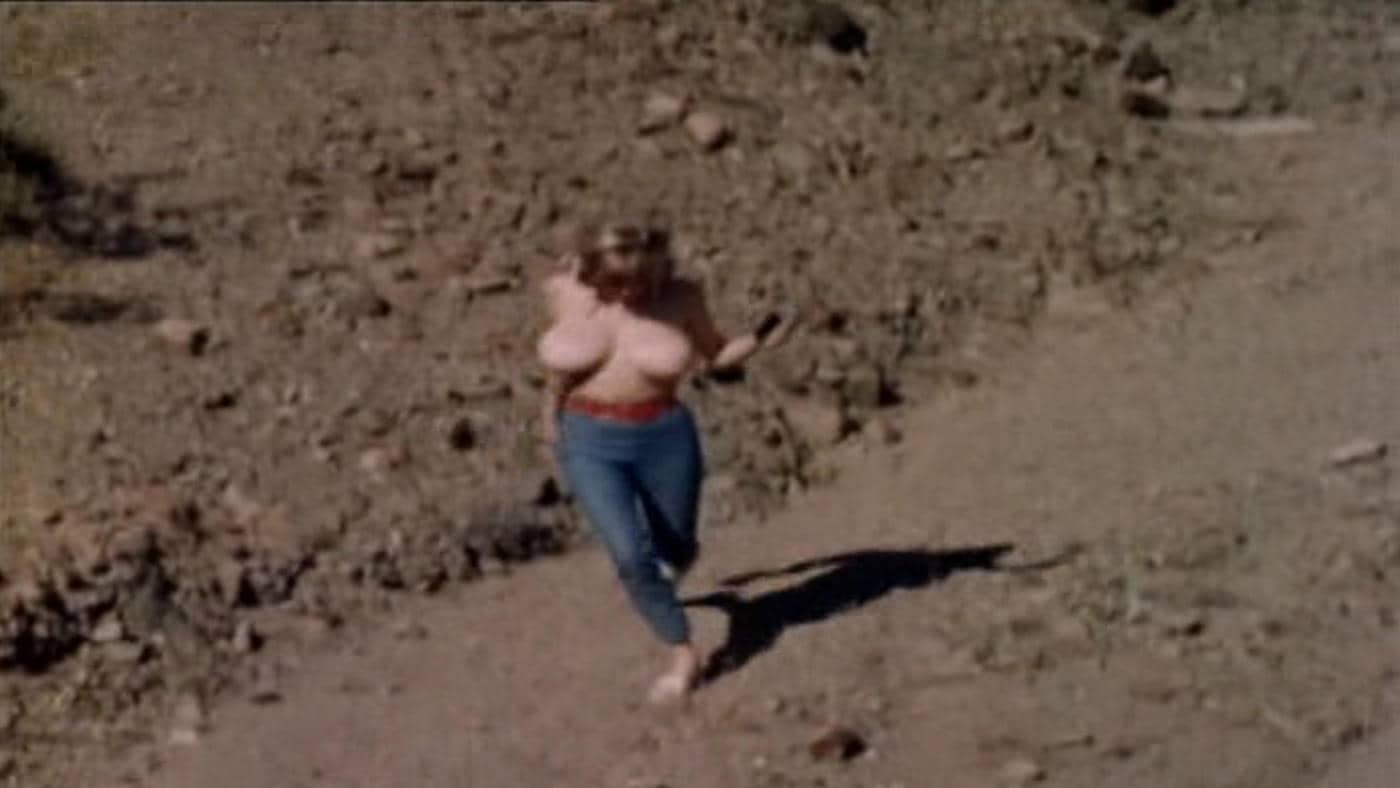
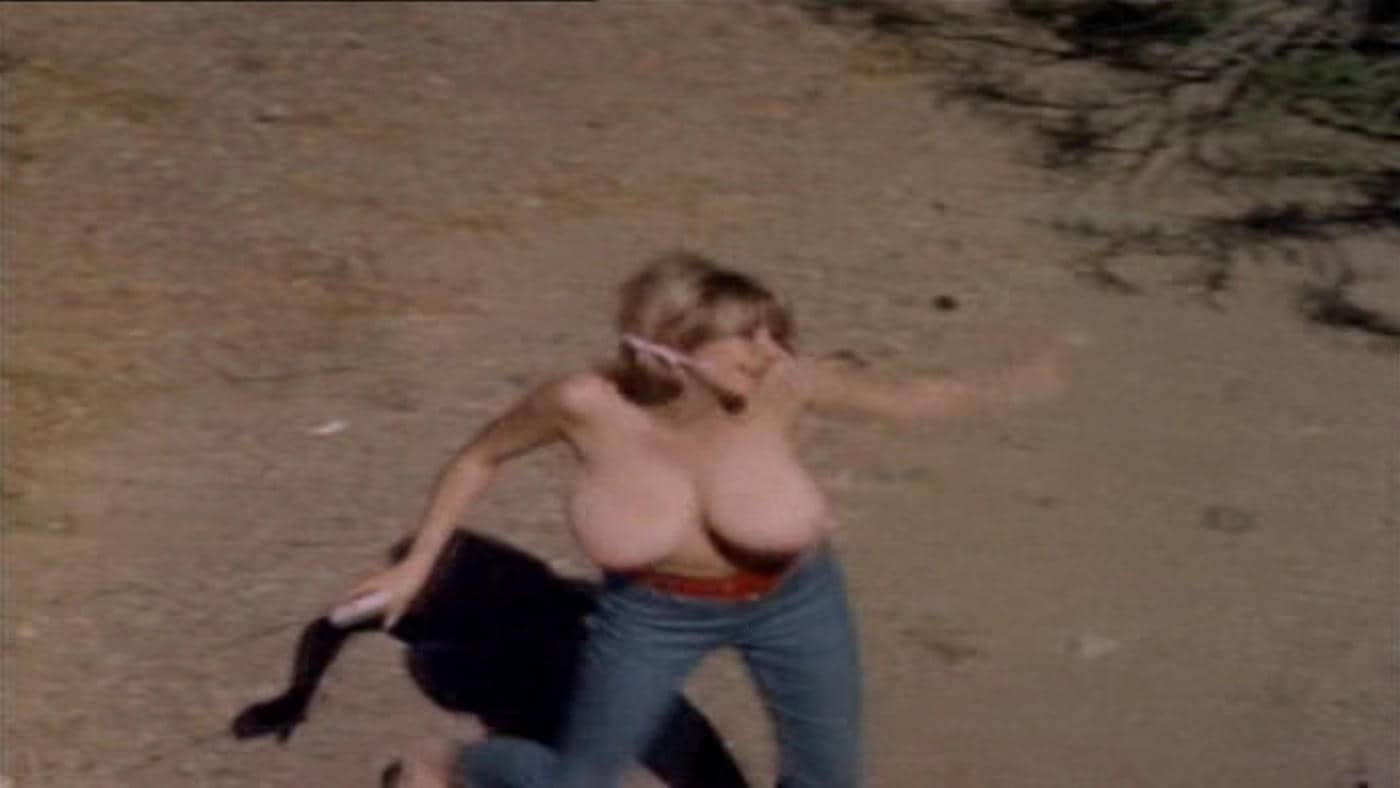
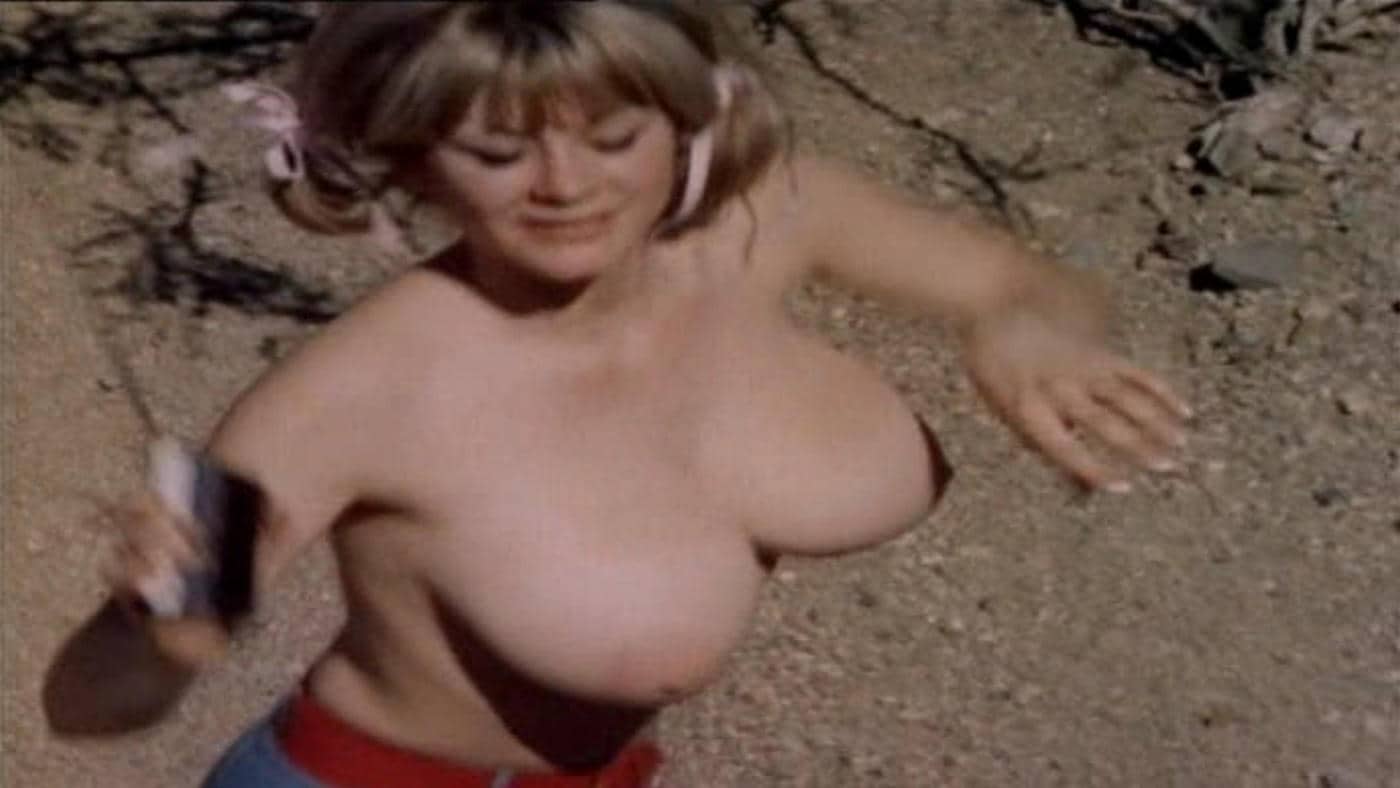
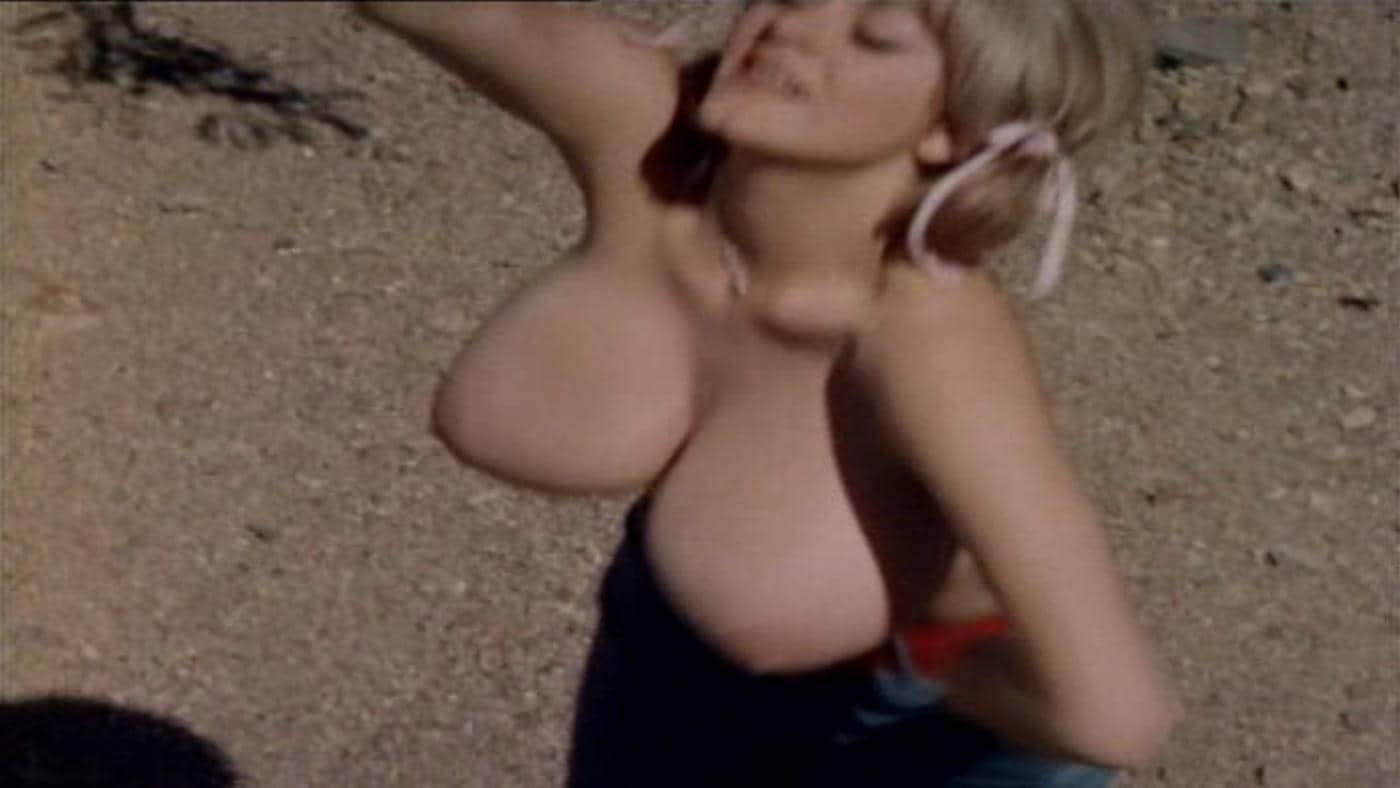
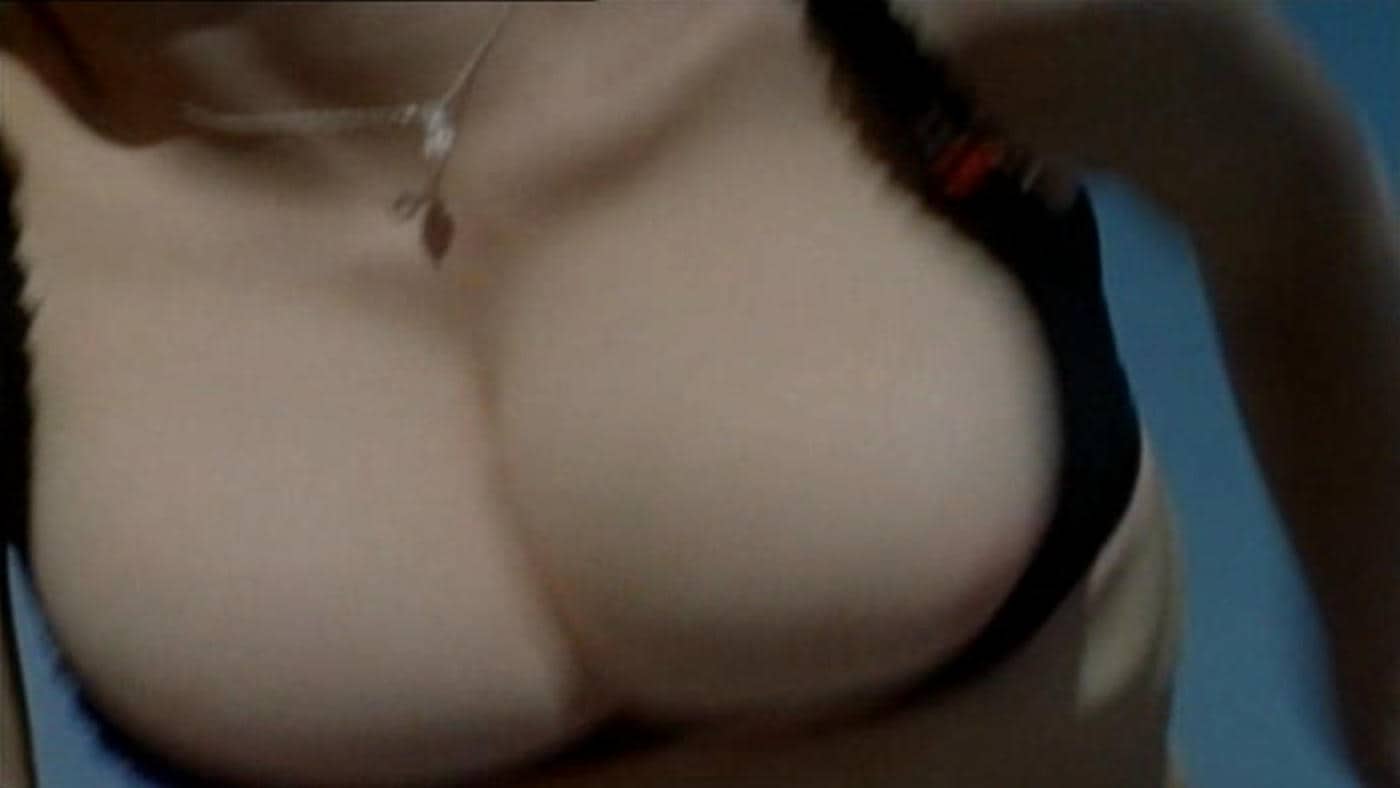
Beyond her debut with Meyer, Morrison’s later film appearances were more brief but continued to lean into her established persona as a “blonde bombshell“. In the 1968 adventure-romance film The Pink Jungle, starring James Garner, she reprised her alias Darlene Gray for a small role as a dancer. Although her screen time was limited compared to her debut, she continued to bring her characteristic physical presence to the role during the waning years of the 1960s. Her final contribution to the silver screen occurred much later in the 1987 drama Dragonard, where she portrayed a bordello girl.
Informazioni sull'autore

Related posts:
 Tribute to “Watchmen” (TV series) | Most iconic sexy scenes
 Tribute to “The Ninth Gate”| Most iconic sexy scenes
 Tribute to “Y: The Last Man” | Most iconic sexy scenes
 Tribute to Honor Blackman | Most iconic sensual roles and tickling scenes
 Tribute to Elvira | Most iconic Cassandra Peterson’s sensual roles and tickling scenes
 Tribute to Katie McGrath | Most iconic sensual roles
 Tribute to Vanessa Kirby | Most iconic sensual roles and tickling scenes
 Tribute to Julia Benson | Most iconic sensual roles
 Tribute to Lorna Maitland | Most iconic sensual roles
 Tribute to Brigitte Bardot | Most iconic sensual roles and tickling scenes
 Top ‘Distracted by the Sexy’ scenes
 Tribute to Chesty Morgan | Most iconic sensual roles and photoshoots