Lara Croft is a British archaeologist and adventurer who serves as the central protagonist of the Tomb Raider franchise, first introduced to the world in 1996 by the English developer Core Design. Originally conceptualized by lead artist Toby Gard as a female counterpart to adventure heroes like Indiana Jones, her character was nearly named Laura Cruz before the name was changed to sound more British.
Last update: 07/1/2026
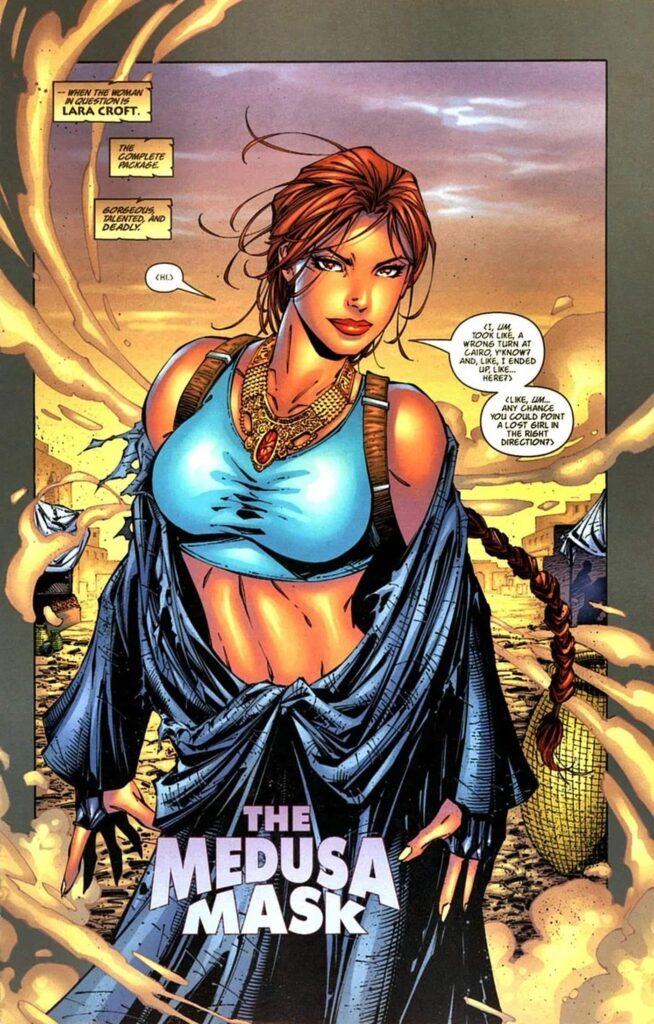
Her debut was a massive success, selling millions of copies and establishing her as one of the most recognizable characters in gaming history. Throughout the late 1990s, she became a mainstay of the industry with annual sequels that saw her navigating ancient ruins in search of powerful artifacts like the Scion of Atlantis.
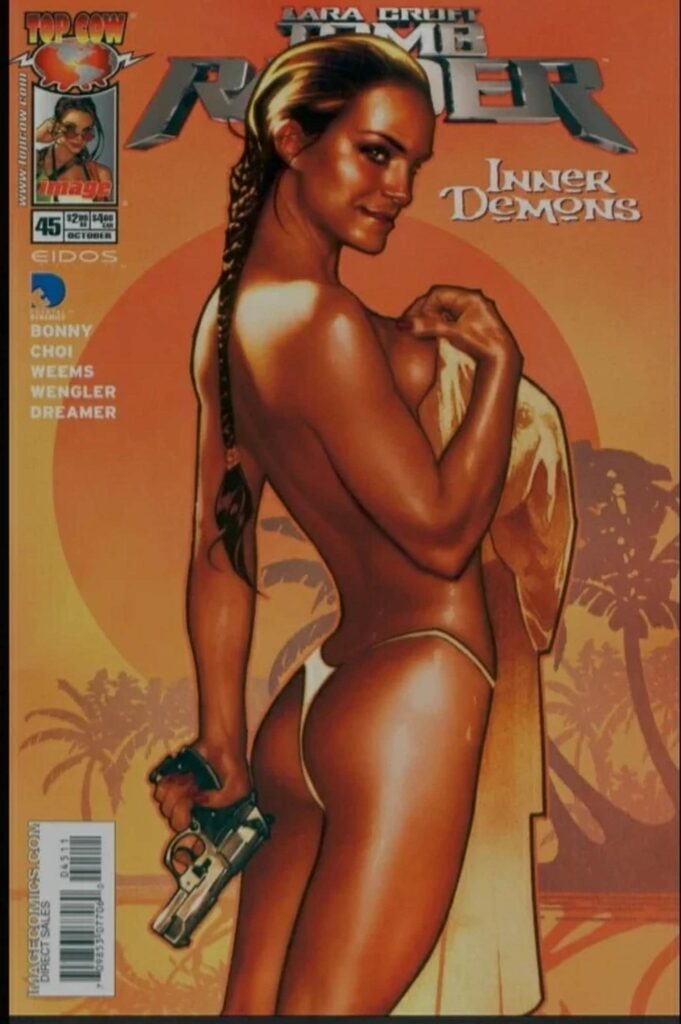
In the realm of mainstream culture, Lara Croft transcended her digital roots to become a genuine pop icon, appearing on the covers of major non-gaming publications like The Face and Rolling Stone, and even appearing alongside bands like U2. This mainstream fame was further solidified by a series of live-action films where she was famously portrayed by Angelina Jolie in the early 2000s and later by Alicia Vikander in a 2018 reboot. Despite her status as a pioneering strong female lead, her early career was often defined by highly sexualized marketing and exaggerated physical proportions. A persistent industry rumor suggests her iconic bust size was the result of an accidental 150% increase during the design process, though the developers eventually embraced this look for its marketing appeal.
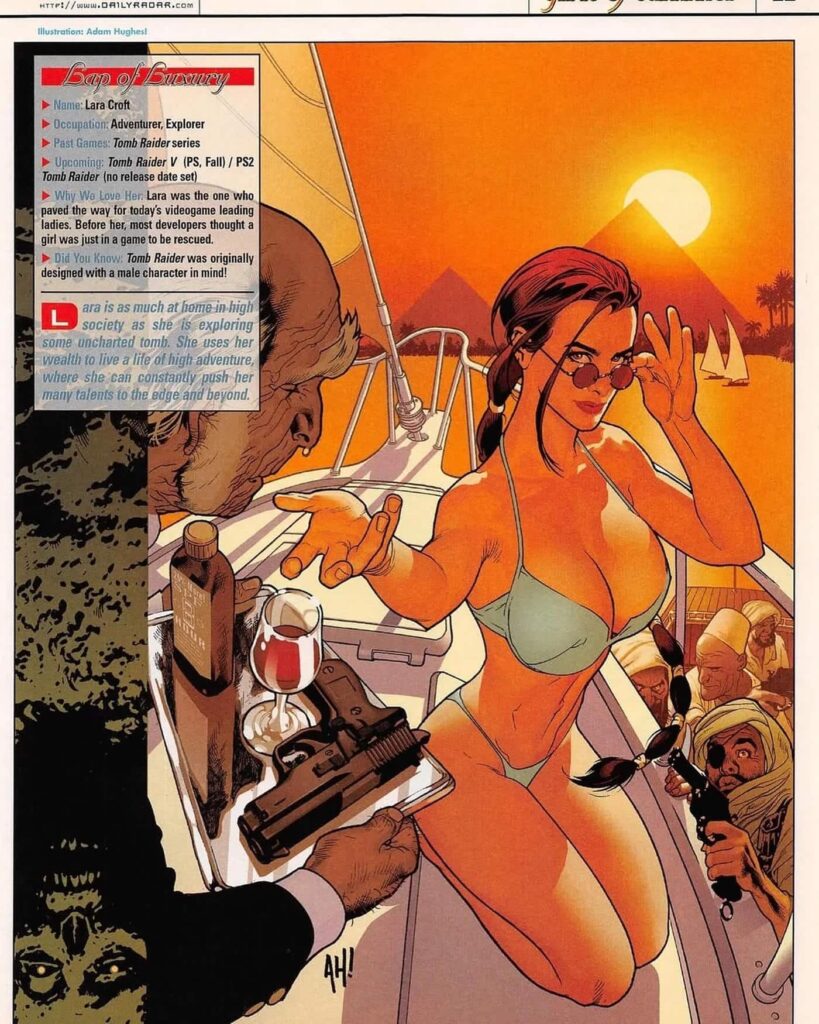
As the years progressed, the franchise saw significant shifts in how Lara was presented, moving away from being a caricatured sex symbol toward a more nuanced and realistic portrayal. The 2013 gaming reboot, featuring a script by Rhianna Pratchett, focused on her origins as a vulnerable but resilient survivor, replacing her “virtual blow-up doll” image with more practical attire and human complexity. Today, her legacy continues through recent remasters of her original adventures and an upcoming television series in development for Amazon Prime, which reportedly plans to further emphasize her athleticism and character over her traditional status as a sex symbol.
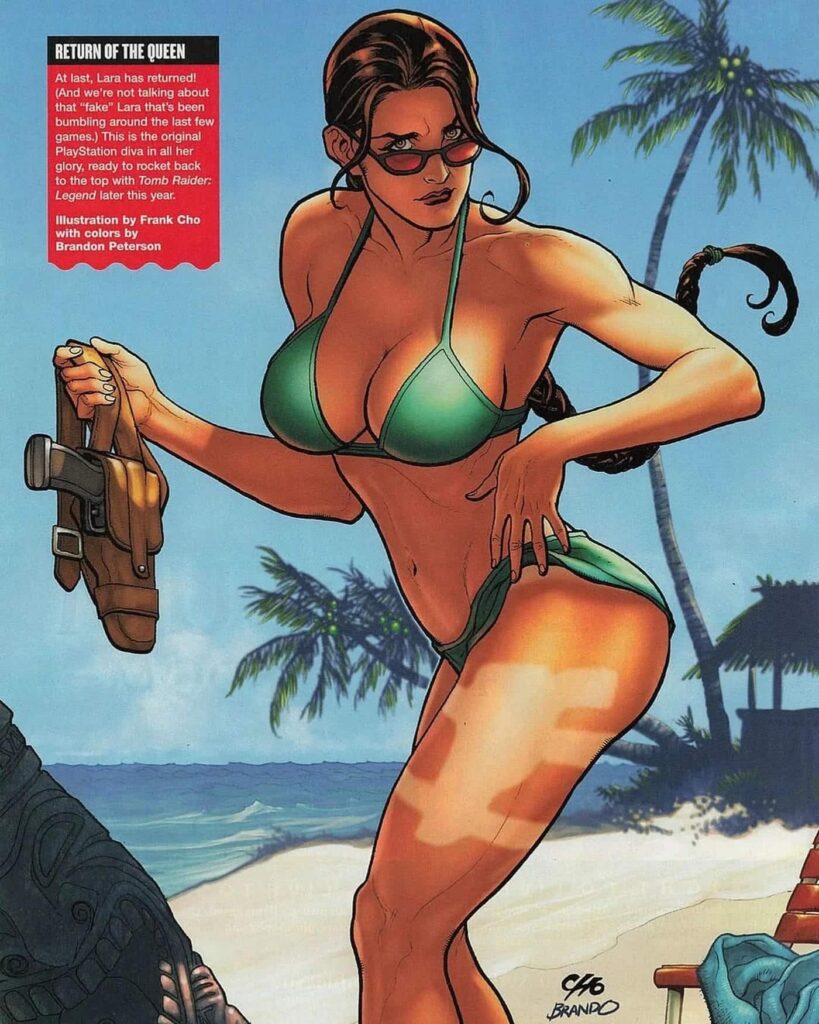
Contents
- 1 Lara Croft’s actresses
- 2 Evolution of Lara Croft’s chest
- 3 Was Lara Croft’s breast voluntarly increased?
- 4 Was Lara Croft sexualized?
- 5 Has Lara Croft ever been nude?
- 6 Lara Croft’s sexy scenes in movies
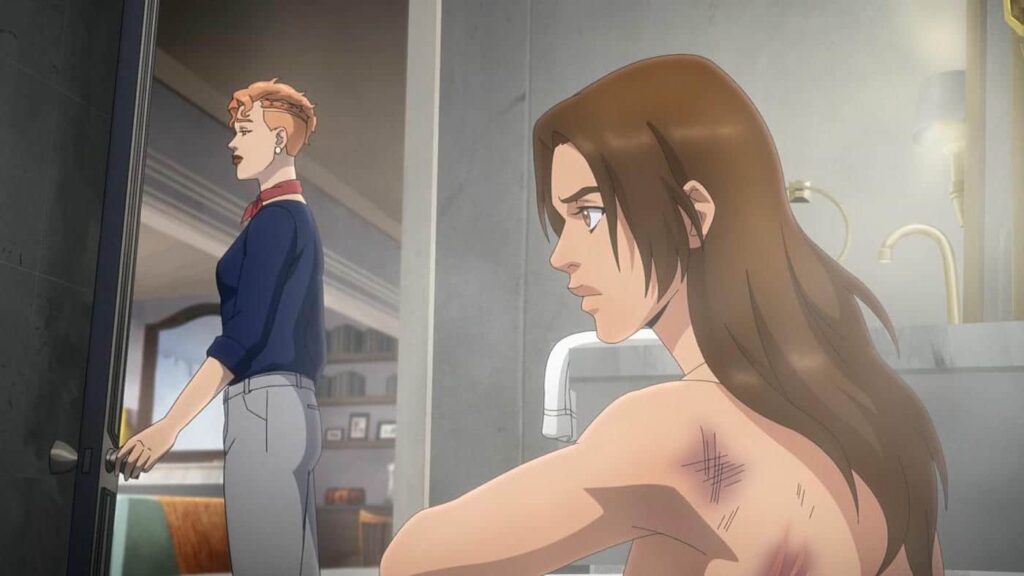
- 7 Lara Croft’s nude scenes in TV series
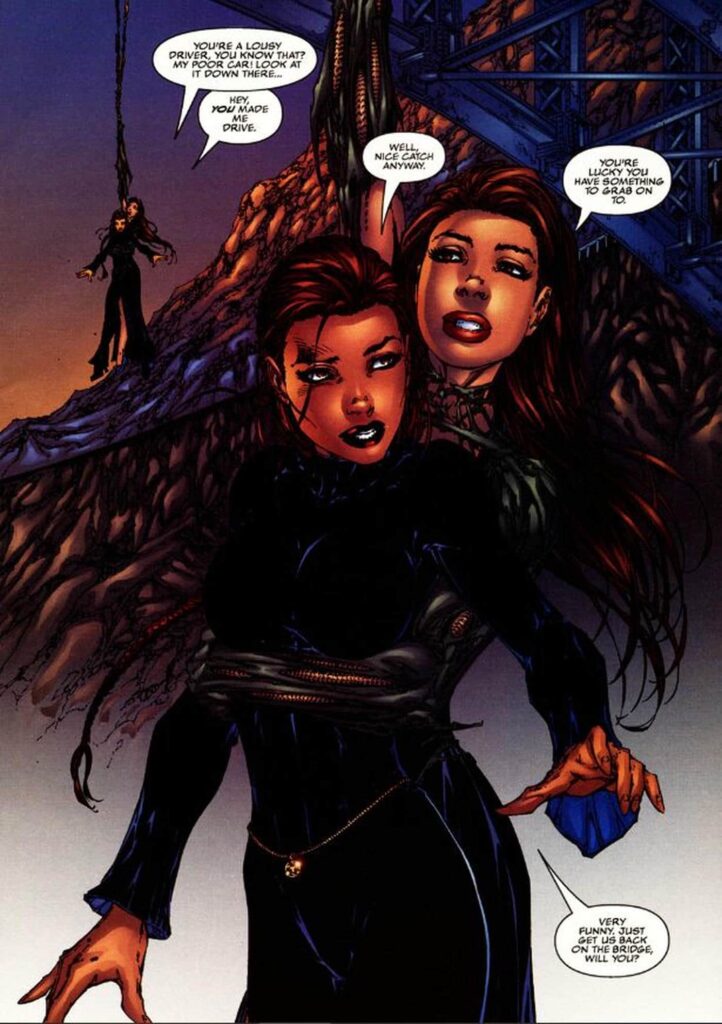
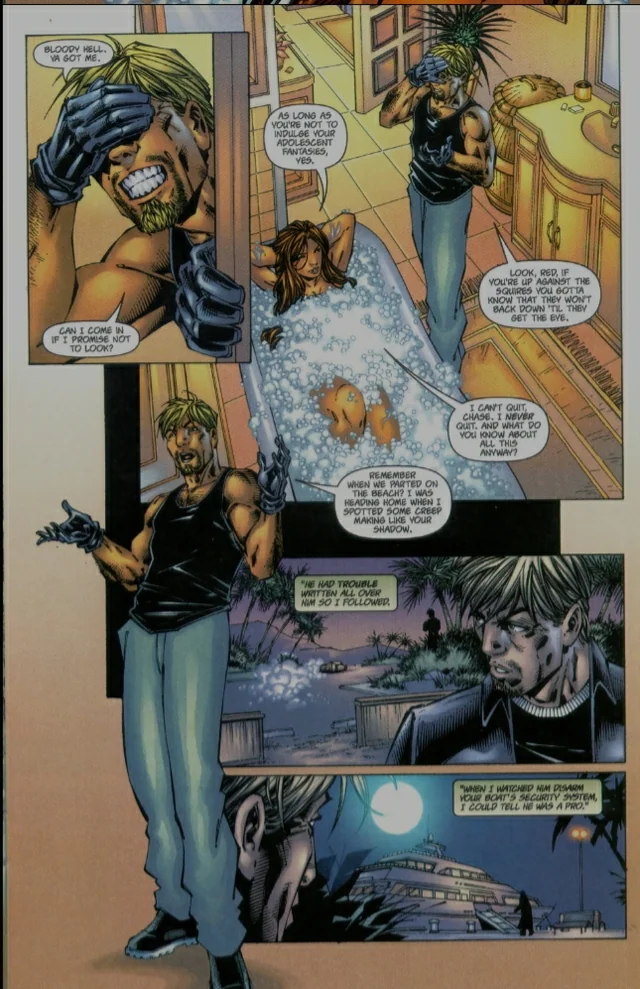
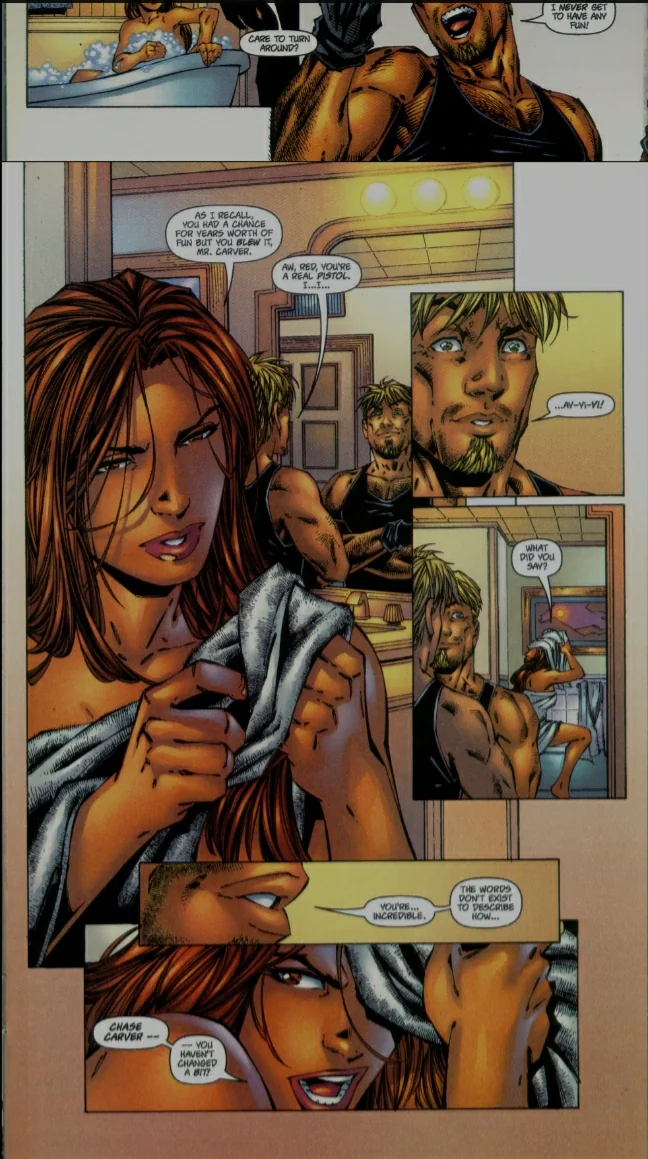
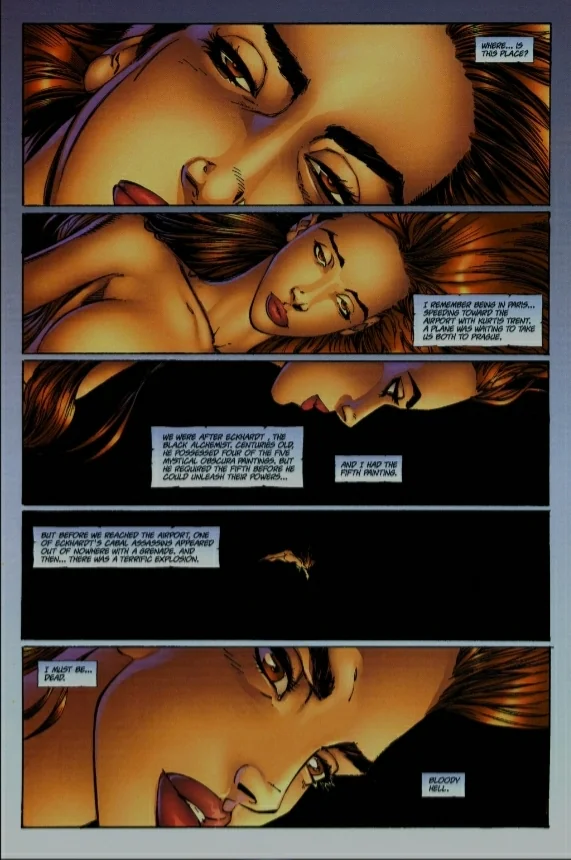
- 8 Sexy Lara Croft in Tomb Raider comics
- 9 Informazioni sull'autore
Lara Croft’s actresses
Lara Croft’s physical appearance and character were born from a diverse mix of pop culture influences and real-world inspirations. When her creator, Toby Gard, first developed her for the 1996 debut, he drew significantly from the gritty aesthetic of the comic book character Tank Girl, the adventurous spirit of Indiana Jones, and the high-octane action seen in John Woo’s film Hard Boiled. Interestingly, her physical form was also inspired by a Swedish DJ, and her famous silhouette was intended as a “caricatured personification” of an action icon rather than a realistic human model.
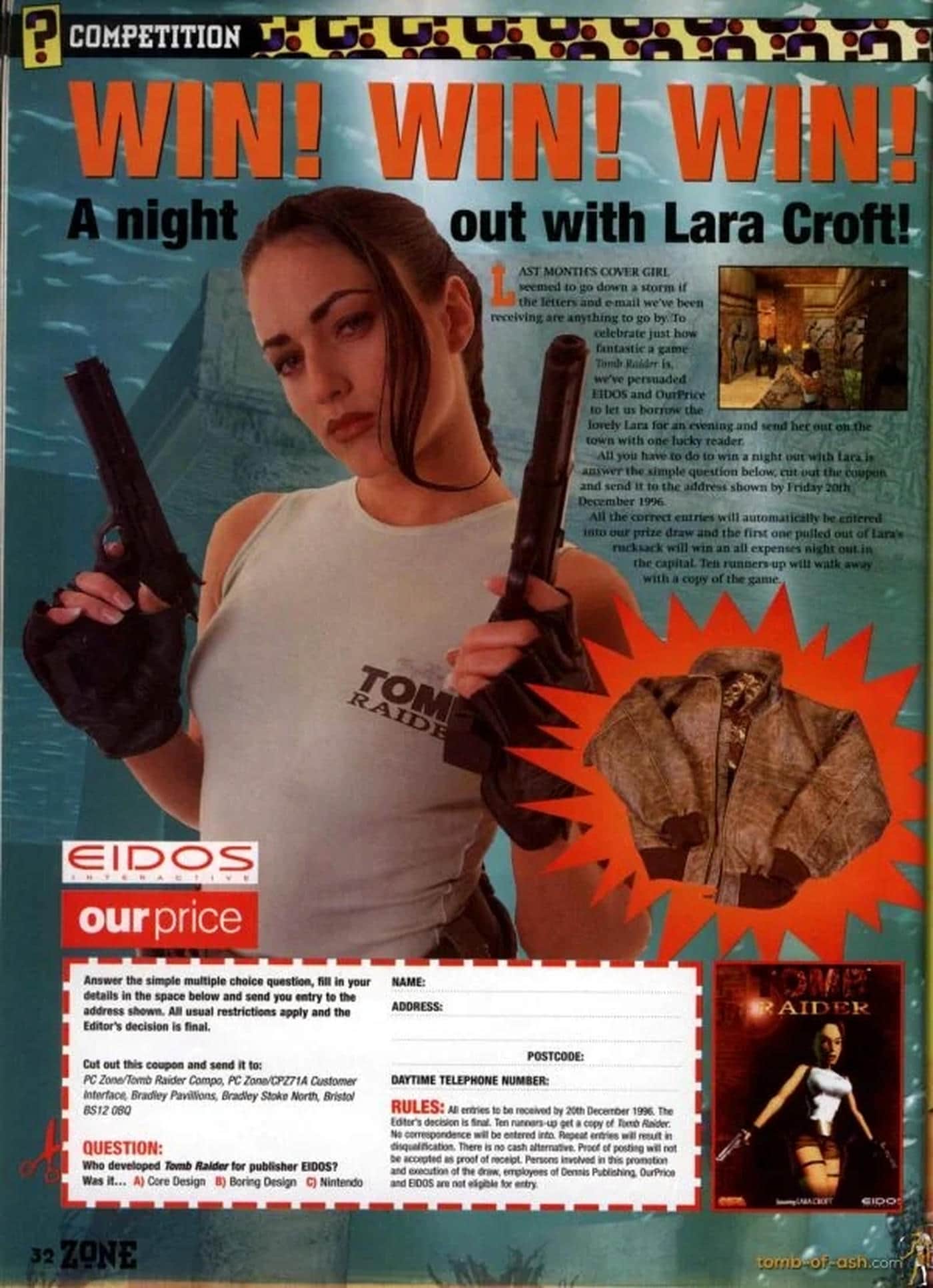
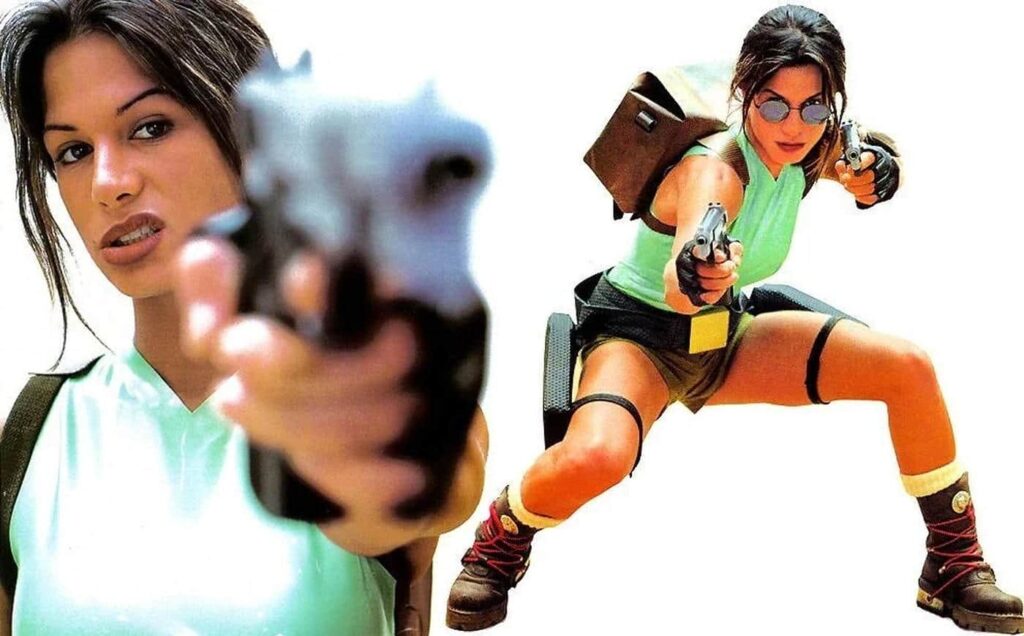
To bring the character to life for trade shows and public events, the publisher Eidos Interactive hired several official promotional models. The very first was Natalie Cook, who was eventually replaced in 1997 by Rhona Mitra, a model who served as the official face of Lara until 1998.
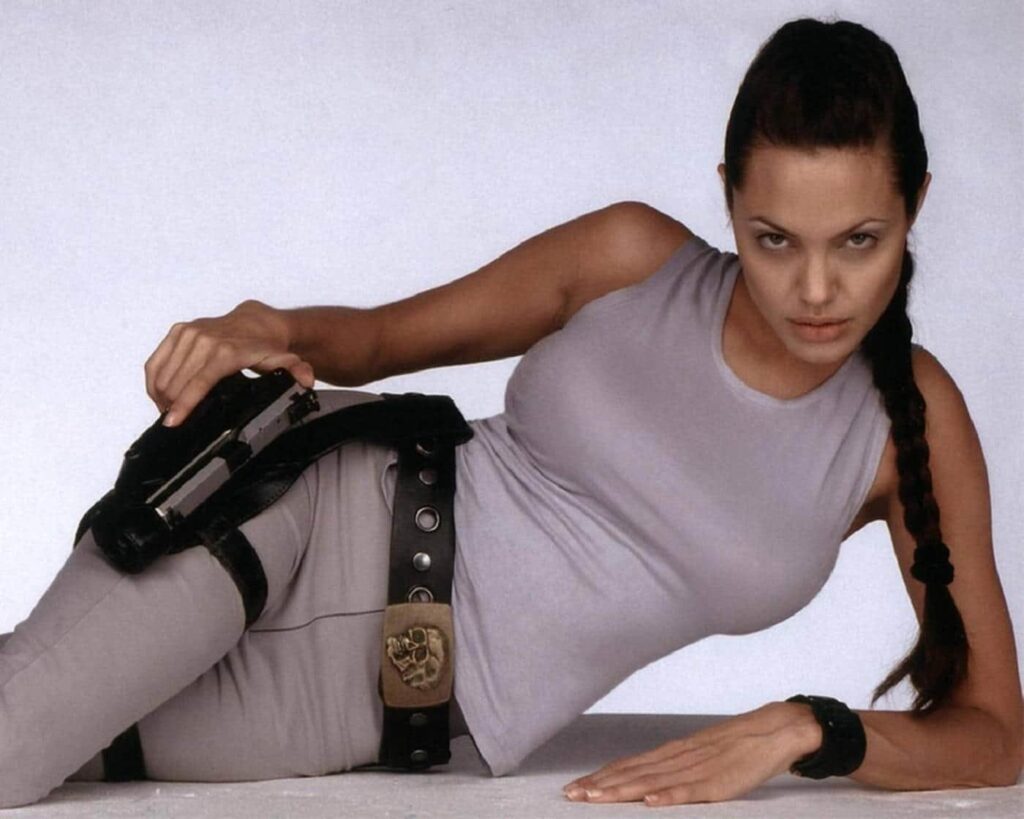
In the world of cinema, the role was most famously defined by Angelina Jolie in the early 2000s, who brought a confident sexuality and “animal ferocity” to the part while notably insisting on more natural proportions than her digital counterpart. Years later,
Alicia Vikander took over the mantle for the 2018 film reboot, portraying a version of Lara that focused more on her physical abilities and personal struggles, reflecting the grounded tone of the newer video games.
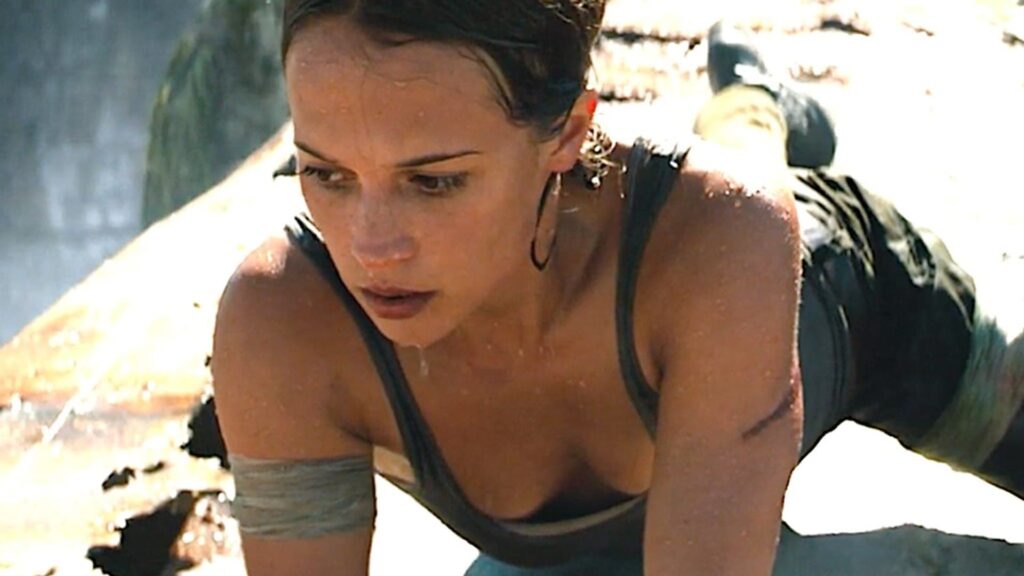
Sophie Turner will play the video game heroine in the upcoming TV series.
Beyond these major portrayals, the character’s personality and movement have been shaped by various other talents. Shelley Blond was the original voice actress who first gave Lara her “female Bond” persona in 1996, while the more recent, realistic version of the character seen in the 2013 reboot was created using motion-capture technology featuring gymnasts with athletic, normal proportions. Currently, as the franchise moves toward a new television series for Amazon Prime, the creative team, including writer Phoebe Waller-Bridge, continues to refine Lara’s form to emphasize her athleticism and practical fitness for the physical demands of tomb raiding.
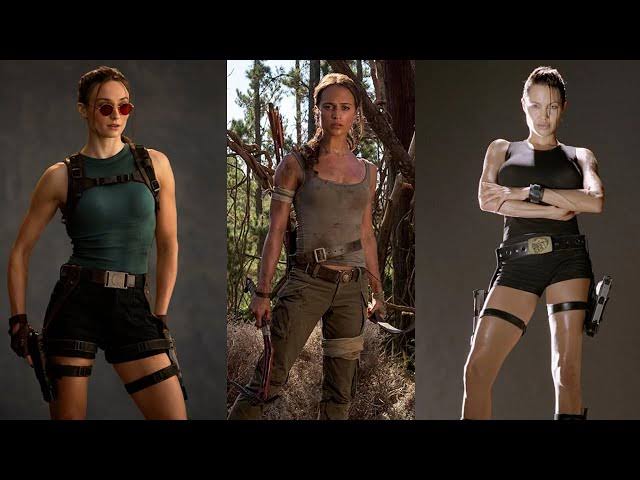
His impact on mainstream culture has been so significant that it has inspired the creation of other characters who share his charm, courage, and adventurous lifestyle.
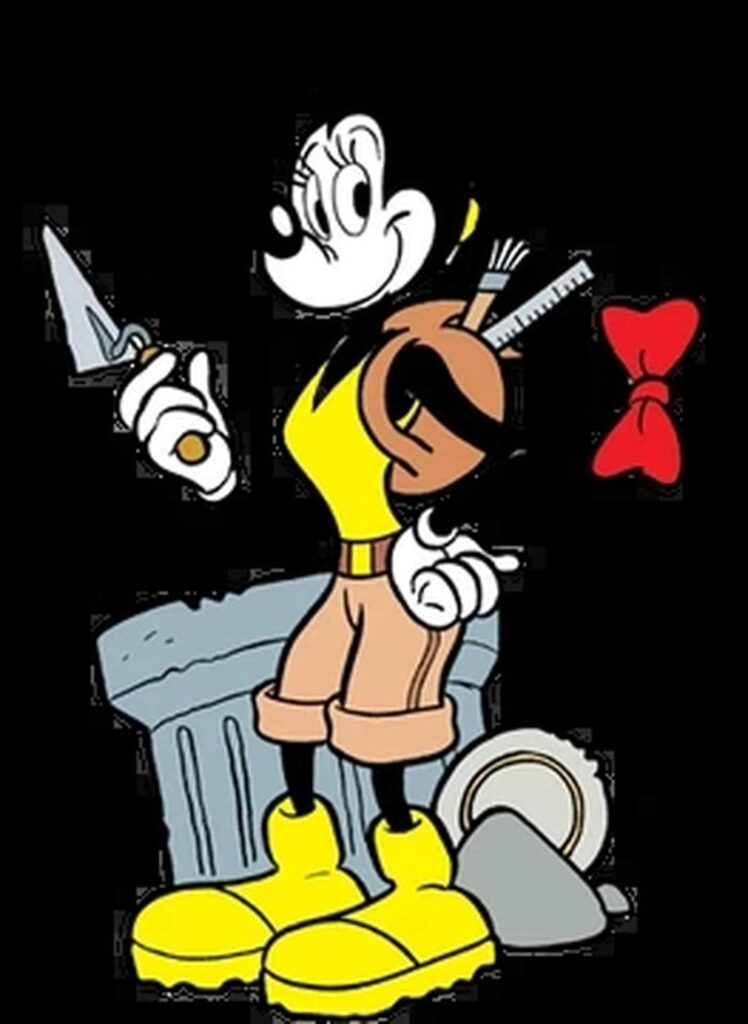
Eurasia Tost (Topolino / Mickey Mouse)
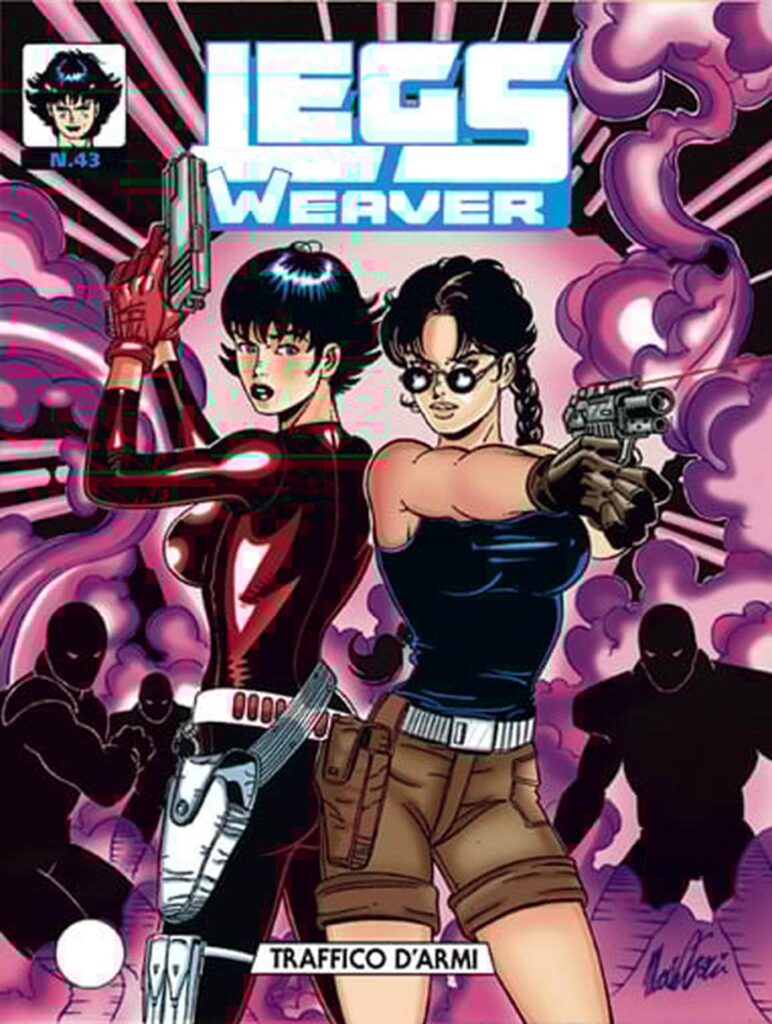
Janet Blaise (Legs Weaver)
Sydney Fox is the protagonist of the television series Relic Hunter, that is widely recognized as a “Lara Croft-style” production. Sydney Fox, portrayed by Tia Carrere, is an adventurous professor of archaeology who travels the world to recover lost artifacts, a premise that mirrors the core gameplay and plot of the Tomb Raider franchise.

Evolution of Lara Croft’s chest
Lara Croft’s physical design has been a subject of intense public scrutiny and debate since her debut in 1996, often defined by notably exaggerated proportions that served as a hallmark of her early identity. In her 1996 debut, her breasts were famously defined by a sharp, triangular or “pointy” shape, a direct result of the low-polygon 3D graphics available during the early PlayStation era.
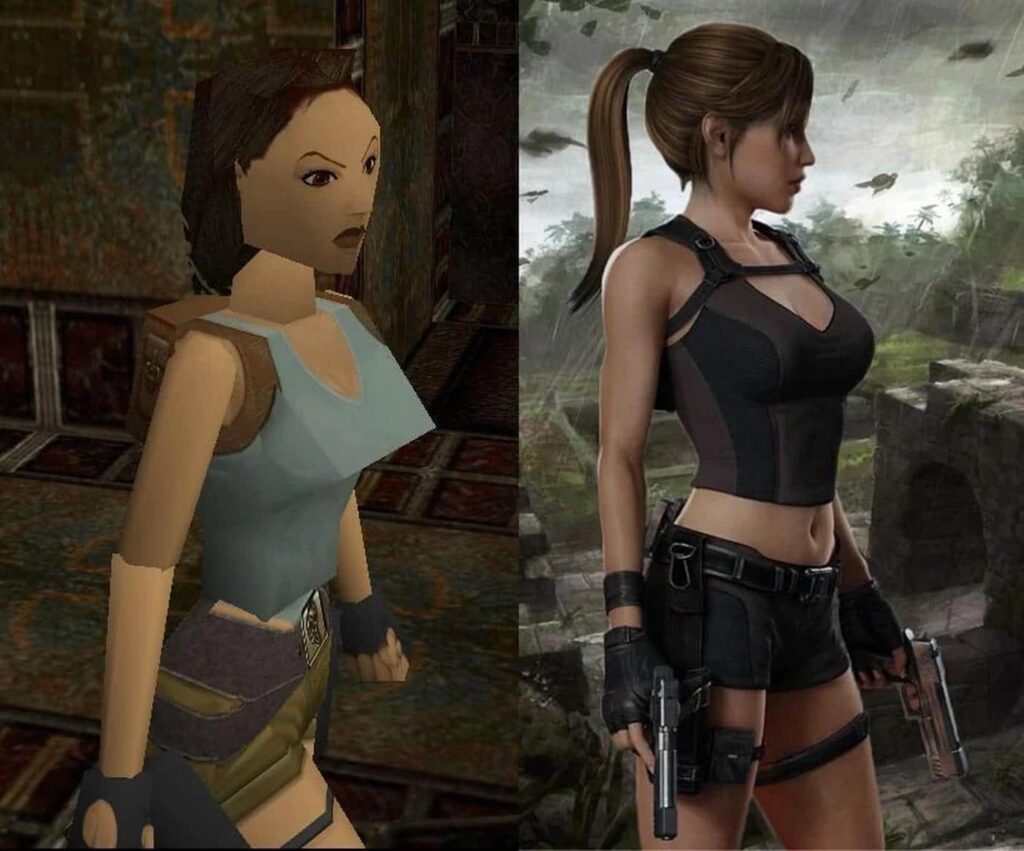
In the first decade of the franchise, her measurements were frequently cited by fans and media as a 35DD bust with a 24-inch waist and 35-inch hips, proportions that the development team at Core Design allegedly arrived at through a technical mishap.
During this “classic” era, her chest was famously characterized by its triangular or “pointy” shape, yet she still transcended gaming to become a global sex symbol on the covers of mainstream publications like Rolling Stone and The Face.
The evolution of her chest size represents a broader shift in the gaming industry’s approach to female protagonists, moving away from “virtual blow-up doll” aesthetics toward grounded realism.
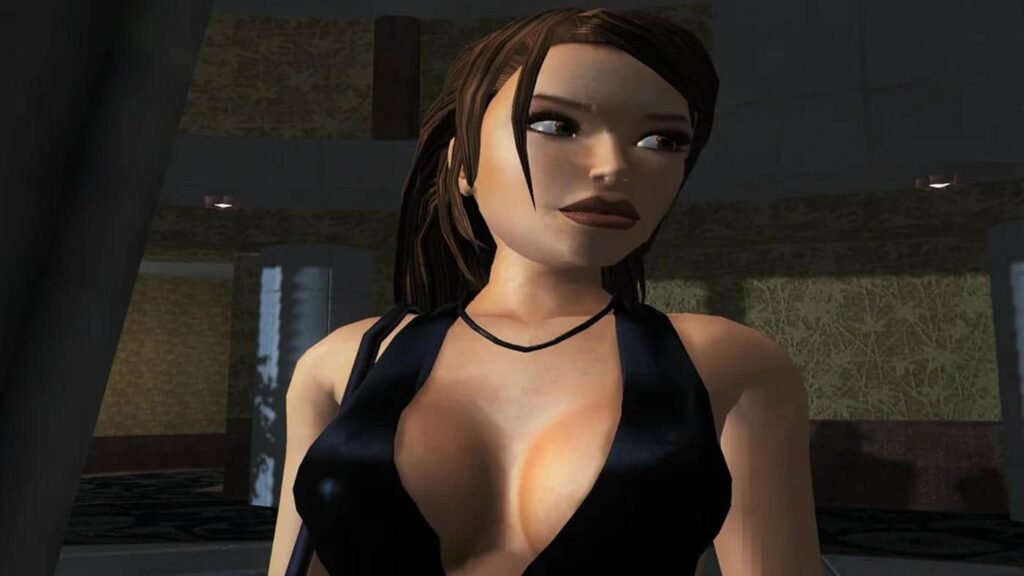
For the 2001 live-action film, Angelina Jolie reportedly insisted on a size C, which she and the filmmakers felt was a more realistic and appropriate look for an action hero compared to the “ridiculously inflated balloons” of the digital original.
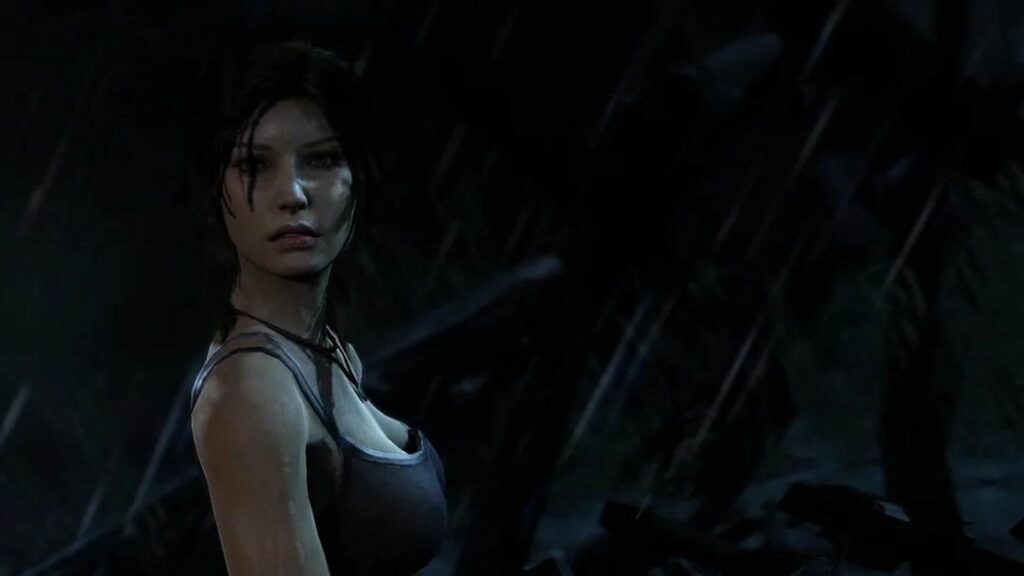
A definitive transformation occurred with the 2013 video game reboot, where Crystal Dynamics introduced a remarkably reduced bust size to reflect a younger, more vulnerable survivor. This version was modeled using motion-capture technology and modeled after gymnasts with normal proportions, effectively retiring the “obscene perkiness” and cartoonish image of the 1990s in favor of a startlingly realistic illustration of a woman.
Public perception of Lara’s chest has historically been a point of tension between her role as a pioneering female hero and her status as an object of male desire. While she was celebrated as the first strong female lead in gaming, critics like Germaine Greer viewed her early designs as an embodiment of male fantasies, a perception reinforced by the “lad culture” marketing of the time.
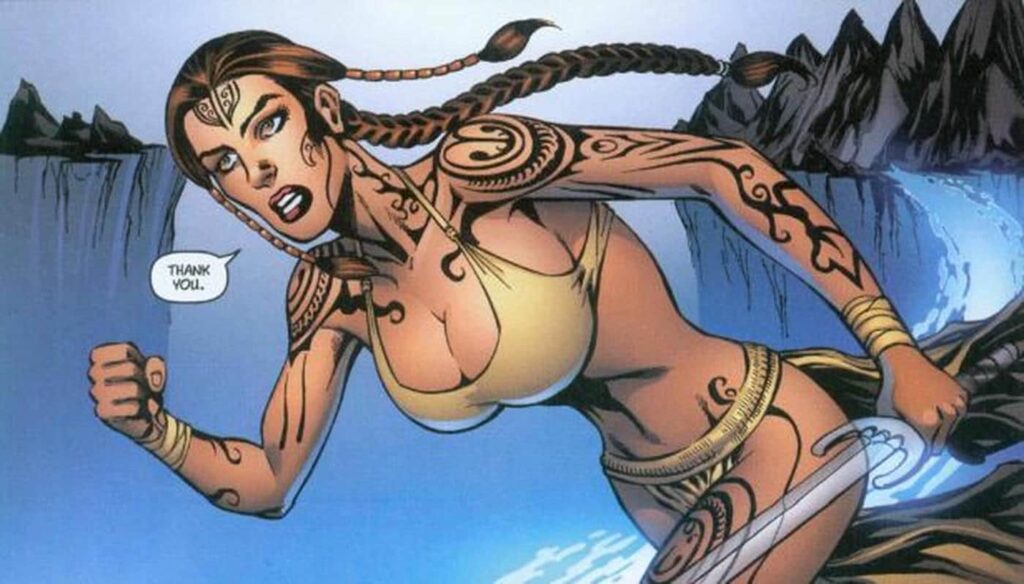
This environment also birthed the infamous “Nude Raider” patch and widespread rumors of “nude cheat codes,” which developers eventually parodied by making Lara explode if players attempted to use them. Modern interpretations continue this trajectory toward functional realism; for instance, the upcoming Amazon Prime series plans to feature smaller breasts to better suit the physical demands of a character who must frequently squeeze through narrow rock crevices.
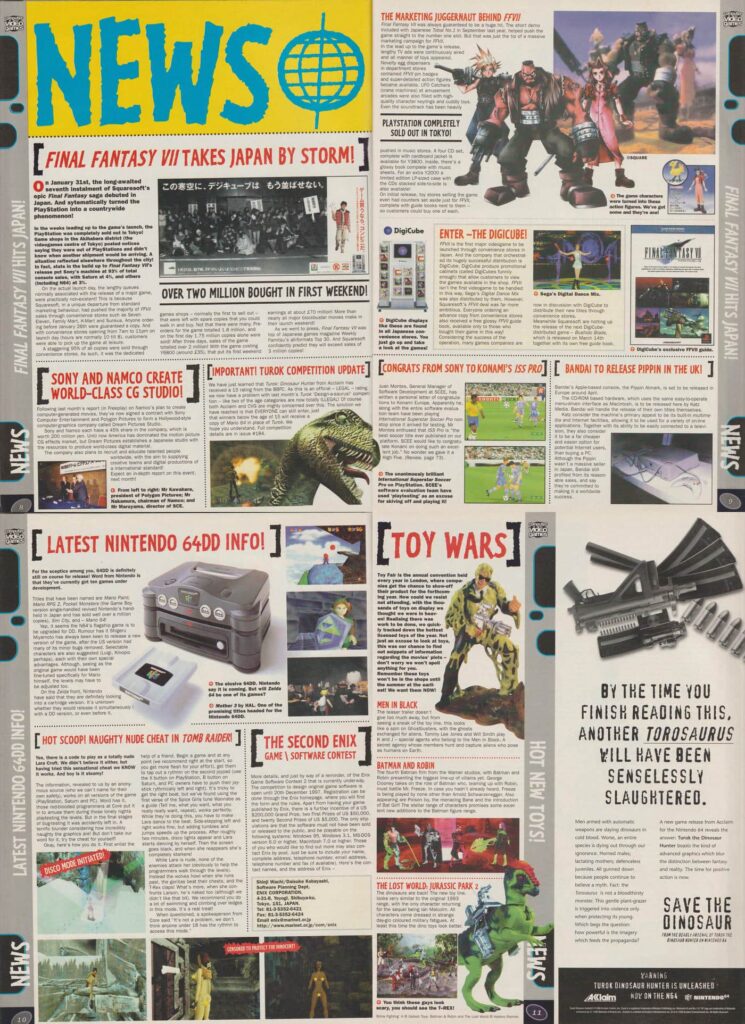
Writers like Rhianna Pratchett have successfully shifted the narrative so that Lara is now perceived as a well-rounded character defined by her resilience and complexity rather than just her physical “assets”.
Was Lara Croft’s breast voluntarly increased?
The legend of Lara Croft’s breast enhancement remains a cornerstone of video game lore, frequently described as a fortunate accident where a technical slip-up redefined a cultural icon. According to this widely circulated urban myth, lead designer Toby Gard was attempting to make a modest 15% adjustment to the character’s bust when he accidentally input a 150% increase instead. Some variations of the story suggest the intended goal was actually 50%, but the resulting “ballooned” proportions were reportedly so striking that they immediately caught the attention of the development team. Rather than correcting the alleged clerical error, company executives and other designers supposedly recognized that the exaggerated look would be a powerful marketing asset and insisted on keeping it for the final 1996 release to enhance the game’s commercial appeal.
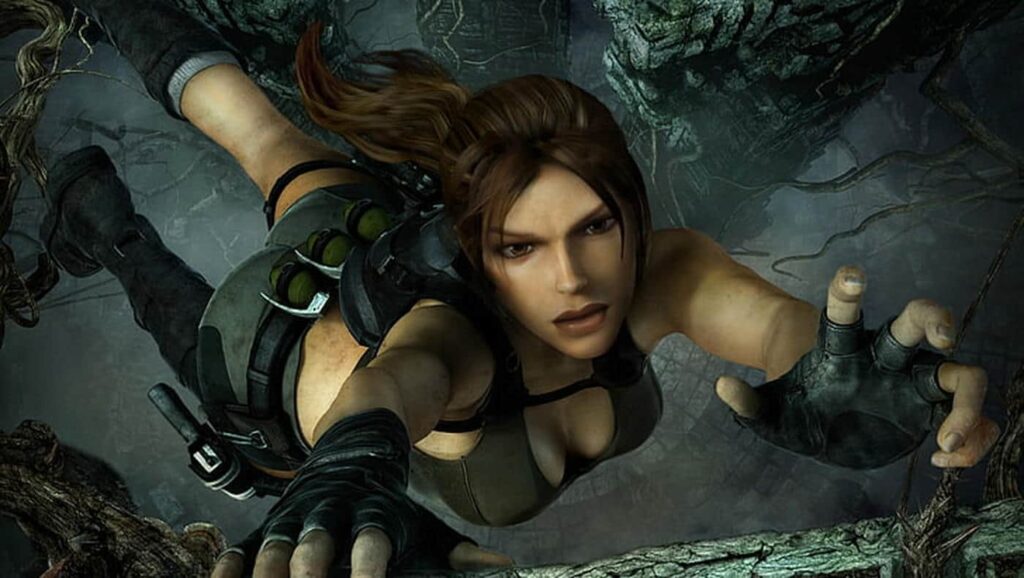
In reality, Toby Gard and other Core Design veterans have spent decades debunking this narrative, clarifying that Lara’s silhouette was a deliberate and calculated design choice. Gard intended for Lara to be a “caricatured personification” of a female action hero, drawing on gritty inspirations like Tank Girl to create a character that could stand alongside icons like Indiana Jones. During the early era of 3D gaming, when low-polygon models were the industry standard, these hyper-stylized proportions served a practical purpose by making the protagonist more visually distinct and memorable within a three-dimensional, grid-based environment. Gard’s original vision was to move away from the “damsel in distress” tropes of the 1990s and create a strong, intelligent role model who was fundamentally different from a “plastic Barbie doll”.
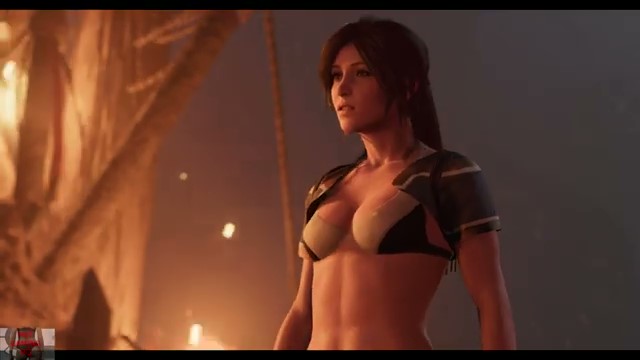
Despite these creative intentions, the legend grew largely because the marketing team at Eidos Interactive aggressively leaned into Lara’s appearance to capture the era’s “lad culture,” often overshadowing her in-game capabilities. This tension between the character’s intended depth and her sexualized promotion became so significant that Gard and lead programmer Paul Douglas eventually left Core Design in 1997. They were reportedly disillusioned by how promotional materials focused almost exclusively on her sex appeal at the expense of her personality and skills as an adventurer. Consequently, the myth of the 150% increase has endured not necessarily as a technical fact, but as a reflection of the industry’s shift toward using Lara’s body as a primary tool for mainstream success.
Was Lara Croft sexualized?
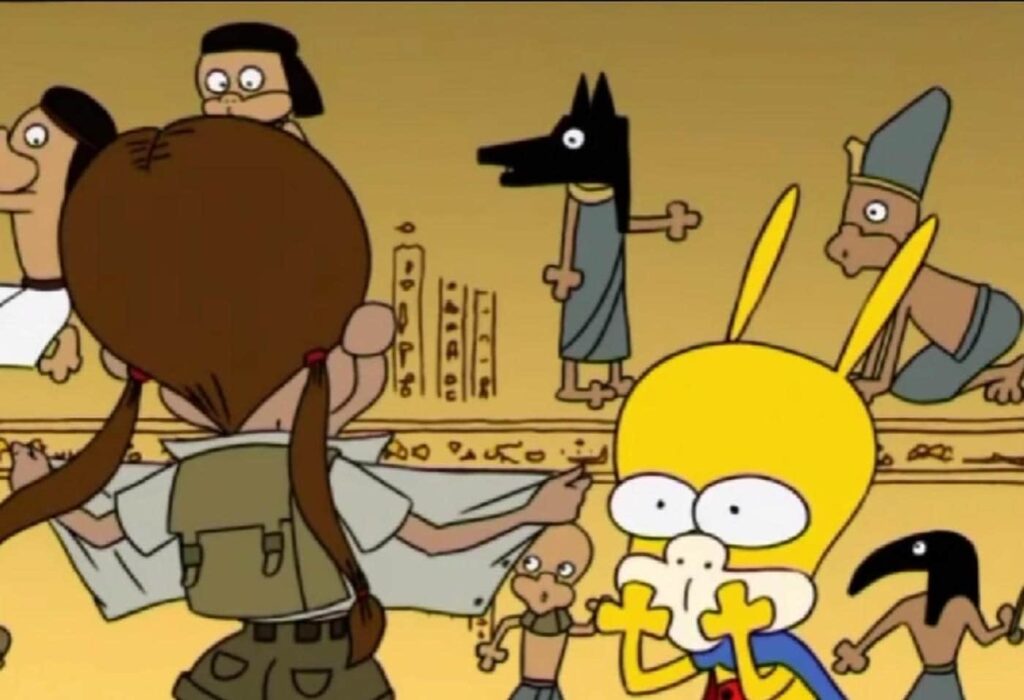
The sexualization of Lara Croft began almost at her inception in 1996, when she was introduced as a female lead in a gaming landscape previously dominated by damsels in distress or over-the-top female villains.
Beyond official promotional materials, the character became the subject of the infamous “Nude Raider” patch, a fan-made modification for the PC version that allowed players to see the character without clothing. Core Design and Eidos fought aggressively against this unofficial content, taking legal action and sending cease-and-desist notices to websites hosting nude imagery to protect the character’s image for her younger fan base. Rumors of hidden nude cheat codes also became a widespread urban legend at the time, leading developers to include a joke in the sequel where inputting the rumored code would cause Lara to explode instead of undress.
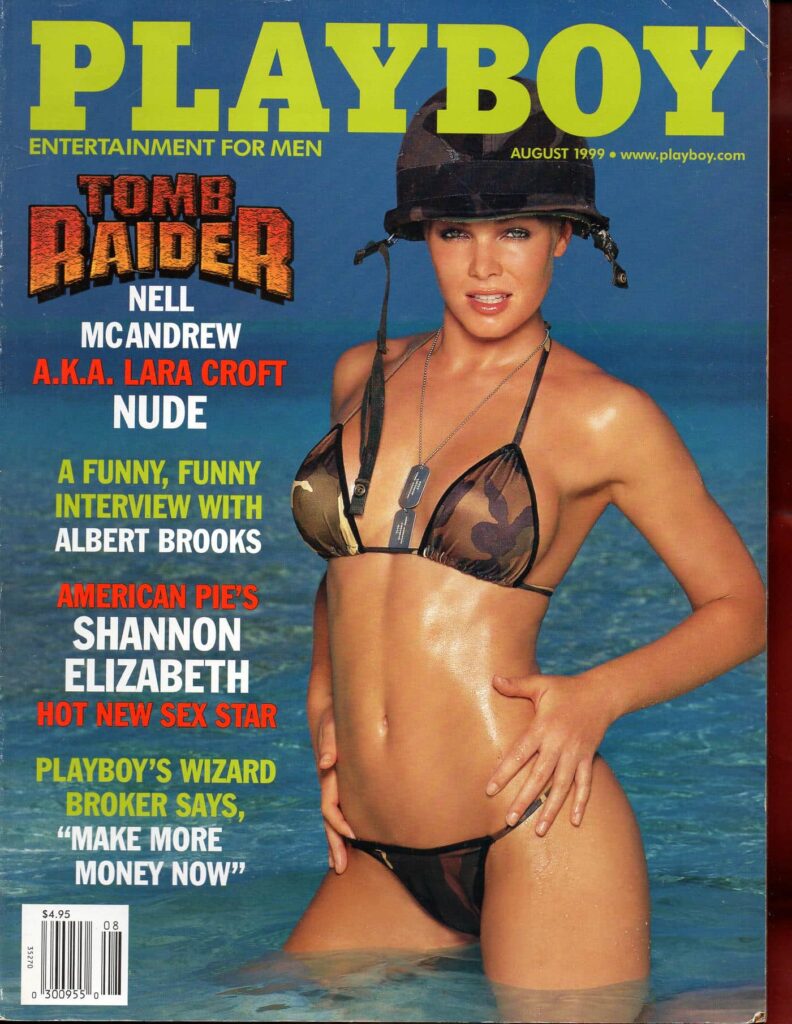
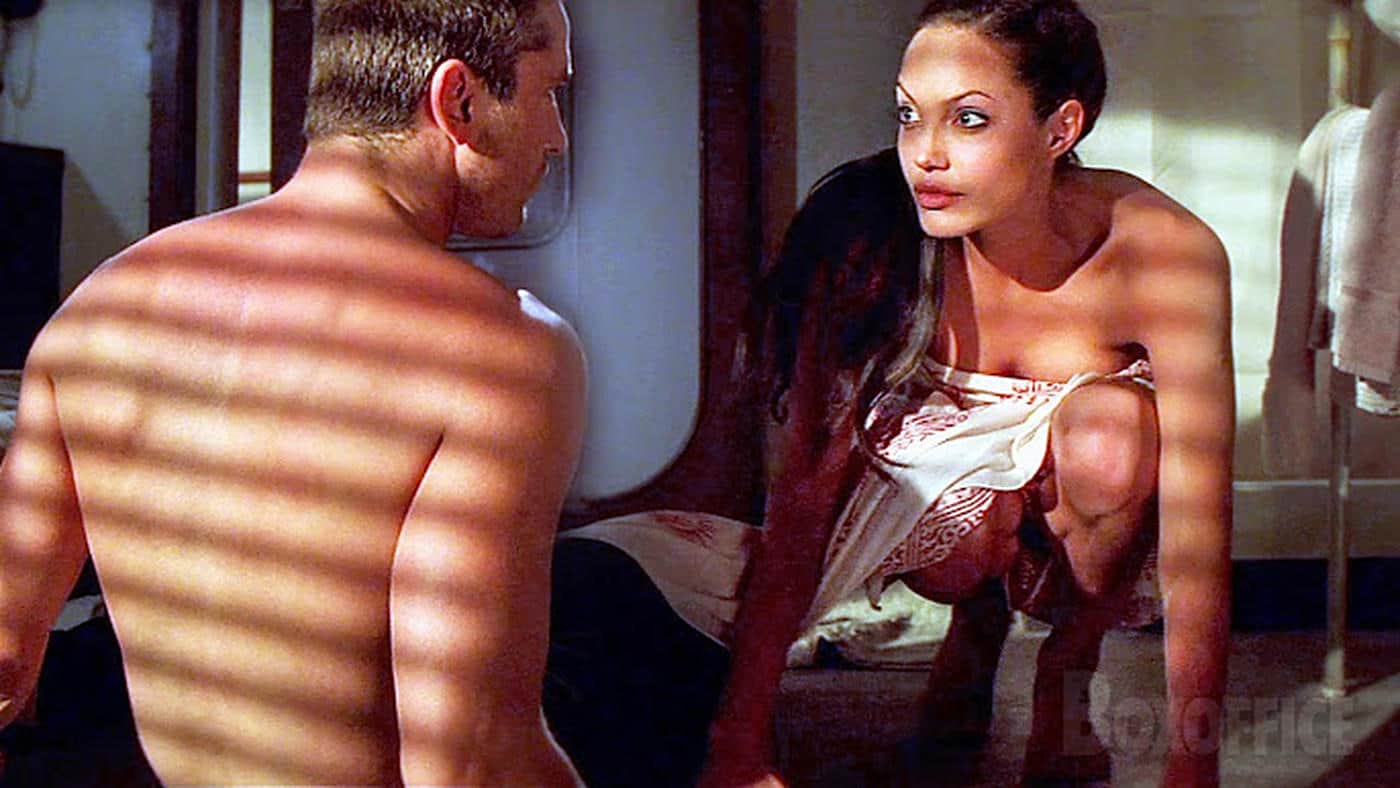
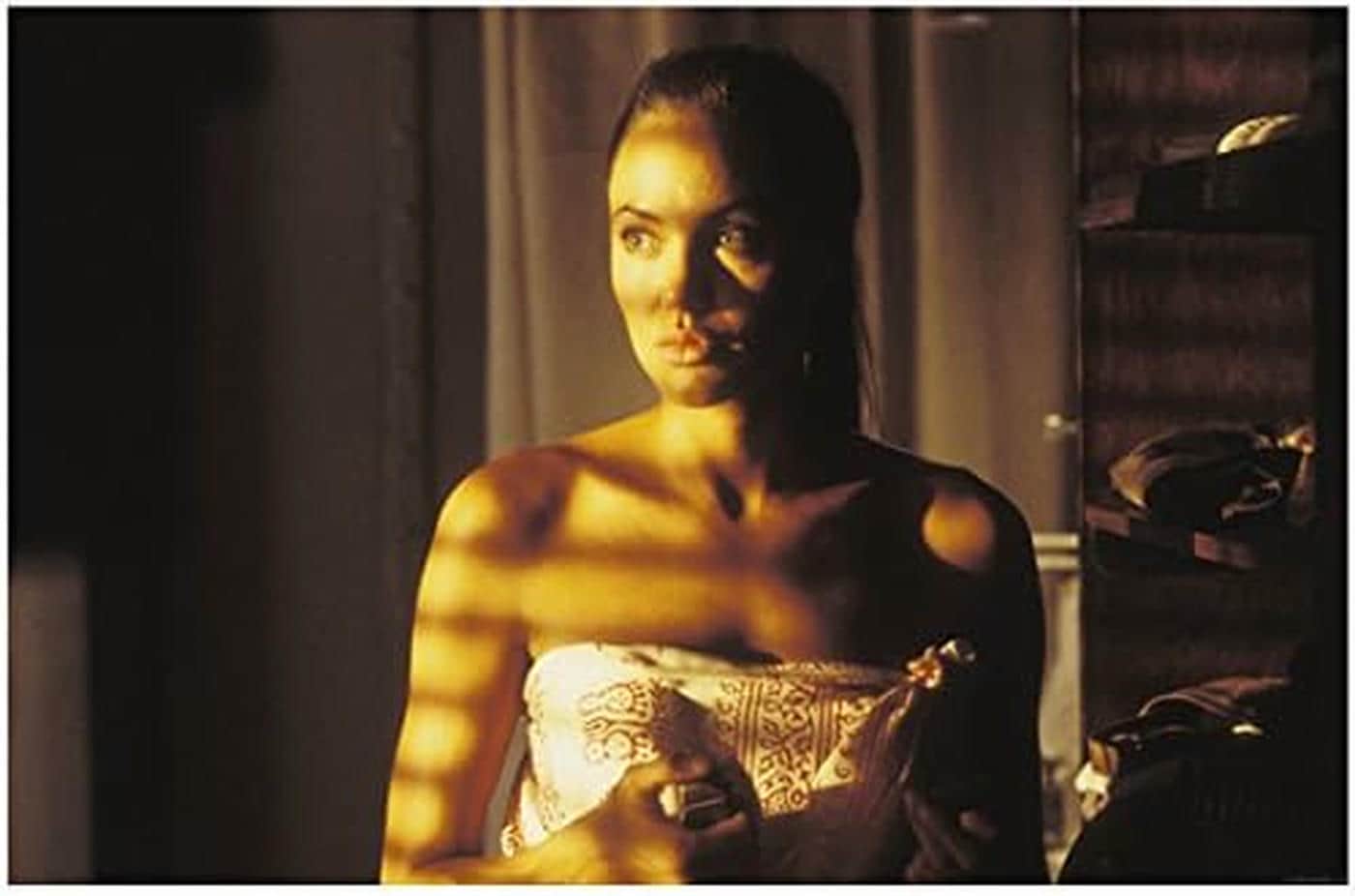
The transition to film in the early 2000s initially continued to emphasize her physical appeal, with directors including scenes like a post-training shower for Angelina Jolie that were described by critics as gratuitous “maxim cover” moments. However, the 2013 video game reboot marked a definitive turning point toward a more realistic and nuanced portrayal. This version of Lara, written by Rhianna Pratchett, swapped her traditional hot pants and crop tops for practical cargo pants and focused on her vulnerability and survival instincts rather than her anatomy.
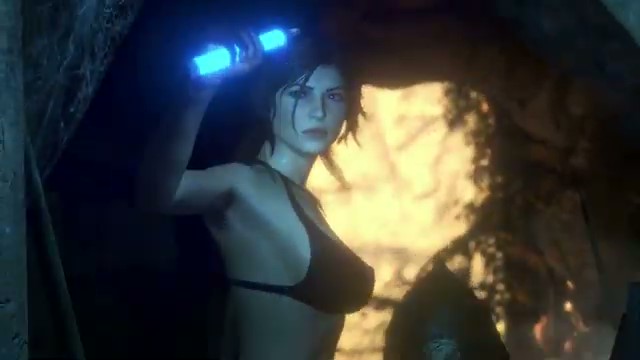
Modern interpretations continue to move away from the “hollow male fantasy” of the 1990s, with recent technology allowing for more refined emotions and realistic body proportions that mirror actual gymnasts. This shift is expected to carry into the upcoming Amazon Prime television series, where writer Phoebe Waller-Bridge has noted that a more athletic, smaller-busted build is actually more practical for a character who must physically navigate narrow rock crevices during her adventures.
Has Lara Croft ever been nude?
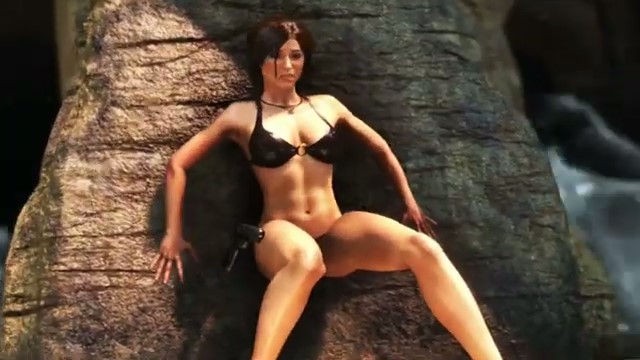
Lara Croft has never officially appeared nude in any of the Tomb Raider games, as the developers at Core Design and publishers at Eidos Interactive consistently aimed to protect her image for their younger fan base.
The widespread belief that she appeared naked largely stems from an infamous fan-made software modification for the PC version known as the “Nude Raider” patch, which allowed players to remove her clothing. While there were persistent urban legends regarding a “nude cheat code” that would undress her in the original games, no such code ever existed. In a humorous nod to these rumors, the developers included a joke in Tomb Raider II where entering the rumored code actually caused Lara to explode instead of becoming nude.
The official stance against such depictions was so strong that the company took aggressive legal action, sending cease-and-desist notices to websites that hosted nude imagery or the unofficial patch. Despite this, the character’s status as a global sex symbol meant that unofficial nudity occasionally surfaced in unexpected places.
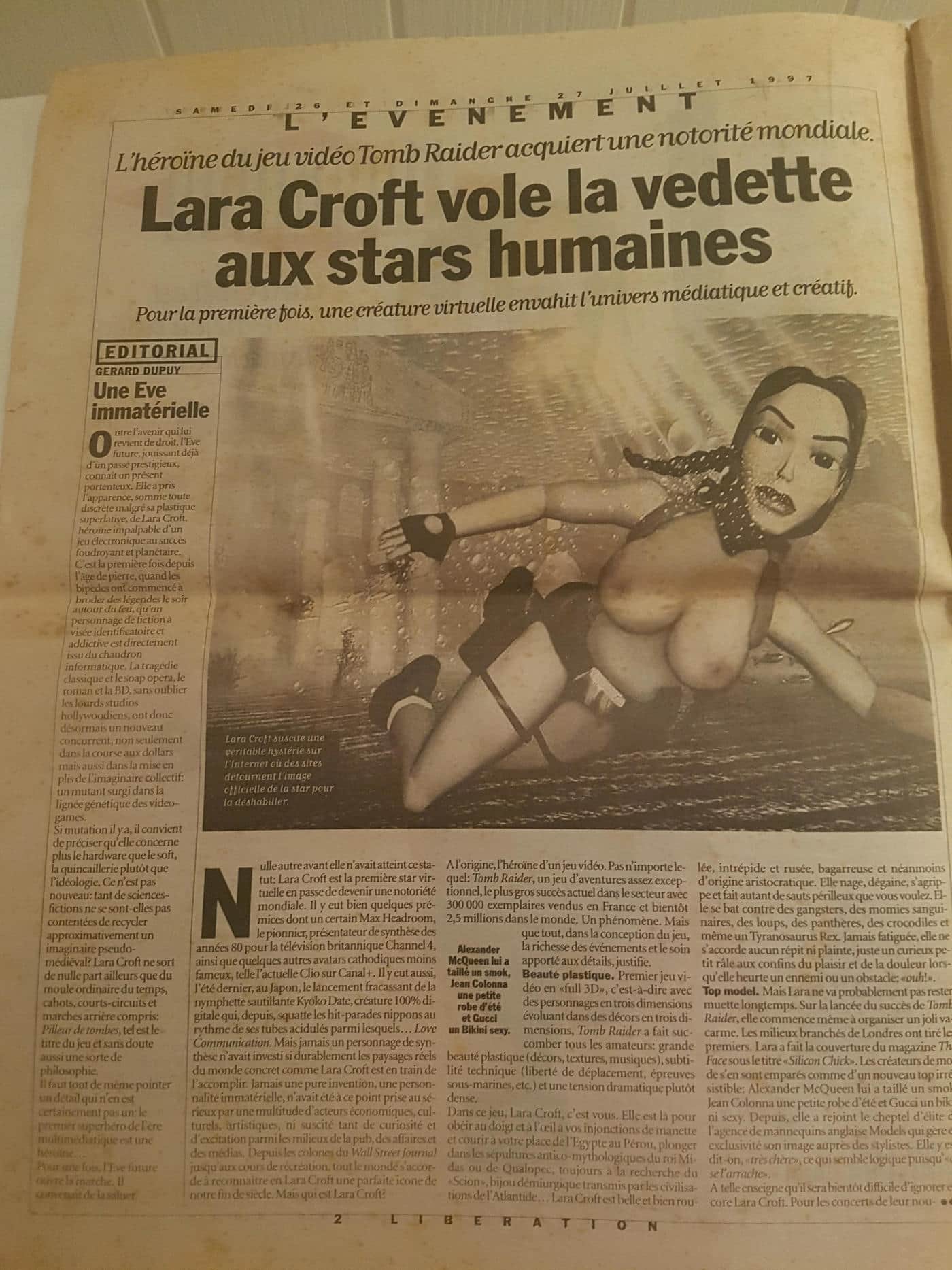
In 1997, a major French daily newspaper published a three-page feature on the character illustrated with topless images. There were also reports of early promotional merchandise, such as a Lucozade bath towel, which featured a topless but carefully covered image of the heroine.
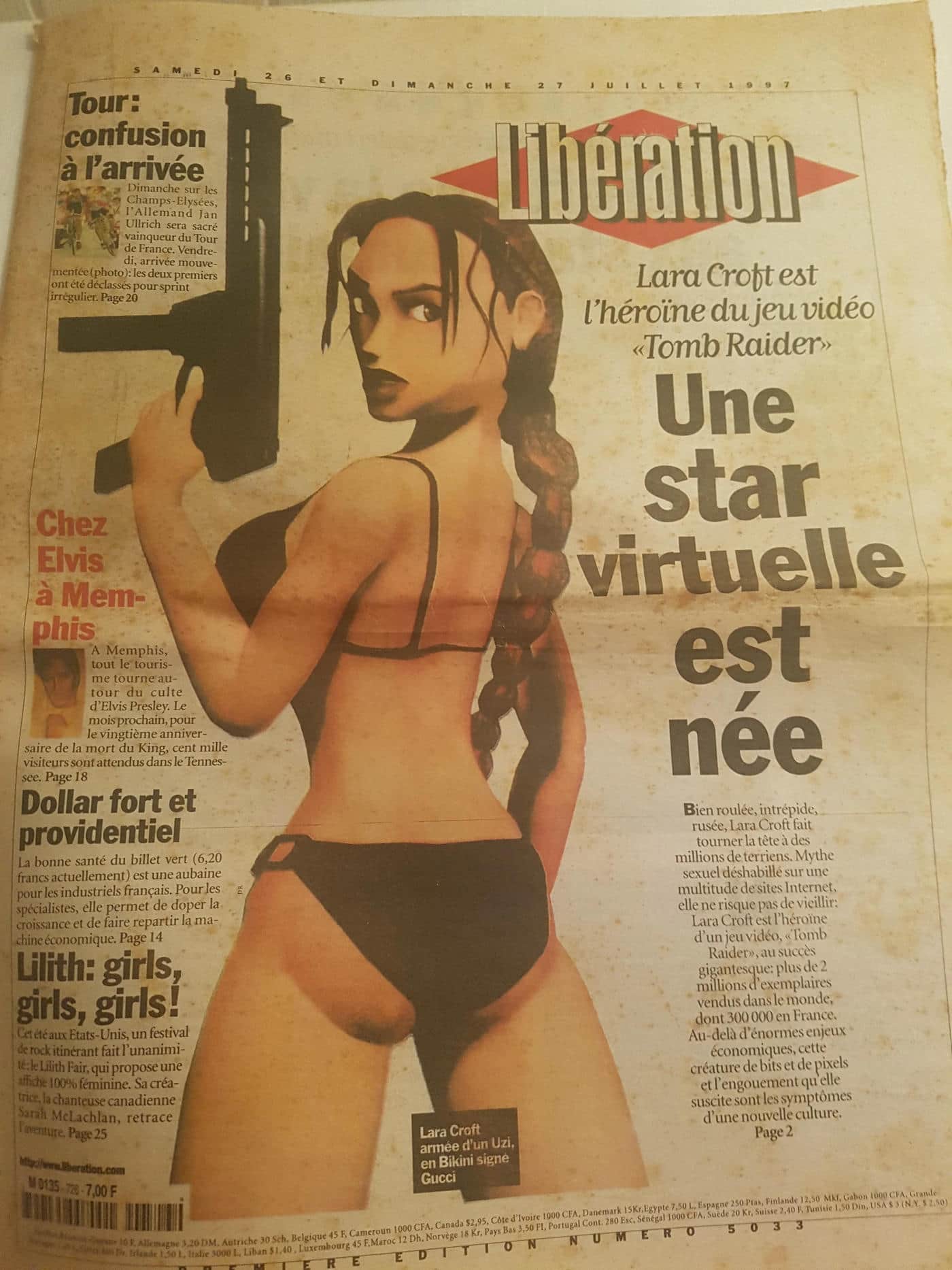
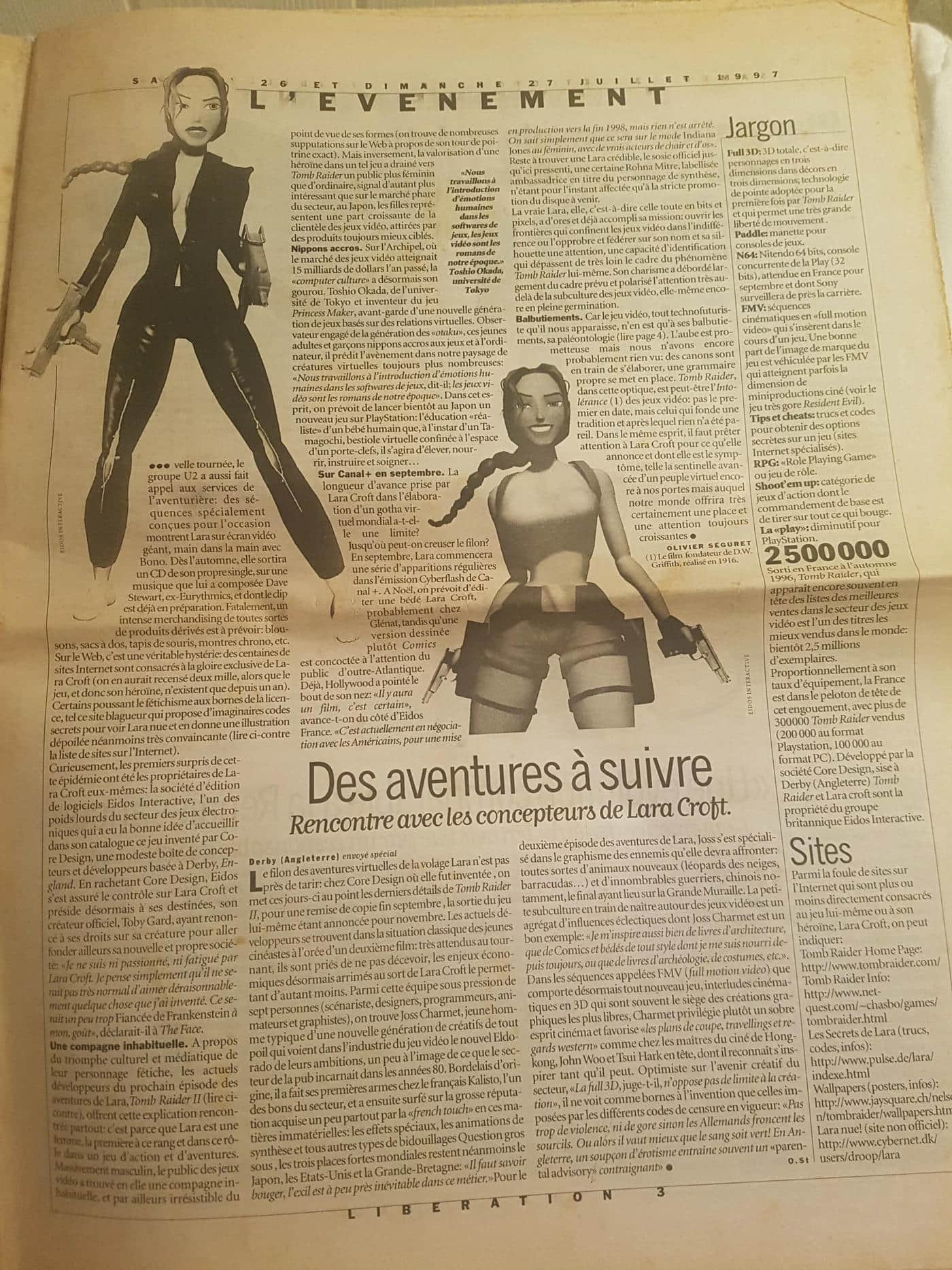
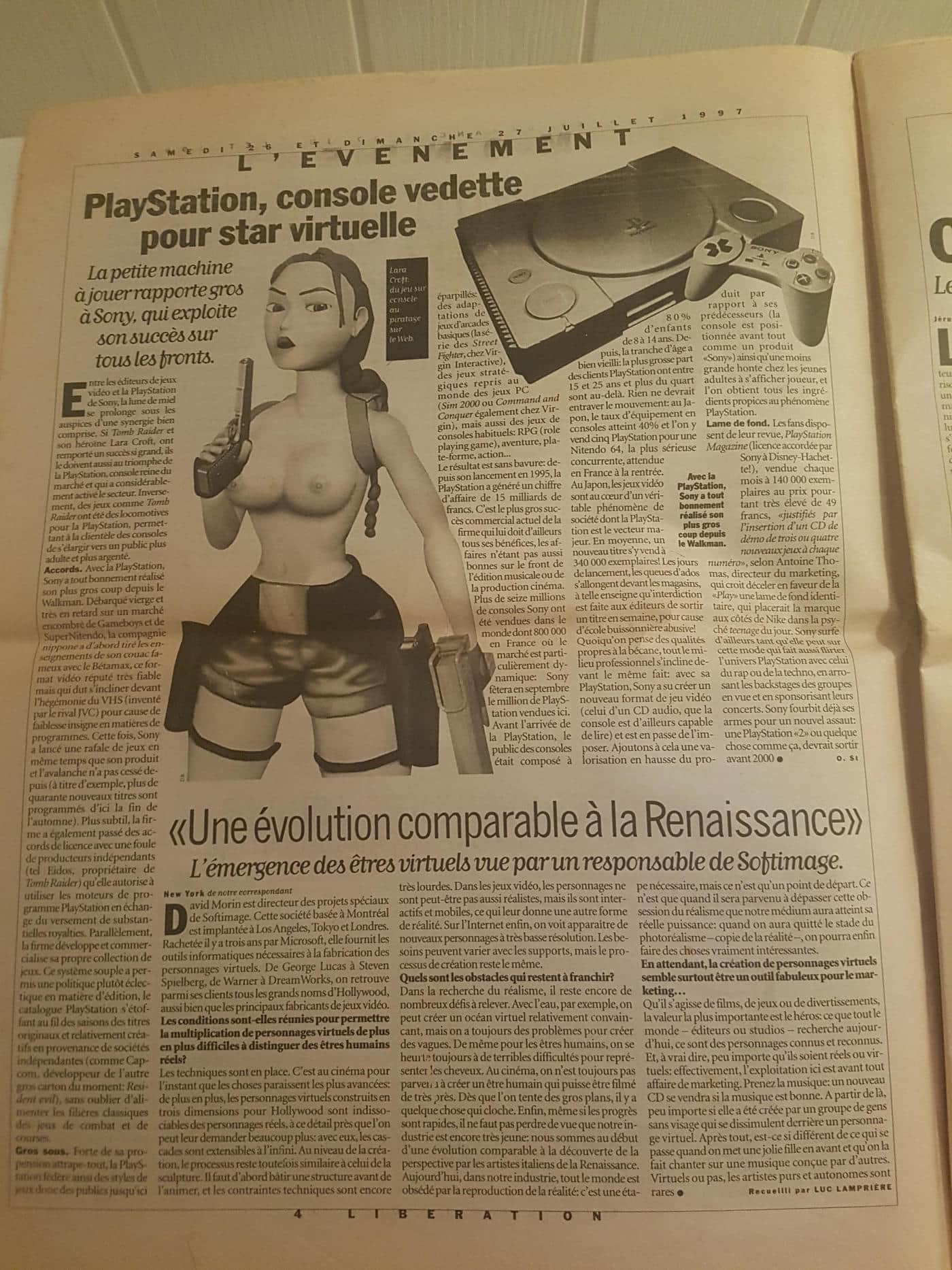

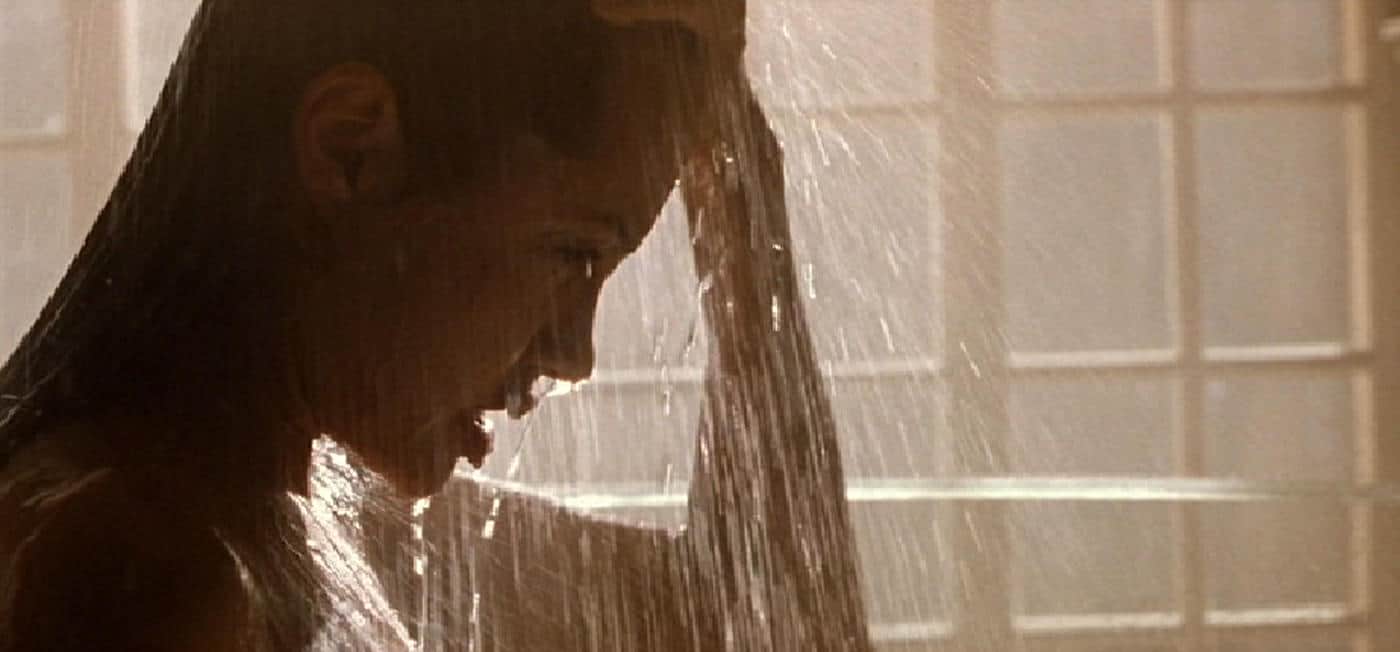
In her transition to the big screen, the 2001 film starring Angelina Jolie included scenes designed to highlight her physical appeal without crossing into full nudity. This included a post-training shower scene described by critics as a gratuitous moment aimed at a Maxim magazine demographic. During this sequence, the camera captures a brief “half-boob shot” as she discards her towel and walks toward her bedroom, though she remains technically covered throughout.
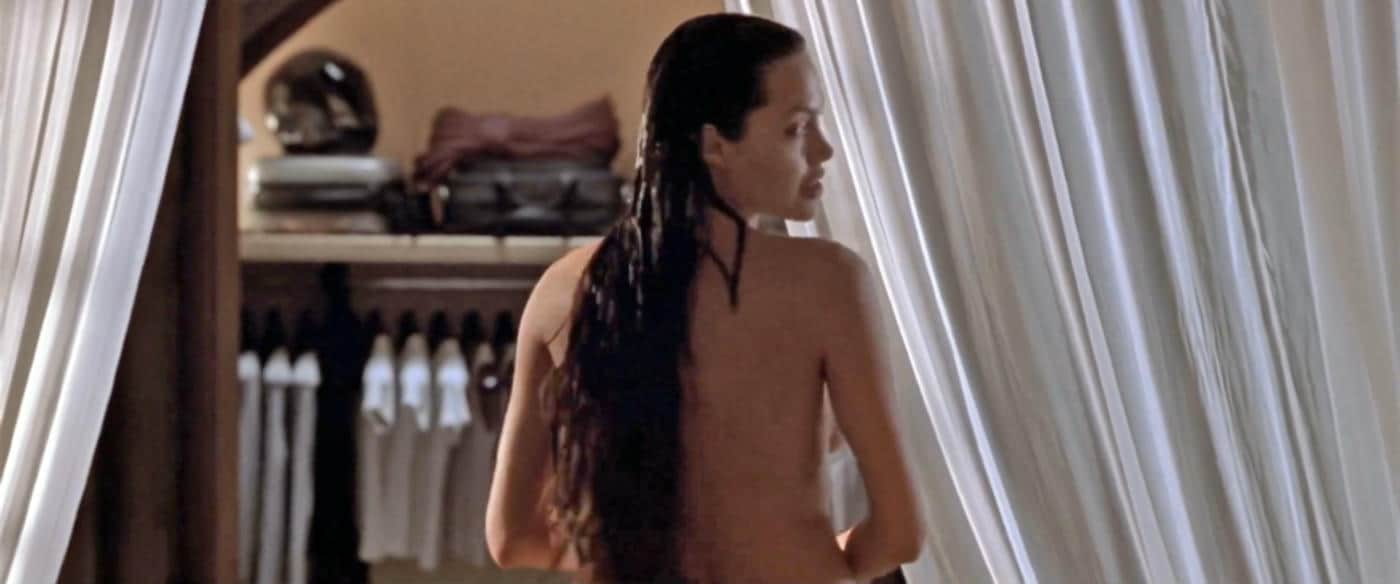
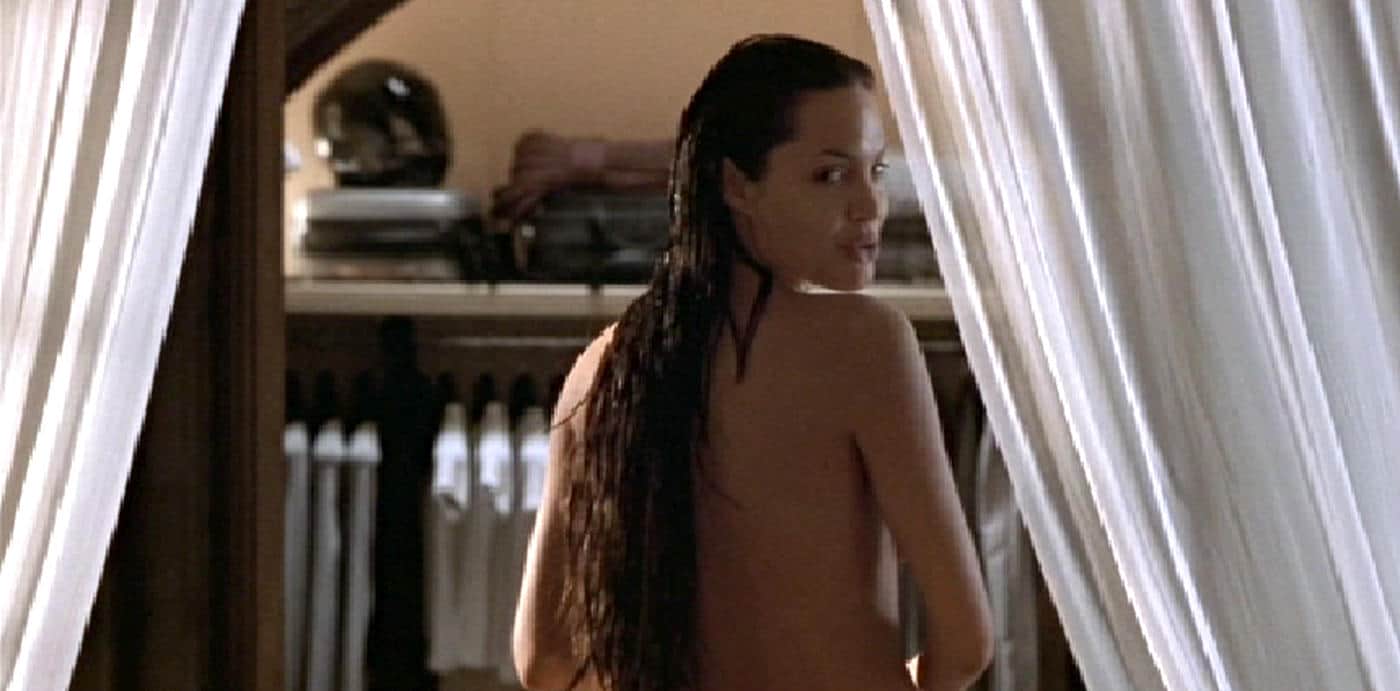
The culture of modding the character continues into the present day; shortly after the 2024 release of Tomb Raider I-III Remastered, a surge of new “nude mods” appeared on community sites, reflecting a modern continuation of the character’s complex history with fan-driven sexualization.
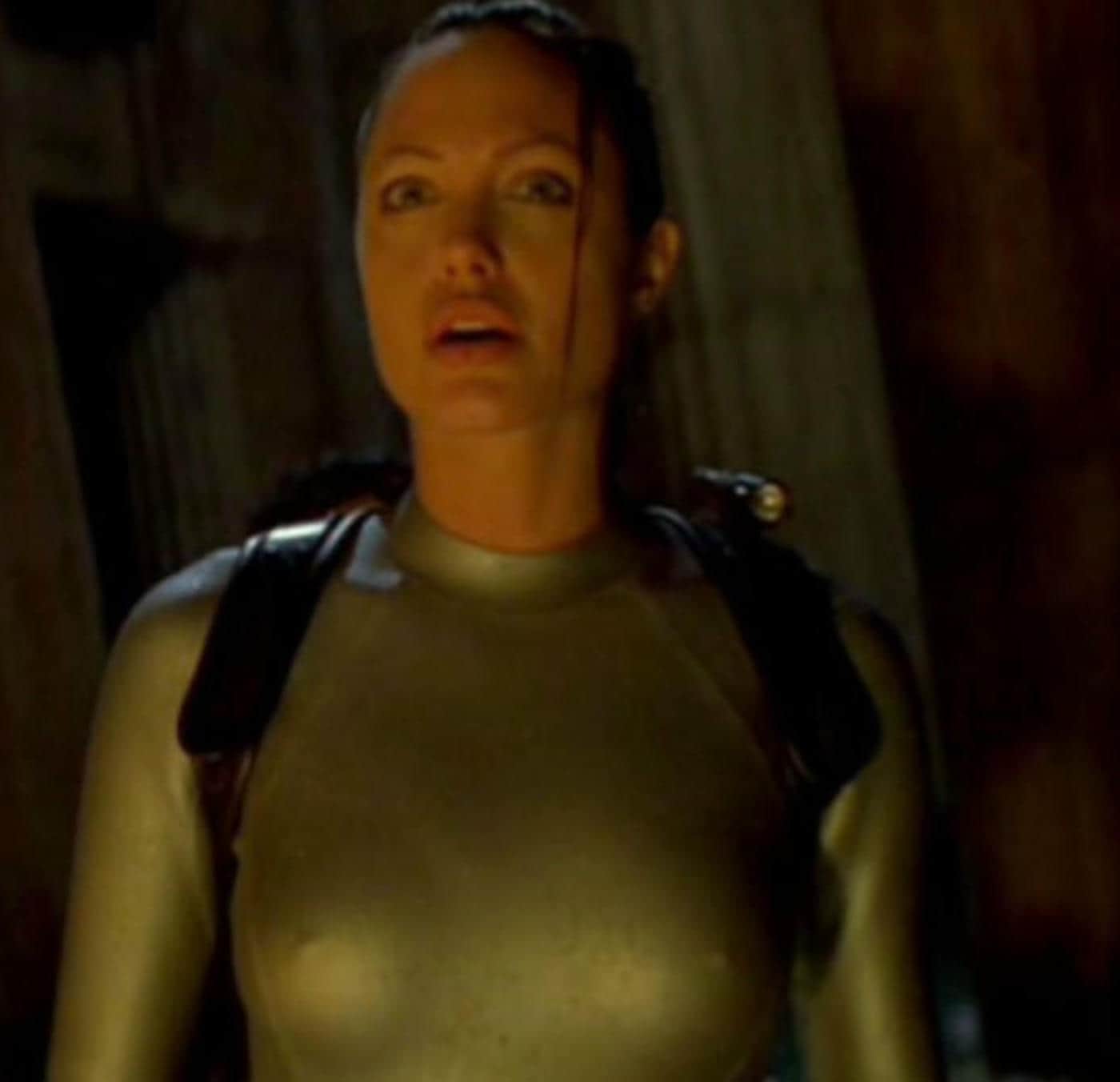
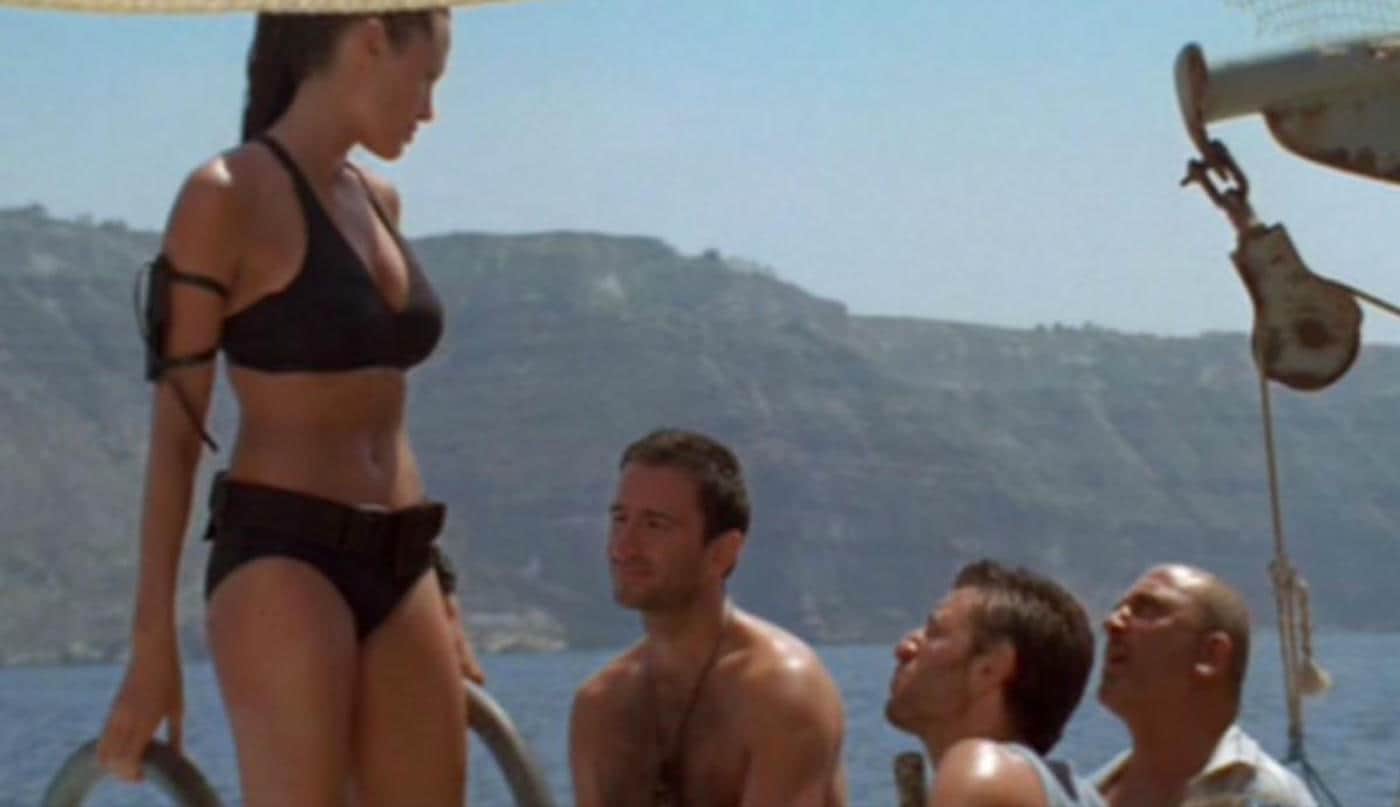
Lara Croft’s sexy scenes in movies


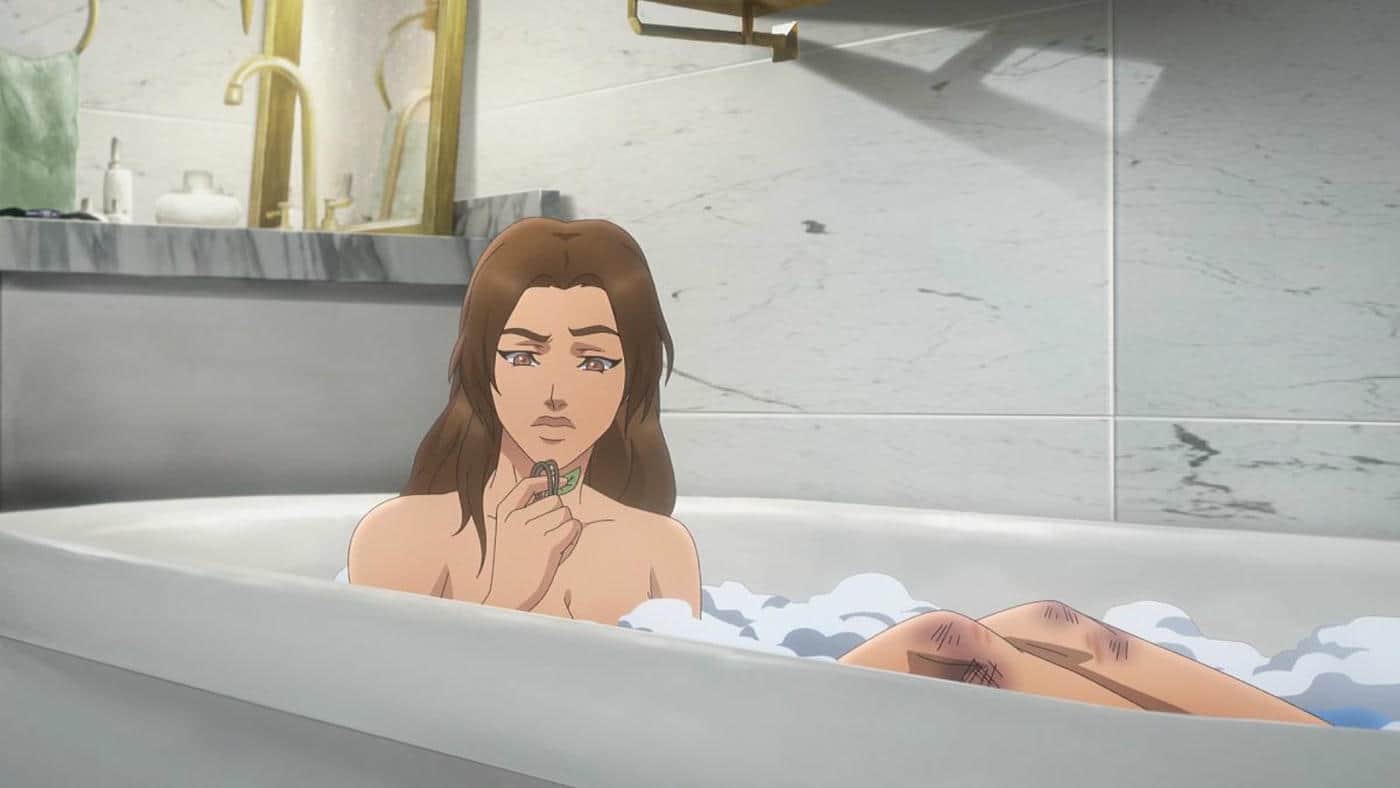
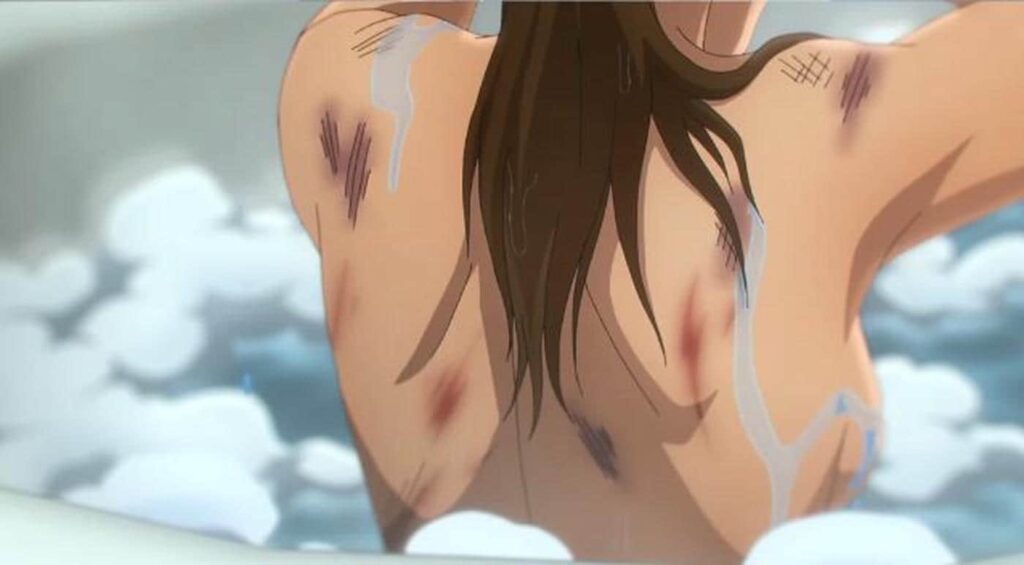
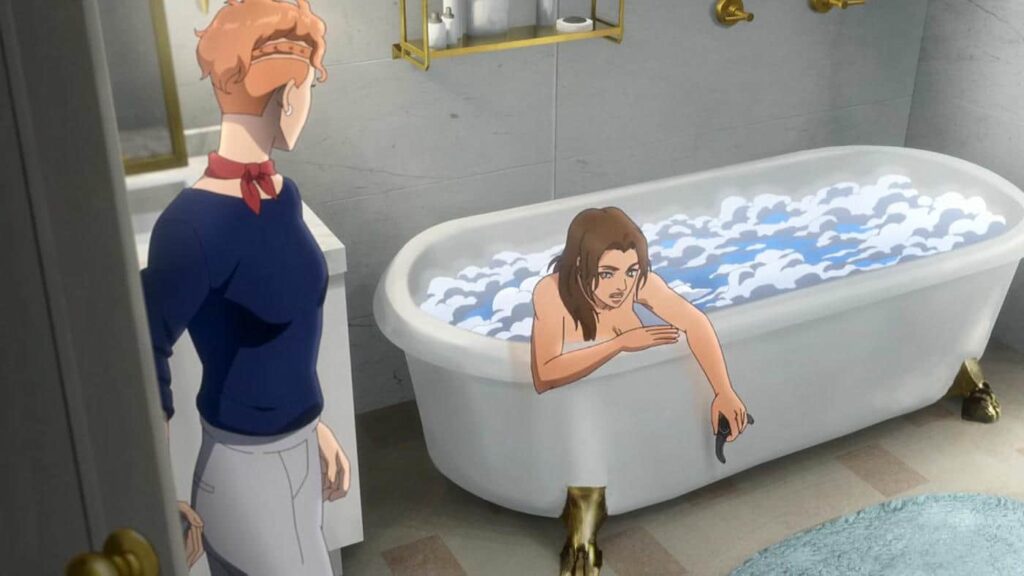
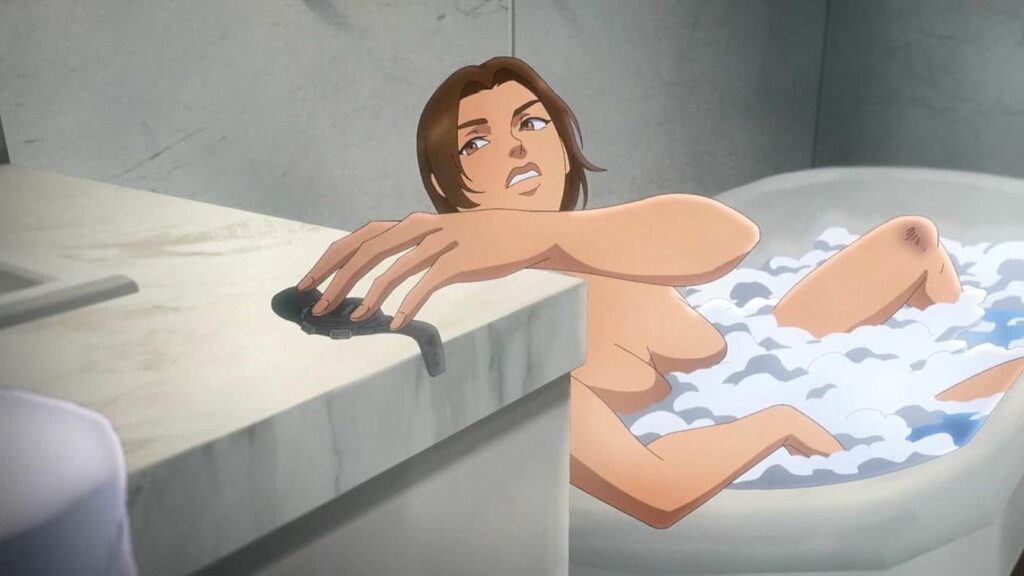
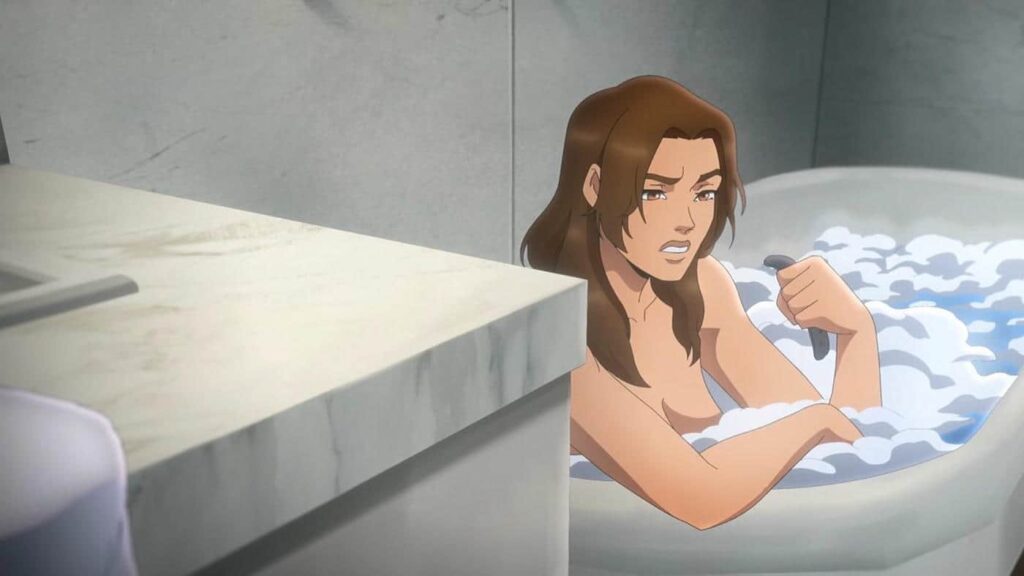
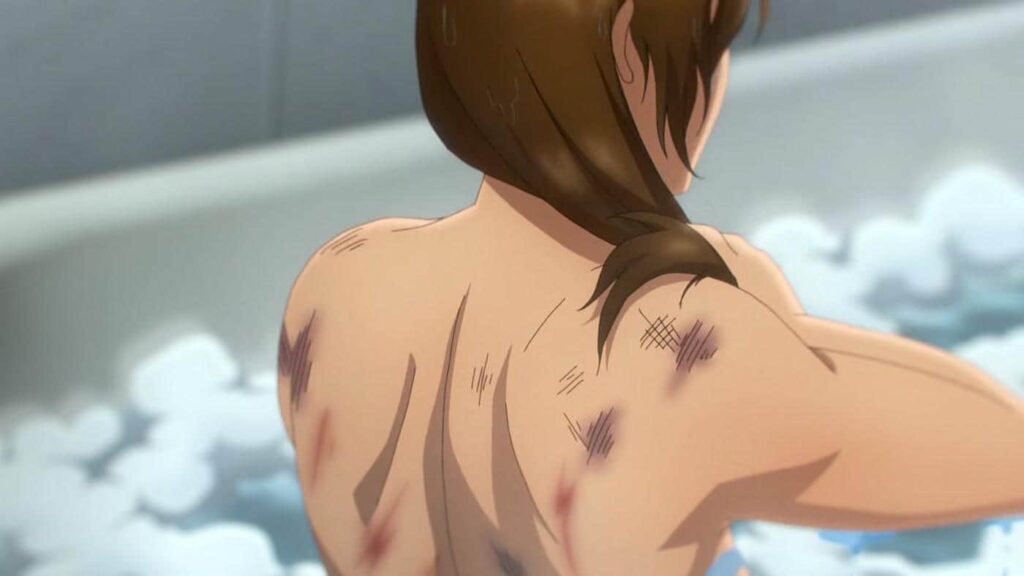
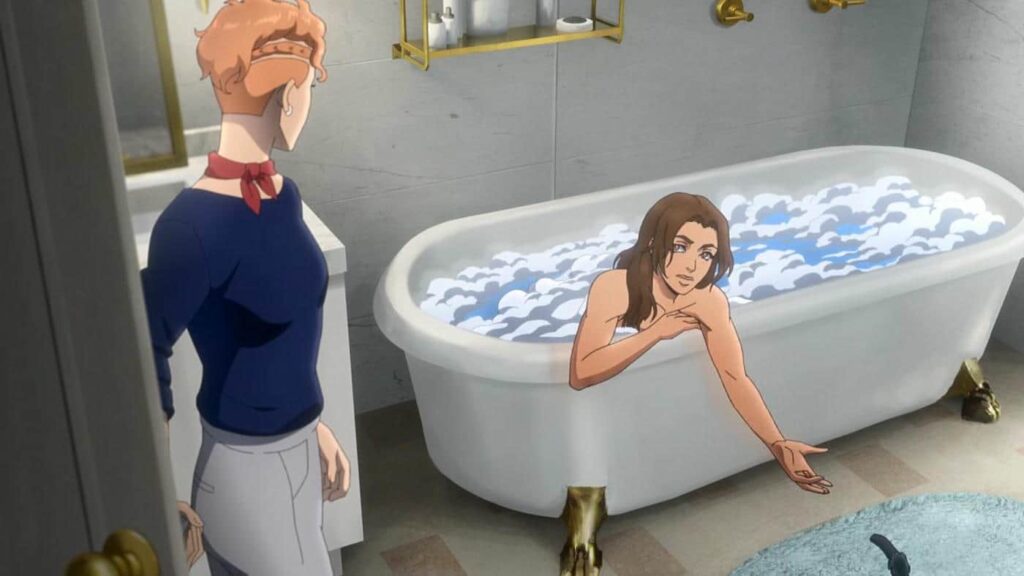
Lara Croft’s nude scenes in TV series


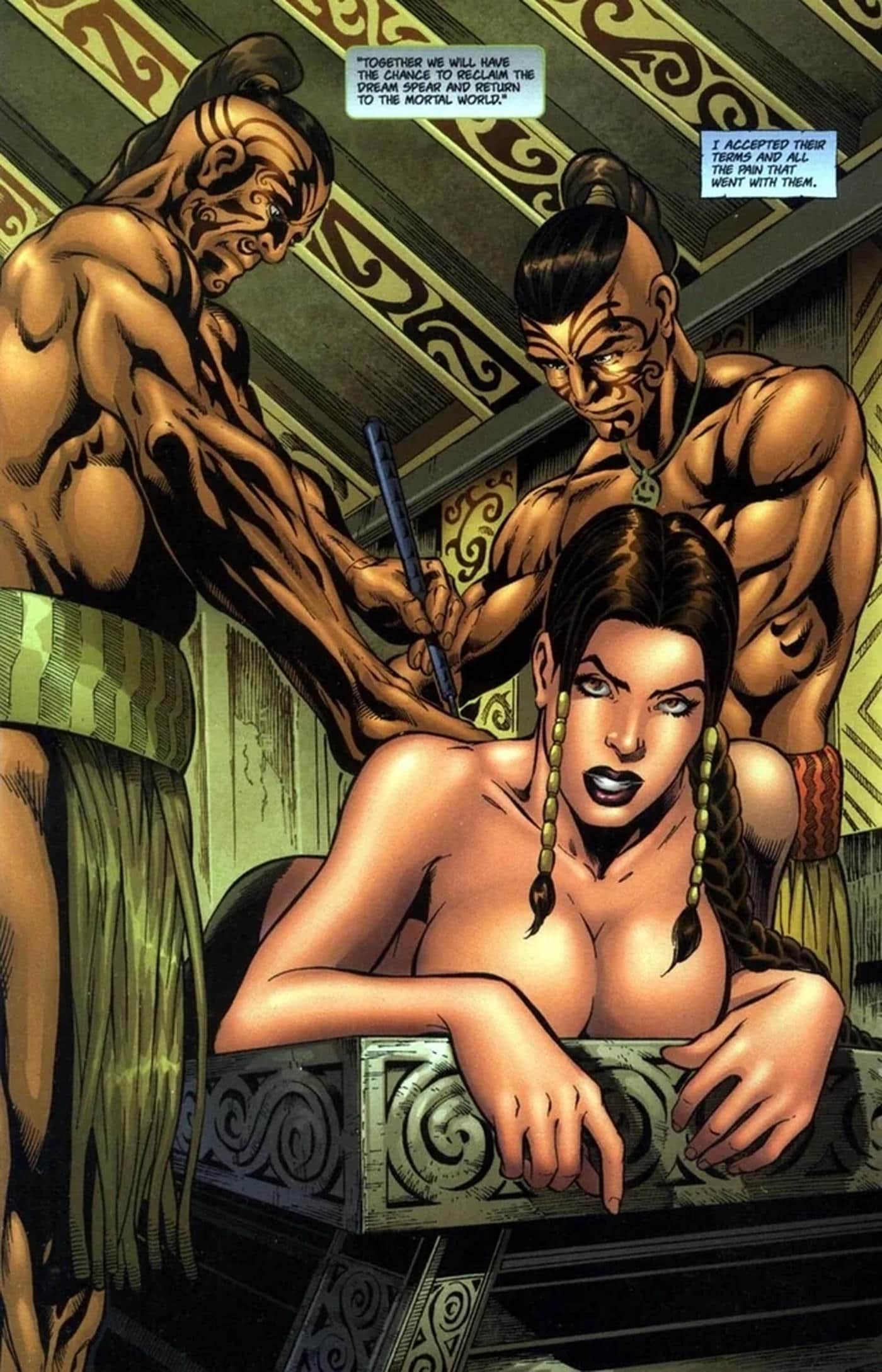
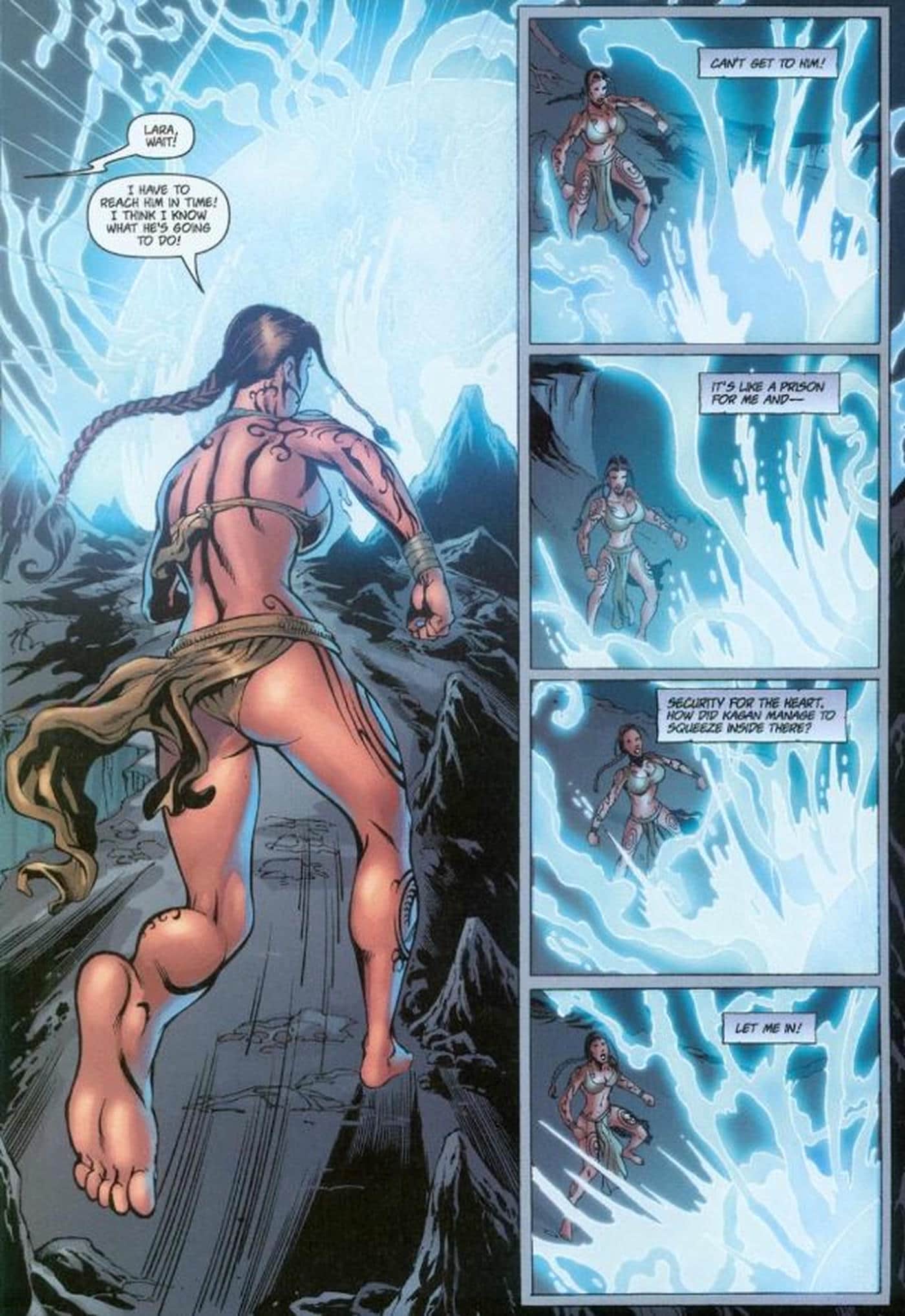
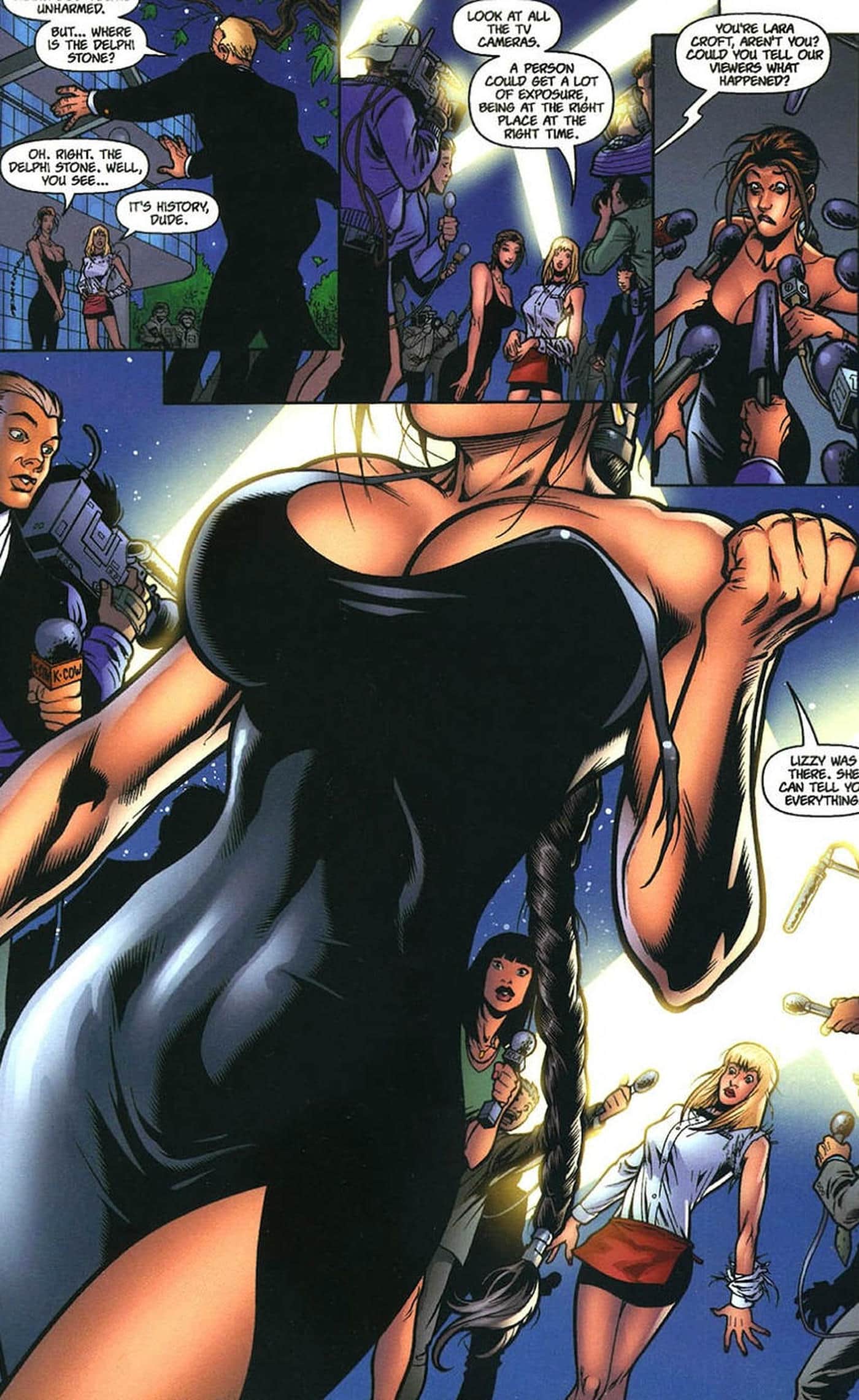
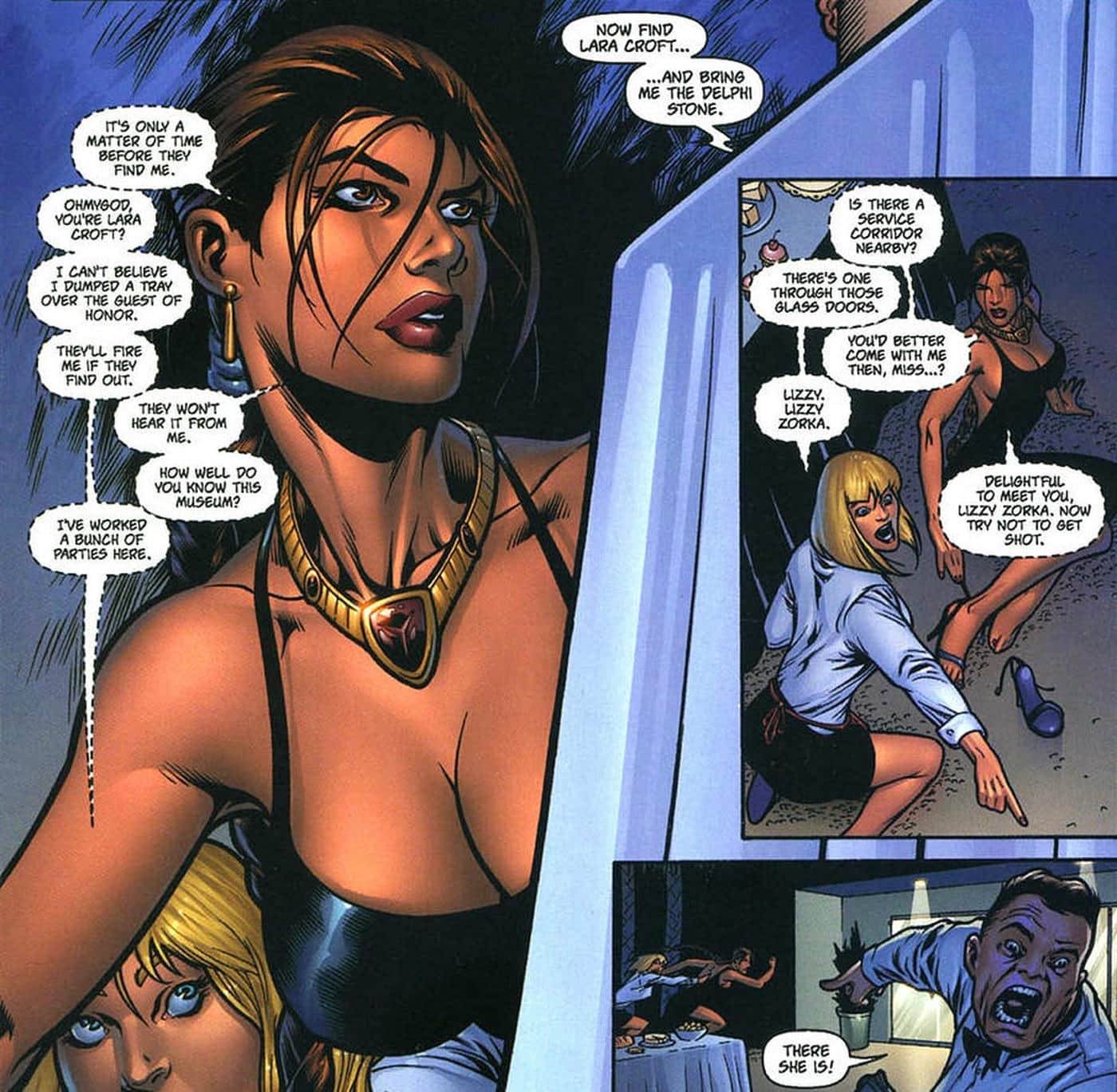
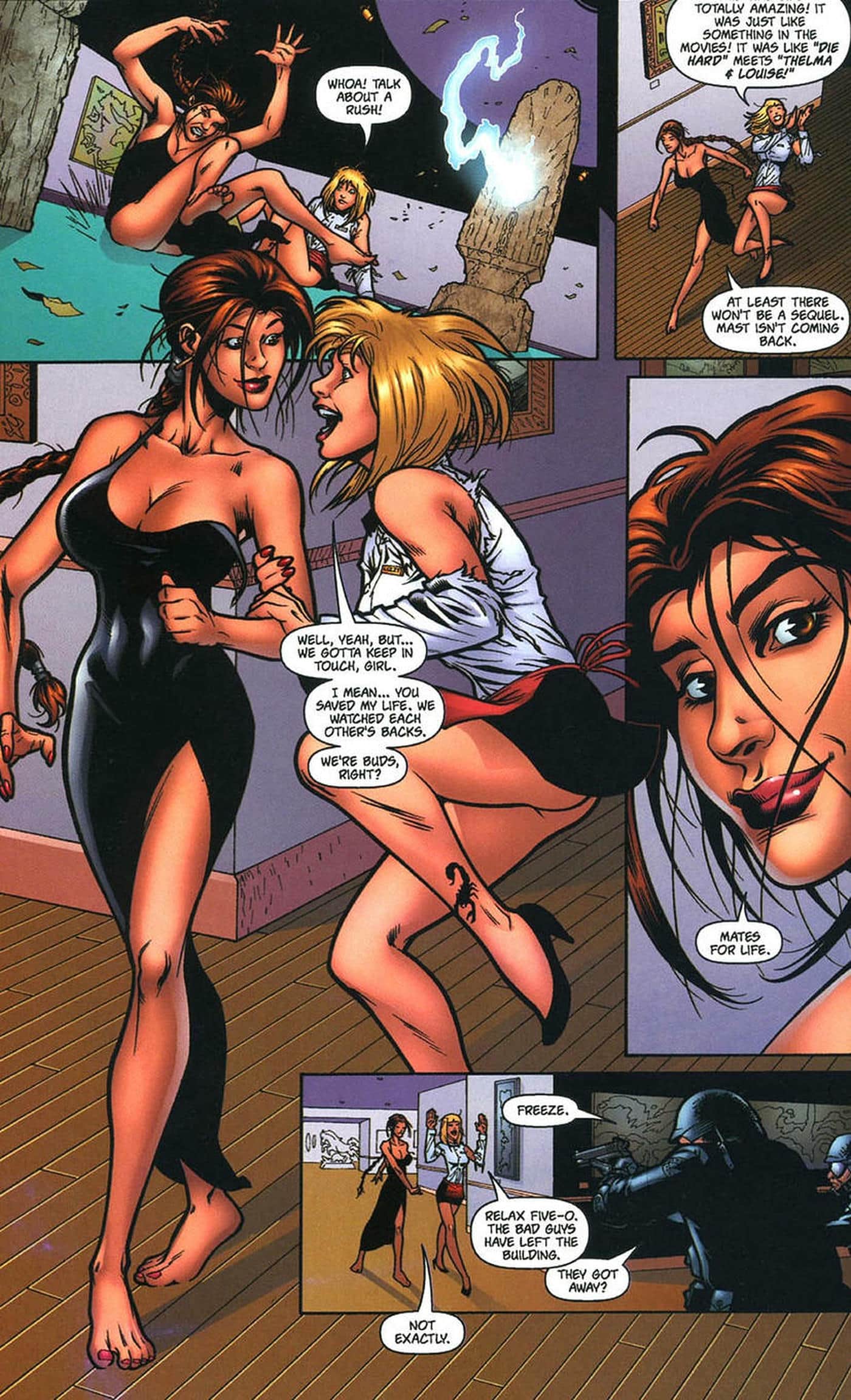
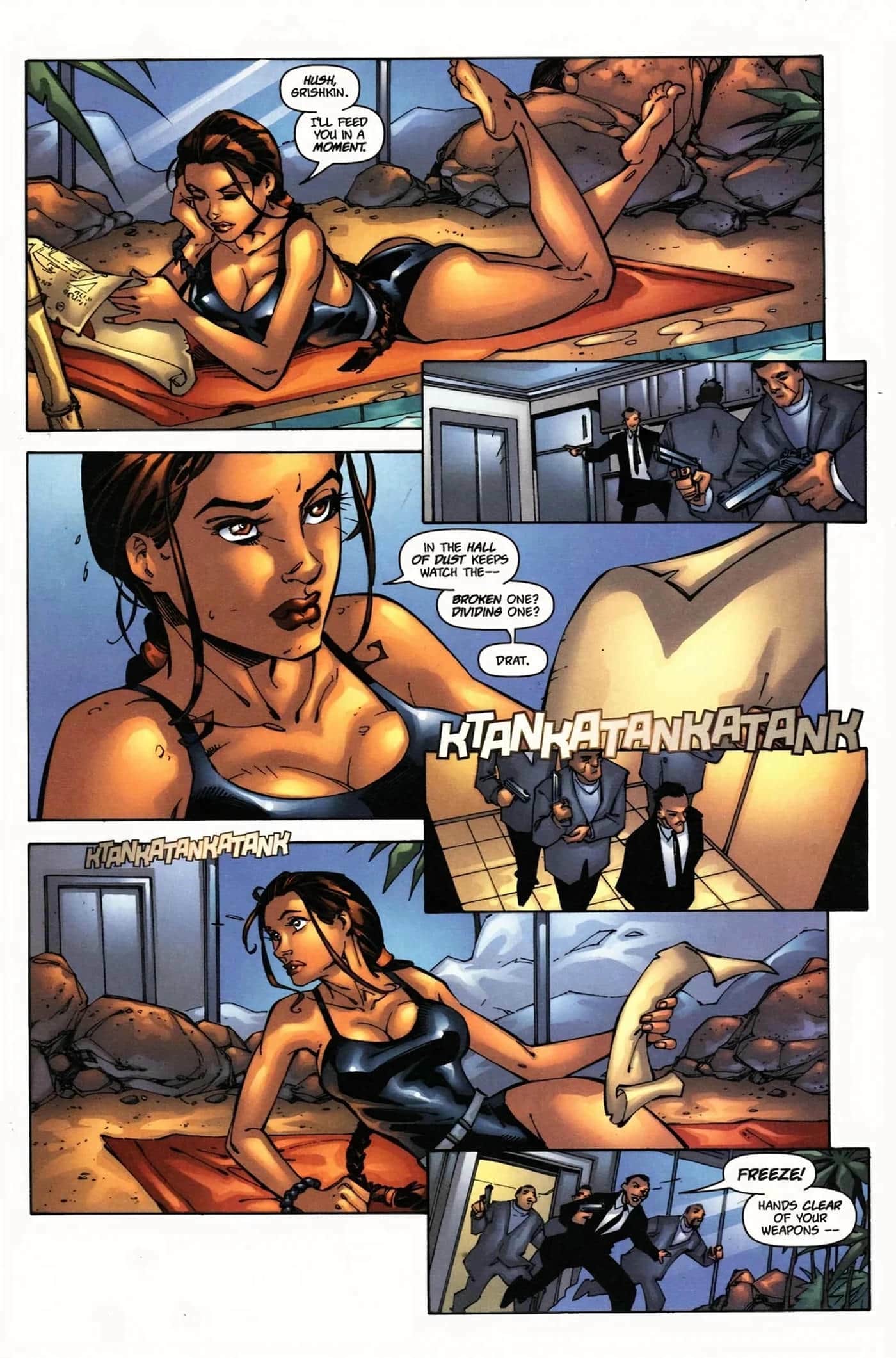
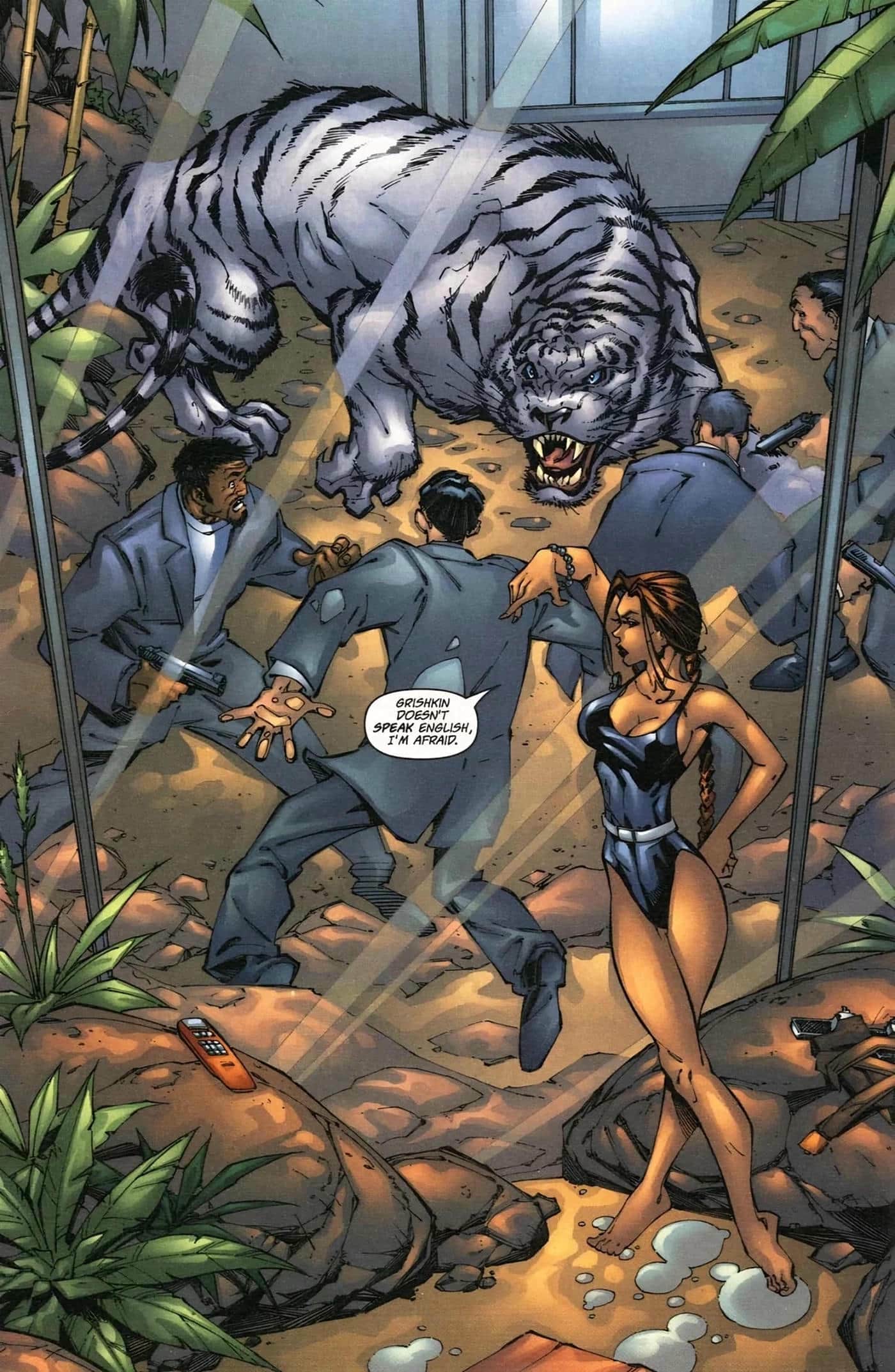
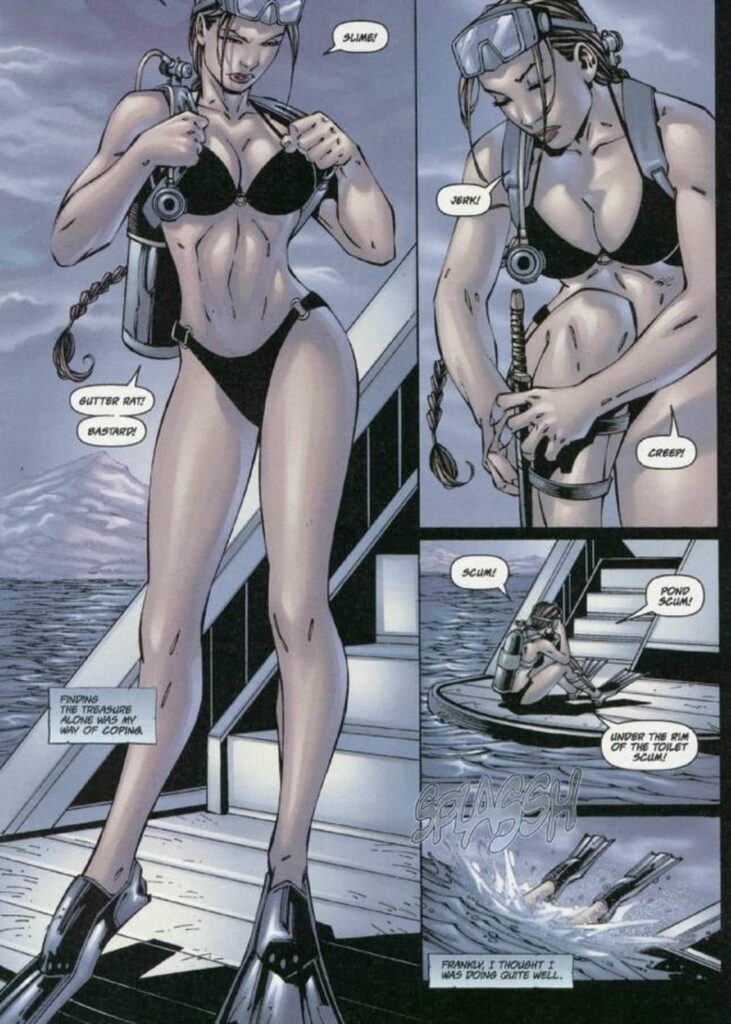
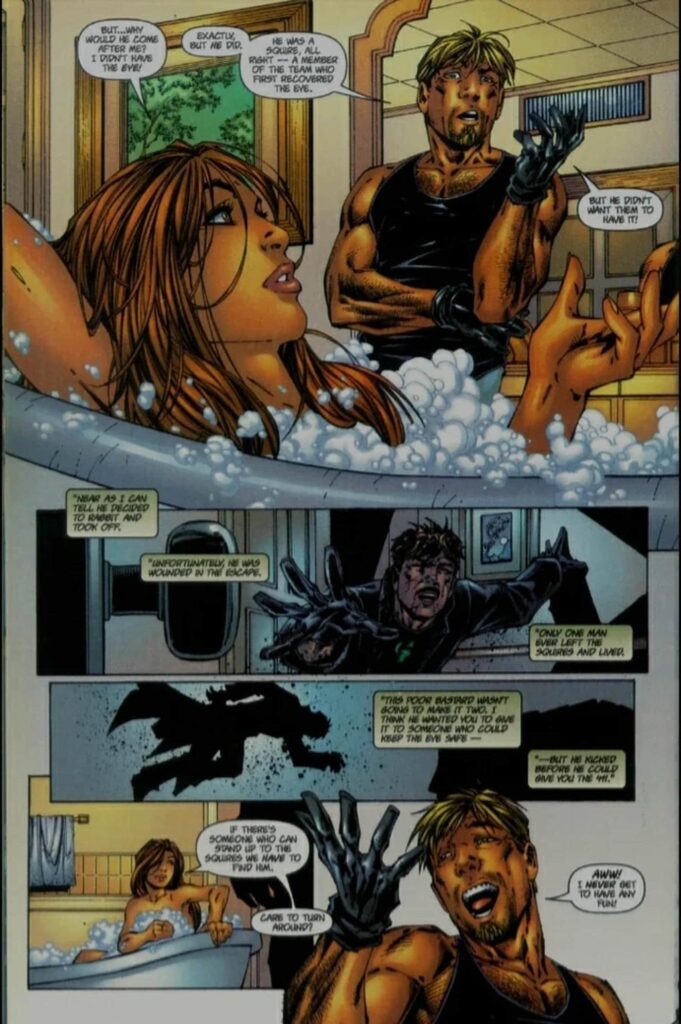
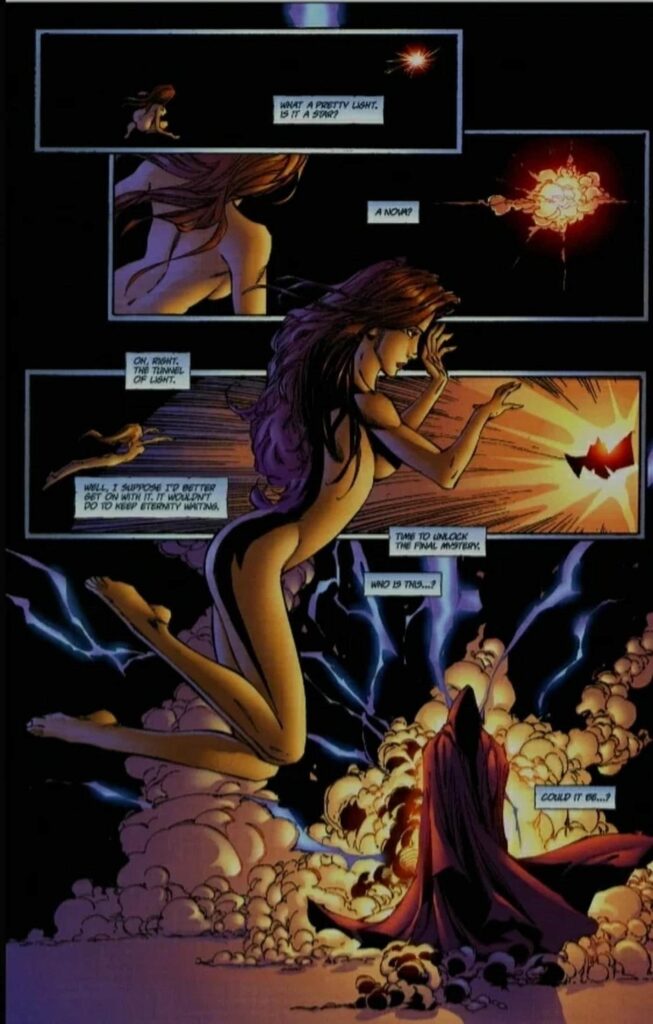
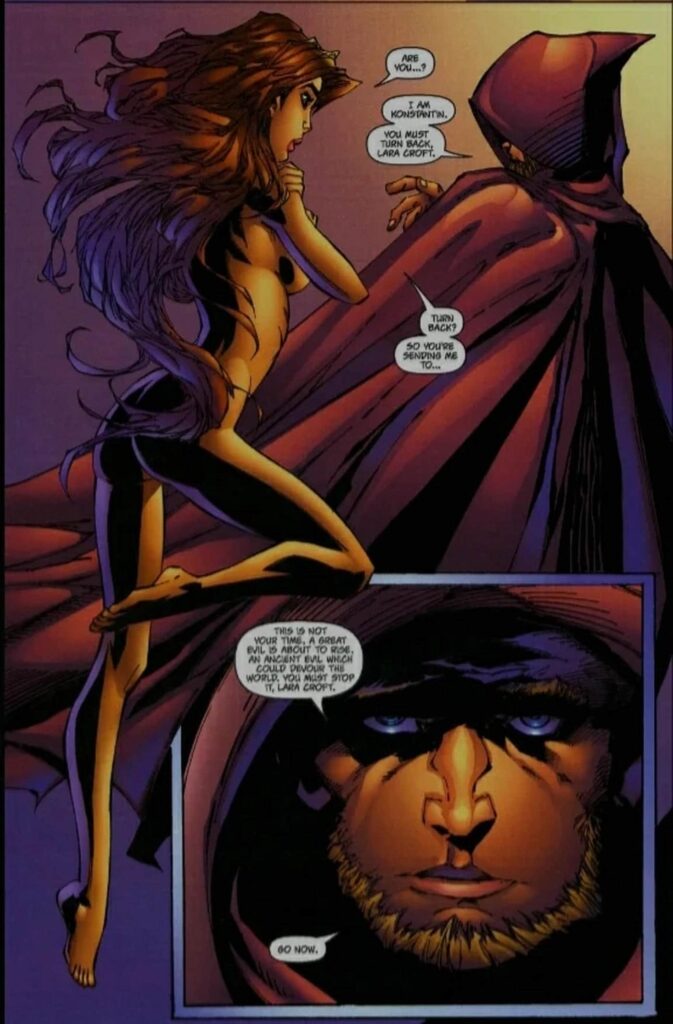
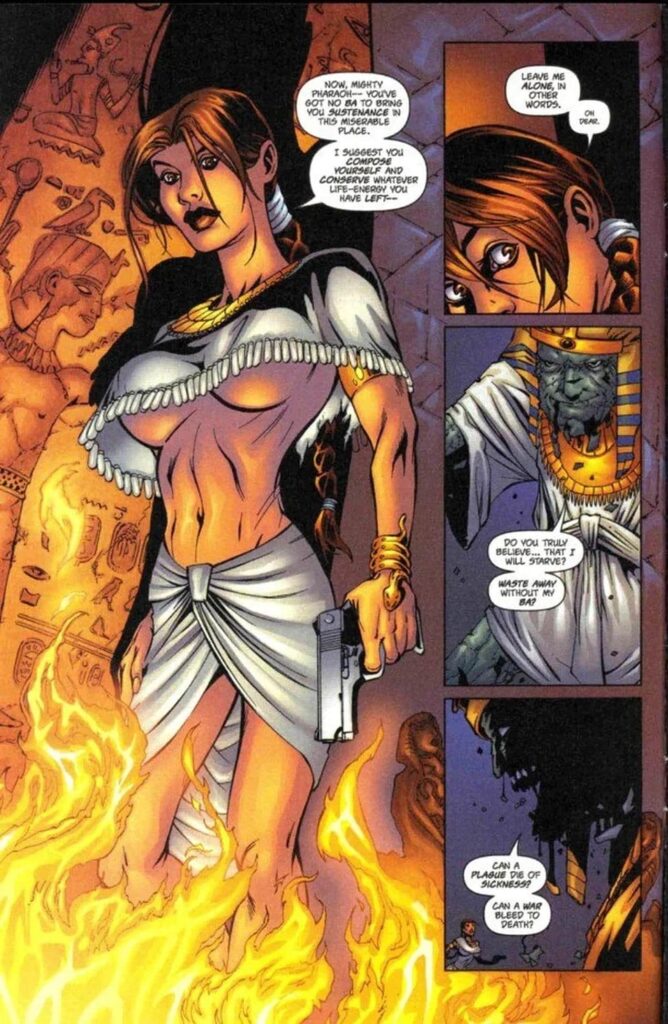
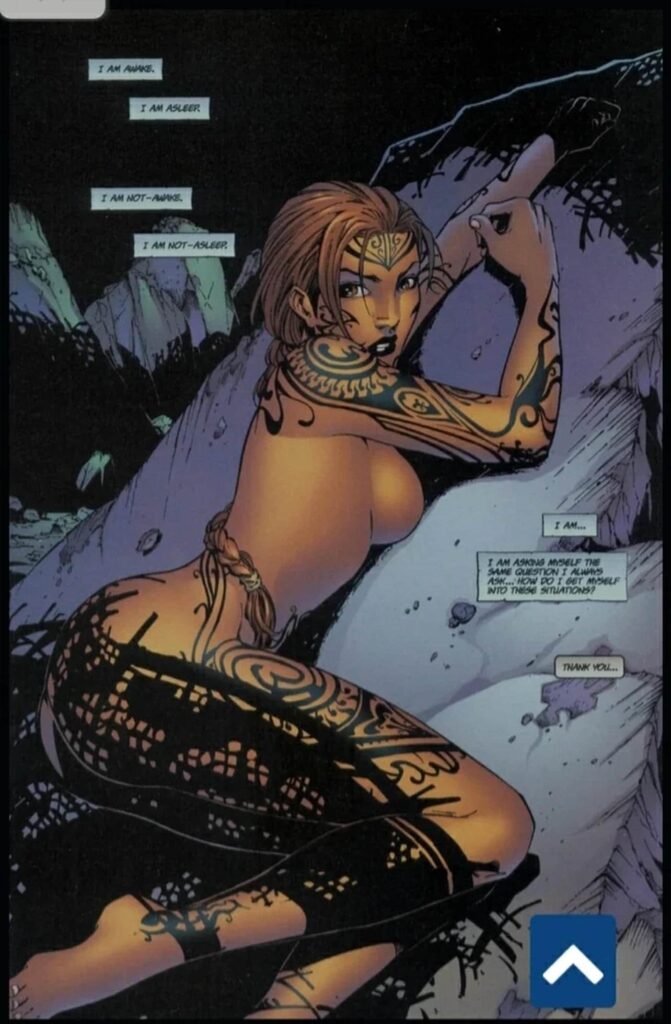
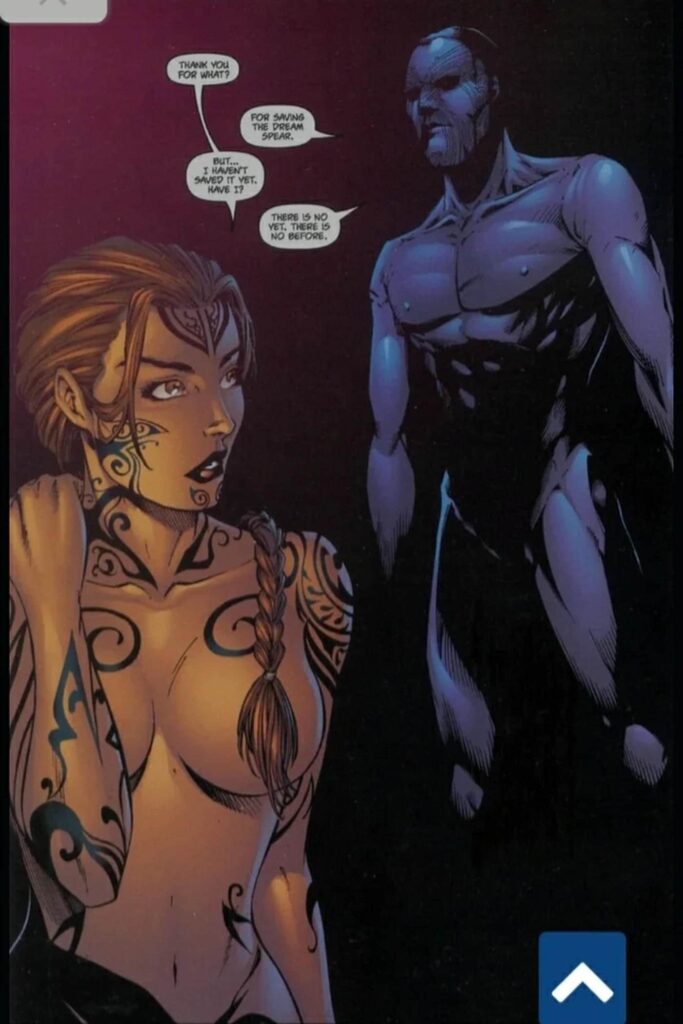
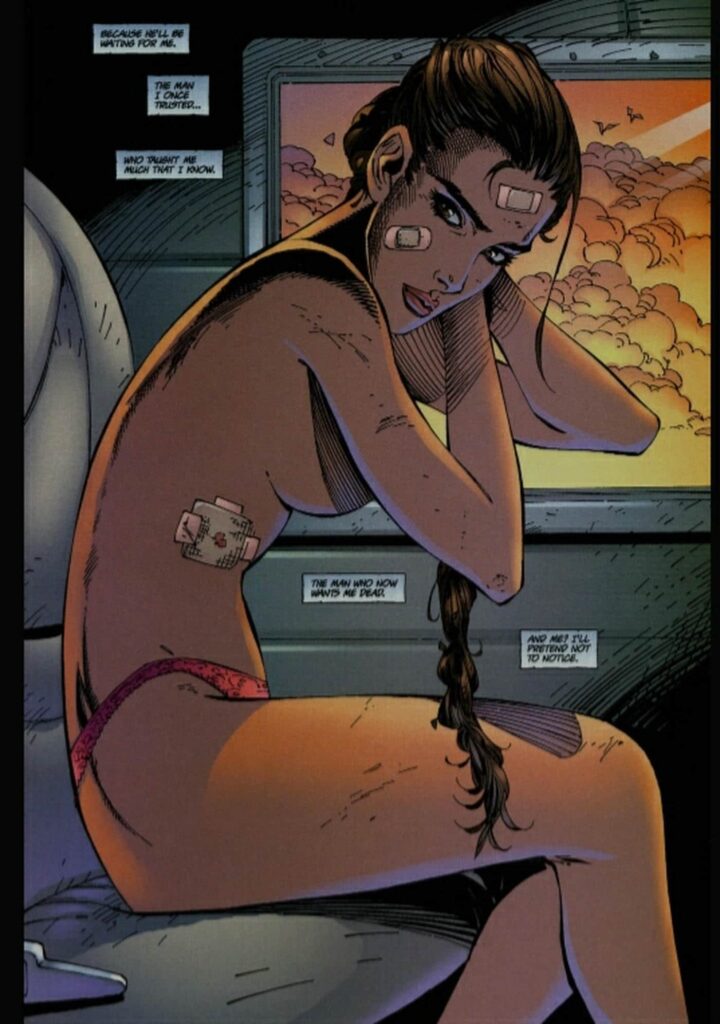
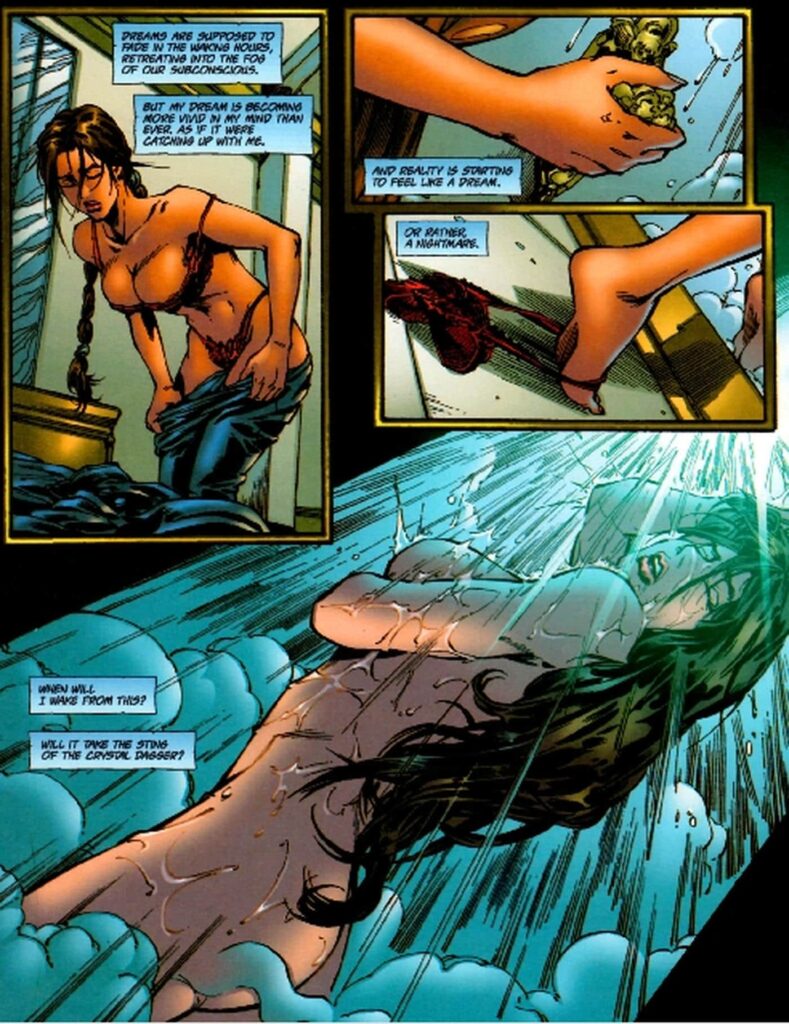
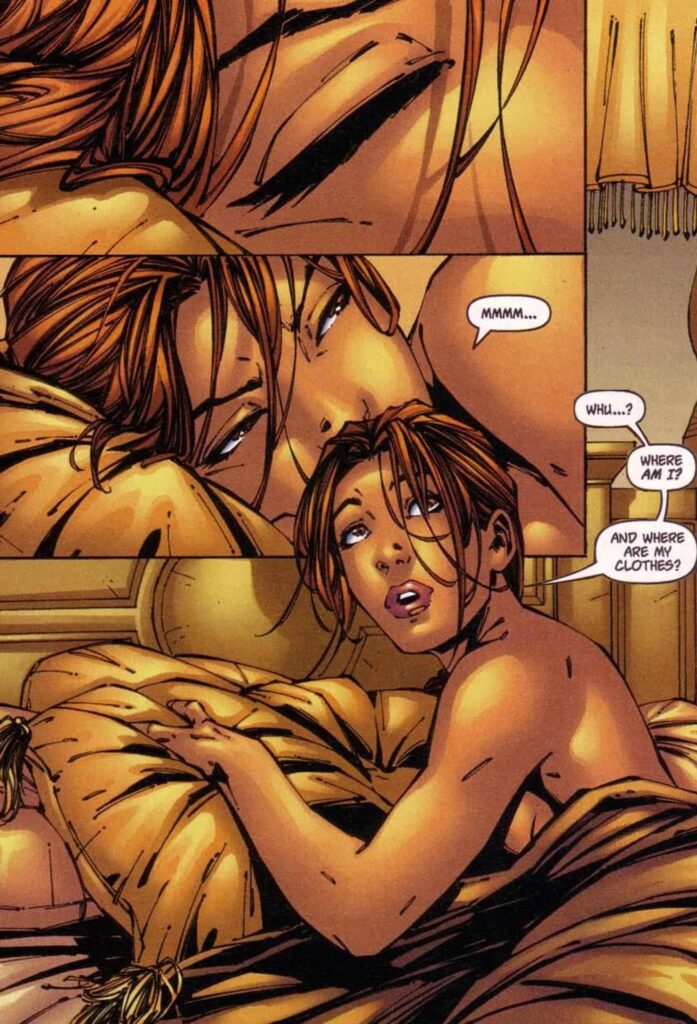
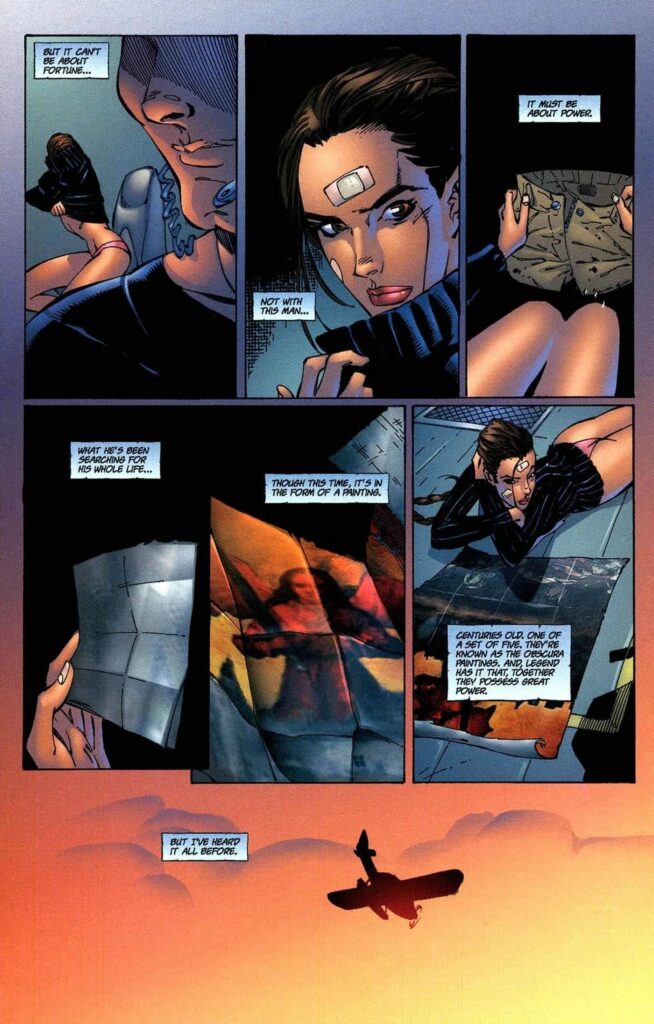
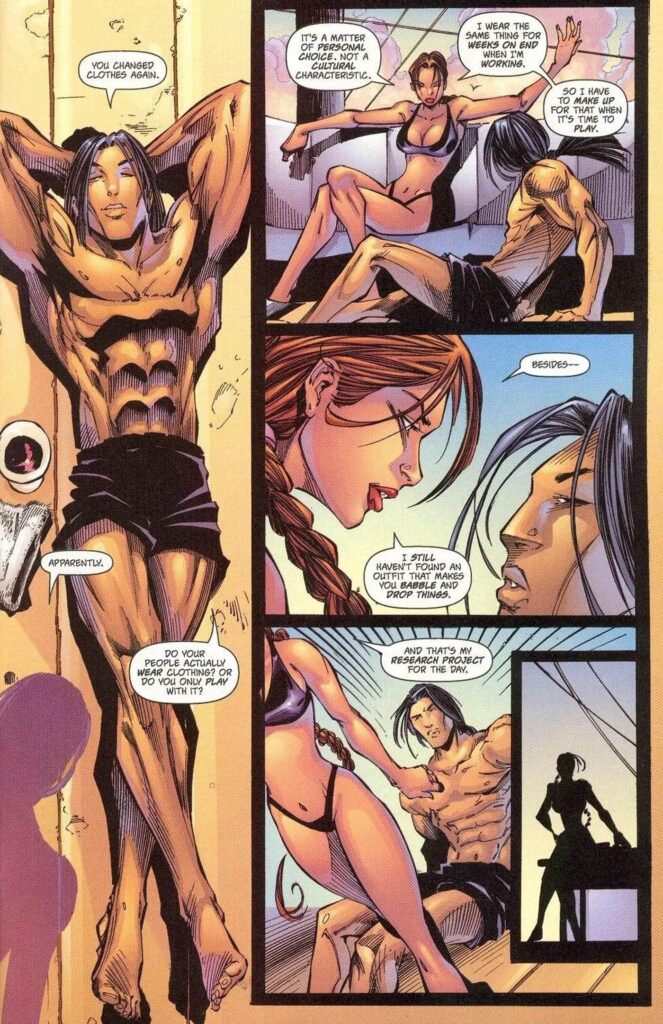
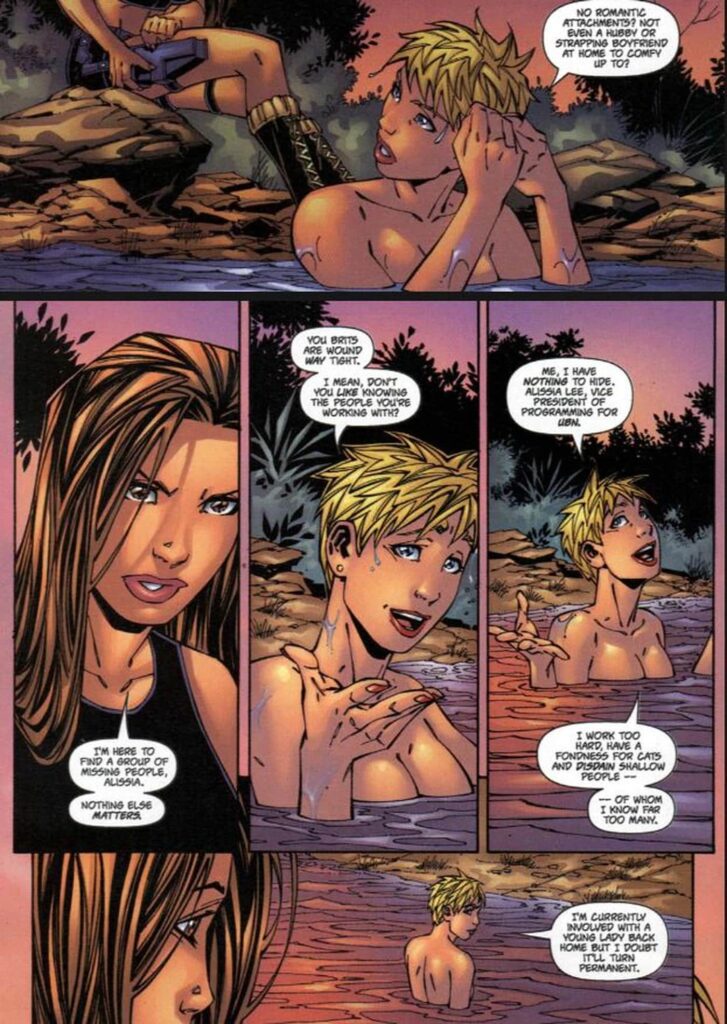
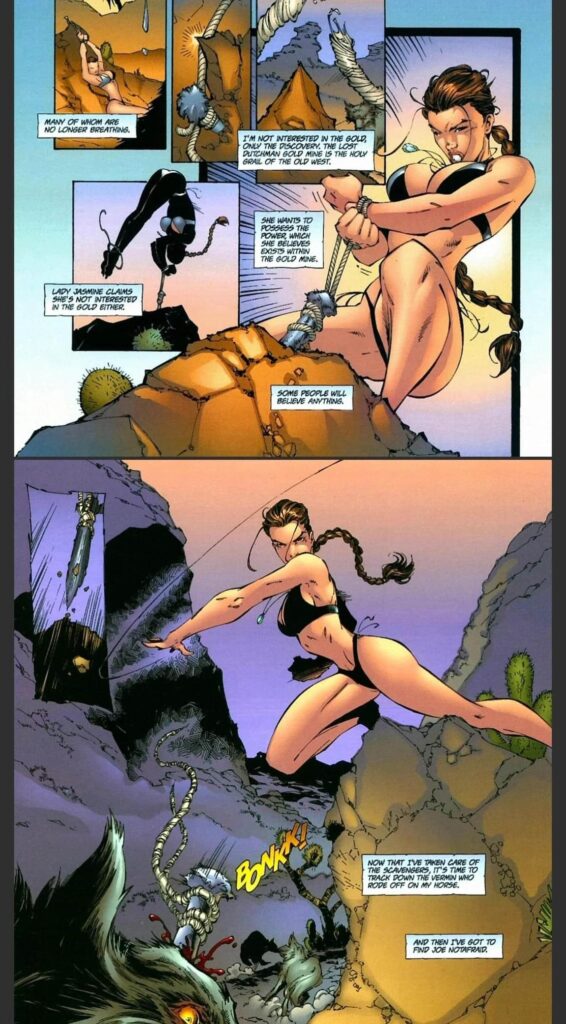
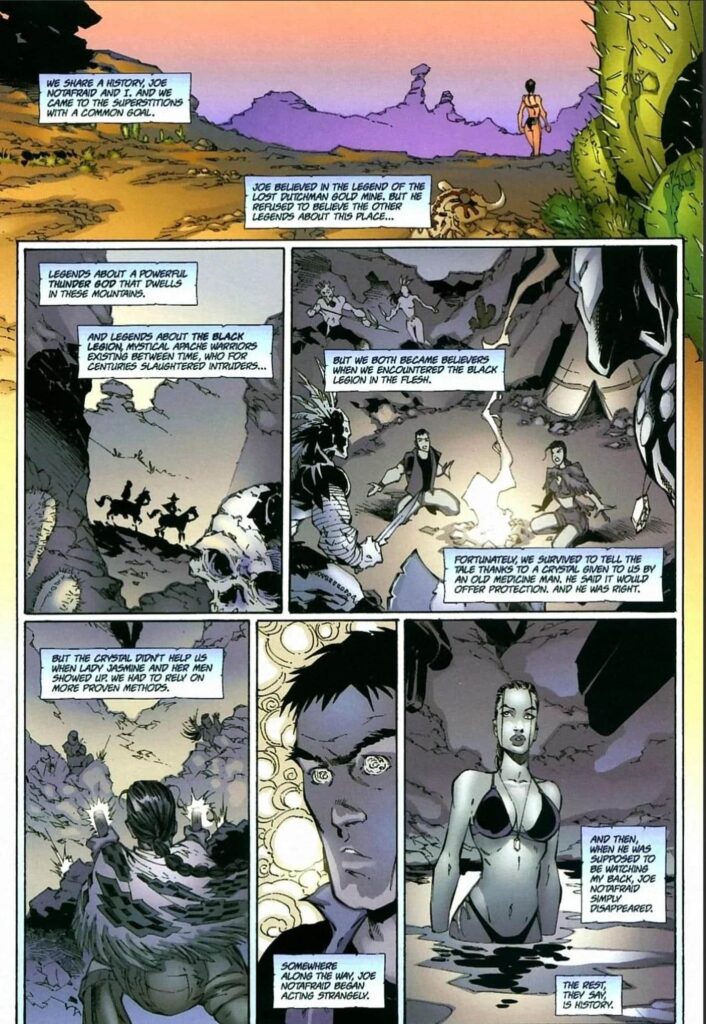
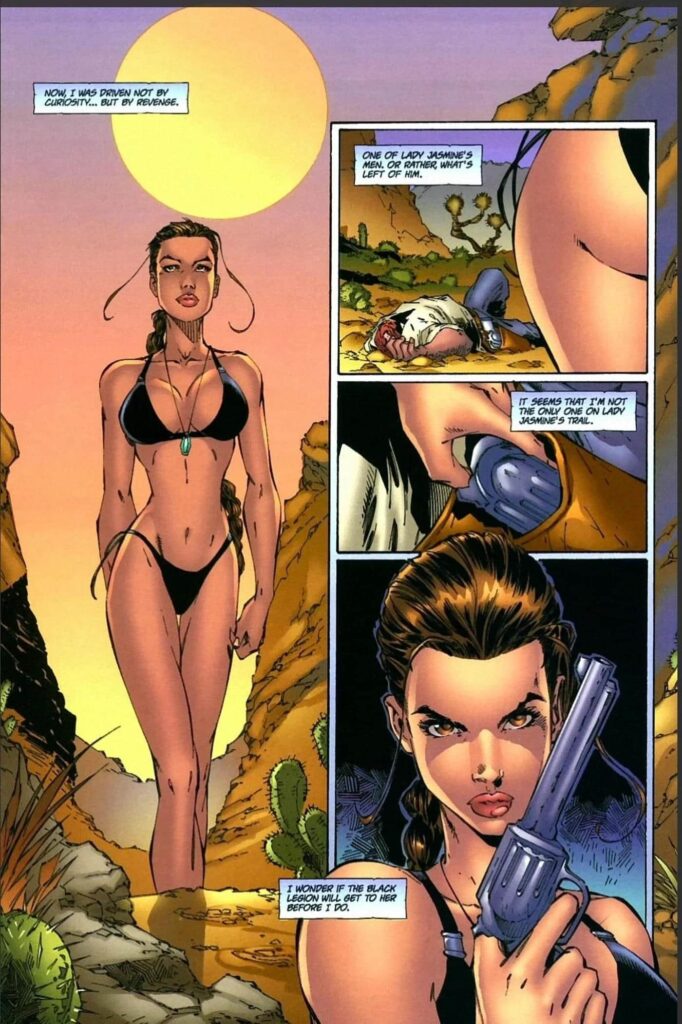
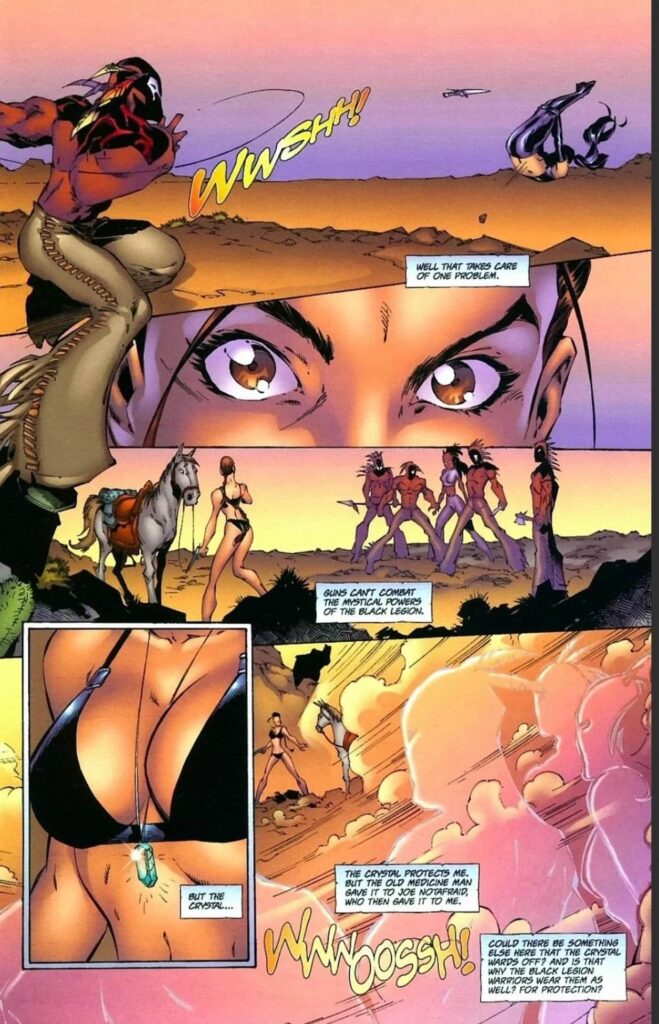
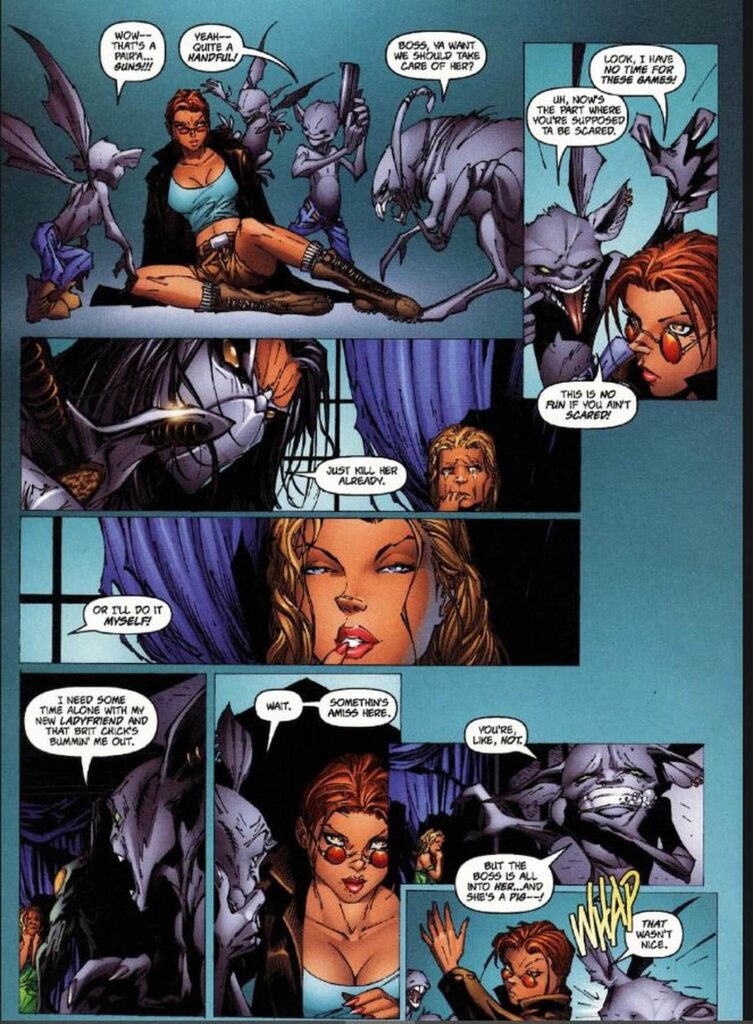
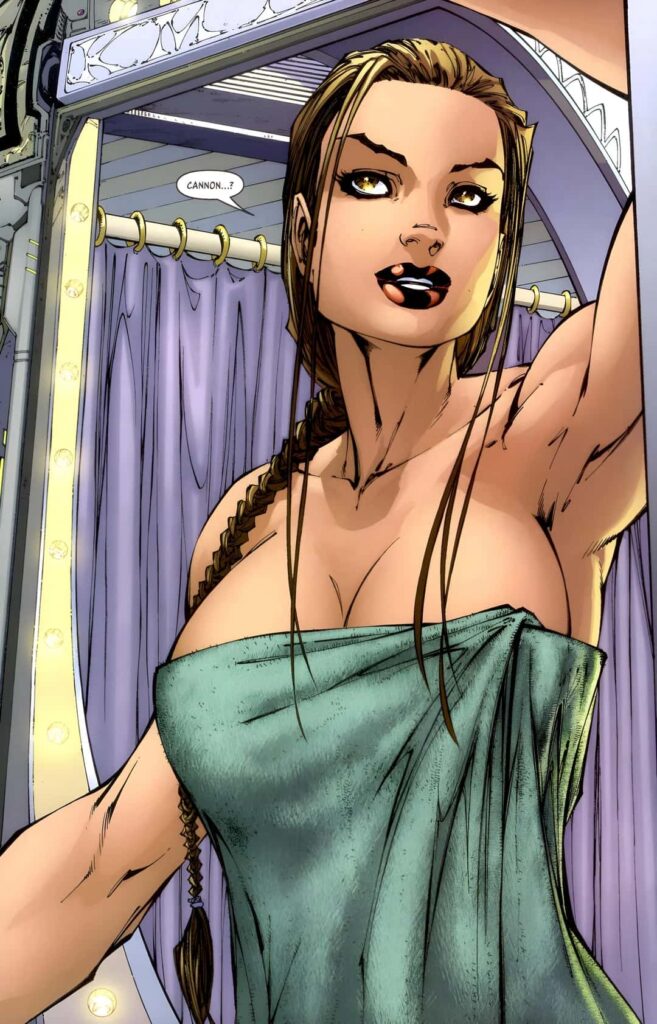
Sexy Lara Croft in Tomb Raider comics
Informazioni sull'autore

Related posts:
 Tribute to Bulma | Most iconic sexy and tickling scenes
 Tribute to Terry Dodson | Most iconic sensual artworks and sexy comics
 Tribute to Enrico Marini | Most iconic sensual artworks and sexy comics
 Top sexiest DC Comics women
 Top sexiest Marvel Comics women
 Top sexy distraction scenes
 Tribute to Lucy Heartfilia | Most iconic sexy and tickling scenes
 Tribute to Nami | Most iconic sexy and tickling scenes
 Top underrated sexy comic characters
 Tribute to Power Girl | Most iconic sexy and tickling scenes
 Best sexy shower scenes in comics
 Tribute to Lobo | Most iconic sexy scenes