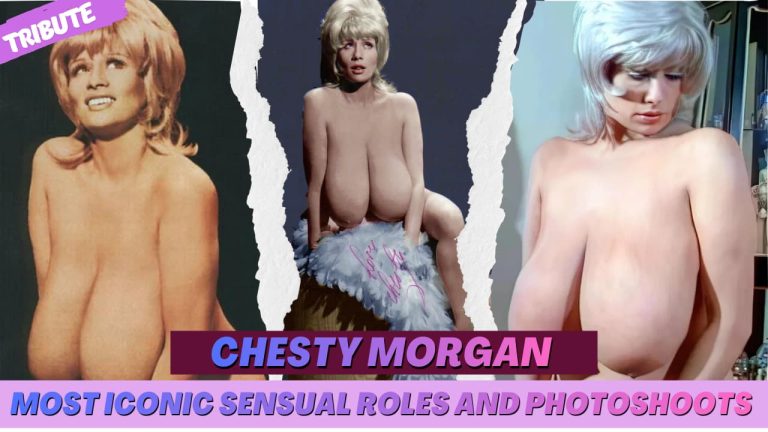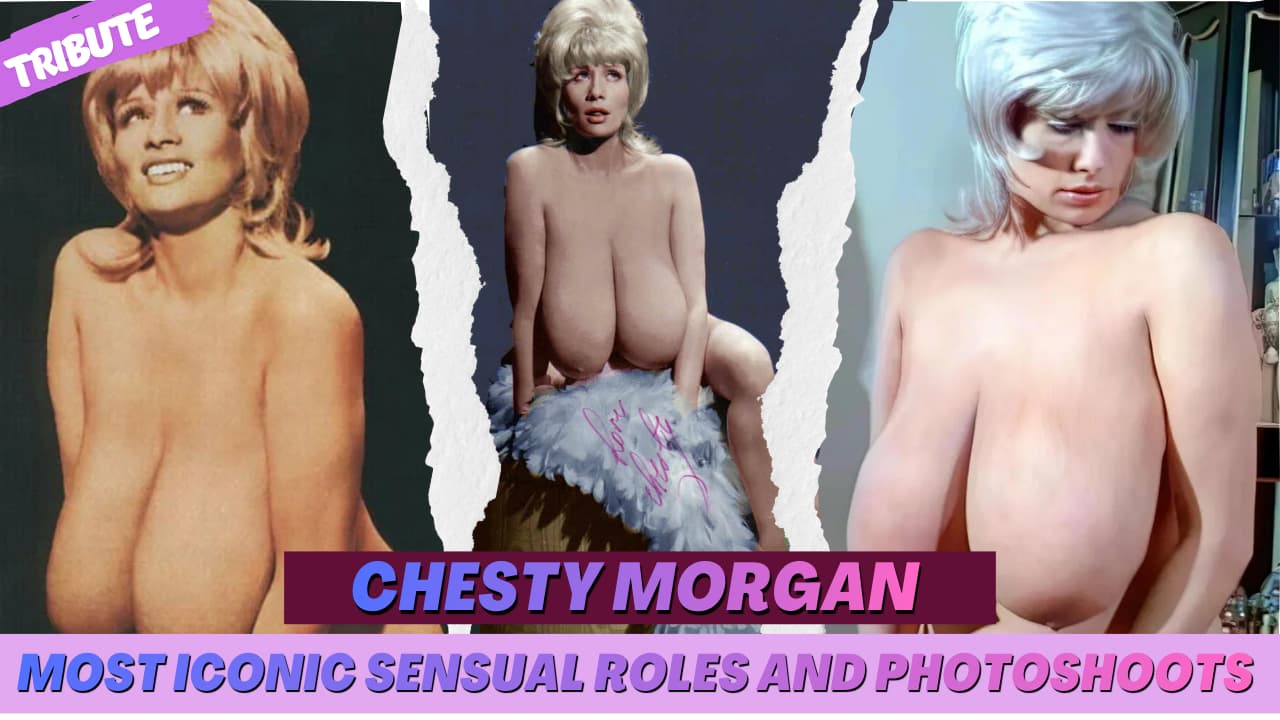
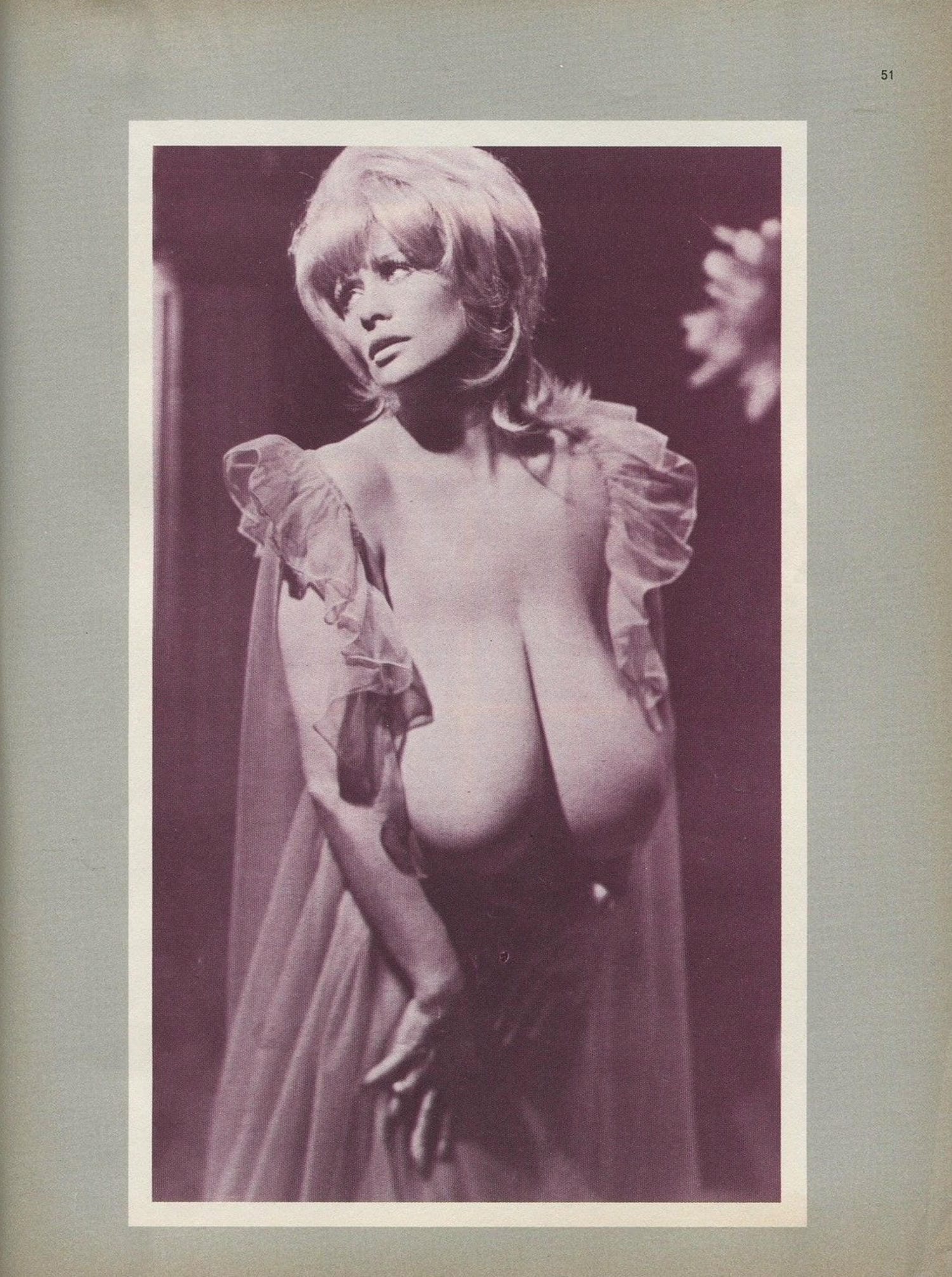
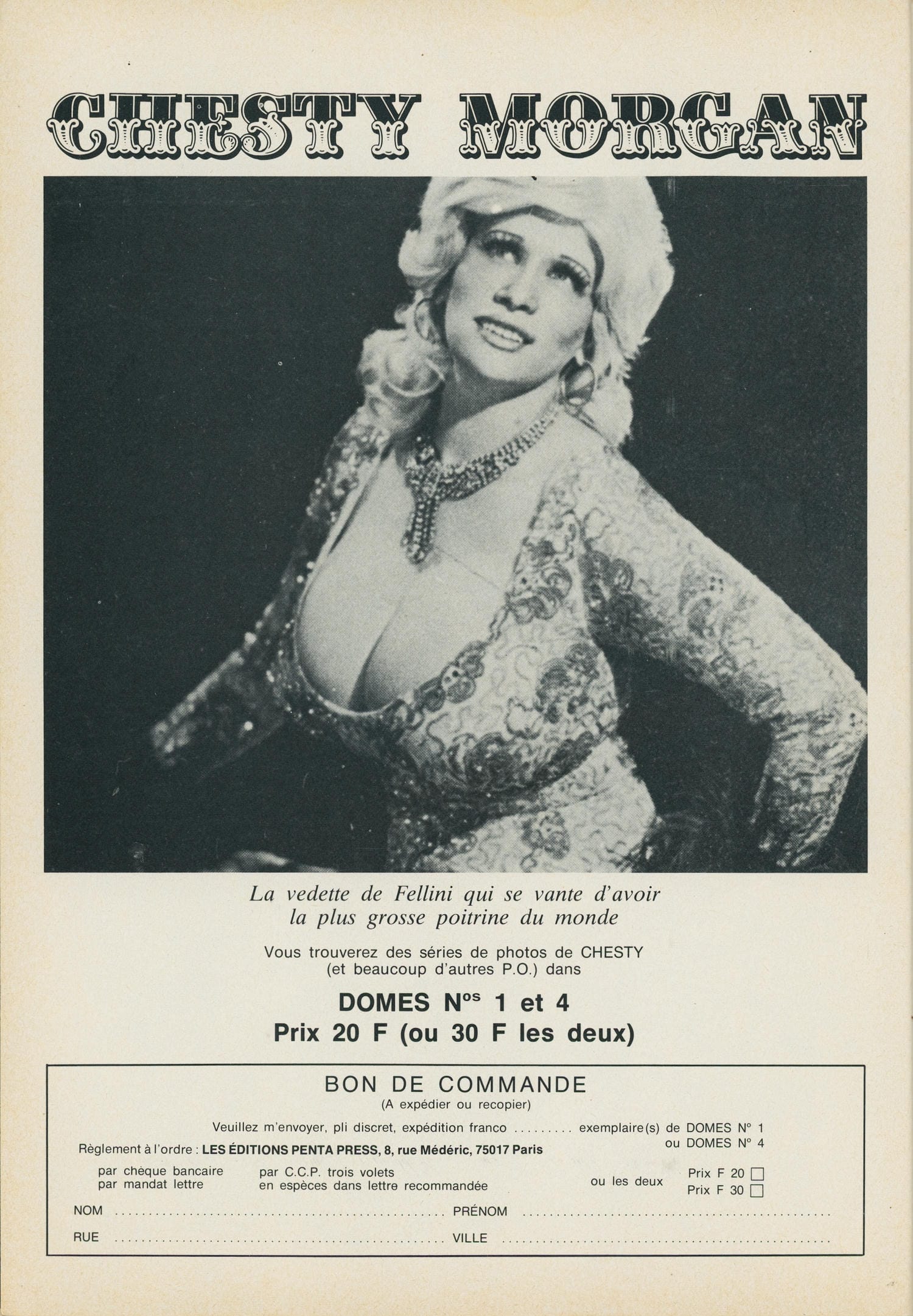
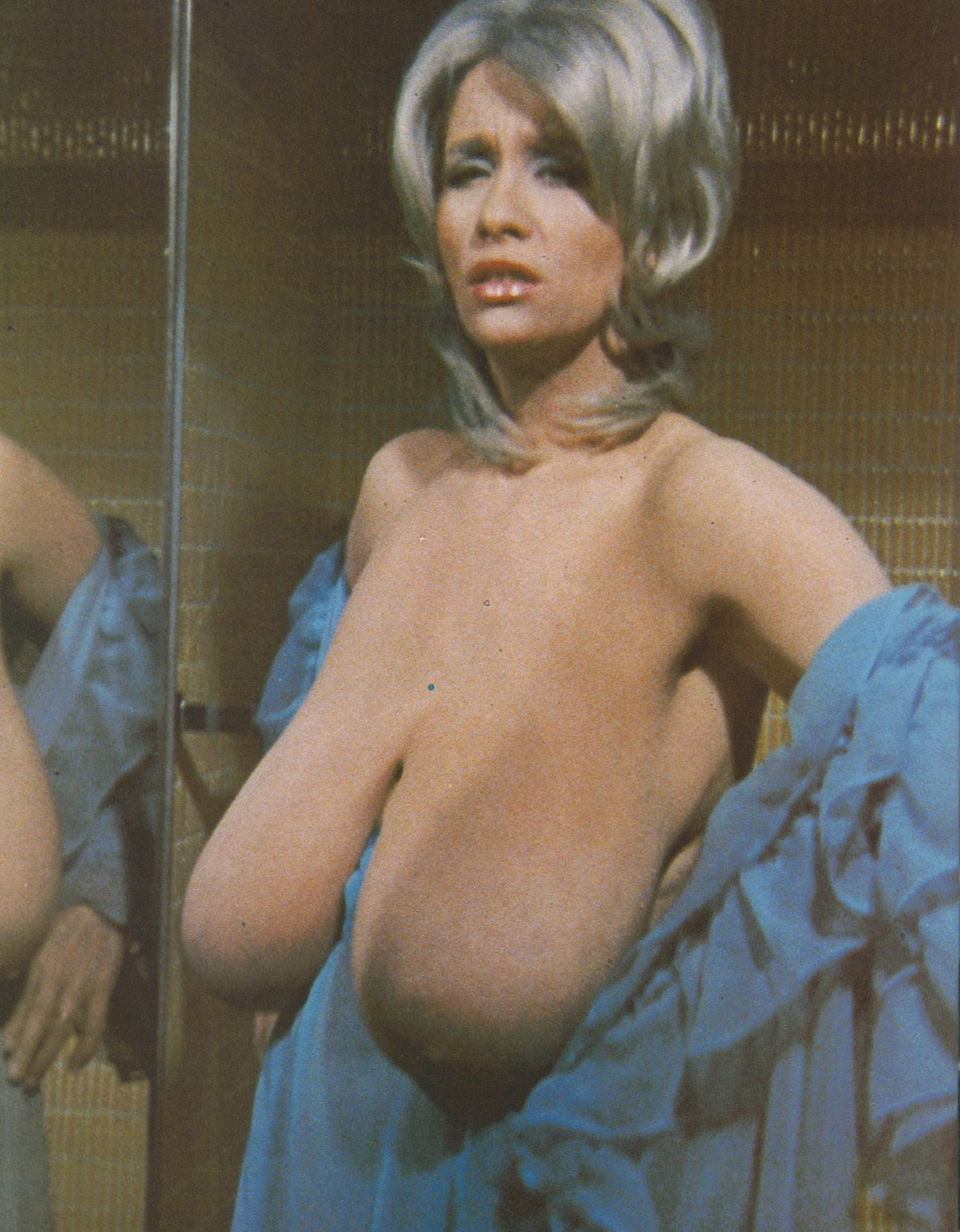
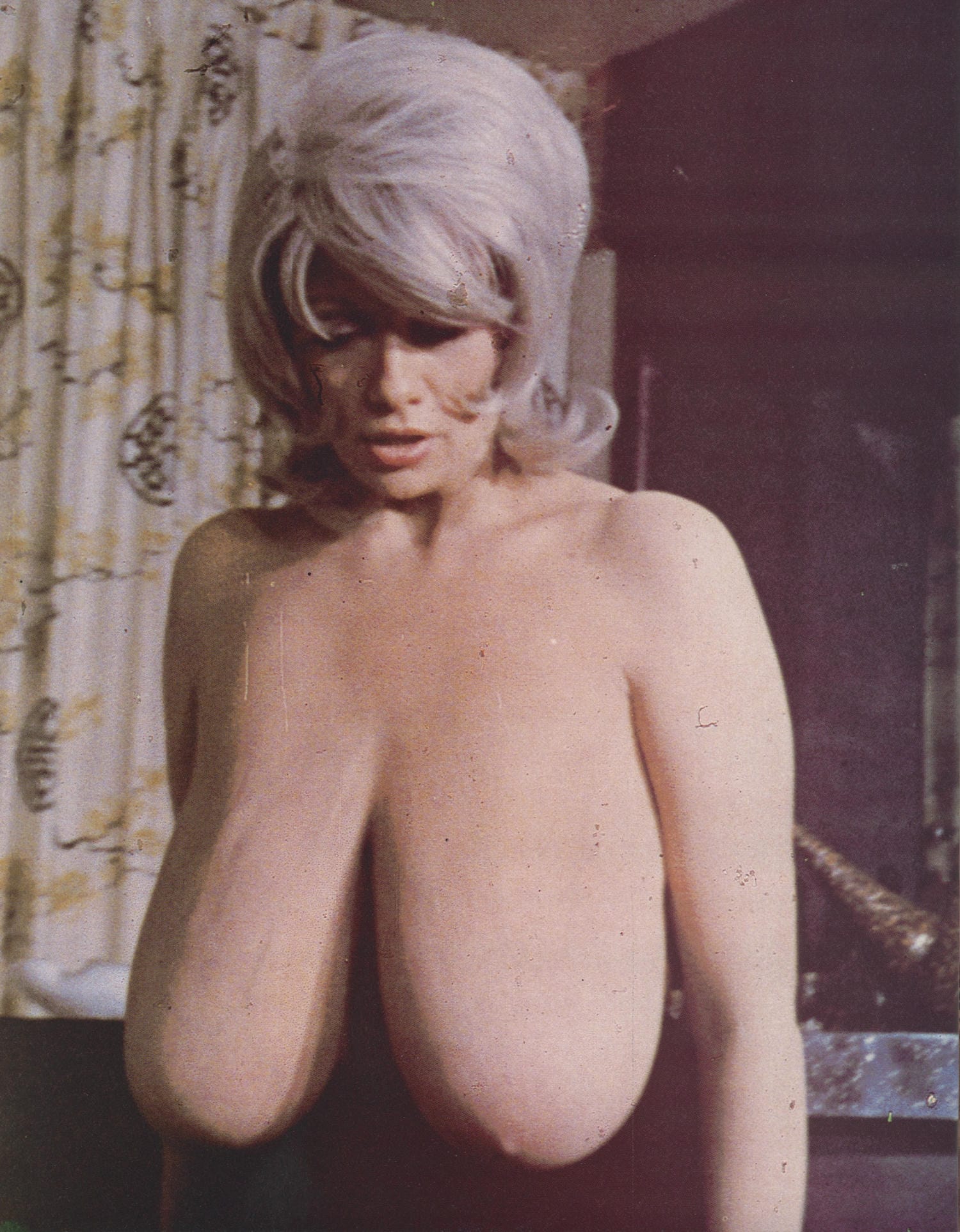
Chesty Morgan (born Ilana Wajc on October 15, 1937) is a Polish-born retired burlesque dancer and actress who became a cult icon due to her legendary, record-breaking physical proportions.
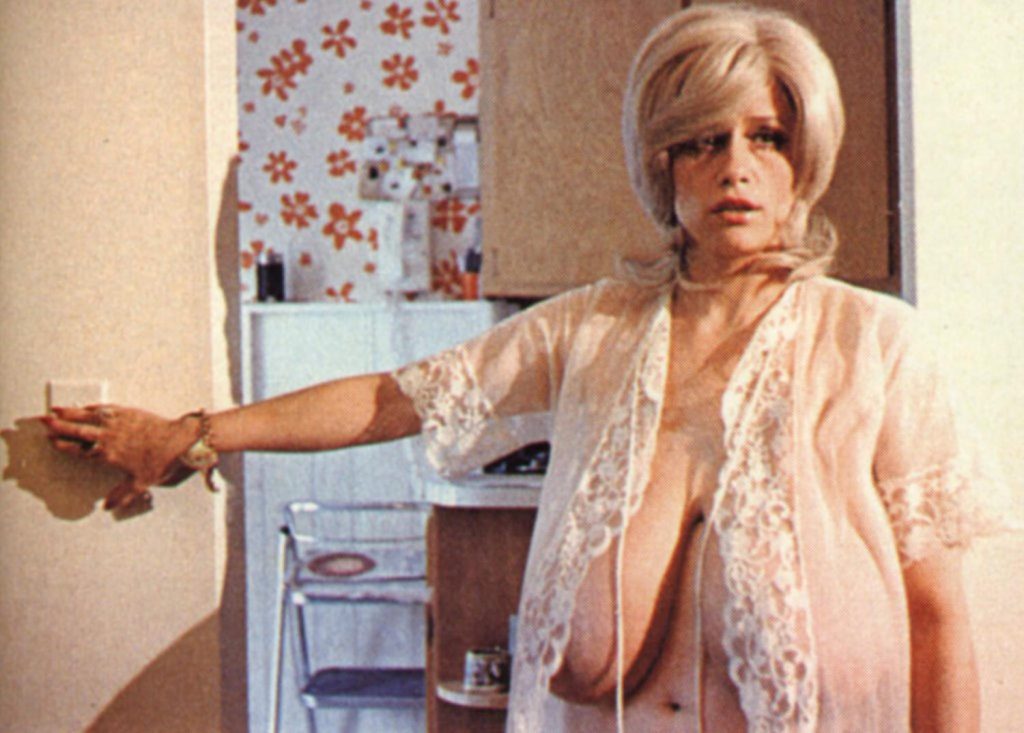
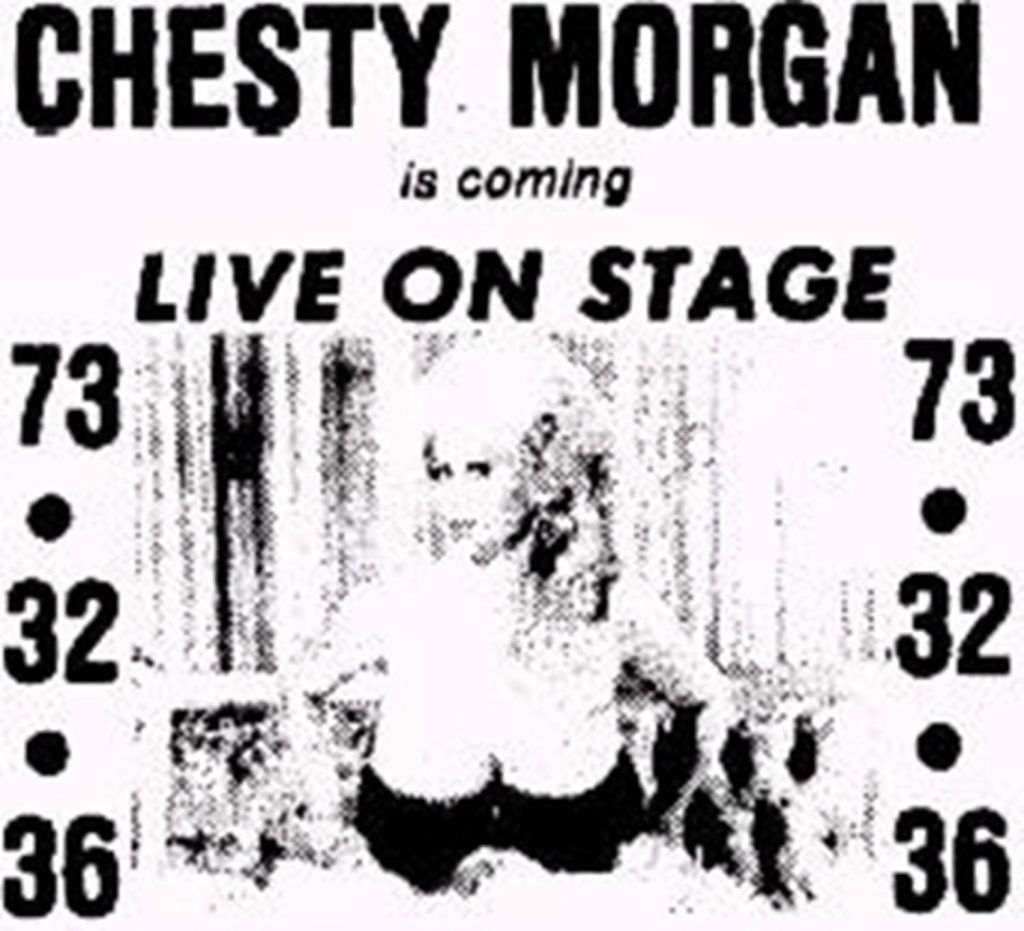
Documented in the 1988 Guinness Movie Facts & Feats for having the largest bust for a film star, her natural measurement reached a staggering 73 inches.
Leggi tutto: Tribute to Chesty Morgan | Most iconic sensual roles and photoshoots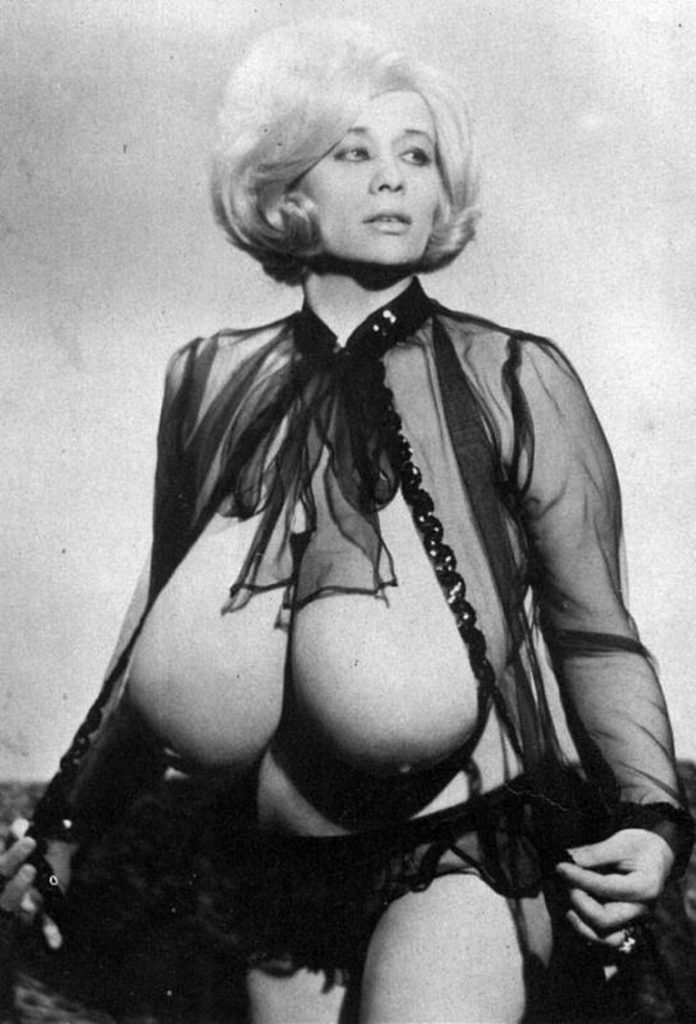
Born to a Jewish family in Poland, she was orphaned as a young girl when her parents were killed by the Nazis. She survived by hiding in bunkers and ghettos, sometimes living underground for months without seeing daylight, before eventually being sent to a kibbutz in Israel after the war.
After moving to the United States in the late 1950s, she married Joseph Wilczkowski. In 1965, her life was shattered again when her husband was brutally murdered during a robbery at his butcher shop.
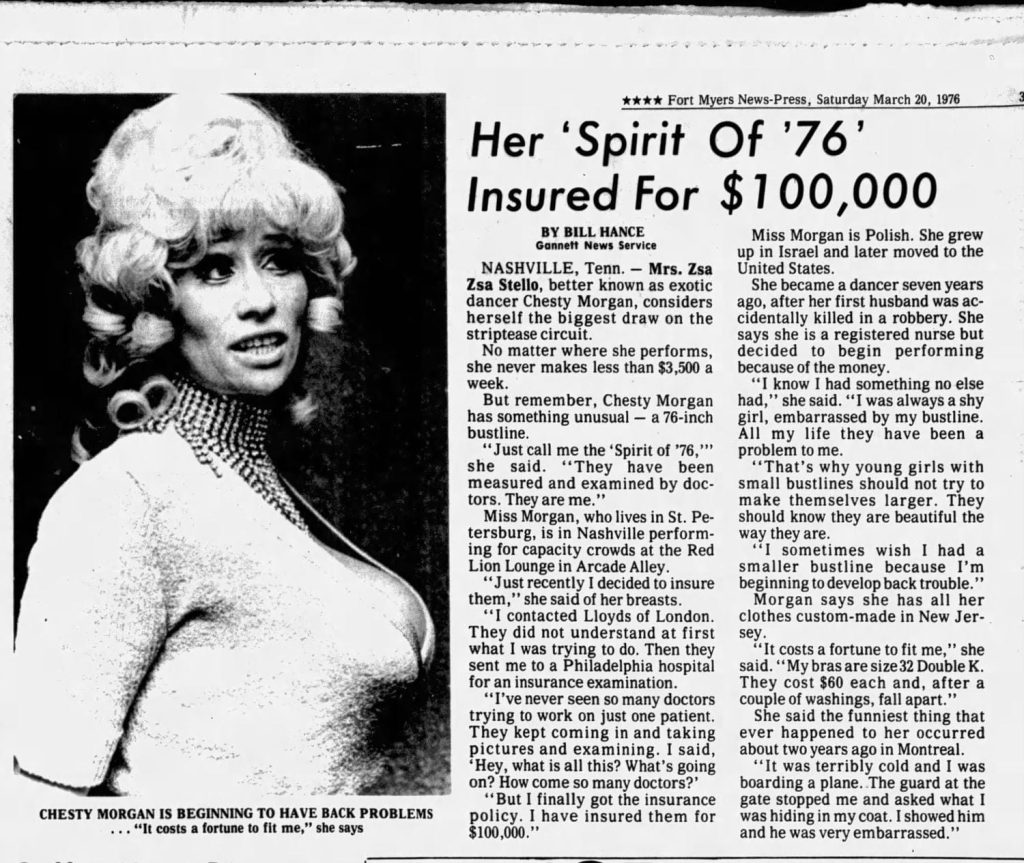
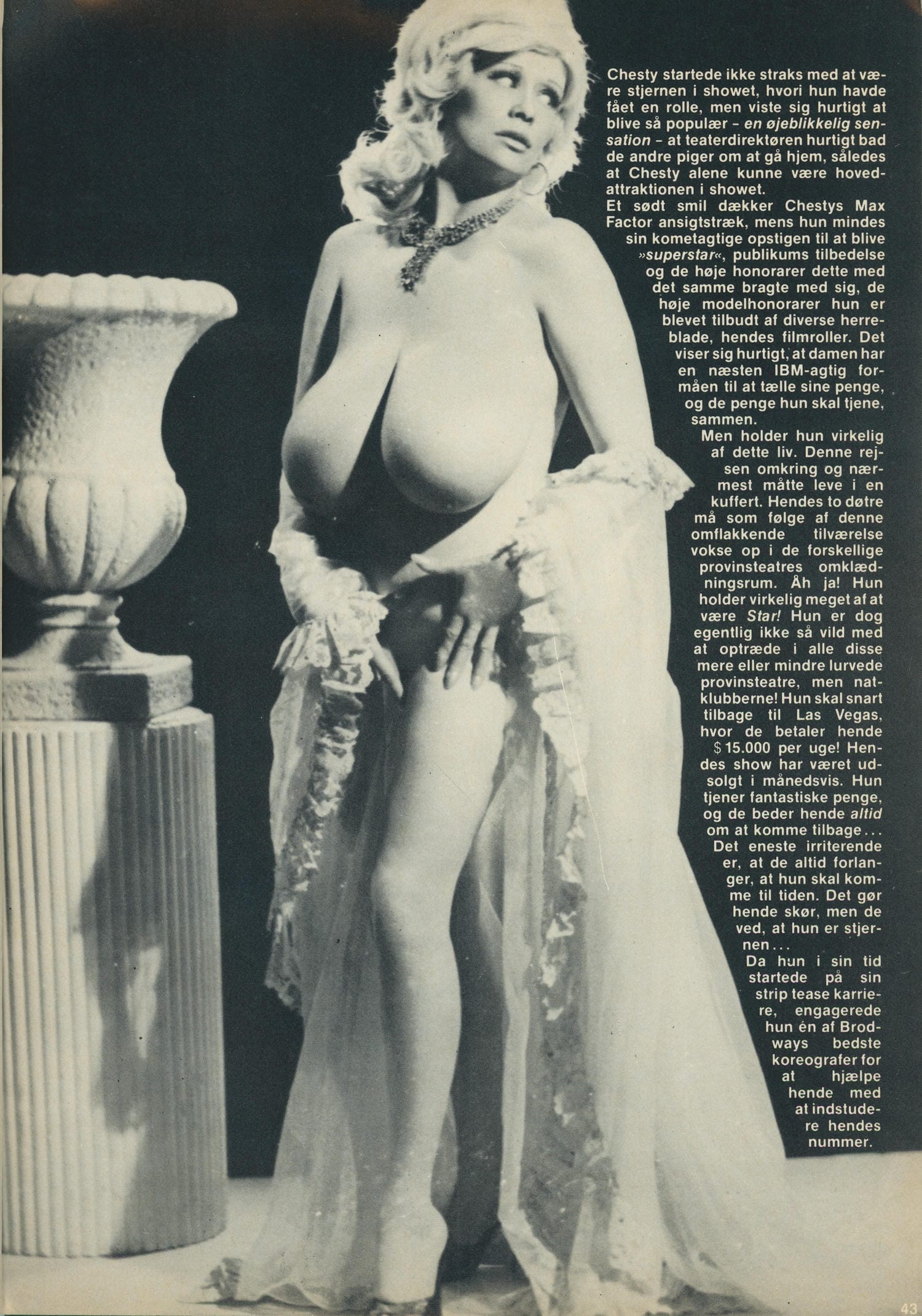
Left alone to raise two young daughters without an income, she overcame her natural shyness and turned to exotic dancing in 1972 to achieve financial independence. Initially performing as “Zsa Zsa,” she later adopted the name “Chesty Morgan” to market her unique physique. She was a traditional burlesque performer who valued the “tease,” strictly refused full nudity, and never stripped below the waist.
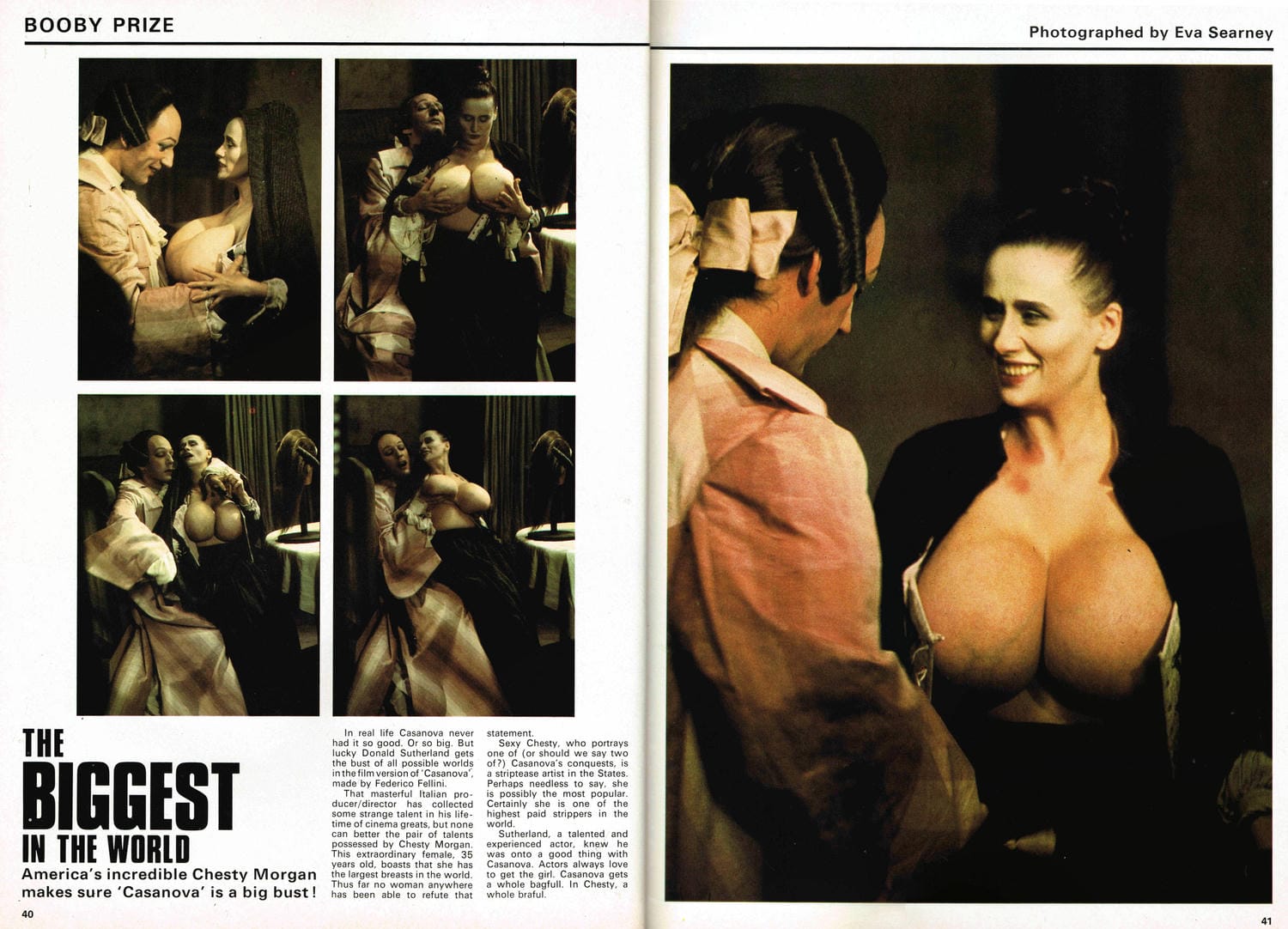
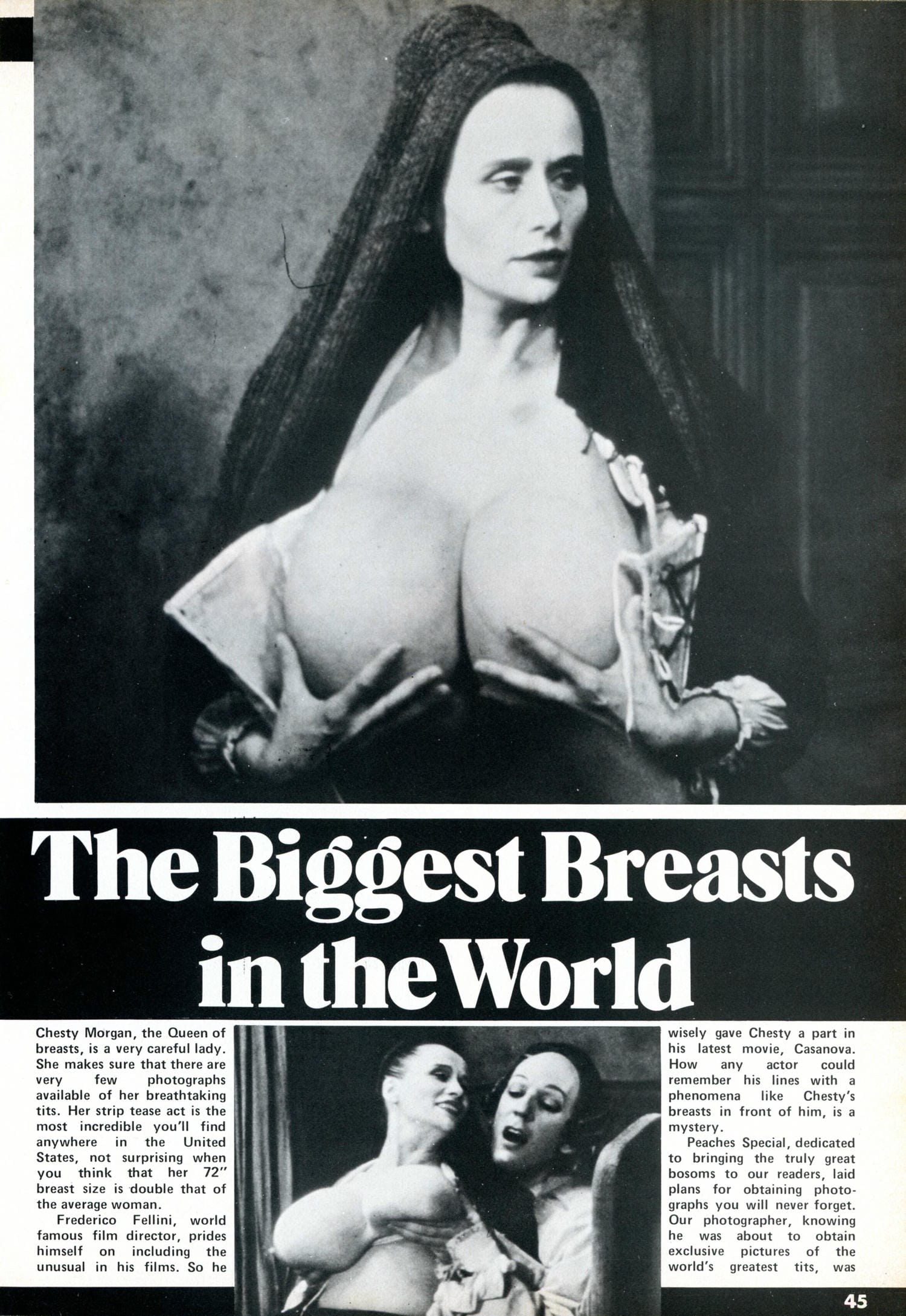
She gained international notoriety starring in Doris Wishman’s “sexploitation” films, Deadly Weapons and Double Agent 73 (1974), which featured her character using her breasts to commit “boobacide”. The celebrated director Federico Fellini also cast her in his 1976 film Casanova, describing her bust as a “spectacle of lightness,” though her scenes were ultimately cut from the theatrical release.
Contents
Chesty Morgan’s breast
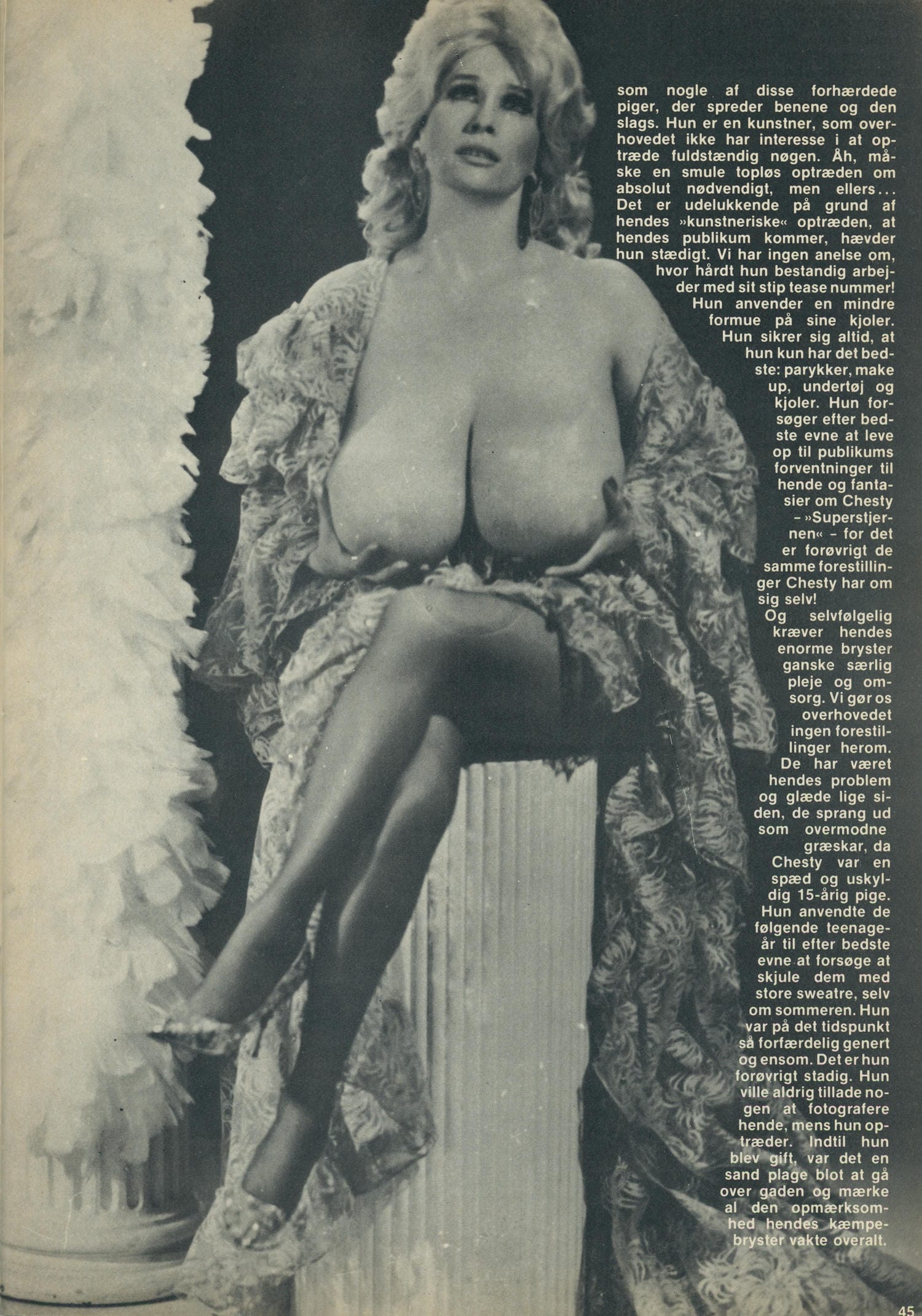
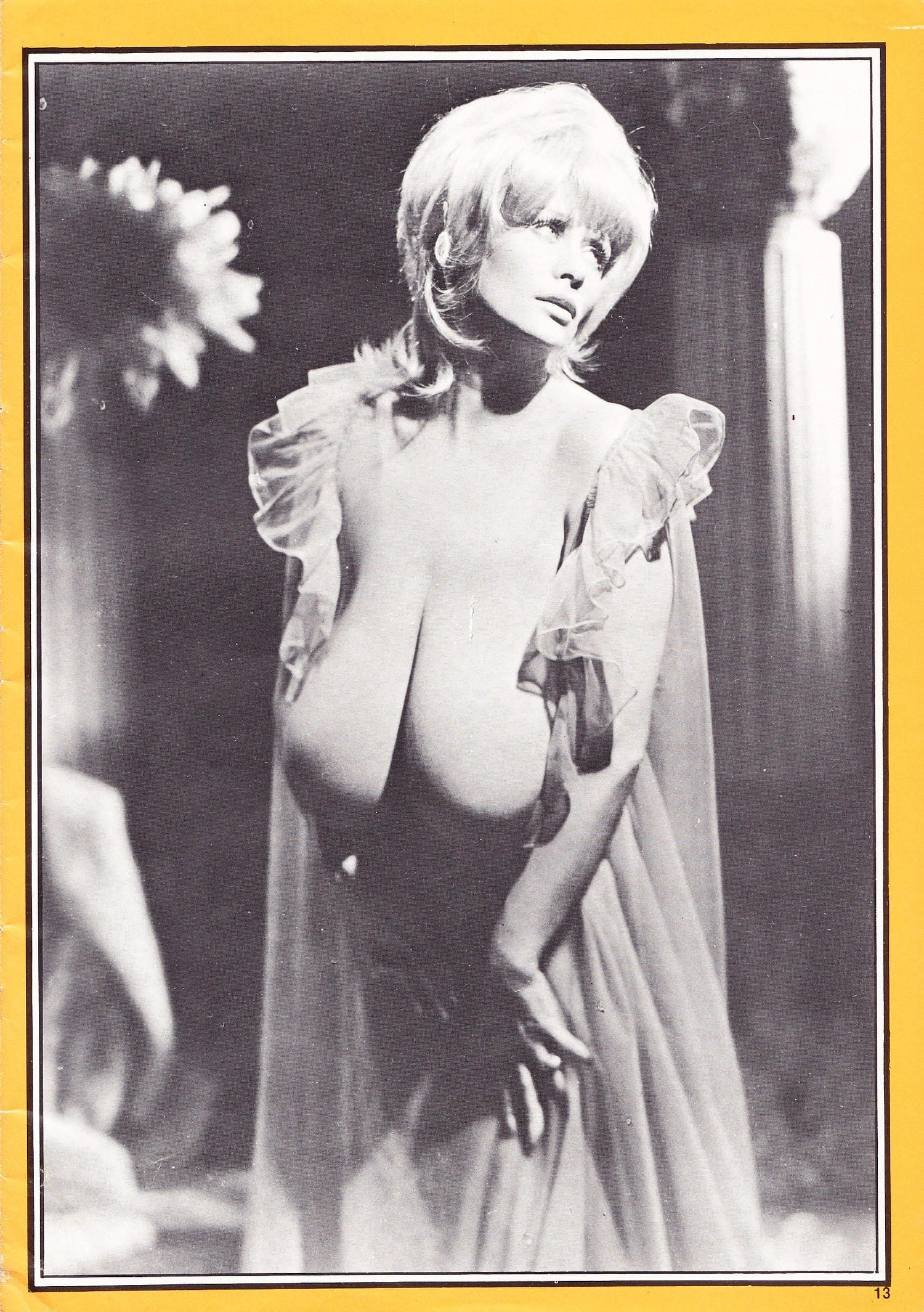
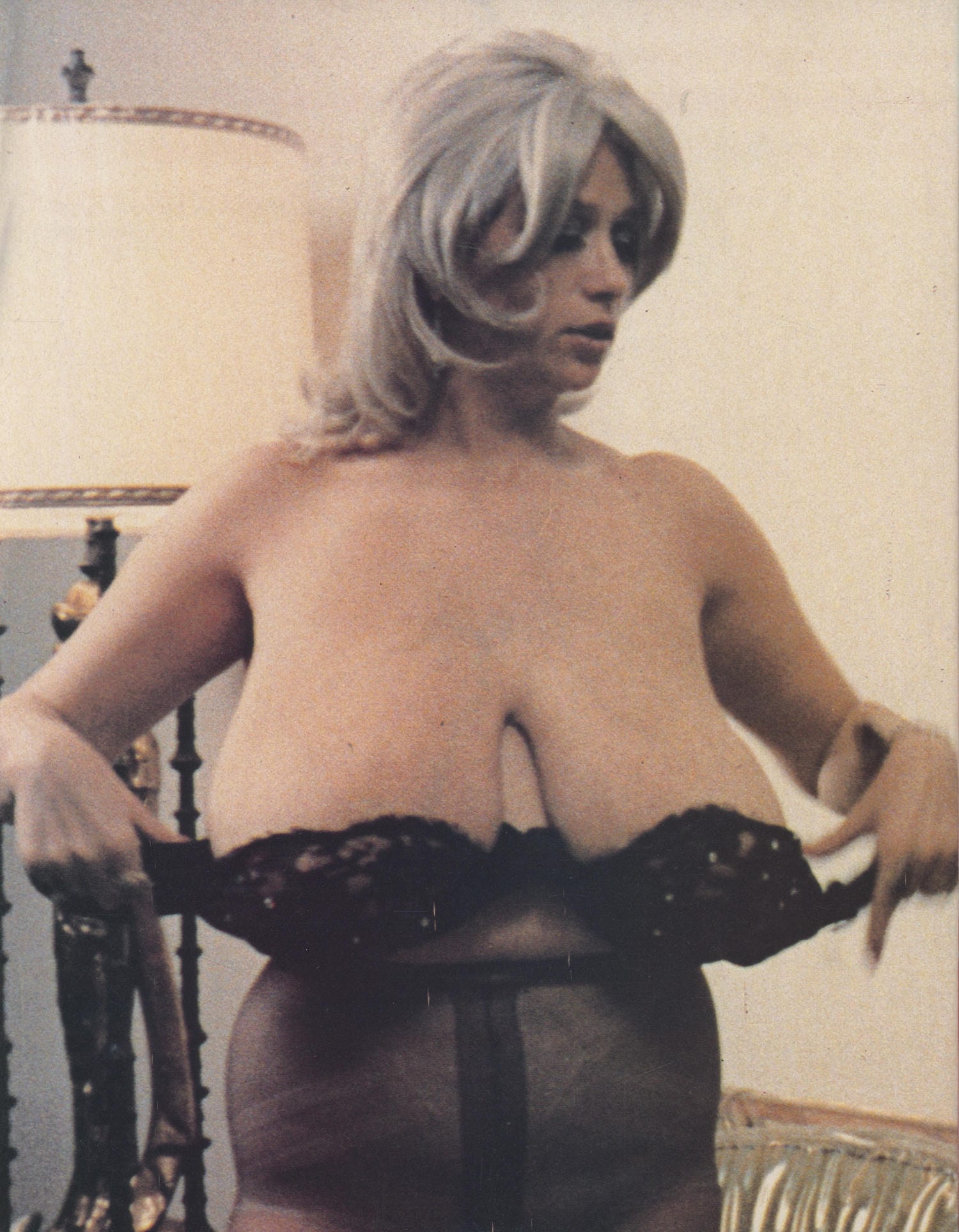
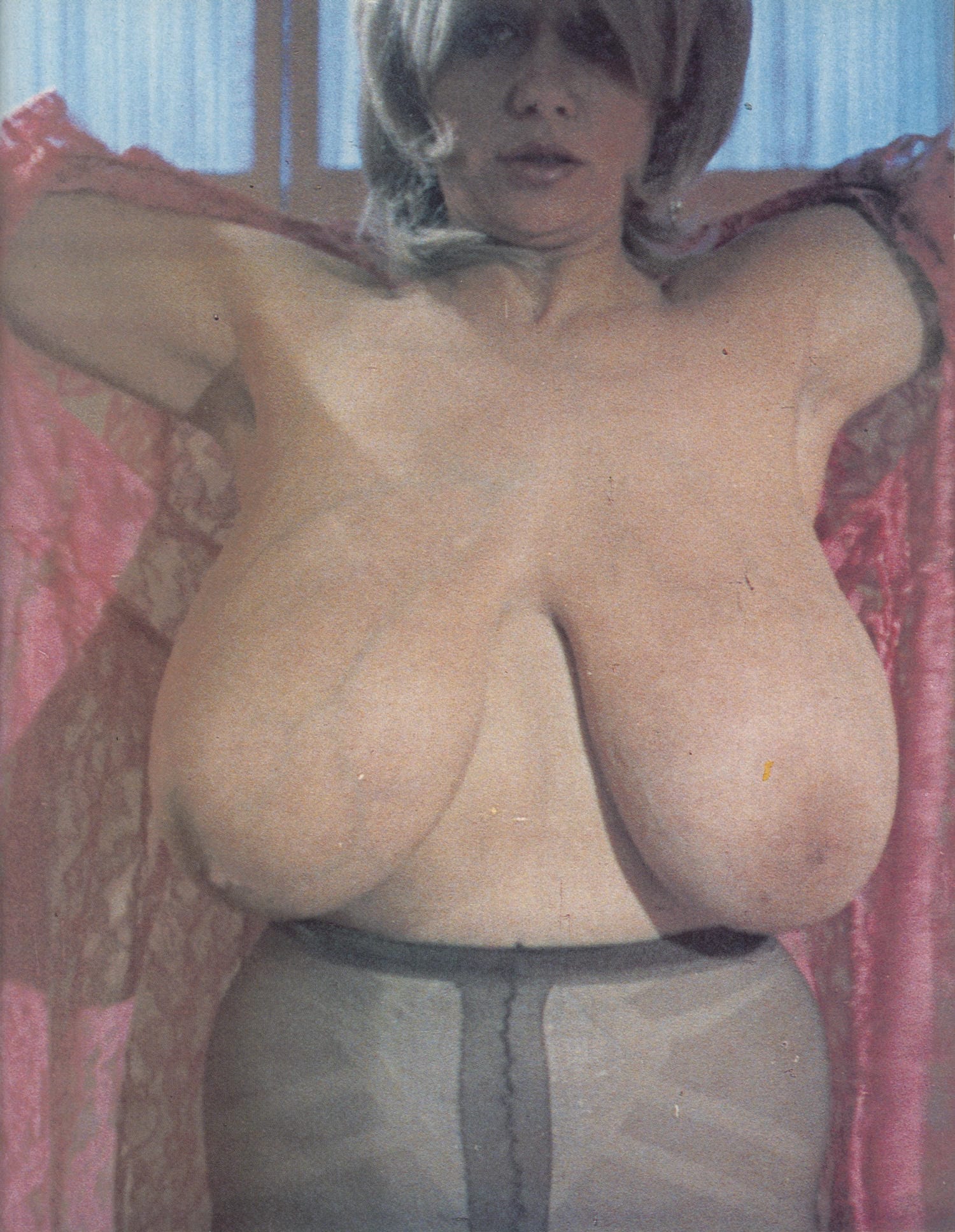
Chesty Morgan’s physical presence was defined by a bust that measured a staggering 73 inches, a record that eventually earned her a place in the Guinness Movie Facts & Feats book as the largest on record for a film star. These massive attributes were entirely natural, a fact she went to great lengths to prove by allowing audience members at her burlesque shows to touch and fondle them to verify they were not augmented by implants. Her bra size was estimated as a 78F or a 40Q, often requiring custom-made garments from specialized companies that cost upwards of one hundred dollars each.
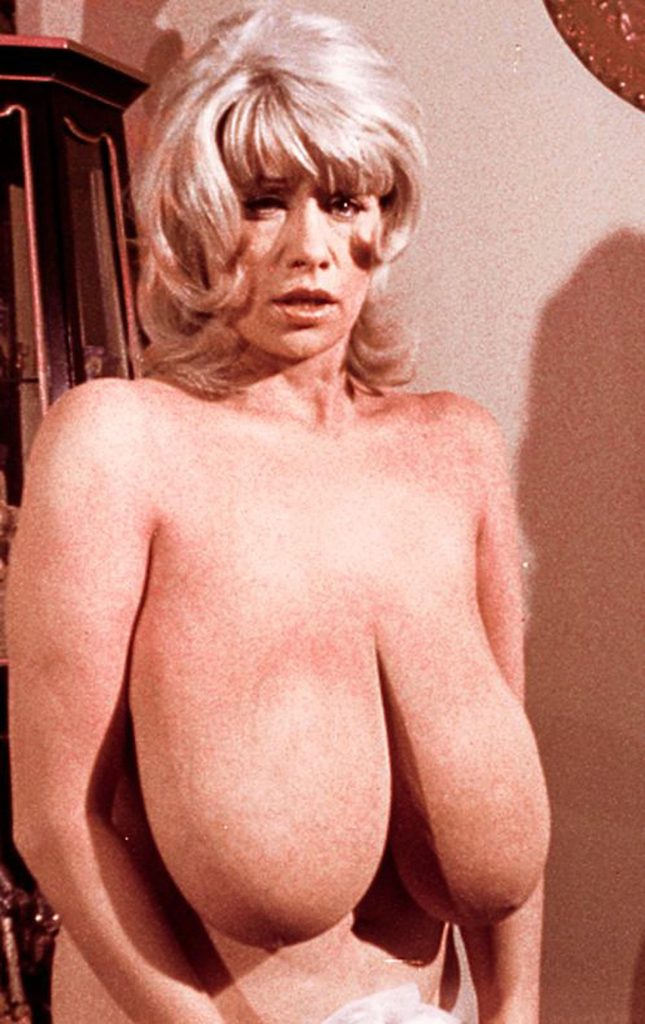
Observers described her bosom in starkly different ways, ranging from a “grotesque” biological curiosity to a “living arterial sculpture” and an “animated cartoon”. She herself viewed her breasts as a generous gift to the world, famously stating that while they were attached to her body, they actually belonged to the public.
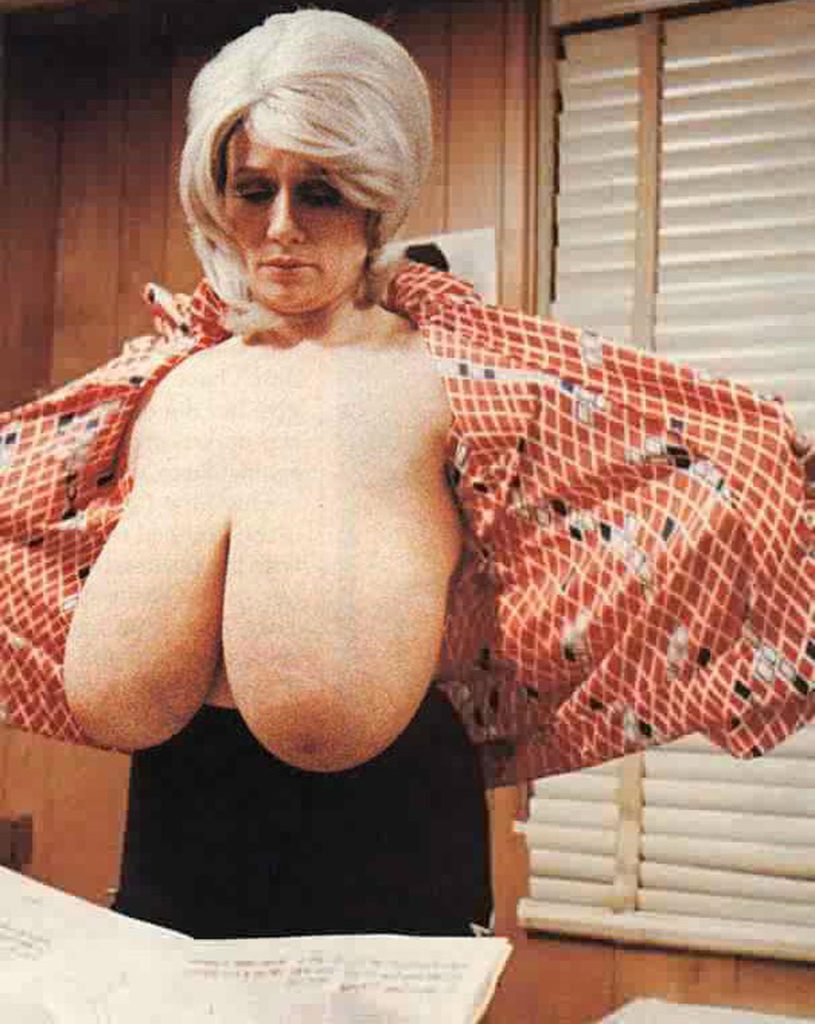
She appreciated them for providing her with financial independence and for forcing her to maintain a healthy physical routine, even though the weight eventually caused her chronic back pain and forced her to wear a size 5 dress to keep her figure balanced.
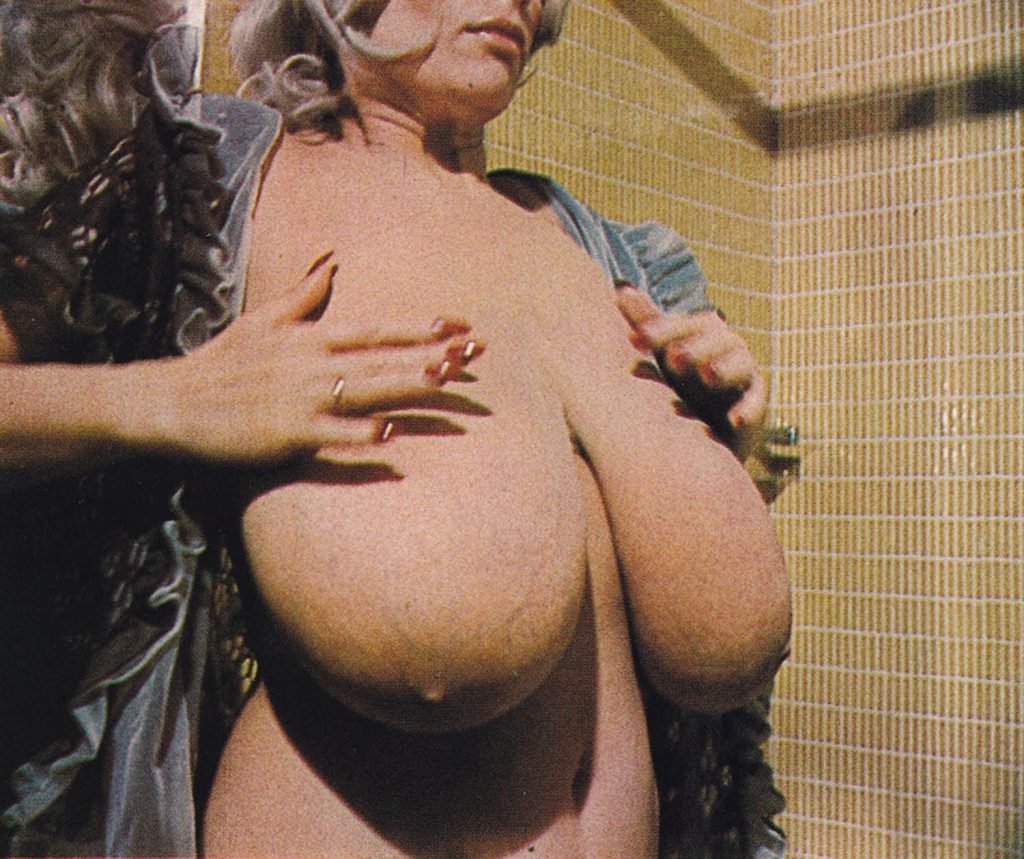
The story of how she acquired such a legendary bust is shrouded in both personal recollection and theatrical myth. Morgan recalled being completely flat-chested, “like a boy,” until the age of 17, at which point she claimed they simply began to grow.
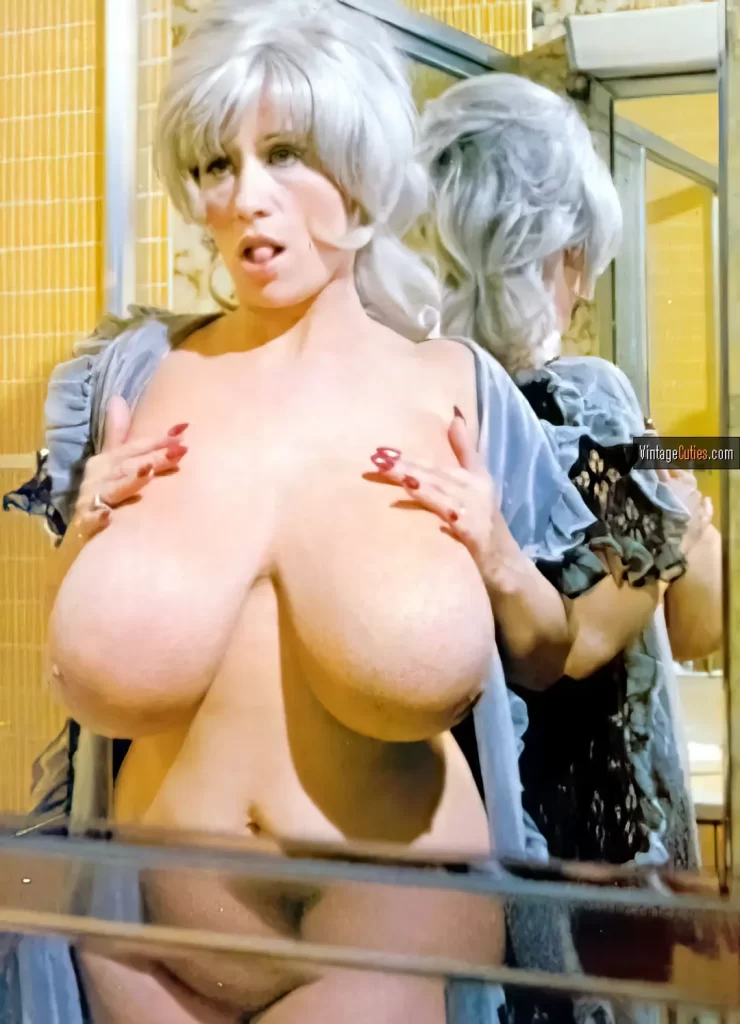
A more fantastical version of this story was recounted by Federico Fellini, who claimed Morgan told him her development occurred almost overnight. According to this account, she had been suffering from a persistent, stubborn cold, and a doctor prescribed a series of injections; within hours of receiving them, her breasts supposedly began to grow rapidly until they reached their famous proportions. Whether a biological anomaly or a medical mystery, Morgan used this sudden change to transform herself from a shy Polish orphan into a global sensation.
In the world of cinema, her breasts were treated less as anatomy and more as a “special effect” or a literal weapon. Director Doris Wishman capitalized on this by creating films where Morgan’s character, Crystal, used her bosom to commit “boobacide,” smothering hitmen to death as an act of revenge.
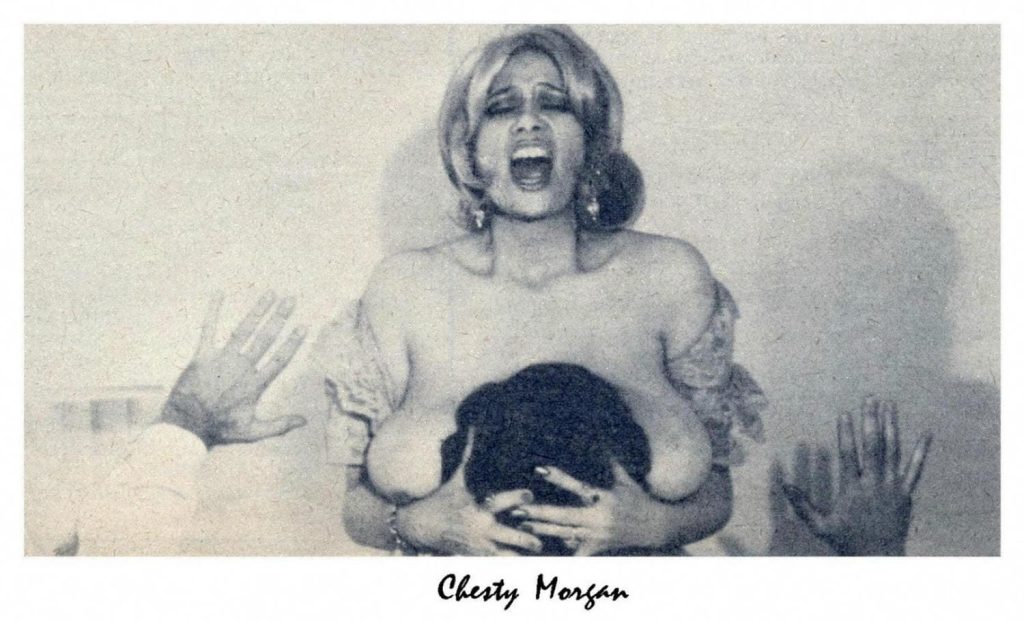
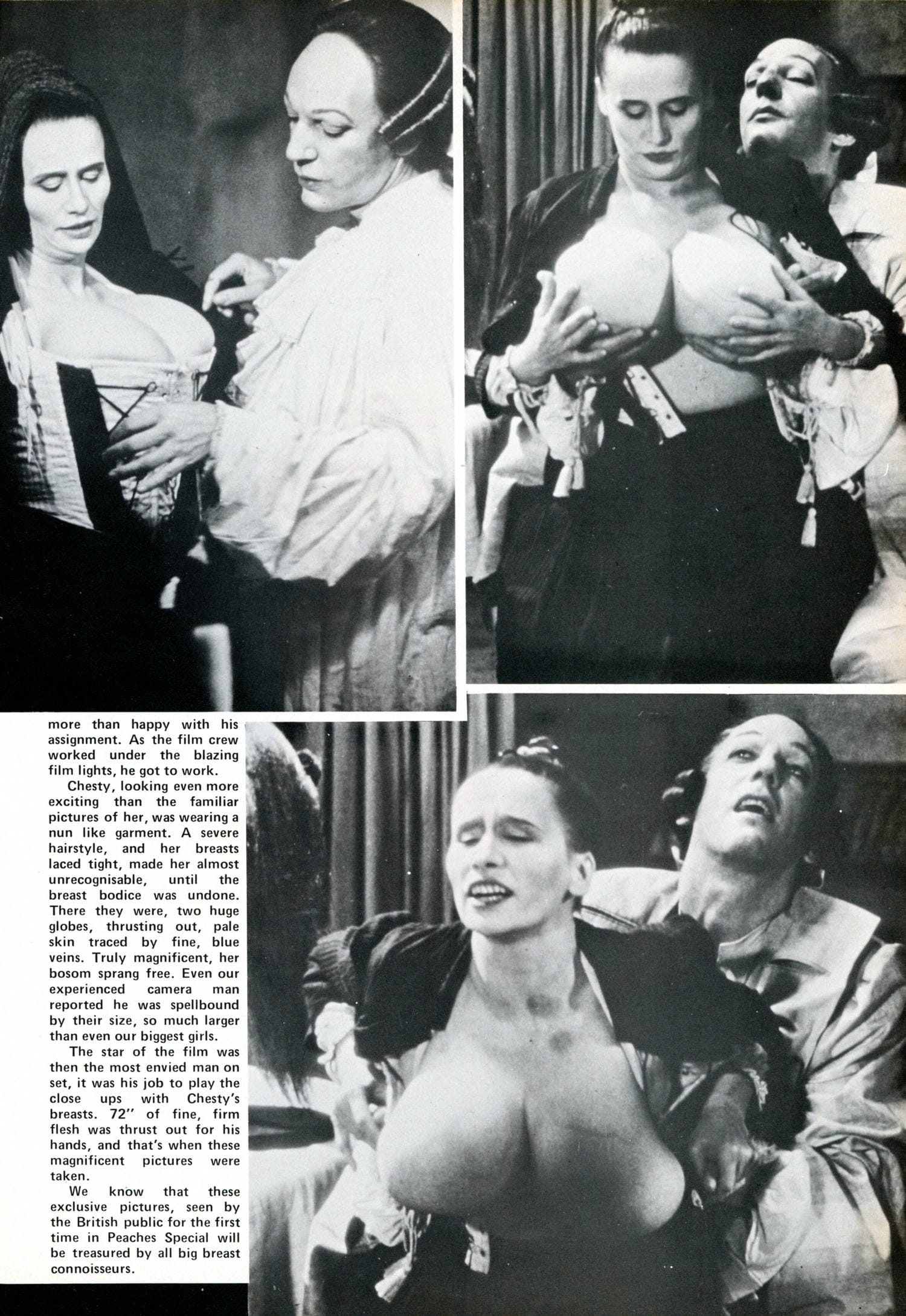
In another film, Wishman had a micro-camera surgically implanted in Morgan’s breast, turning her body into a literal surveillance device. While Wishman saw her as a gimmick, the celebrated director Federico Fellini viewed her breasts through a more symbolic and artistic lens. Fellini described her bosom as a “spectacle of lightness,” contrasting it with the “grim” or “torve” breasts of other characters in his films, and he cast her as a symbolic wet nurse in his film Casanova.
She even used the word to describe her acting work, such as when she told an interviewer that her role in Federico Fellini’s Casanova was simply that of “a woman with big boobs”
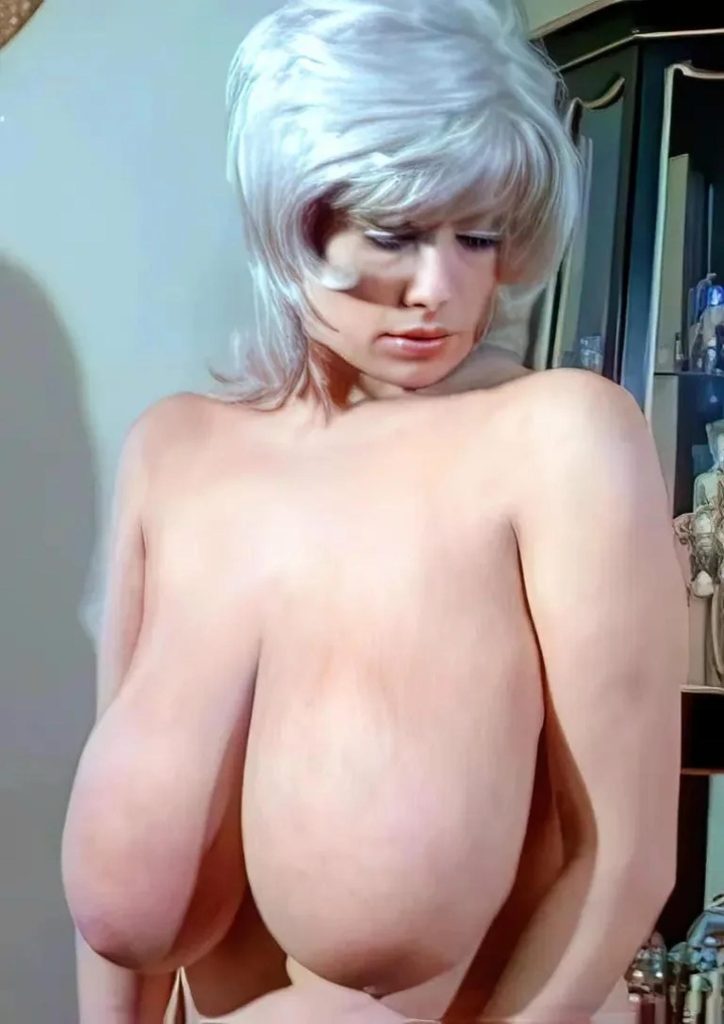
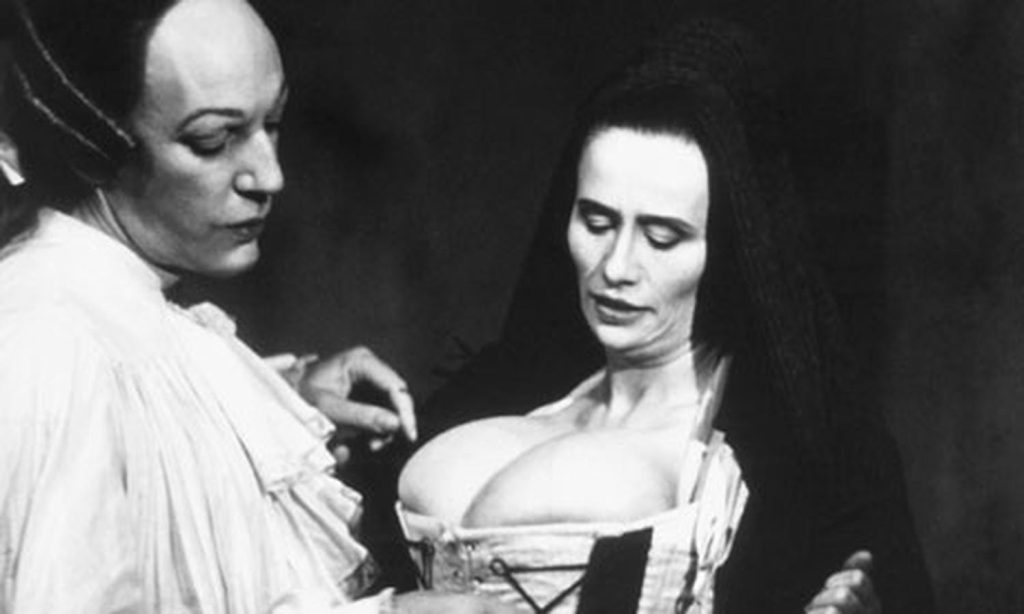
Although her scenes were ultimately cut from the theatrical release, other actors like Donald Sutherland and Harry Reams participated in the spectacle, with Sutherland famously chasing her around a table in Rome.
Chesty Morgan’s influence on cinema and her cultural legacy remain significant, as she is considered the original archetype for the “super-breasted” models and adult stars who emerged in the 1980s. Her career bridged the gap between classic burlesque and modern exploitation, and she eventually earned induction into the Burlesque Hall of Fame alongside icons like Mae West and Gypsy Rose Lee.
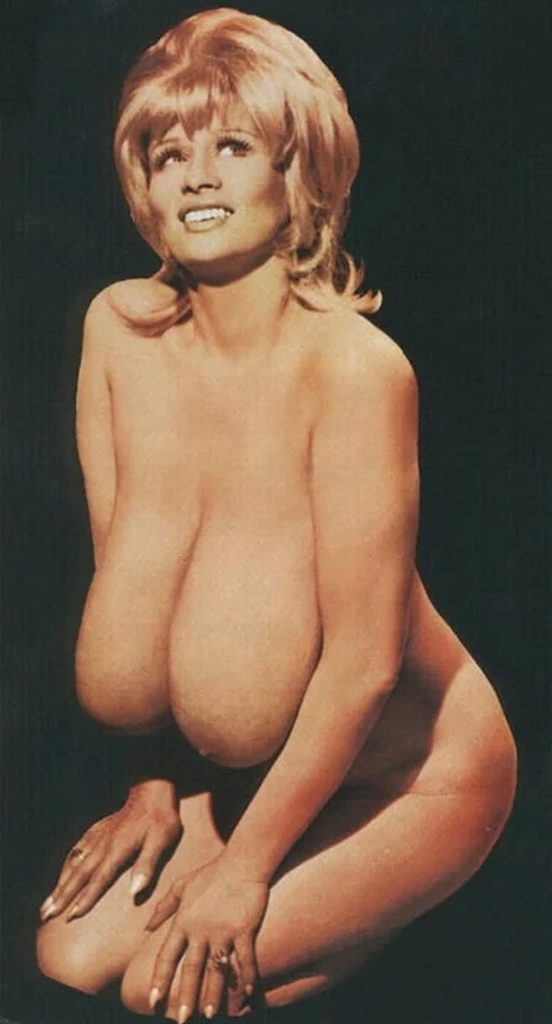
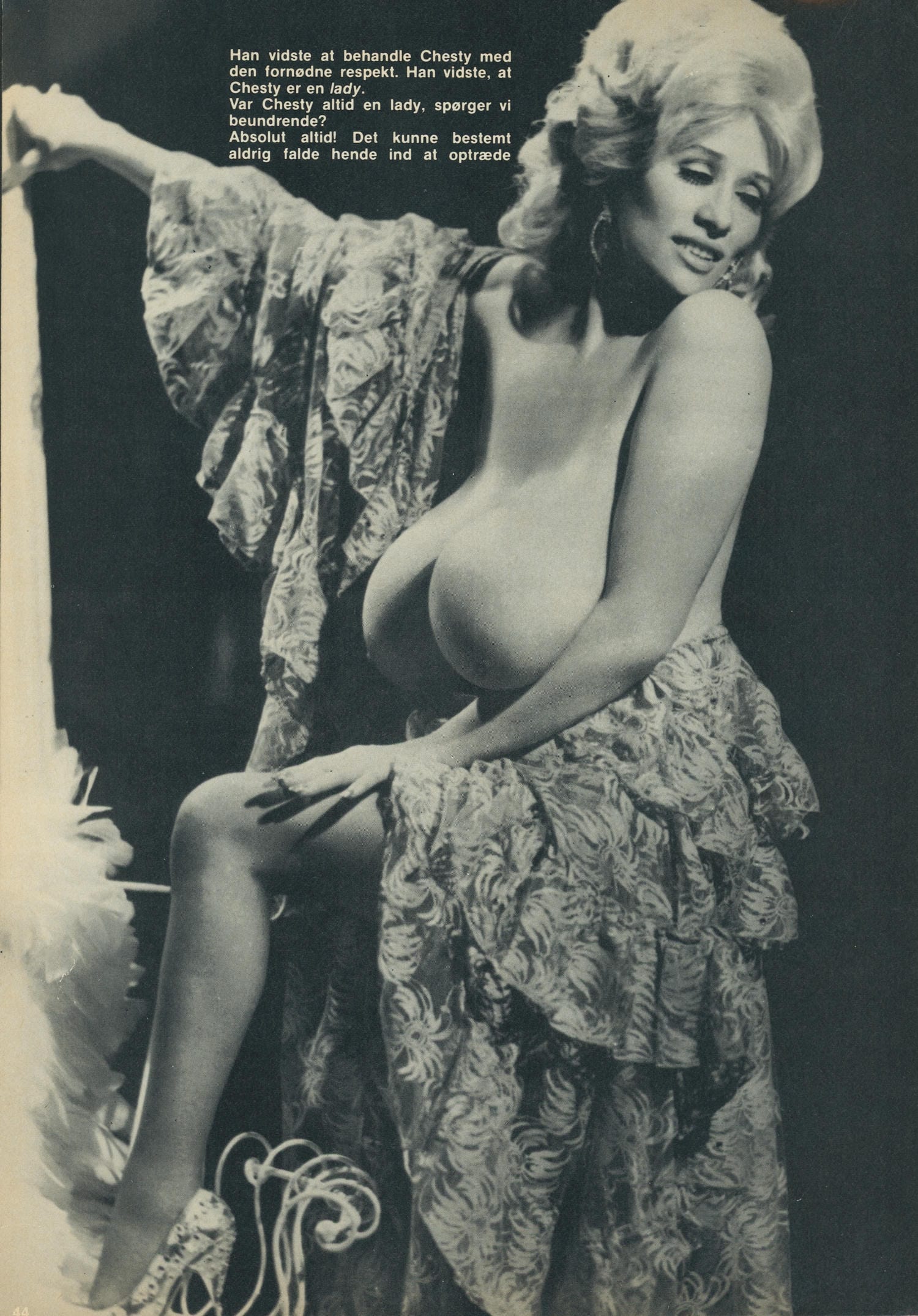
A crucial detail highlighted is that Morgan never posed for full nudity. In her magazine appearances, burlesque shows, and films, she appeared exclusively topless. She famously maintained that she was not a “porno star” and stated that men prefer “something left to the imagination, something discreet”. Consequently, she never stripped below the waist, typically wearing at least a G-string.
Sexy appearances in movies
Deadly Weapons (1973)
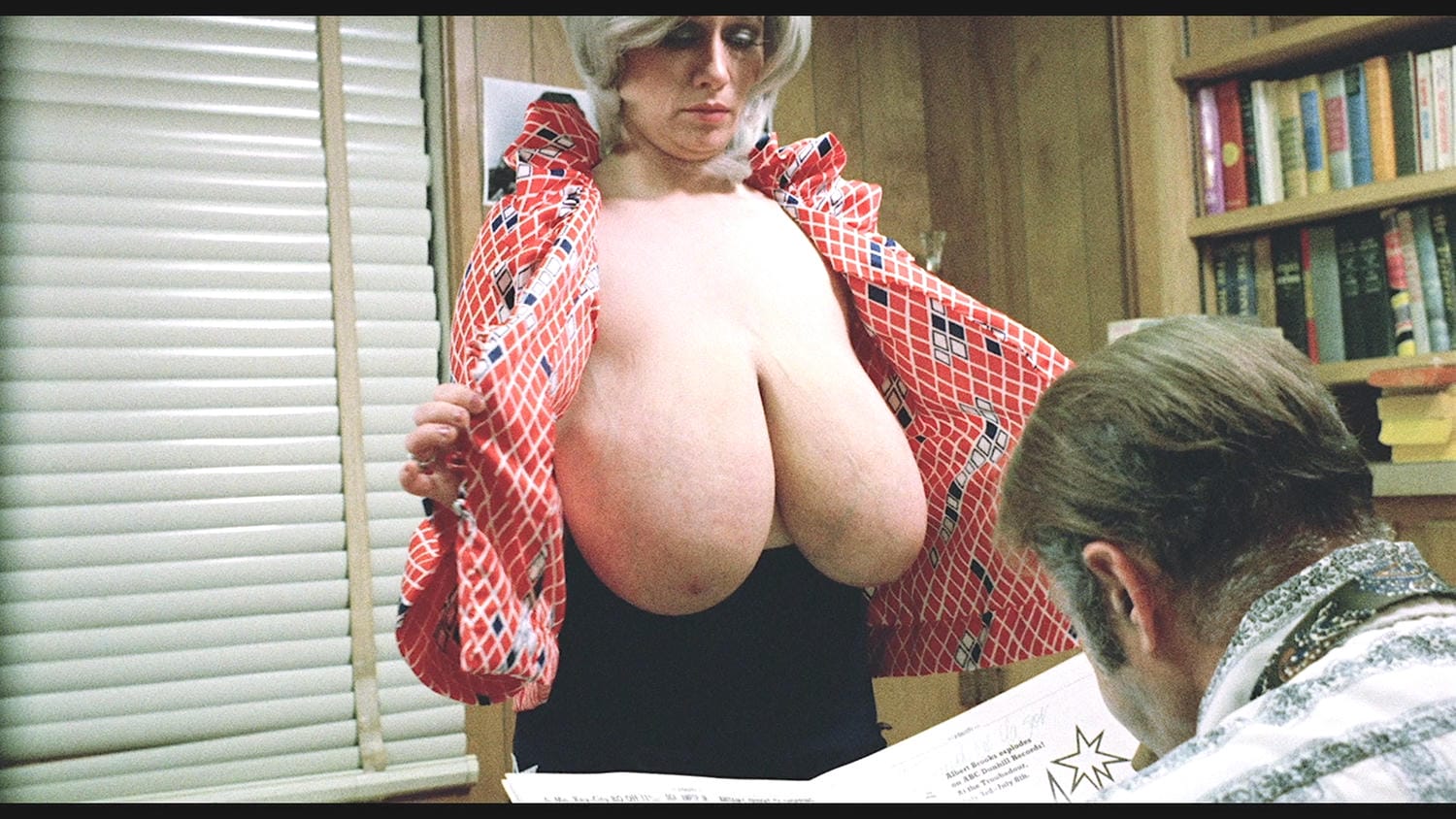
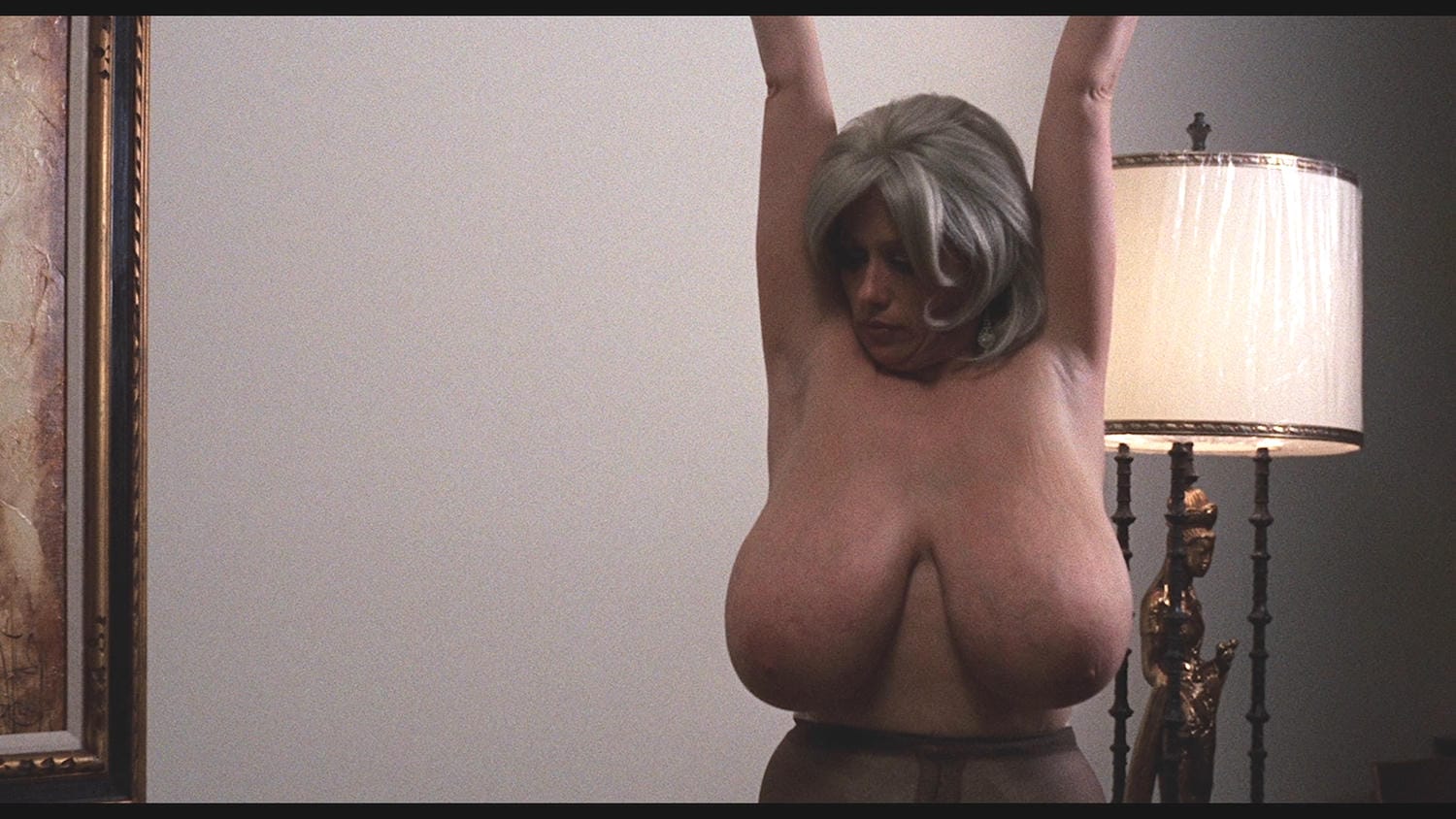
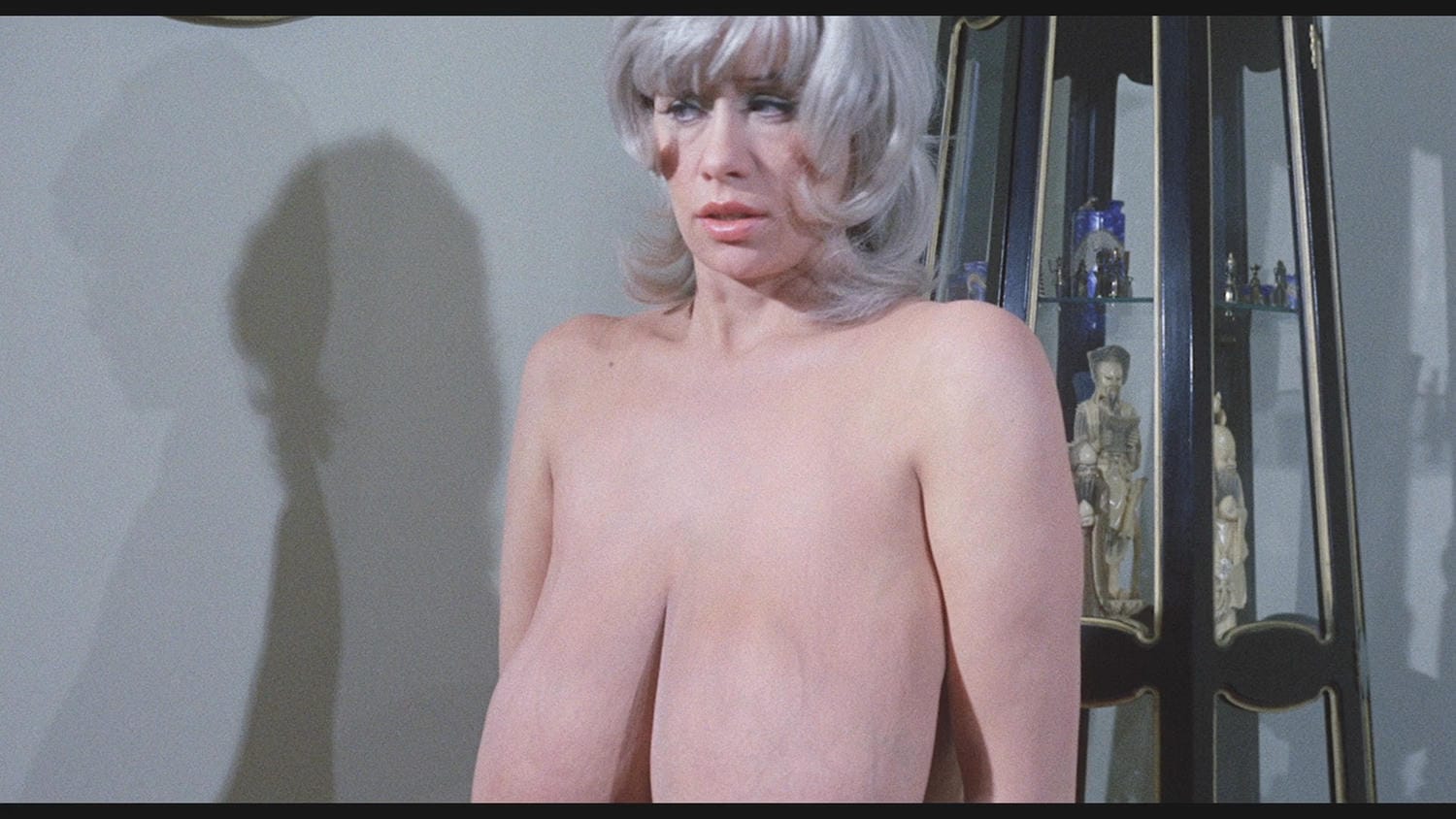
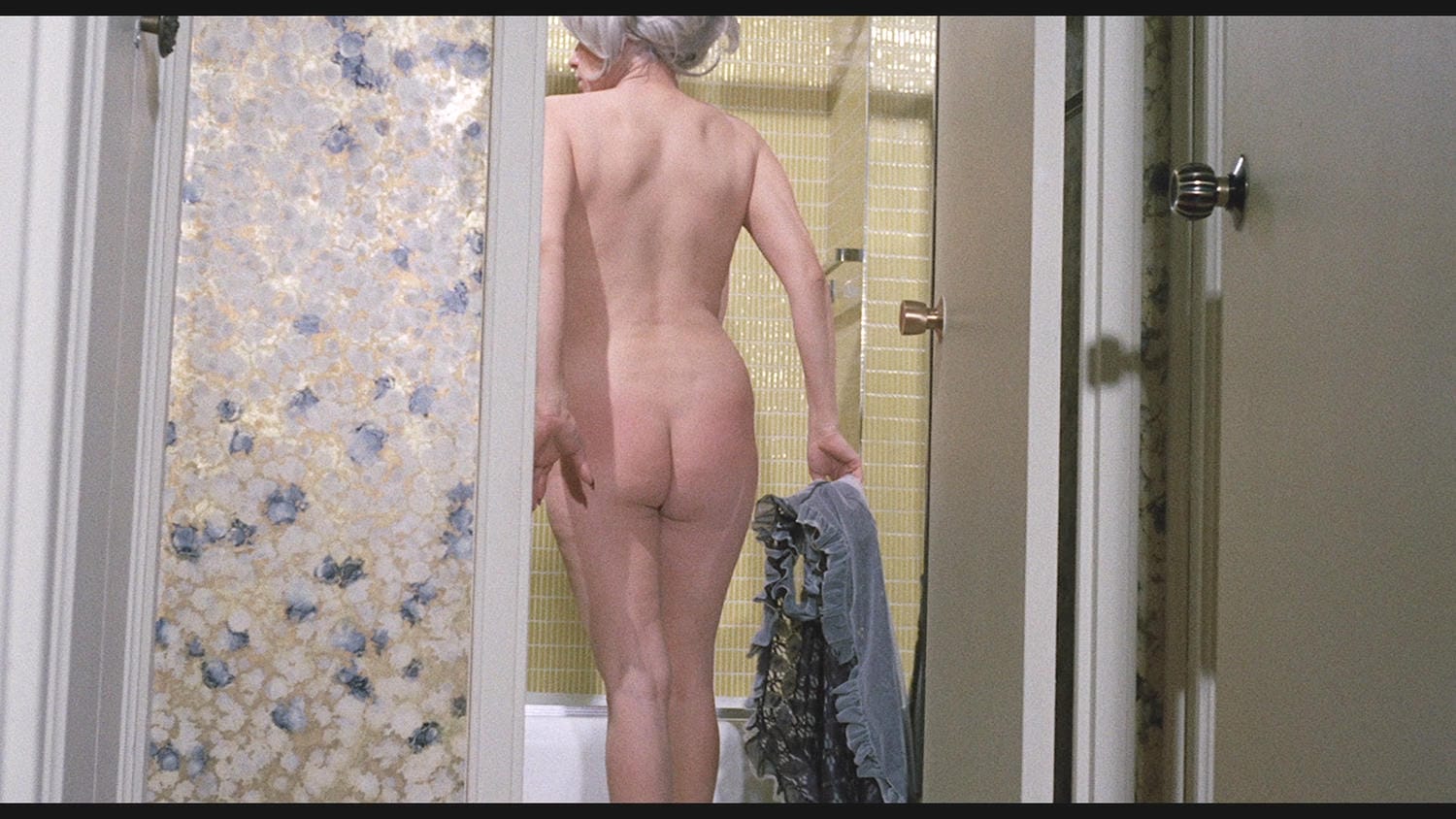
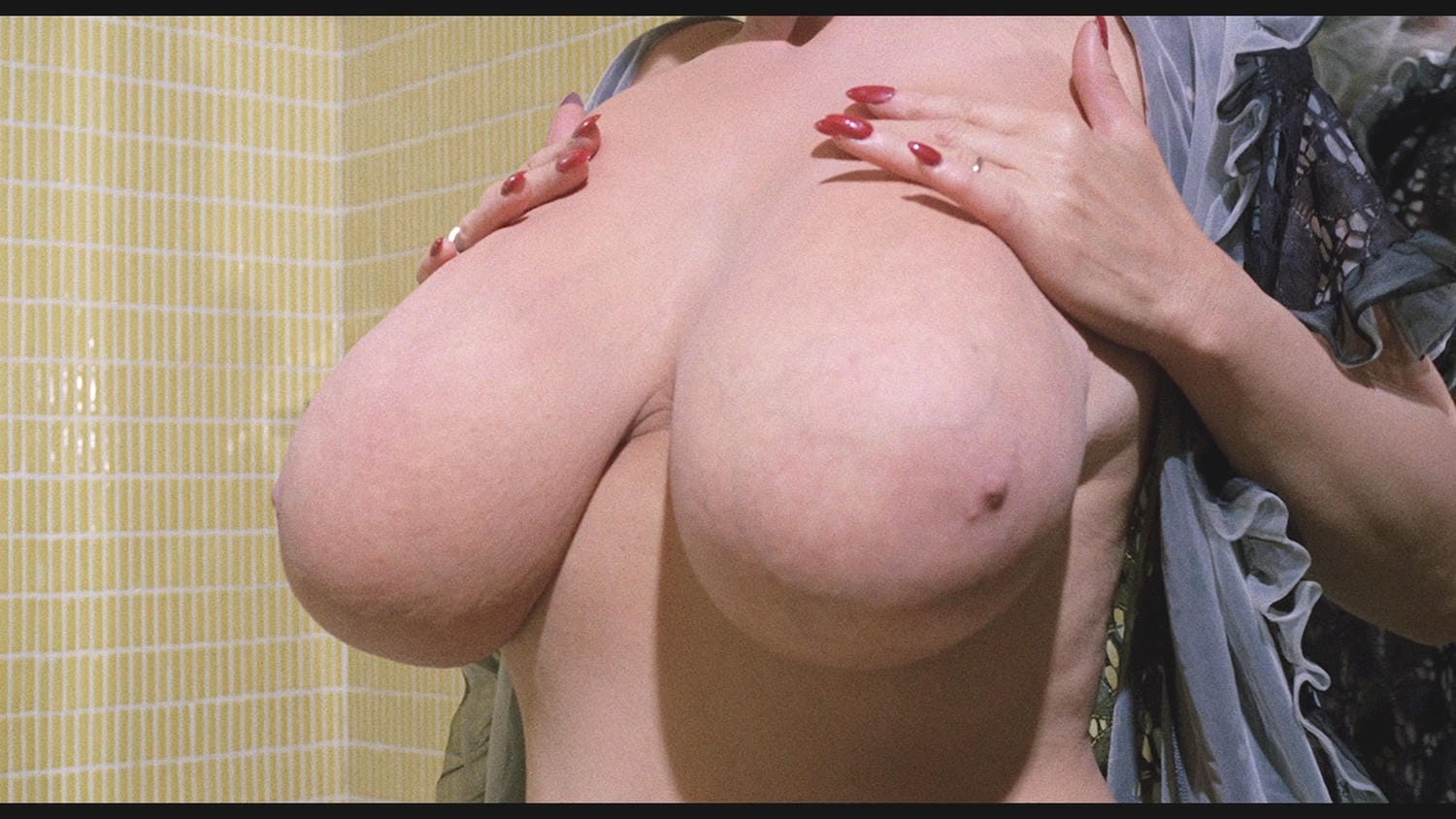
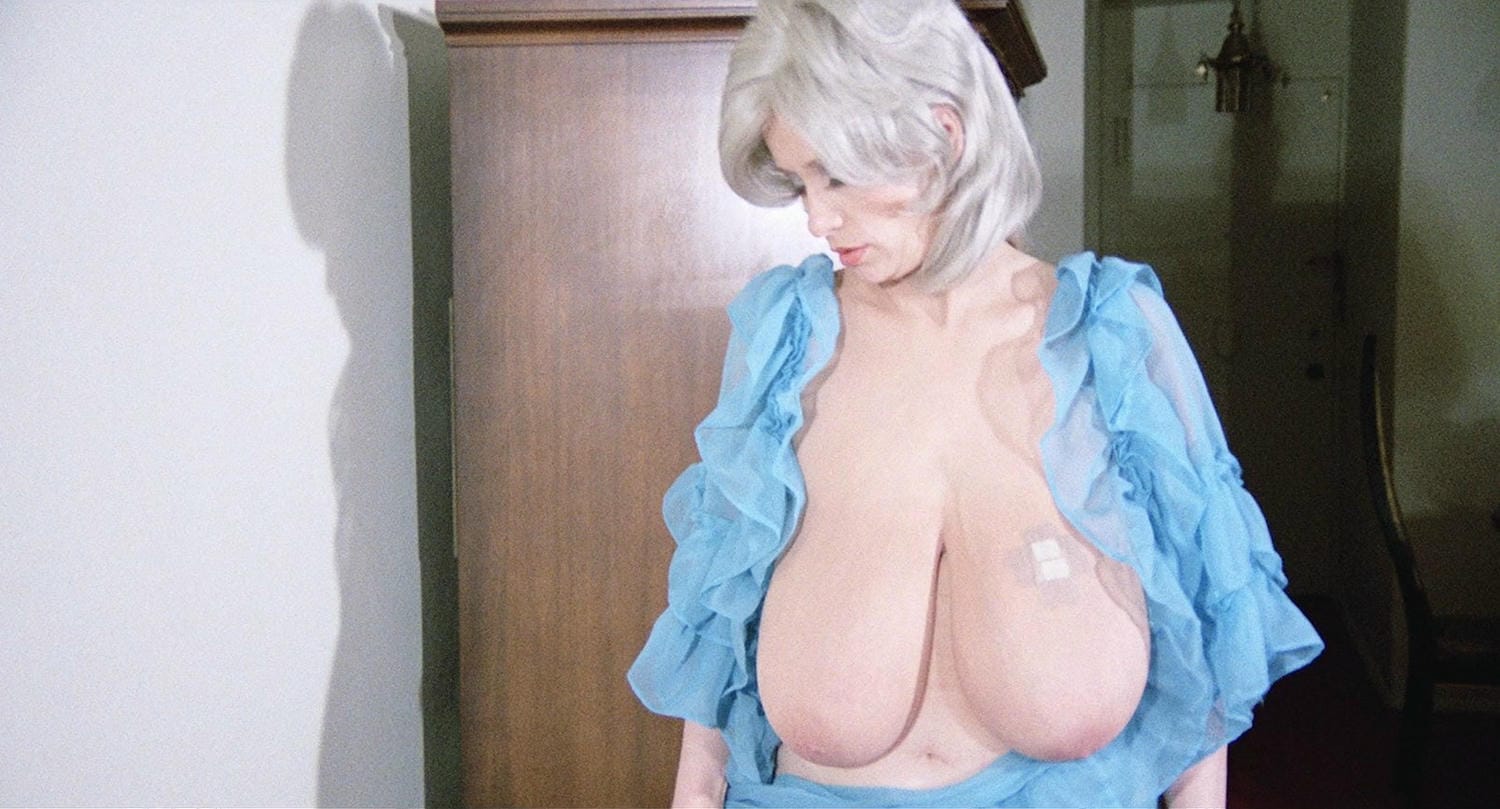
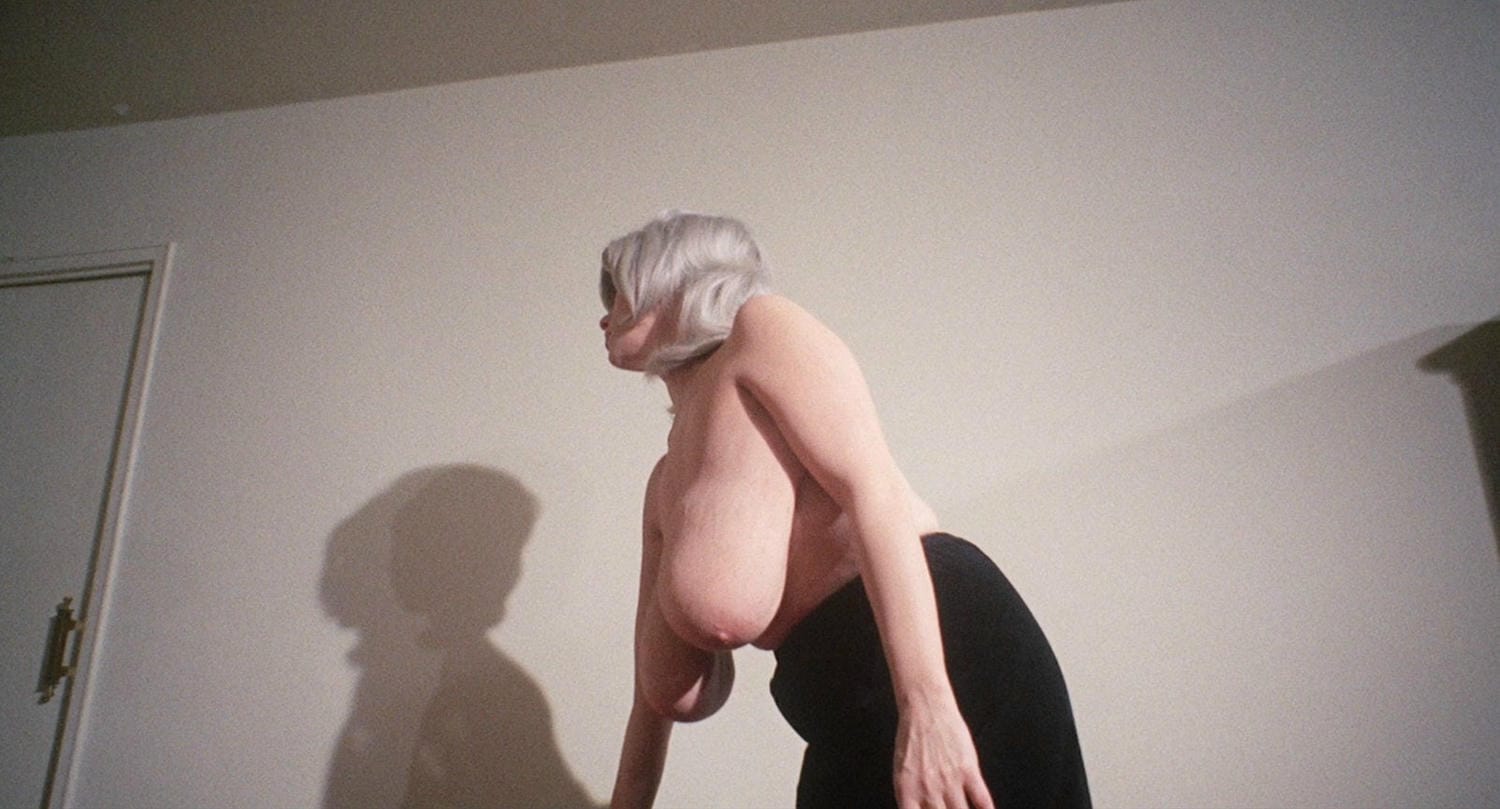
Chesty Morgan’s film career began with the 1973 production Deadly Weapons, directed by Doris Wishman, where she starred as a character named Crystal.
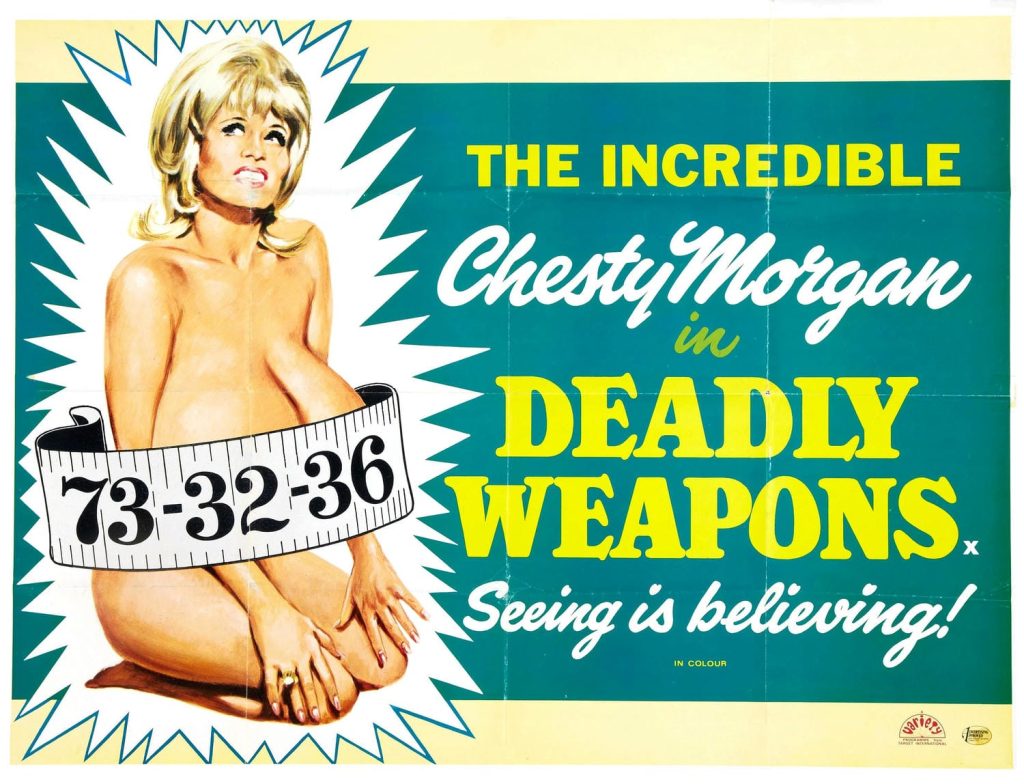
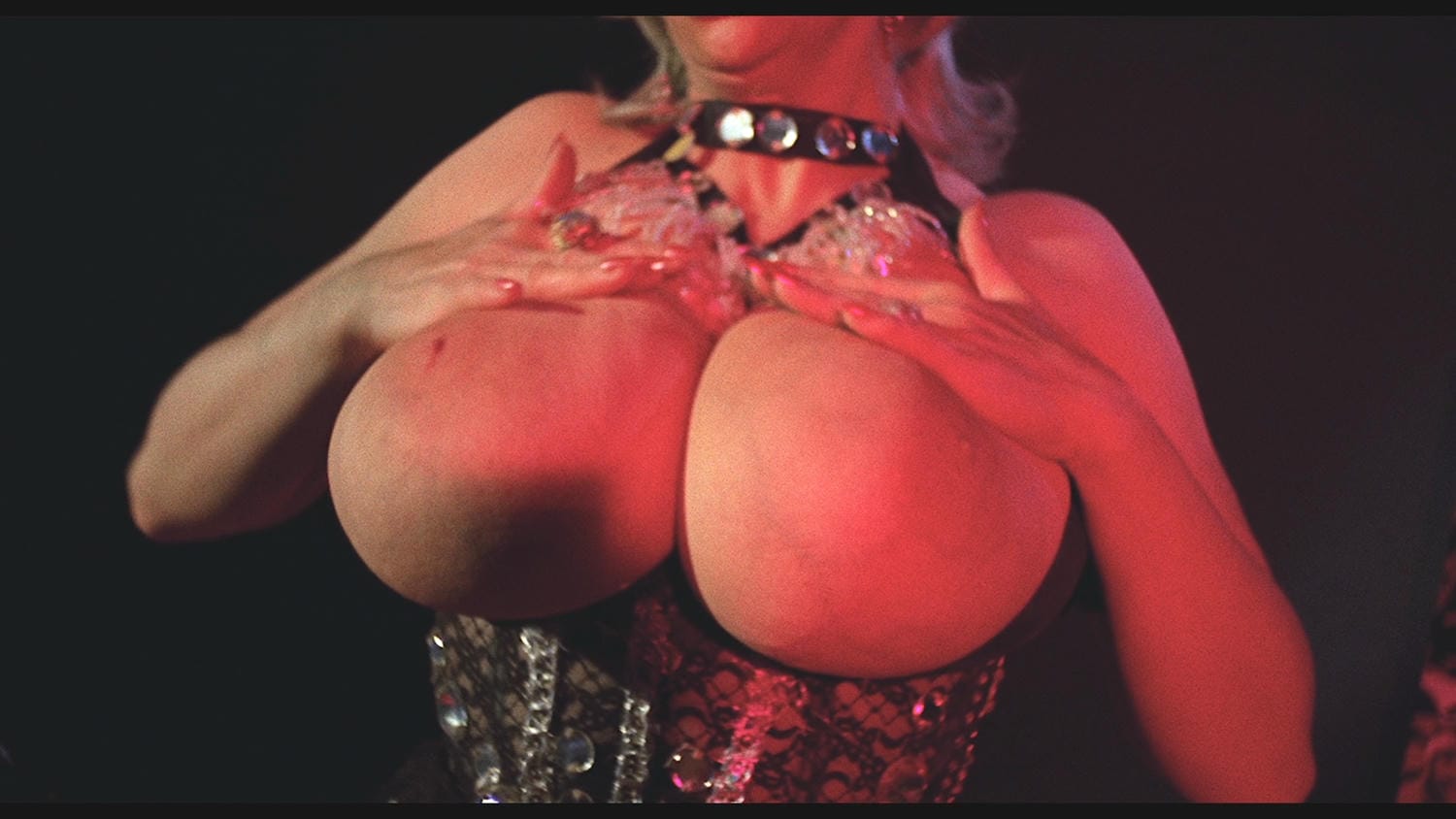
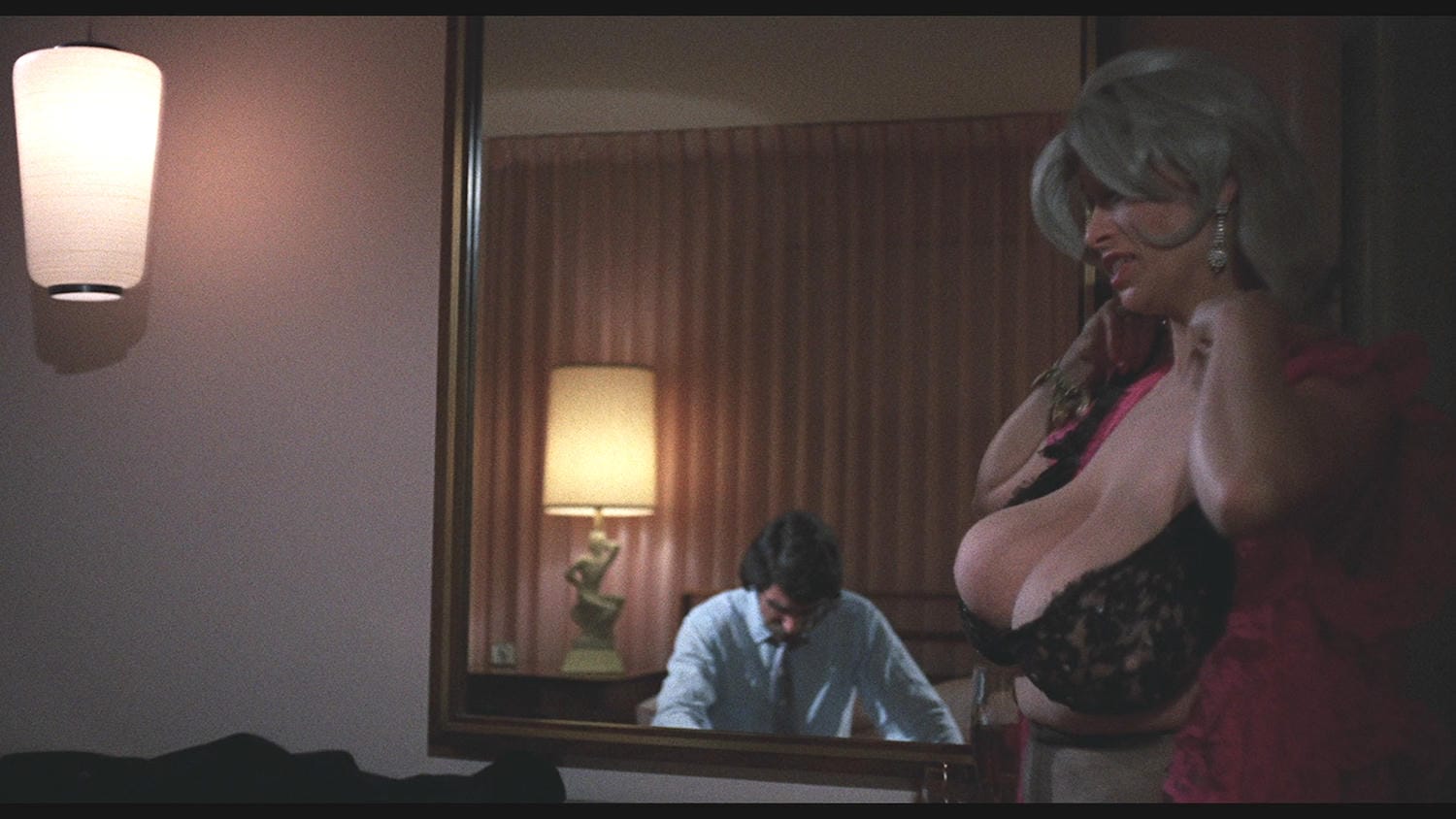
The plot follows Crystal as she seeks revenge for the murder of her mobster boyfriend, Larry, who was killed over a blackmail scheme; she tracks the killers to Las Vegas, where she finds employment as a burlesque dancer under the stage name Zsa Zsa,. Her body in this film is presented as a literal special effect, centering on her natural 73-inch bust, which the 1988 Guinness Movie Facts & Feats recorded as the largest for a film star. Critics and observers described her physique in this role as a “living arterial sculpture” and an “animated cartoon,” while the film famously introduced the concept of “boobacide,” a method where Crystal smothers the hitmen to death using her massive breasts.
Double Agent (1973)
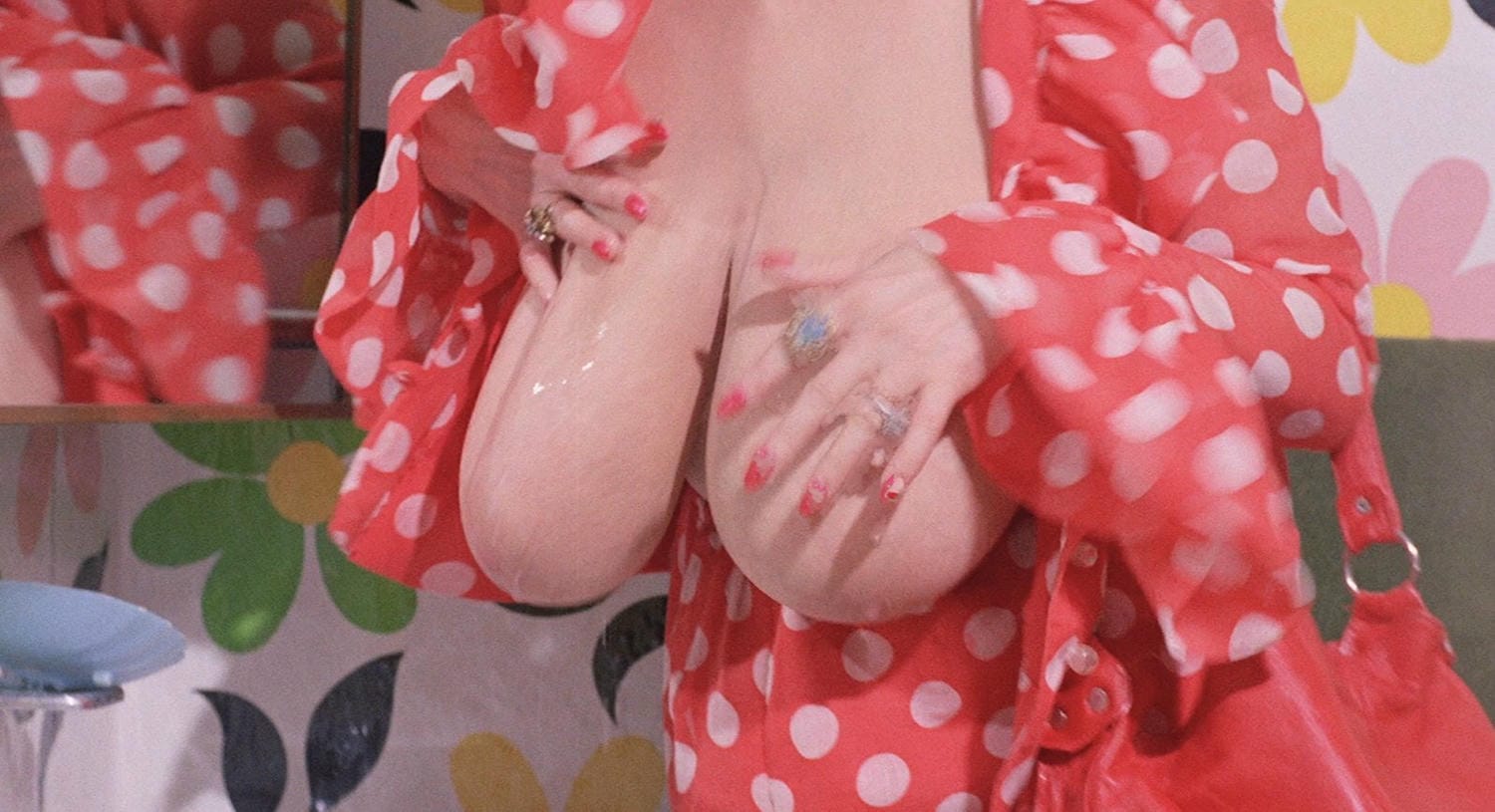
In 1974, Morgan starred in the sequel Double Agent 73, also directed by Wishman, playing a secret agent named Jane Genet.
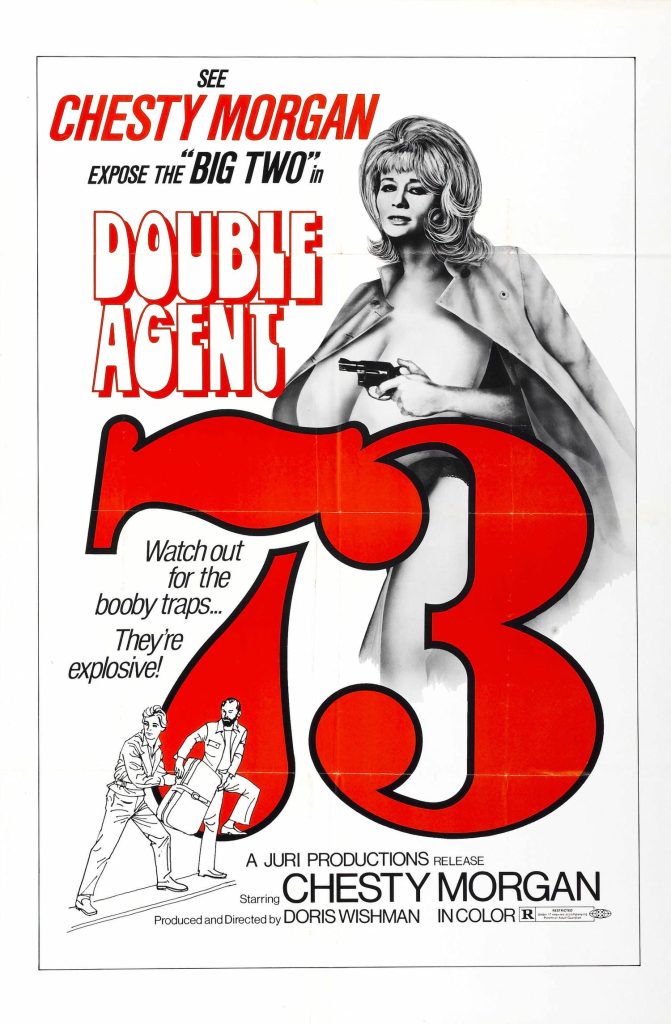
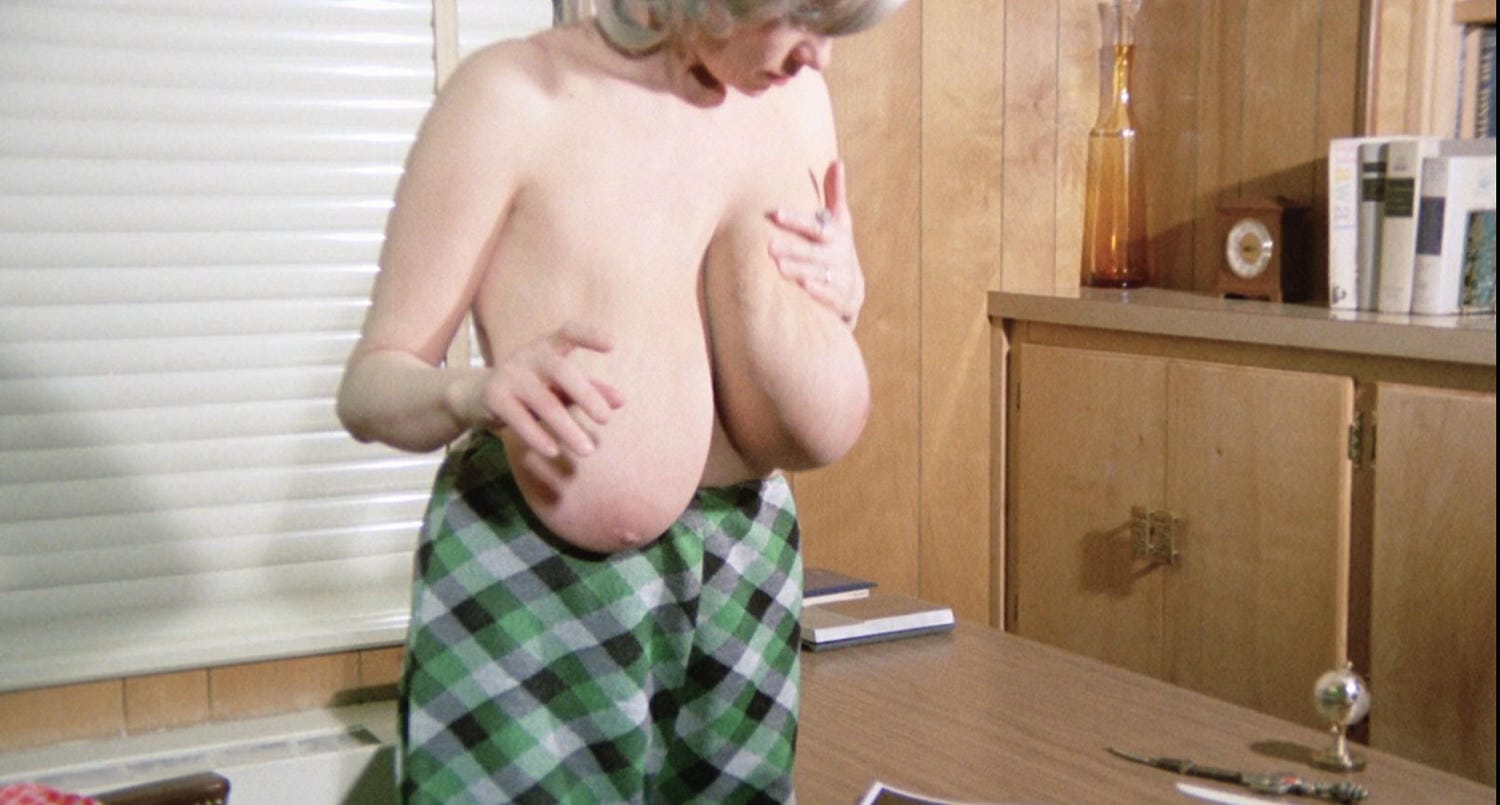
The plot of this film takes the instrumentalization of her body even further, as a micro-camera is surgically implanted into her left breast to allow her to take clandestine photographs of villains. Her body is portrayed less as a sexual object and more as a weaponized surveillance device, requiring her to expose herself to trigger the camera. Due to a deteriorating relationship with Wishman, her appearance in the third film of their deal, the 1975 production The Immoral Three, was significantly shortened; her character is killed off early in the story, and the film focuses on her character’s daughters instead.
The Immoral Three (1975)
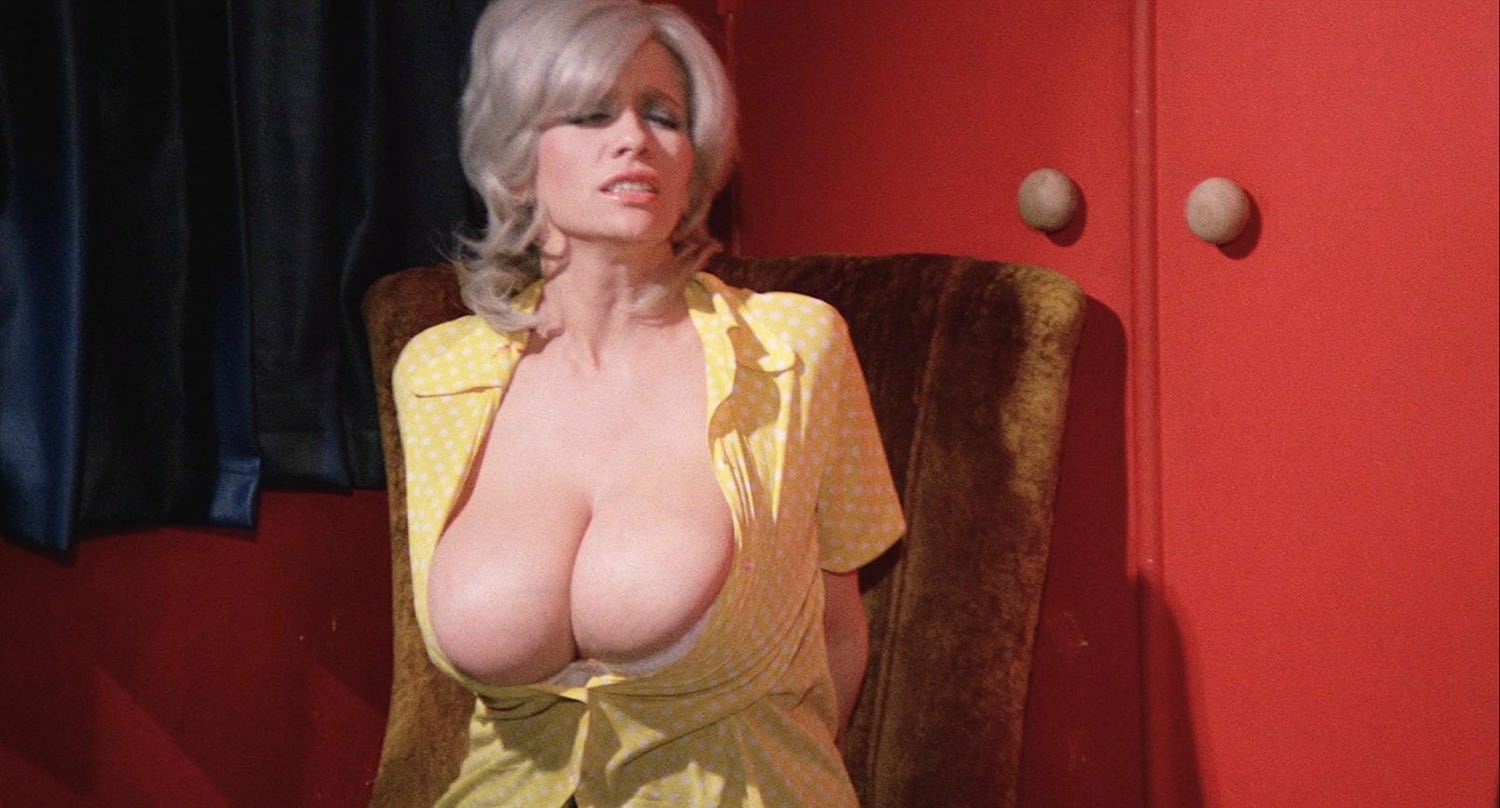
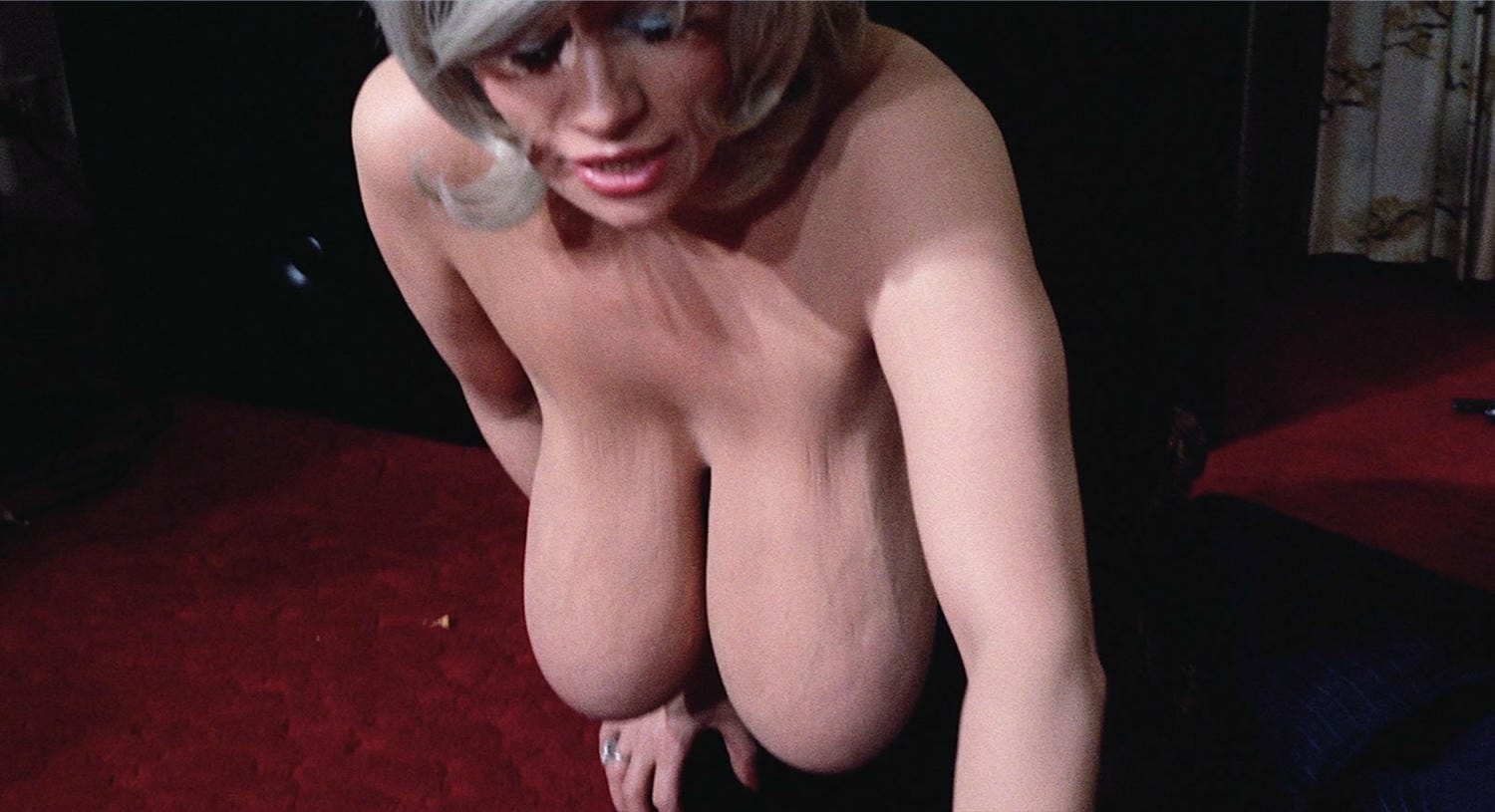
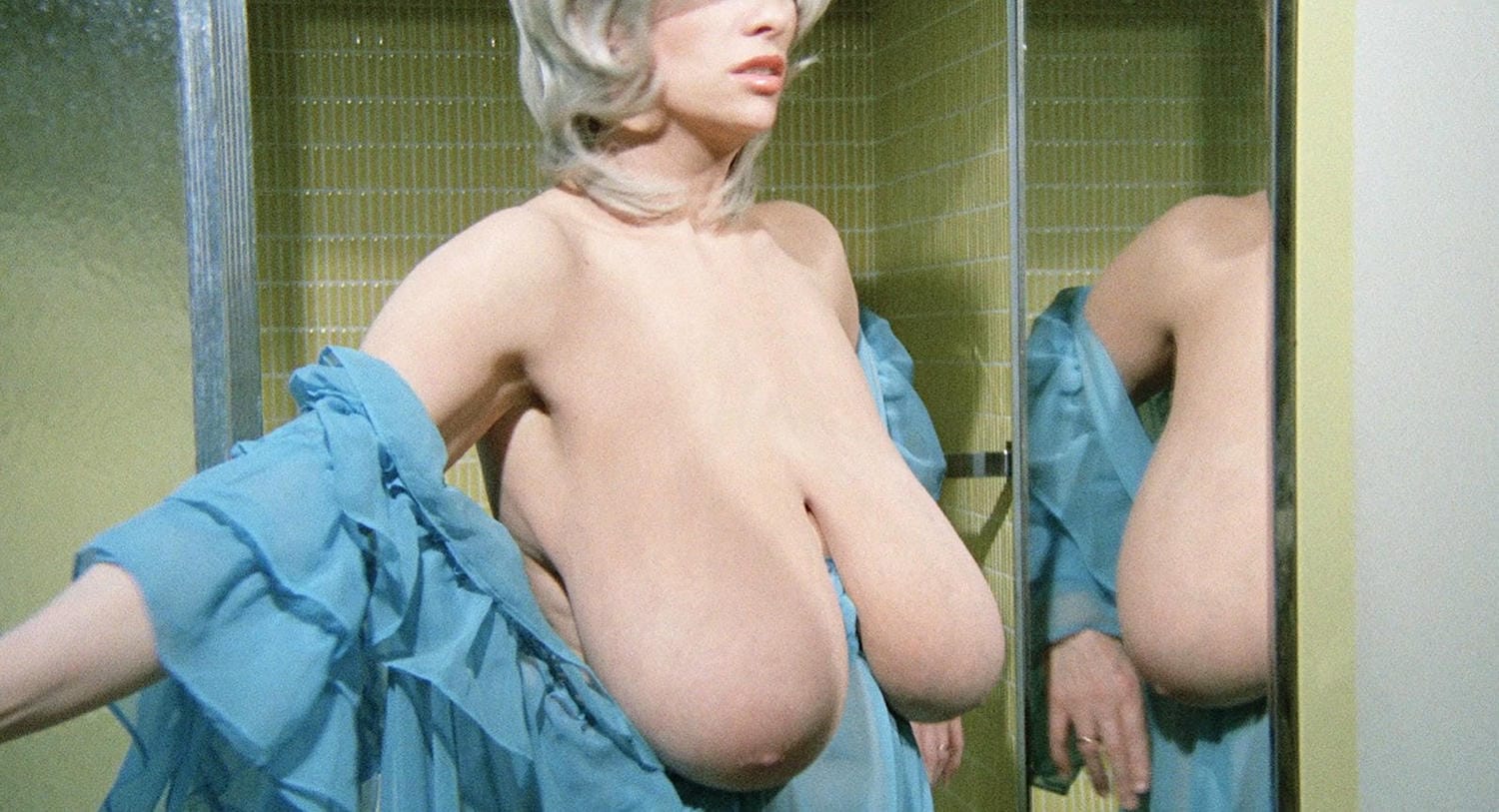
The film The Immoral Three (1975) represents the final chapter of the collaboration between Chesty Morgan and director Doris Wishman, but it stands out from its predecessors Deadly Weapons and Double Agent 73 due to the actress’s marginal role. While Wishman had initially planned a trilogy featuring Morgan as the absolute lead, their professional relationship rapidly deteriorated during production. The director accused Chesty of acting like a “prima donna” and being consistently late to the set.
Other accounts suggest that the friction was so intense that some footage was lost, or that Wishman was forced to change cinematographers halfway through filming. Due to this deep animosity, Doris Wishman decided to have Chesty’s character killed off early in the story; although she briefly appears as Agent 73, she is removed from the plot almost immediately.
The film’s title actually refers not to Morgan, but to her three daughters, who are introduced to the audience during their mother’s funeral. Consequently, Chesty Morgan’s screen time is drastically reduced compared to her previous films, where her famous natural 73-inch bust was the central and almost sole focus of every scene.
This production marked the definitive end of the contract between the two women, leaving the original plan for three films focused entirely on Chesty as the leading star unfinished.
Casanova (1976)
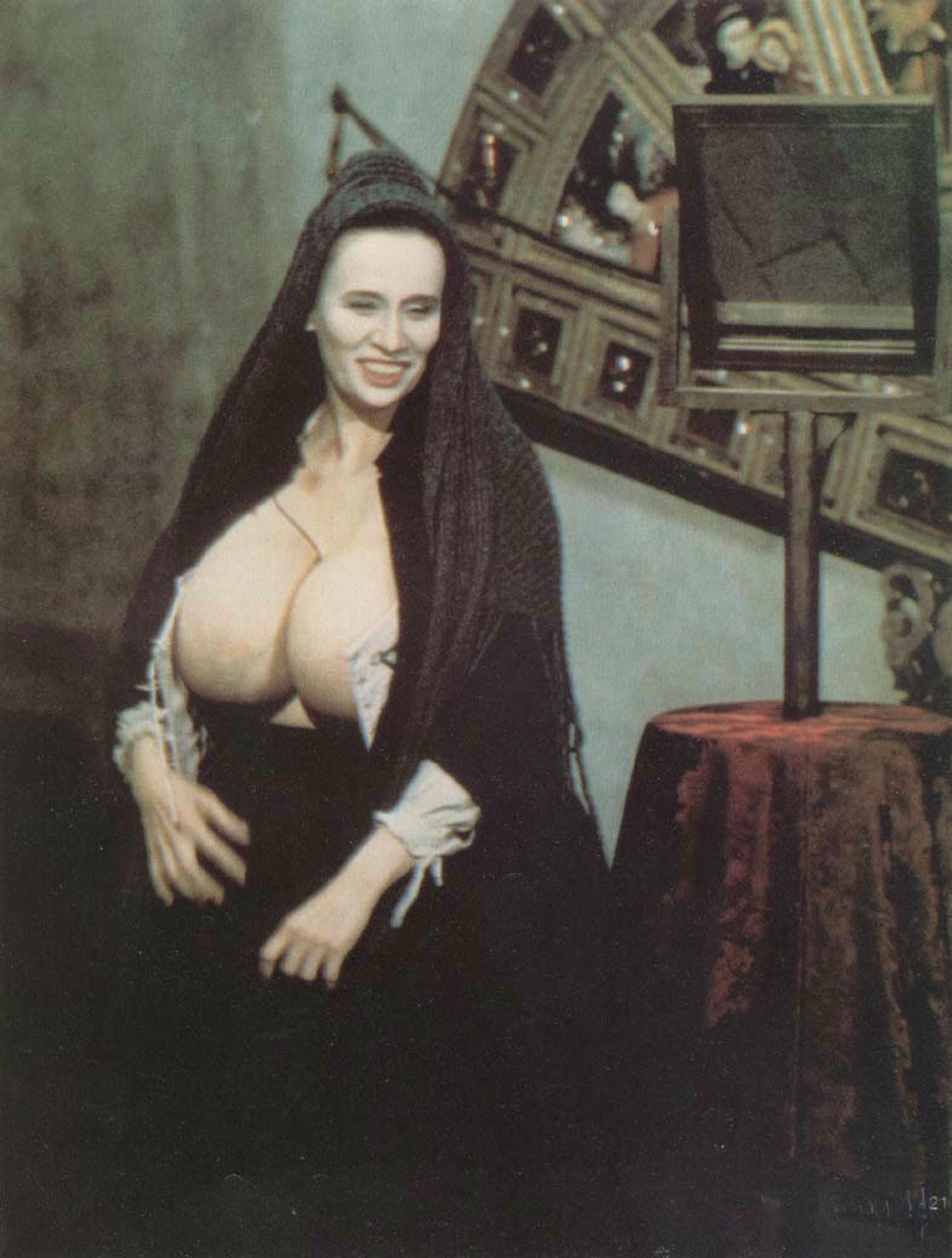
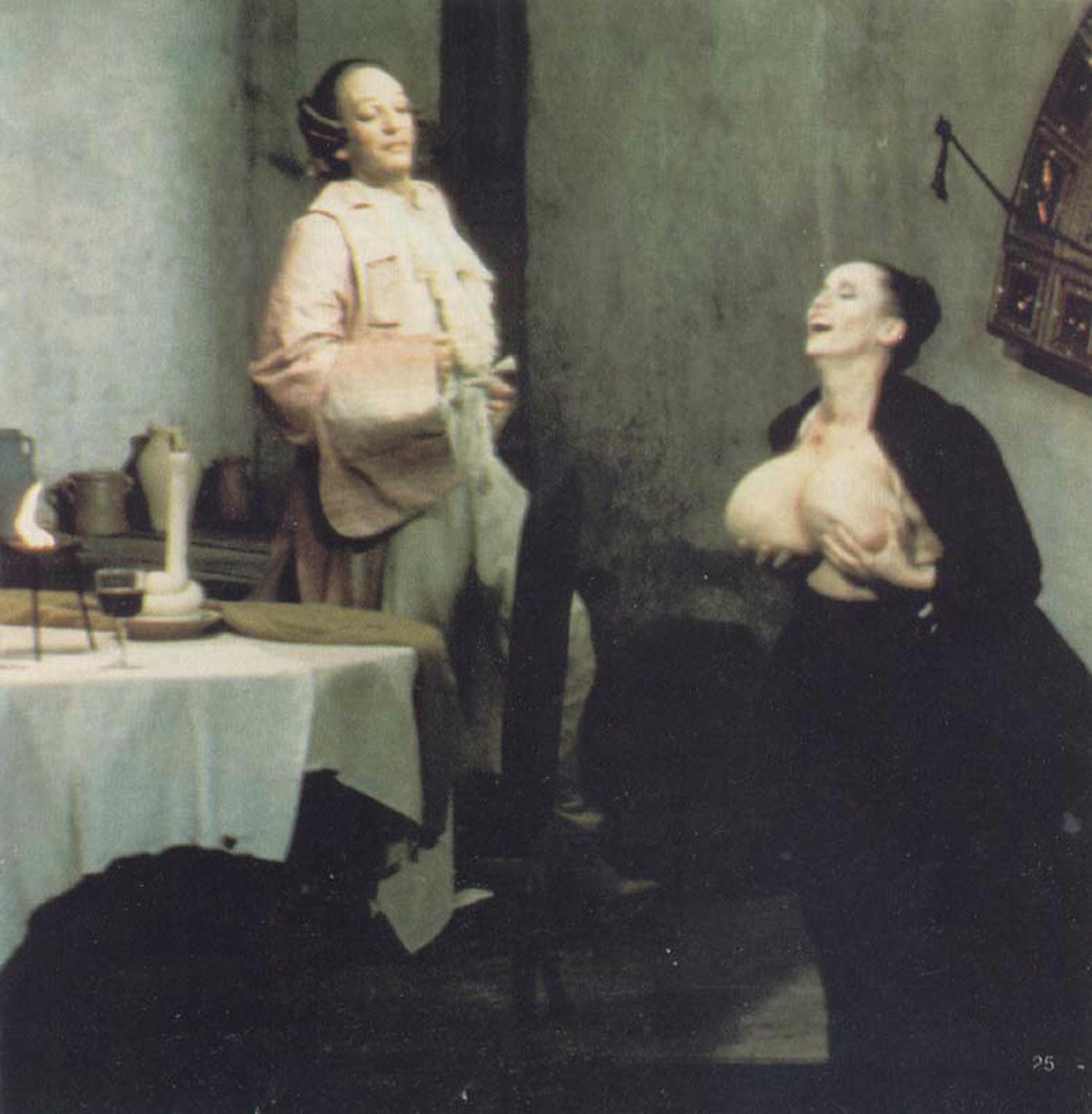
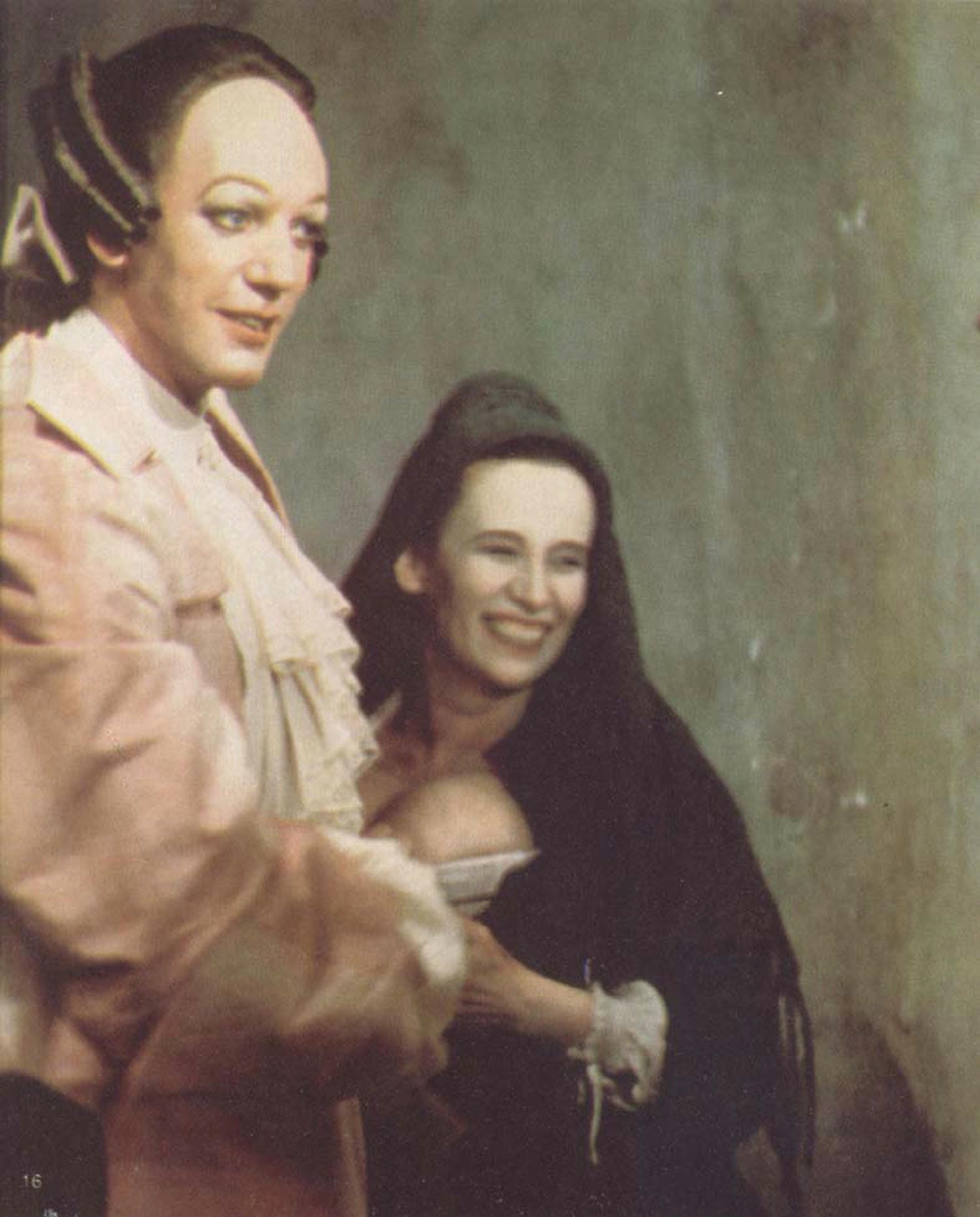
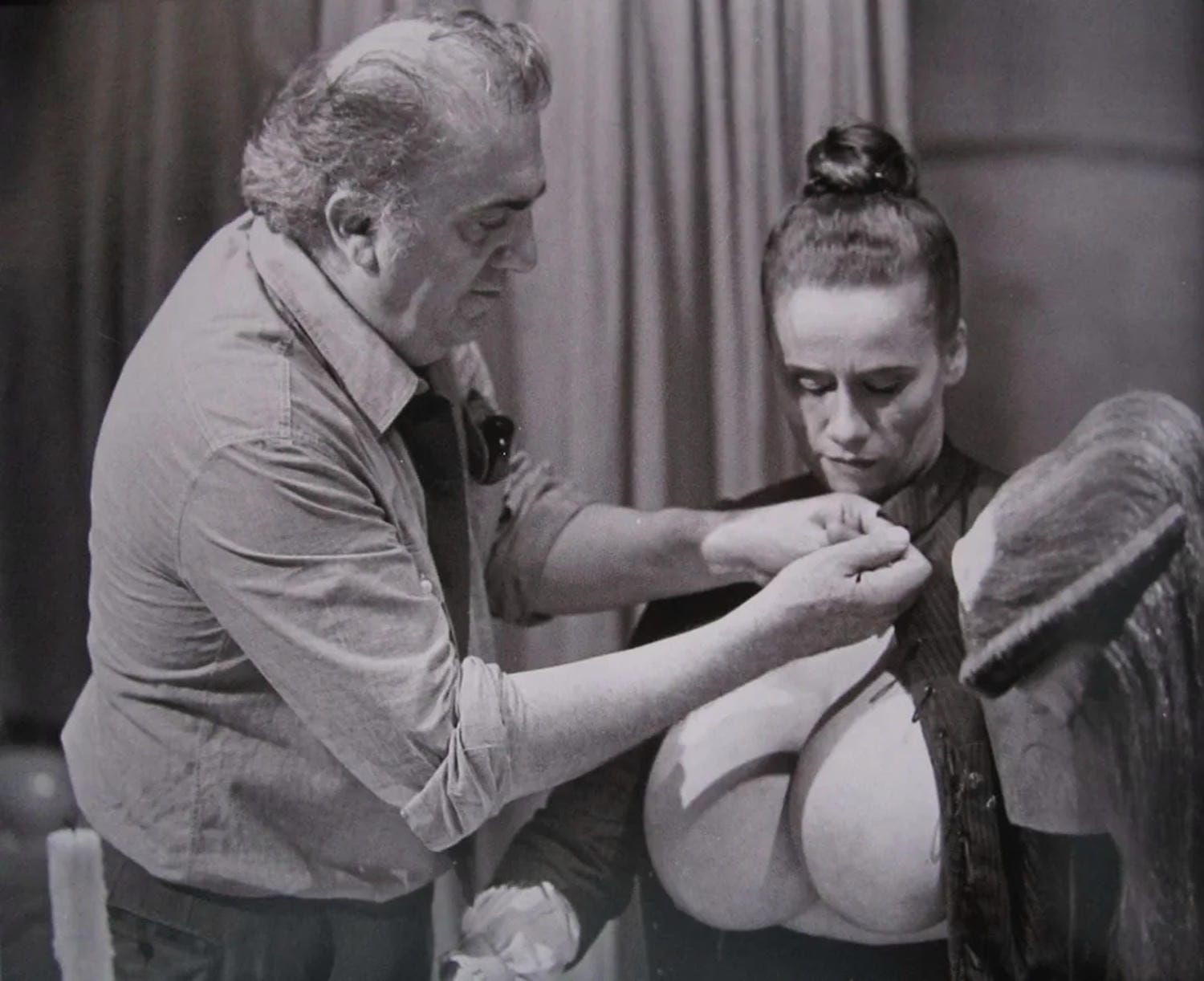
In 1976, Morgan appeared in Federico Fellini’s Fellini’s Casanova as Barberina, a symbolic maid or governess.
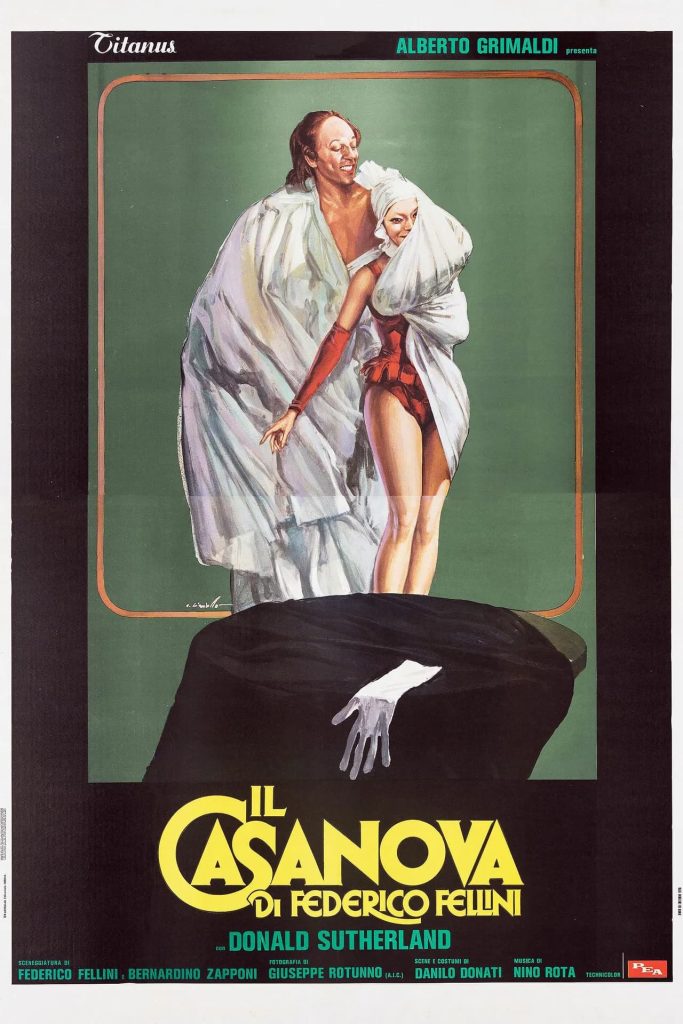
In her deleted scene, she is chased around a table by Donald Sutherland’s Casanova, a role in which Fellini viewed her breasts as a “spectacle of lightness,” contrasting them with what he perceived as the “grim” breasts of other cinematic figures. During the production, she reportedly told Fellini a fantastical story about how her bosom developed to its legendary proportions overnight following medical injections for a cold. Although her scenes were cut from the final theatrical version to reduce the film’s length, they remain preserved in archival documentaries.
Third Hand (1981)
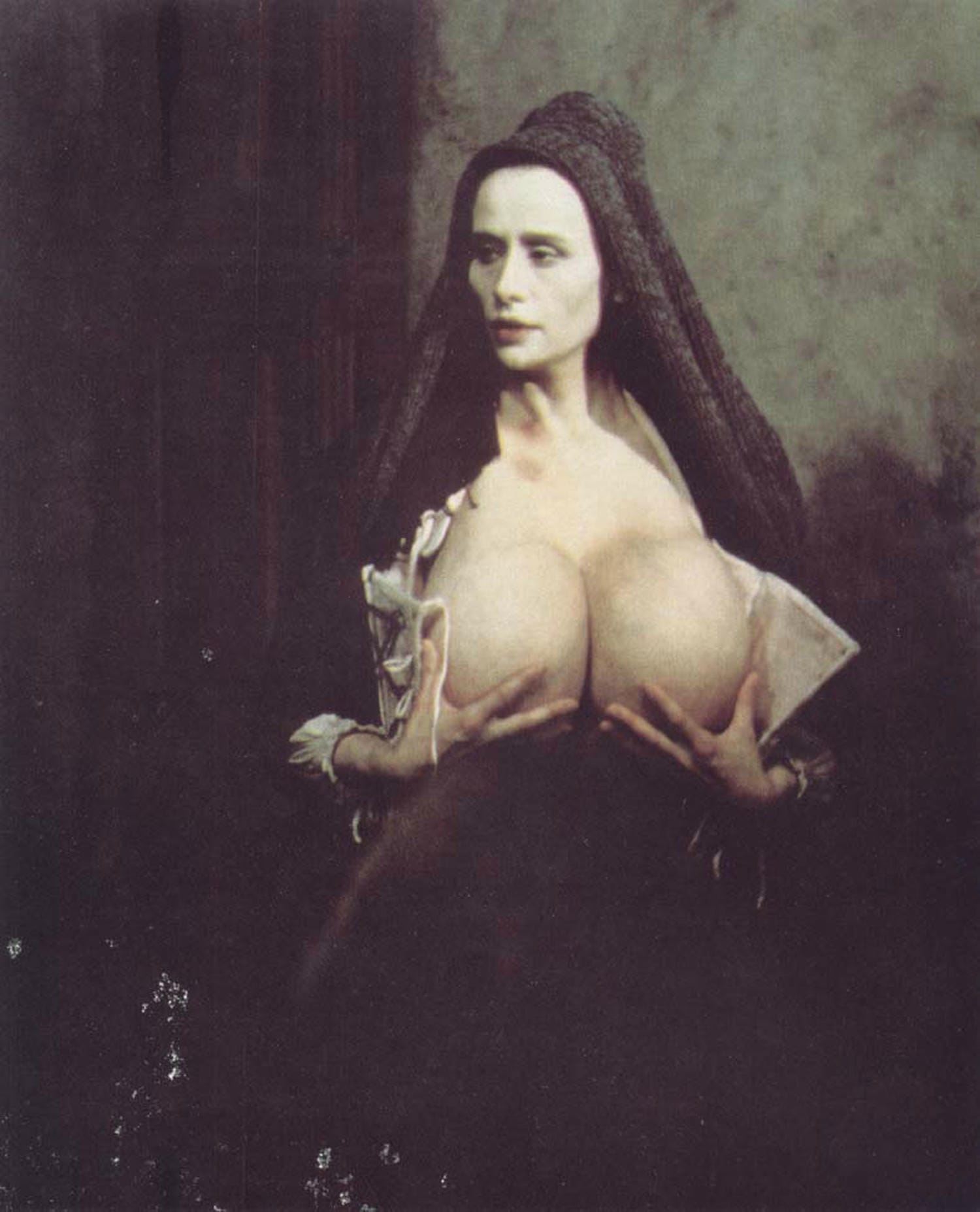
The film Third Hand, released in 1981, represents the final credited appearance of Chesty Morgan in a motion picture, bringing a symbolic close to her acting career. In this production, she was billed under the name Zsa Zsa, which was her original stage name when she first began her career as an exotic dancer in New York around 1972. This moniker was an oblique nod to the Hungarian actress and socialite Zsa Zsa Gabor. By the time of this film’s release, the name “Zsa Zsa” had become a bookend for her cinematic journey, as she had also been credited simply as Zsa Zsa in her 1973 film debut, Deadly Weapons.
Serial Mom (1994)
Her films became cult classics, later utilized by director John Waters in his movie *Serial Mom* to represent the peak of the “vulgar and absurd”. Beyond the spectacle, her legacy is also seen as a “flesh and blood fortress” of survival; for many, she represents a woman who outlived the horrors of the Holocaust and the murder of her family by using her unique physical attributes to build a secure life on her own terms.
Live performances
As a highly successful live act, she performed in major theaters and nightclubs across North America. While she engaged in “audience participation” where she allowed patrons to touch her breasts to verify they were not implants, she always remained clothed from the waist down.
Her performance style was rooted in traditional burlesque, where she valued the “tease” as much as the actual strip. A typical show lasted twenty to twenty-five minutes and began with a walk through the audience to the stage, sometimes accompanied by midgets who symbolically supported her breasts. During this entrance, she would interact with patrons and allow them to feel and fondle her breasts to verify that they were natural and not augmented by implants. Once on stage, she would strip to the waist, often accompanied by popular songs like “Delilah” or “Hello Dolly”.
Morgan used humor to engage her audience, often making self-deprecating jokes about her physique, such as claiming her feet were small because “things don’t grow in the shade”.
Her success was immense; at her peak, she could earn up to $6,000 to $7,500 a week, and her presence was known to “save” financially troubled theaters. However, her “audience participation” style led to several legal battles and arrests for lewdness and obscenity in cities like Miami, Hamilton, and Stoughton. Despite these challenges, she viewed her career as a path to financial independence, allowing her to single-handedly raise her daughters after the tragic murder of her first husband. Her contribution to the art form was officially recognized with her induction into the Burlesque Hall of Fame.
Video magazines
Chesty Morgan appeared in the British adult entertainment series Electric Blue. According to her filmography on IMDb, she is credited as appearing as herself in Electric Blue 006 (1981), though the footage used for her appearance was archive footage. She is also featured in the compilation release The Best of Electric Blue 01 (1986).
Sexy appearances in magazines
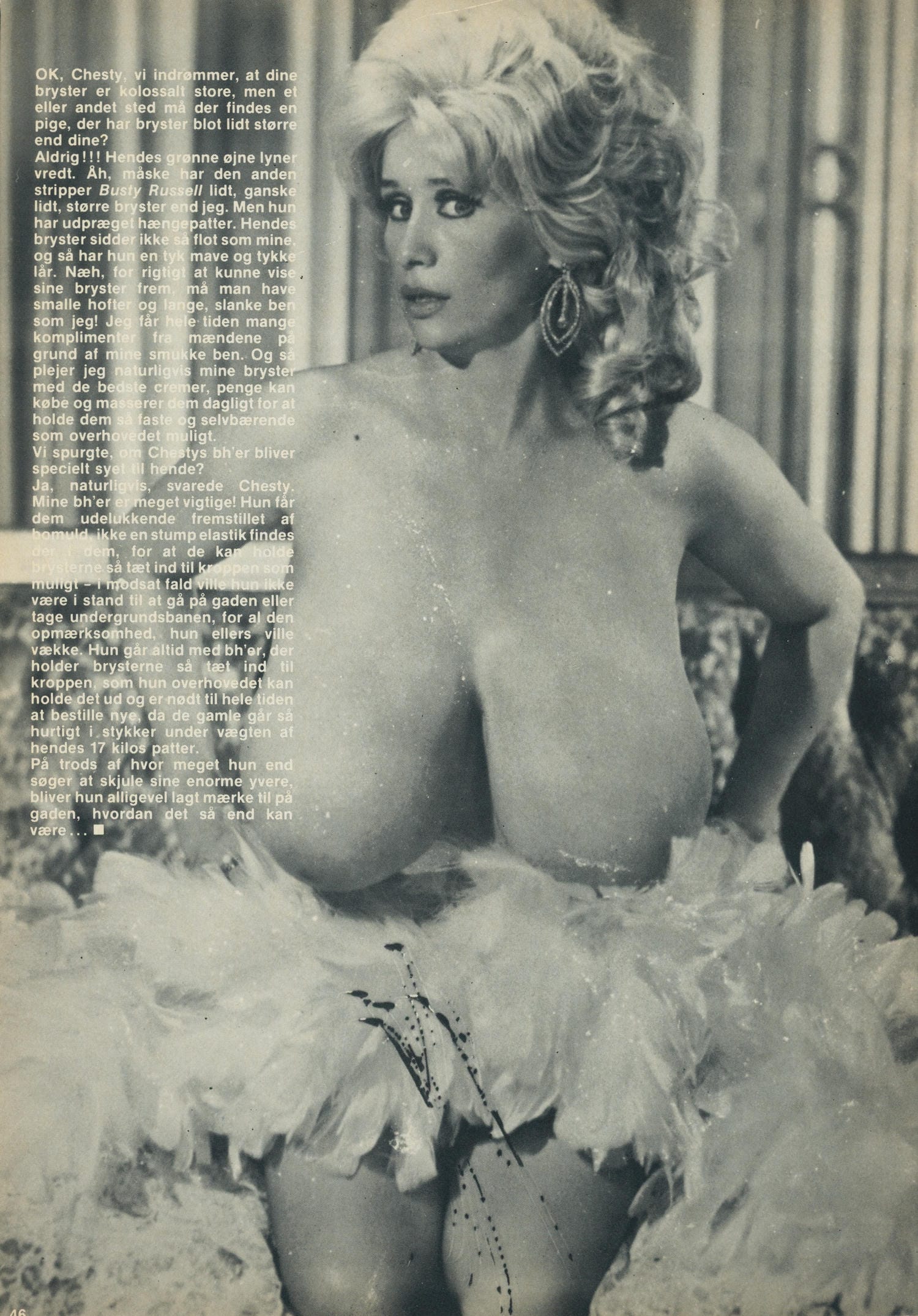
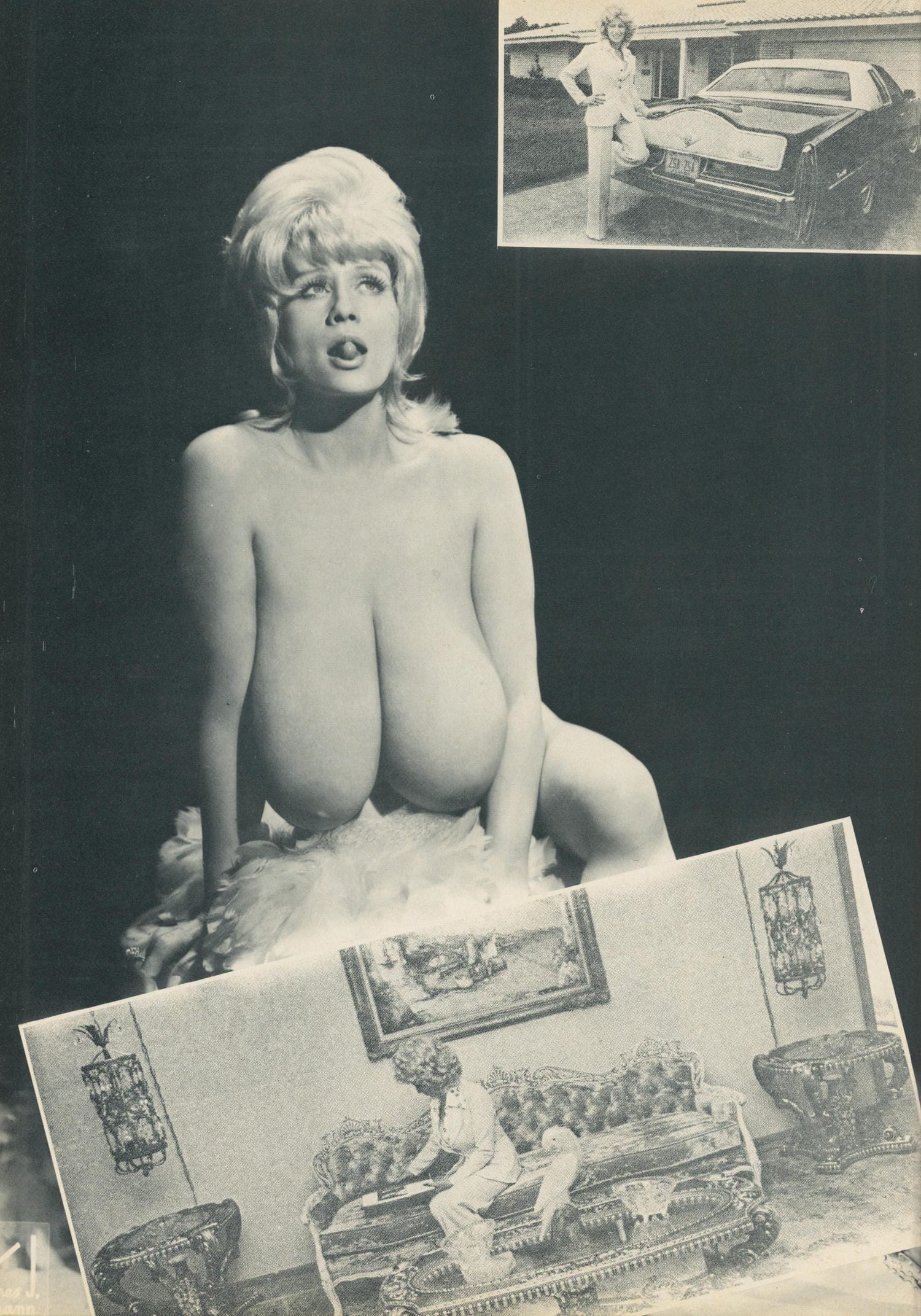
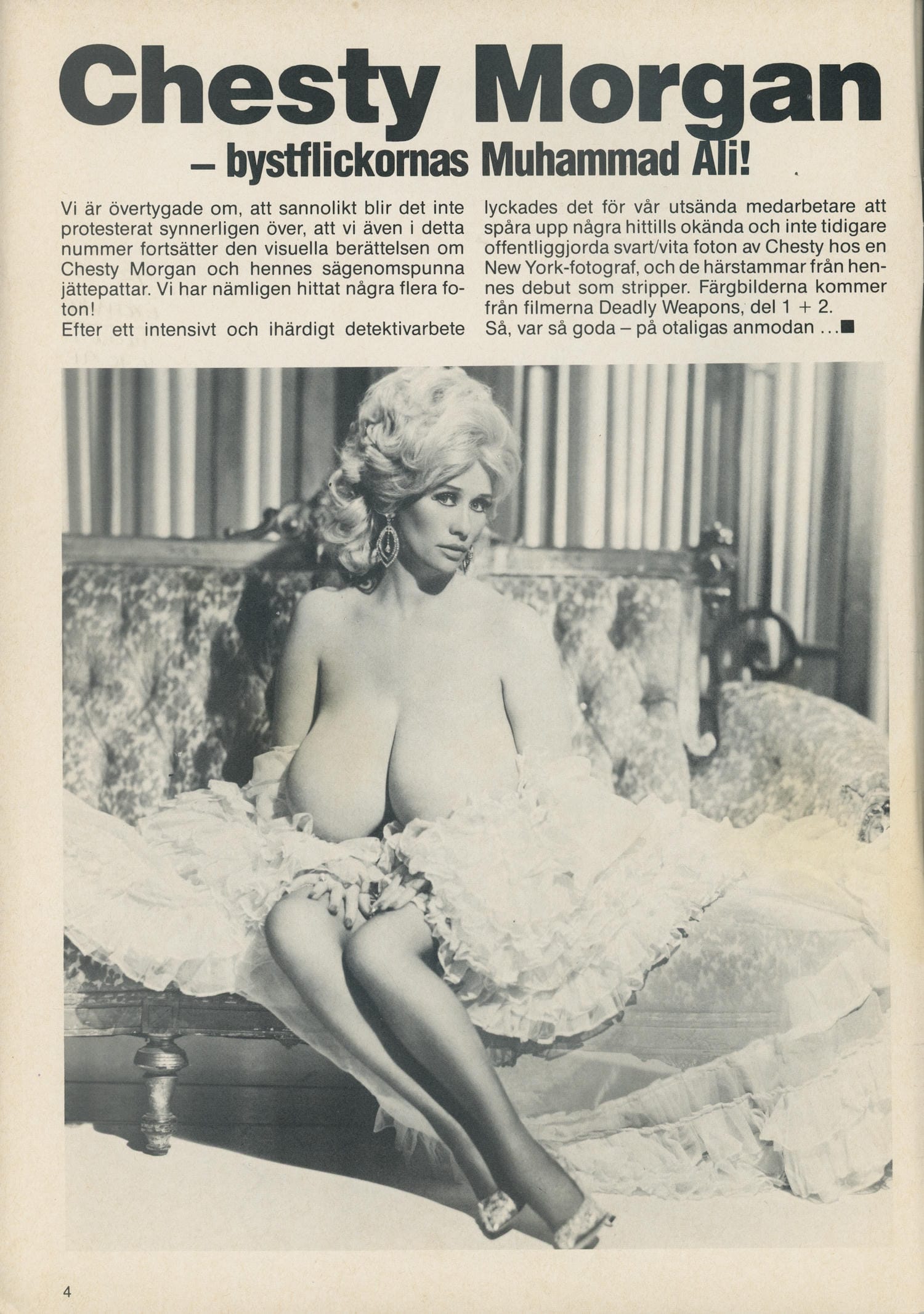
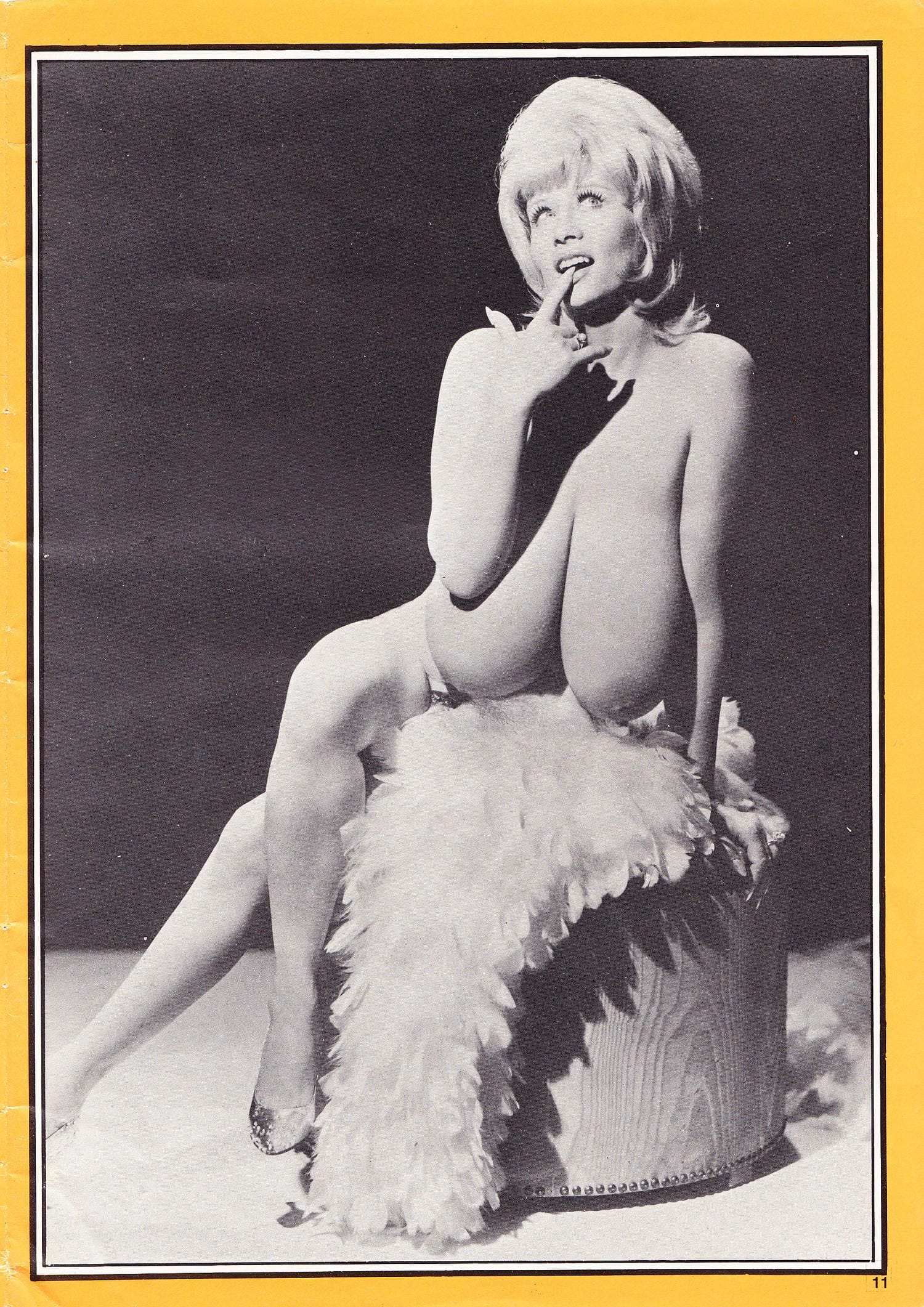
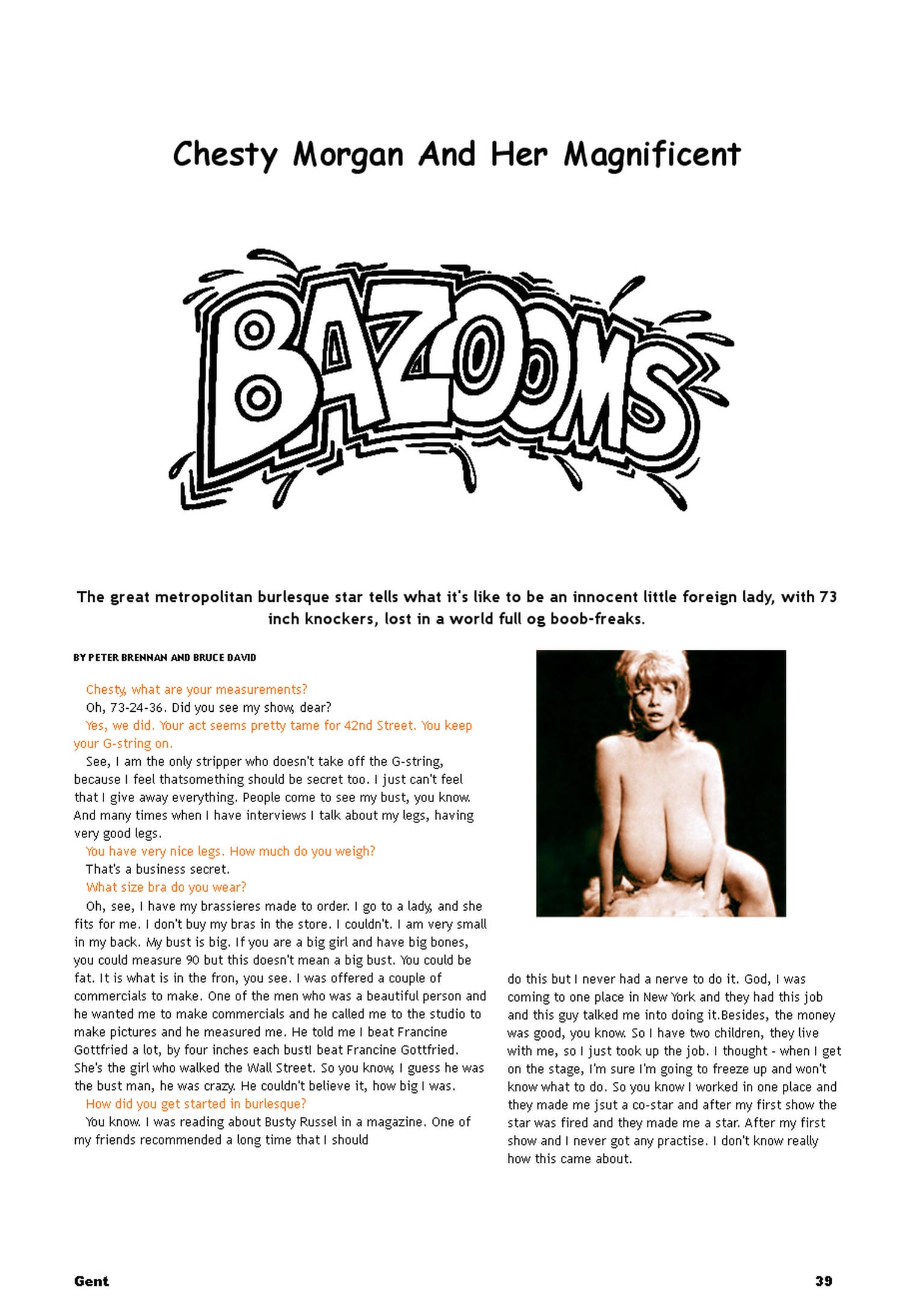
Chesty Morgan appeared in at least eleven different publications documented in the sources, ranging from American to international erotic magazines. The specific publications include:
- Gent: featured in December 1974 and May 1980. The 1980 edition included an interview focused on her “magnificent bazooms”.
- Playboy: appeared in the December 1976 issue, which featured an image of her from Fellini’s Casanova.
- Fling: in July 1979, with a feature titled “Chesty Morgan: Life on Top”.
- Hustler: in September 1979, in a segment called “Udder Nonsense”.
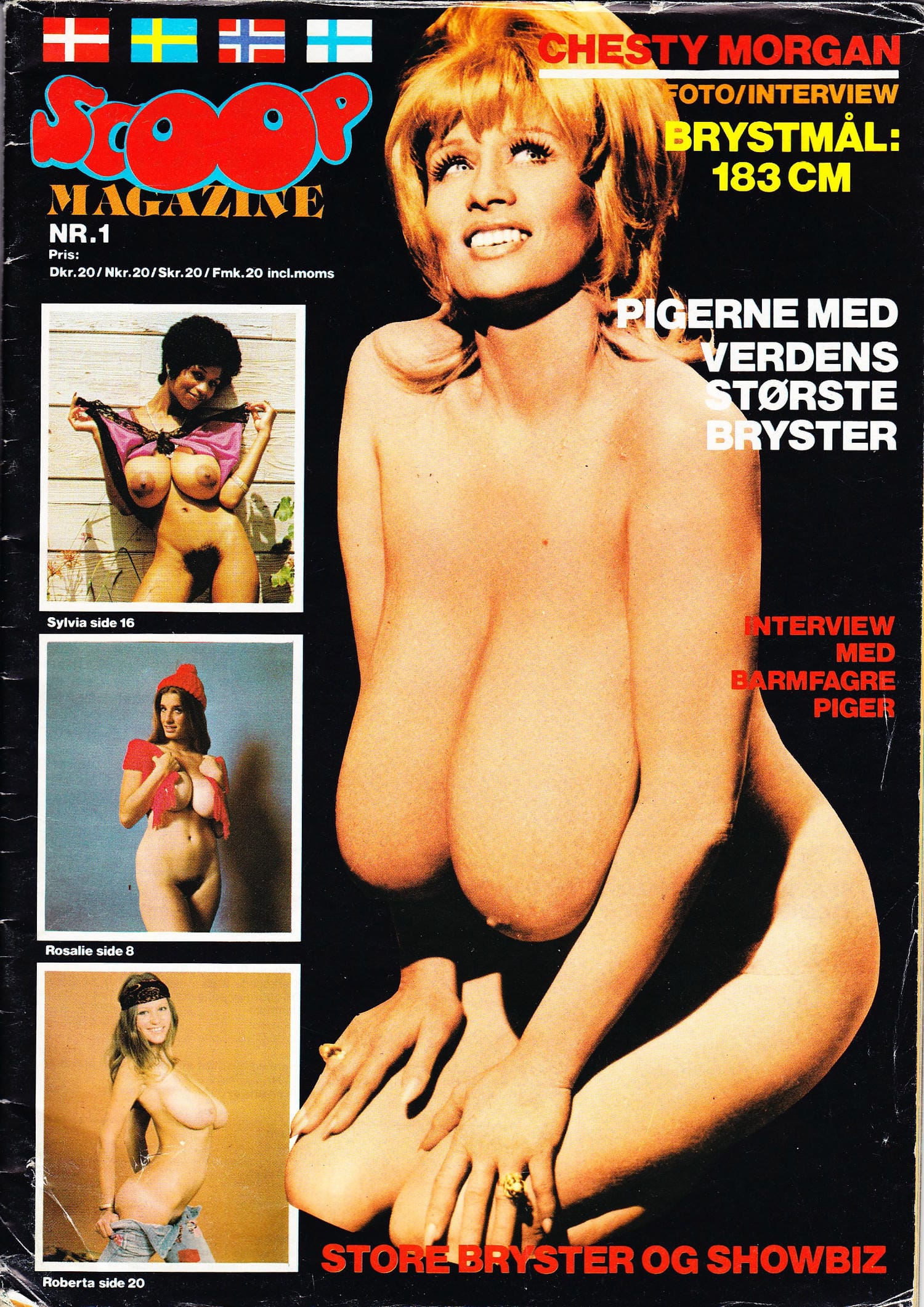
- Scoop (a Danish magazine): in 1982.
- Score: featured in the August 1992 issue, The Best of Score (1993), and Score Holiday (1999).
- Celebrity Sleuth: in 1997, which included a “Star-Tistics” feature estimating her measurements.
- Voluptuous: in August 1998.
- Peaches Magazine: listed as a publication for which she modeled.
Informazioni sull'autore

Related posts:
 Tribute to “Fargo” (TV series) | Most iconic sexy scenes
 Tribute to Monika Verbutaite | Most iconic sensual roles
 Tribute to “Watchmen” (TV series) | Most iconic sexy scenes
 Tribute to “The Ninth Gate”| Most iconic sexy scenes
 Tribute to “Y: The Last Man” | Most iconic sexy scenes
 Tribute to Honor Blackman | Most iconic sensual roles and tickling scenes
 Tribute to Elvira | Most iconic Cassandra Peterson’s sensual roles and tickling scenes
 Tribute to Katie McGrath | Most iconic sensual roles
 Tribute to Vanessa Kirby | Most iconic sensual roles and tickling scenes
 Tribute to Julia Benson | Most iconic sensual roles
 Tribute to Lorna Maitland | Most iconic sensual roles
 Tribute to Brigitte Bardot | Most iconic sensual roles and tickling scenes