
For over a decade, Discovery Channel’s MythBusters redefined science communication on television. Hosted by special effects experts Adam Savage and Jamie Hyneman, alongside the fan-favorite “Build Team” consisting of Kary Byron, Tory Belleci, and Grant Imahara, the show blended pop-culture curiosities with rigorous, often explosive, scientific testing. Instead of relying on dry academic lectures, the team put urban legends, movie tropes, and viral claims to the test using custom engineering, physical experimentation, and unwavering curiosity. Among hundreds of tested myths, several standout episodes captured audience attention by blending psychology, advanced technology, and human physiology.
Leggi tutto: Mythbusters | Best sexy and tickling scenesSexy scenes in Mythbusters
Season 12, episode 6
One of the show’s most intriguing social science experiments explored whether physical features directly influence monetary rewards in the service industry. Specifically, the team sought to verify the long-held belief that waitresses with larger breasts receive higher tips.

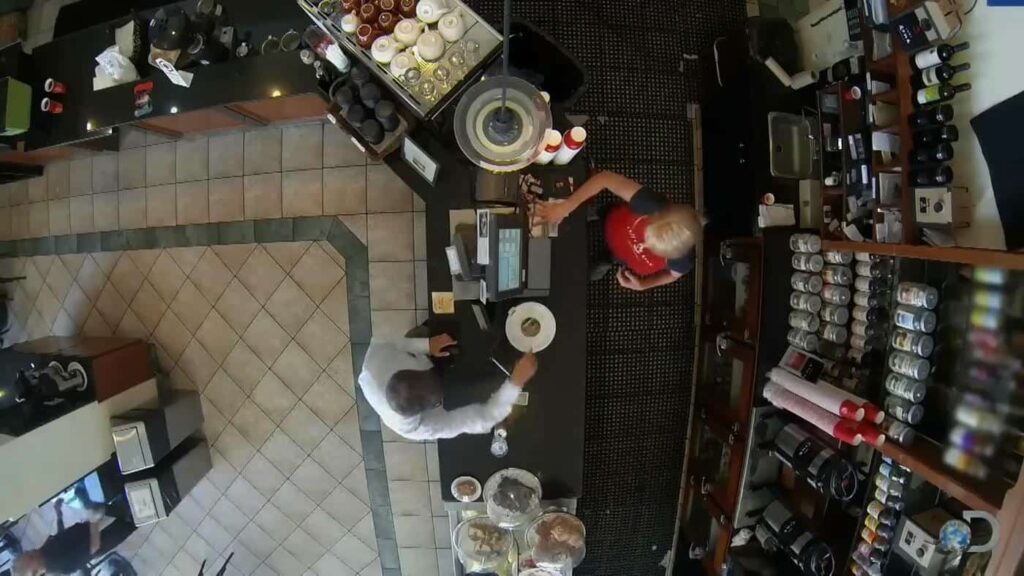
To test this in a controlled environment, Kary Byron stepped in as the primary test subject, working as a waitress at a local diner under carefully monitored conditions. To isolate bust size as the single variable, Kary maintained identical behavior, customer interactions, service speed, and outfits across multiple shifts. She conducted shifts natural, as well as shifts wearing subtle prosthetics to increase her bust size progressively. The results were clear and measurable: when Kary wore the larger prosthetics, her total tips increased significantly, driven predominantly by male patrons, proving that visual cues significantly influence tipping behavior in a restaurant setting.
Season 1, episode 1
As the series evolved, the team increasingly relied on modern technology to execute complex and hazardous tests. In a memorable episode focused on creating realistic human surrogates, the team needed an exact physical duplicate of Kary Byron to serve as a testing dummy for scenarios too dangerous for human participation.


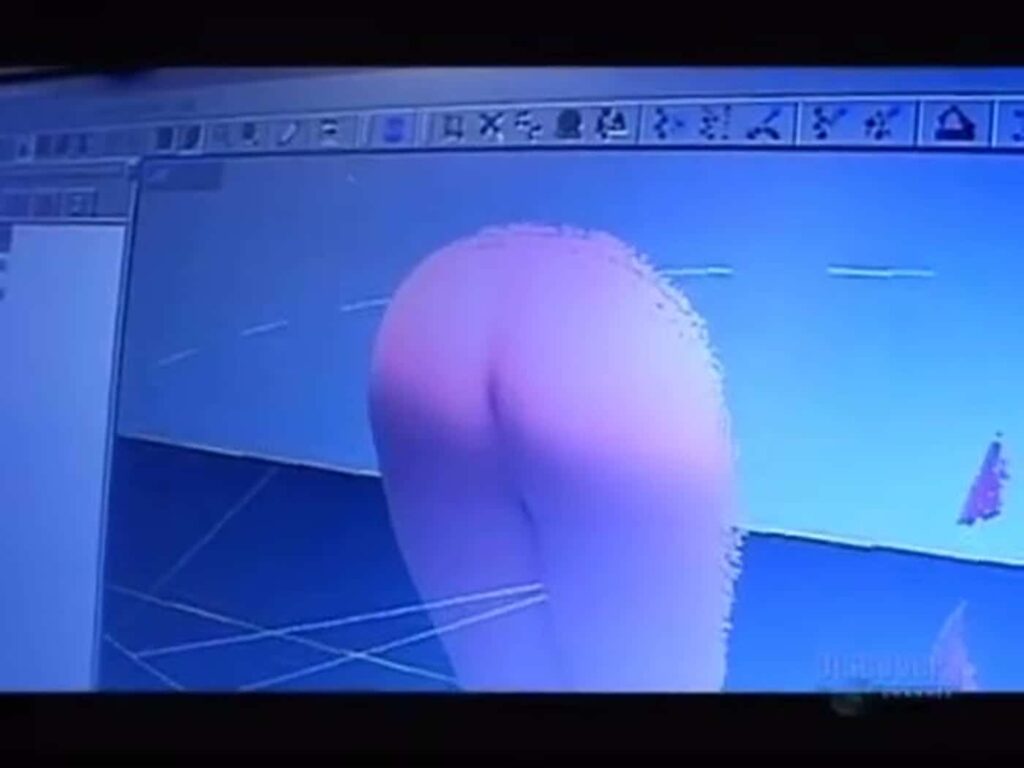
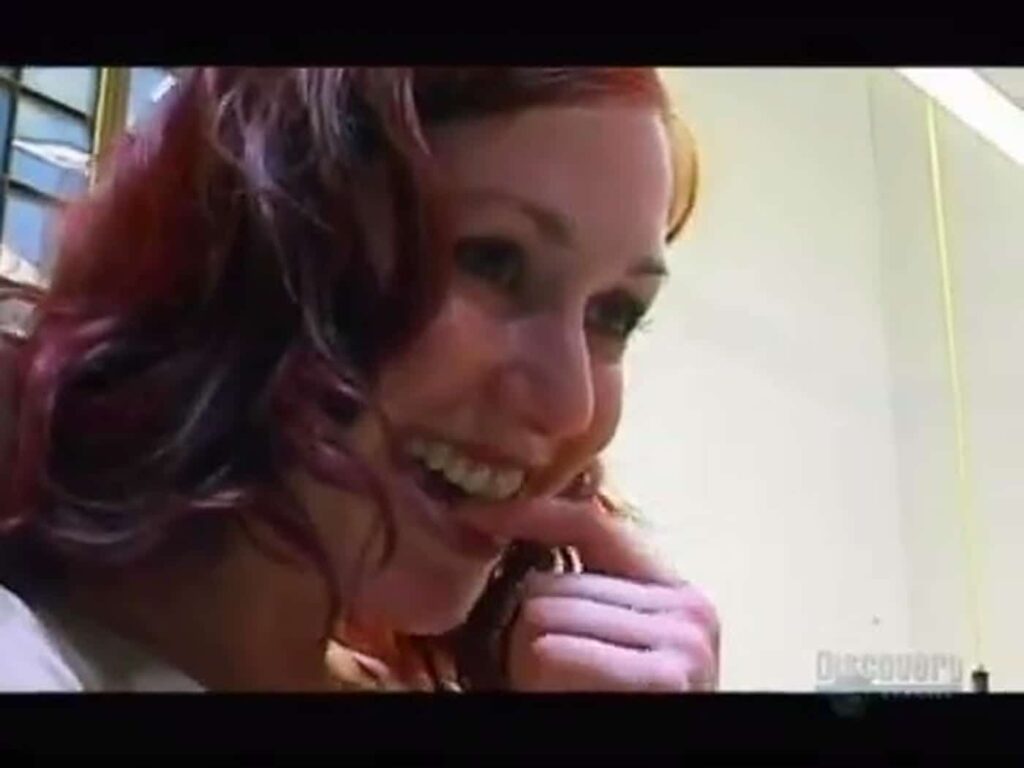
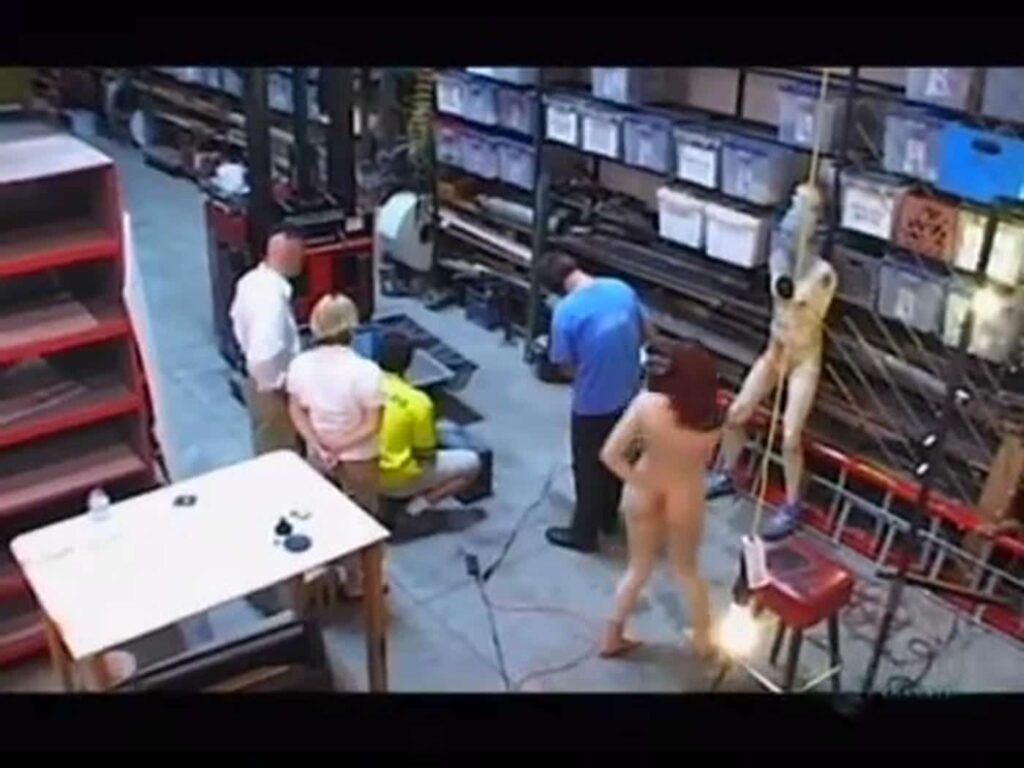
Rather than relying on basic mannequin sculpts, the team utilized cutting-edge 3D body scanning technology. Kary underwent a comprehensive full-body digital scan, capturing her exact proportions, posture, and physical features down to the millimeter. The resulting 3D digital mesh was then used to render and manufacture a hyper-realistic silicone duplicate, complete with anatomically accurate weight distribution. This episode showcased how digital capture tools and rapid prototyping were revolutionizing custom prop-making and safety testing in the modern era.
Tickling scenes in “Mythbusters”
Season 8, episode 15
The English language is filled with idioms, but few are as ubiquitous as getting “cold feet” before a high-stakes event. In a physiological experiment, the MythBusters aimed to determine whether extreme nervousness or fear actually causes a measurable drop in foot temperature.
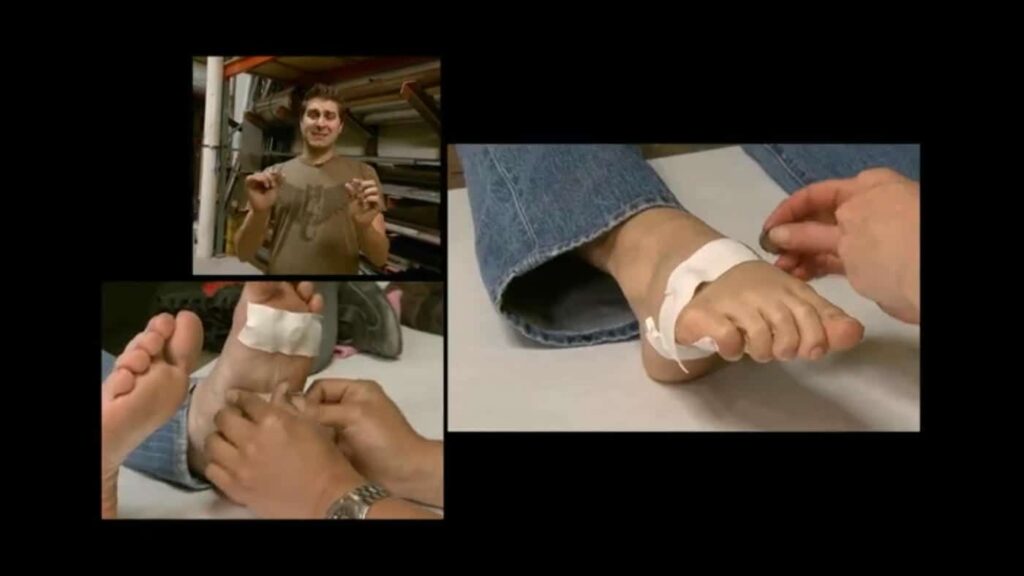
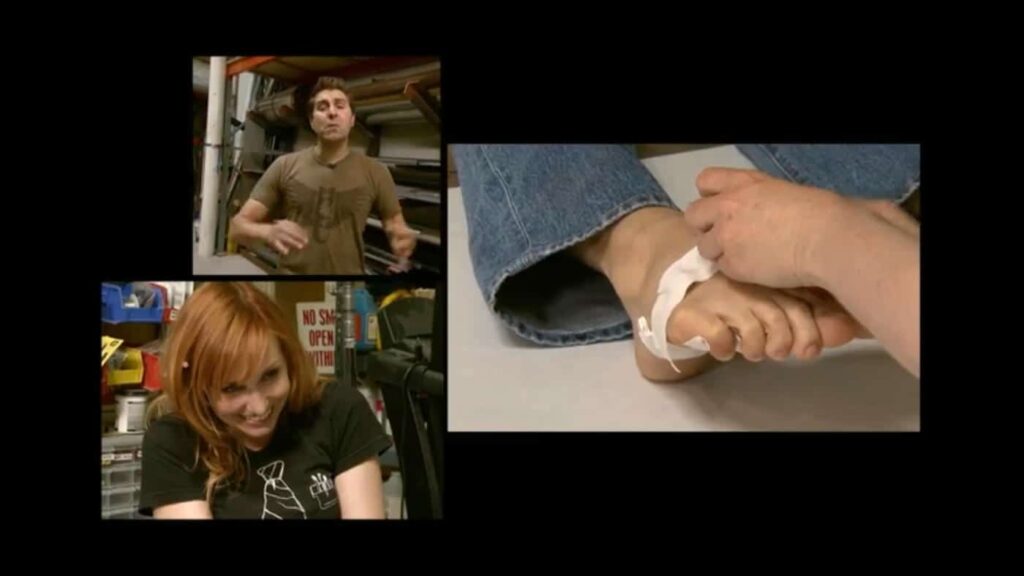
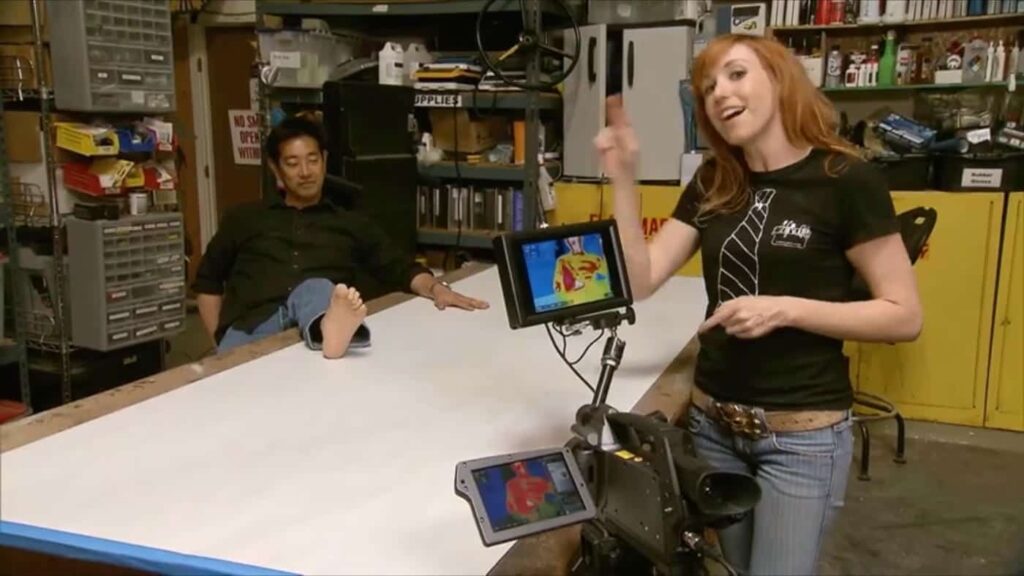
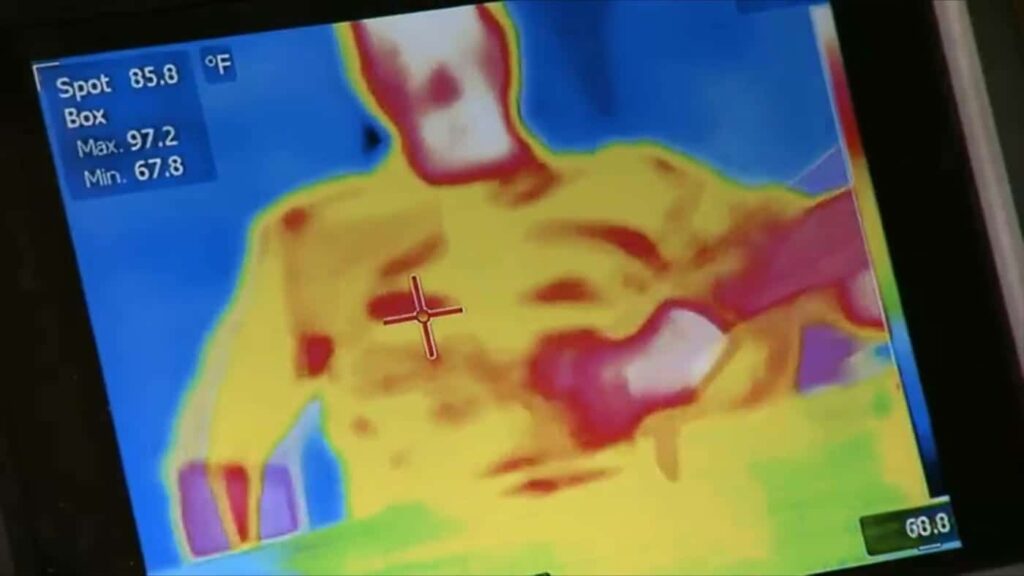
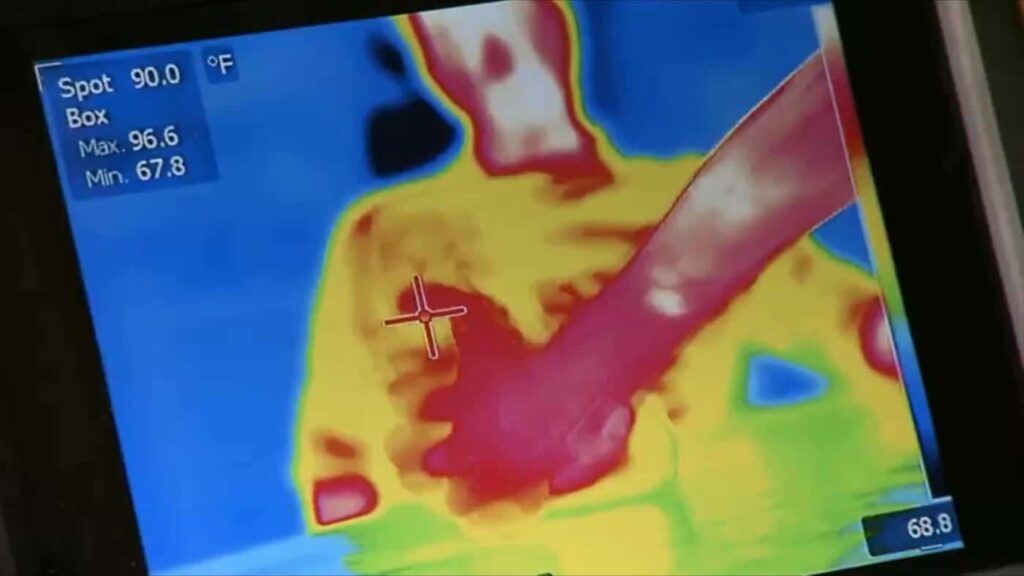
The team set up an experiment subjecting participants to terrifying, stress-inducing situations—ranging from handling exotic bugs and reptiles to facing sudden shocks—while precise thermal imaging cameras and temperature sensors were strapped to their toes. The biological hypothesis rested on the fight-or-flight response, where adrenaline causes peripheral vasoconstriction, drawing blood away from extremities like the feet and hands toward core organs. The data confirmed the science behind the idiom: under intense fear and anxiety, blood flow to the extremities visibly dropped, causing a legitimate biological temperature decrease in the participants’ feet.
As electrodes are applied to her feet, Byron reacts to the tickling sensation by smiling. Immediately afterward, he uses her hands to tickle her colleague’s monitored feet.
Season 2, episode 21
Rooted in the iconic James Bond film Goldfinger, a persistent Hollywood rumor claimed that covering the human body entirely in metallic paint would cause death by “skin suffocation.” The MythBusters tackled this classic myth by putting the biological realities of human respiration to the test.
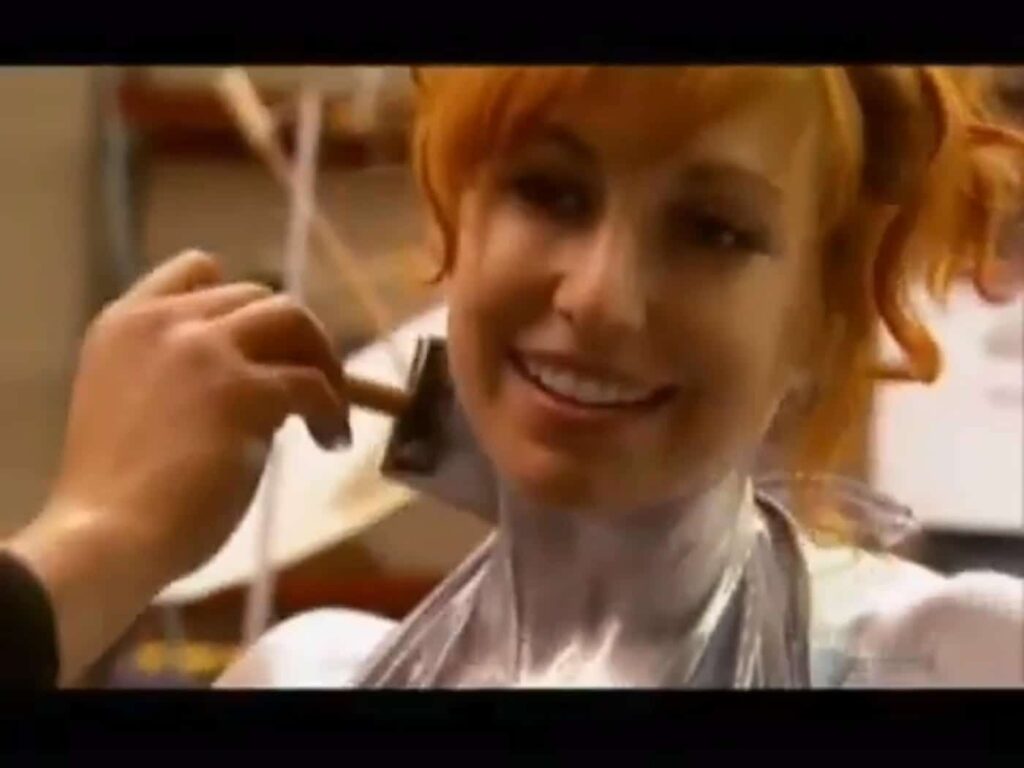
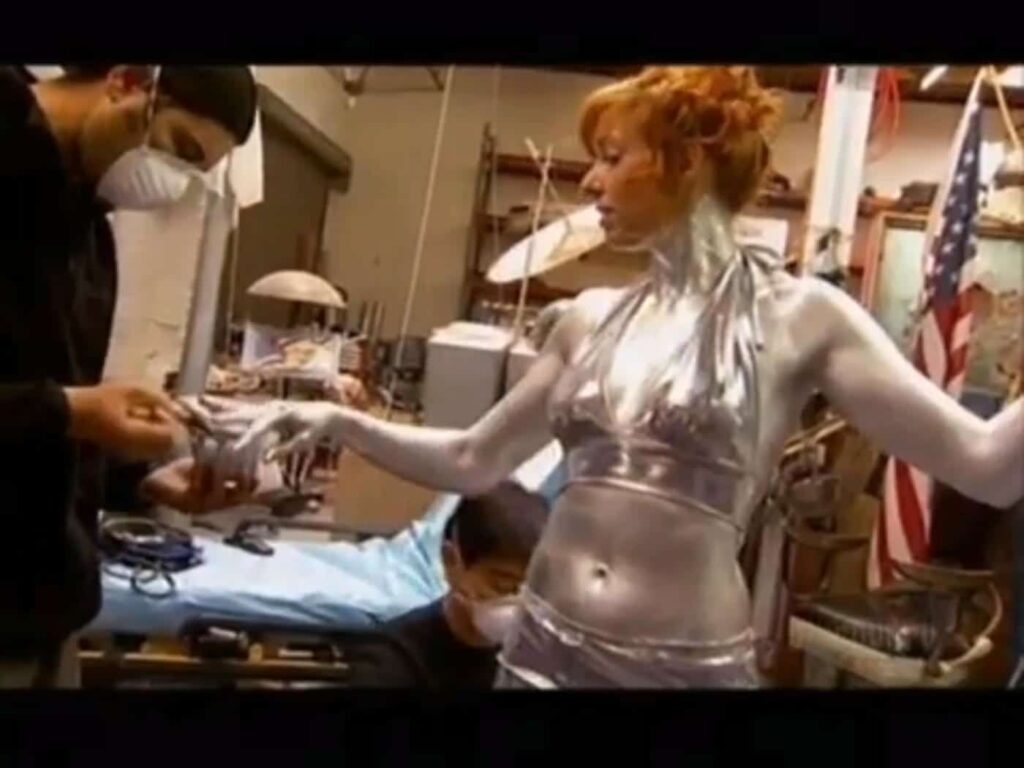
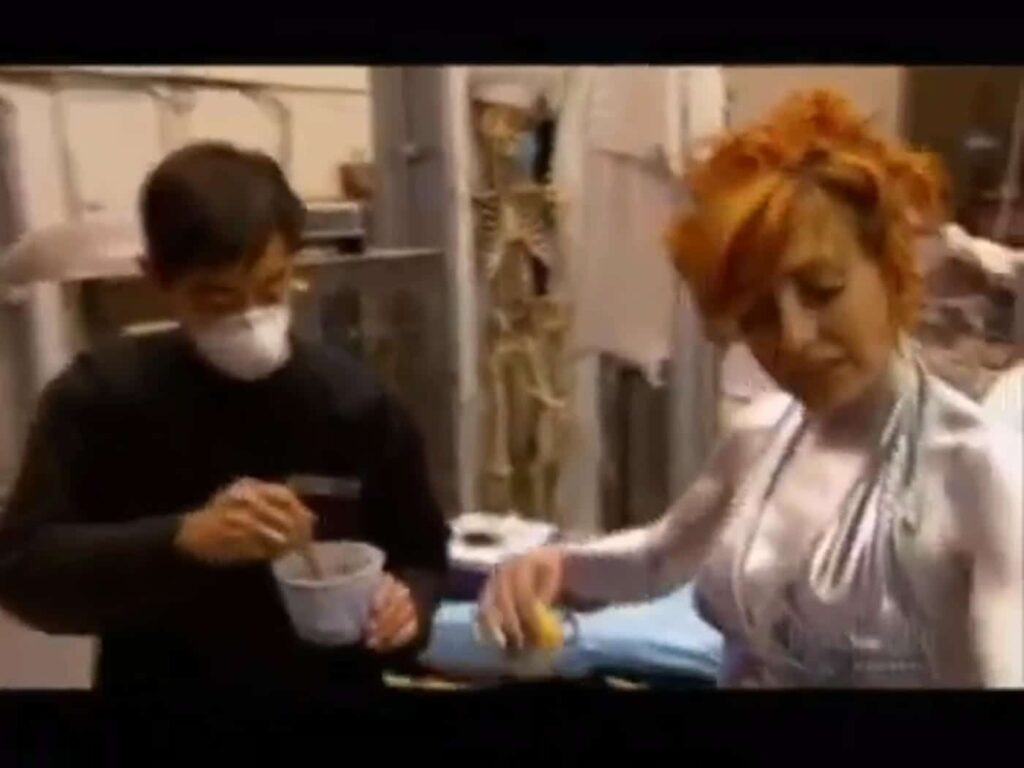
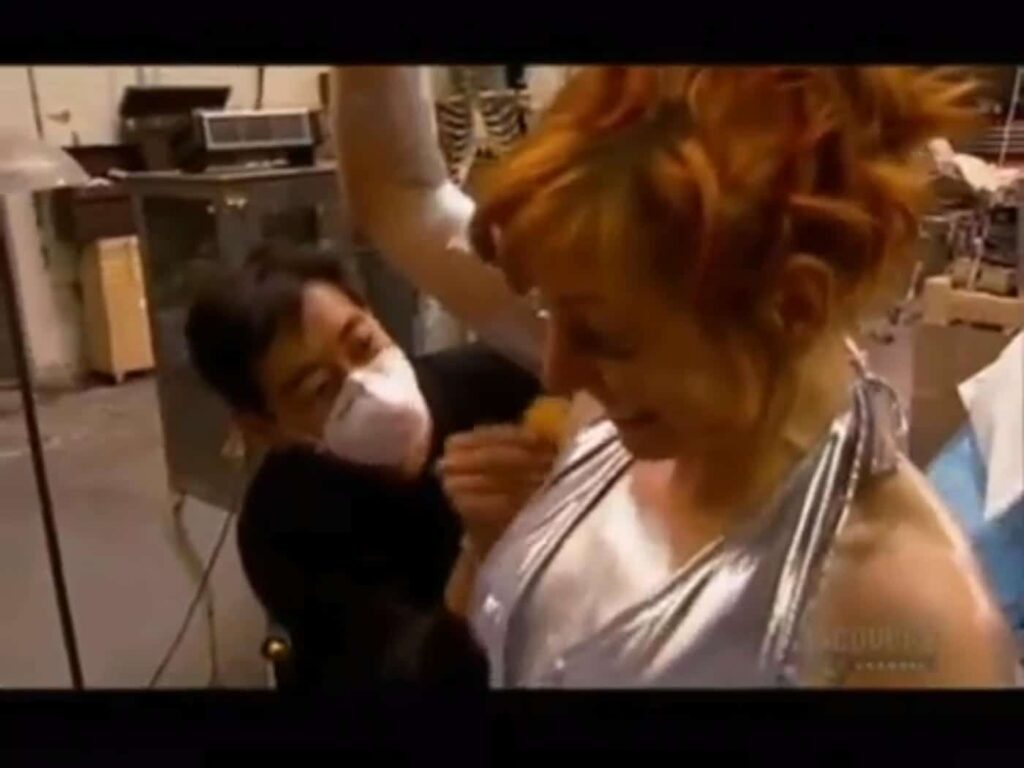


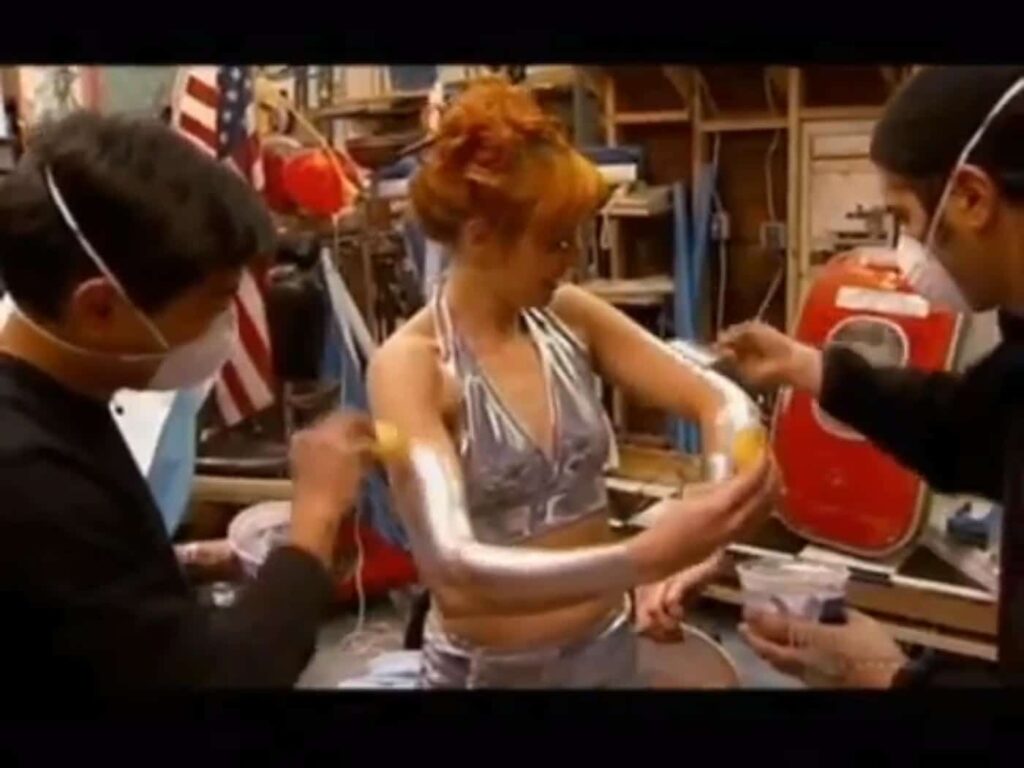
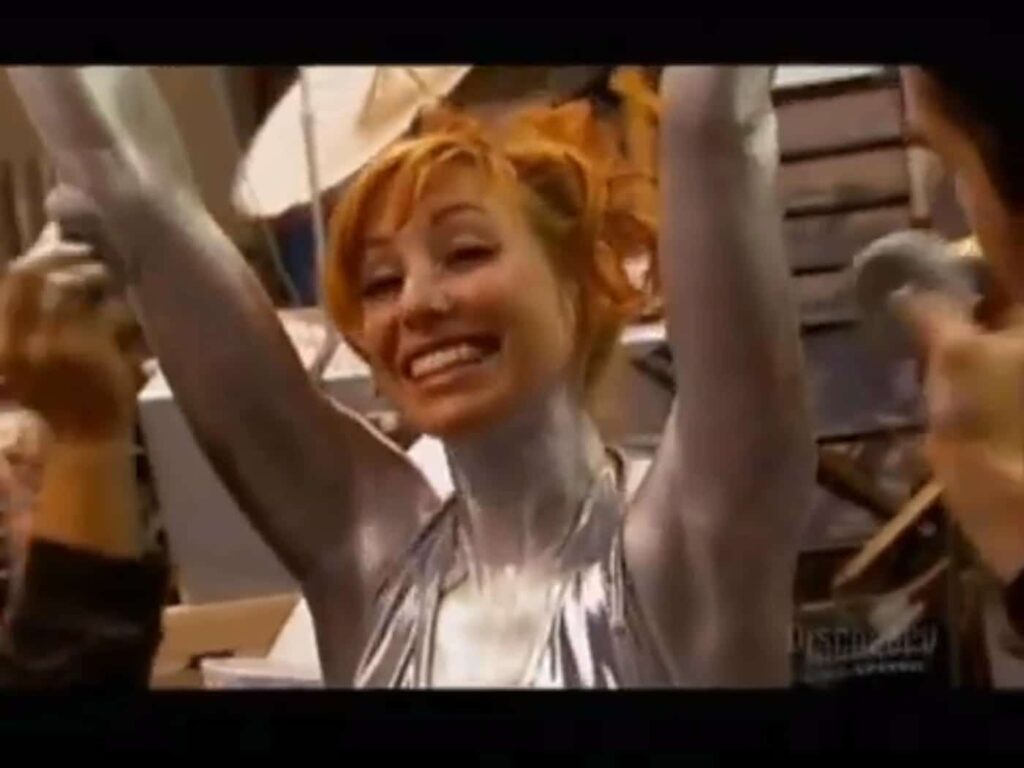

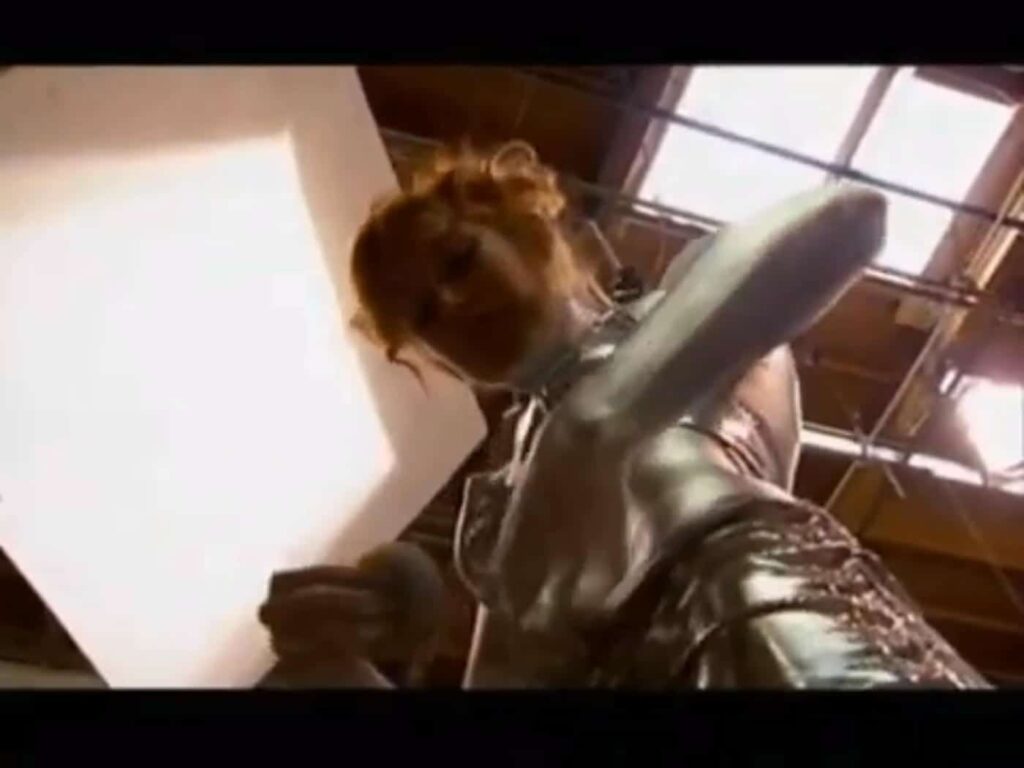
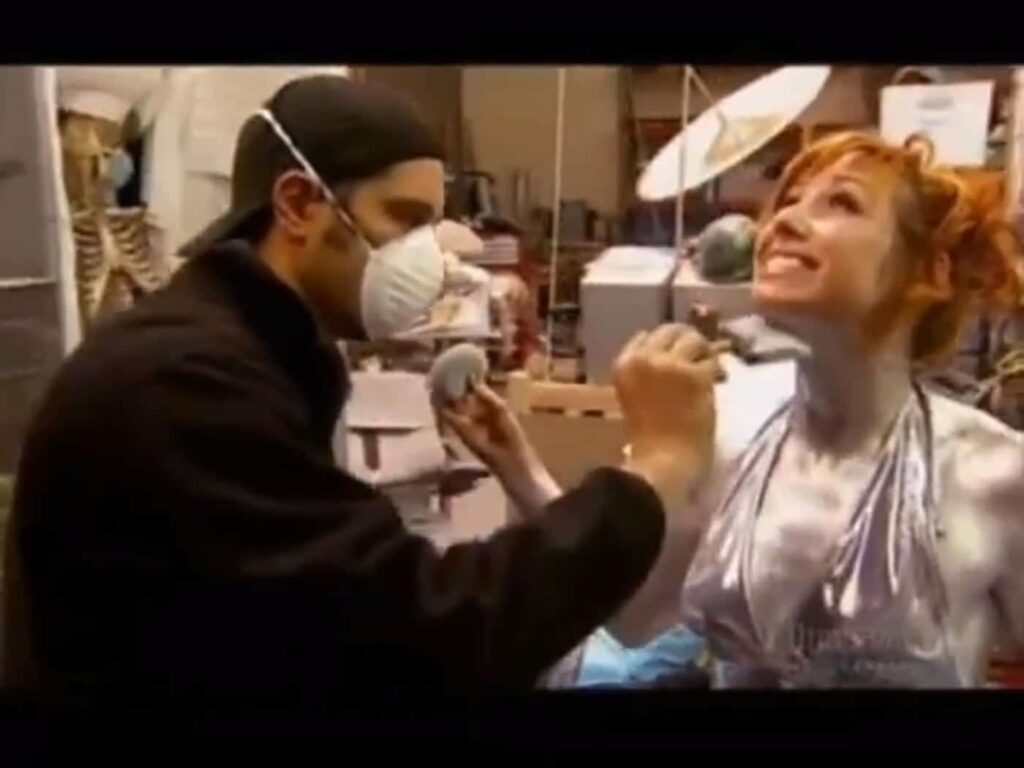

Kary Byron volunteered to be painted entirely in metallic silver paint, mimicking the movie scene under strict medical supervision. A doctor monitored her vital signs, internal temperature, oxygen saturation, and blood pressure in real time. The experiment debunked the concept of skin suffocation, demonstrating that humans breathe through their lungs, not their pores. While full-body paint does interfere with sweat evaporation and body temperature regulation—requiring the team to end the test after a predetermined window to prevent overheating—the myth that metallic paint inherently suffocates skin was completely busted.
While her body was being painted, Byron showed clear reactions to being tickled, smiling especially when the brush passed over her body and under her armpits.
Informazioni sull'autore

Related posts:
 List of Tickling Scenes in Marvel Comics and Cartoons
 List of tickling scenes in Superman (TV and comics)
 List of Tickling Scenes in “The Avengers” (UK TV Series)
 Vote For The Greatest Ticklish Character of All Time!
 List of ticklish superheroes
 Top 10 fictional tickle torturers
 List of tickling scenes in “The Howard Stern Show”
 Tickling scenes with adult models
 List of tickling scenes in Italian TV shows
 Tribute to Erza Scarlet | Most iconic sexy and tickling scenes
 Tickling scenes in “Little Pollon”
 List of tickling scenes in “Black Scorpion”