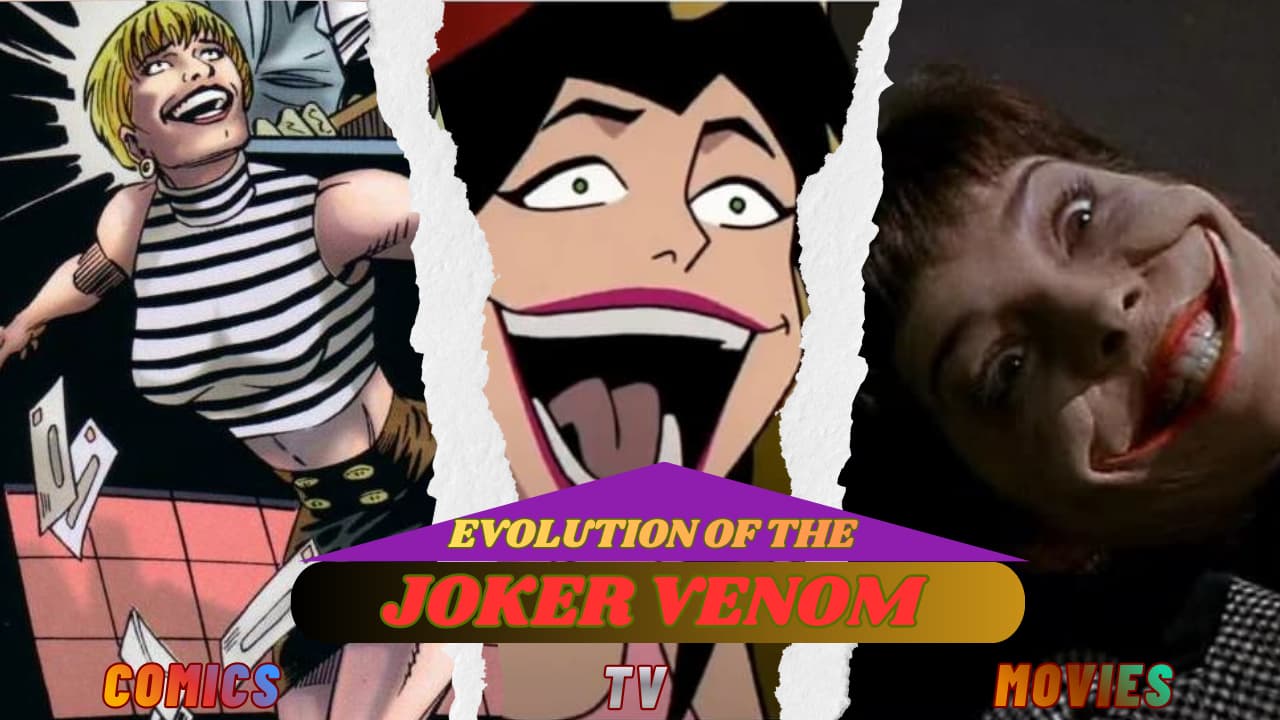
In the world of comics, there is no weapon more iconic associated with laughter than the Joker’s Venom, or Smilex, the terrifying laughing gas that the Joker uses to incapacitate or eliminate his victims by literally making them die of laughter.
Last update: 07/19/2026
Leggi tutto: What is the Smilex? Joker’s laughing venom explainedWhat is the Joker Venom?
Joker Venom is described as a highly versatile chemical compound that can exist as a liquid or a gas.

While earlier stories left the formula vague, Detective Comics #867 (2010) provided a detailed breakdown: a lethal mix of hydrogen cyanide (causing instant death), strychnine (causing muscle spasms), nitrous oxide (laughing gas), and narcotics like MDMA and methamphetamine to induce euphoria and hallucinations. Other sources mention “Strychnodide” and even tetanus toxin (lockjaw) as ingredients.
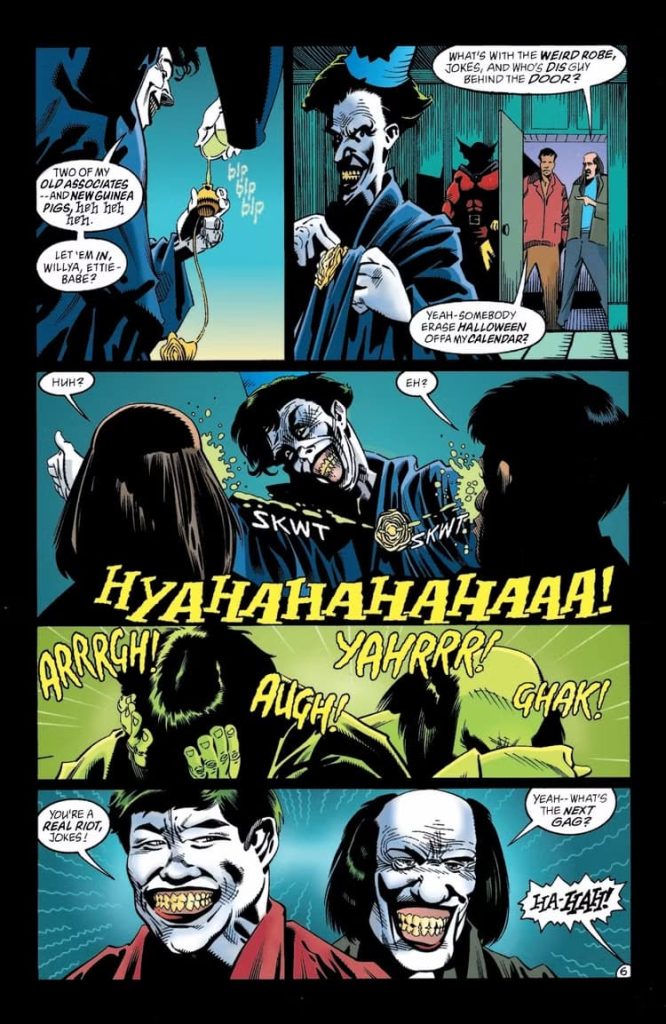
The permanent rictus grin, known clinically as Risus Sardonicus, is caused by the violent contraction of facial muscles (specifically the zygomaticus major). In some versions, this is the primary purpose of the toxin; in others, it is a side effect of the victim’s inability to breathe while laughing uncontrollably.
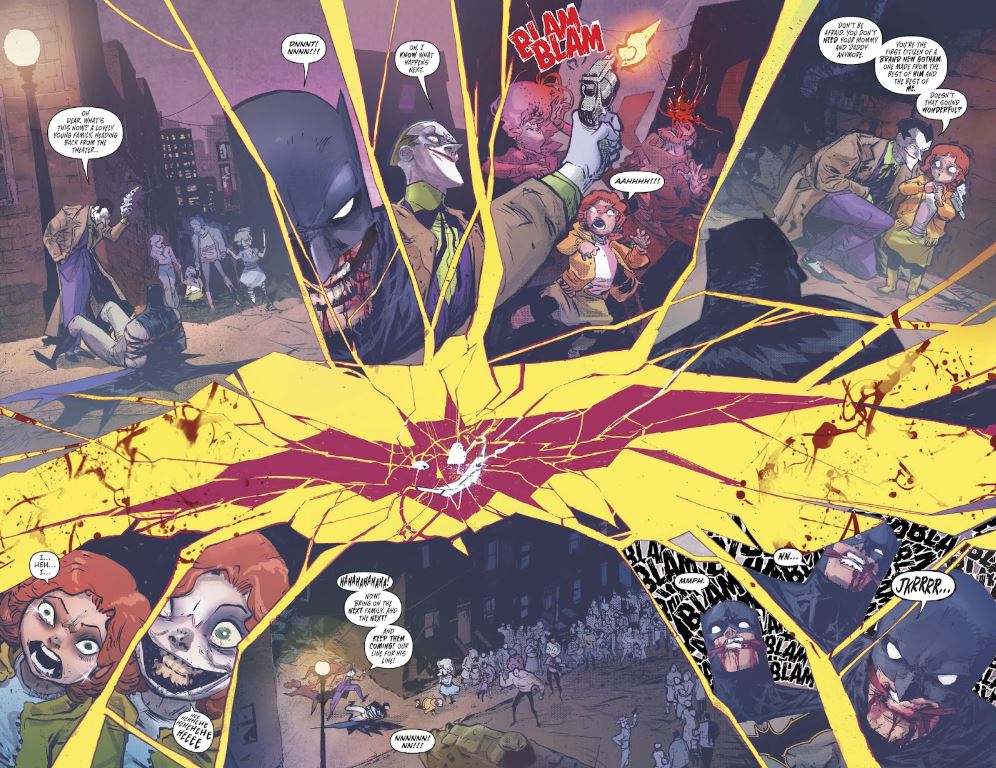
Most comic depictions characterize the venom as instantly fatal. However, non-lethal variants—often called “laughing gas”—exist to incapacitate victims or put them into comas. Some variants are designed to paralyze or even induce aggression.
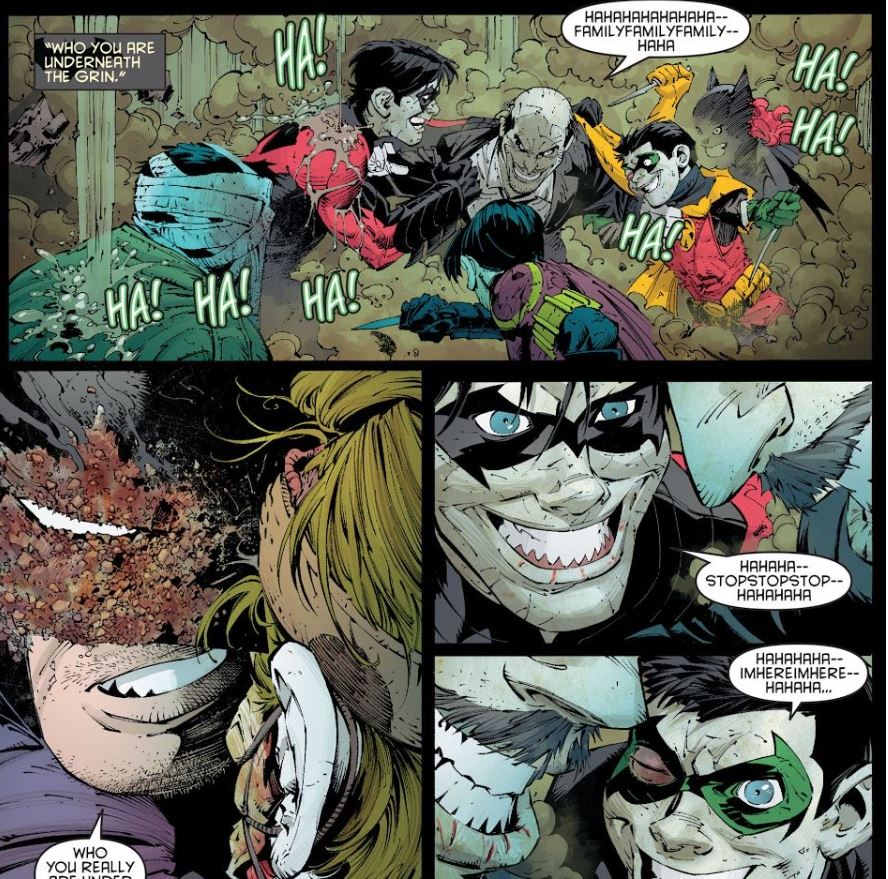
The toxin’s mechanism is frequently rewritten. For instance, the Joker has been shown mixing it from simple janitor’s closet supplies in Arkham Asylum, yet other stories describe it as a complex bioweapon.
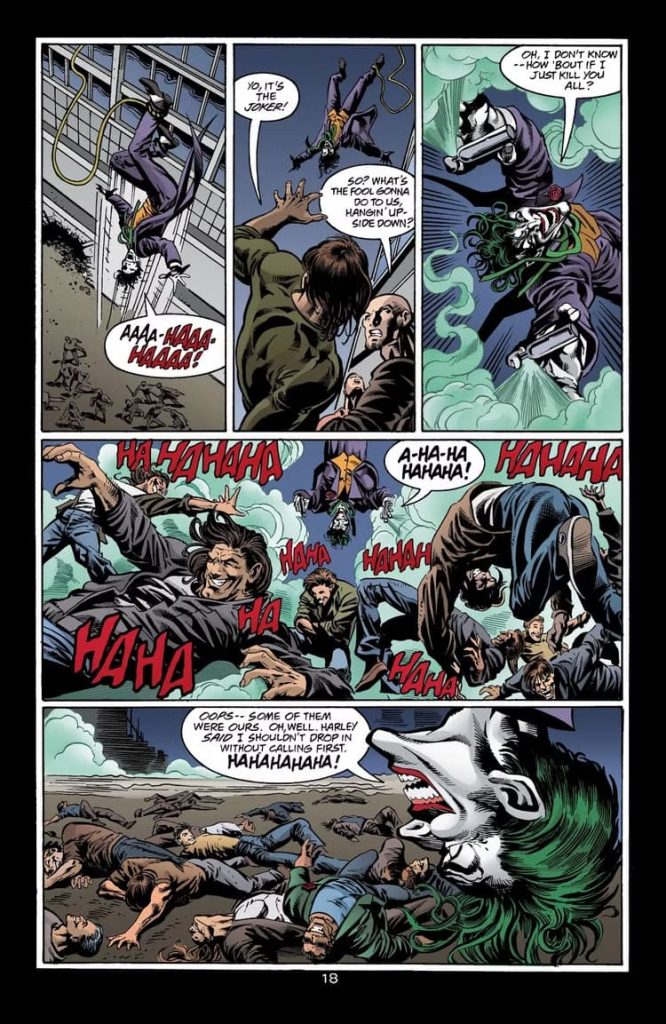
History of the Joker Venom – List of appearances
The Joker’s venom first appeared in Batman #1 (1940), debuting alongside the character himself as his signature murder weapon. From this very first appearance, it was established as a means for the Joker to leave his victims “smiling into death”.
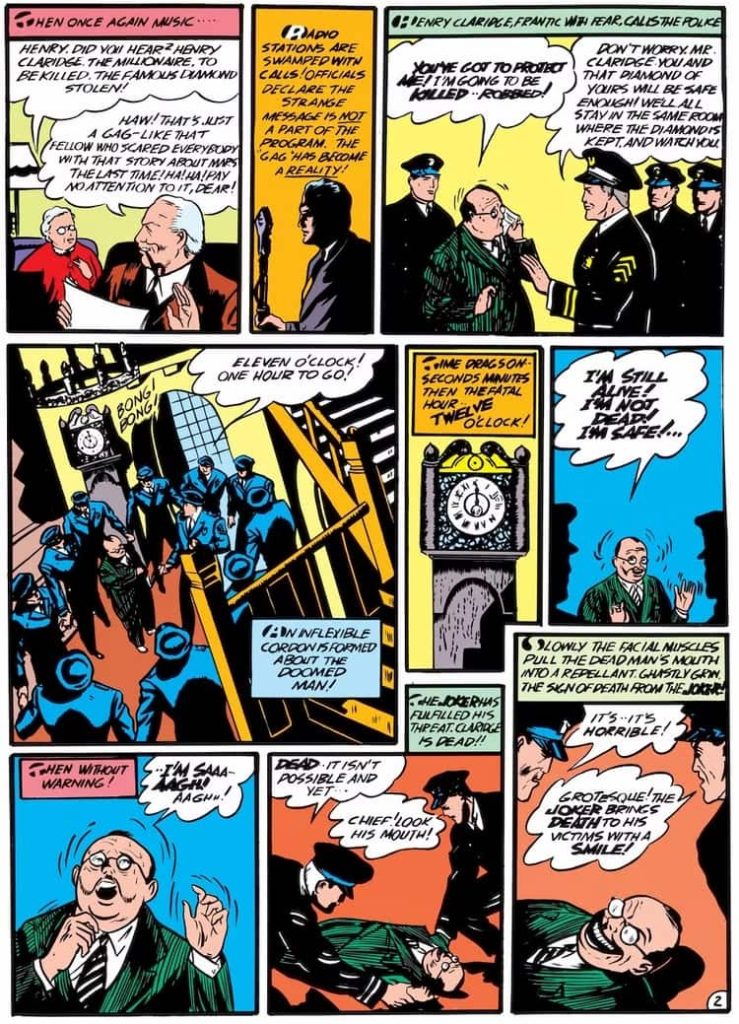
It was originally referred to simply as the Joker’s poison or Joker Venom. The name “Smilex” (or “Smylex”) was actually introduced in Tim Burton’s 1989 Batman film and later adopted into some comic continuities and the Arkham Asylum video game. Over the years, it has used many aliases, including Laughing Gas, Joker Toxin, Giggle Gas, and “Joker Juice”.
The concept was shaped by Joker’s creators Bill Finger, Bob Kane, and Jerry Robinson. While Finger and Kane are the primary credited creators, the venom was conceived as an extension of the Joker’s clown persona—a “tribute” to the killer that turned murder into a macabre joke.
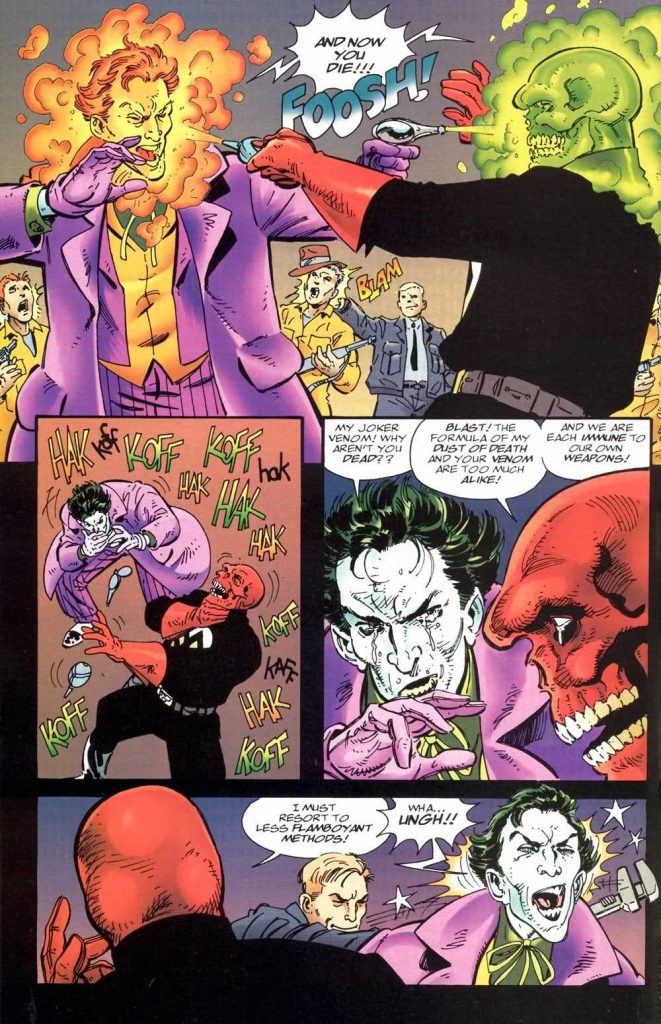
Bill Finger stated that the venom was directly inspired by an episode of The Shadow radio serial titled “The Laughing Corpse,” which featured a poison with identical effects. It also shares conceptual similarities with the Marvel villain Red Skull’s “Dust of Death,” which leaves victims with a red, skull-like face.
The depiction of the venom has shifted significantly across different comic book “Ages”:
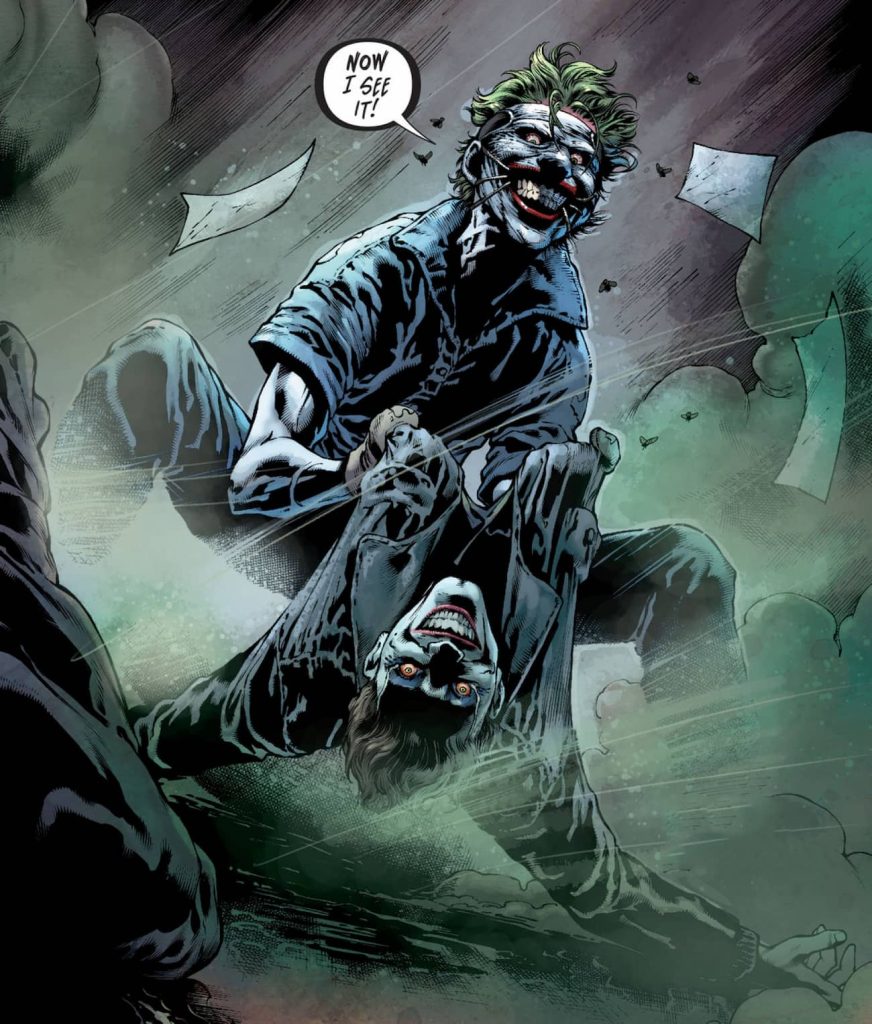
Following its 1940 debut, the venom was toned down or dropped entirely due to its extreme violence, even before the formal implementation of the Comics Code. During the more whimsical Silver Age, the Joker often shifted to more traditional criminal gadgets.
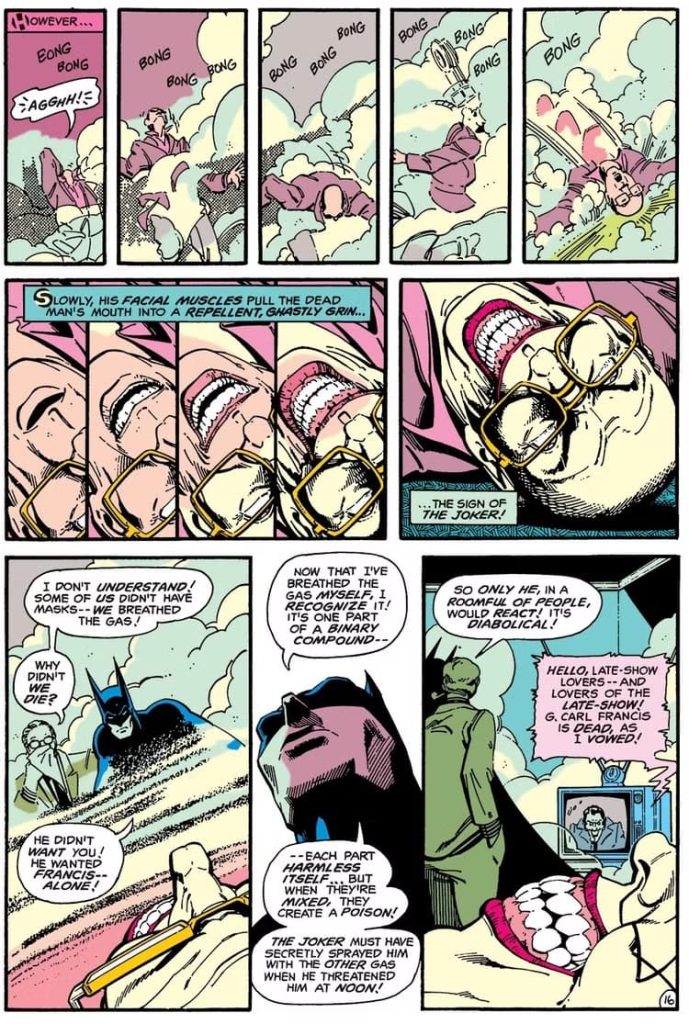
The toxin made a dark return in Batman #251 (1973). A major evolution occurred in Detective Comics #475 (1978), where Steve Englehart and Marshall Rogers introduced the effect of the venom discoloring the victim’s skin white and hair green to match the Joker.
Stories became increasingly disturbing. In The Killing Joke, the Joker uses a palm spike to deliver the toxin via handshake.
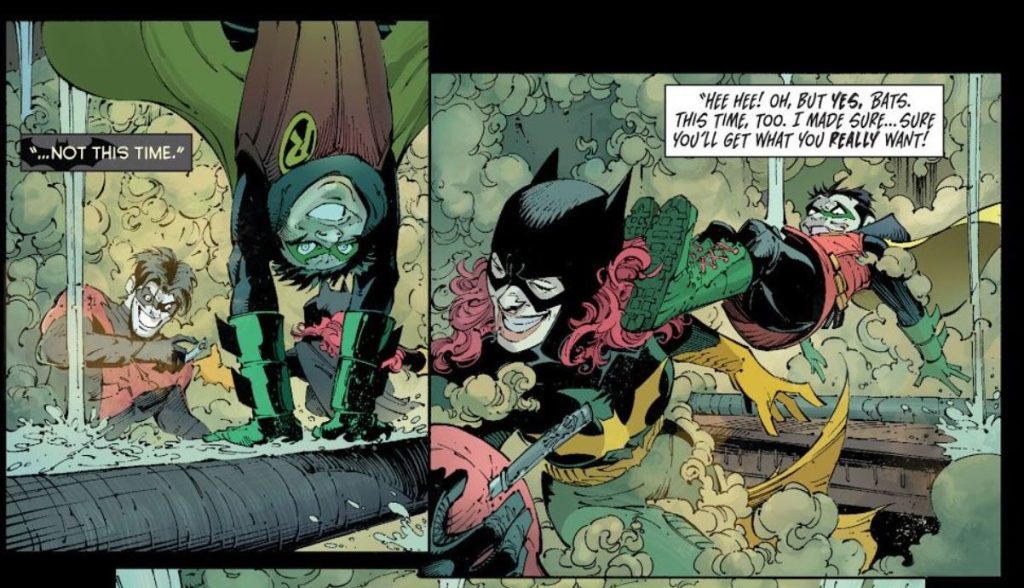
In “Death of the Family,” it is clarified that the Joker uses more than 50 different strains of the venom, explaining why its effects (lethality, timing, discoloration) vary so much between stories.
Recent interpretations emphasize the Joker’s background as a chemical engineer. In Batman: The Man Who Laughs, the toxin is treated as a mass-casualty terrorist threat aimed at Gotham’s water reservoir.
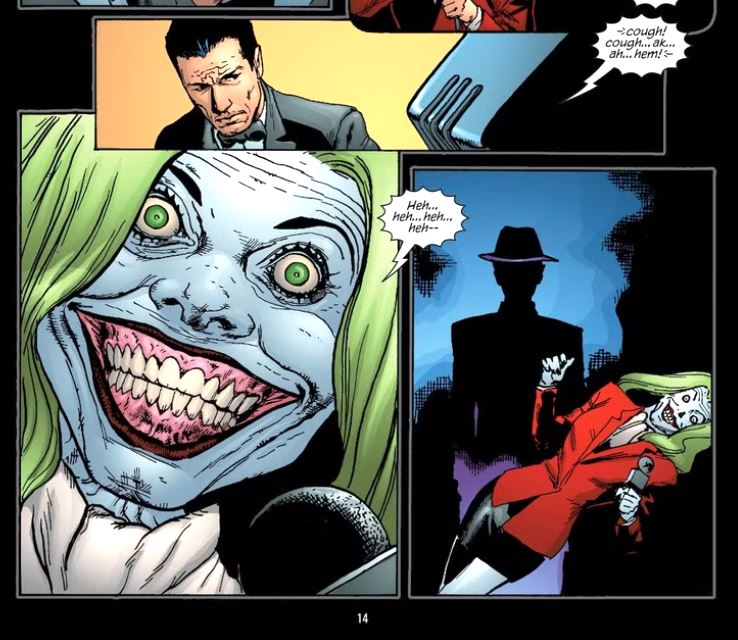
To understand the Joker’s Venom, imagine a deadly cocktail where the “mixer” is a party drug that makes you high, but the “spirit” is a paralyzing poison that freezes your face in a scream that looks like a laugh.
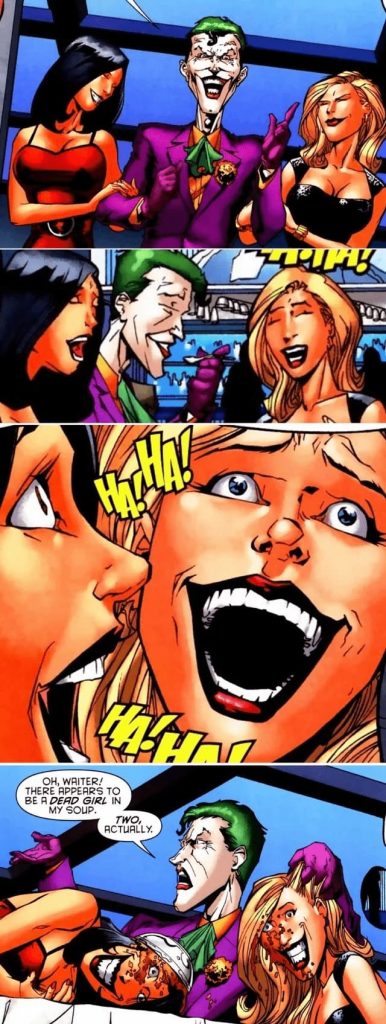
The inconsistency of the venom’s effects is a deliberate narrative choice reflecting the Joker’s chaotic nature. By constantly altering the chemical formula, the Joker ensures that Batman cannot develop a permanent or universal antidote. This scientific “chaos” explains why some victims die in seconds while others linger for 24 hours, and why the physical symptoms (like skin discoloration) appear in some stories but not others.
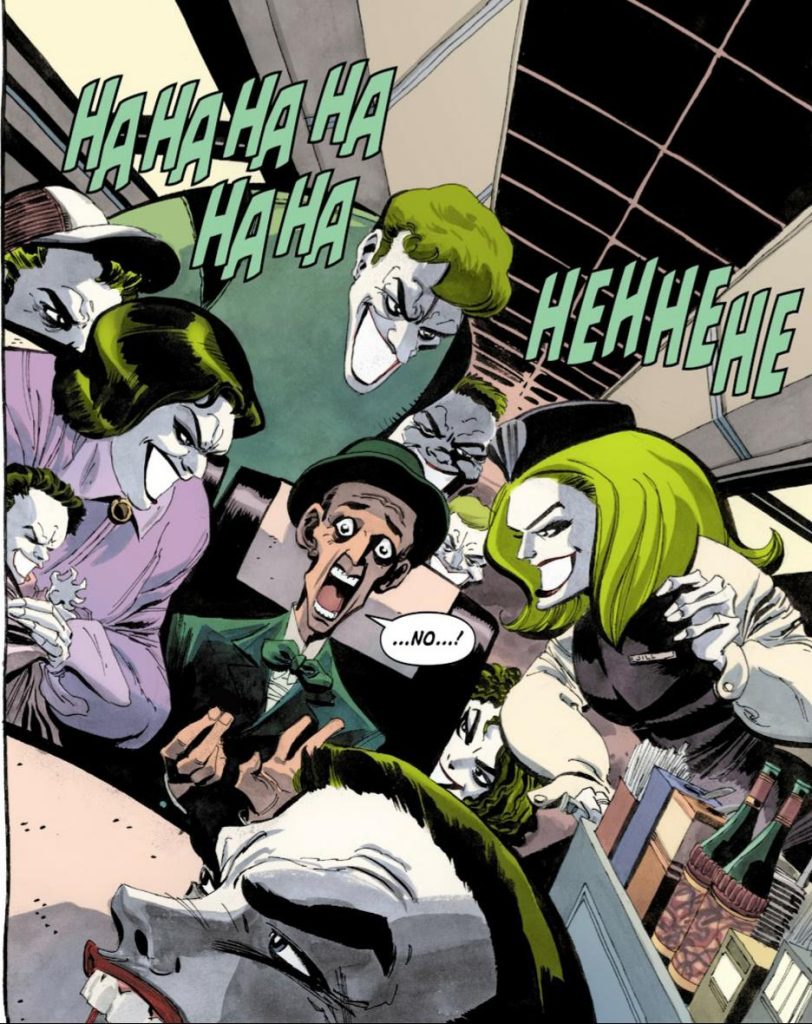
Can Joker’s venom be neutralized?
Neutralizing the Joker’s venom is a recurring challenge because the Joker frequently alters the formula, with over 50 documented variants existing in the comics.
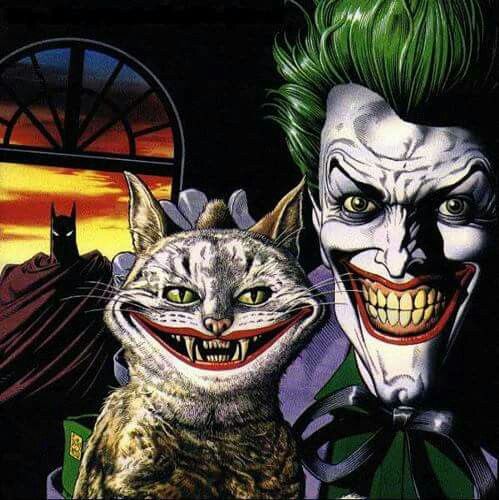
The Joker is generally considered immune to his own toxins due to prolonged exposure. However, in some media like Batman: The Animated Series, he has been shown wearing a protective helmet, suggesting his immunity might not be absolute across all continuities.

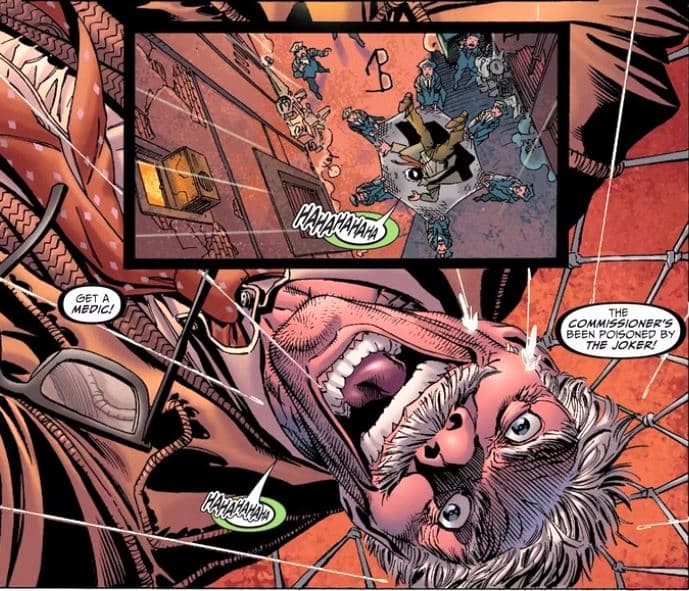
Batman often develops case-by-case cures. Commissioner Jim Gordon is a notable survivor, though the venom left him with temporary psychological side effects, such as finding dark humor unusually funny.
Jack Ryder survived a lethal dose but was transformed into the manic hero known as the Creeper. Poison Ivy is naturally immune to the venom due to her hyper-immune system.
Because the venom can be absorbed through the pores or bypass gas masks in certain versions, it is extremely difficult to neutralize systematically.
The toxin notably failed when used against the Red Skull in a crossover event; because their signature poisons were chemically similar, both villains had developed mutual immunity.
Which superheroes have been jokerized?
In the DC Universe, many superheroes have fallen victim to the Joker Venom (also known as Joker Gas or Smilex). The effects range from temporary “Jokerization” to permanent insanity or death.
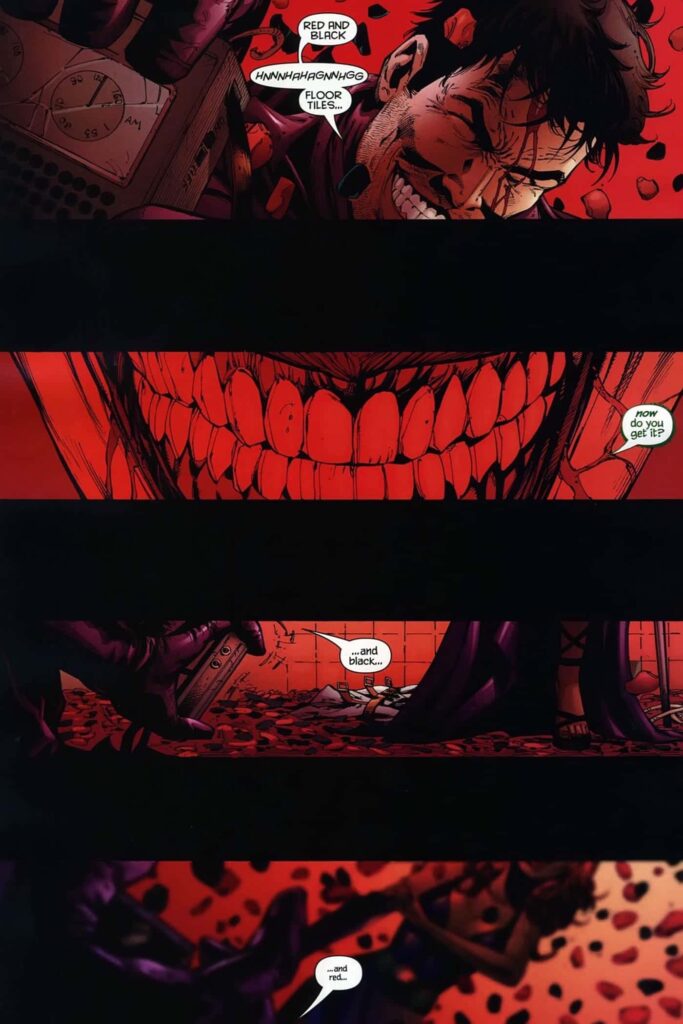
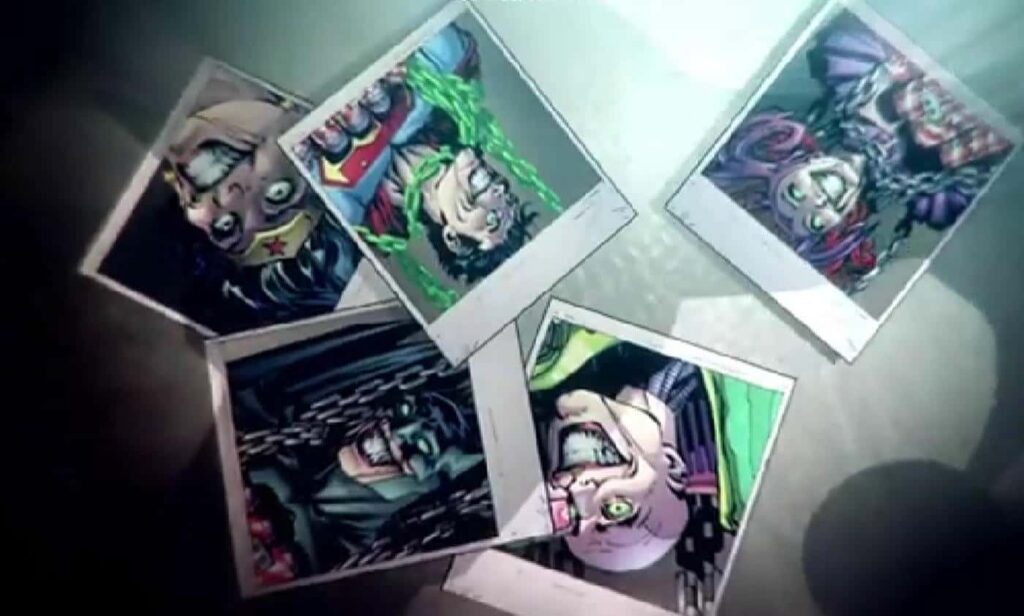
In this major storyline (Batman Vol. 2 #35-40), the Joker manages to infect almost the entire Justice League with a specialized strain of toxin tailored to each hero.
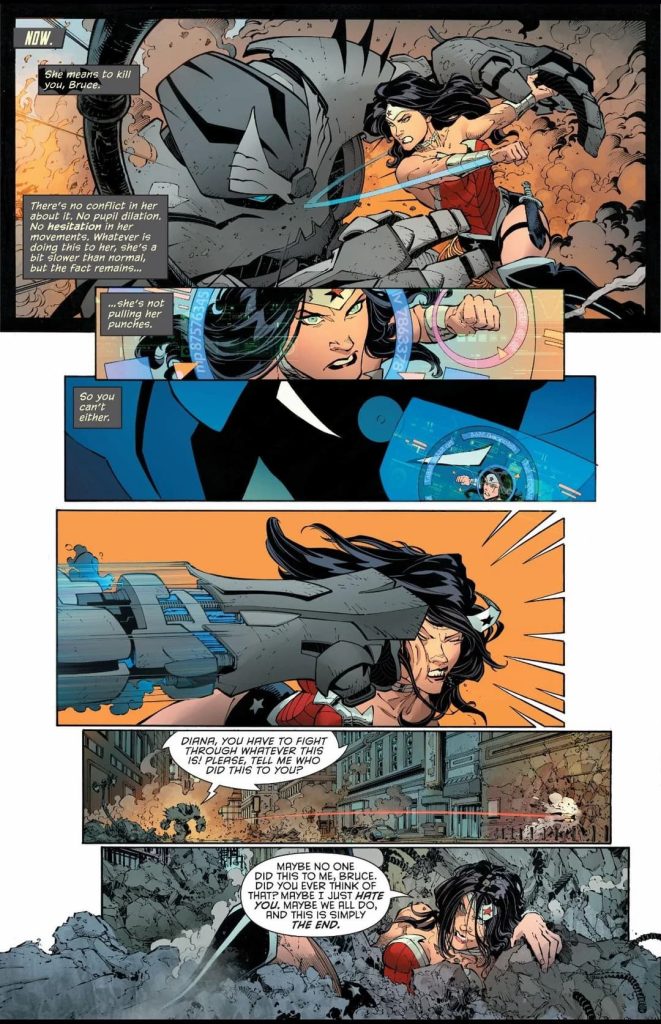
Wonder Woman becomes a mindless, laughing engine of destruction.
The Flash (Barry Allen)’s speed is turned against him as he laughs hysterically while attacking Batman.
Aquaman is found covered in “Joker-dust,” behaving like a shark-like predator.
Superman: The most terrifying victim; he is fully “Jokerized,” with a pale face and a bloody grin, nearly killing Batman before a kryptonite-laced gum is used to stop him.
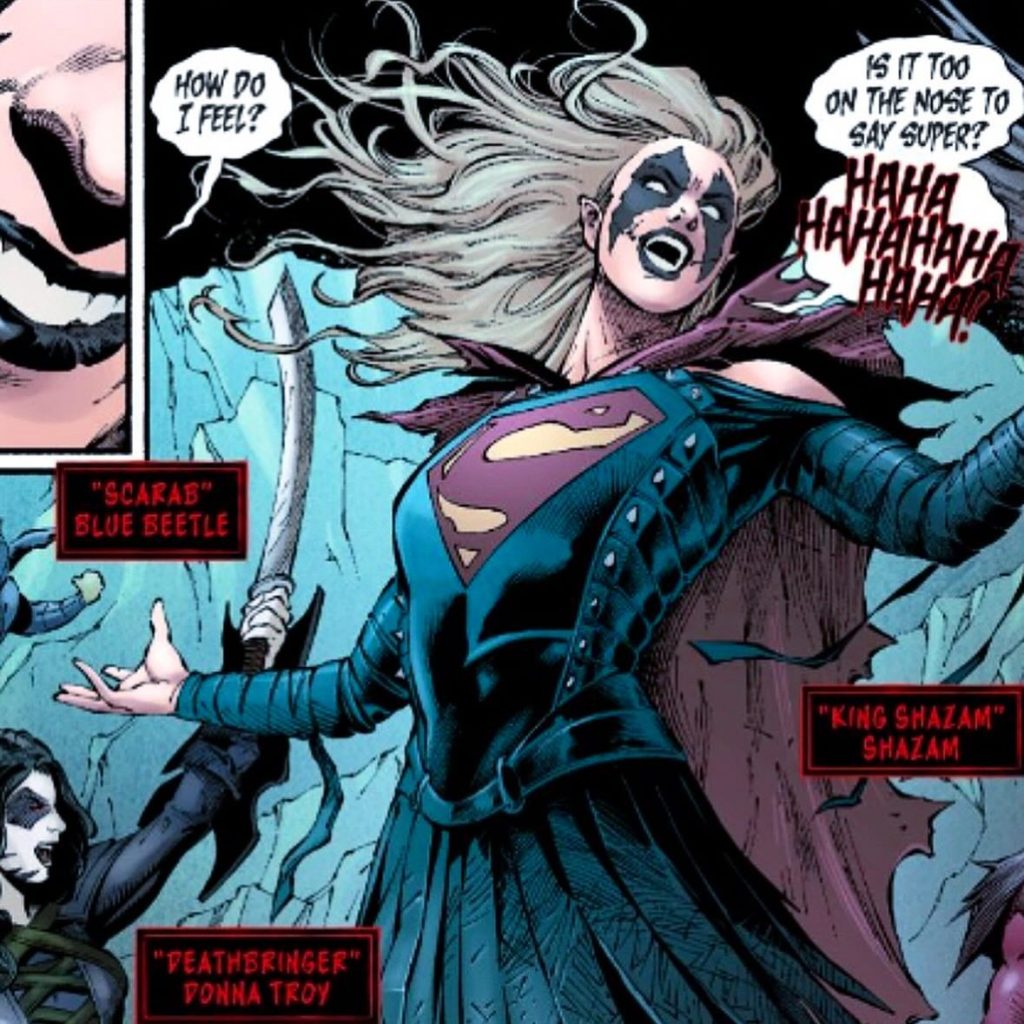
Supergirl is also jokerized in “Supergirl who laughs”, and so other DC heroes.
In Wonder Woman: Joker’s Holiday, the Joker uses a suicide vest to release a cloud of venom that paralyzes Wonder Woman. To survive and counter the toxin’s psychological effects, she has to use her mental discipline to “embrace madness” temporarily, making herself immune to the chemical’s influence.

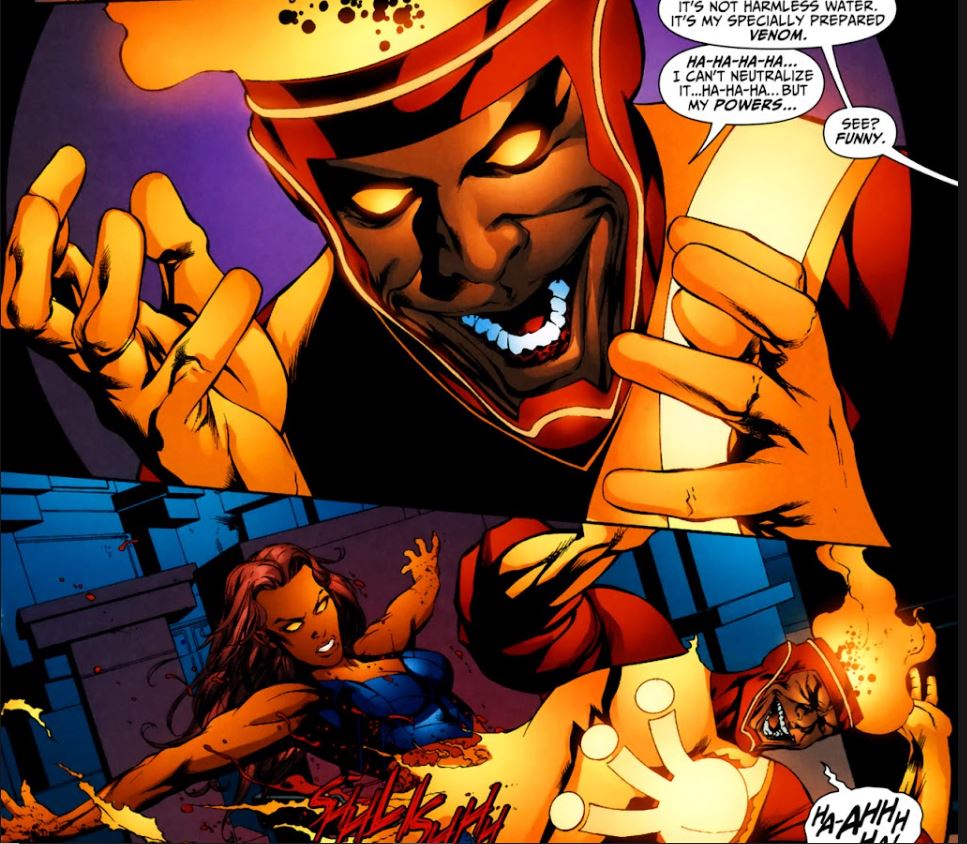
In “Justice League of America Wedding Special”, the Joker uses a specially prepared Venom to make Firestorm laugh uncontrollably. Because his powers require extreme mental focus to rearrange matter, the laughing fit makes him completely impotent and defenseless, leading to his defeat.

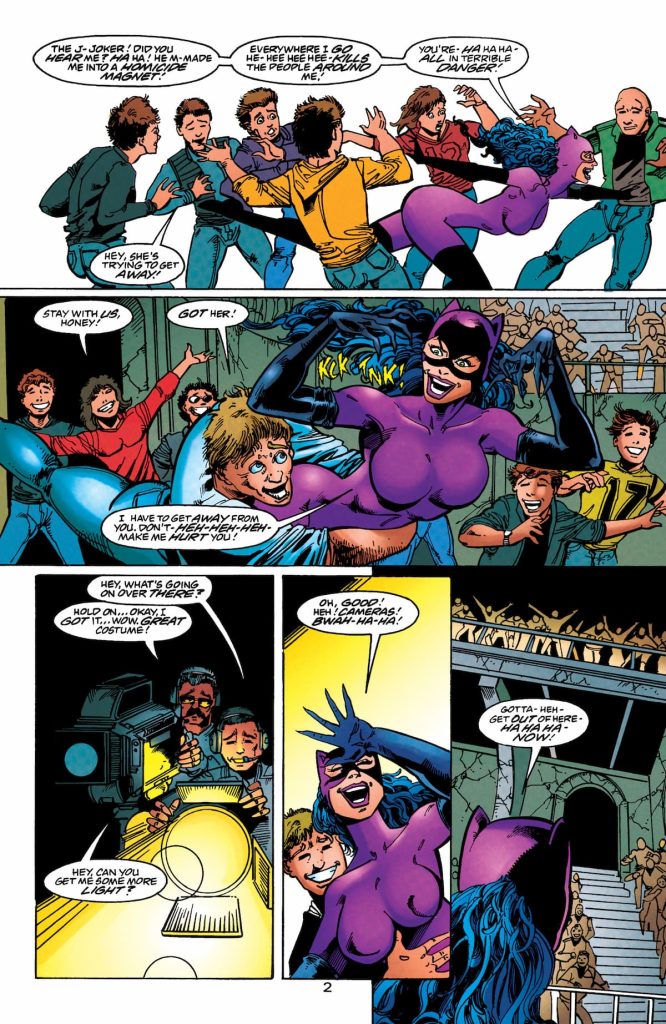
Catwoman is briefly jokerized in her own series (her skin doesn’t turn white but she’s incapable to hold her laughter).
Deadpool is briefly jokerized in “Batman/Deadpool”.

Other versions
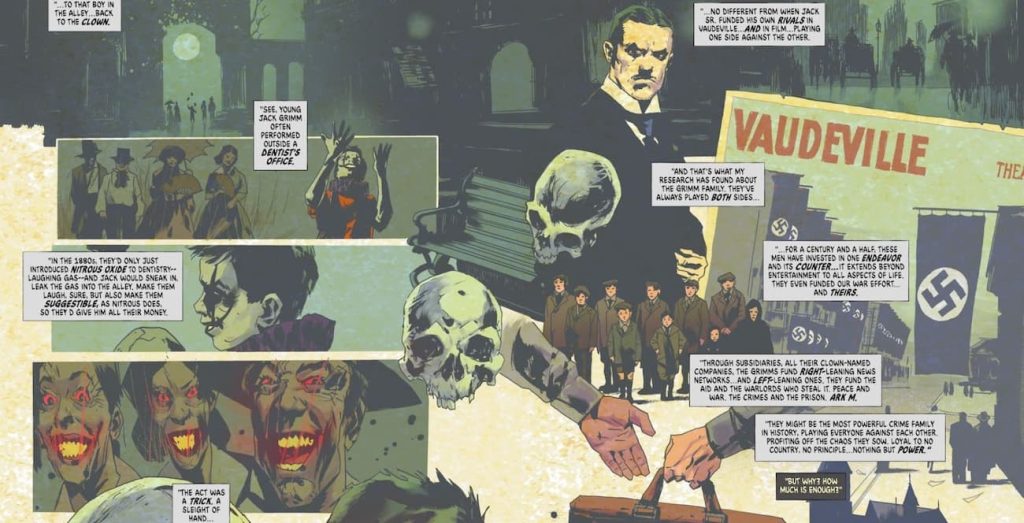
In Absolute Batman, at the end of the 19th century, Jack Grim uses laughing gas stolen from a dentist’s office in his theatrical performances to make his audience laugh and make them suggestible so he can get their money.
Animated series
The portrayal of the venom has evolved significantly to fit the tone and censorship requirements of different media:
Batman: The Animated Series
Batman: The Animated Series, the toxin was initially toned down to a non-lethal “laughing gas” due to broadcast standards, serving primarily as a distraction.

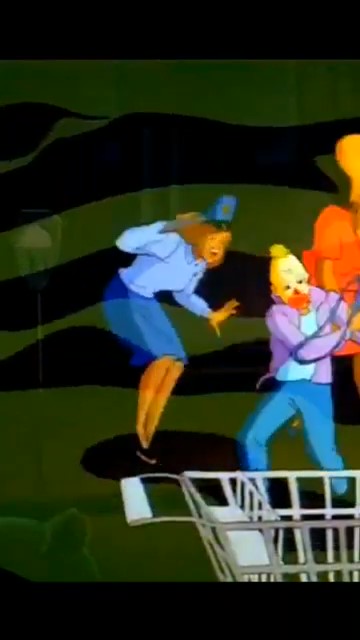

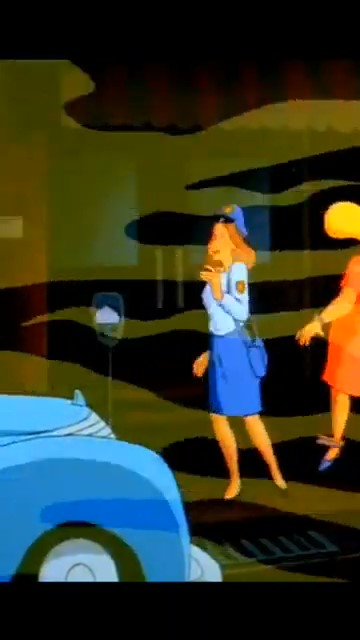
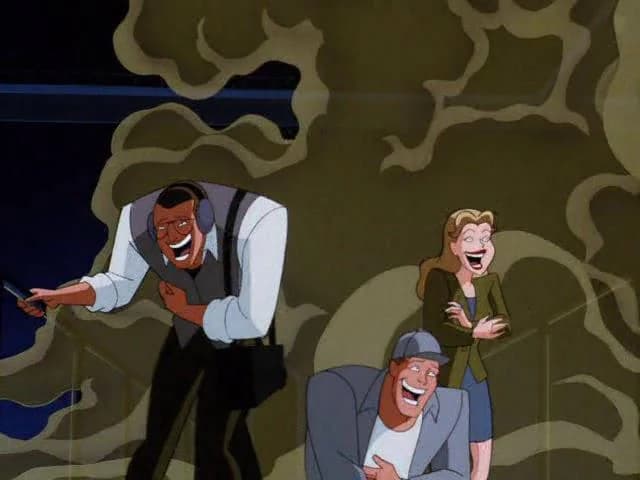
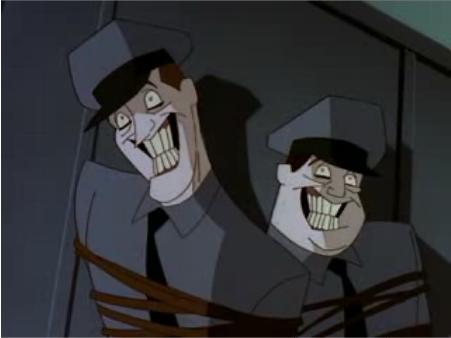
By the time The New Batman Adventures aired, the rules relaxed, allowing for more lethal depictions where victims were left with terrifying grins.
Jack Ryder was doused with the toxin, but instead of dying, the chemical reaction (combined with other factors) granted him super-strength and agility while leaving him permanently manic and yellow-skinned.

Batman: The Brave and the Bold
In Batman: The Brave and the Bold, it is interesting to note that an elderly Joker dies from exposure to laughing gas (perhaps he was not immune to it, or his immune system had weakened).
Amazons are not immune to Joker’s Venom.
Justice League: Action
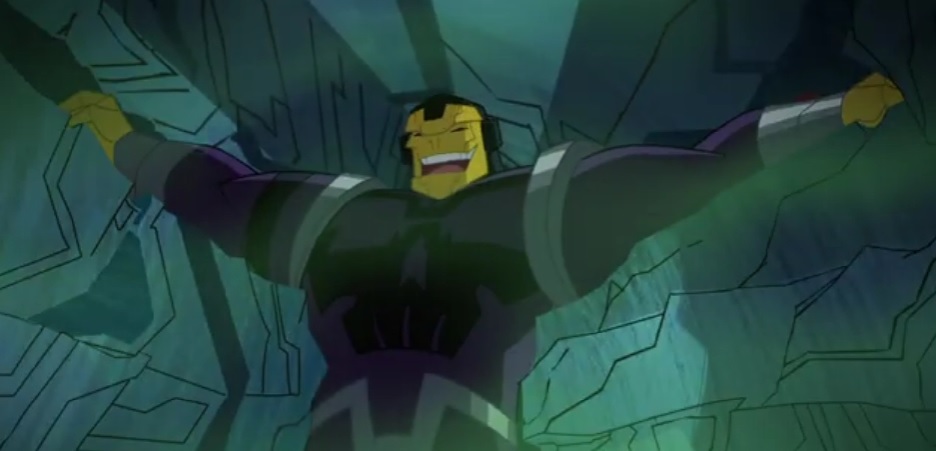
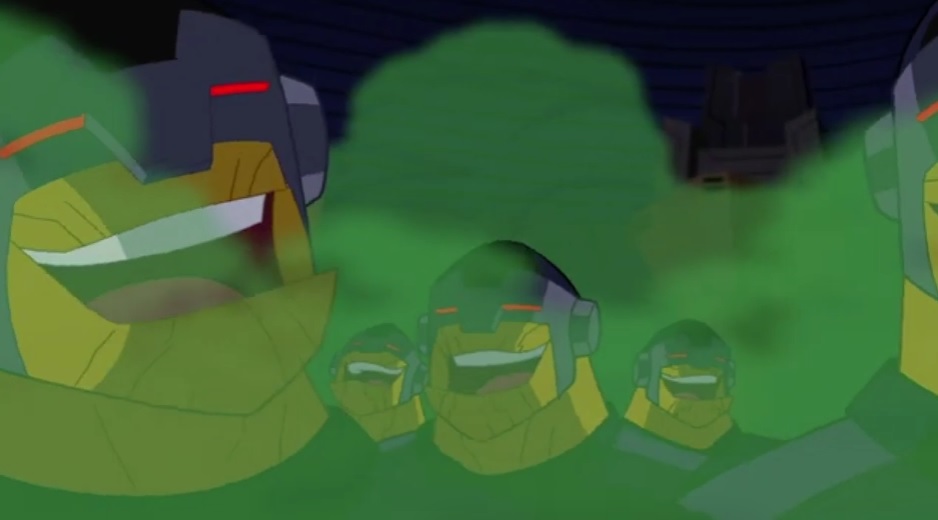
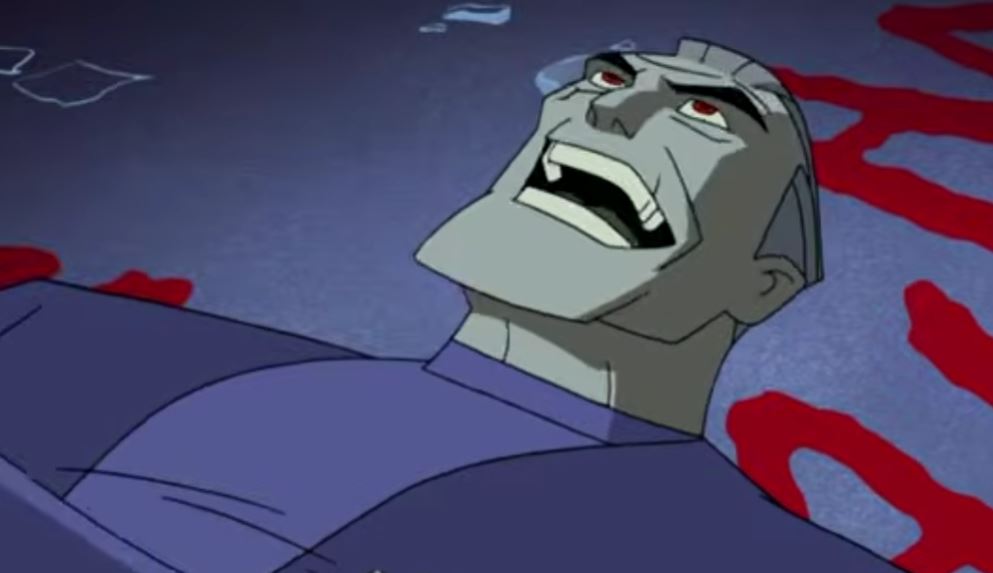
In the “Galaxy Jest” episode, Mongul and his henchmen are exposed to joker gas. The gas is depicted as green, and it is not specified whether it is lethal (theoretically, it isn’t lethal to aliens, since Supes sprays it on them).
The Batman
In this version, Joker Gas leaves its victims with a huge, grotesque smile etched on their faces, presumably leaving them in a coma.

The Bat in the Belfry” (Season 1, Episode 1), the Joker threatens Gotham with a massive cloud of gas.
In “The Laughing Bat” episode, Joker intends to take Batman’s place and poisons him with his laughing gas. Bruce Wayne must find a cure as he gradually begins to laugh more and more uncontrollably.
In “The Metal Face of Comedy” (Season 4, Episode 13) He attempts to create a liquefied, high-potency version of his venom that can be distributed through the city’s water or air systems via nanobots, which would make the effects instantaneous and permanent.
Batgirl is also briefly poisoned.

Young Justice
The version of the gas released by mutated plants causes death by sardonic laughter without discoloring the skin.

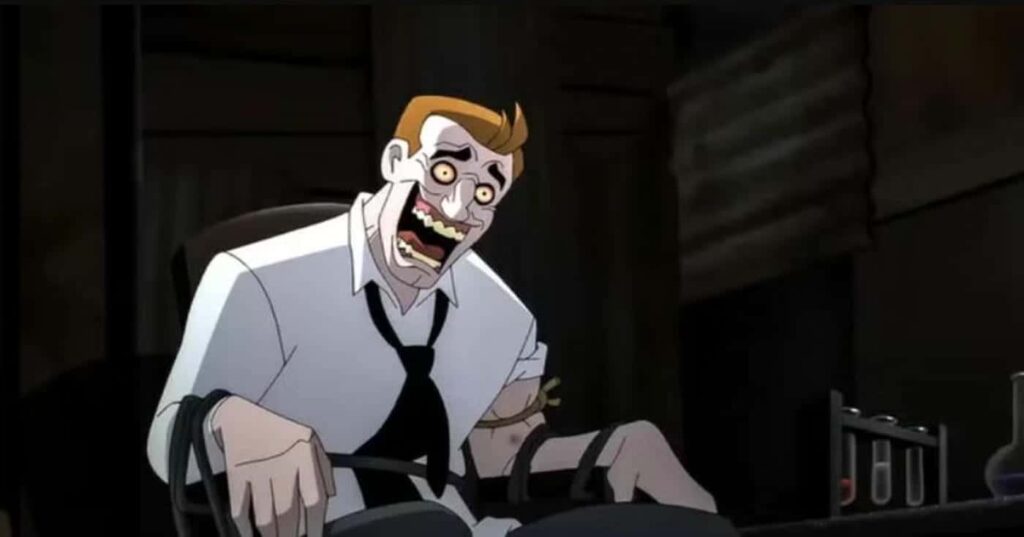
Batman: Caped Crusader


Animated movies
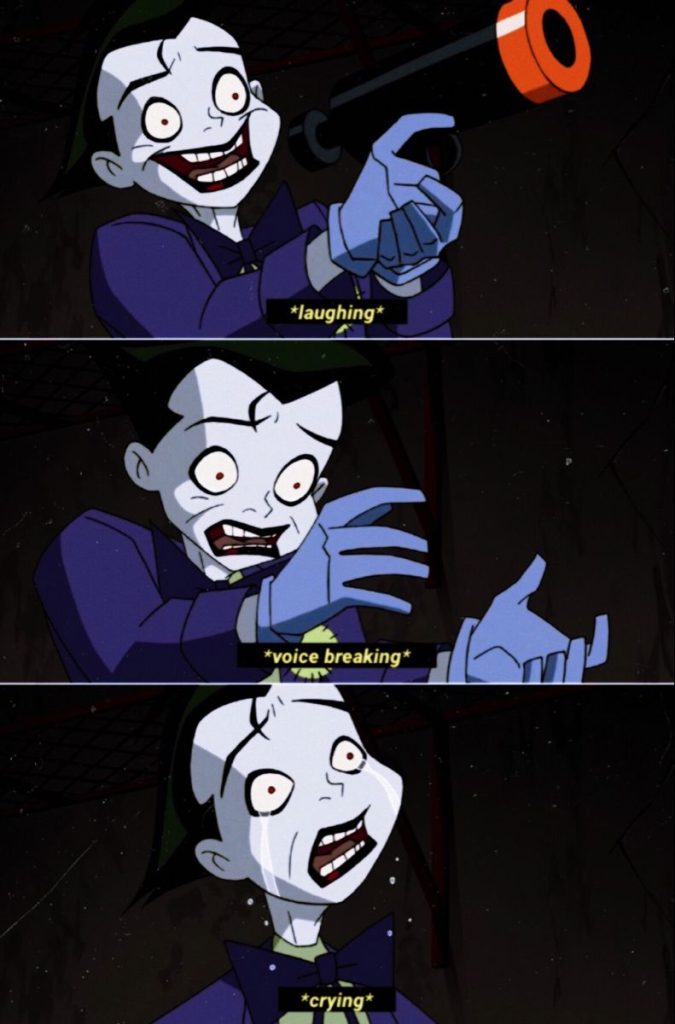
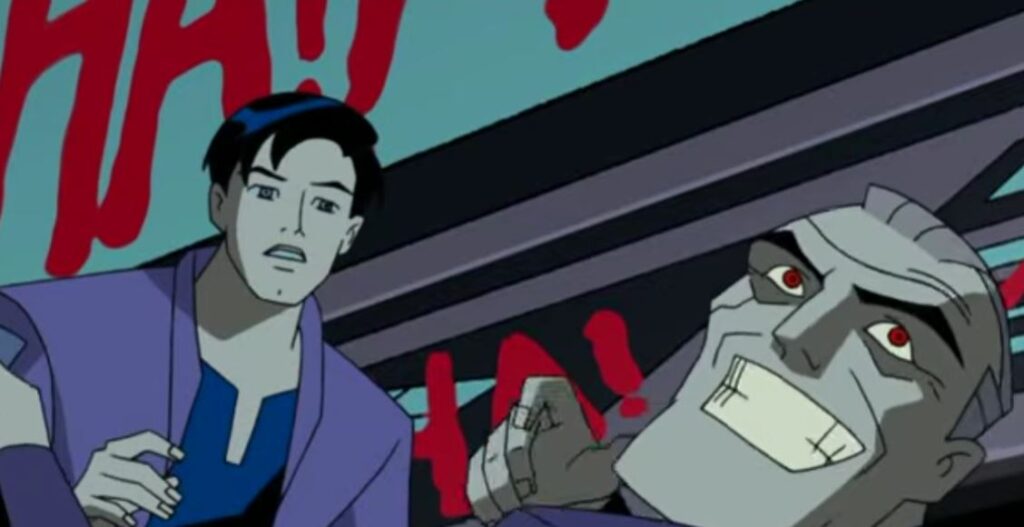
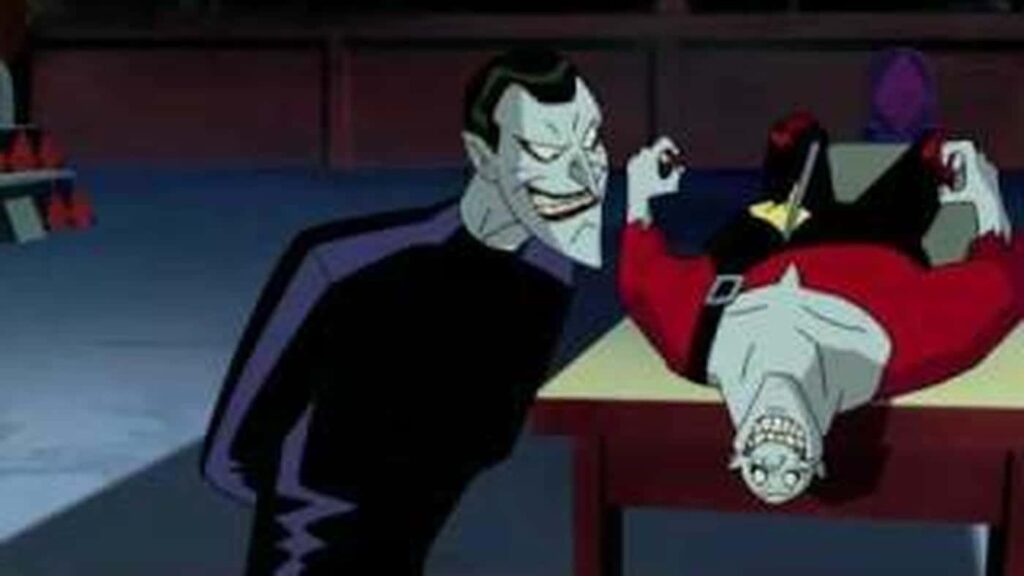
Batman Beyond: Return of the Joker
Tim Drake is temporarily jokerized.

LEGO DC Super Heroes: The Flash
Justice League is incapacitated by the Joker gas.

Batman & Harley Quinn
Harley Quinn is wearing a syringe filled with the Joker’s poison.


The Dark Knight Returns
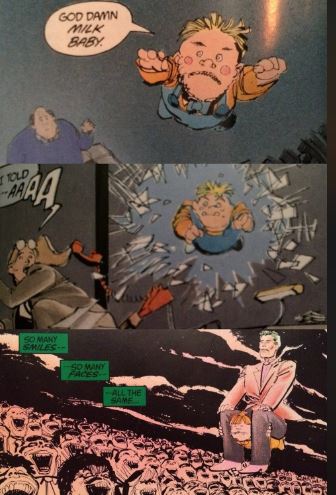
In the animated adaptation of “The Dark Knight Returns” (Part 2), the Joker’s use of gas is one of the most chilling and brutal sequences in DC history. It takes place during his “comeback” appearance on a late-night talk show.

Live-Action Films
Batman (1989)
In Tim Burton’s 1989 Batman, the venom is called “Smylex” and is presented as a binary compound hidden in everyday hygiene products, making it untraceable until specific products are used together.

The Dark Knight
Christopher Nolan’s The Dark Knight replaces the chemical toxin with the “Glasgow smile” (physical scarring), though the novelization suggests a laughter-inducing poison derived from Scarecrow’s fear toxin.
Live-Action Series
Gotham
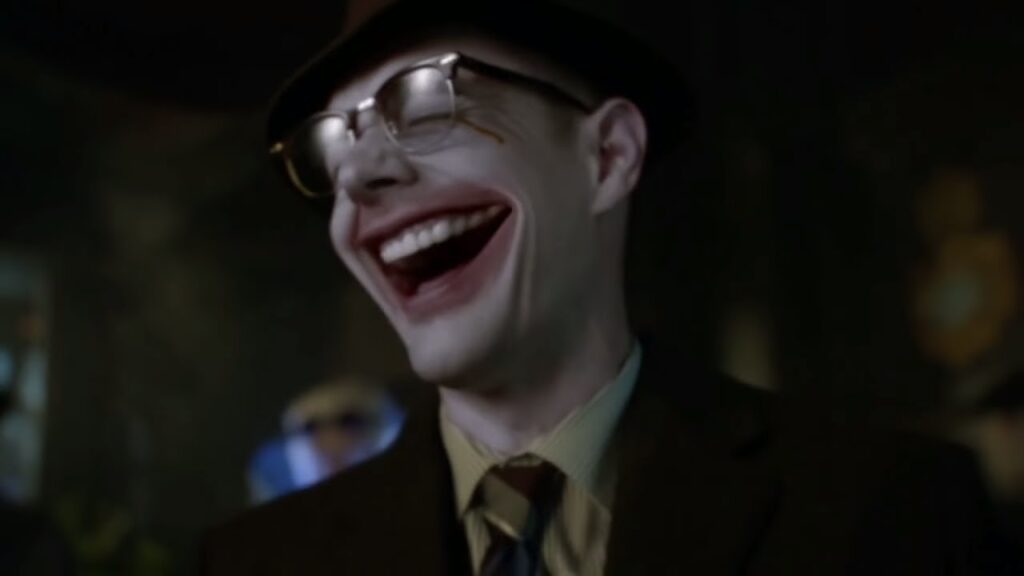
In “Gotham,” the formula for the laughing gas is derived from Scarecrow’s fear toxin.

Video Games
Arkham series
In the Arkham series, “Joker Toxin” (or “Happy Gas”) serves as a lethal environmental obstacle that Batman must vent from rooms to survive.

In Arkham Origins, it is used to kill a bank manager, whose frozen, contorted face haunts Batman throughout the story.

DC Universe Online
As part of the gang war erupting in Gotham City, the Joker has T.O. Morrow develop a new strain of Joker Venom.



Informazioni sull'autore

Related posts:
 Tribute to Fujiko Mine | Most iconic sexy and tickling scenes
 List of tickling scenes in Batman comics and cartoons
 List of Tickling Scenes in Marvel Comics and Cartoons
 List of tickling scenes in Superman (TV and comics)
 List of tickling scenes in Disney comics and animation
 Vote For The Greatest Ticklish Character of All Time!
 List of ticklish superheroes
 List of Santa Claus and Ticklish Christmas Scenes
 Tribute To Archie Comics | Sexy and tickling scenes with Betty and Veronica
 Most iconic foot tickle scenes
 Master of Mosquiton | Sexy and tickling scenes
 Tickling scenes in “Animaniacs”