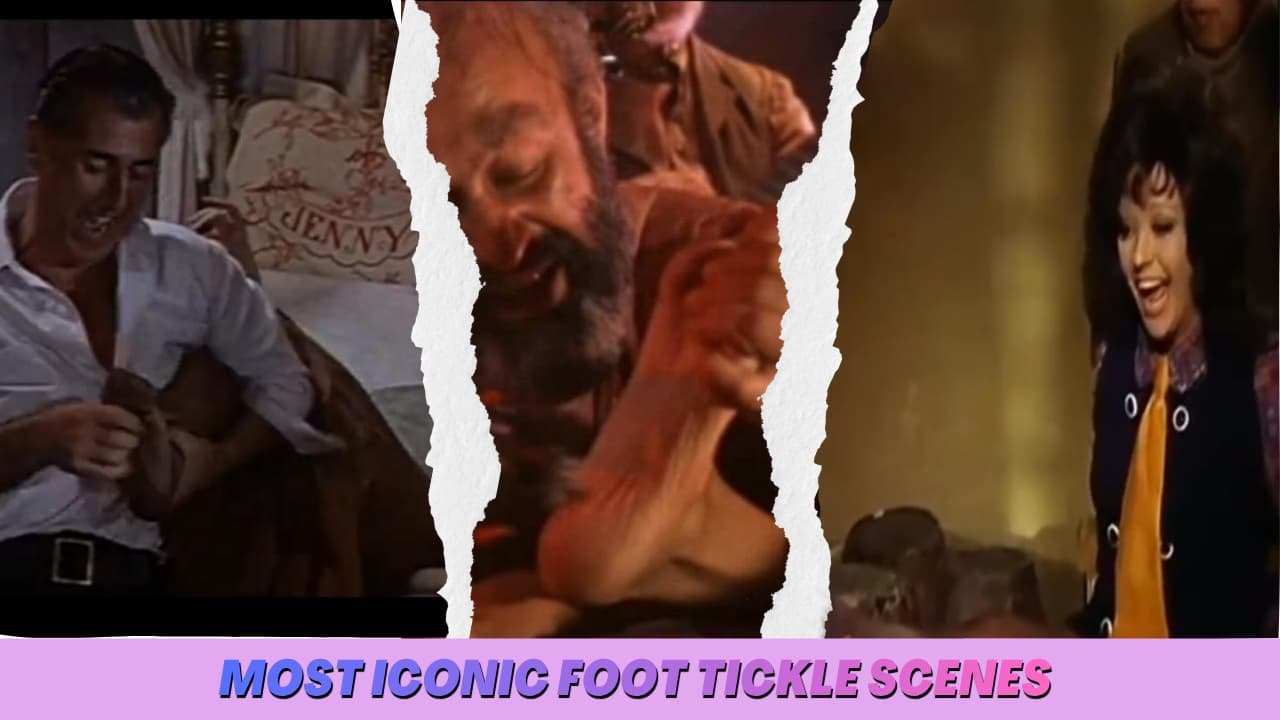
Tickling has long been a playful trope in movies, TV shows, cartoons, and literature—a mix of humor, tension, and vulnerability that captivates audiences. But when it targets the feet, it amps up the intimacy and intensity, often revealing character dynamics in surprising ways. From giggles to torture, these scenes aren’t just gags; they’re cultural touchstones. Foot-tickling scenes endure because they tap into universal vulnerability—bare soles as the great equalizer.
Let’s break them down by motive, spotlighting the most memorable examples.
Leggi tutto: Most iconic foot tickle scenesContents
Accidental tickle
On a more fundamental level, the “purpose” of ticklishness is believed to be an evolutionary defense mechanism.
The most ticklish parts of the body—the neck, armpits, and soles of the feet—are also the most vulnerable areas. Tickling may have evolved as a reflex to alert the body to the presence of creeping insects or parasites and to trigger an automatic movement to protect these vital spots.
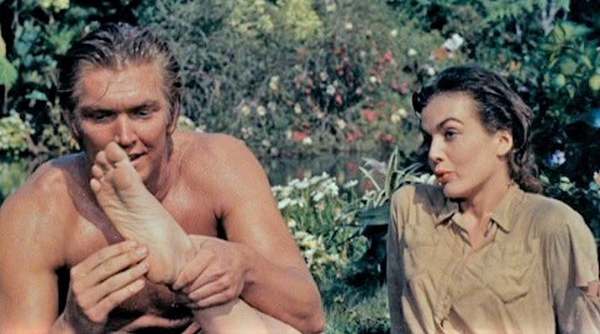
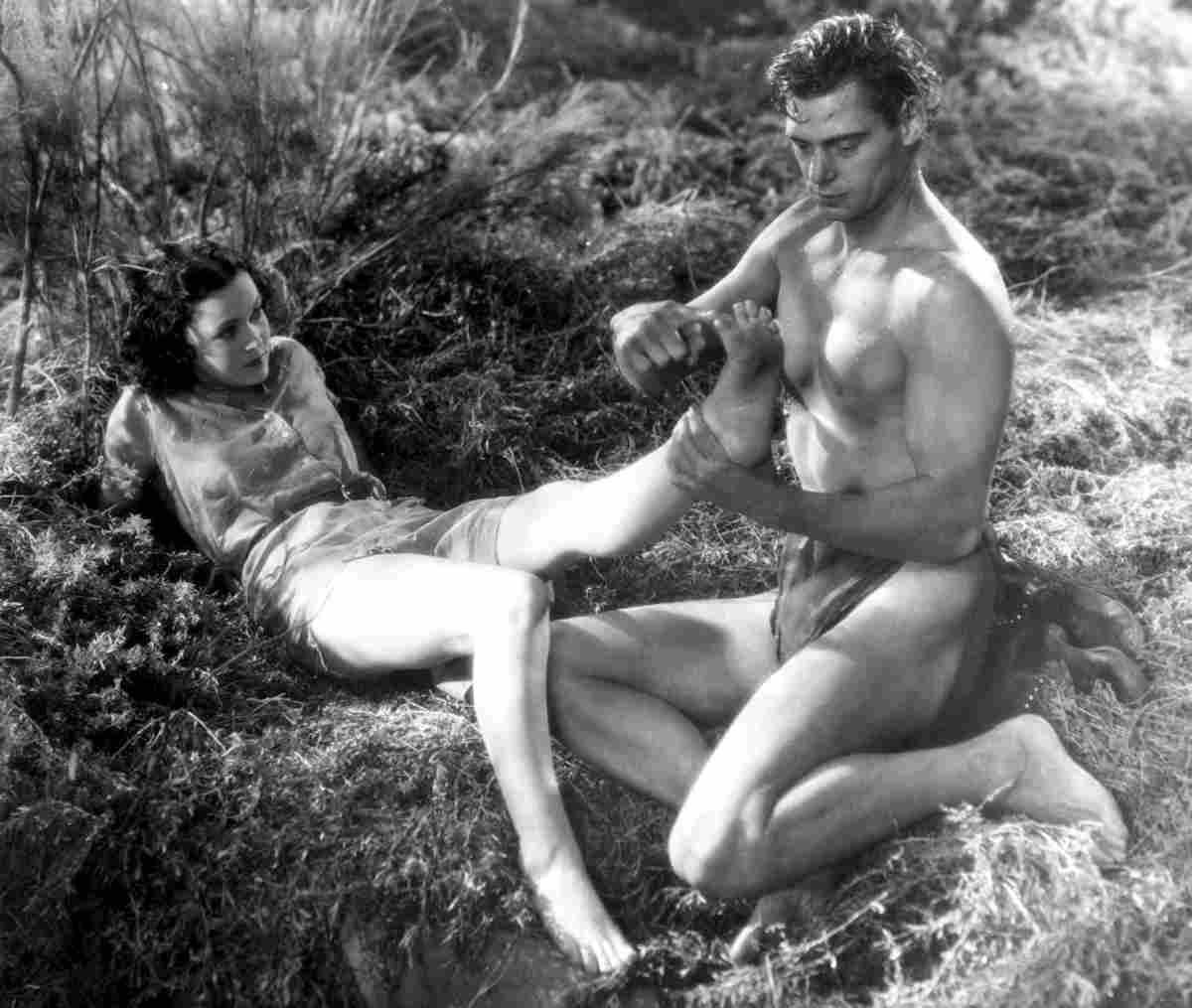
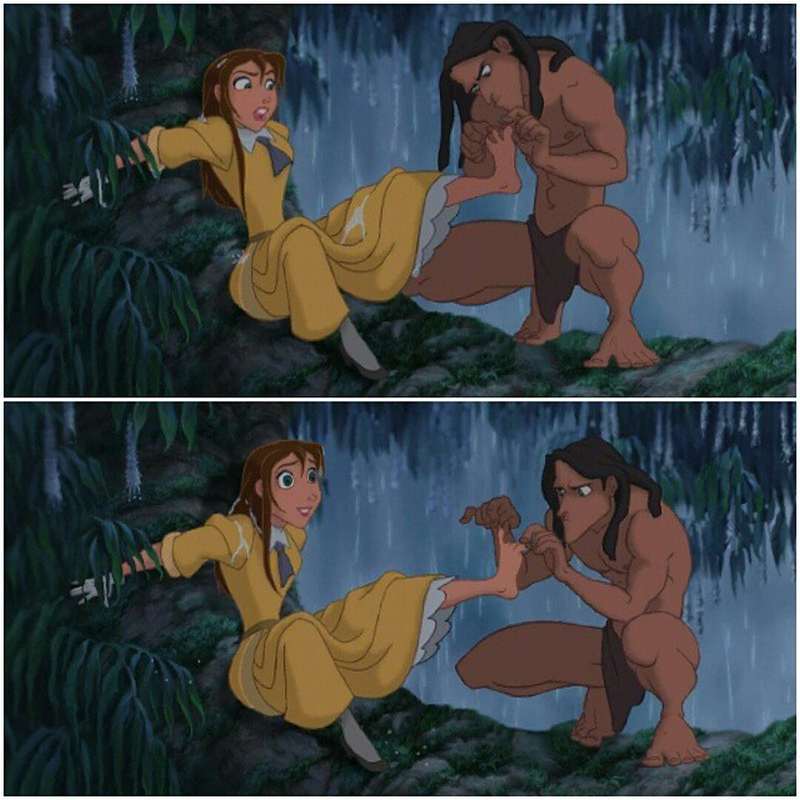
In various versions of the movie “Tarzan,” the protagonist curiously explores Jane’s body, having never seen another human being before. When he brushes against the sole of her foot, she giggles or responds irritably that he’s tickling her.
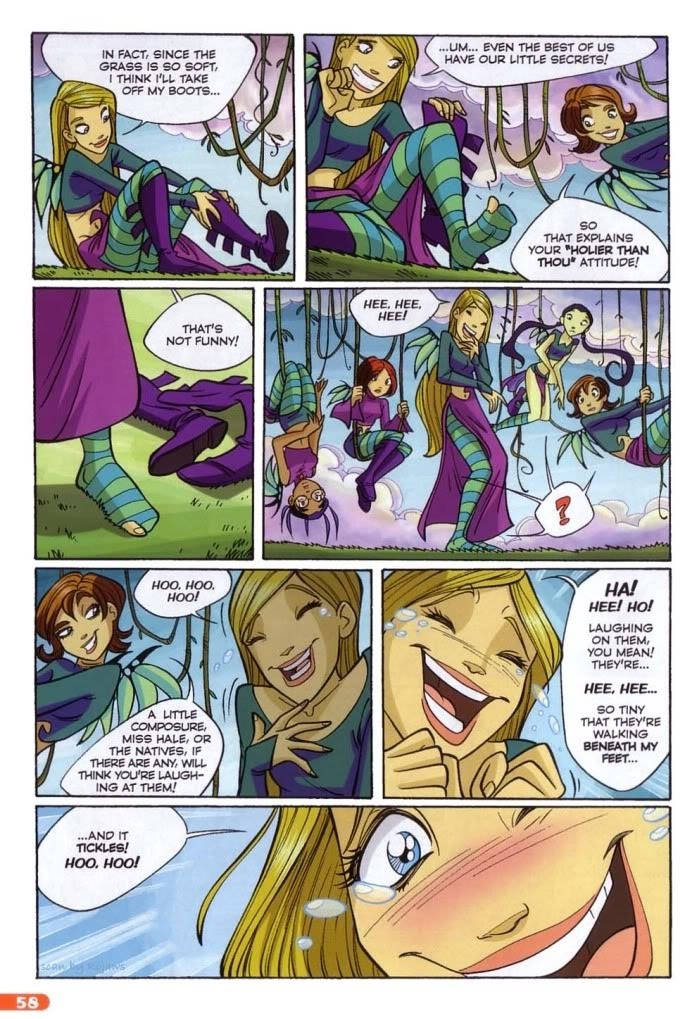
In “W.I.T.C.H.”, Cornelia Hale is tickled when some little creatures crawl her feet.
In “I’ll Be Suing You” (1934), the protagonist tries to remain impassive while pretending to have a broken leg; however, her real leg is licked by a dog under the bed, which tickles her terribly and makes her laugh.
In “Fullmetal Alchemist”, Riza Hawkeye is licked and ticked on her feet by her dog.
An example of ticklish reaction in “Solaris”.

Involuntary reaction
The soft sole of the foot is a weak spot whose rubbing can “betray” a person, causing them to move or laugh against their will.
In “The Pink Panther”, Simone Clouseau (Capucine) is briefly tickled by David Niven on her foot.
An example of this is the situation of “fake death,” in which a person pretends to be dead or paralyzed and is then, voluntarily or involuntarily, tickled in order to produce a reaction (laughter or body movement) that betrays the pretense.
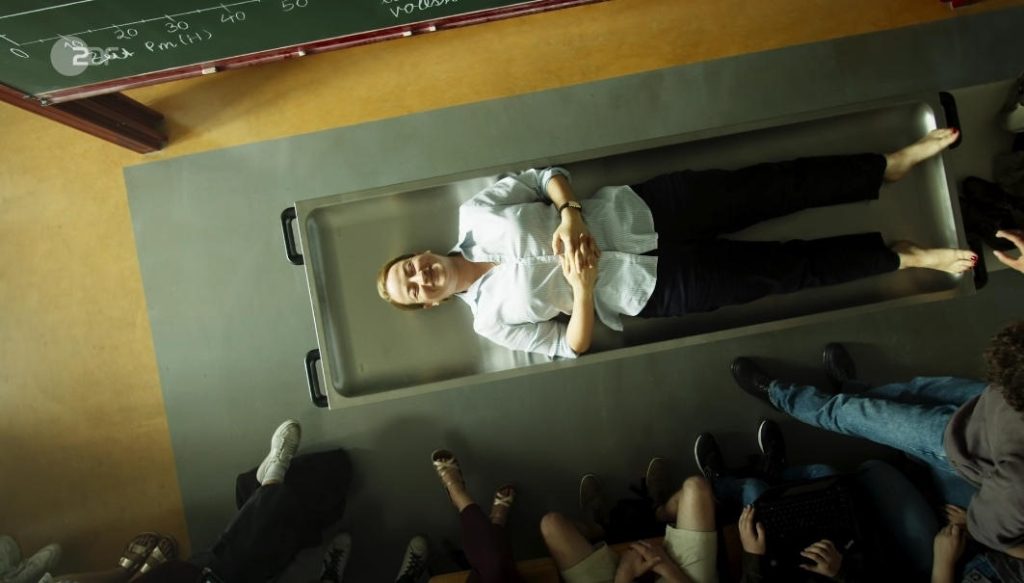
In “Theresa Wolf,” the protagonist is tickled underfoot during a demonstration where she poses as a corpse in the morgue, laughing and entertaining the class.
In “Conan the Future Boy,” one of the protagonists pretends to be dead by hanging, but the antagonist forces his allies to tickle his feet intensely until he gives in and bursts out laughing and wriggling.
In “Big Trouble” (1985), Peter Falk’s character is tickled under the feet by a police officer precisely to make him move and prove that he is alive, a plan that actually works.
Pedicure / foot scrubbing
Often used as a narrative device to humanize a character or break a tense atmosphere, the involuntary reaction to a nail technician’s touch serves as a universal equalizer.
In media representation, these scenes transition quickly from a ritual of relaxation to a comedic exploration of a physical “Achilles’ heel,” reminding the audience that even the most stoic individuals have a breaking point when it comes to their reflexes.
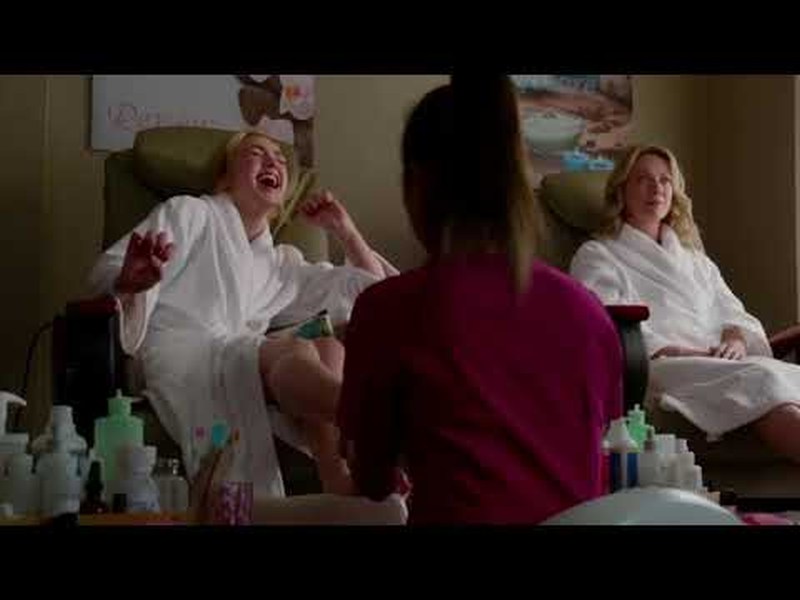
In “The Swap”, the male protagonist, now in the body of his female counterpart, is not used to scrubbing and reacts with intense tickling sensations, finding it torturous.
Babinski test
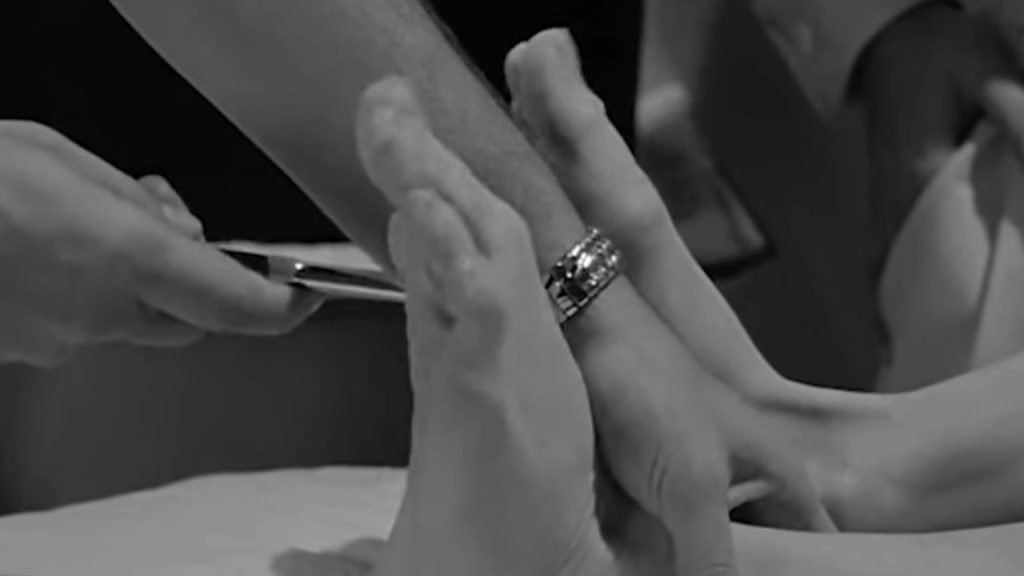
In medical dramas and documentaries, the portrayal of the Babinski reflex test (or plantar reflex) serves as a high-stakes moment of neurological scrutiny. Unlike the lighthearted nature of a pedicure, the “tickling” of the sole in a clinical setting is a calculated diagnostic tool used to identify potential damage to the central nervous system. When media depicts this scene, the focus shifts from laughter to suspenseful silence.
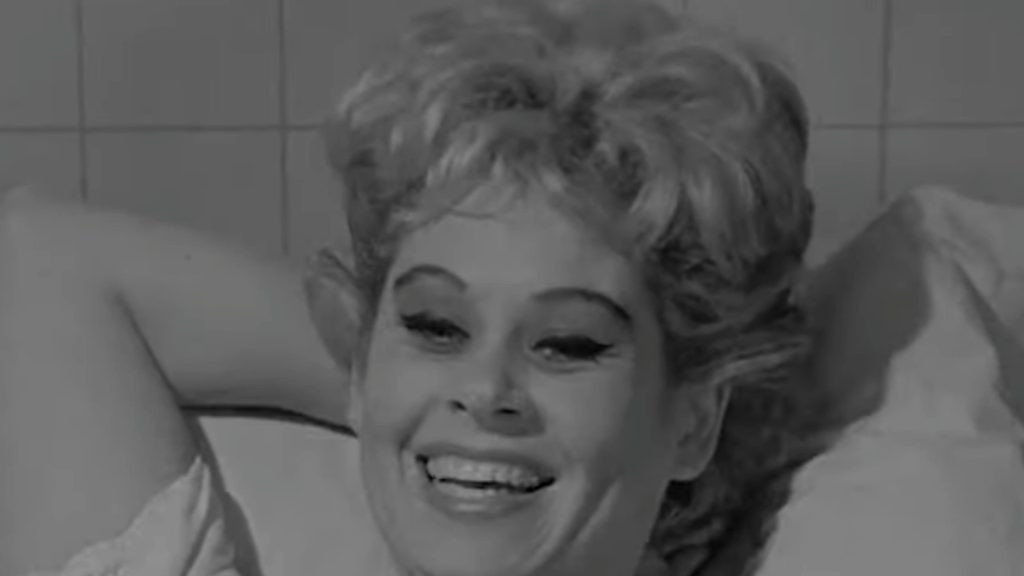
In “The New Interns” (1964), a woman receives the Babinski reflex test, giggling and squirming while her nervous system is correctly working.
Laughter induction
Tickling is often viewed as a primordial form of humor and play. Aristotle described humans as the only animals that laugh and noted that tickling quickly penetrates the “intelligence,” producing an involuntary movement.
Neuroscientists suggest the “pretend tickle” (the “I’m going to get you” game) is likely the world’s oldest joke, as both human babies and chimpanzees “get” the joke and laugh exuberantly in anticipation.
Animaniacs opening includes iconic feather tickle scenes.
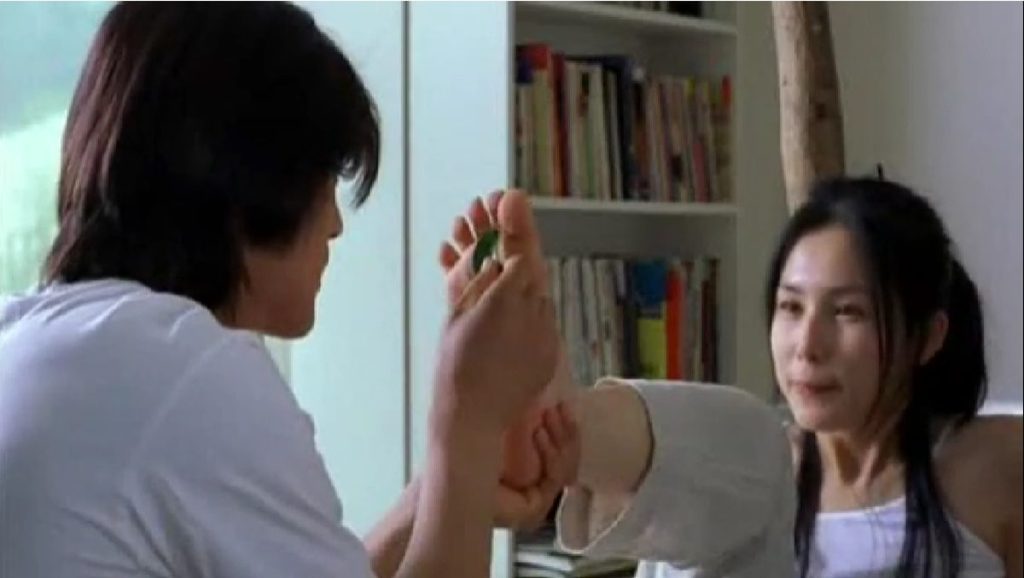
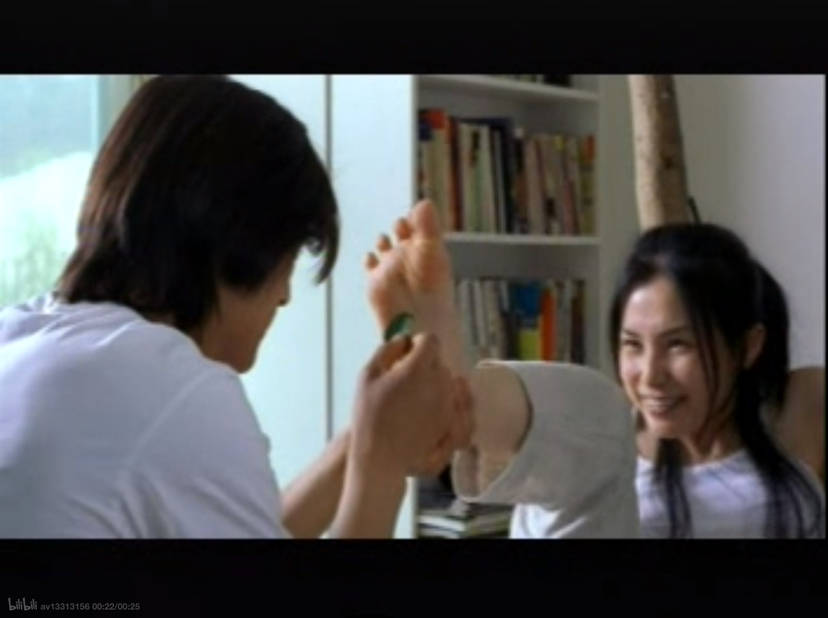
In “La Belle” (2000), the female character undergoes a test of endurance with her lover. She tries to remain impassive while he tickles her foot, but eventually bursts out laughing and walks away.
In “Mysticons,” one of the main characters has her feet tickled with the explicit aim of making her cry from laughing so hard and thus obtaining a tear from her.

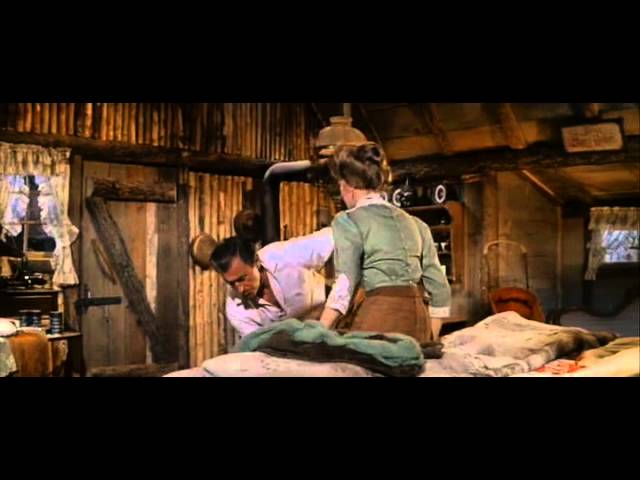
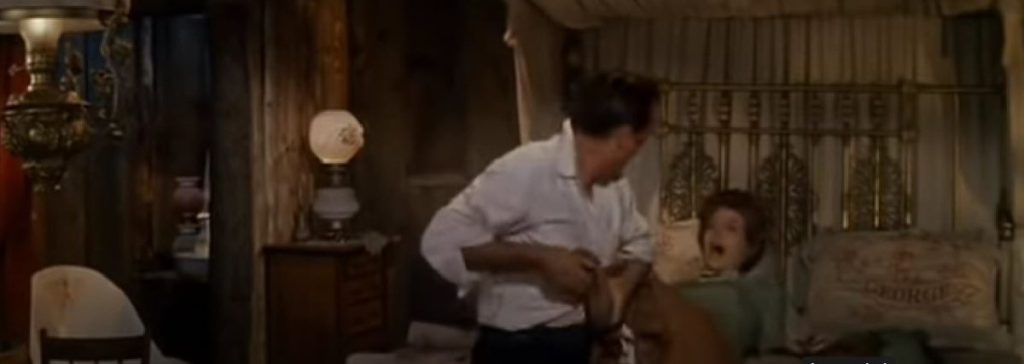
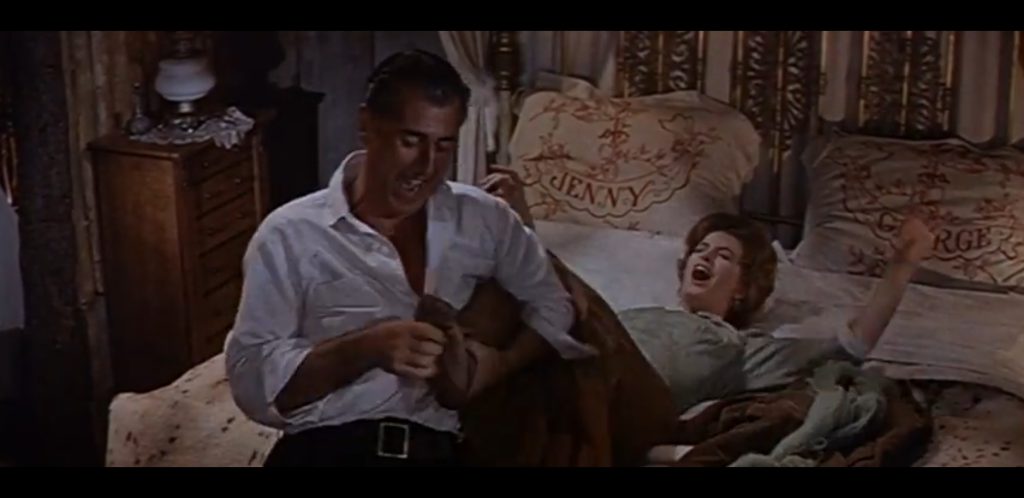
During a chaotic saloon brawl in John Wayne’s “North to Alaska”, a character tickles a woman’s stocking feet, sparking loud laughter amid the action.
Magic sawing
The classic trick of the woman cut in two often involves the magician or his assistant tickling the girl’s feet with their fingers, either while placing her in the box and securing her, or after the “cut” has been performed, to “prove” that the two parts are still connected and that she retains sensitivity in her lower body.
The aim is also to entertain the audience, making the assistant laugh against his will, taking advantage of his inability to move.
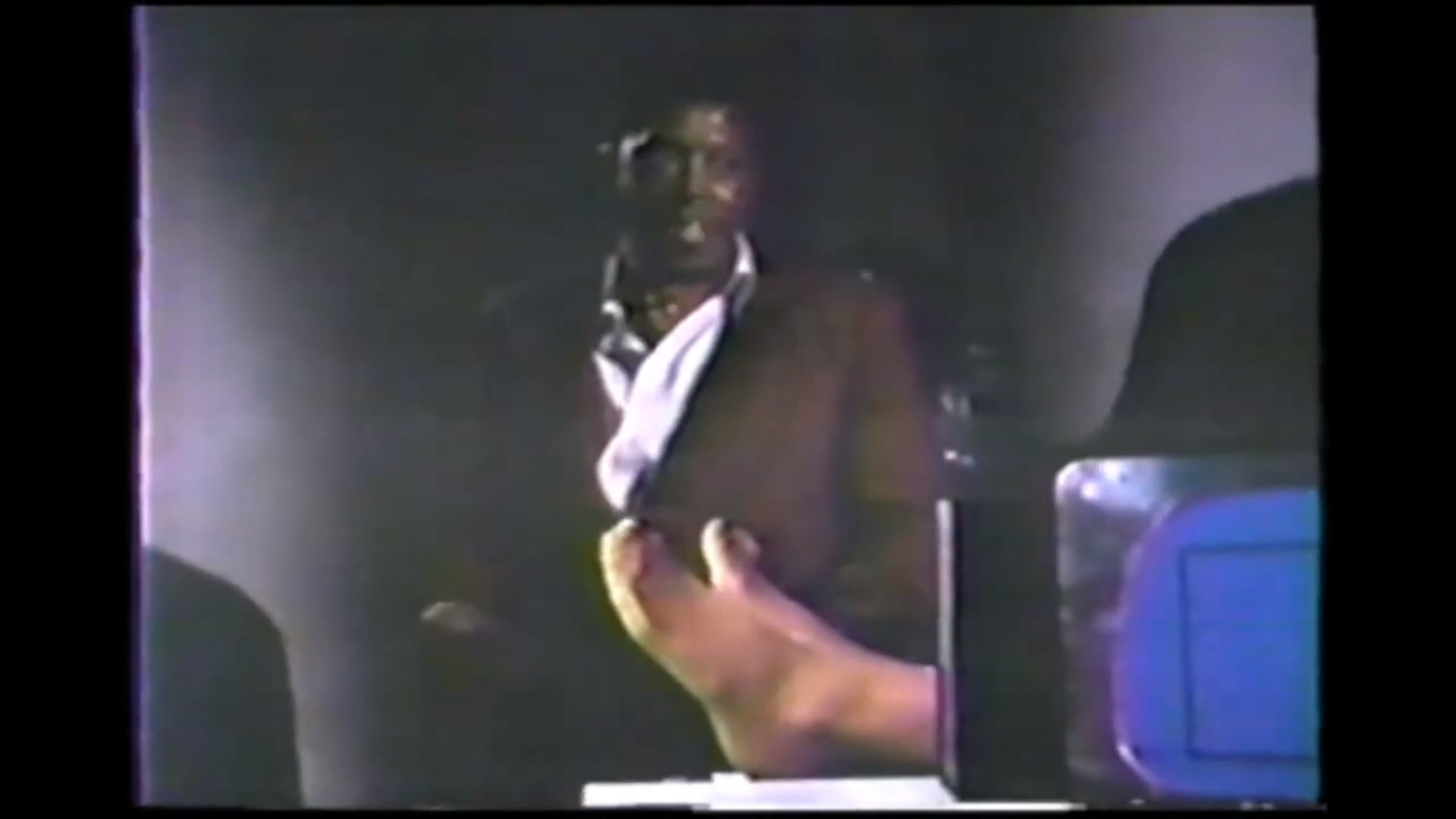
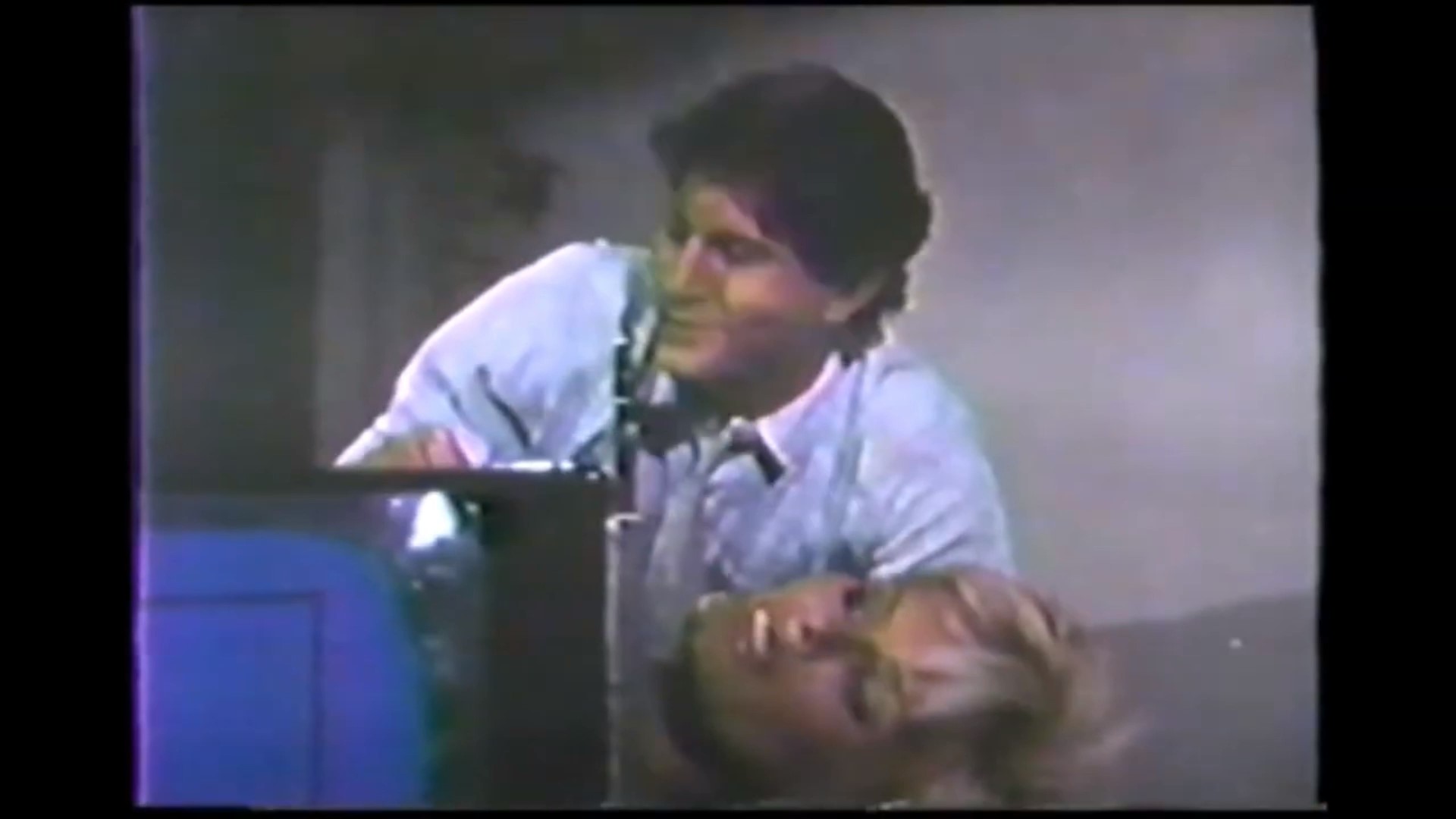
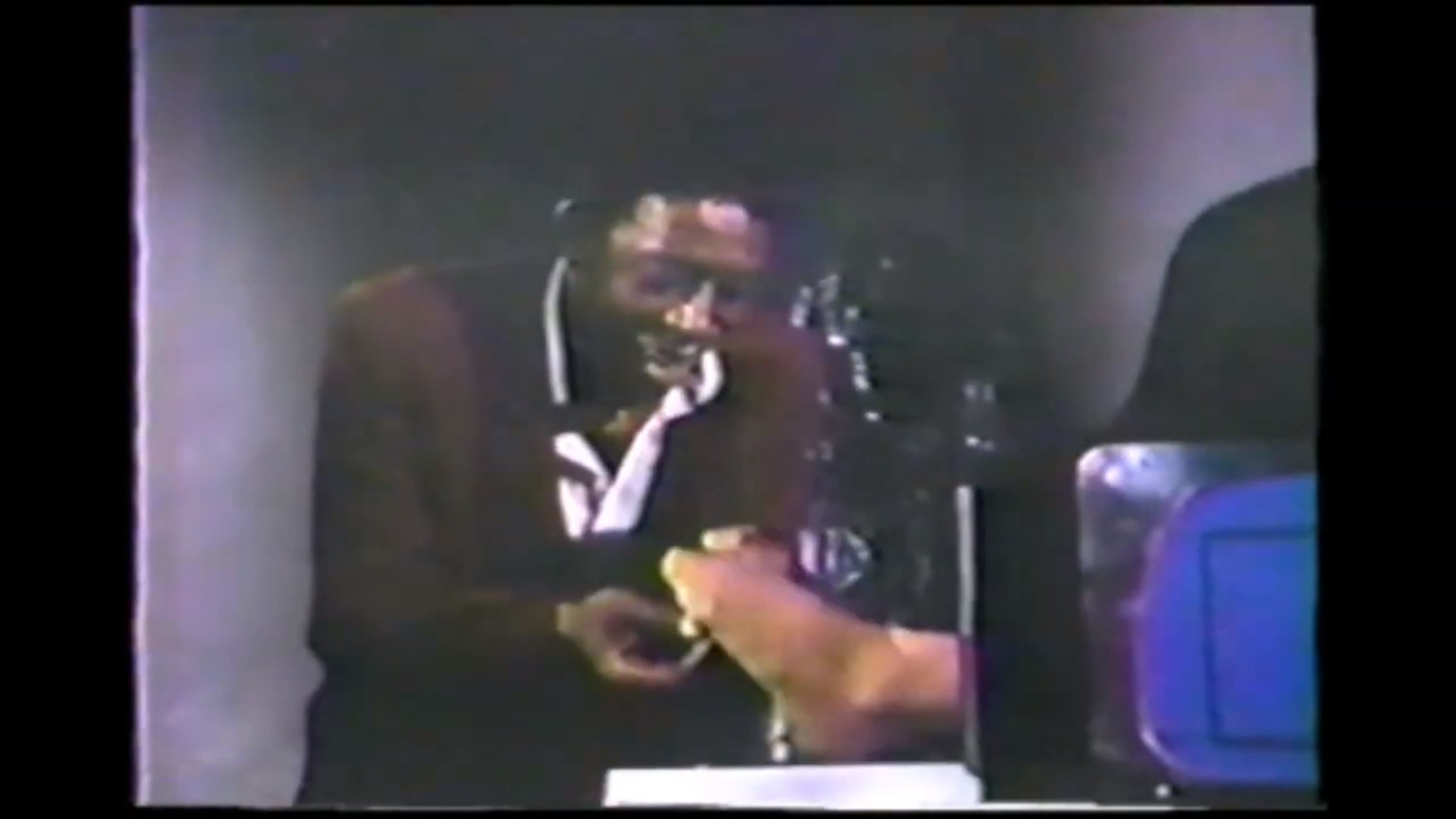
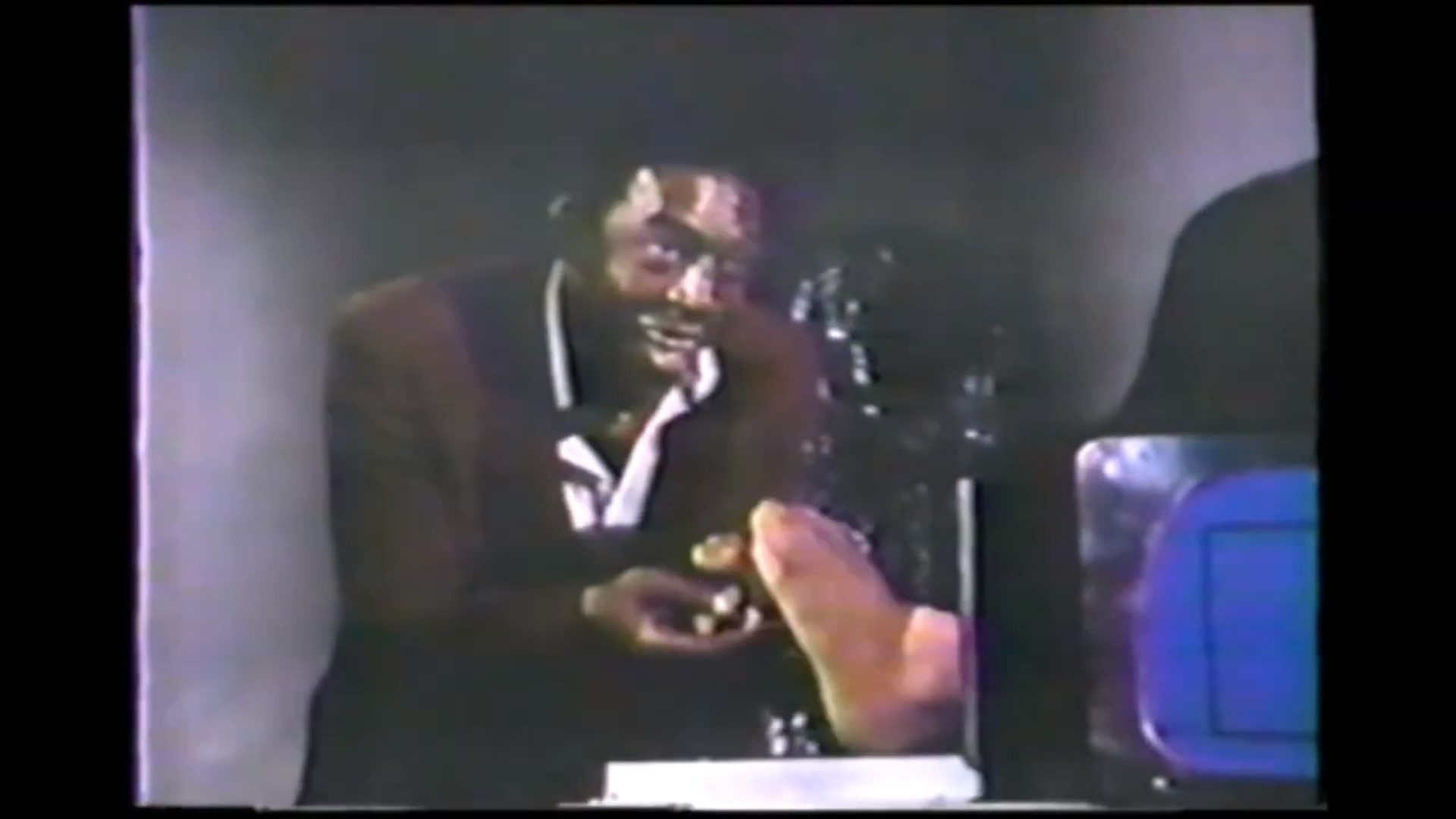
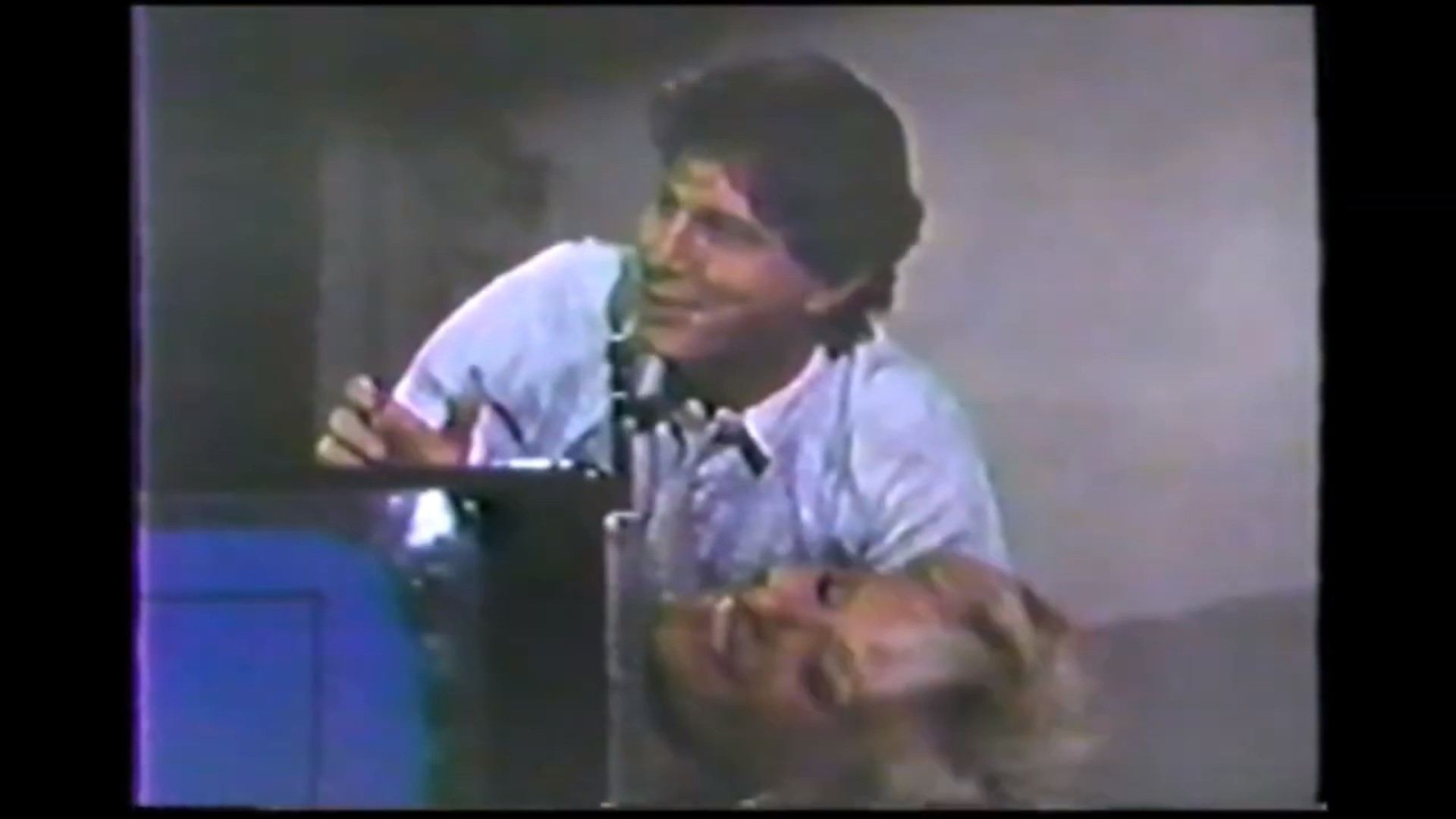
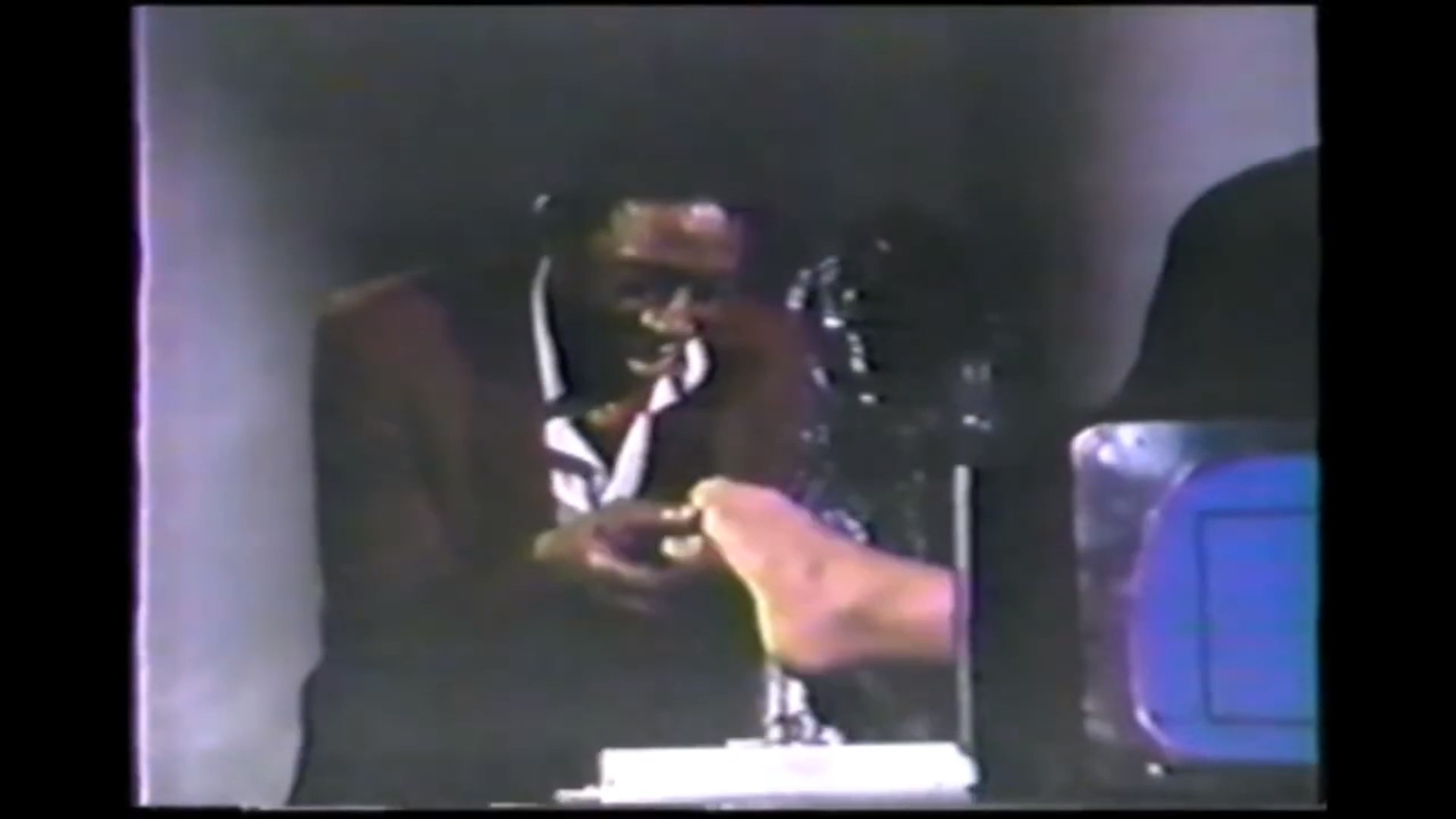
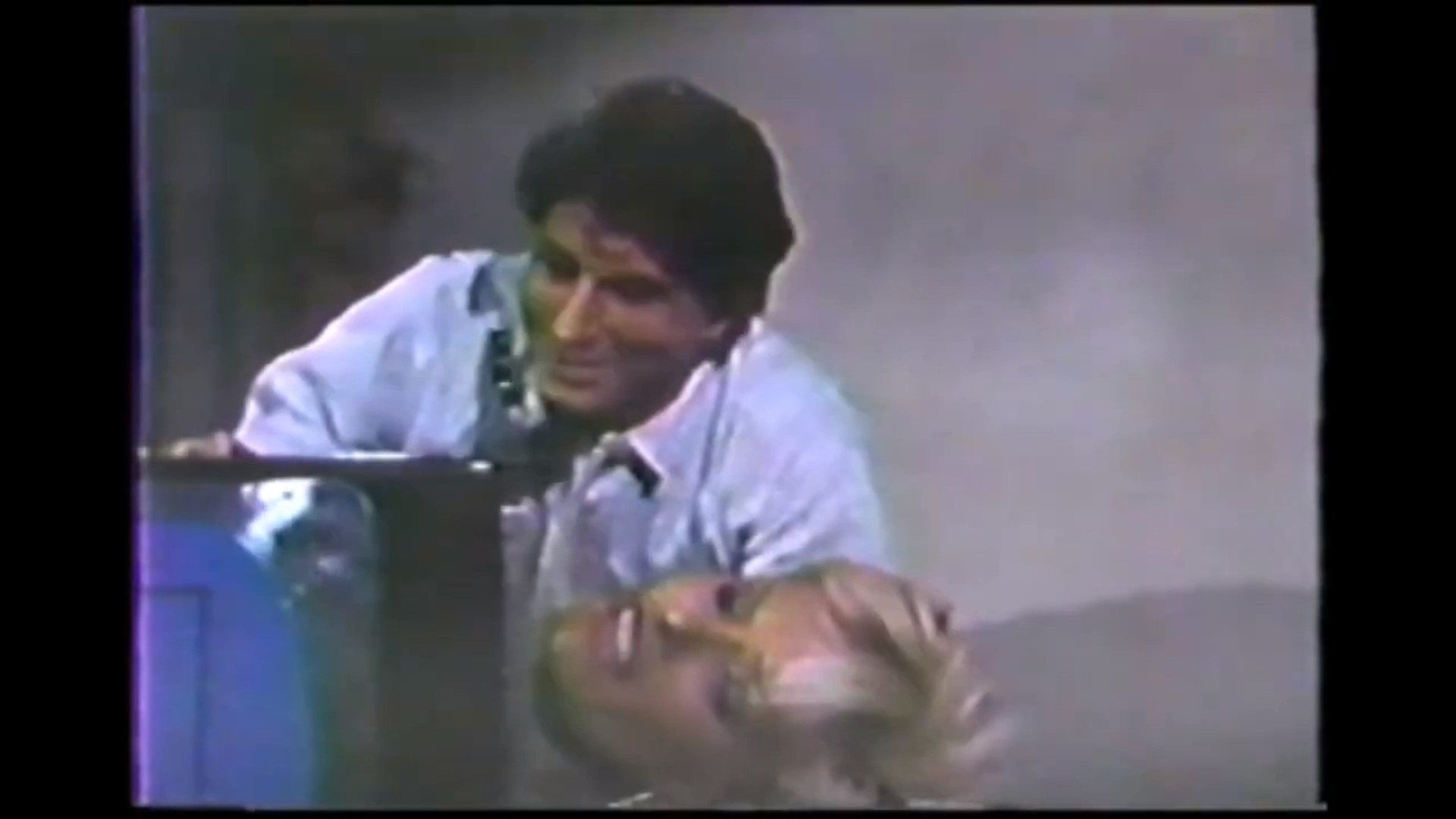
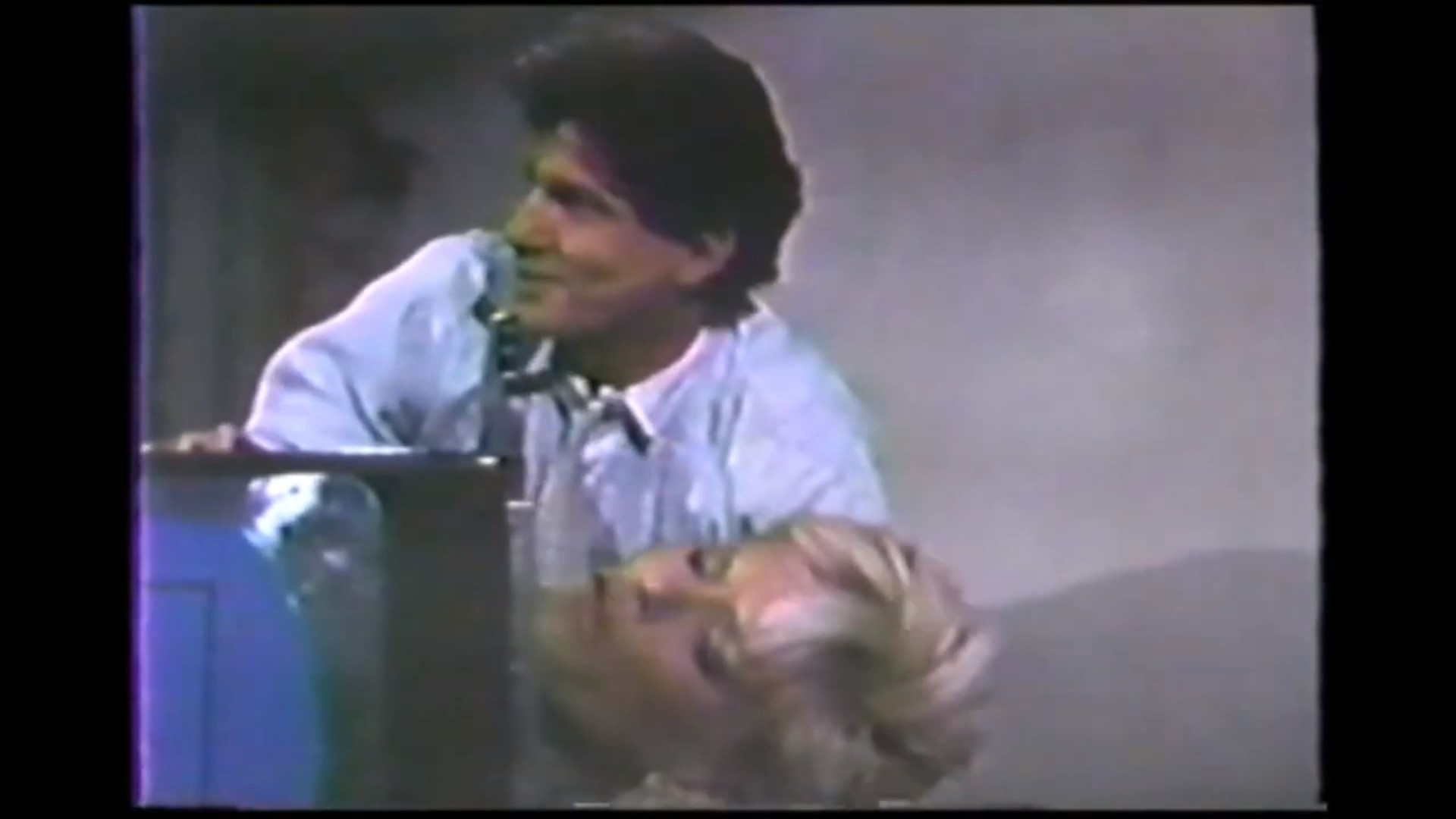
In “The Last Precint”, Randi Brooks’ character is tickled on her feet by her friend while her body is immobilized.
Distraction and neutralization
Because tickling triggers an involuntary spasm and a loss of motor control, it can be used to distract an opponent or neutralize their ability to act.
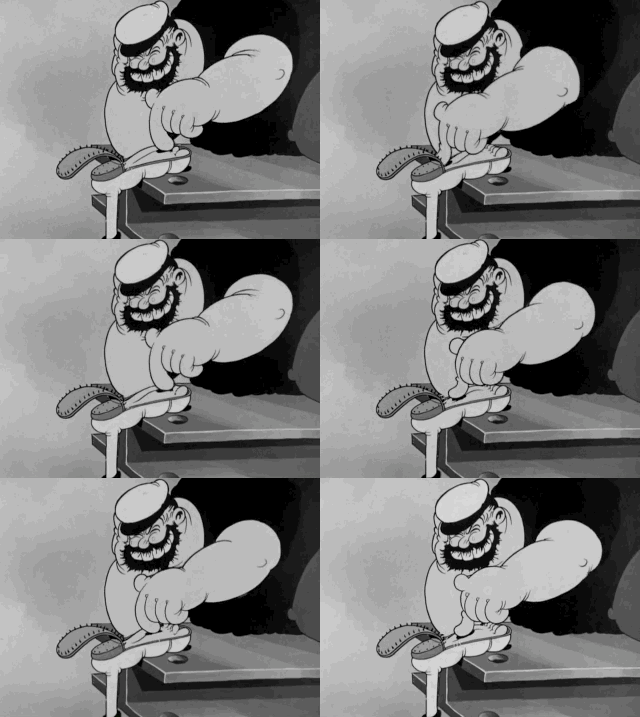
Bluto tickles Olive Oyl’s foot to make her giggle.
In the Argentinian game show Combate, contestants are tickled with feathers or massagers to distract them into make a facial expression like smiling.
In “Ferris Bueller’s Day Off“, Mia Sara (Sloane) is tickled on her feet by the actors playing the backseat boys during a long shoot.
In the TV show “Distractions”, foot tickle is a common method of distraction of the contestants.

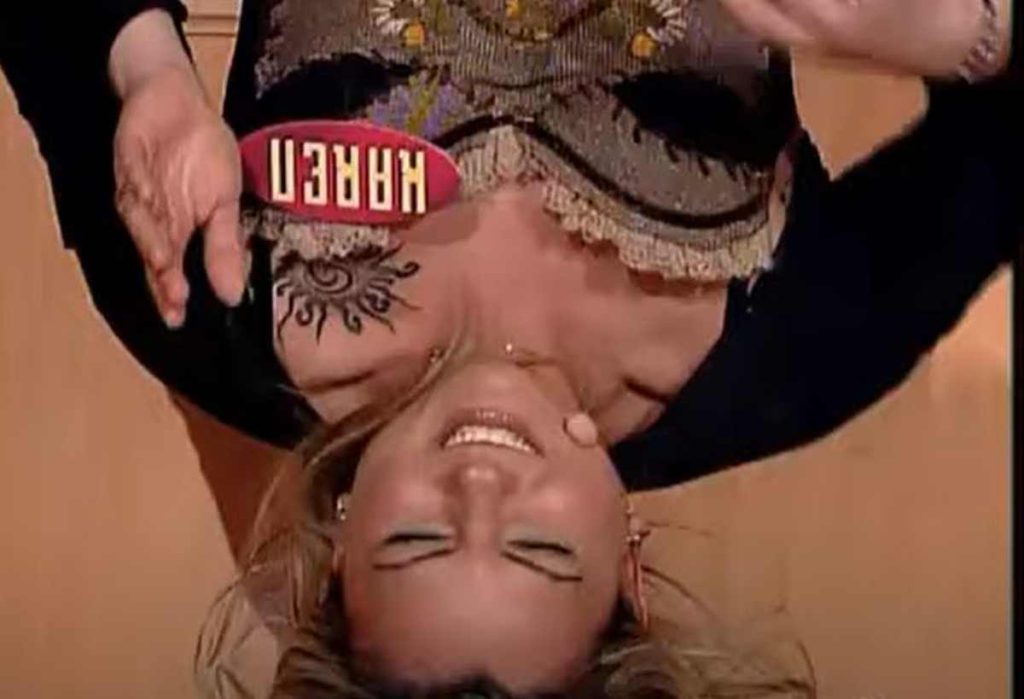
In “General Hospital,” a woman has her feet tickled by a friend while she’s standing in front of a group of people, causing her to giggle and lose her concentration in front of them.
Friendly/erotic interaction
Tickling serves as a powerful tool for socialization and the creation of intimacy. It acts as a form of “benign and playful aggression” that helps individuals distinguish between themselves and others.
In adult relationships, it can strengthen bonds between partners and is often used to show affection or get attention.
For some, tickling is sexualized into a fetish known as knismophilia, where individuals derive pleasure from the sensation, the loss of control, or the intimacy of the act. It can also be a part of the seduction process to wear away shyness.
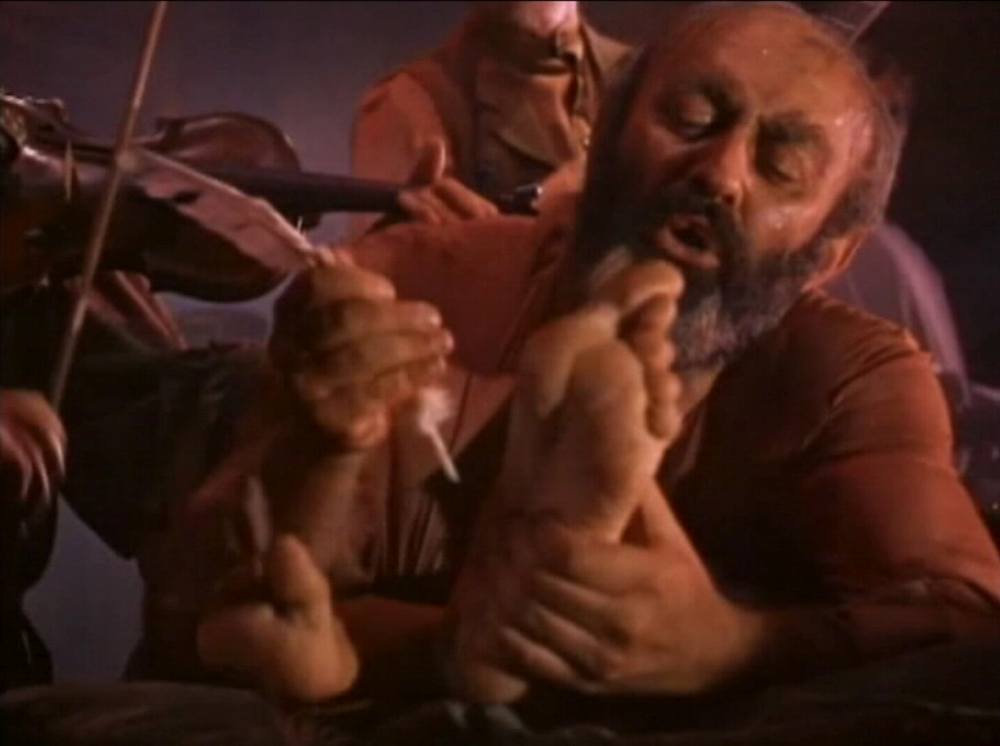
In ‘The Adventures of Baron Munchausen‘ (1988) Robin Williams, as King Lune, tickles the bare feet of the Queen of the Moon (Valentina Cortese) while her head is detached and assisting Baron Munchausen and his companions. The Baron explains the Queen’s suggestive moans to young Sally by saying the King is “tickling her feet,” which proves literally true rather than mere euphemism.


In “Dear Dictator”, Katie Holmes’ character laughs loudly when her feet are kissed by her lover.
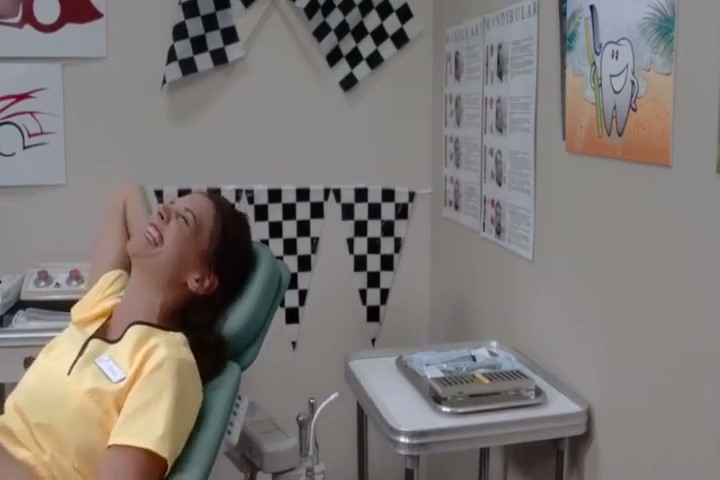
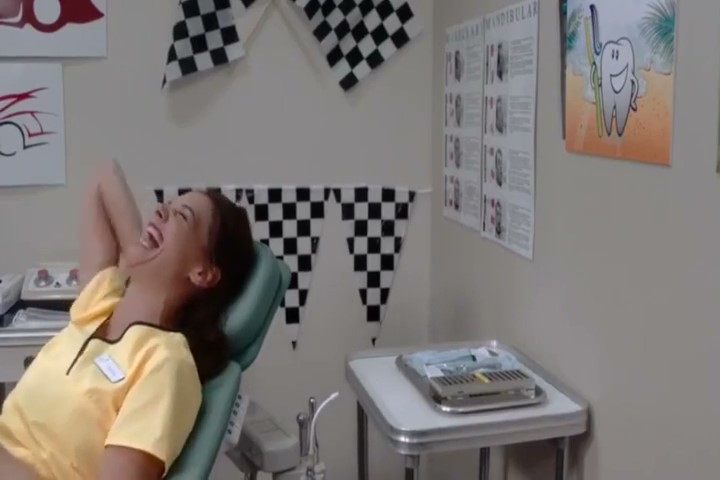

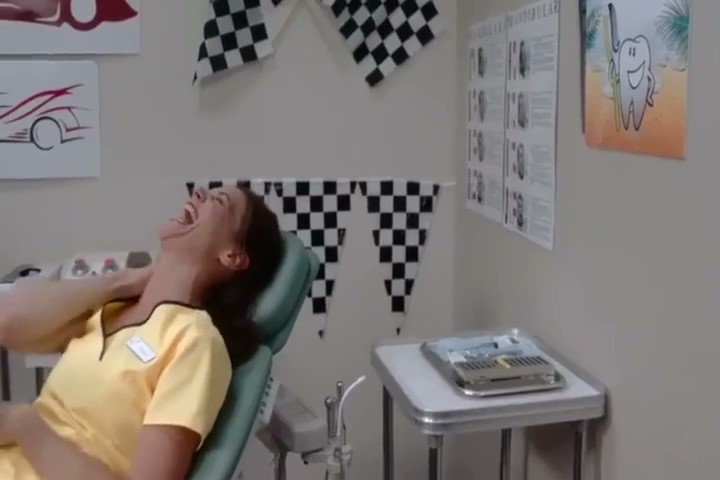


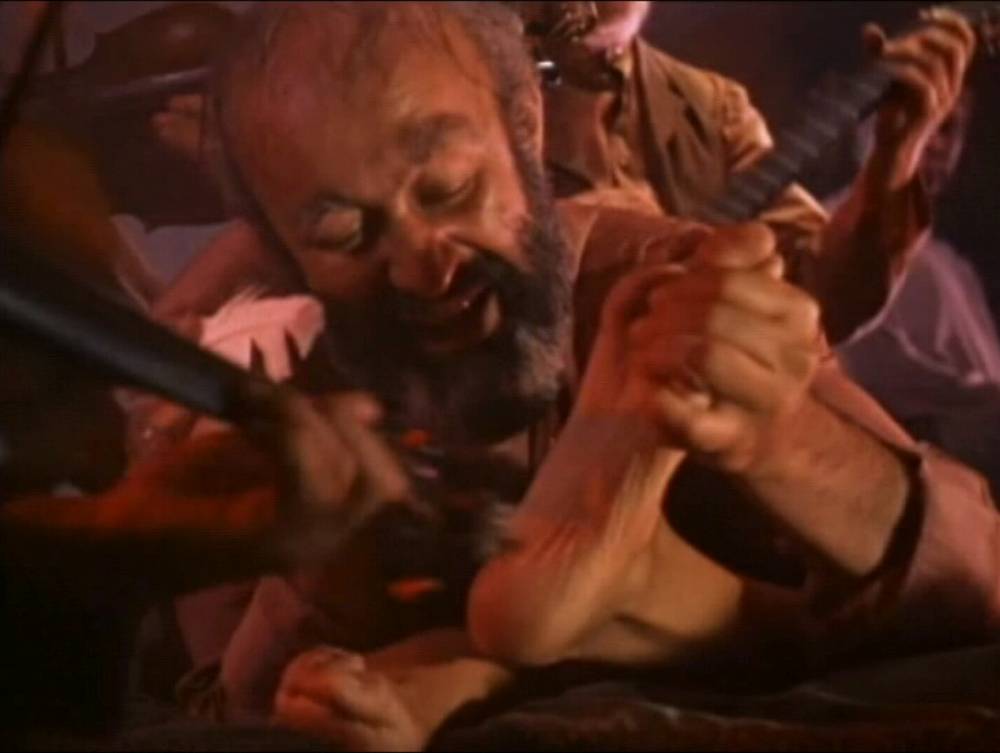
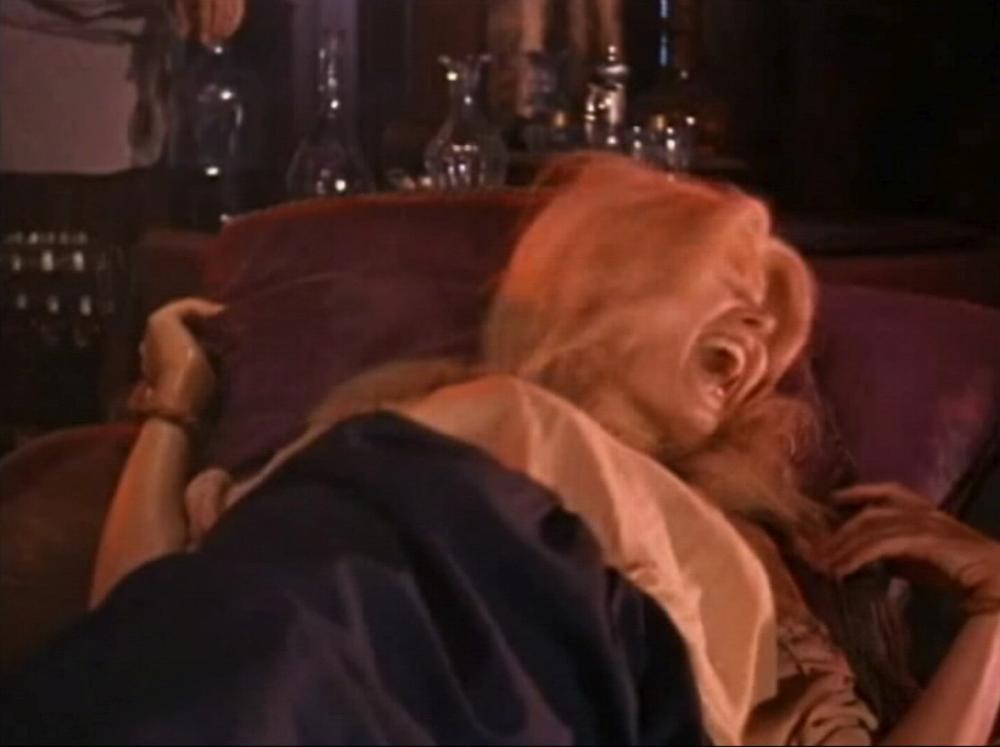
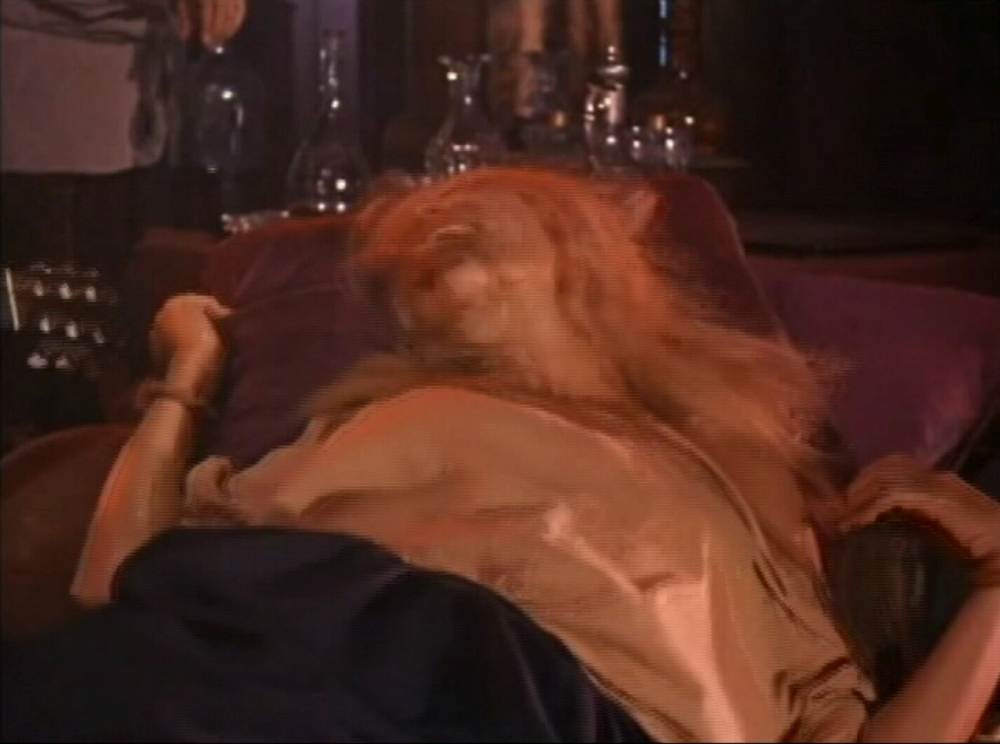
In “The Brothers Karamazov” (1958) Fyodor Karamazov (Lee J. Cobb) tickles a bound peasant girl’s bare feet with a feather in the opening of the film adaptation of Dostoevsky’s novel. Actress Gloria Pall was cast after an audition where her genuine hysterical laughter proved most authentic, making her squirm in ecstasy-like enjoyment.
Torture and punishment
While laughter is associated with pleasure, tickling can be transformed into a brutal form of torture because the laughter it produces is an involuntary “panic reflex” rather than a sign of joy.
An example of tickle torture from “The 1001 Gags of Spiff e Hercules”.
Historically, the Han dynasty utilized tickle torture because it left no permanent marks on the victim. Nazi guards in concentration camps were reported to have used goose feathers on victims’ feet and armpits, turning high-pitched laughter into cries of pain and uncontrollable sobbing.
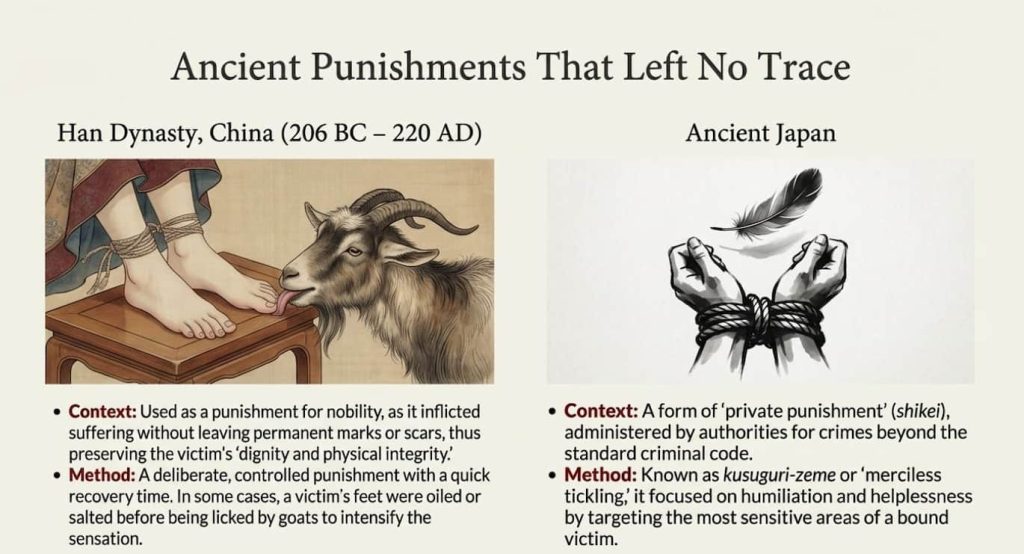
A particularly cruel Roman method involved covering a victim’s feet in salt water and having a goat lick the salt off; the goat’s rough tongue would eventually rasp away the skin, leading to extreme suffering or death
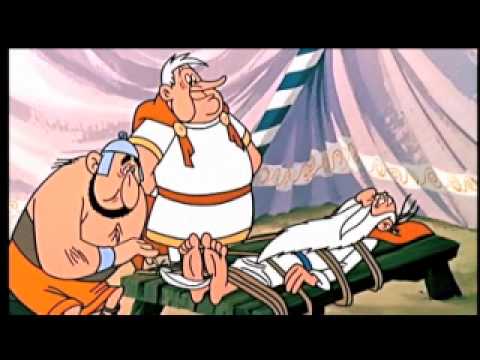
In “Chepe Fortuna” Chapter 97, a hateful old woman, confined to a hospital bed, is tormented by her daughter-in-law, who tickles her feet: the woman takes sadistic pleasure in tickling her for the sole purpose of making her suffer
In “Fairy Tail,” episode 39, Natsu takes advantage of a defenseless Erza Scarlet to tickle her feet, making her laugh hysterically and getting back at her for her bullying.
Interrogation
The discomfort and inability to breathe caused by prolonged tickling make it an effective, albeit bizarre, interrogation tactic. Historical accounts also suggest it was used by the Japanese in a system of private punishments called kusuguri-zeme (“merciless tickling”) to extract confessions.
In media and fiction, it is a common trope where a “Card-Carrying Villain” uses a feather on a victim’s feet while saying, “We have ways of making you talk“.
In “Tres Irmas,” gangsters tickle a woman’s feet with a feather in an attempt to extract information from her, causing her to laugh and beg for mercy.
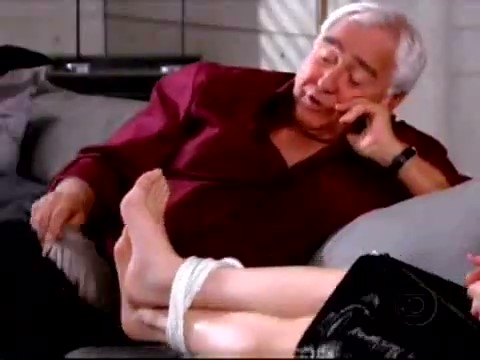

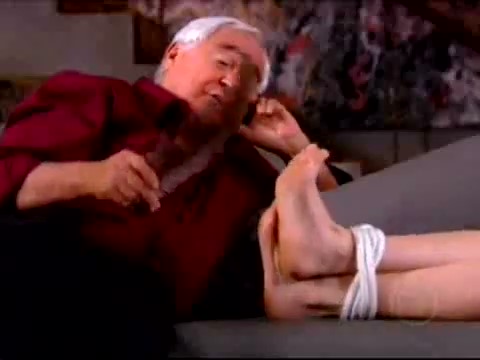

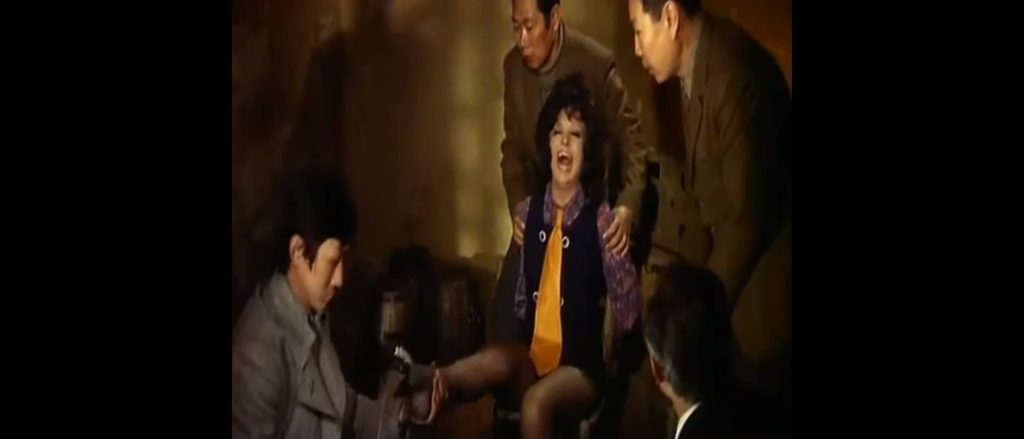
In “Carmen Boom” (1971), gangsters again resort to tickling a woman’s feet (first with a feather and then with an electric device) to force her to reveal the location of a hidden formula.
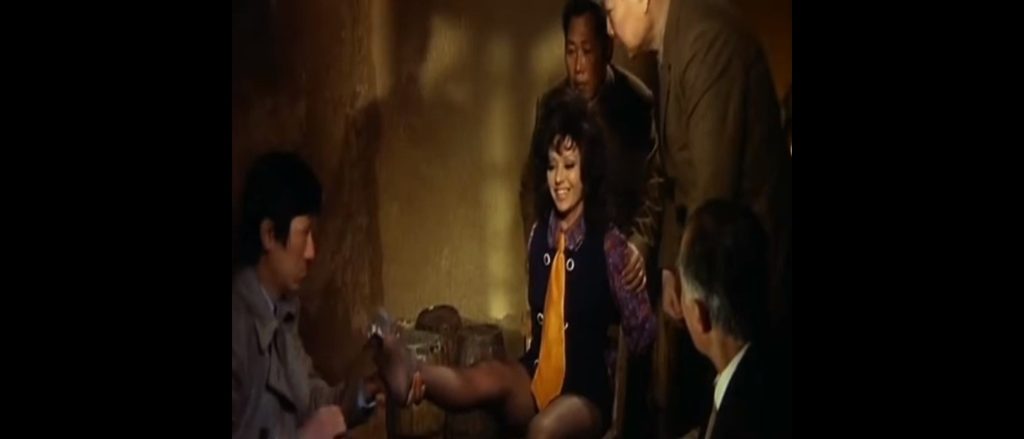
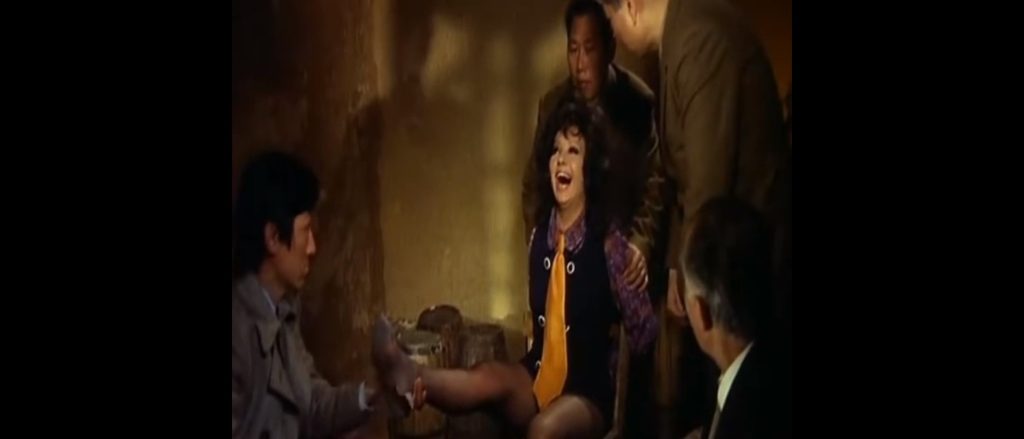
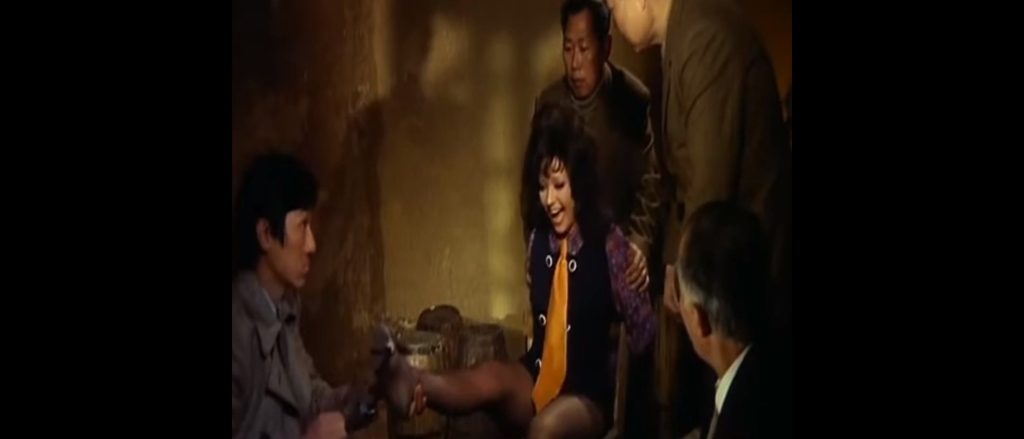
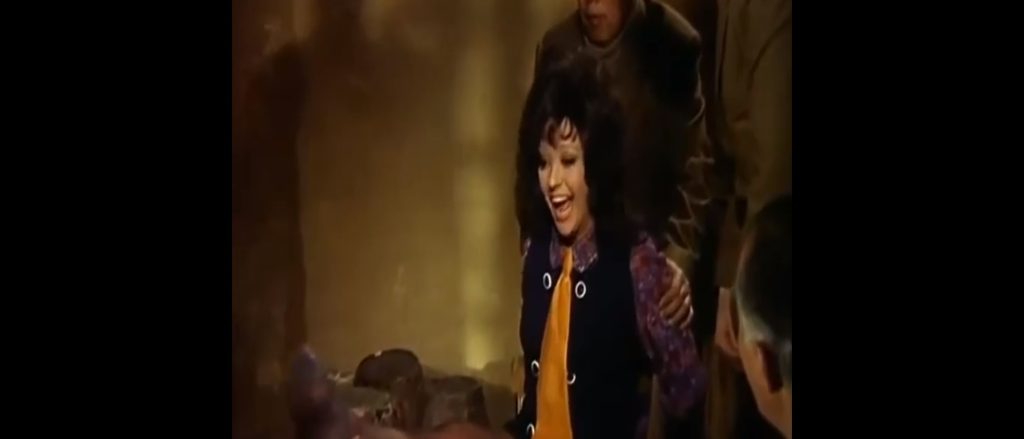
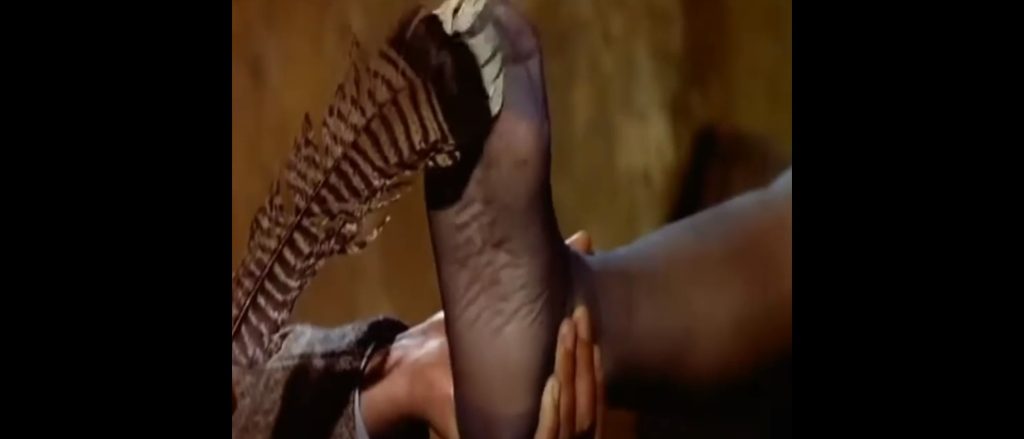
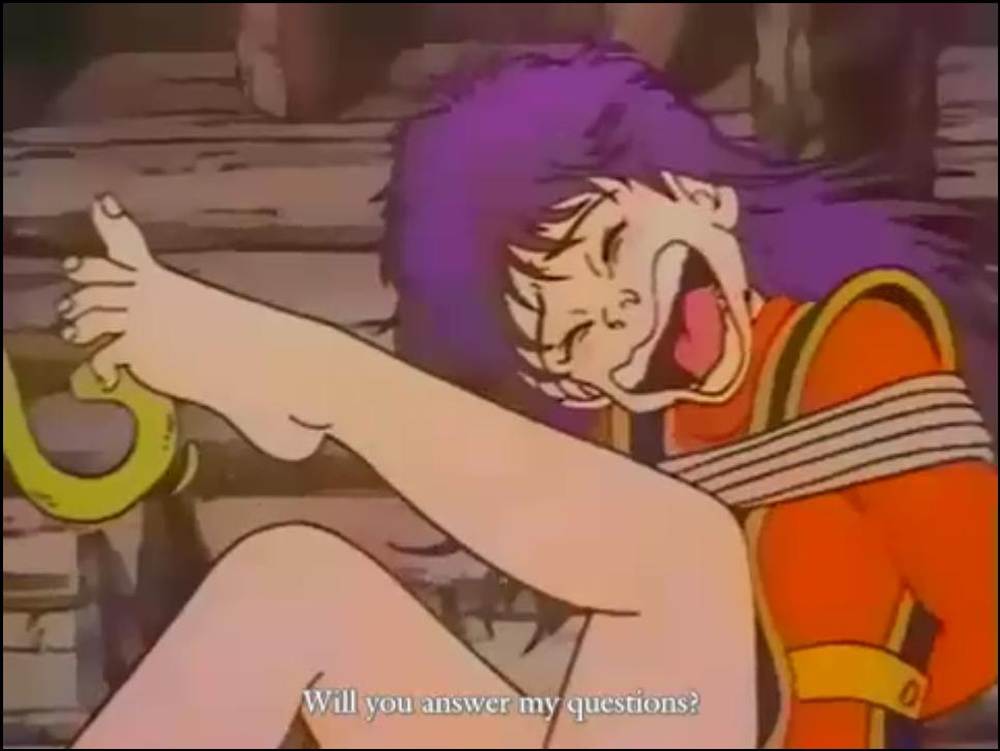
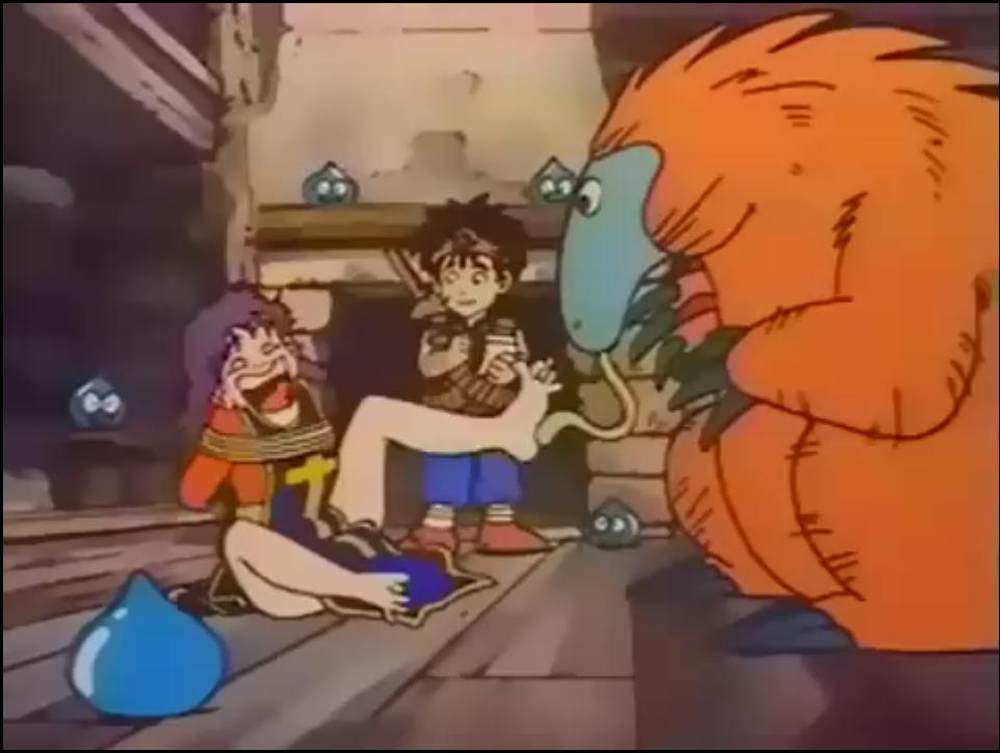
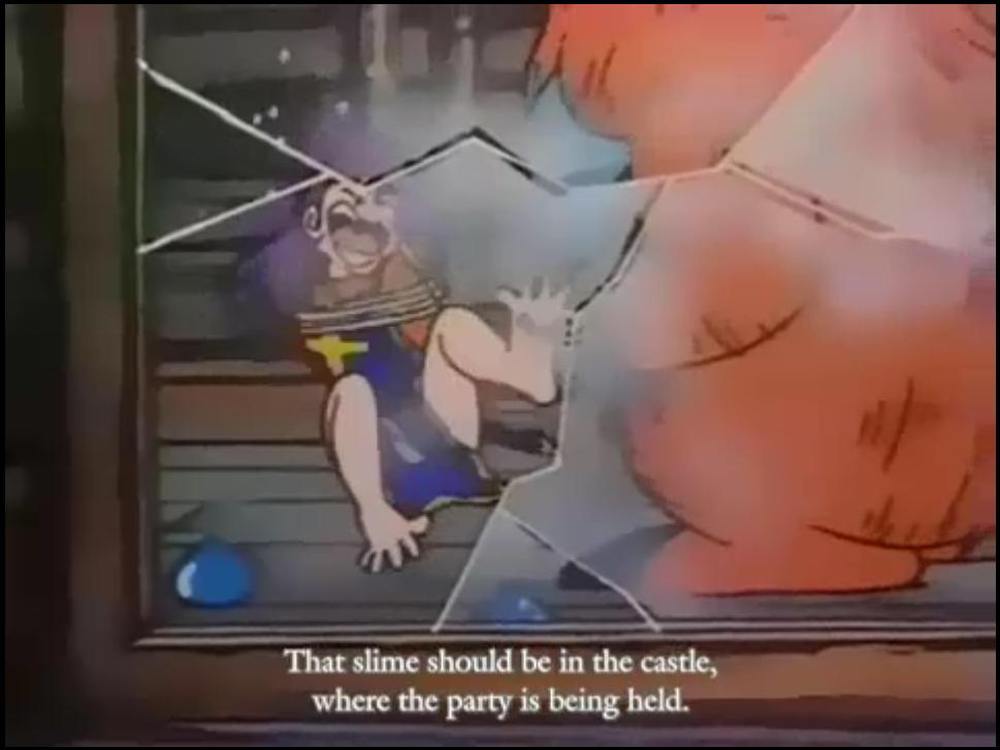
In “Dragon Quest“, the protagonist Dai interrogates Zourbon by having a giant anteater lick her bare feet; overcome by hysteria, she succumbs to the tickling and speaks.

In “Teenage Mutant Ninja Turtles” mobster Don Turtelli restrains reporter April O’Neil and tickles her stockinged feet with a feather as punishment during a kidnapping. Her helpless laughter underscores the scene’s mix of threat and dark humor, confirmed in fan clips and discussions.
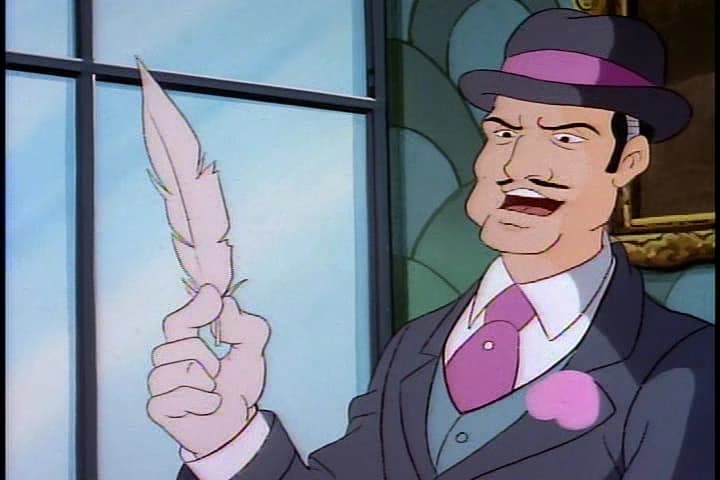
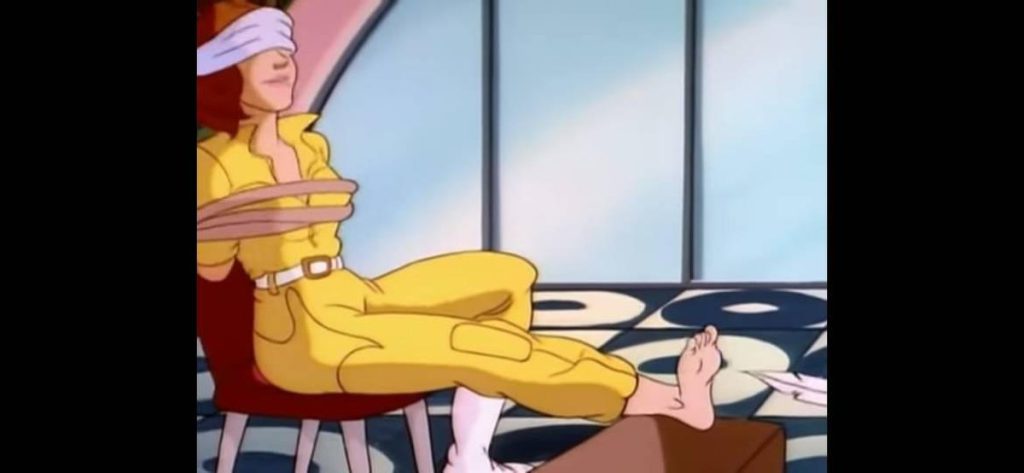
In “Adventures of the Gummi Bears” (the Disney cartoon) in the episode “Secret of the Juice” (Season 1), Duke Igthorn captures Grammi Gummi and subjects her to tickle torture using a feather on her feet to extract the Gummi Berry Juice recipe. She resists at first but eventually breaks into laughter from the ordeal, with trolls reacting in horror.
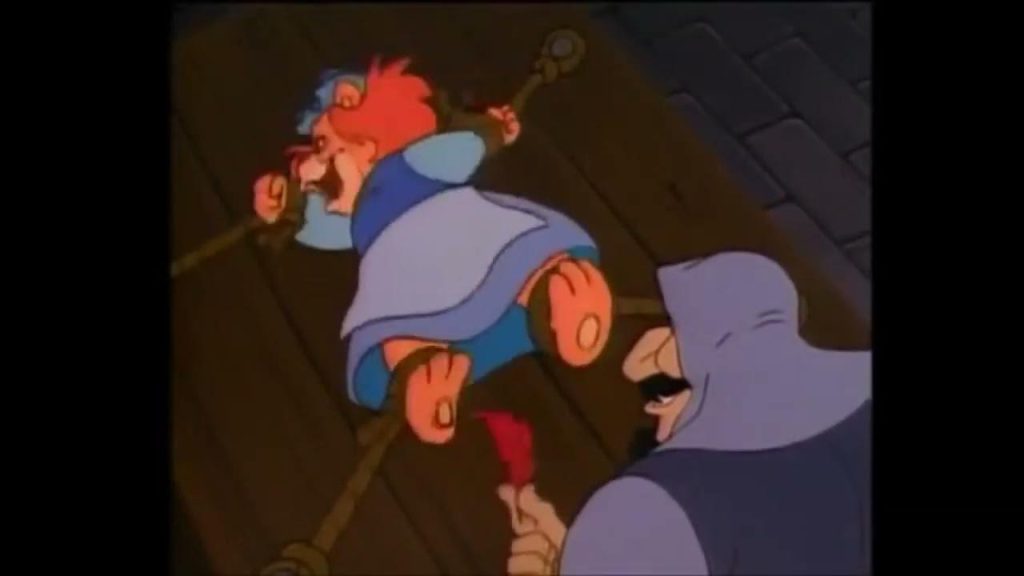
In “Una spada per Brando” (1970) monks use goats to tickle-torture a man’s bare feet by licking his soles during an interrogation. The absurd method aims to force him to talk, drawing laughter and discomfort as he squirms.
Informazioni sull'autore

Related posts:
 List of Tickling Scenes in Marvel Comics and Cartoons
 List of tickling scenes in Superman (TV and comics)
 Vote For The Greatest Ticklish Character of All Time!
 List of ticklish superheroes
 List of tickling scenes in “Black Scorpion”
 Tribute to Fujiko Mine | Most iconic sexy and tickling scenes
 List of tickling scenes in Batman comics and cartoons
 Tickle study #2: The importance of skin area and gender in ticklishness
 Top 10 fictional tickle torturers
 Top 10 Tickler Heroes
 List of Santa Claus and Ticklish Christmas Scenes
 Tickling scenes in “Asterix”