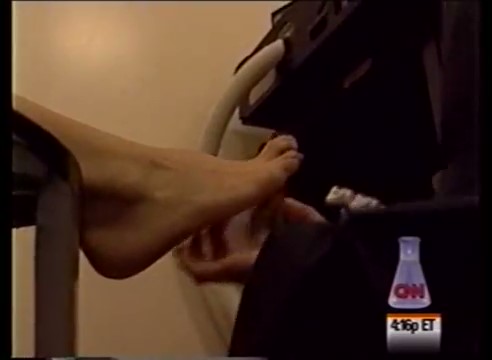
A recurring context for tickling in popular culture is the medical or quasi-medical examination. Here the sensation is not necessarily introduced simply to make somebody laugh. Instead, touching a sensitive area is presented as a way of observing an involuntary reaction. This creates a particularly useful narrative situation because the character may be trying to remain still or conceal something while their body produces a response that gives them away.
Last update: 08/29/2026
Leggi tutto: List of Babinki tickling and ticklish reflex scenesThe Babinski reflex provides a particularly recognizable example of this idea. In a neurological examination, a clinician stimulates the sole of the foot with a blunt instrument and observes the movement of the toes. The test is not a tickling procedure, and the Babinski sign should not be confused with ordinary ticklishness. Nevertheless, popular culture can blur the distinction between neurological foot stimulation and the familiar idea that the soles of the feet are highly sensitive.
This creates an easy visual shorthand for comics, cartoons and comedy scenes. A doctor touches the sole of a character’s foot and the character suddenly reacts, pulls the foot away or laughs. The scene can then play on the contrast between the clinical purpose of the examination and the patient’s exaggerated sensitivity.
In a more realistic medical context, however, the distinction matters. The Babinski reflex is a neurological response to plantar stimulation, not evidence that somebody is “ticklish,” and the movements observed during the examination have a different physiological meaning from laughter caused by tickling.
Foot reflexology provides another setting in which popular culture can connect professional or therapeutic touch with ticklish reactions. During a reflexology treatment, the feet are manipulated through pressure, massage and other forms of manual stimulation. A character who is particularly sensitive to touch may find the experience difficult to tolerate without moving or laughing.
This makes the reflexology setting useful for comedy because the treatment normally requires the client to relax and allow the practitioner to work on the feet. A ticklish character has precisely the opposite reaction: they pull away, contract the toes or struggle to keep the foot still.
TV Shows
9-1-1
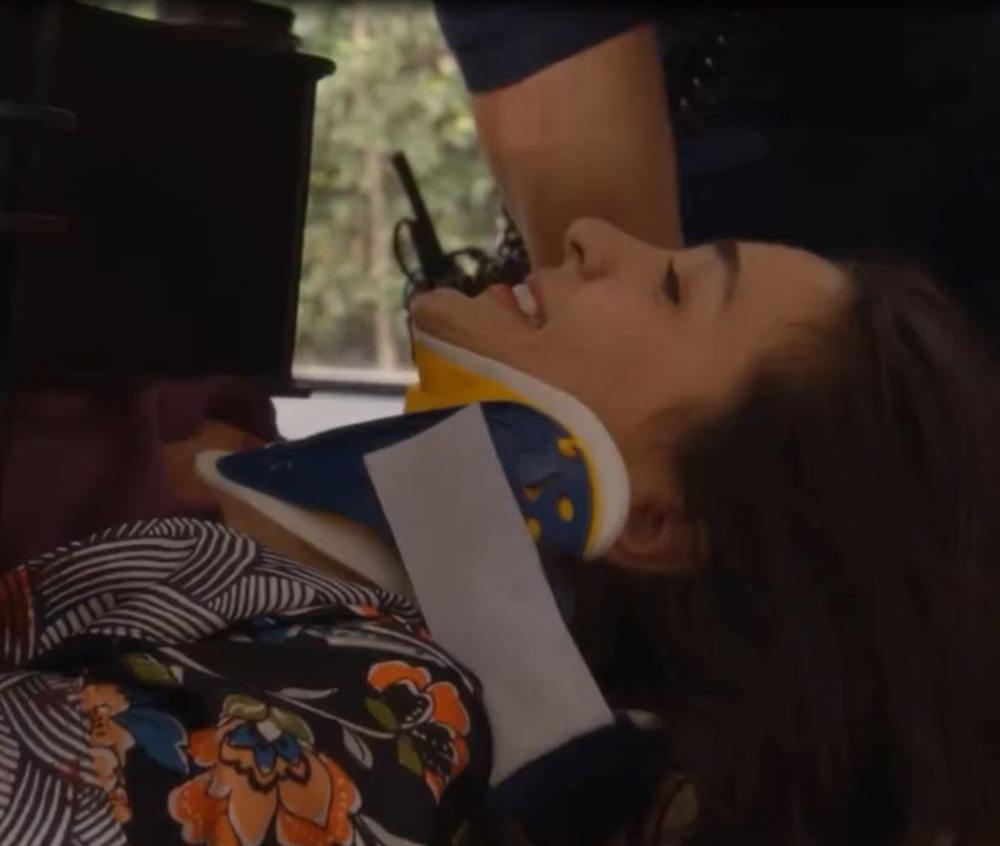
In an episode of “9-1-1,” a woman trapped under a chandelier sees the Babinski reflex under her bare feet; she laughs and says it’s normal for her to do that when she’s tickled.
Just for Laughs Gags
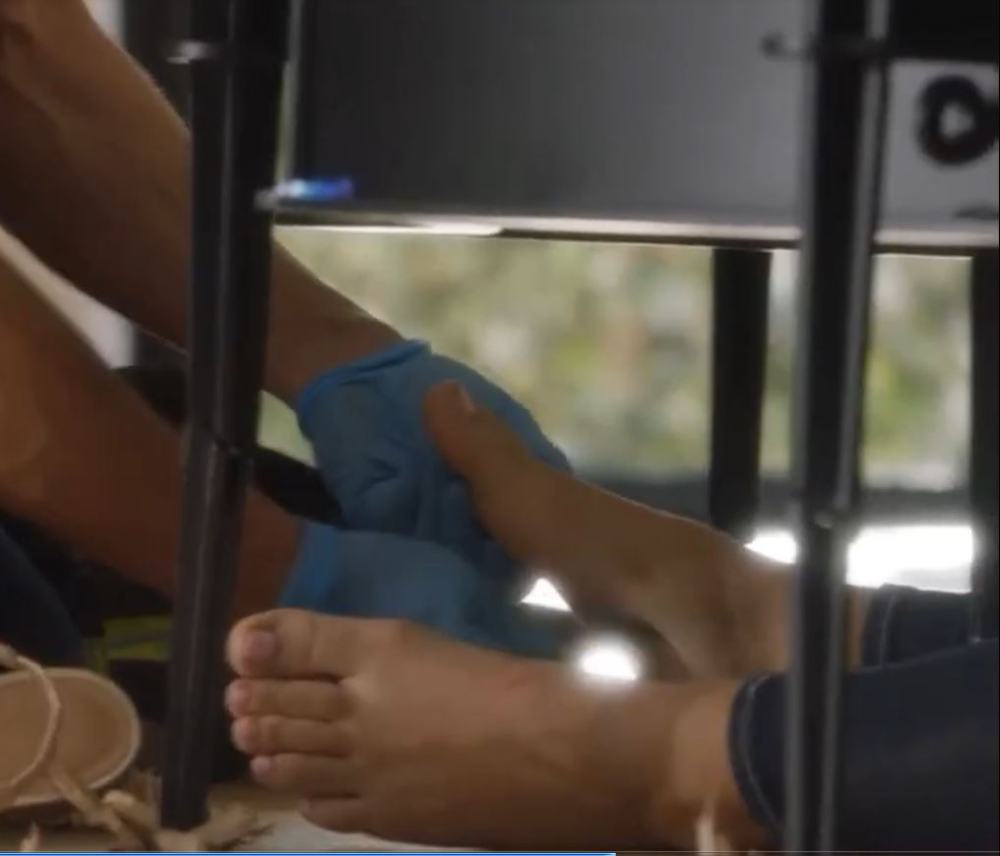
In an episode of “Just for Laughs Gags,” a group of men and women undergo a reflexology session. During the experiment, one or two women tickle each participant’s bare feet using their fingers, feathers, or electric ticklers. The participants are surprised by the tickling and are made to laugh and squirm, even though they sometimes have to hold a tray and avoid dropping it.


The Carol Burnett Show
Carol Burnett tickles with a feather a man who fakes to be paralyzed.
Giros
“Giros” features a segment on a weight-loss treatment based on tickling that uses laughter and movement as a way to burn calories.


Primer Impacto
“Primer Impacto” features a segment on a weight-loss treatment based on tickling that uses laughter and movement as a way to burn calories.


TV series
Fortunes at war
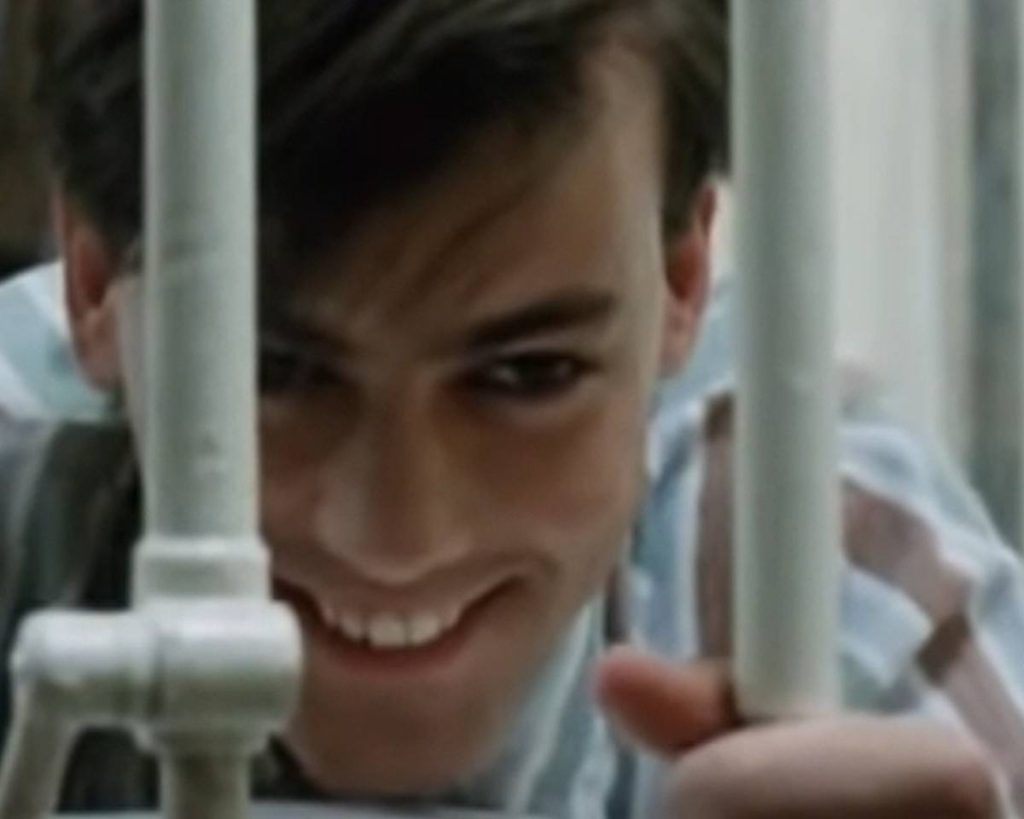
Simon Bouldestone (Rupert Graves) asks his friend to tickle him, to verify if he’s paralized. The man starts to tickle his feet and Simon laughs so loudly that the doctor rushes. All the presents laugh a lot.
Movies
Dark Victory (1988)
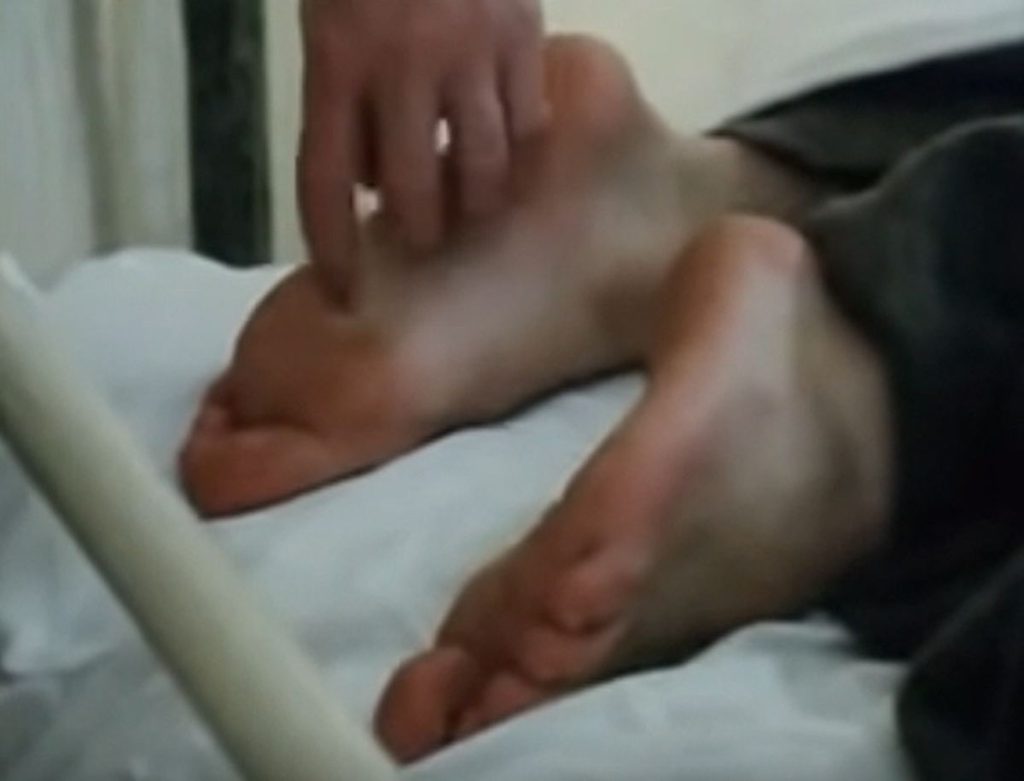
Eliabeth Montgomery has a ticklish reaction during a Babinski test.


Dirty Rotten Scoundrels (1988)
Freddy Benson (Steve Martin) pretends to be paralyzed in his legs while Lawrence Jamieson (Michael Caine) intends to test whether indeed his nerve endings no longer transmit sensation.
And what better way to test the nervous system than by tickling it?

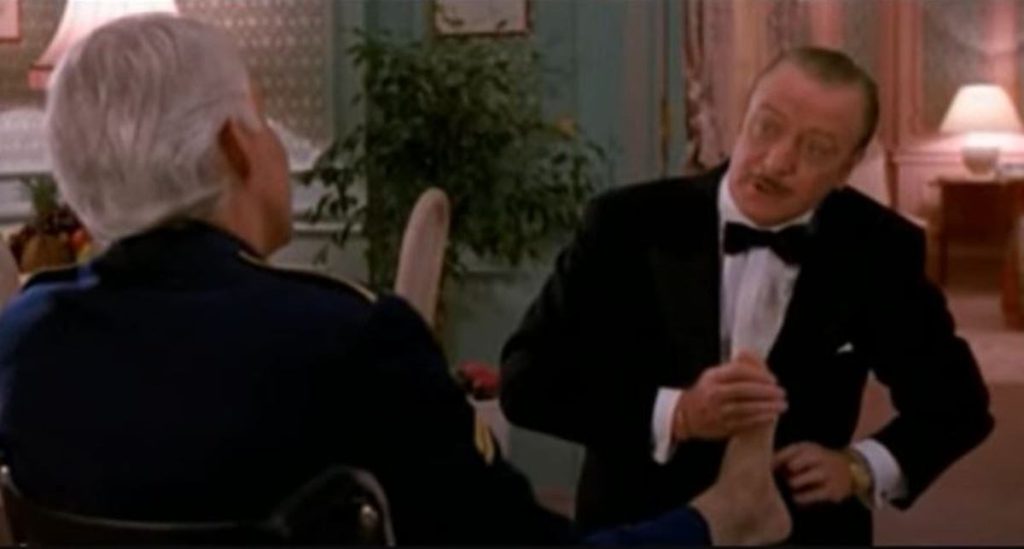
Lawrence removes Freddy’s shoes and begins tickling him with a finger under his foot, Moving the finger slowly up and down, asking him if he feels anything and observing his reaction.
Freddy, with great coolness, suppresses the urge to laugh and simulates a numb face.
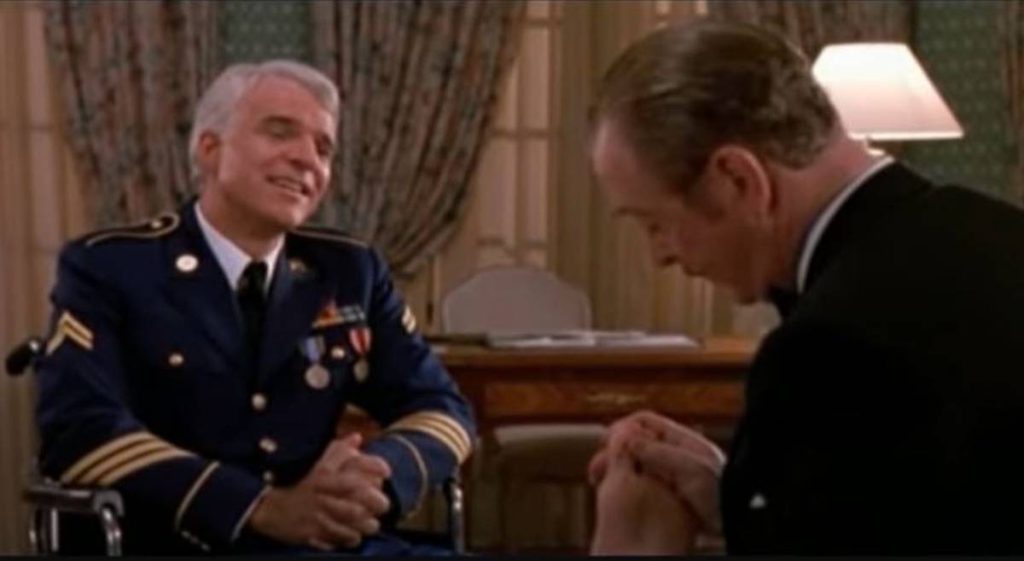
Probably, Lawrence wants to find out whether Freddy is pretending to be paralyzed, so he decides to subject him to a physical reaction to force him to betray himself. By tickling him, he observes whether the man actually feels the tickling stimulus, which he cannot ignore if he really is healthy.
Freddy knows that if he were to smile it would show the pretense, so he restrains himself with great willpower (and comical results!).
Ein Sommer im Allgäu (2017)
In swiss movie “Ein Sommer im Allgäu”, a man practices goat torture on his friend, believed to be paralyzed, to show her that she actually still possesses leg sensitivity.
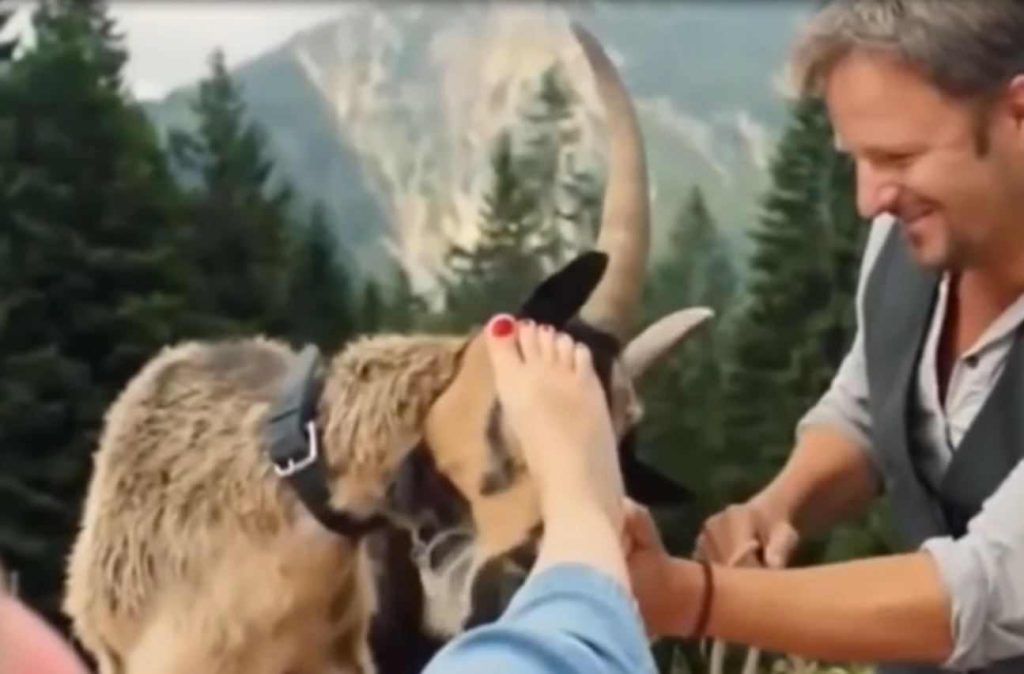
The girl in fact begins to laugh at the tickling the animal causes her by licking her, and realizes that she can feel her extremities again.

The New Internals (1964)
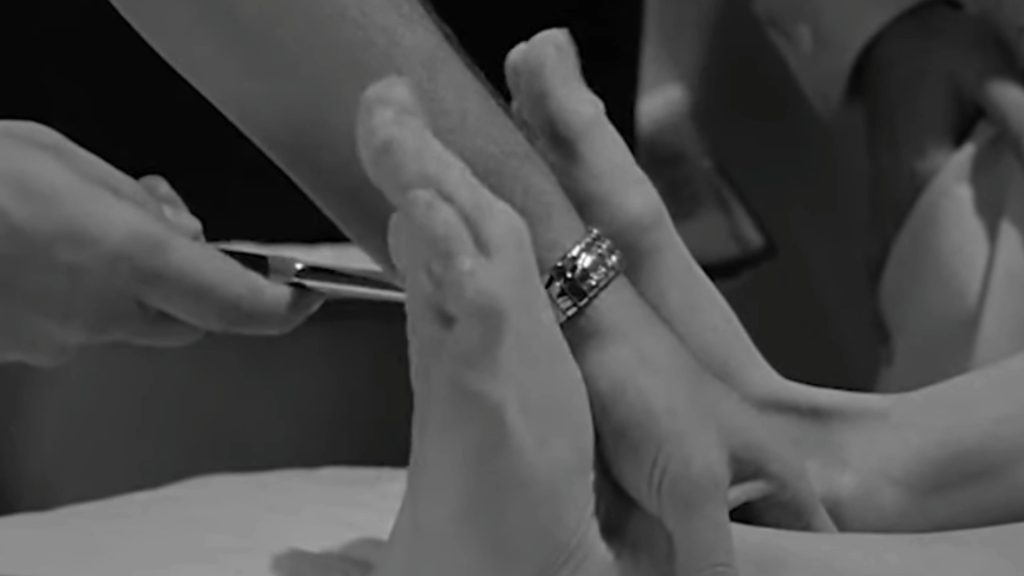
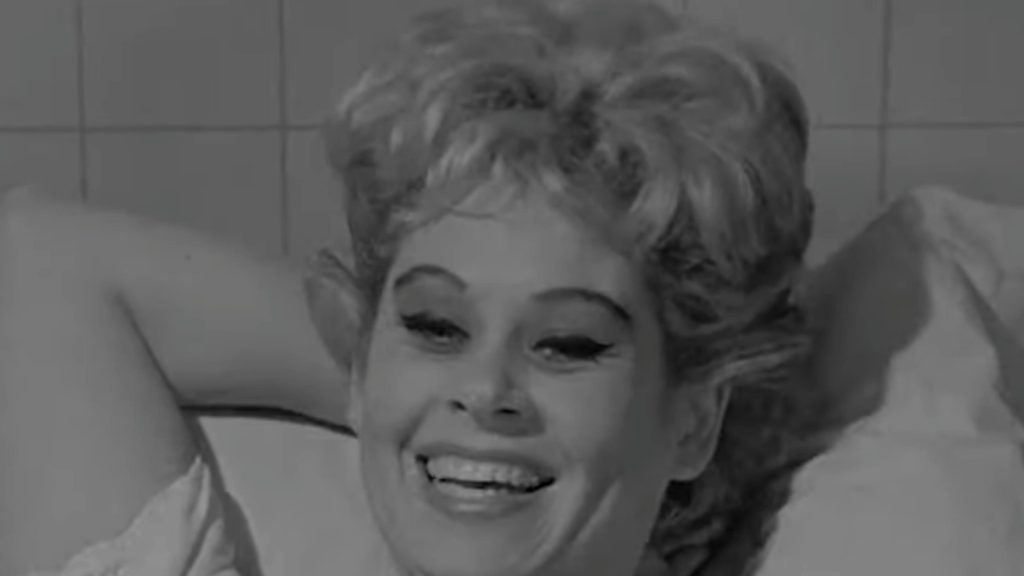
A woman (Sue Ane Langdon) is tickled with Babinski’s reflex while pretending to be paralyzed.




Theater
Dirty Rotten Scoundrels (Broadway, 2008)
Informazioni sull'autore

Related posts:
 Tickle study #2: The importance of skin area and gender in ticklishness
 History of goat’s tongue and list of goat tickle torture scenes
 History of tickle torture: most iconic historical tickling scenes
 Tribute to Black Scorpion | Best sexy and tickling scenes
 Tribute to Fujiko Mine | Most iconic sexy and tickling scenes
 List of Tickling Scenes in Marvel Comics and Cartoons
 List of tickling scenes in Superman (TV and comics)
 List of Tickle Scenes in “Fist of Zen” and “Silent Library”
 Best tickle torture in stocks scenes
 A Ticklish Babinski Reflex in ‘9-1-1’
 Vote For The Greatest Ticklish Character of All Time!
 List of ticklish superheroes