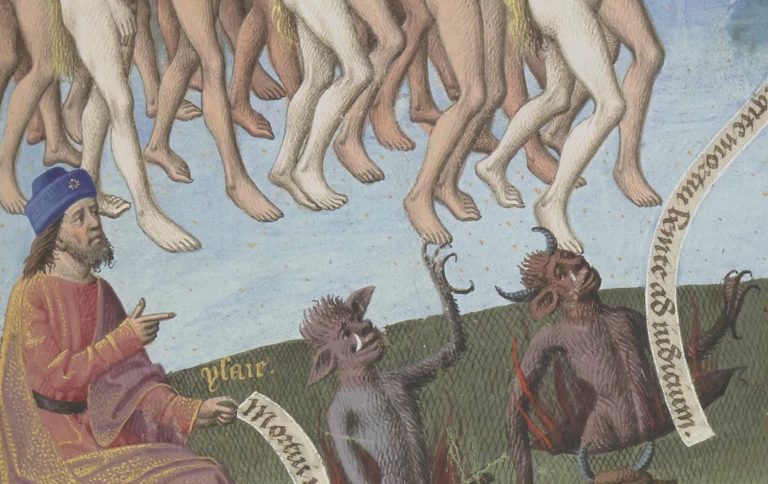
Tickle torture may sound whimsical or even humorous to modern ears, but its historical application was often far from innocent. Defined as the prolonged use of tickling to abuse, dominate, harass, humiliate, or interrogate an individual, it leverages a physiological response that the victim cannot control. While laughter is popularly perceived as an expression of joy, in the context of torture, it is often a panic reflex or an involuntary reaction to sensory overload.
The practice is particularly effective because it preys on the body’s nerve endings, which send signals to the brain that trigger uncontrollable laughter and heightened sensitivity. Over time, this sustained stimulation can lead to extreme distress, breathlessness, and physical exhaustion, transforming a seemingly harmless act into a potent weapon of coercion and control.
Contents
Tickle torture during history
In depictions inspired by ancient societies such as Ancient Egypt and Ancient Greece, tickling tends to appear more in speculative or comedic reconstructions than in strictly documented sources. Modern films and series set in these periods sometimes portray servants or attendants using tickling as a playful or humiliating act toward elites or prisoners. This duality reflects broader themes of bodily control and social hierarchy. Greek symposium scenes in modern media occasionally include teasing physical play, suggesting a blurred boundary between camaraderie and dominance. Although historical accuracy is uncertain, mainstream portrayals emphasize tickling as a bodily reaction that strips away composure, reinforcing power dynamics already central to narratives about antiquity.
Ancient China
In Ancient China, particularly during the Han Dynasty, tickle torture was a preferred method for punishing individuals of noble status. This practice was highly valued by the state because it inflicted no lasting physical harm and left no permanent marks, allowing the nobility to suffer for their crimes while retaining their public dignity and physical integrity.
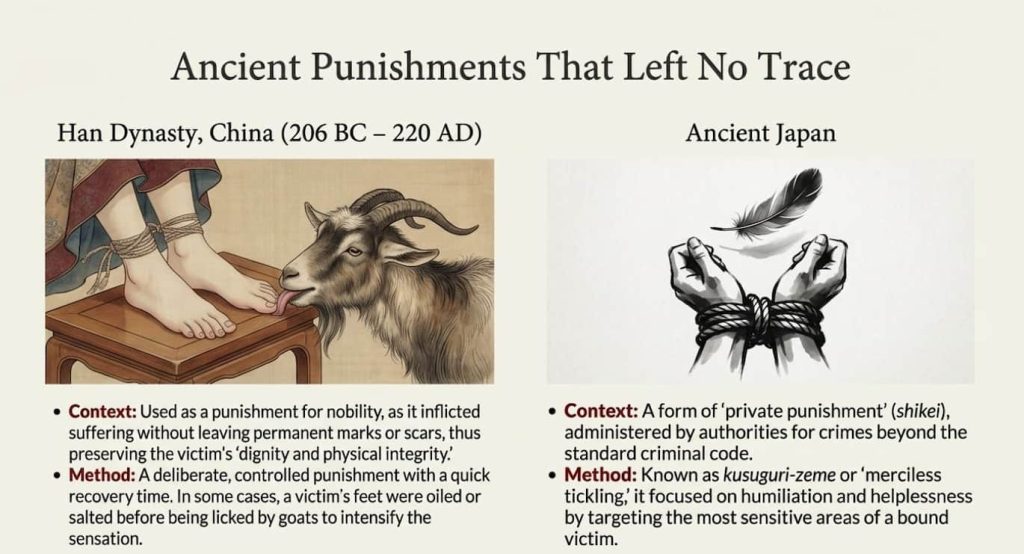
Historical accounts, such as those found in the text “The Art of Punishment and Torture,” suggest that the quick recovery time associated with tickling made it an ideal tool for disciplining the elite without the unsightly consequences of more violent methods.
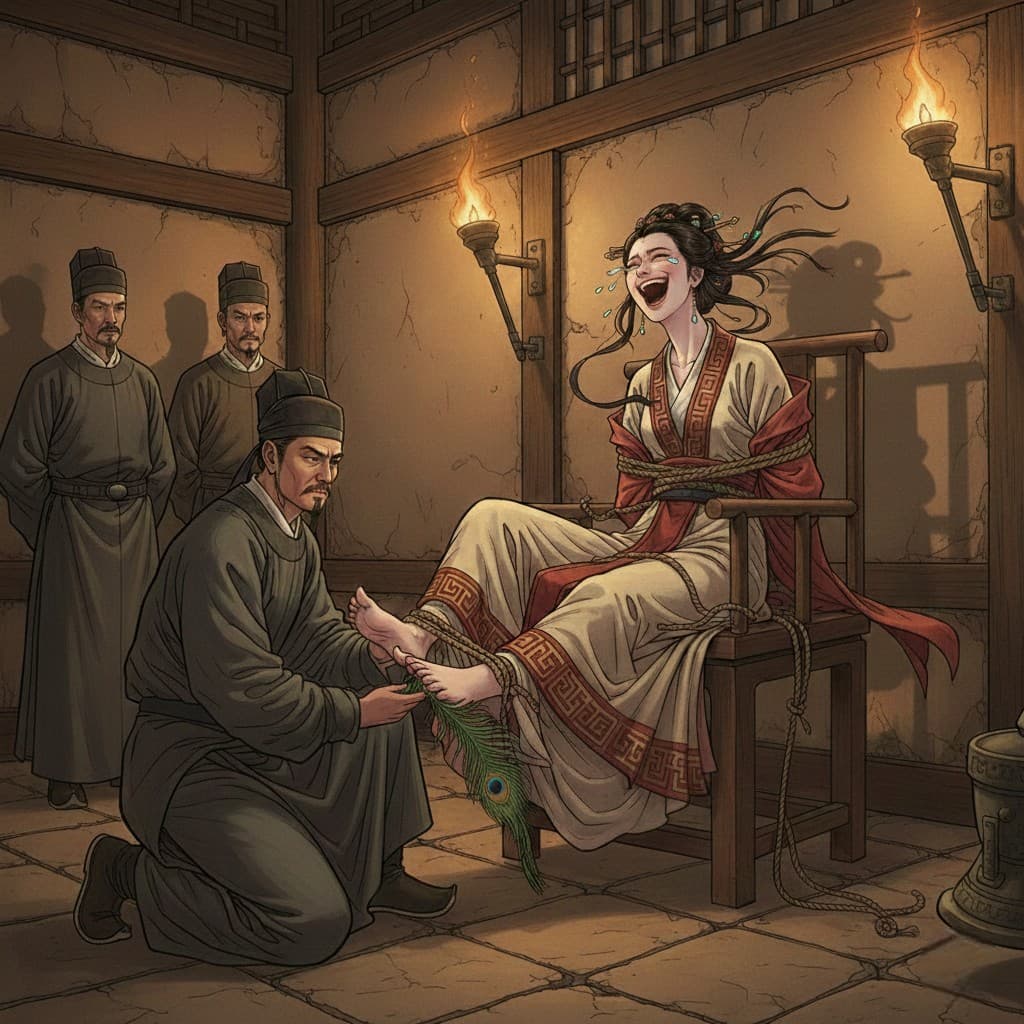
By targeting the body’s involuntary reflexes, the Han authorities could induce a state of sensory overload and submission that was psychologically devastating yet physically invisible. This ensured that the social standing of the punished noble was preserved in the eyes of the public, even as they endured intense physiological distress and humiliation.
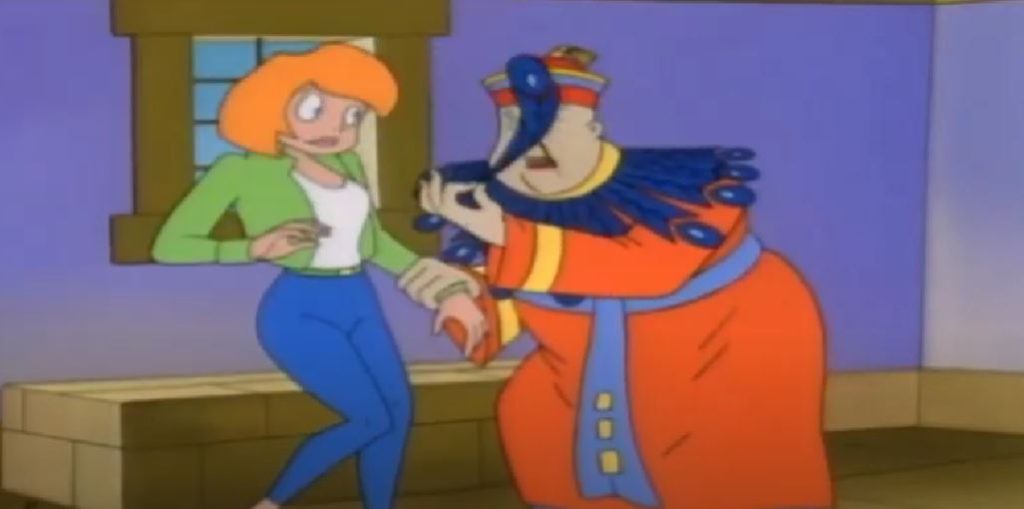
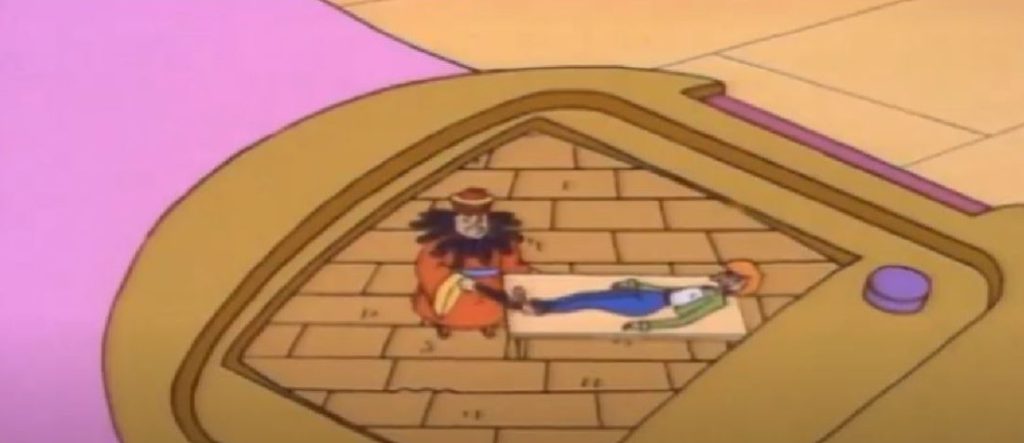
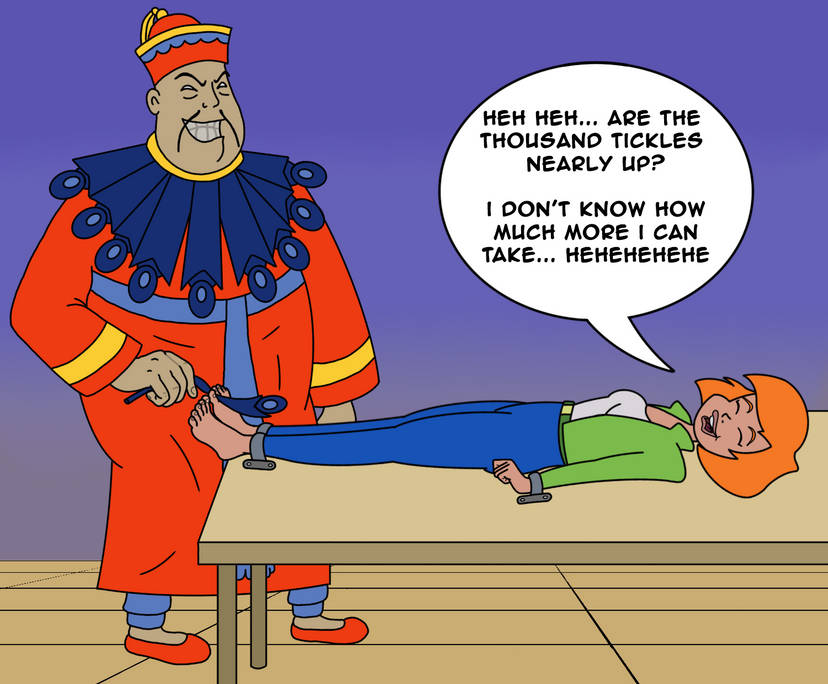
A fictional version of the chinese tickle torture is portraied as “The Thousands Tickles” in “Gadget Boy and Heather”,
Ancient Egypt
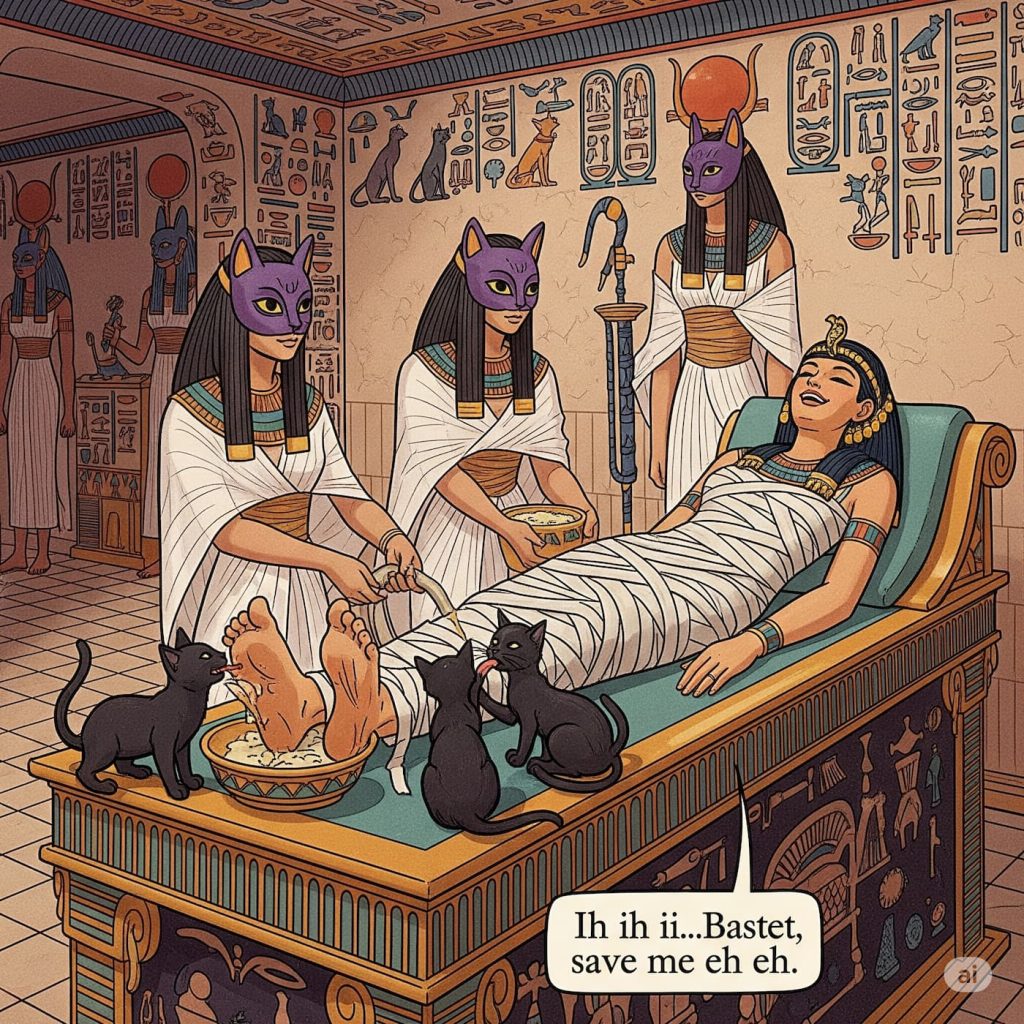
We have no reliable historical evidence of tickling being used as a form of torture in Ancient Egypt, although this period lends itself well to some imaginative interpretations.
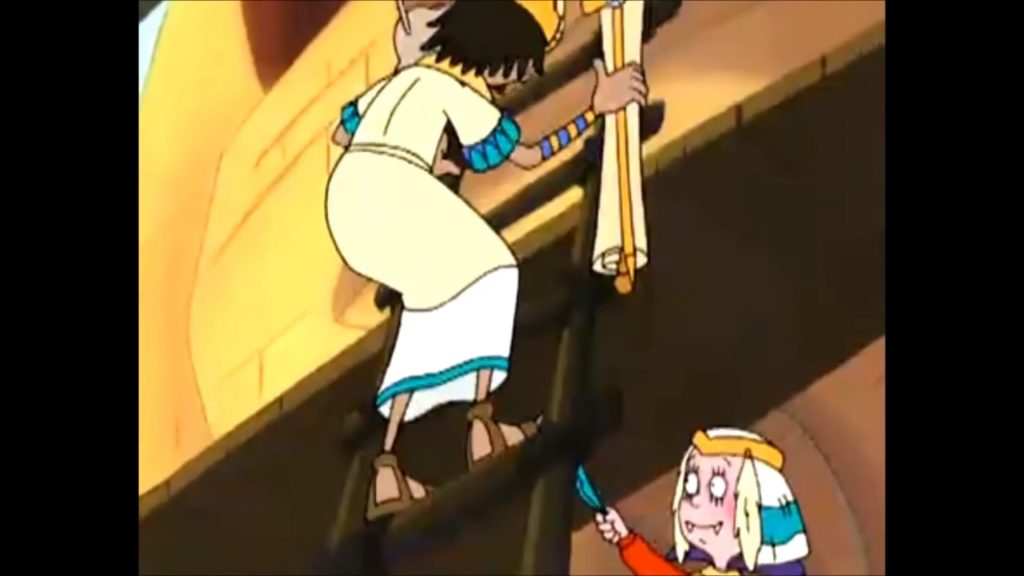
In “Mona the Vampire” (S3X44), the protagonist tickles an evil Egyptian on the foot to throw him off balance.


In “The Prince of Egypt” (1998), Moses has a visible ticklish reaction while his foot has washed.

Roman Empire
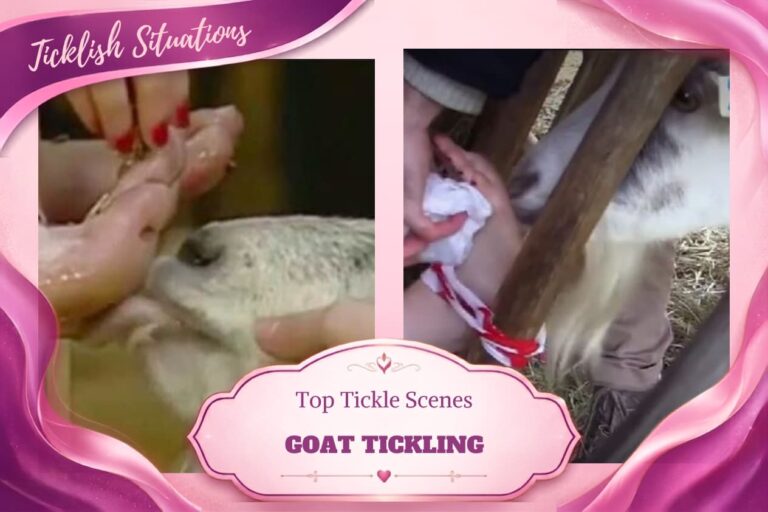
The Roman Empire utilized tickle torture for both interrogation and public entertainment, often subjecting restrained prisoners or slaves to relentless stimulation for the amusement of an audience. A particularly brutal and creative method described in the 1502 treatise Tractatus de indiciis et tortura by the Italian jurist and monk Franciscus Brunus de San Severino involved the strategic use of animals.
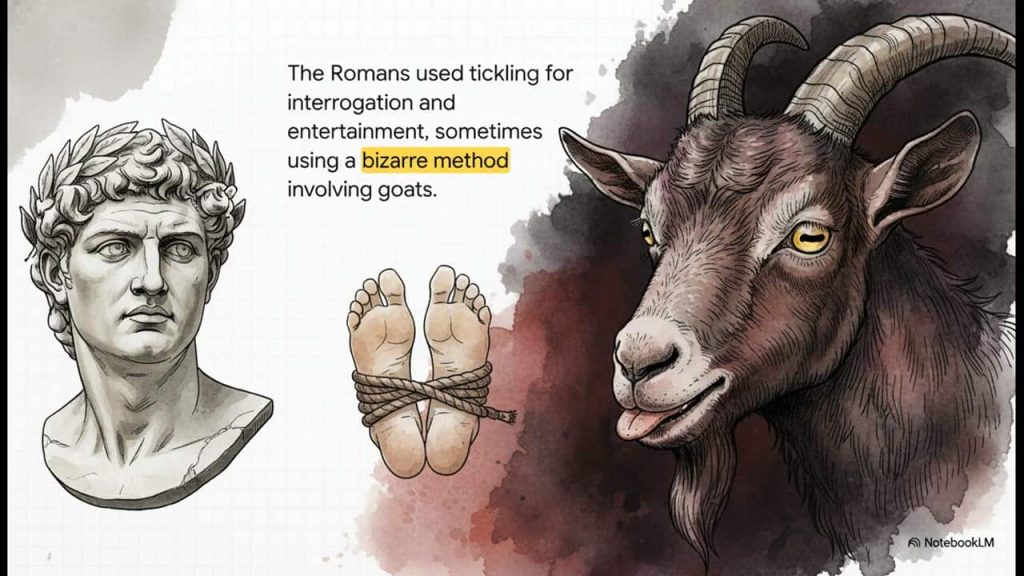
A victim’s feet would be dipped in salt water or a brine solution, after which a goat would be brought in tolick the salt off. While the goat’s rough tongue would initially cause unbearable and frantic tickling, the process became increasingly lethal as the tongue’s abrasive surface gradually rasped away the skin. As the wounded skin was repeatedly covered with more biting salt solution and licked again, the sensation transitioned from a panic-induced laughter into excruciating pain.
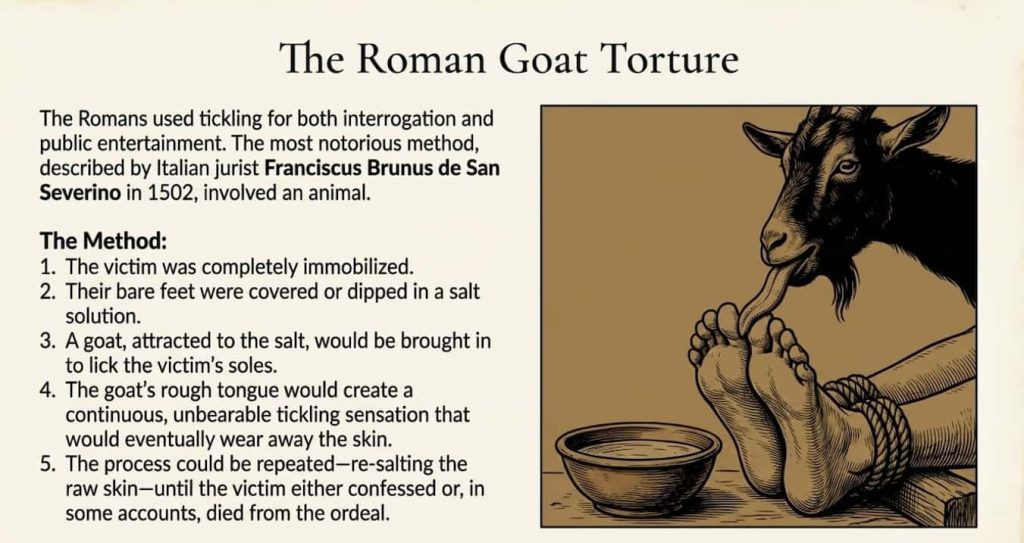
Some historical accounts, such as those discussed by physiologist Joost Meerloo, suggest that this process could be continued ad infinitum until the victim eventually died from the sustained torture.
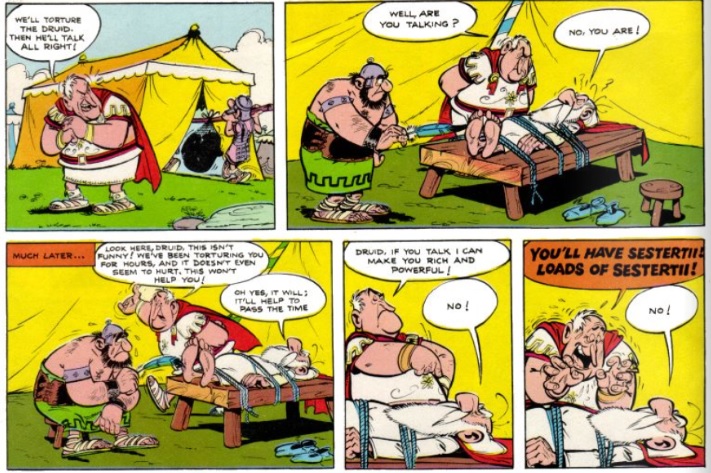
In fictionalized accounts inspired by Roman history, prisoners’ feet were dipped in saltwater, then licked by goats whose rough tongues caused initial tickling that escalated to agony as skin eroded. Here’s an example from “Asterix the Gaul”.
Ancient Greek
The portrayal of Greek mythology in mainstream culture suggests that tickling is used in situations related to the mythological realm, such as light-hearted interactions between people or as a playful gesture.
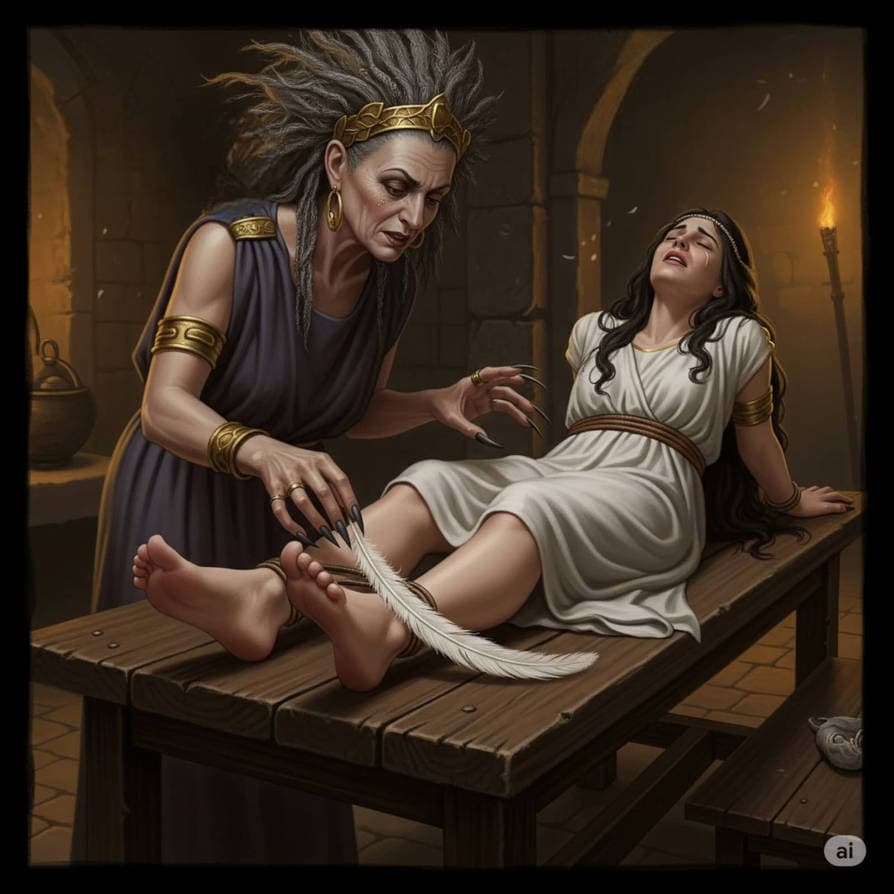
Xena: Warrior Princess includes a few lighthearted references and brief moments involving tickling, though they are minor and not central to the plot. These occur mostly in comedic or dialogue contexts rather than extended scenes.
In “Chariots of War” (Season 1, Episode 2), Xena recounts defeating a troll by tickling its giant feet with a goose, adding humor to her warrior backstory.
Another episode features Gabrielle waking up laughing, accusing Xena of tickling her in her sleep, only to discover snakes crawling on her instead—Xena jokingly threatens to tickle her if she doesn’t quiet down.
Photos and bloopers show Lucy Lawless (Xena) playfully interacting with Renée O’Connor’s (Gabrielle’s) feet during filming, like a bath scene or makeup session, capturing the cast’s fun dynamic.
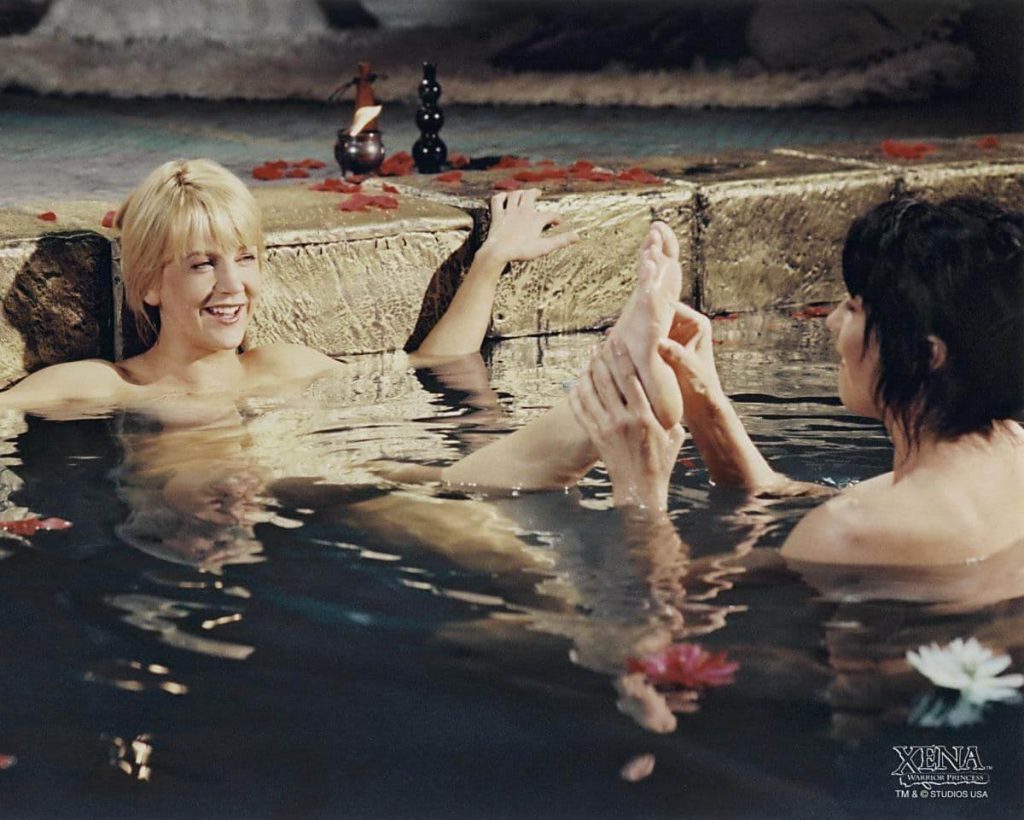
In “Little Pollon or Ochamegami Monogatari Korokoro Pollon,” tickling is used as a form of torture on several occasions: on a defenseless Prometheus (birds tickle his stomach), and Pollon herself and her friend tickle two giants under the armpits to make them let go and fall.

Ancient Japan
In Ancient Japan, the practice of kusuguri-zeme, which translates literally to “merciless tickling,” was a recognized component of a punitive system known as shikei. This system involved “private punishments” administered by those in authority for various offenses that frequently fell outside the boundaries of the formal criminal code. During these sessions, victims were typically bound and immobilized, allowing their tormentors to focus intensely on their most sensitive areas, such as the underarms and the soles of the feet.
The deliberate application of this method was designed to overpower the victim’s physical will and induce a profound state of humiliation and helplessness. Although historical documentation of this practice is less extensive than other methods, its effectiveness as a psychological weapon remained a point of interest for centuries.
In mythology, tickling is recognized as such a universal phenomenon that it is effective even on non-human creatures.
In “Tatsu No Ko Taro” (1979), the protagonist manages to defeat an ogre by tickling his feet and causing him to fall off a cliff.
Medieval and Early Modern Europe
During the Middle Ages and the early modern period, tickle torture occasionally emerged within European judicial systems as a strategic method for extracting confessions. Because tickling targets the body’s nerve endings to trigger involuntary responses without causing permanent physical trauma, it left no visible scars or injuries that could be used as legal evidence of coercion.
In medieval-inspired settings, particularly those influenced by European folklore, tickling appears in association with jesters, courts, and trickster figures. Productions set in the Middle Ages often depict tickling as a form of humiliation or comic punishment.
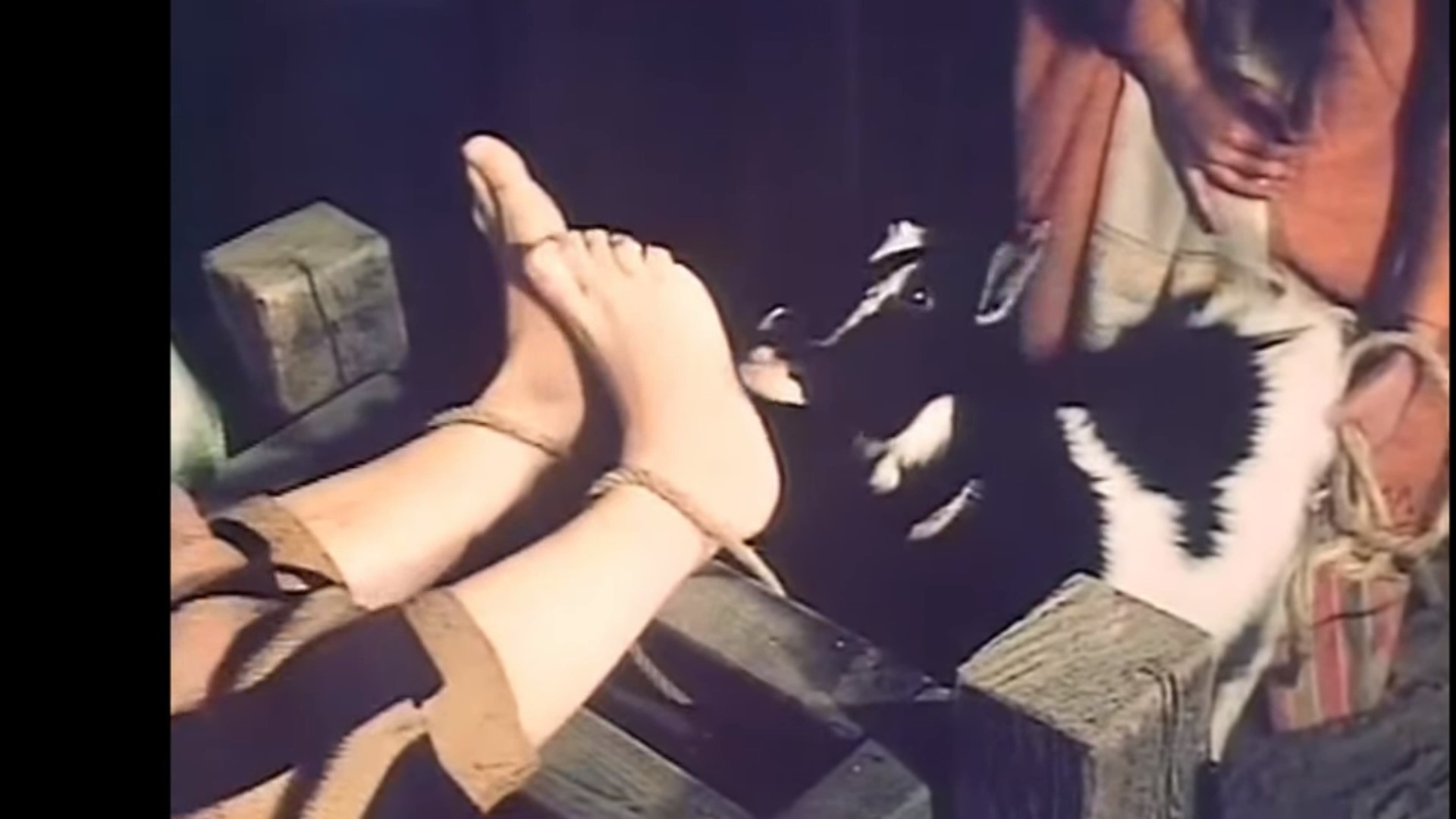
In “Una spada per Brando” there is a notorious goat scene where a bound character has his bare feet licked by a goat’s rough tongue during a torture sequence, played for dark humor in the film’s exploitative tone.
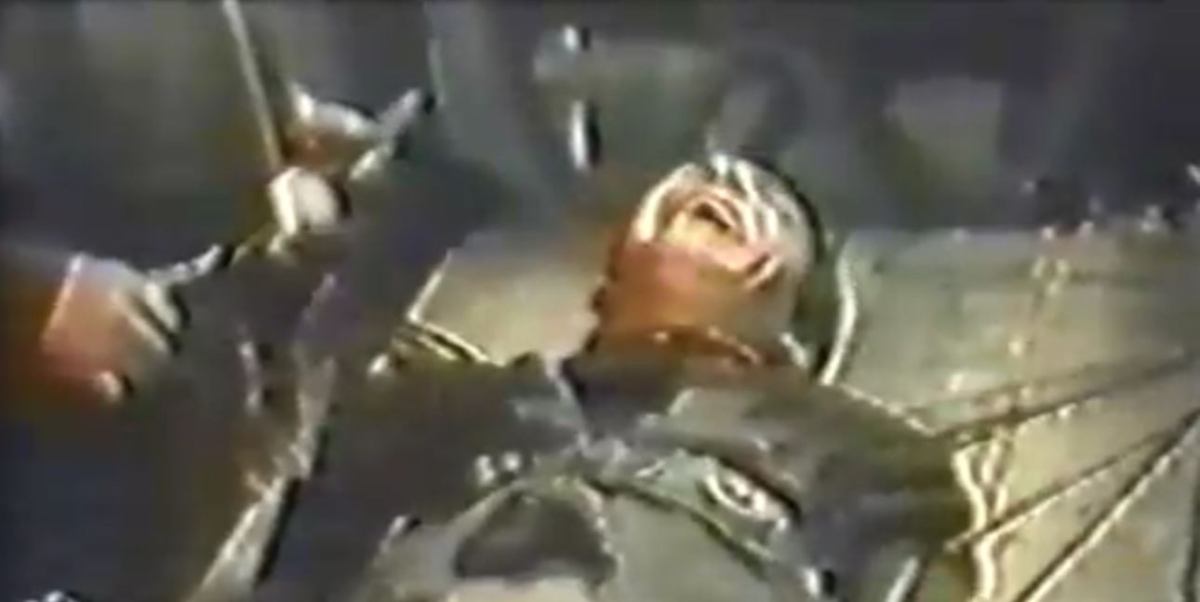

In “François the First” (original French title: François Ier, 1937) there is a comedic goat scene where a character (played by Fernandel) endures torment from a goat licking his feet, played for laughs amid interrogation-like absurdity.
In “Clattering Chastity Belts” (1974), three women subject a man to the “goat torture,” trying to make him laugh but without much success.
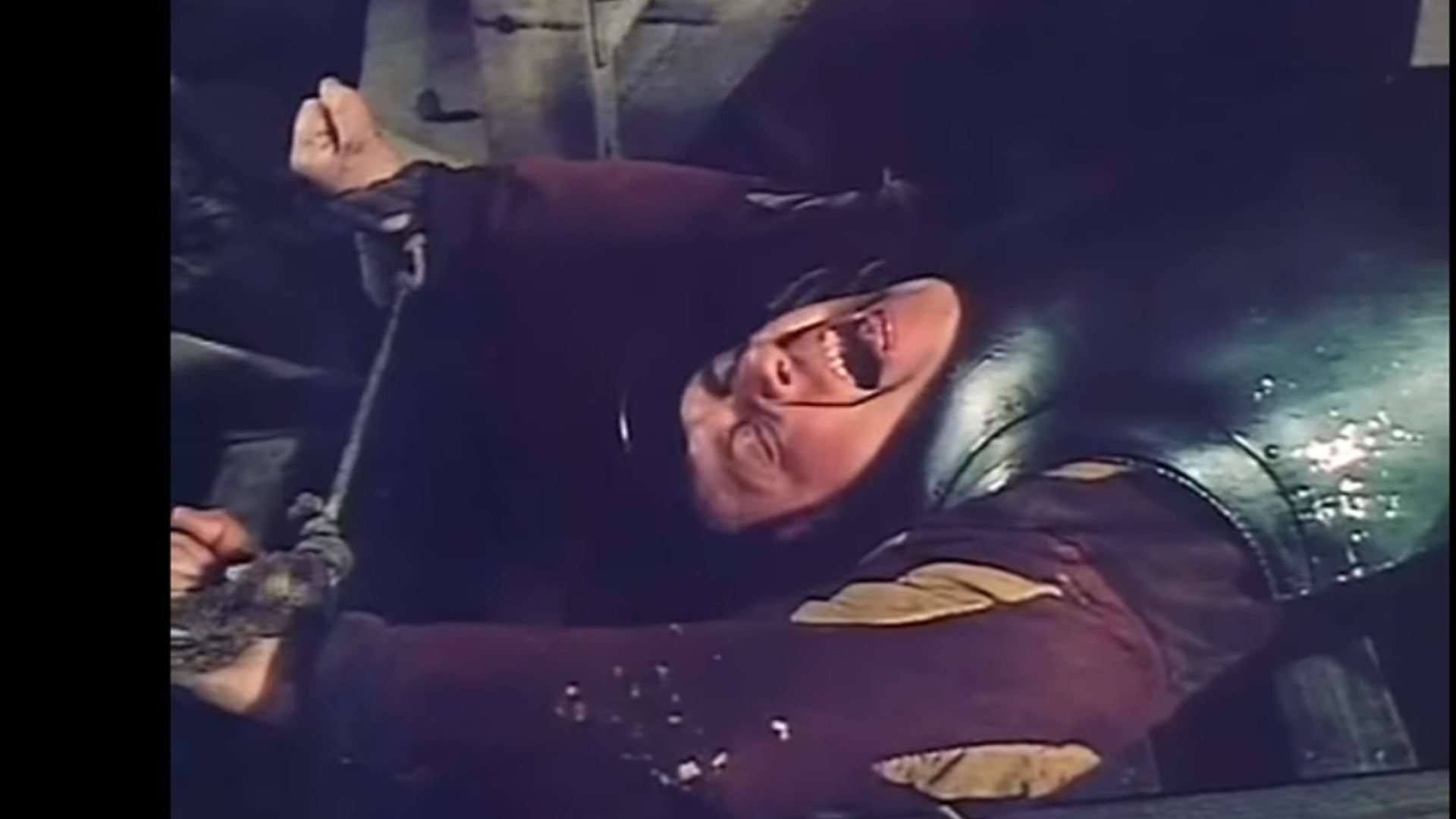
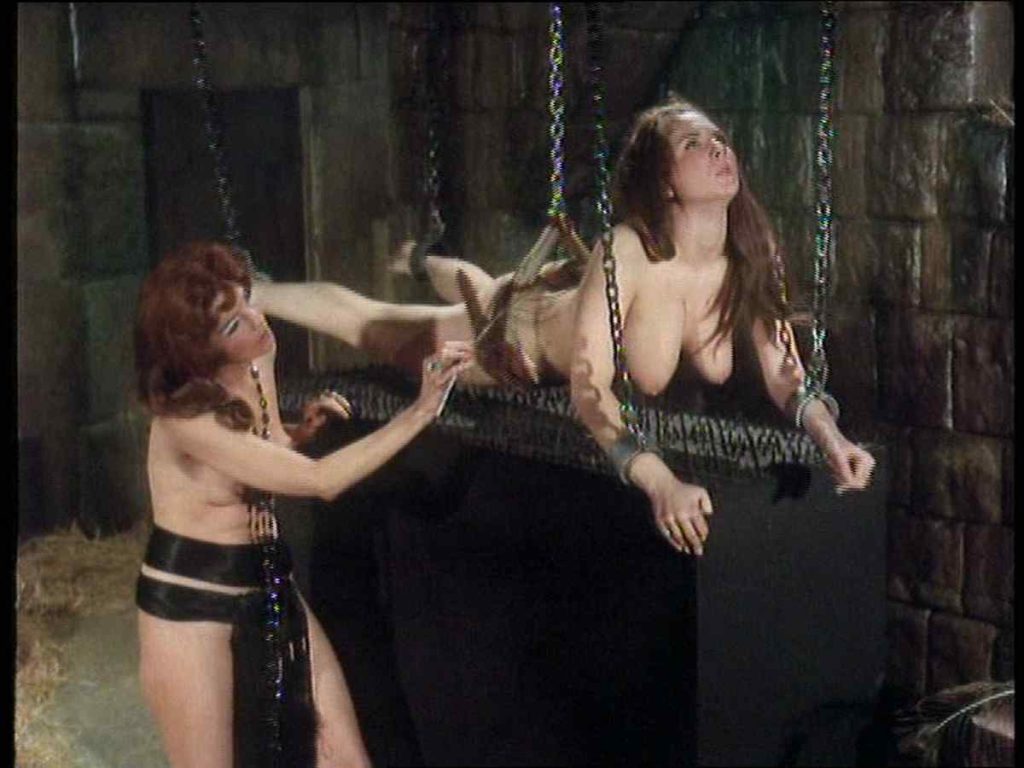
In “The Ribald Tales of Robin Hood” (1969) there is a torture scene where Lady Sallyforth (Lynn Cartwright) subjects the naked and chained Maid Marian (Dee Lockwood) to sadistic methods in her dungeon. Lady Sallyforth tickles Marian with a feather along her thighs, back, and naked body while she’s suspended just above a bed of thorns, forcing her to stay still to avoid impalement.
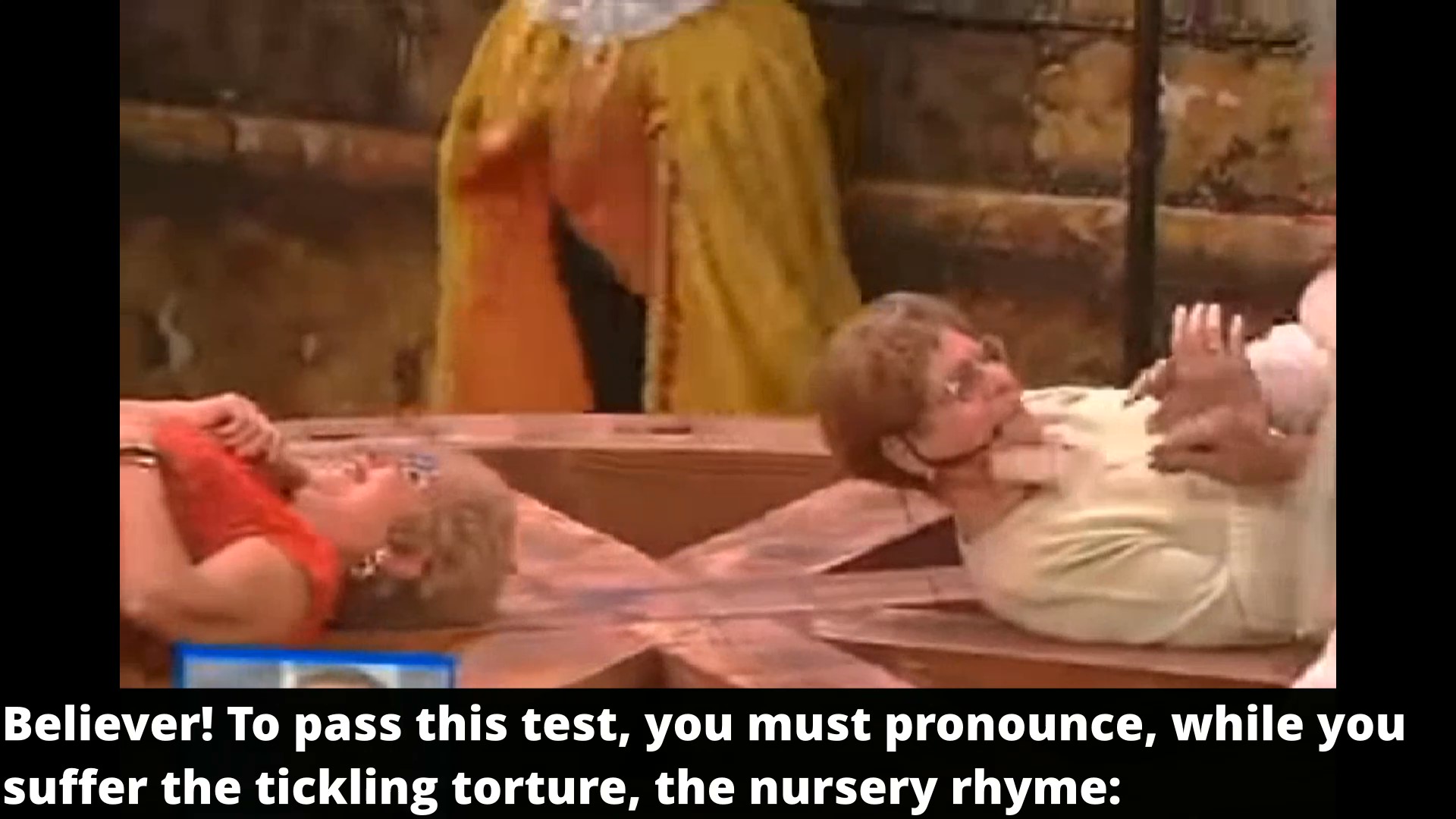
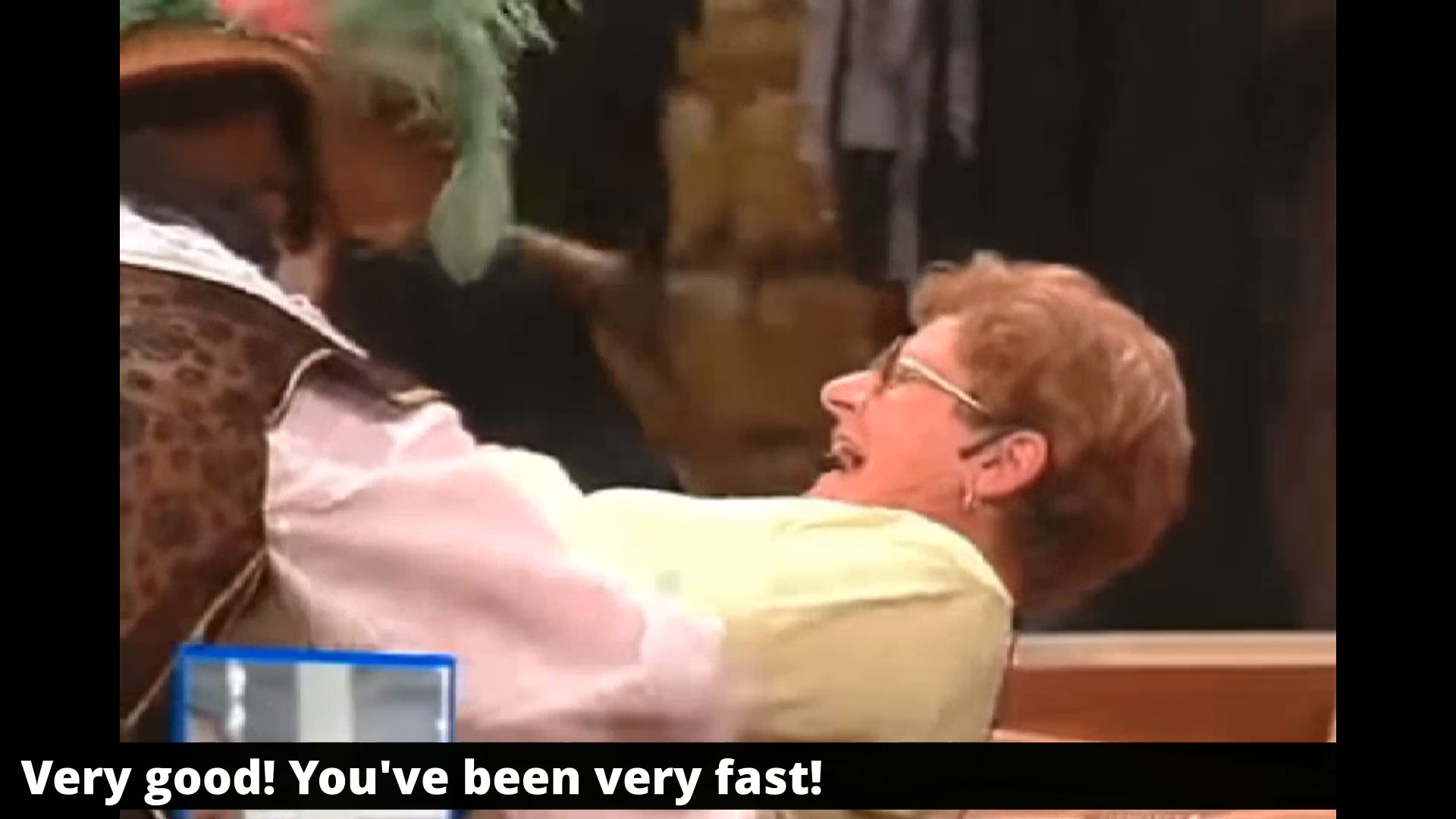
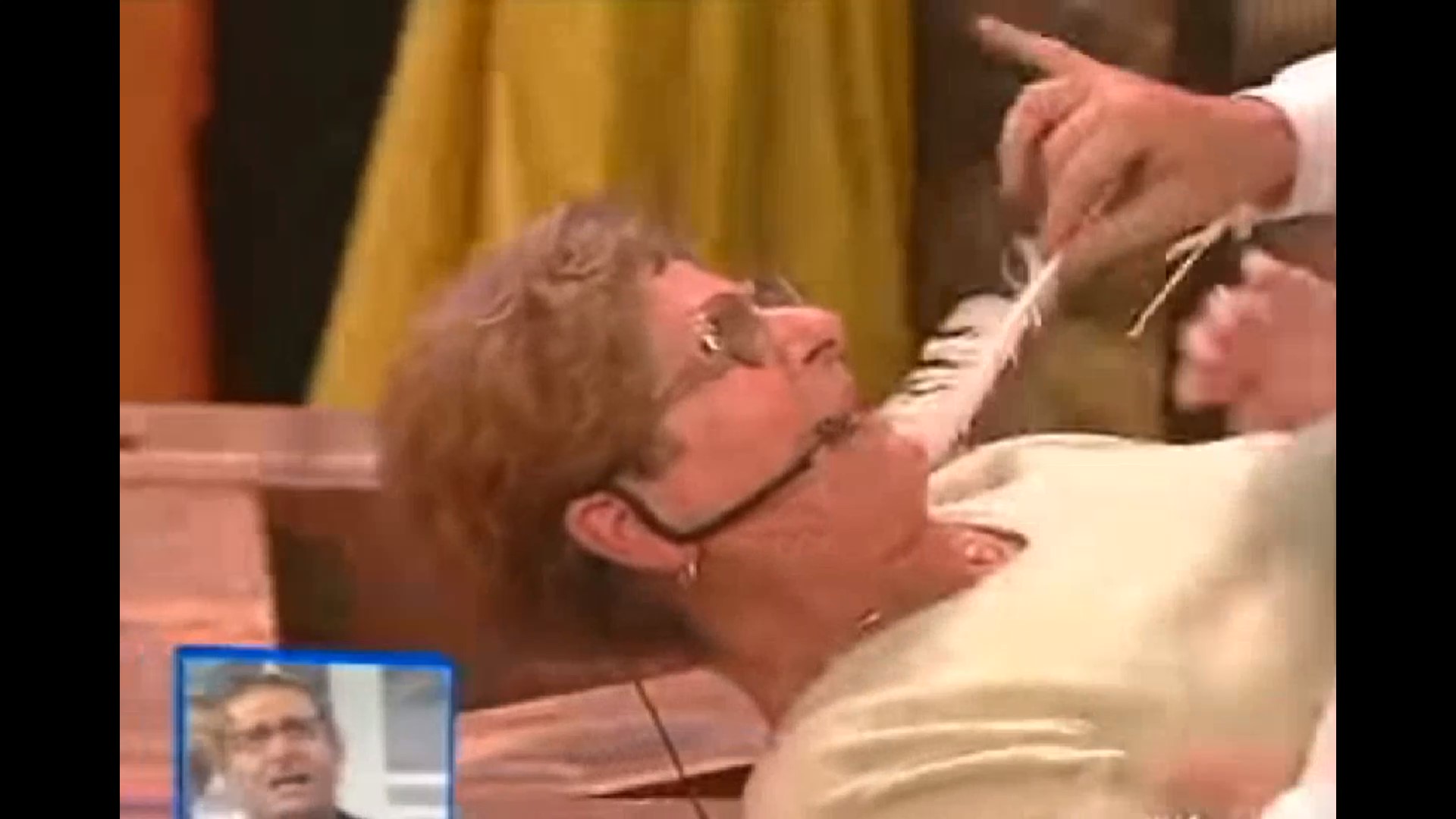
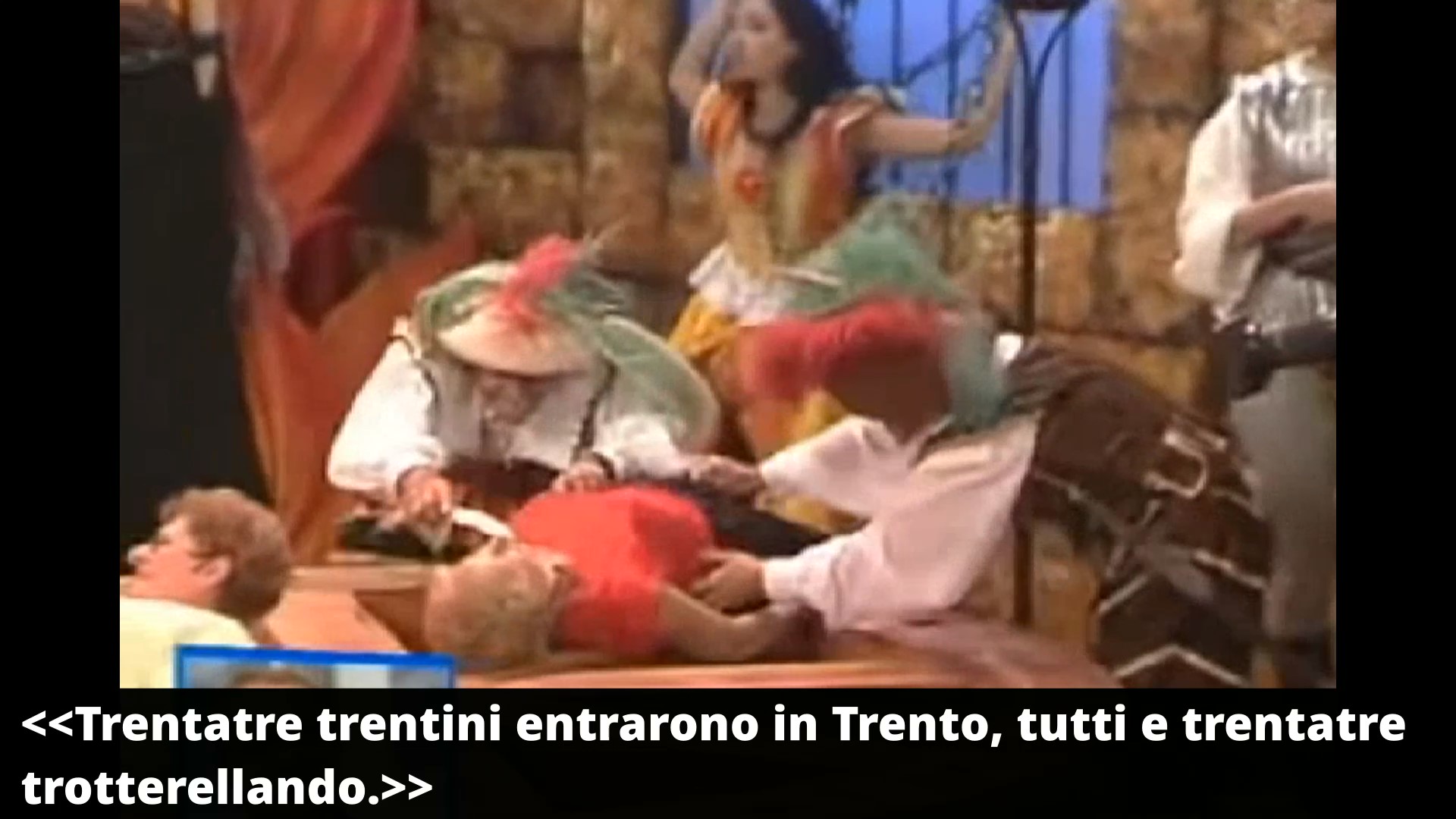
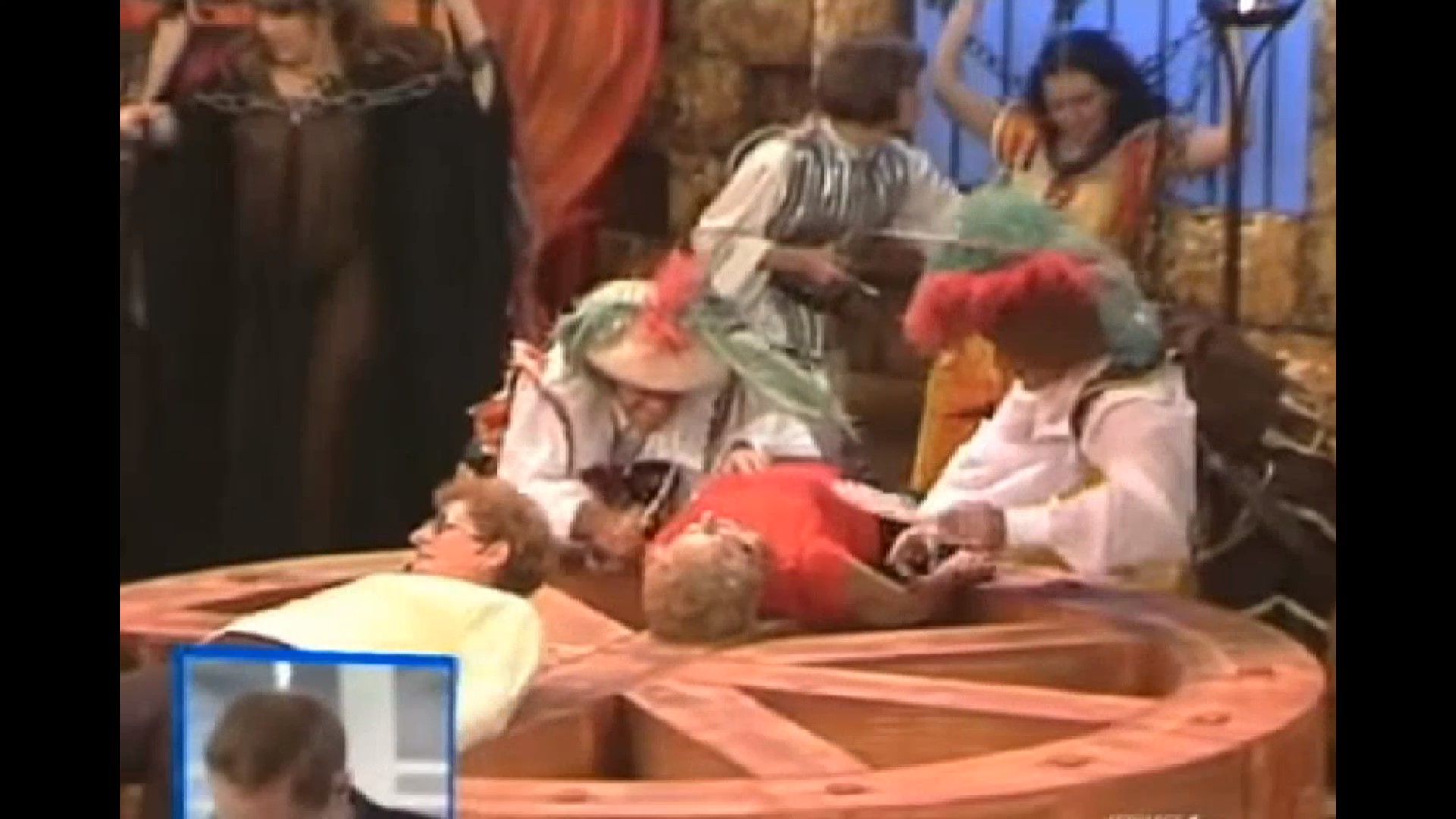
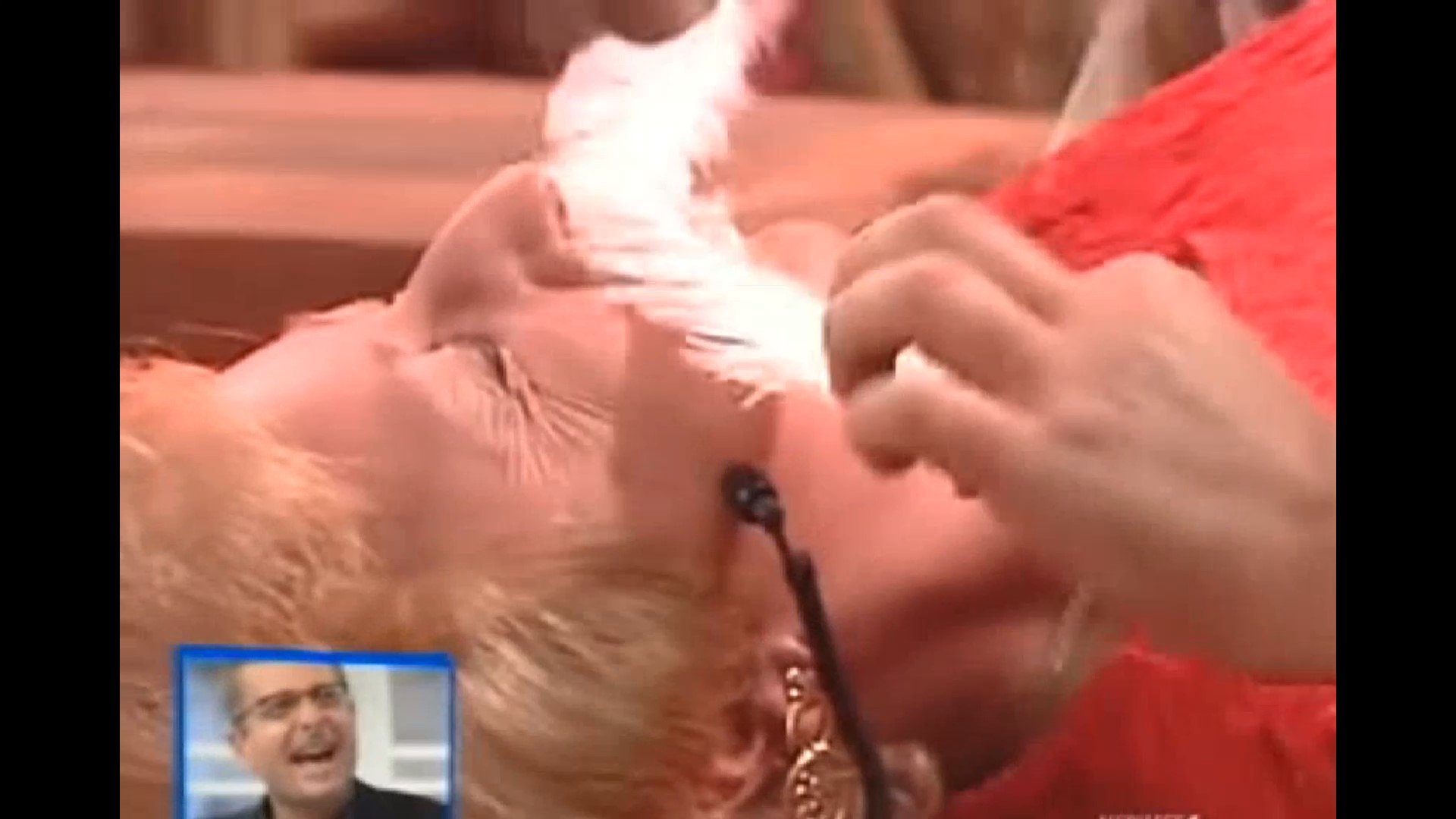
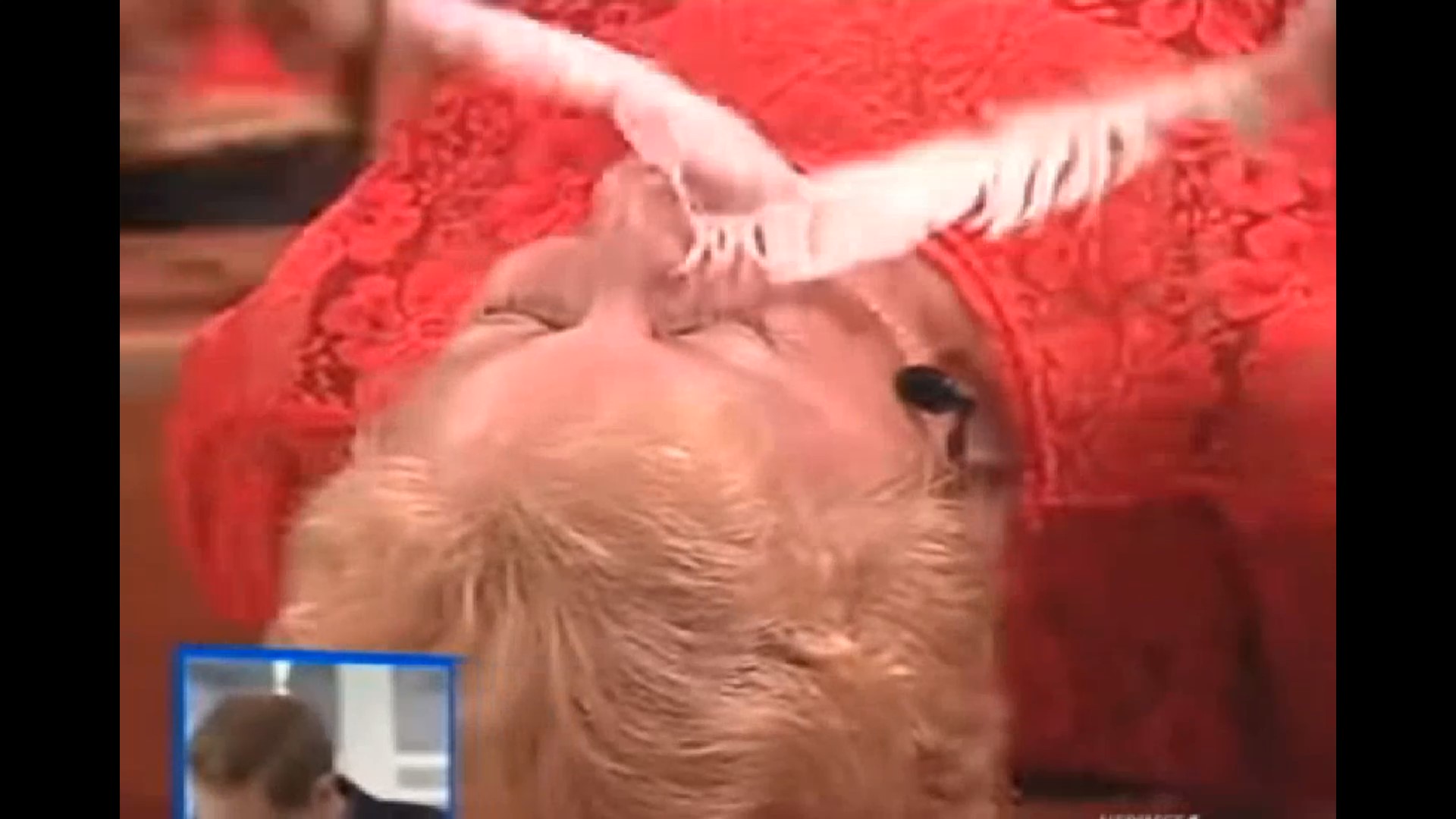
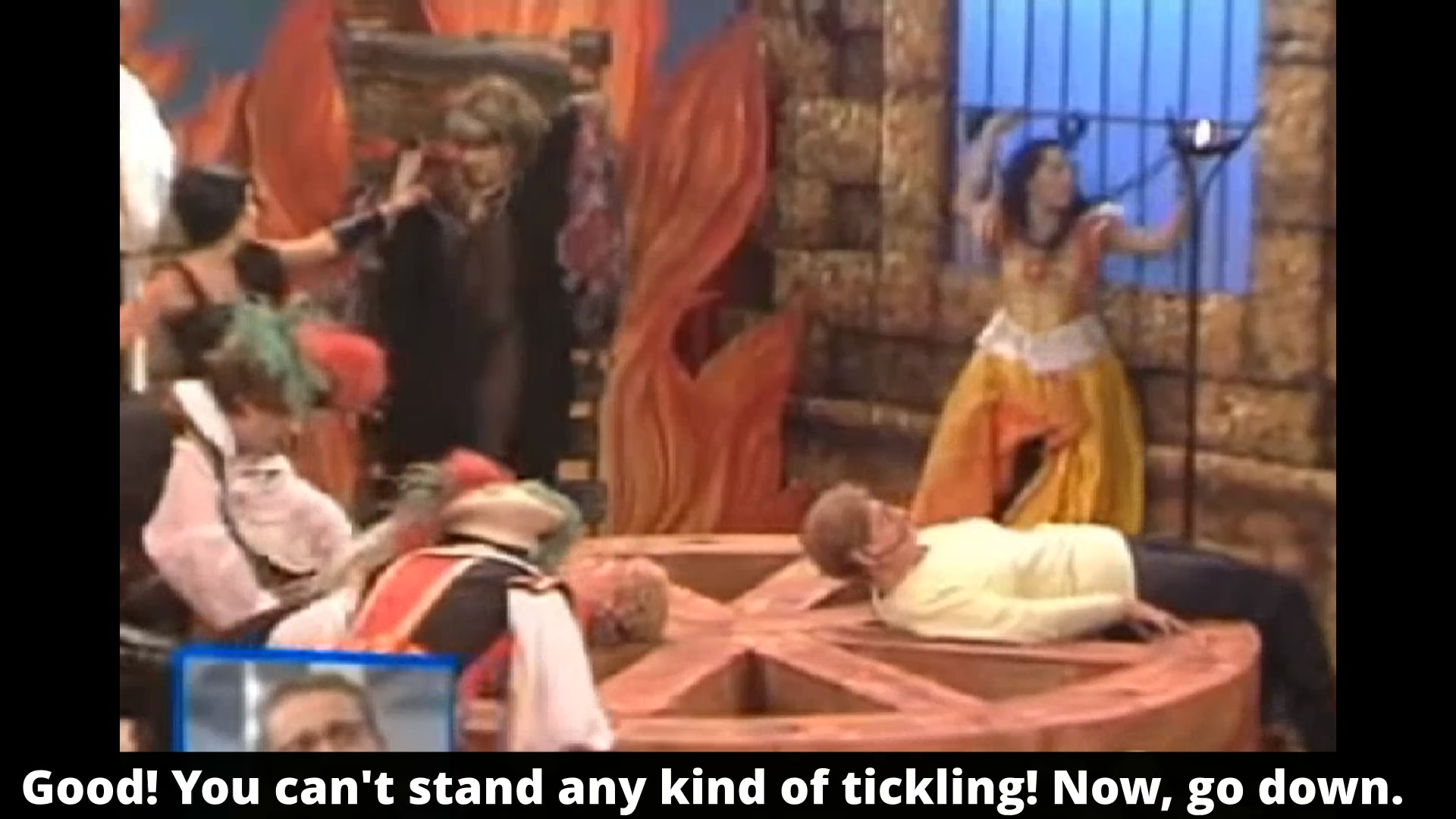
In “Ciao Darwin” (Season 2, Episode 5), a creative reenactment of the wheel torture is presented. Two women are tickled by the Inquisitor—both with feathers on their faces and necks and with hands on their hips—while they try to recite a nursery rhyme. Both women prove to be very ticklish.
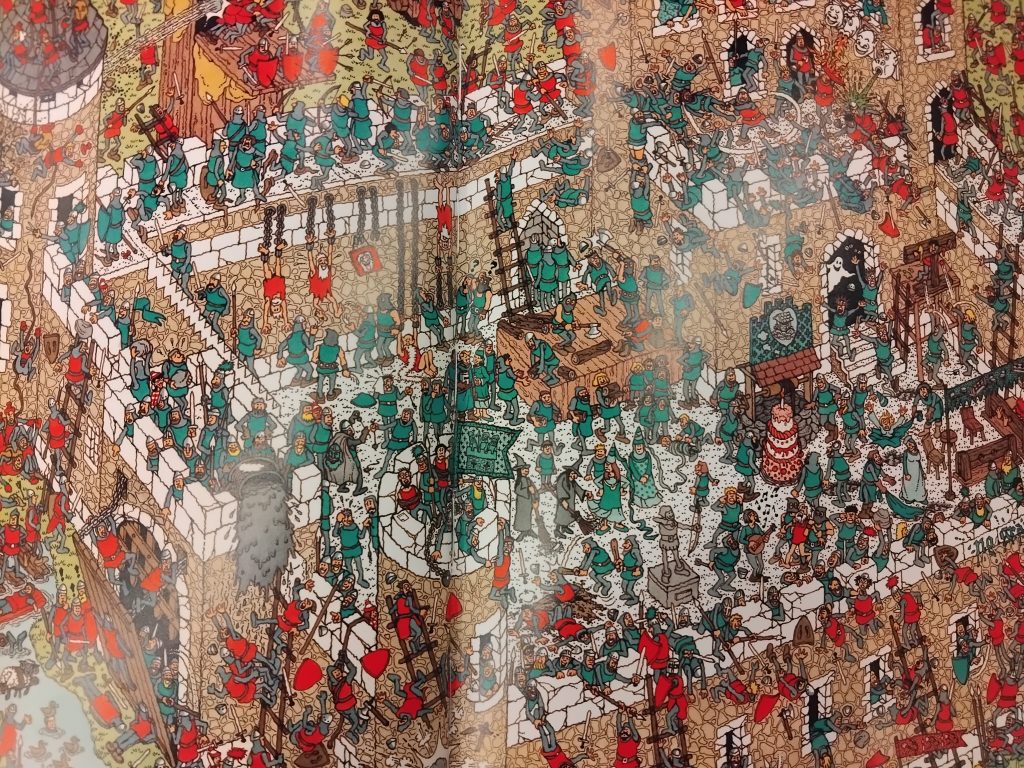
“Where’s Wally” include historical tickle torture scenes:
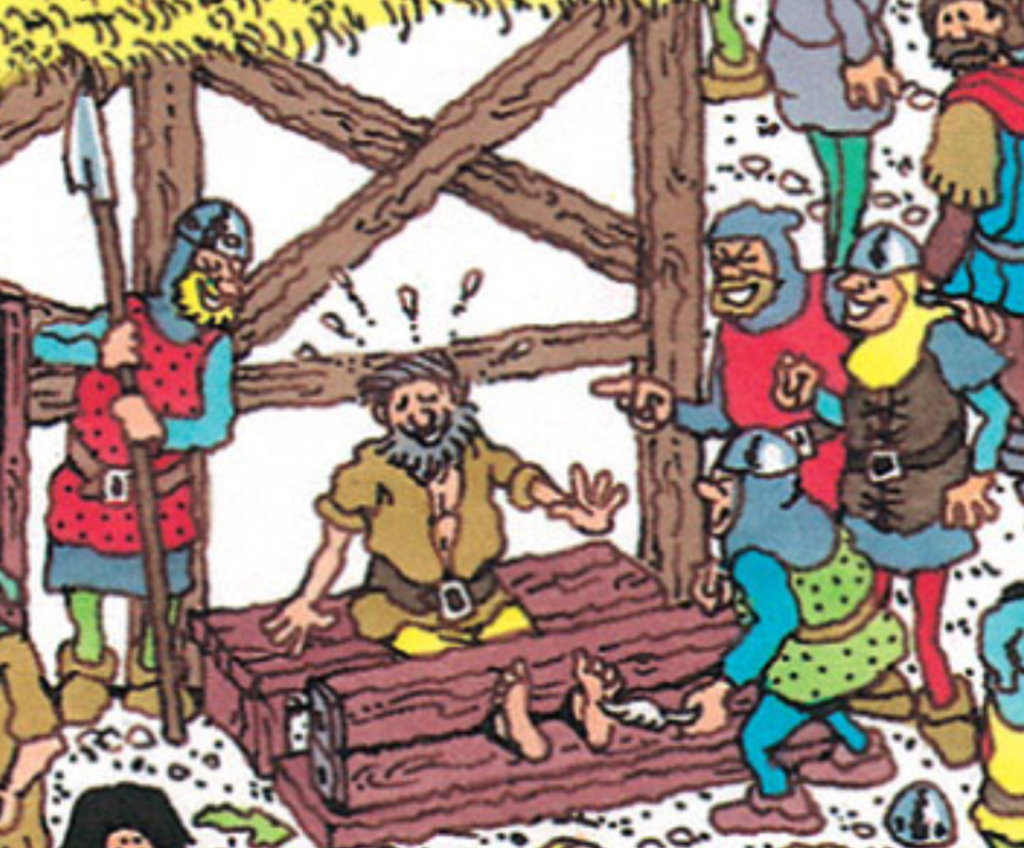
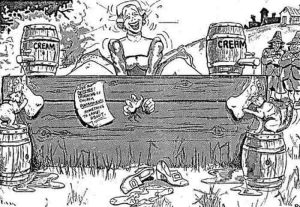
In England, this form of torment was often utilized as a secondary or informal harassment for individuals already held in the parish stocks for public morality offenses.
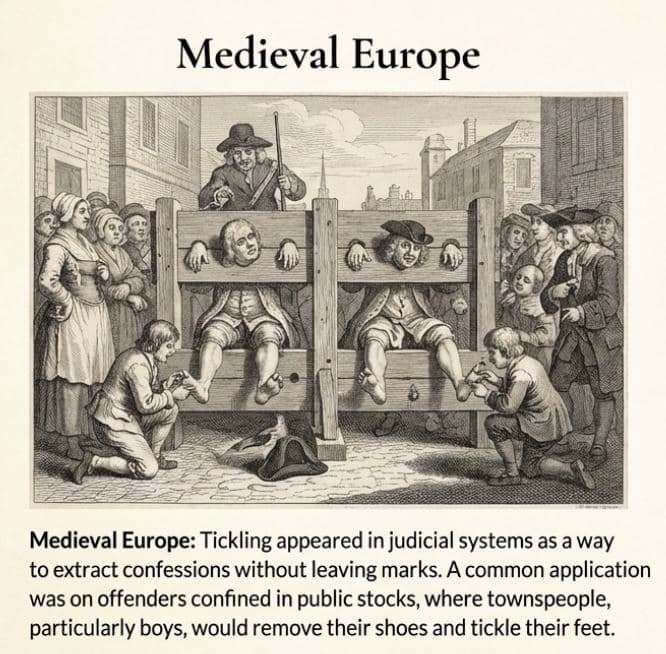
According to the 1887 article “England in Old Times,” local “fiendish” boys would often “improve the occasion” by removing the shoes of these defenseless offenders to tickle their bare soles as a form of communal humiliation.

Beyond its punitive use, this era saw philosophers like René Descartes analyze tickling as a complex sensory experience where the soul feels the body’s “titillation” through rhythmic nervous stimulation. This philosophical perspective highlighted that tickling sits on a precarious edge, where the pleasure of the stimulation can easily tip into the agony of torture if the nerves lack the strength to resist the violent action.
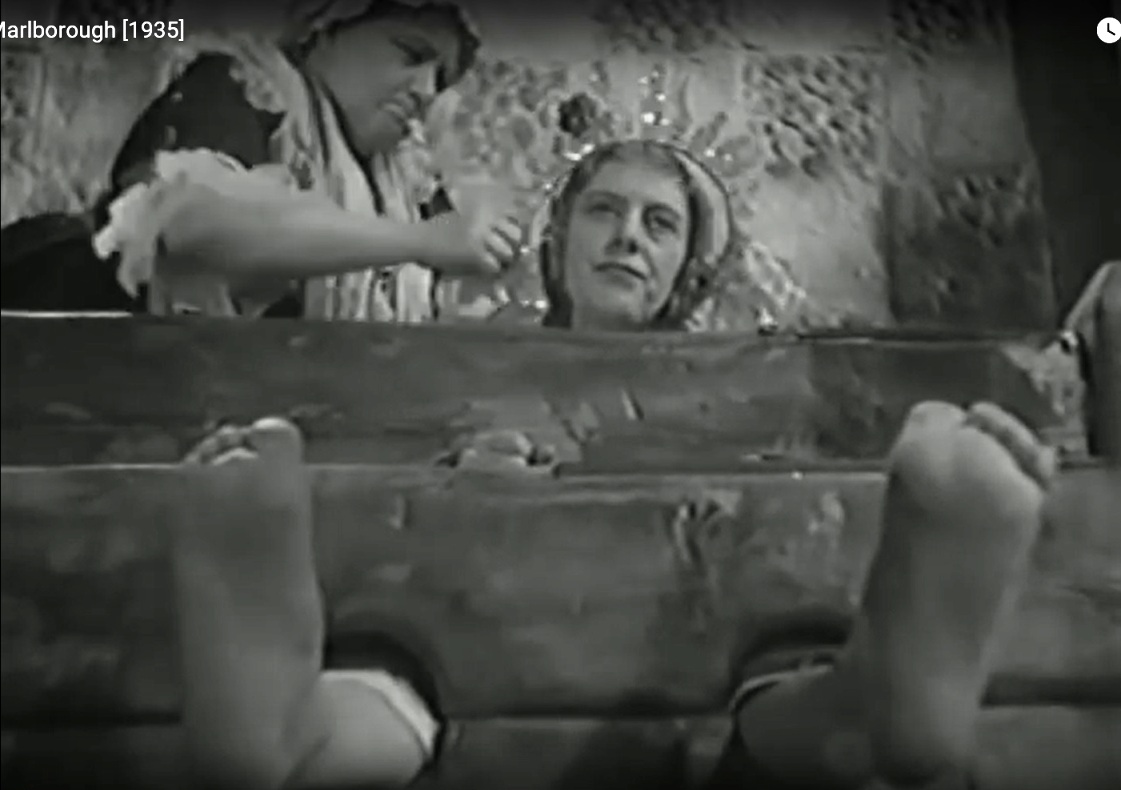
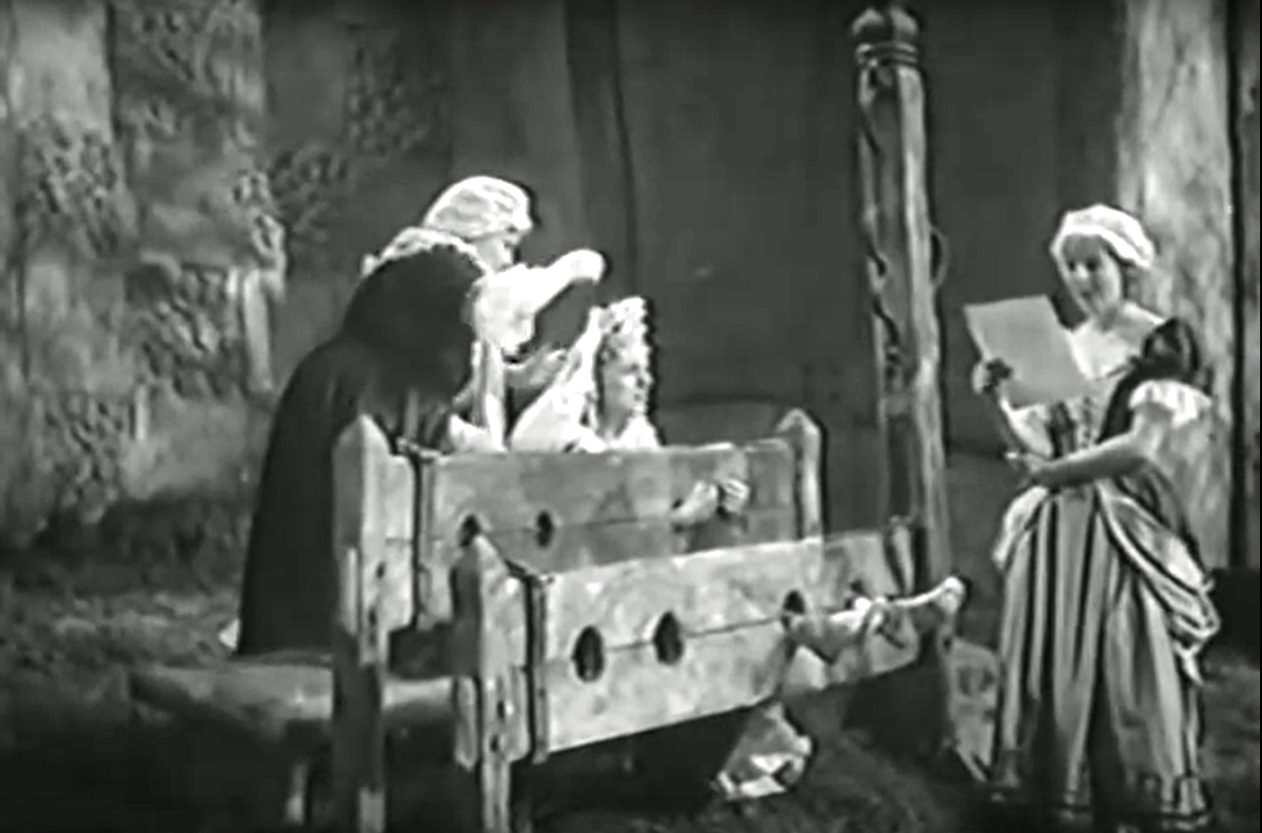
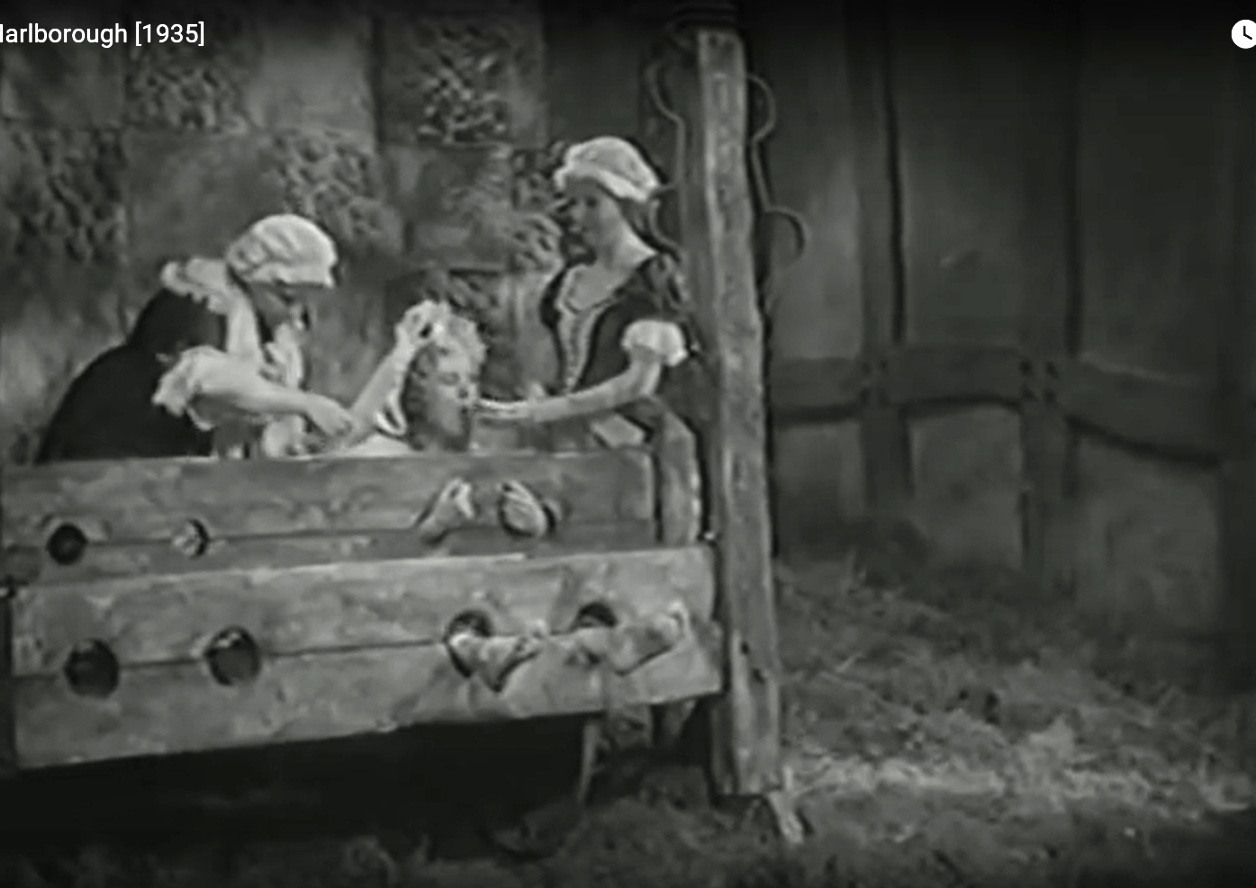
In “Me and Marlborough” (1935), a woman is temporarily strapped to a pillory, and her feet are inadvertently licked by a dog, causing her to laugh loudly.

Renaissance
During the Renaissance, tickling was presented as a form of entertainment for the nobility, intended to give pleasure to the beautiful ladies with whom they engaged in carnal relations.
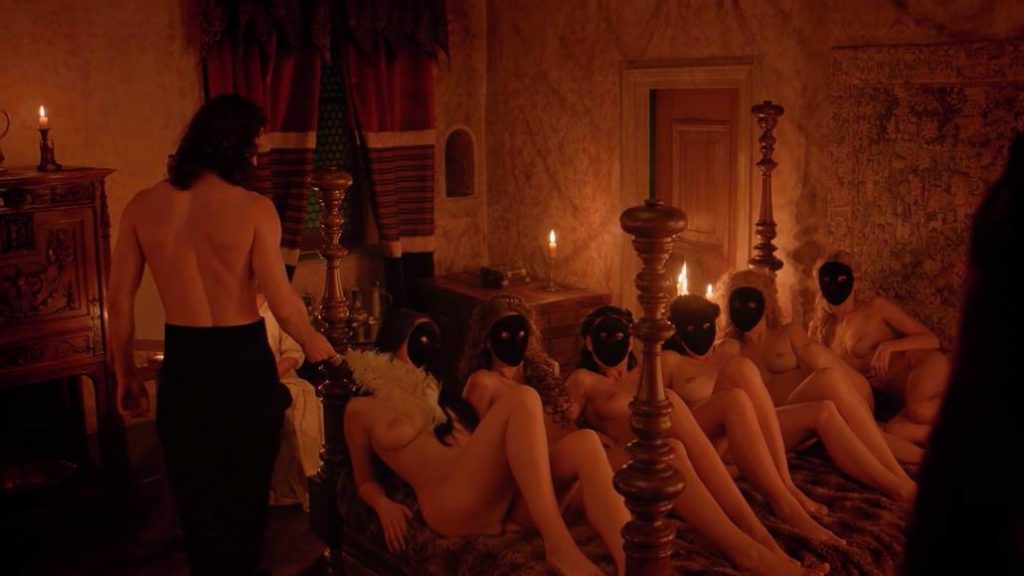
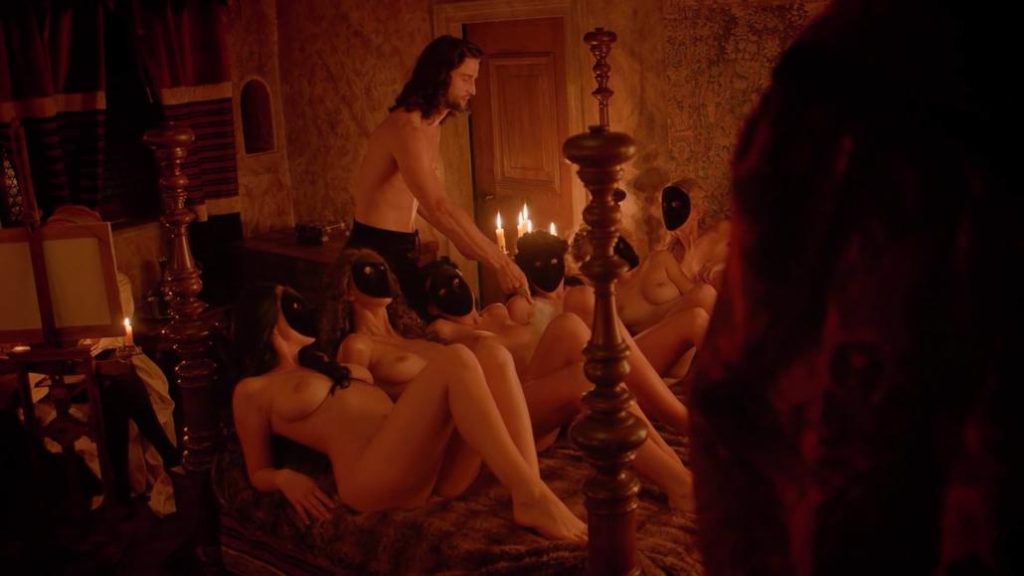
In “The Borgias” (Season 3, Episode 5), Cesare Borgia displays his lecherous nature by appearing before the father of his future bride in the company of many masked naked women, whom he teases with a feather, making them laugh.


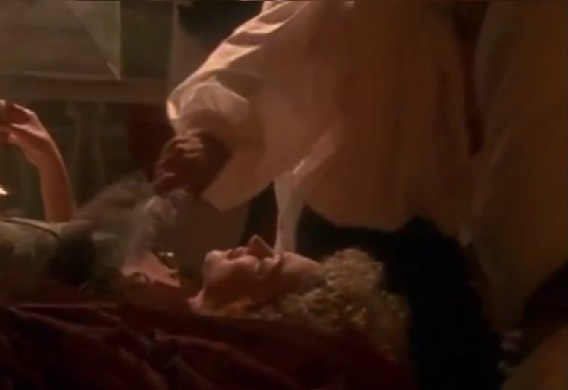
In “Relic Hunter” (Season 1, Episode 9), Giacomo Casanova flirts with one of his lovers and tickles her with a feather.
XVII – XIX century
In adaptations of 19th-century literature, tickling often emerges within domestic or interpersonal settings, carrying ambiguous emotional weight, or as a non-lethal form of torture.
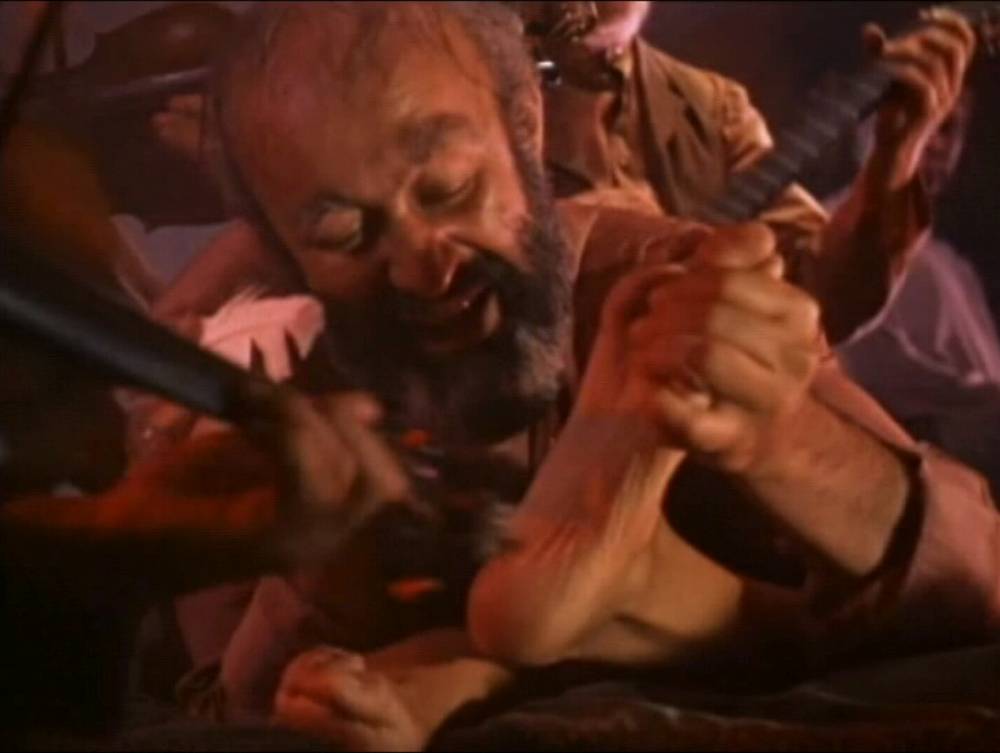
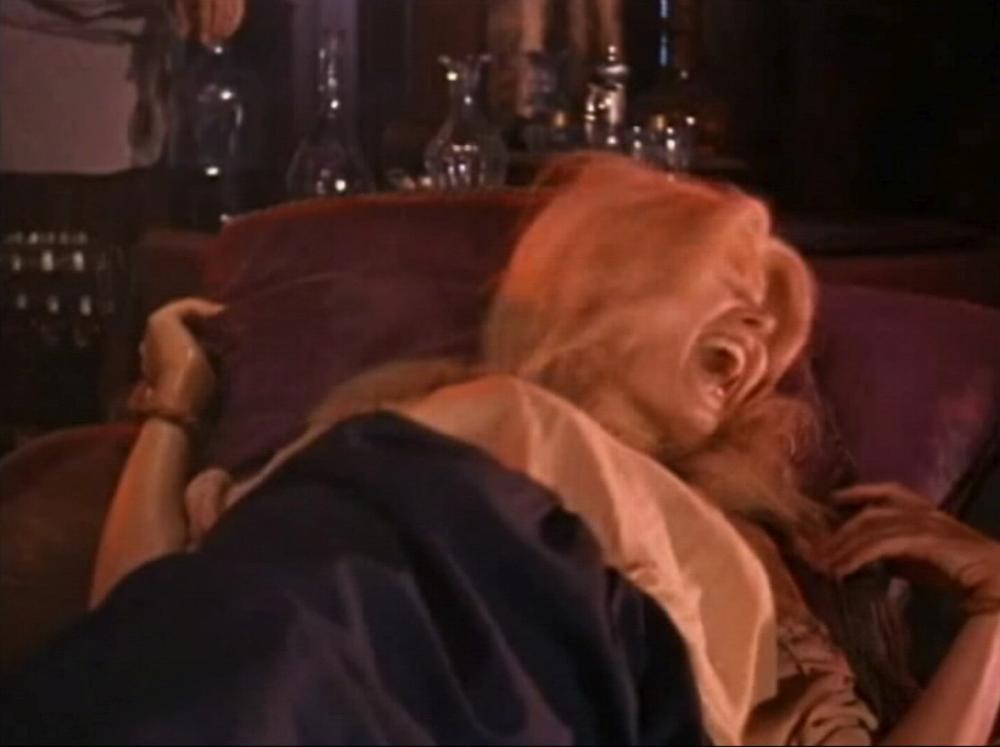
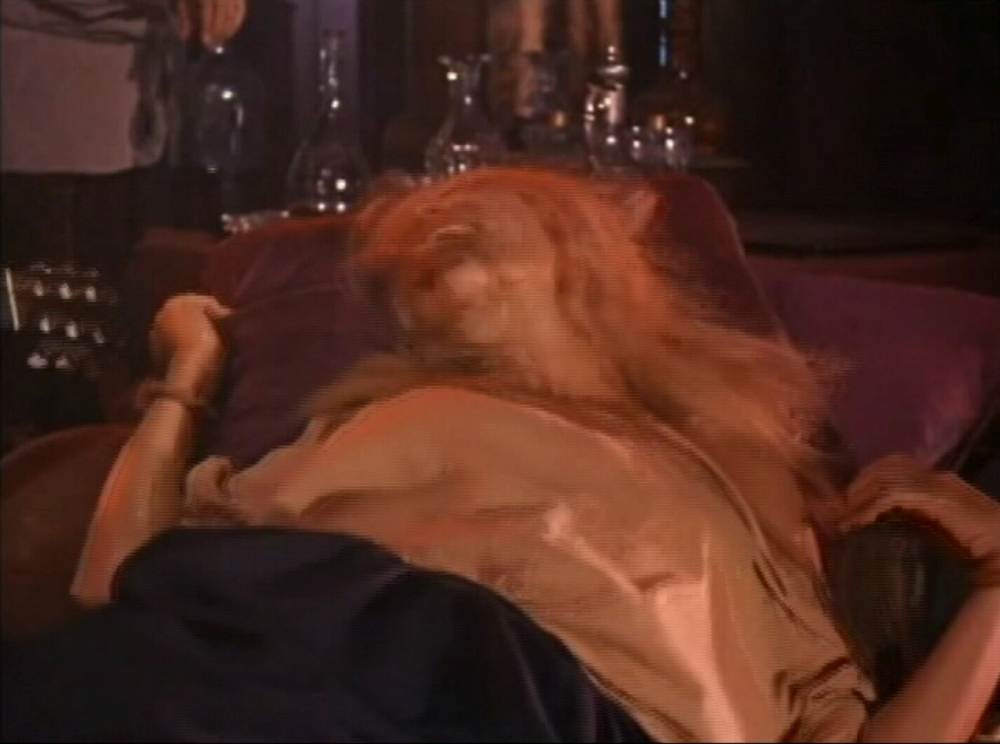
A notable example appears in The Brothers Karamazov, where a scene involving Gloria Pall uses tickling to create a charged interaction that sits between playfulness and discomfort. This reflects broader themes in 19th-century storytelling, where physical gestures can signal affection, dominance, or suppressed desire. Tickling becomes a subtle narrative device, revealing character dynamics without explicit dialogue.
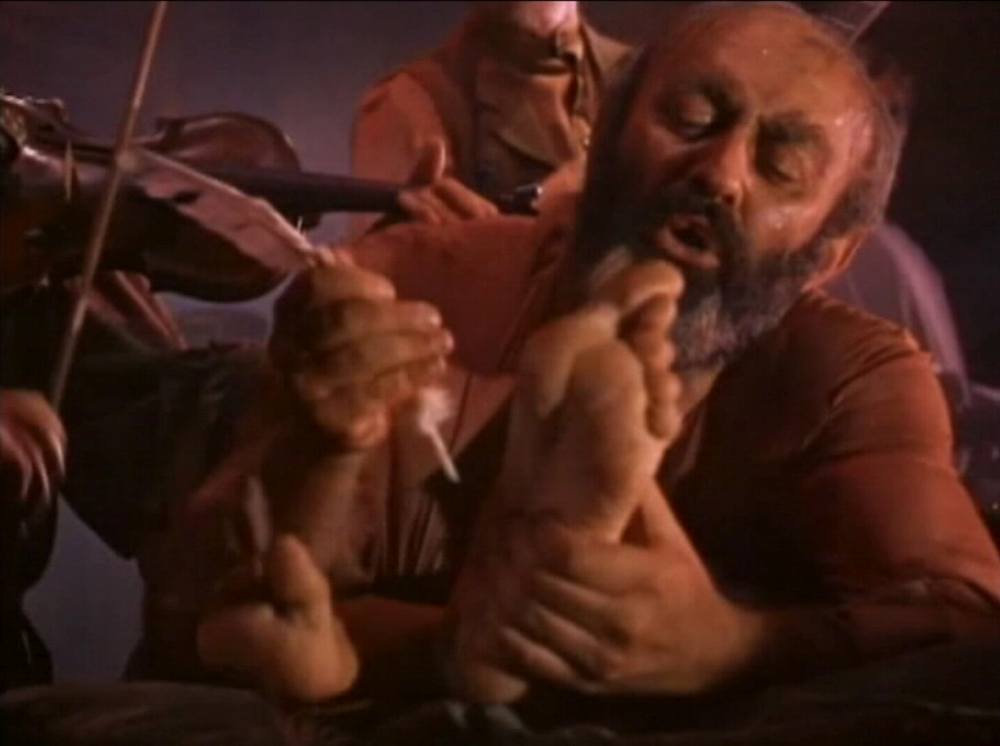
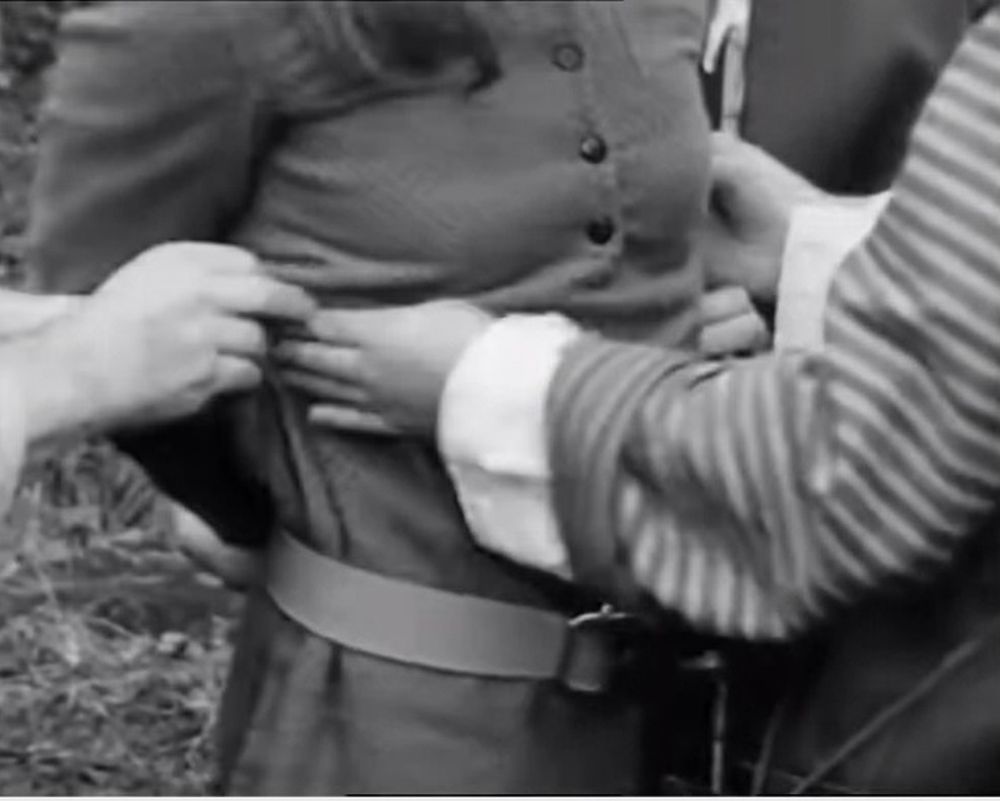
In the TV series “Floris,” a woman is tickled on her stomach and under her armpits by bandits in an attempt to make her laugh and drop a map she is holding in her mouth.
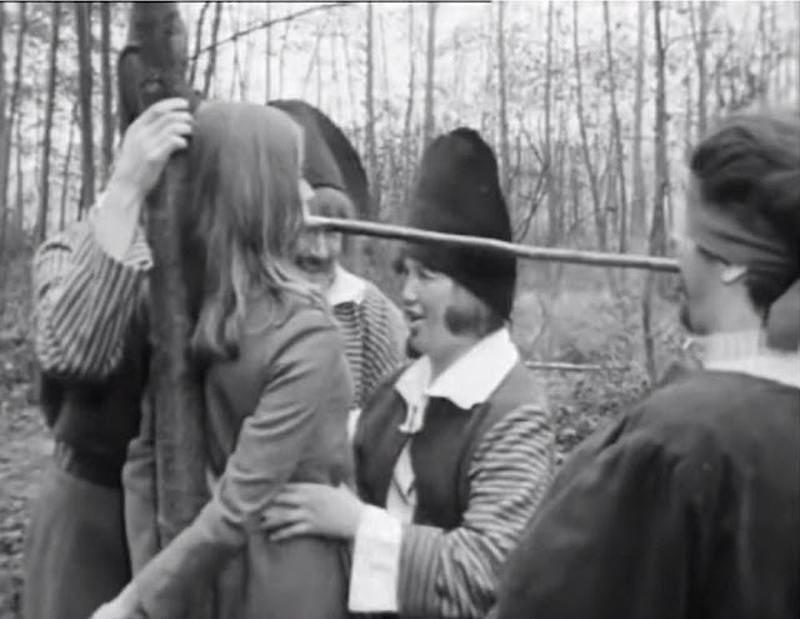
In The Son of Zorro (1973), the masked hero teases a corrupt governor’s bare feet with a feather for a long time, making him laugh uncontrollably and unable to explain himself.
In “Scaramouche”The Loves and Times of Scarmouche” (1973), Scaramouche tickles his lover’s feet kissing them.
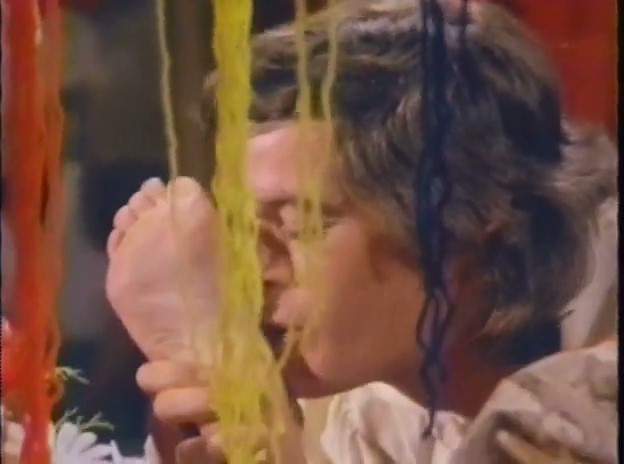
In The Great Catherine (1968), Catherine tortures a man standing beside her by pressing her foot against his side to make him talk.
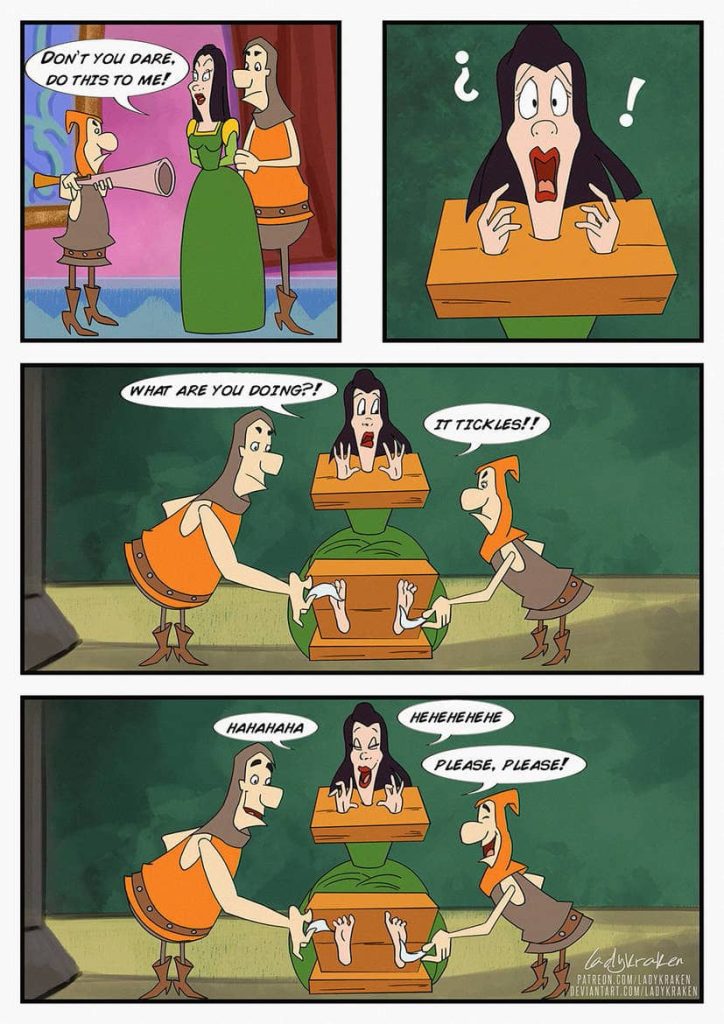
In “Albert the Fifth Musketeer,” a man is subjected to tickle torture while imprisoned in a pillory, while Milday and Richielieu watch indifferently.
The 19th Century
By the Victorian era, accounts of tickle torture began to emerge in the context of domestic abuse and literary fiction. An 1869 report in the Illustrated Police News detailed a harrowing case where a man named Michael Puckridge tied his wife to a plank under the guise of treating her varicose veins, only to tickle her feet until she reportedly lost her sanity.
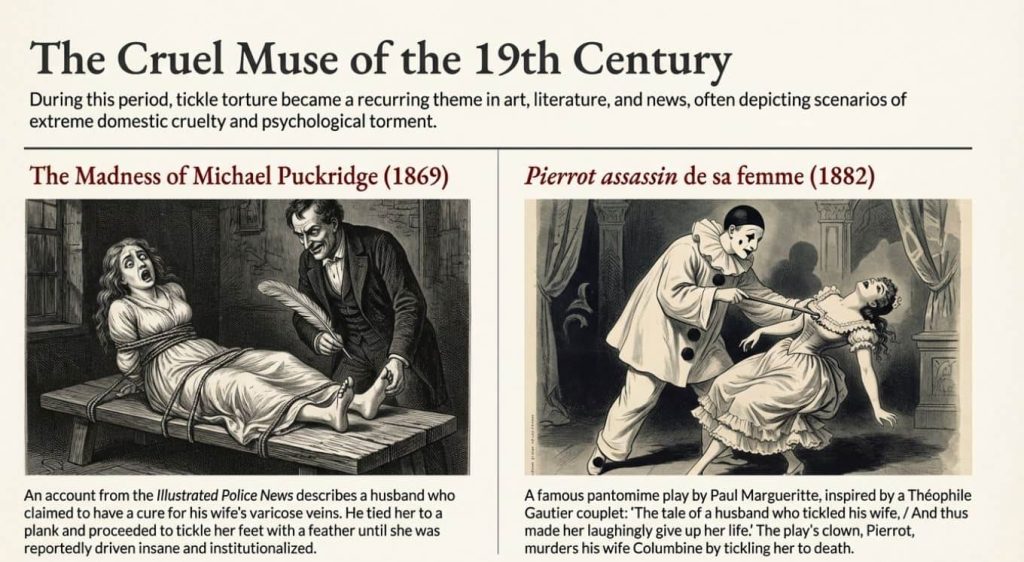
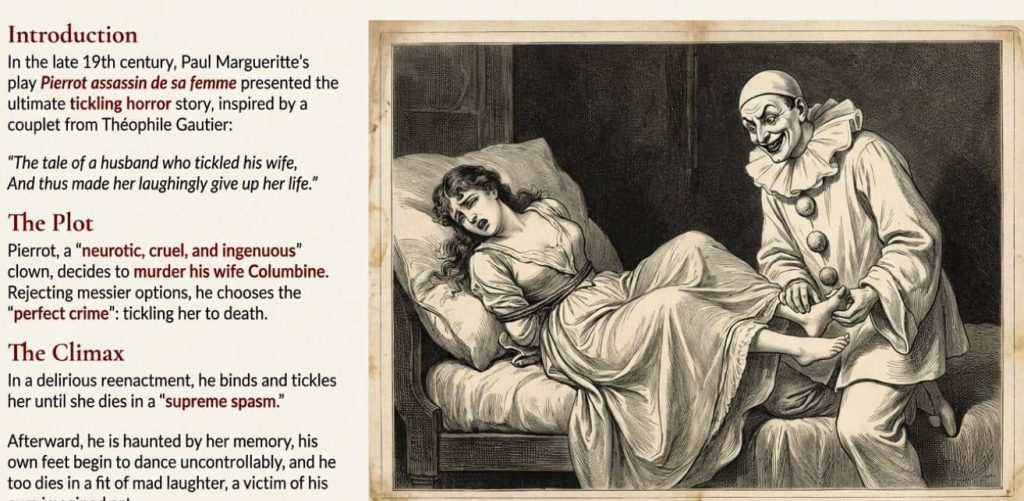
This era also saw the theme enter popular culture through the pantomime character Pierrot. In the 1882 play Pierrot assassin de sa femme by Paul Margueritte, the protagonist decides to murder his wife by tickling her to death, viewing it as a “perfect crime” because it leaves no marks and causes the victim to expire in a “supreme spasm” of forced laughter.
Western
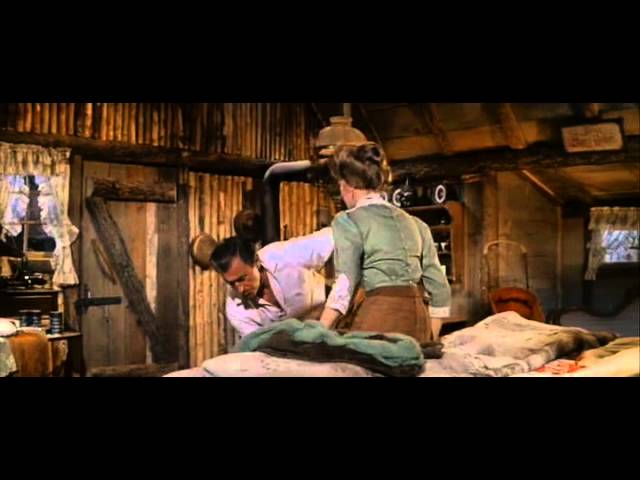
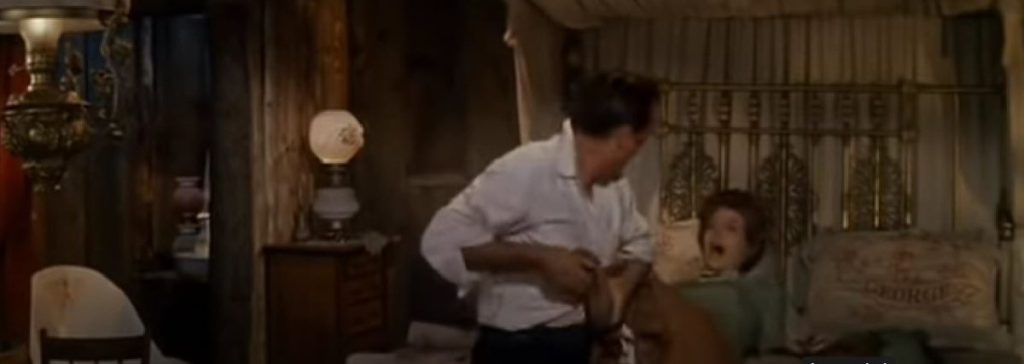
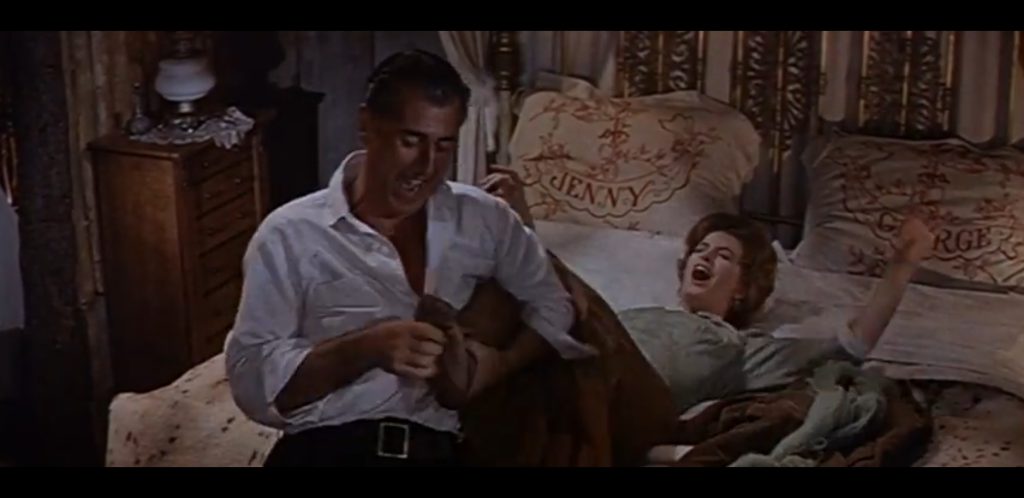
In Western films, tickling is frequently framed as flirtatious or comedic, reinforcing gender dynamics typical of the genre. In North to Alaska, the character played by Capucine is subjected to tickling in a scene that blends humor with romantic tension. Within the rugged, masculine environment of the frontier, such moments introduce levity while also emphasizing vulnerability. The act disrupts stoicism, allowing characters to momentarily step outside rigid roles.
In “Once upon a Horse,” a woman gets her feet stuck in a wall during a saloon brawl, and a dog starts tickling them.
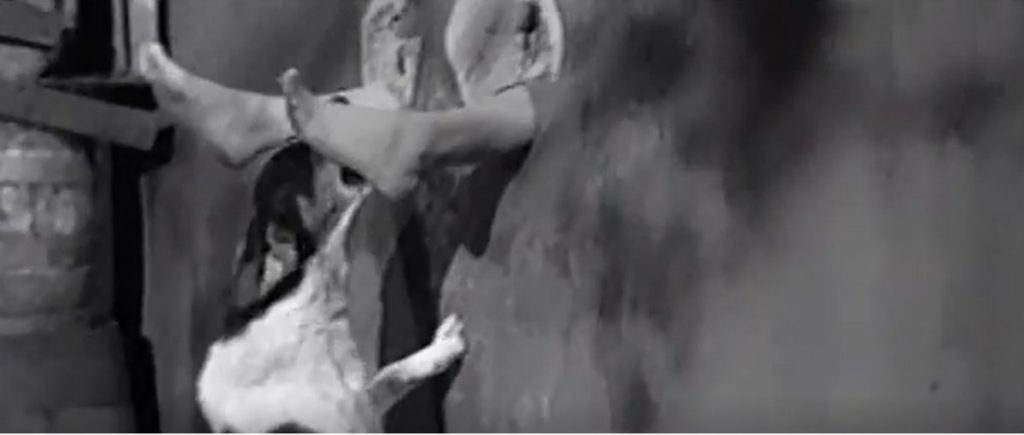
“Winchester for Hire” (1968) features a scene of tickle torture.
“Western Cyclone” (1943) features a prolonged scene of tickle torture.
The 20th Century
Modern mainstream media expands the range of tickling’s representation. In comedies, it remains a reliable tool for physical humor, exploiting exaggerated reactions for audience amusement. Television shows and films frequently use tickling to establish familiarity between characters, especially in family or romantic contexts. At the same time, certain productions explore its more uncomfortable aspects, portraying it as a boundary-crossing act that can unsettle both characters and viewers.
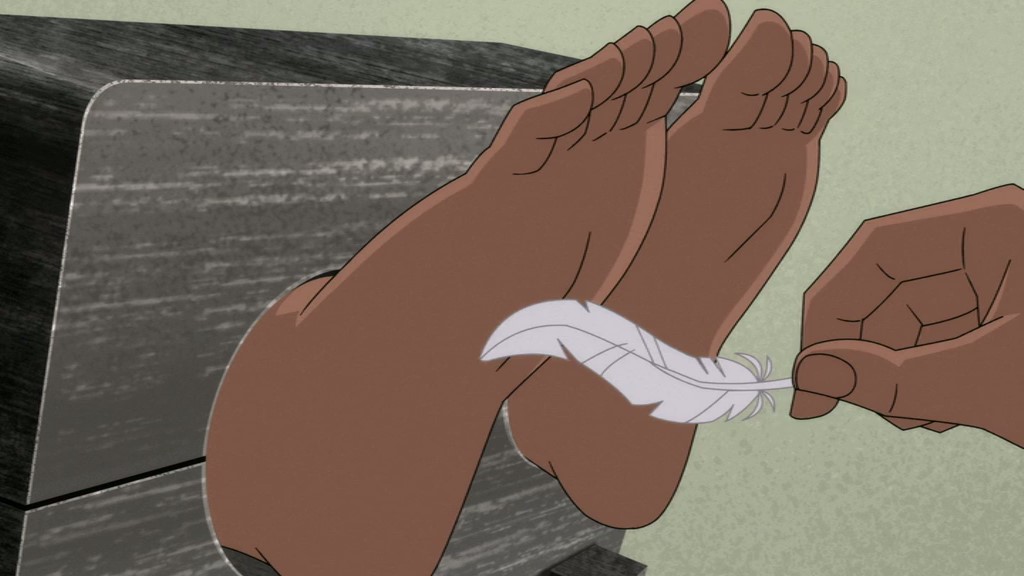
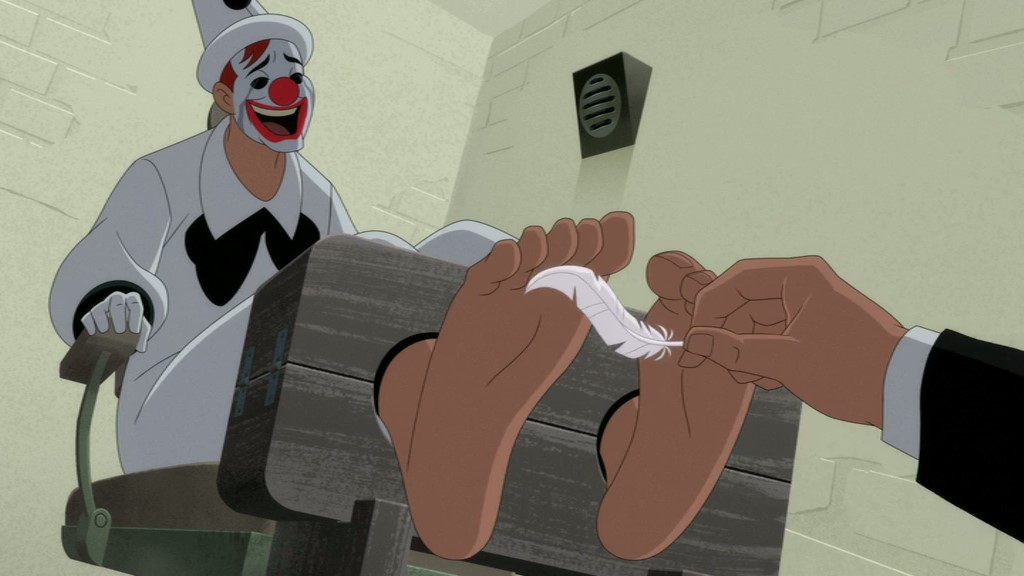
In “Batman: Caped Crusader” set in 1940s, Harley Quinn subjects one of her prisoners, dressed as a clown, to tickling torture, exploiting his psychological fear of this torment to manipulate him.
In “Bonnie & Clyde” (1994), the female lead, whose leg is in a cast, is tickled on the soles of her feet twice, reacting by laughing and squirming.
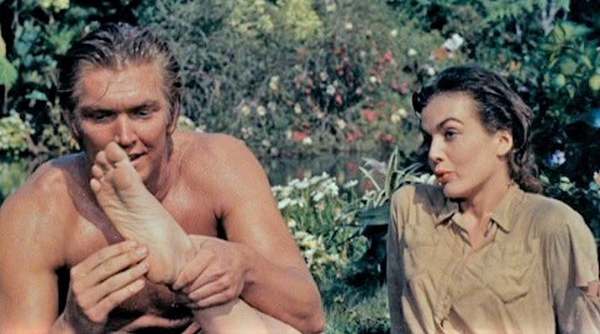
In various Tarzan movies, the protagonist, unaware of human physiology, touches Jane’s foot, causing her to react with intense ticklishness.
In spy films set in the 20th century, tickling is portrayed as a “humane” form of torture that leaves no marks but is incredibly effective, often used on women or on opponents who aren’t particularly dangerous.
In “PasswordK Kill Agent Gordon,” (1966), the protagonist tickles a rival spy’s feet with a feather to make her confess.
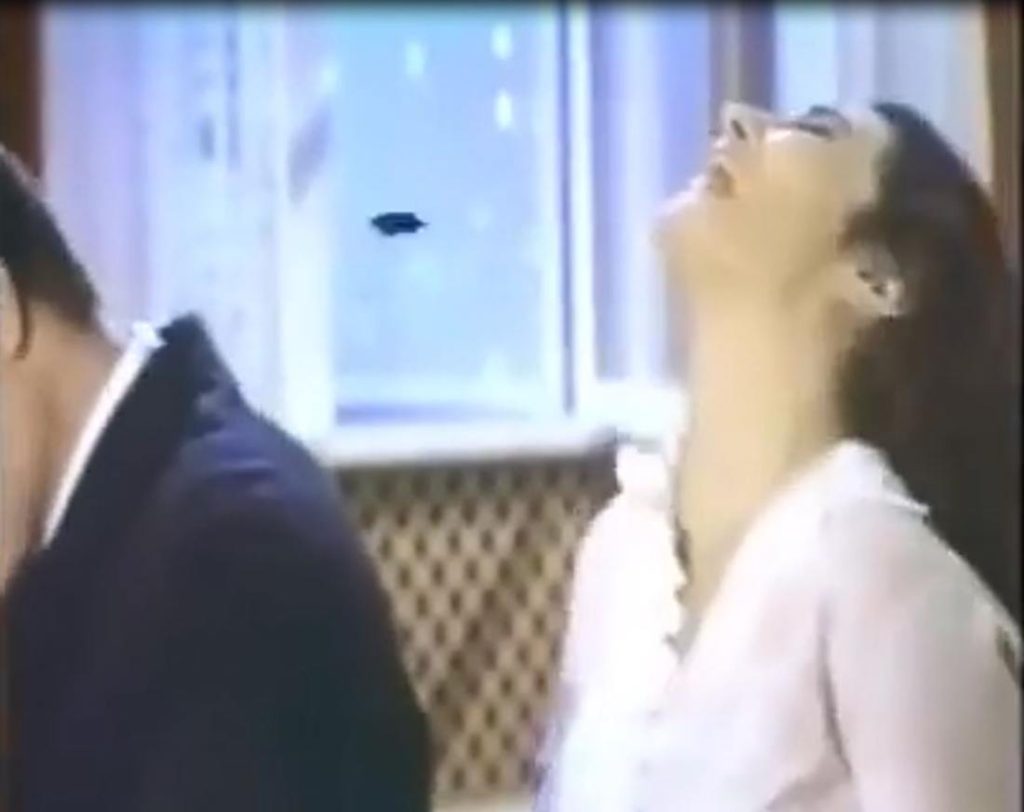
Tickle torture took a dark turn during the major conflicts of the 20th century.
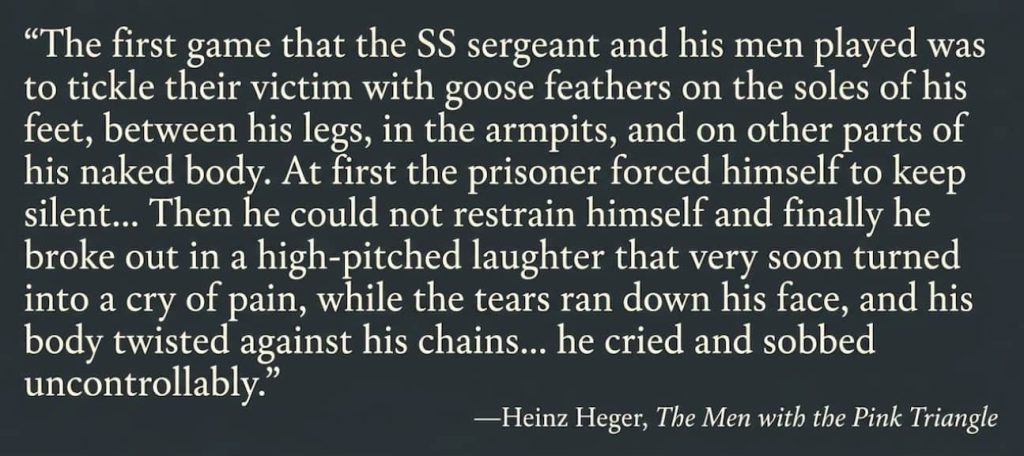
In Nazi concentration camps like Flossenbürg and Sachsenhausen, guards used tickling as a psychological and physical tool of abuse. In his memoir The Men with the Pink Triangle, survivor Heinz Heger described witnessing an SS sergeant tickle a naked prisoner with goose feathers. The victim’s forced laughter eventually turned into cries of pain and uncontrollable sobbing as he twisted against his chains.
In the 1950s, the Jesuit priest Tomas Rostwarowski documented that communist Polish security forces used tickling during the interrogation of prisoners. Witnesses reported hearing the constant, agonizing laughter of a woman being tortured in this manner for days and nights on end.
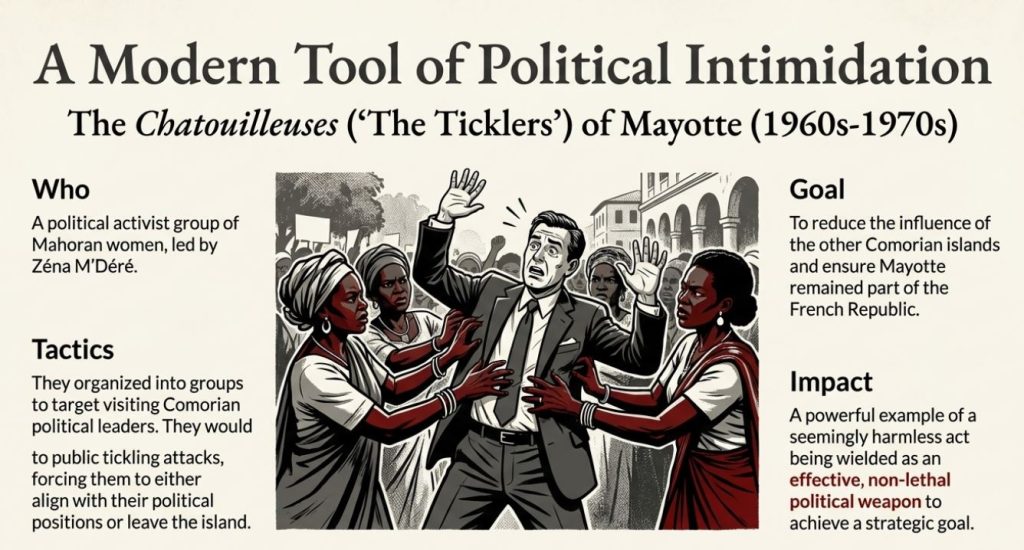
Furthermore, in the 1960s and 70s, a group of female activists in Mayotte known as the Chatouilleuses (The Ticklers) used this method for political intimidation. They would target Comorian political leaders, subjecting them to tickling to force them to align with their political positions or leave the island.
Future / Sci-FI
Tickling is depicted in future scenarios both as a form of interaction between people and as a form of mild torture, as in the case of “Astro Boy” (2009).
In “Solaris,” the creatures generated by the planet Solaris from human memories are biologically identical to the originals based on those memories, including their ticklishness.

Informazioni sull'autore

Related posts:
 Tribute to Fujiko Mine | Most iconic sexy and tickling scenes
 Vote For The Greatest Ticklish Character of All Time!
 List of Babinki tickling and reflex tickling scenes
 History of goat’s tongue and list of goat tickle torture scenes
 Tickle study #2: The importance of skin area and gender in ticklishness
 List of tickling scenes in “Black Scorpion”
 Tickle Torture in “Tombville”: when Laughing is Horror!
 List of Tickling Scenes in Marvel Comics and Cartoons
 List of tickling scenes in Superman (TV and comics)
 List of Tickling Scenes in “The Avengers” (UK TV Series)
 List of tickle torture in stocks scenes
 List of ticklish superheroes