Contents
- 1 1) Do you want to tell us something about yourself and your art?
- 2 2) What techniques do you use to draw?
- 3 3) Do you have a favorite artist that inspires you?
- 4 4) How much was the passion for drawing born in you? And the one for the tickle?
- 5 5) What are the tickling scenarios that you prefer to draw?
- 6 6) What are the aspects of tickling that you intend to represent with your art? Example: the laughing, the wriggling, the relationship between tickler and ticklee?
- 7 7) Online there are countless photos and videos of tickling sessions. In your opinion, what do illustrations offer more than images of real life?
- 8 8) In your opinion, what makes tickling so interesting for fans of this phenomenon?
- 9 9) Do you have any particular artistic goals for the future?
- 10 10) Do you think AIs will end up enriching or impoverishing the art of tickling representations?
- 11 Informazioni sull'autore
1) Do you want to tell us something about yourself and your art?
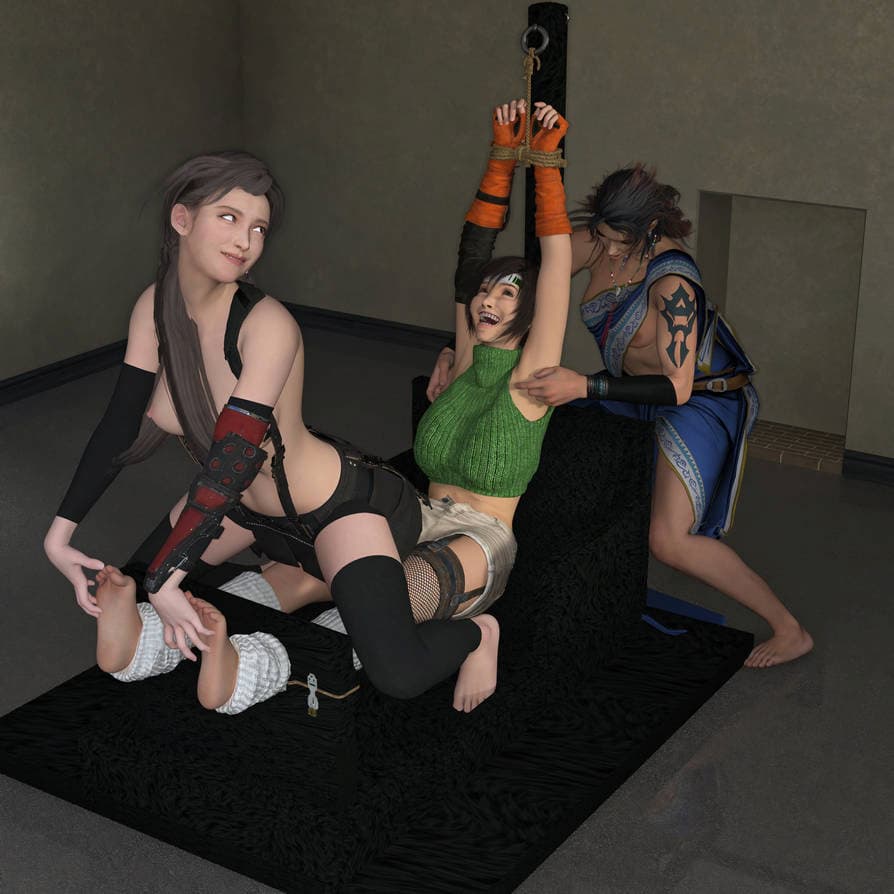
I’m AnArtLife. Since childhood, I’ve had two main passions: drawing and computers. I was always drawn to technology and, from my very first experiences with it, I tried to merge my technical skills with some form of artistic representation. However, it was through creating 3D scenes, specifically using Daz Studio, that I truly felt at ease to unleash my imagination.
Leggi tutto: Tickle artists #142: interview with AnArtLife2) What techniques do you use to draw?
Actually, currently I don’t “draw” in the traditional sense. I am a 3D artist, and I use tools like Daz Studio to compose and render my scenes.
3) Do you have a favorite artist that inspires you?
I admire many artists who post on DeviantArt. Two that immediately come to mind are Pistaccio, for their traditional drawings, and SquarePeg3D, for their rendering work. That said, I draw a lot of inspiration from the works of hundreds of other talented artists in the community.
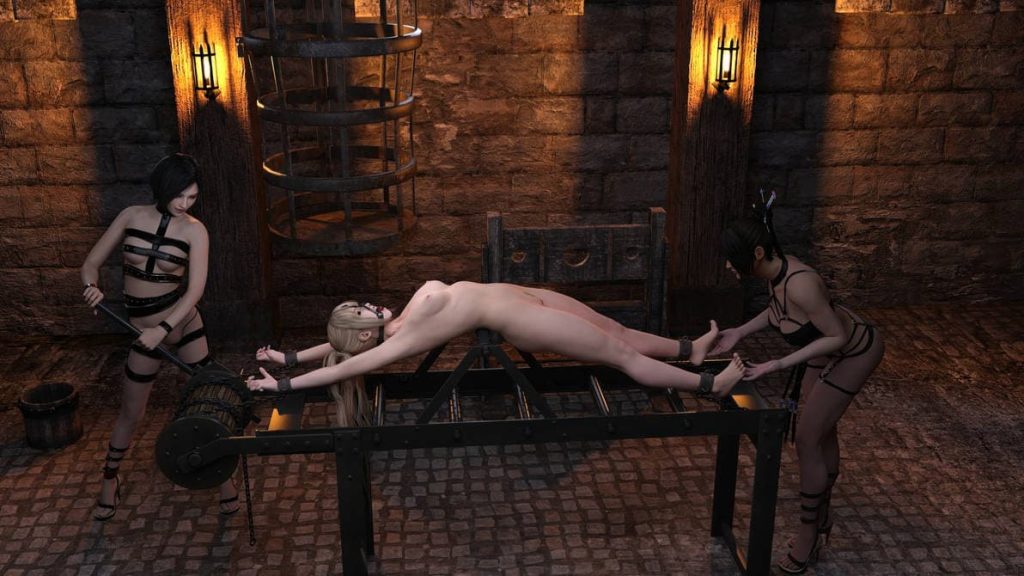
4) How much was the passion for drawing born in you? And the one for the tickle?
My passion for art was born alongside my passion for computing. As for tickling, I became interested in representing these scenes when I realized how intense the power dynamic is between the characters involved.
5) What are the tickling scenarios that you prefer to draw?
I prefer creating scenes where the “ticklee” (the person being tickled) is restrained or unable to escape or dodge the tickling.
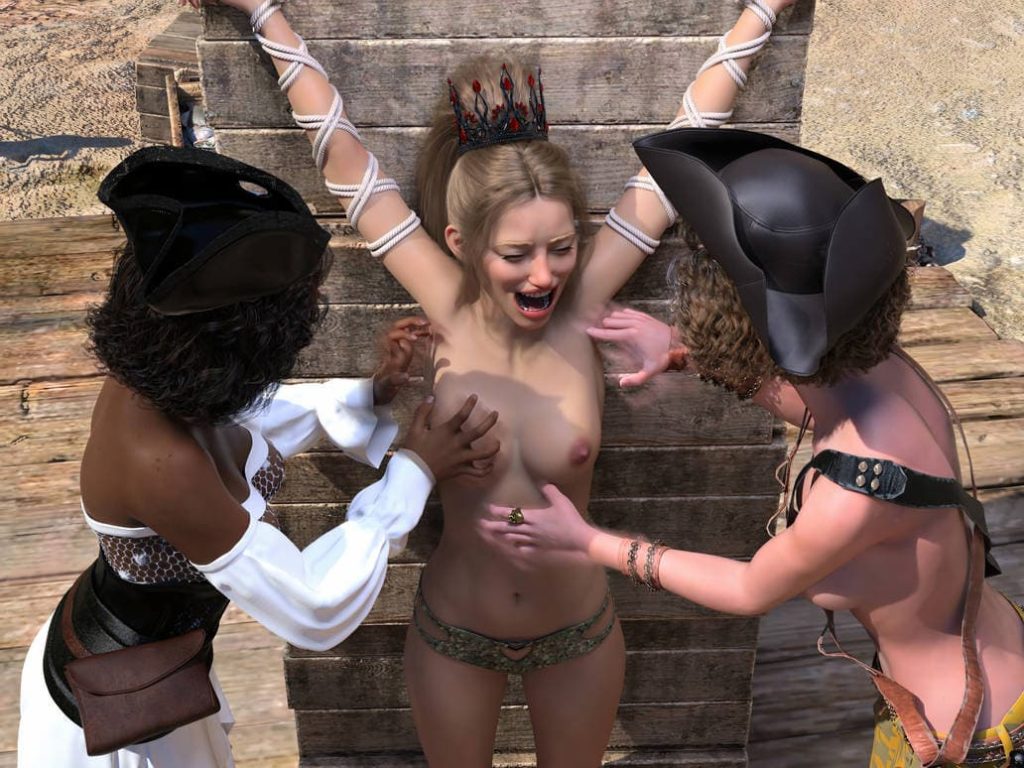
6) What are the aspects of tickling that you intend to represent with your art? Example: the laughing, the wriggling, the relationship between tickler and ticklee?
My primary intention is to capture the relationship between the tickler and the ticklee, focusing specifically on the dynamics of dominance and submission inherent in the act.
7) Online there are countless photos and videos of tickling sessions. In your opinion, what do illustrations offer more than images of real life?
I believe digital art offers a level of fantasy that goes beyond photos and videos. It communicates directly with our imagination, allowing us to break free from the constraints of reality almost entirely.
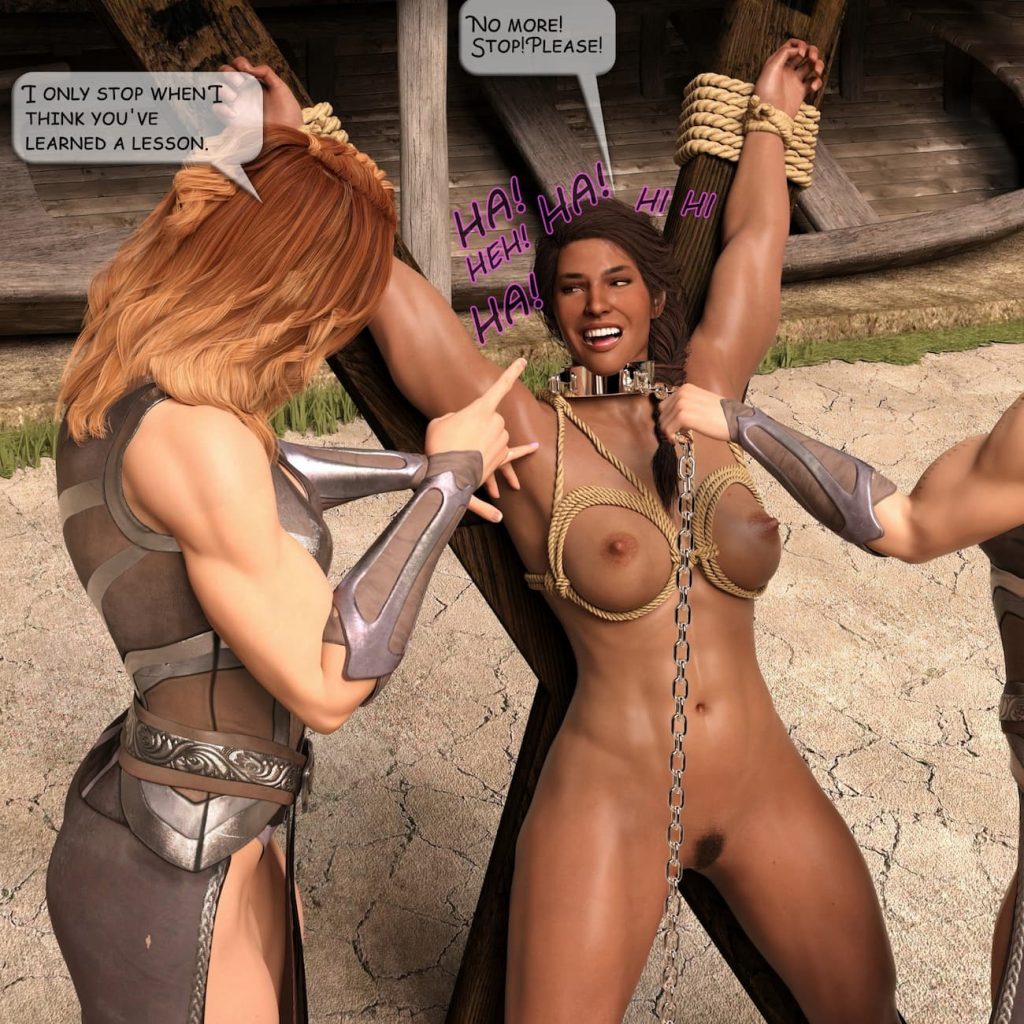
8) In your opinion, what makes tickling so interesting for fans of this phenomenon?
I believe that the psychological power play of domination and submission, as well as the duality of something that can be as harmless as it is dangerous, is what attracts fans.
What are your works of which you are most proud? The works I am most proud of are those that manage to evoke emotions in people beyond what I had originally planned or anticipated.
9) Do you have any particular artistic goals for the future?
My long-term goal is to refine my craft by incorporating new techniques and technologies, while keeping creativity as my primary focus.
10) Do you think AIs will end up enriching or impoverishing the art of tickling representations?
I believe AI will likely expand the capacity for producing tickling-related art. With this expansion, we will see a surge in content, ranging from lower-quality outputs to material of superior quality.
Informazioni sull'autore

Related posts:
 Tickle Artists #1: Interview with Solletickle
 Tickle Artists #2: Interview with Kalamos
 Tickle Artists #3: Interview with Toermentor
 Tickle Artists #4: Interview with WooouTK
 Tickle Artists #5: Interview with TheBandito
 Tickle Artists #6: Interview with Dr. Random
 Tickle Artists #7: Interview with Restif
 Tickle Artistis #8: Interview with Jynthewise
 Tickle Artists #9: Interview with CToon
 Tickle Artists #10: Interview with Siberia Fetish
 Tickle Artists #11: Interview with Pabu-Lad
 Tickle Artists #12: Interview with Redscript77