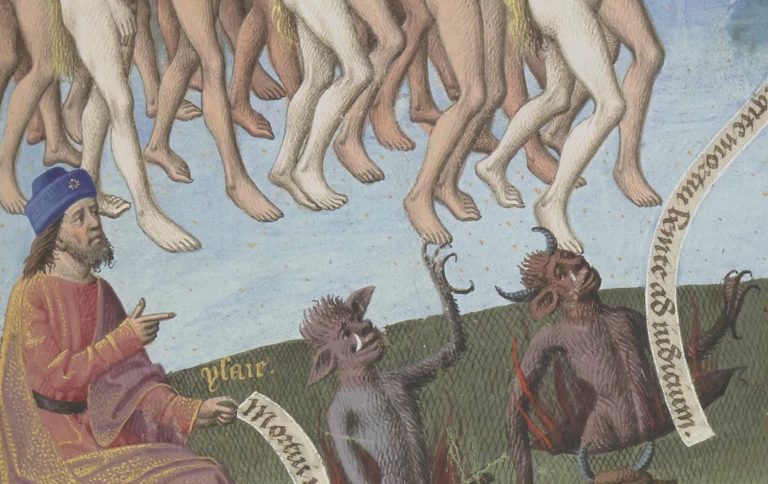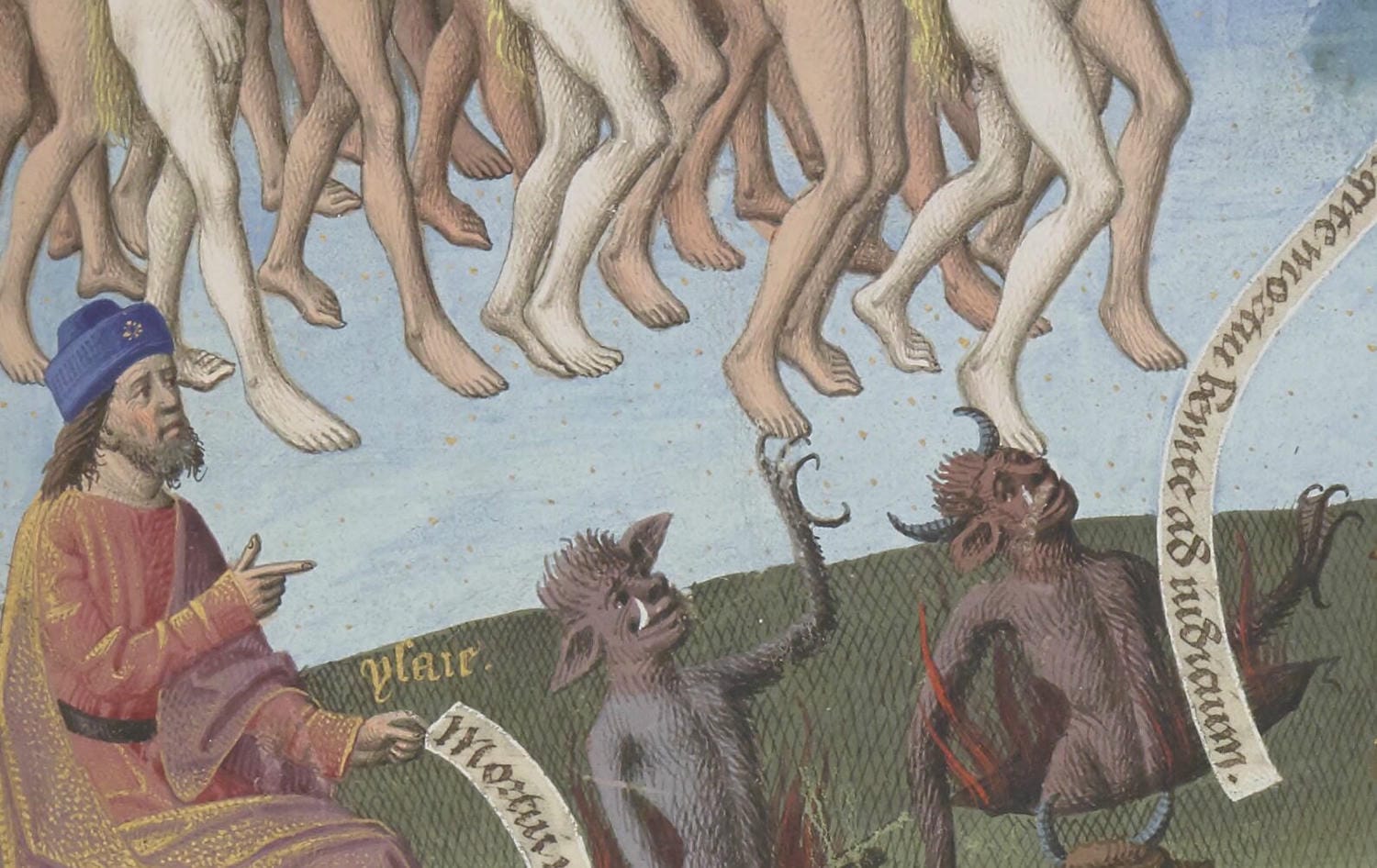
Saint Augustin, La Cité de Dieu, traduite en français par Raoul de Presles. Saint Augustin,
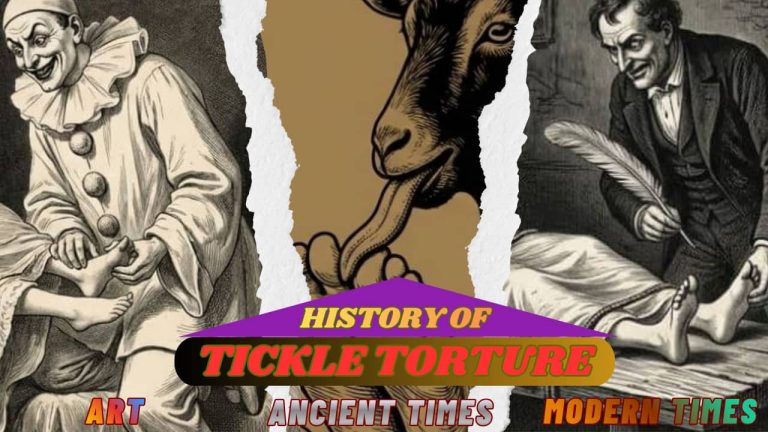
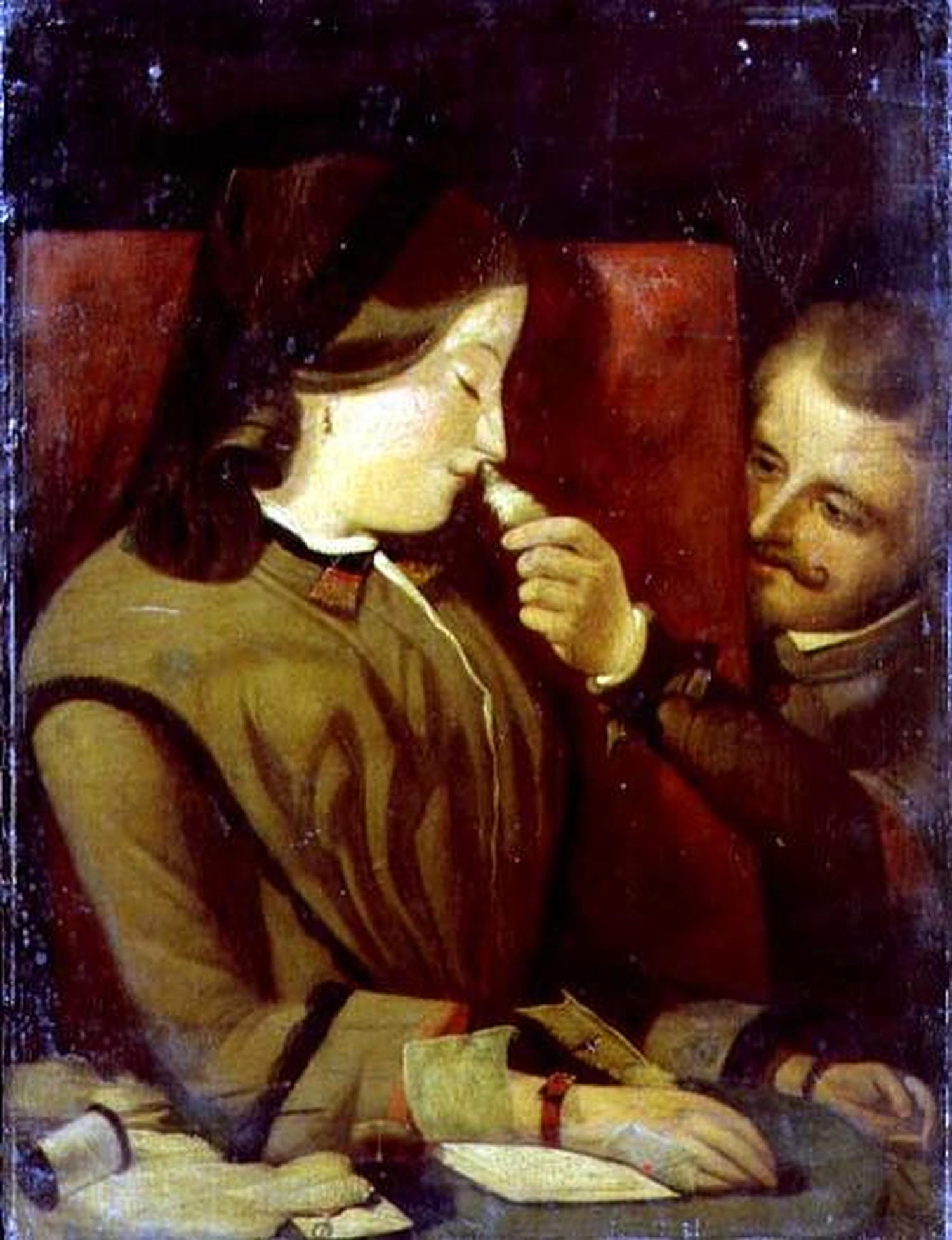
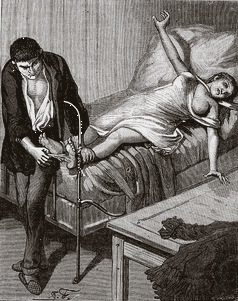
Tickling is one of the most paradoxical themes in the history of art. It sits at the crossroads of pleasure and discomfort, intimacy and aggression, laughter and loss of control. Unlike grand mythological battles or solemn religious scenes, tickling rarely occupies the center of canonical art history narratives. Yet it has appeared, intermittently and provocatively, across centuries of visual culture. When artists choose to depict it, they are not simply illustrating a playful gesture. They are staging power dynamics, erotic tension, vulnerability, and the fragile boundary between joy and torment.
Leggi tutto: Tickling in art: iconic paintings that portray laughter, play and erotic tensionContents
The meaning of tickling in art
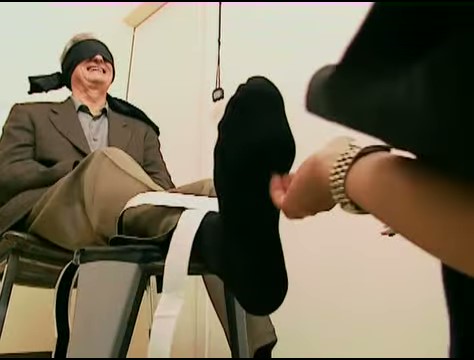
At its core, tickling in art is about the body’s involuntary response. Laughter triggered by touch is not entirely voluntary; it exposes the subject to another’s agency. For this reason, tickling scenes often function as visual metaphors for seduction, humiliation, domination, or playful intimacy. The act implies proximity. It suggests that physical boundaries have been crossed, whether in affection or coercion.
In classical and early modern imagery, it may suggest temptation, sensual awakening, or even moral weakness. In more modern works, the theme shifts toward psychological nuance, sometimes bordering on fetishistic exploration. The act of tickling becomes a charged encounter in which control shifts from one body to another. This vulnerability is key to the theme’s enduring fascination. Tickling forces a confrontation with the limits of composure. In aristocratic portraiture, dignity is paramount. In tickling scenes, dignity dissolves into laughter. The contrast itself carries dramatic weight.
Because tickling produces laughter that cannot easily be suppressed, artists have used it to explore authenticity. A tickled figure cannot easily maintain a mask of dignity. In this sense, the theme destabilizes hierarchies, undermines stoic composure, and reveals the body as reactive and exposed.
Visually, tickling presents unique challenges. The artist must convey motion, tension, and involuntary reaction. Open mouths, contorted torsos, defensive gestures—these are not static poses of classical dignity. They are unstable, transitional moments. The depiction of laughter itself requires exaggeration. Teeth, crinkled eyes, exposed throats: these elements push the figure into a state of temporary loss of control.
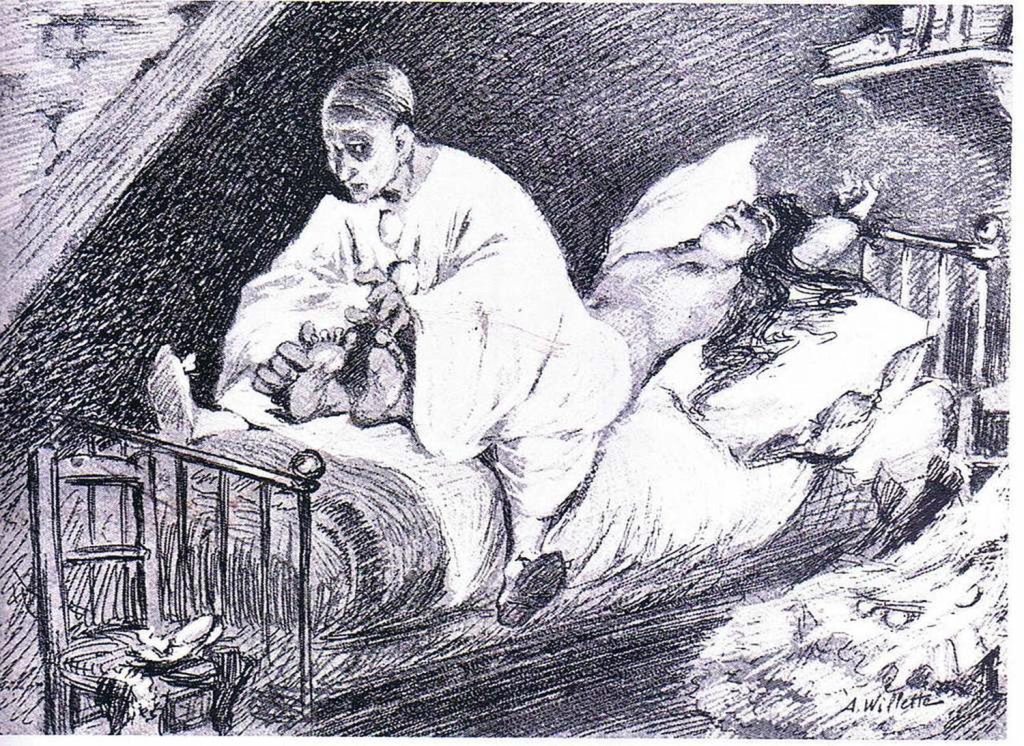
The theme allows exploration of touch as communication, laughter as revelation, and the body as reactive terrain. It offers a way to depict the unstable boundary between pleasure and discomfort without relying on overt violence. In visual terms, it demands dynamism and emotional immediacy.
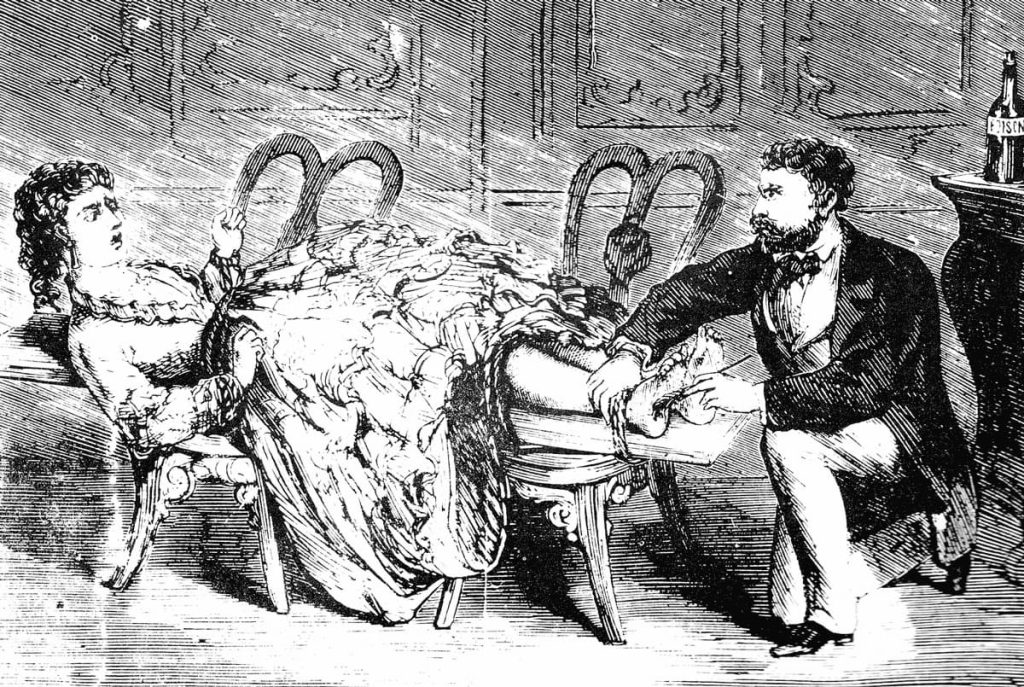
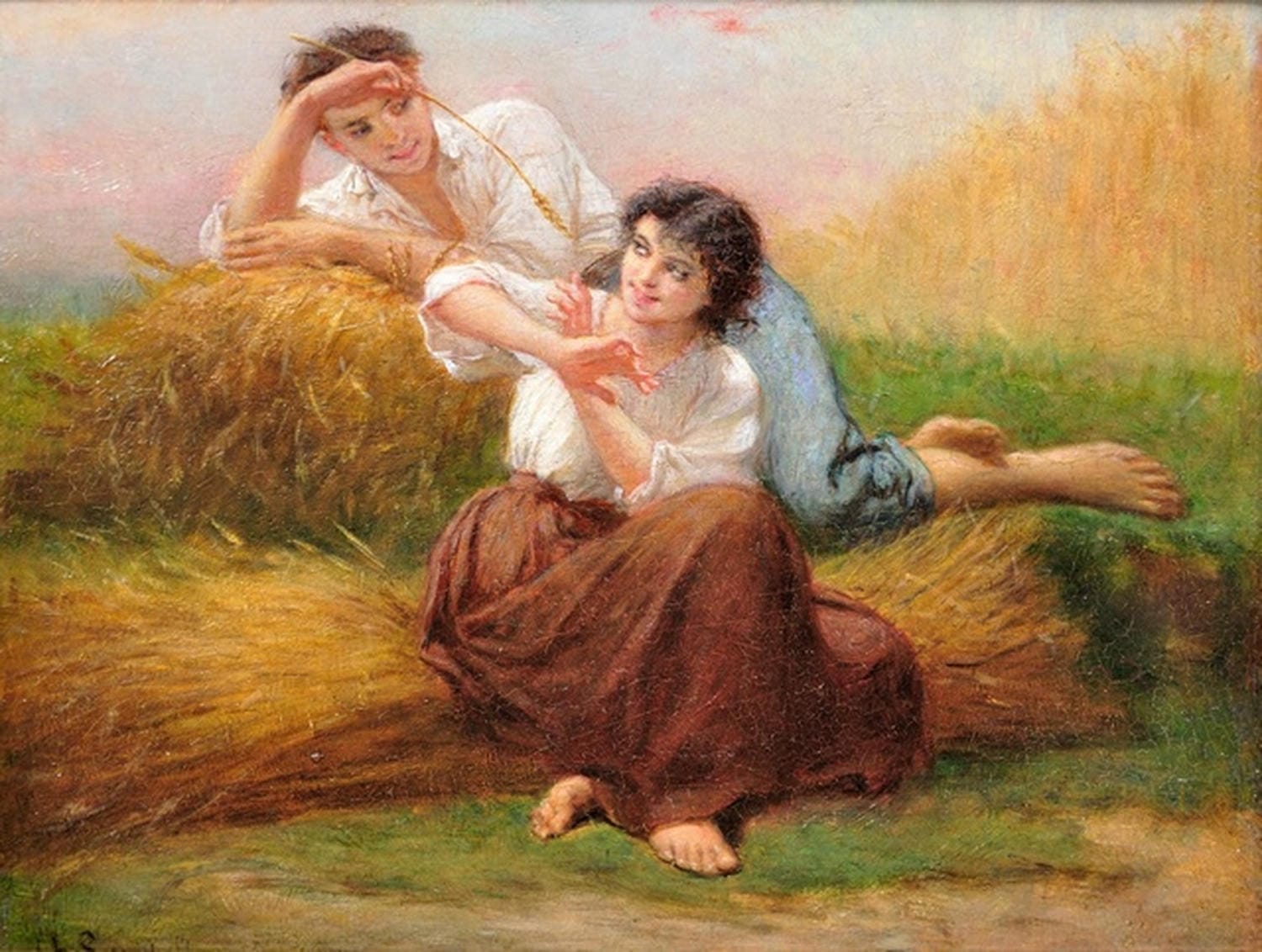
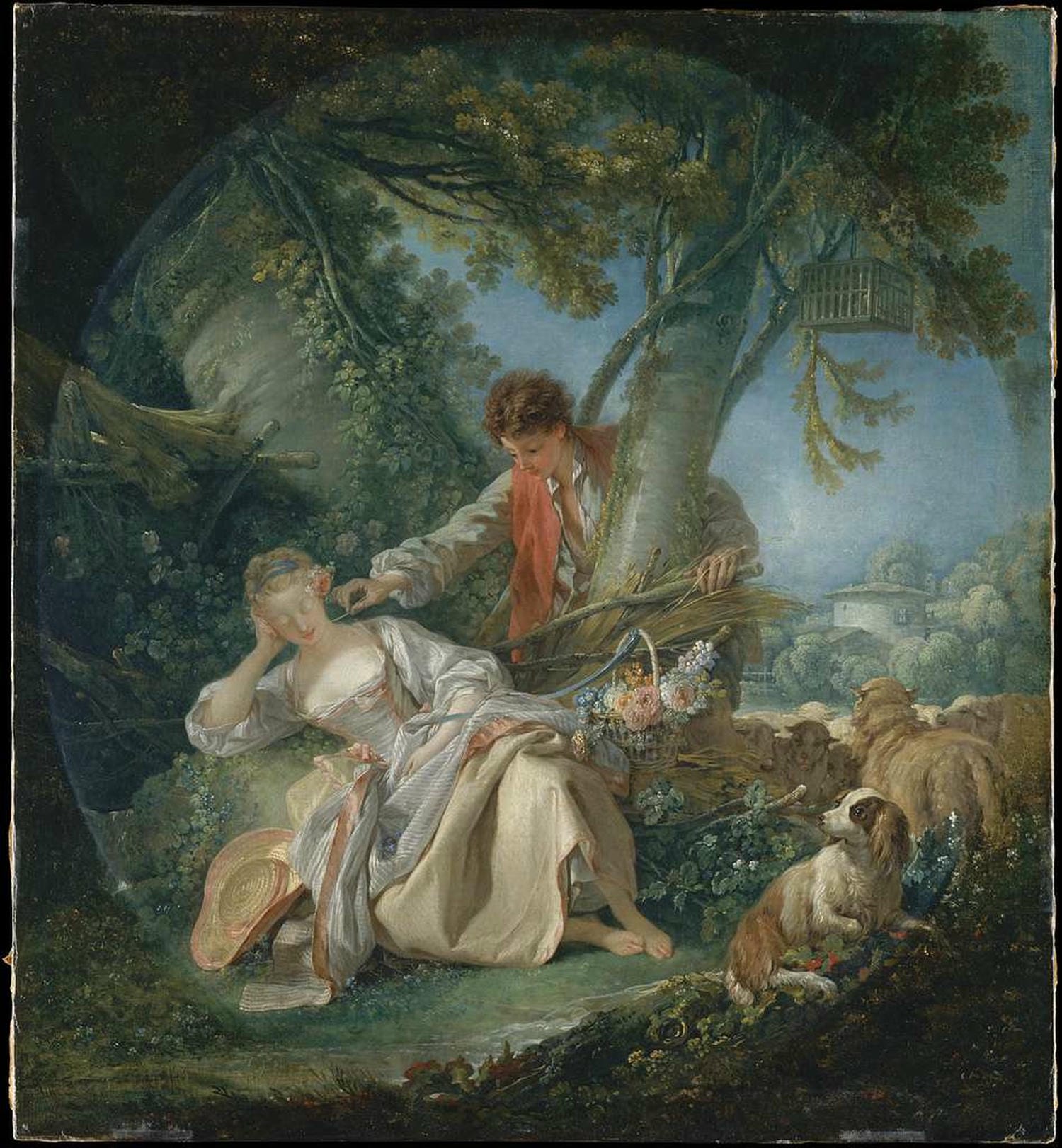
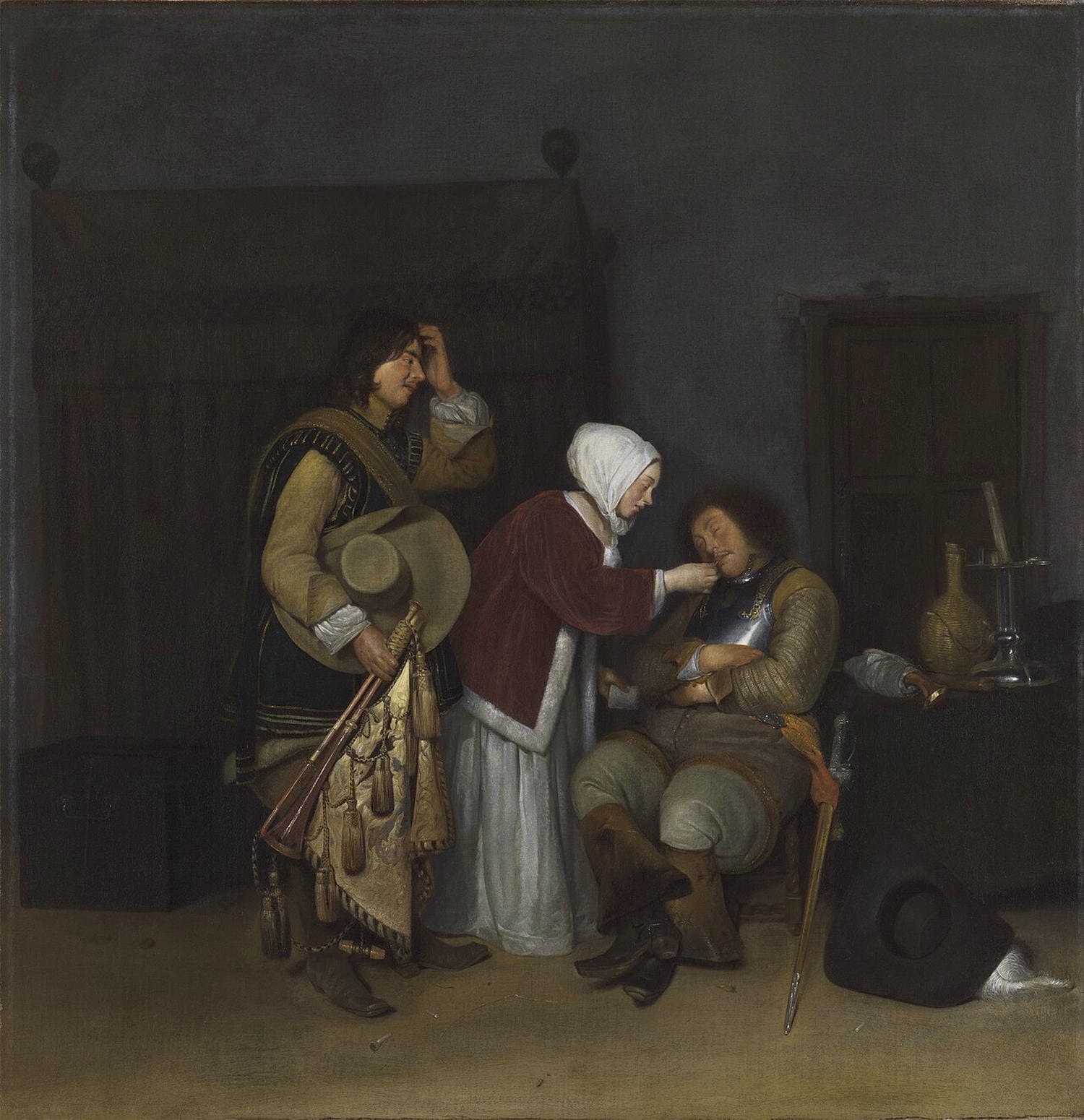
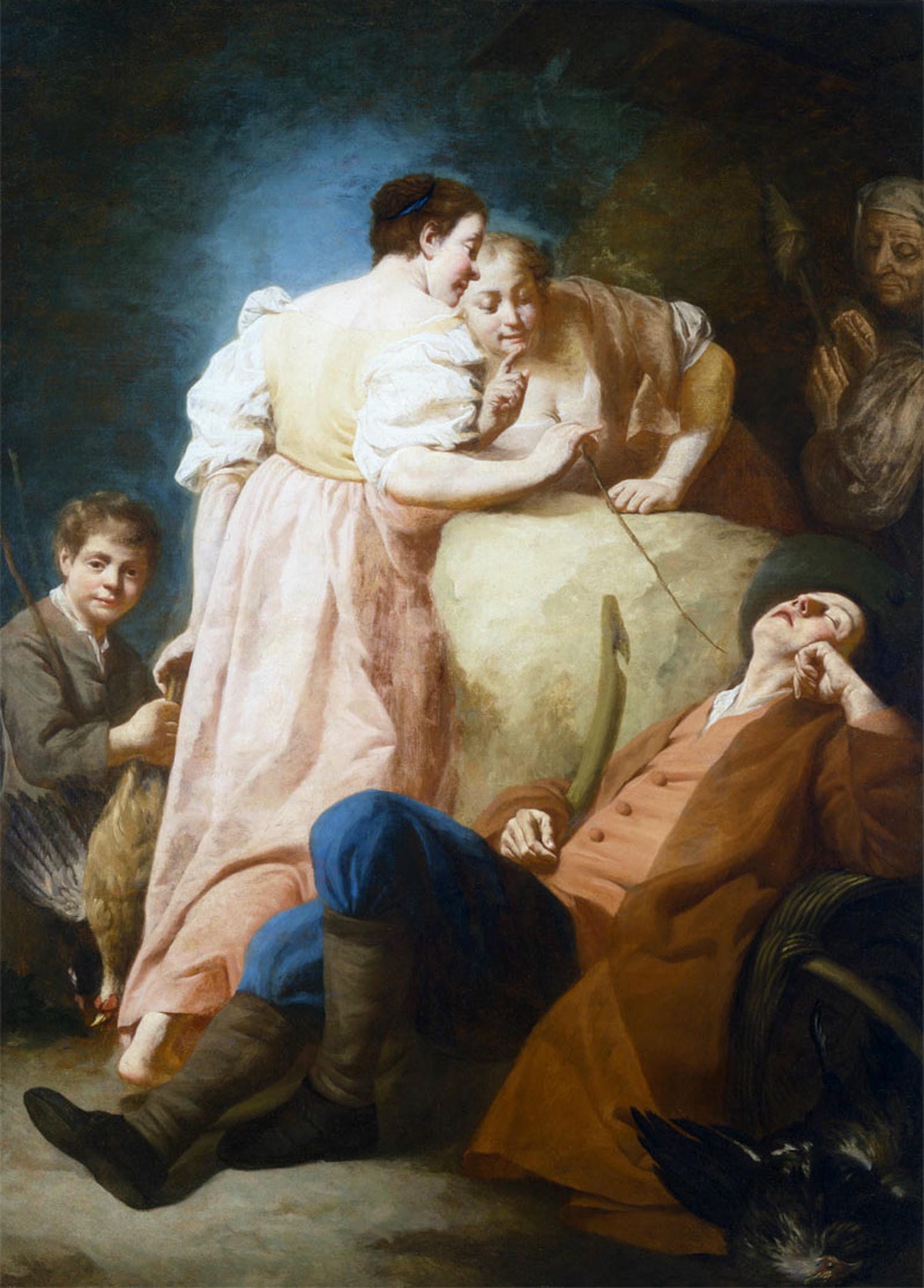
Most famous paintings about tickling
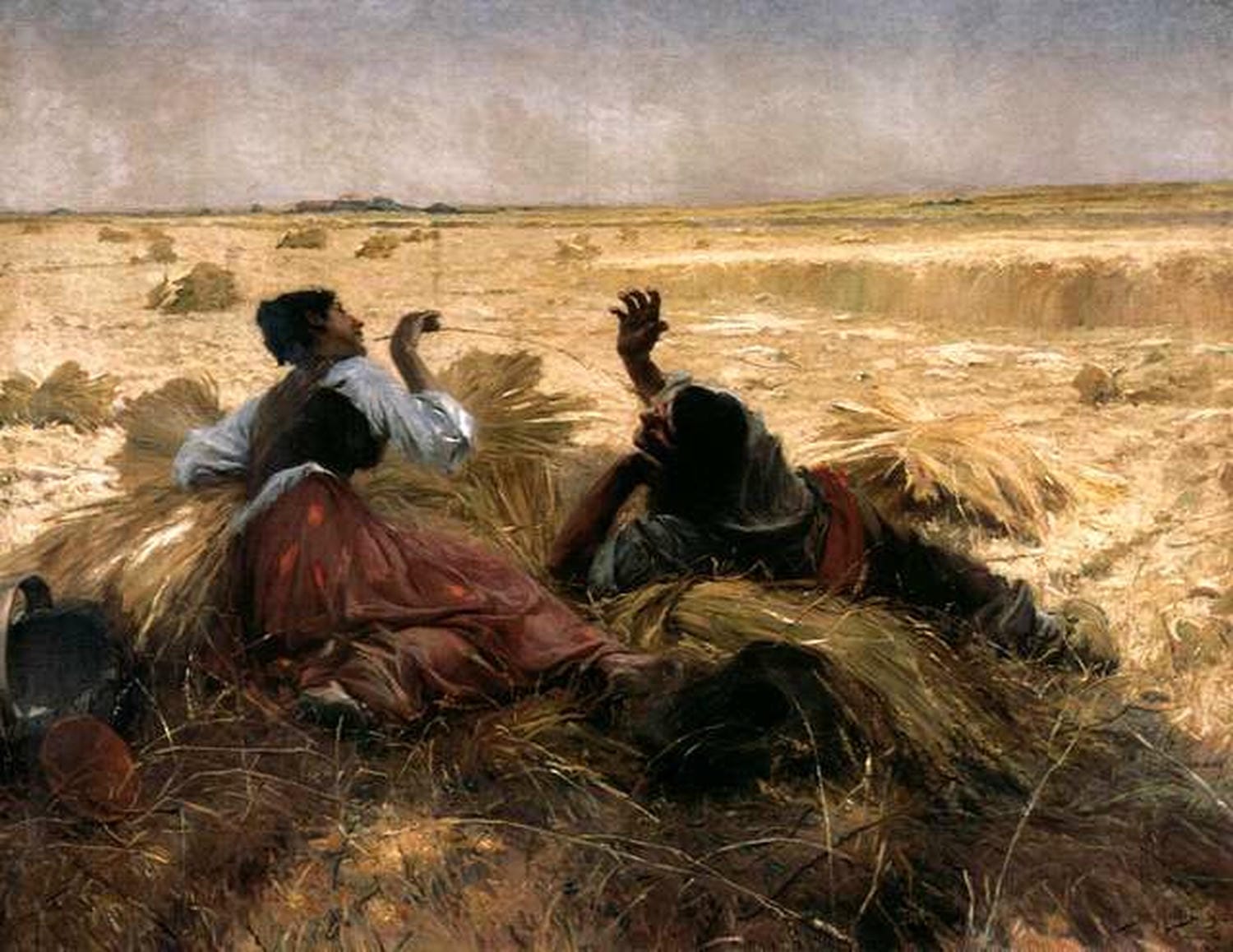
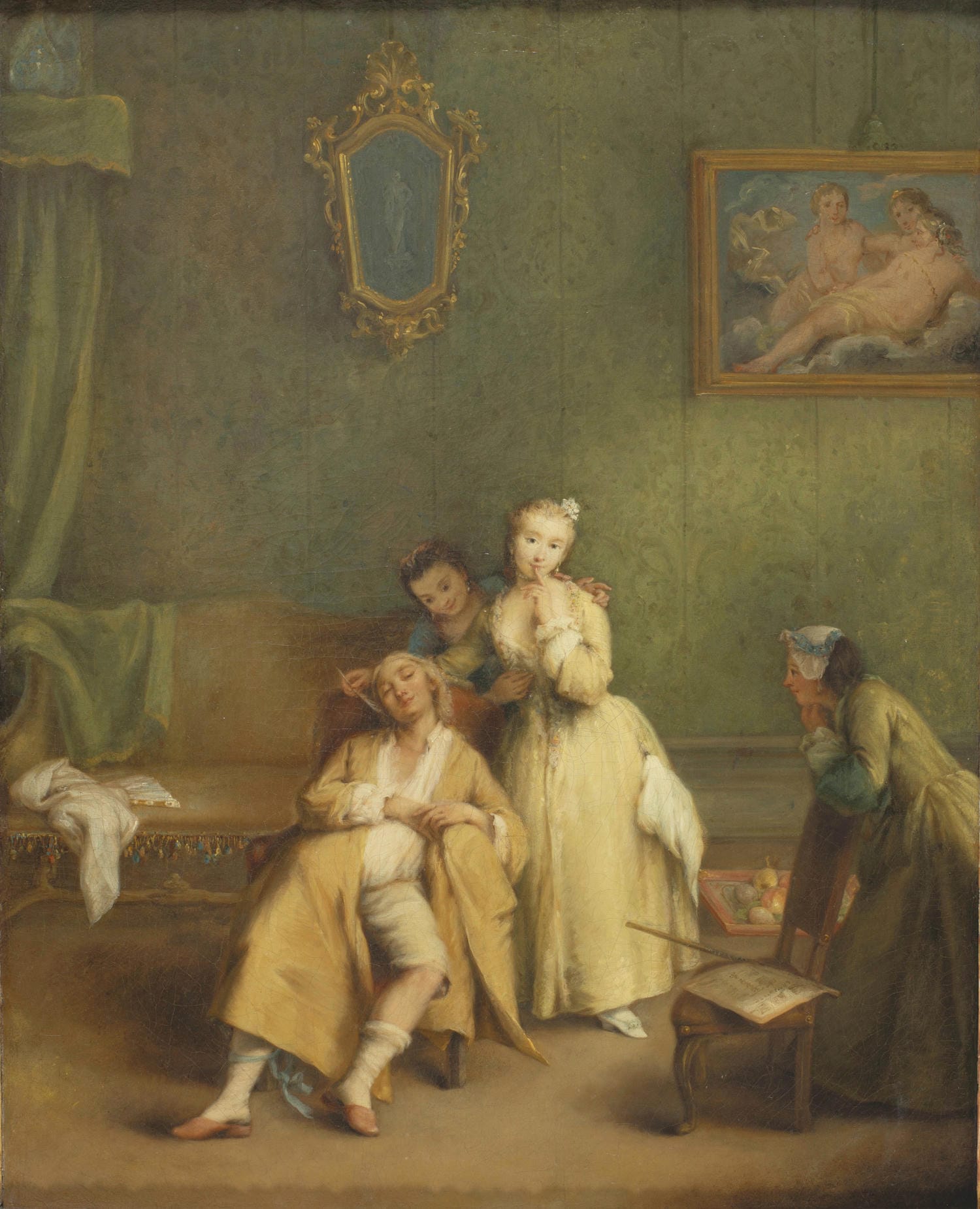
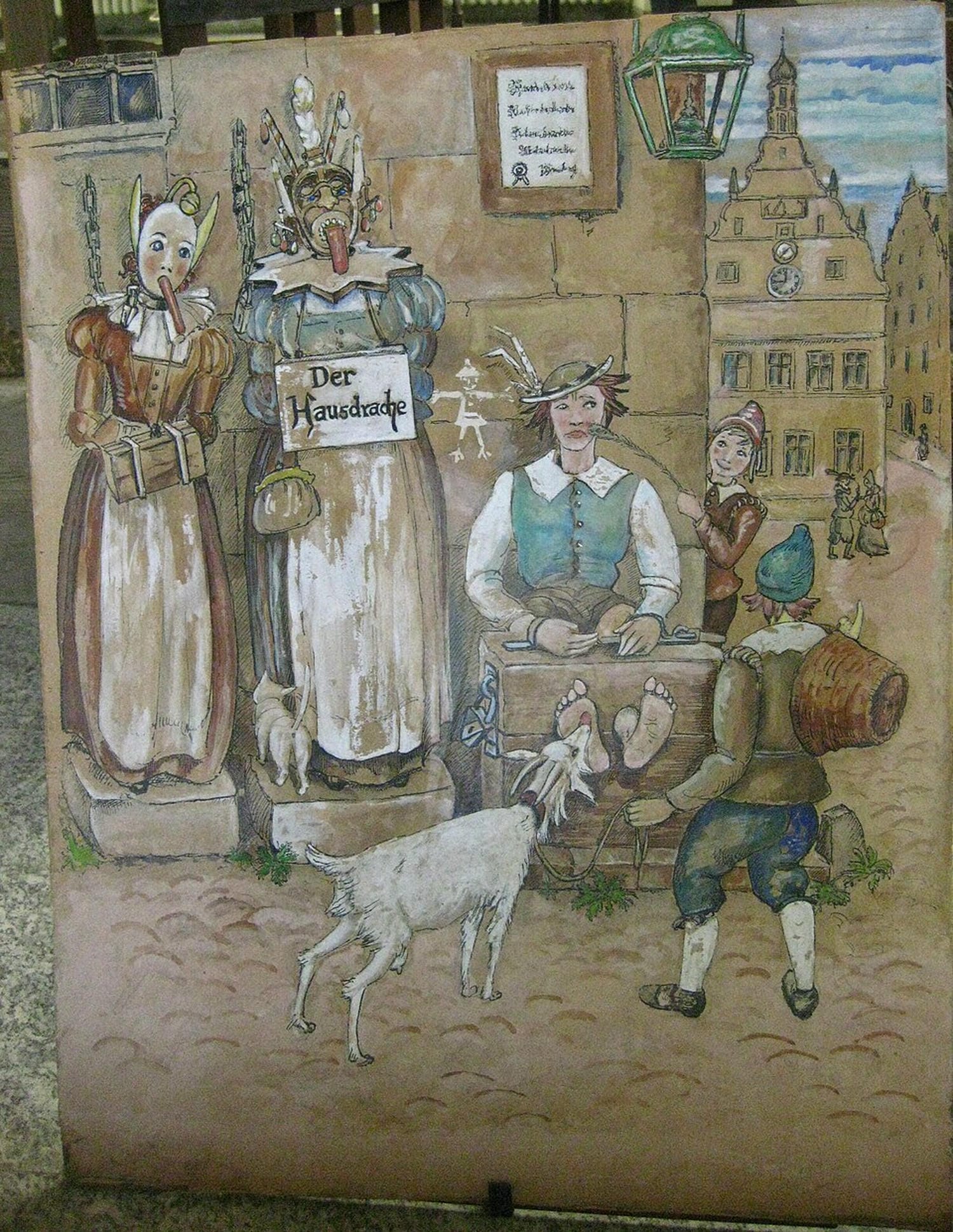
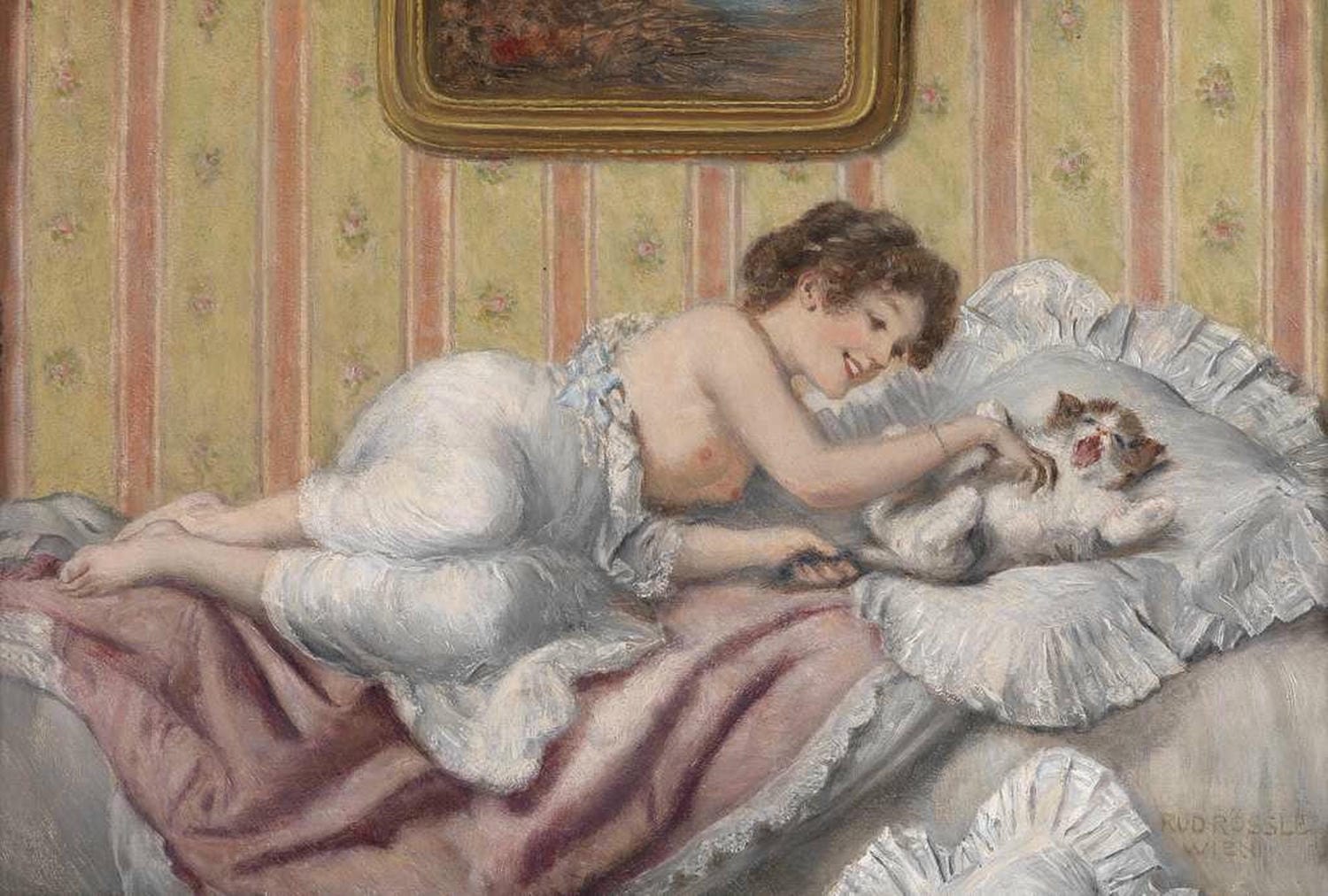
Tickling has never occupied the central canon of art history in the way that religious iconography or heroic myth has. It remains a marginal, sometimes uncomfortable subject. Yet its persistence across centuries suggests that artists are repeatedly drawn to its expressive potential.
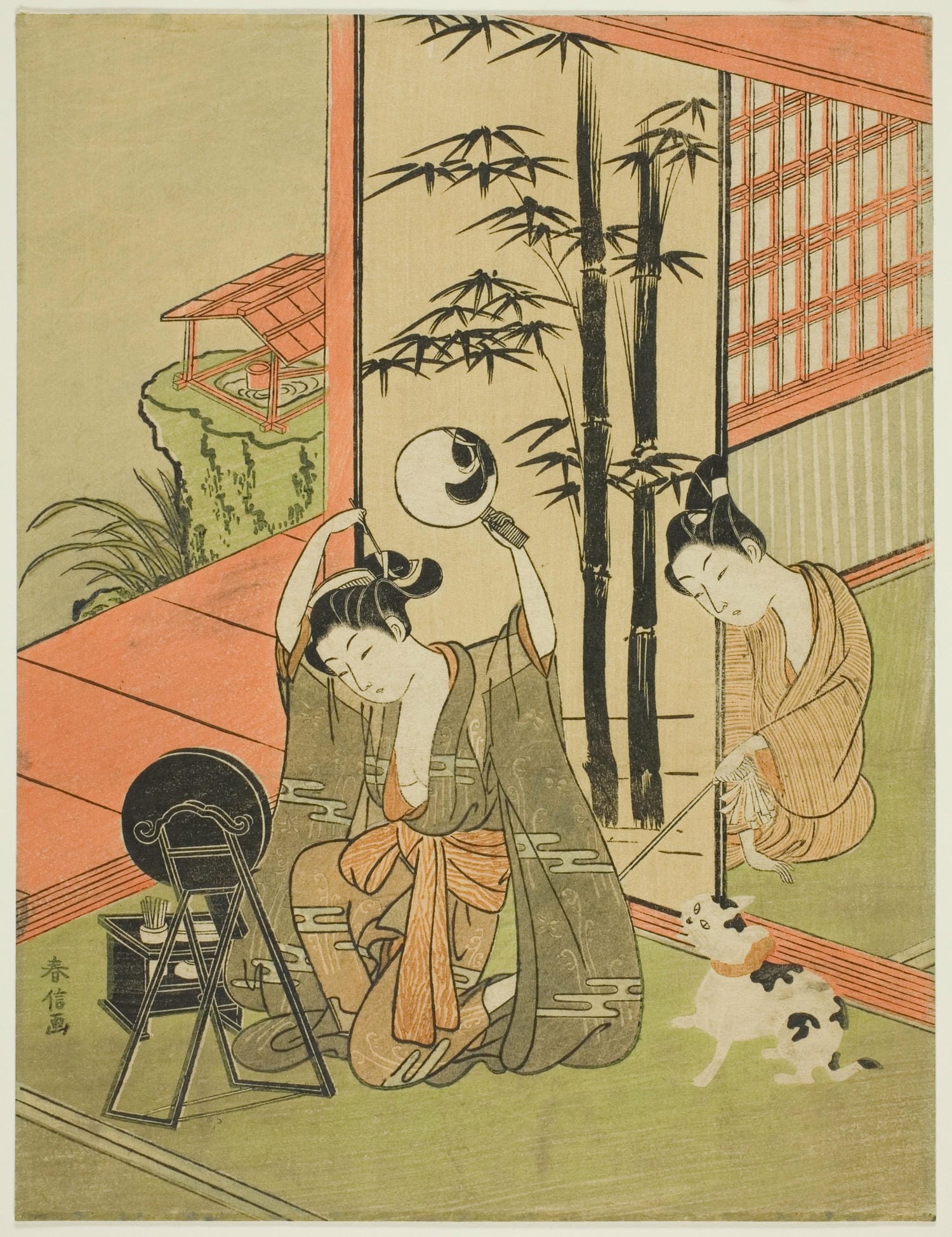
Informazioni sull'autore

Related posts:
 History of goat’s tongue and list of goat tickle torture scenes
 Tickle study #2: The importance of skin area and gender in ticklishness
 List of tickling scenes in “Black Scorpion”
 List of tickling scenes in Batman comics and cartoons
 List of Tickling Scenes in Marvel Comics and Cartoons
 List of tickling scenes in Superman (TV and comics)
 List of Tickling Scenes in “The Avengers” (UK TV Series)
 Fantastickler, a new free tickle ezine!
 Vote For The Greatest Ticklish Character of All Time!
 List of Babinki tickling and reflex tickling scenes
 List of ticklish superheroes
 Tickling scenes in “Mork & Mindy”