
Tickle machines and tickling torture devices are a longstanding trope in fictional media, often used for comedic humiliation, interrogation, or fetishistic elements rather than realistic violence.
Leggi tutto: Most iconic tickling machines and tickle torture devicesThe concept draws from historical tickle torture claims (e.g., medieval stocks with goats licking feet), but in fiction, it’s amplified into mechanical contraptions like automated feather arms, robotic hands, or vibrating probes targeting feet, sides, and bellies.
These “tickle torture devices” were common in pre-1990s cartoons where villains strap victims to devices with gloved hands or feathers, forcing laughter amid pleas.
Historical fictional tickle machines
In works of fiction, primitive devices used to torture victims are depicted in historical settings. These are primarily devices that, when activated by human operators, rub against sensitive areas or move the victim while the torturers inflict pain on their feet, neck, hips, and armpits.
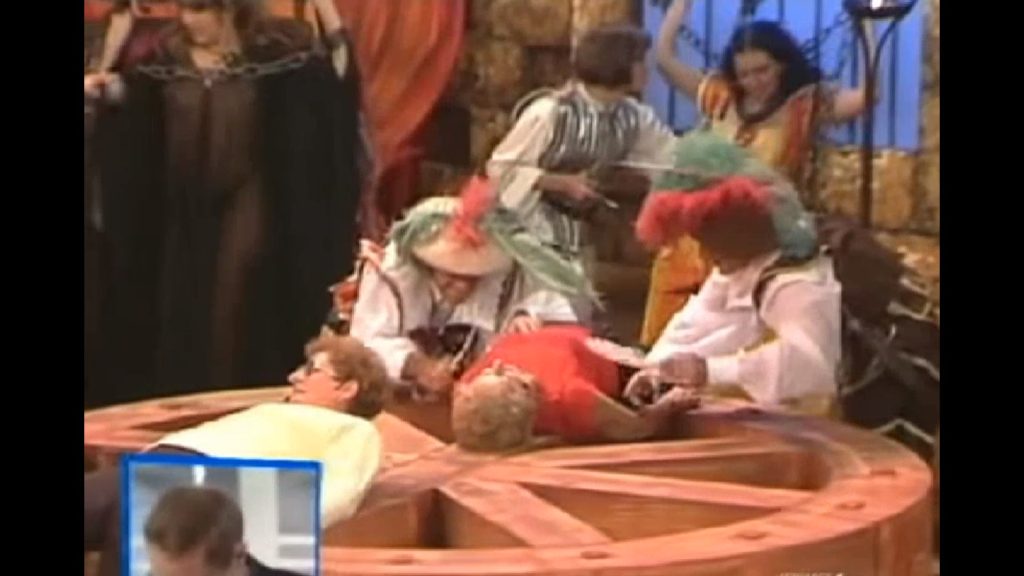
In “Ciao Darwin” (Season 2, Episode 5), a creative reenactment of the wheel torture is presented. Two women are tickled by the Inquisitor—both with feathers on their faces and necks and with hands on their hips—while they try to recite a nursery rhyme. Both women prove to be very ticklish.

These are generally devices with rudimentary mechanisms, or simply contraptions in which the torture of tickling is carried out by human operators. In “The Ribald Tales of Robin Hood”, Maid Marian is placed on a bed of thorns and suspended in the air by chains; Lady Sallyforth tickles her with feathers so that her movements will cause her to injure herself.

A torturer in the style of “The Pit and the Pendulum” appears in “Josie and the Pussycats”.

Manual tickle torture devices
The simplest tickling devices consist of basic, manually operated tools that the user employs to stimulate the victim’s sensitive areas. They lack any independent mechanism or complex components, consisting primarily of wooden or metal rods equipped, at most, with a crank or simple mechanical parts that allow for rubbing the neck, feet, stomach, and armpits.
The advantage is that they cannot be hacked or have their power cut off, and users can operate them as they see fit, but their effectiveness is very limited.
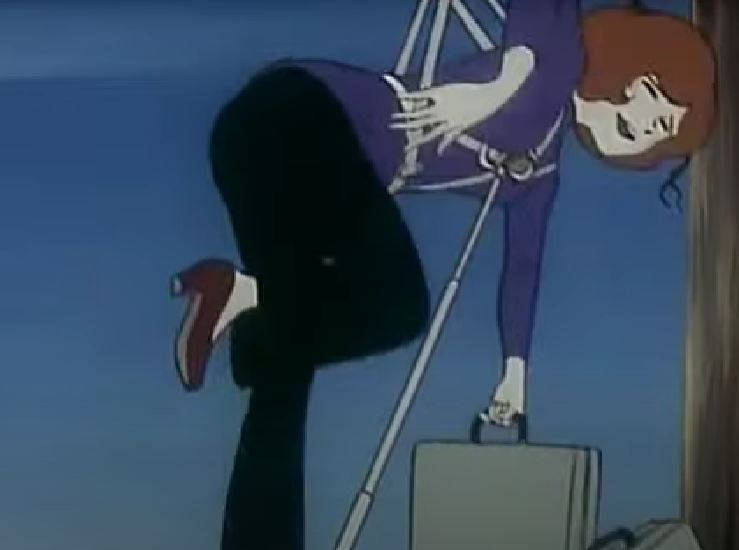
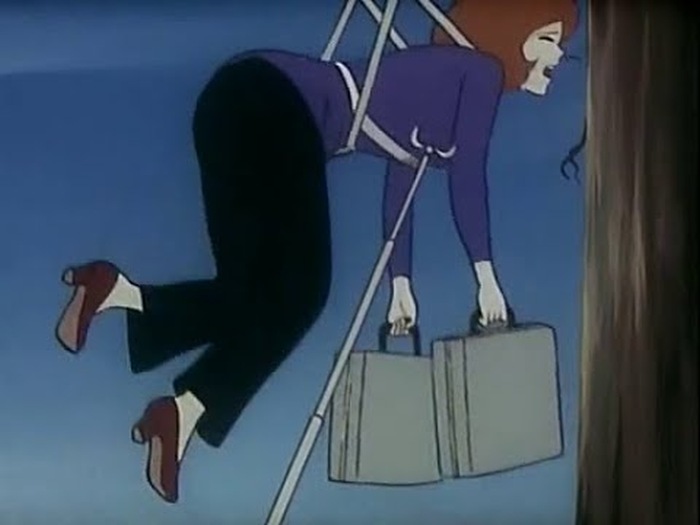
In “Lupin the Third” (first series), episode 16, Lupin takes advantage of the fact that Fujiko is dangling from a tree to tickle her with a mechanical arm equipped with a claw: the movement of the claw tickles her armpits, forcing her to let go of the suitcases she’s holding.
In “Dr. Slump,” Miss Yamabuki is subjected to the torture of tickling; two little creatures tickle her under the arms with sticks that end in hands.


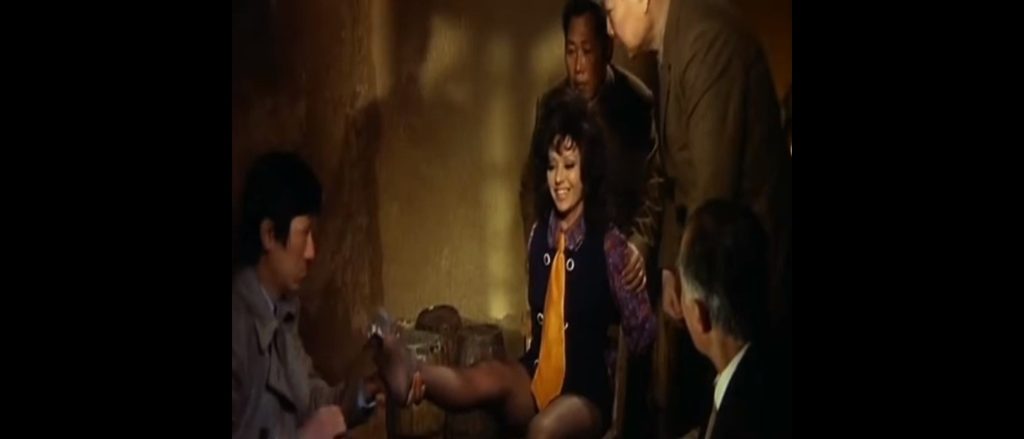
In “Carmen Boom” (1971), gangsters again resort to tickling a woman’s feet (first with a feather and then with an electric device) to force her to reveal the location of a hidden formula.

In “The Wizard of Oz”, Dorothy is tickled by a machine equipped with numerous feathers. Despite the low-quality animation and the fact that she is fully clothed, they seem to be effective.

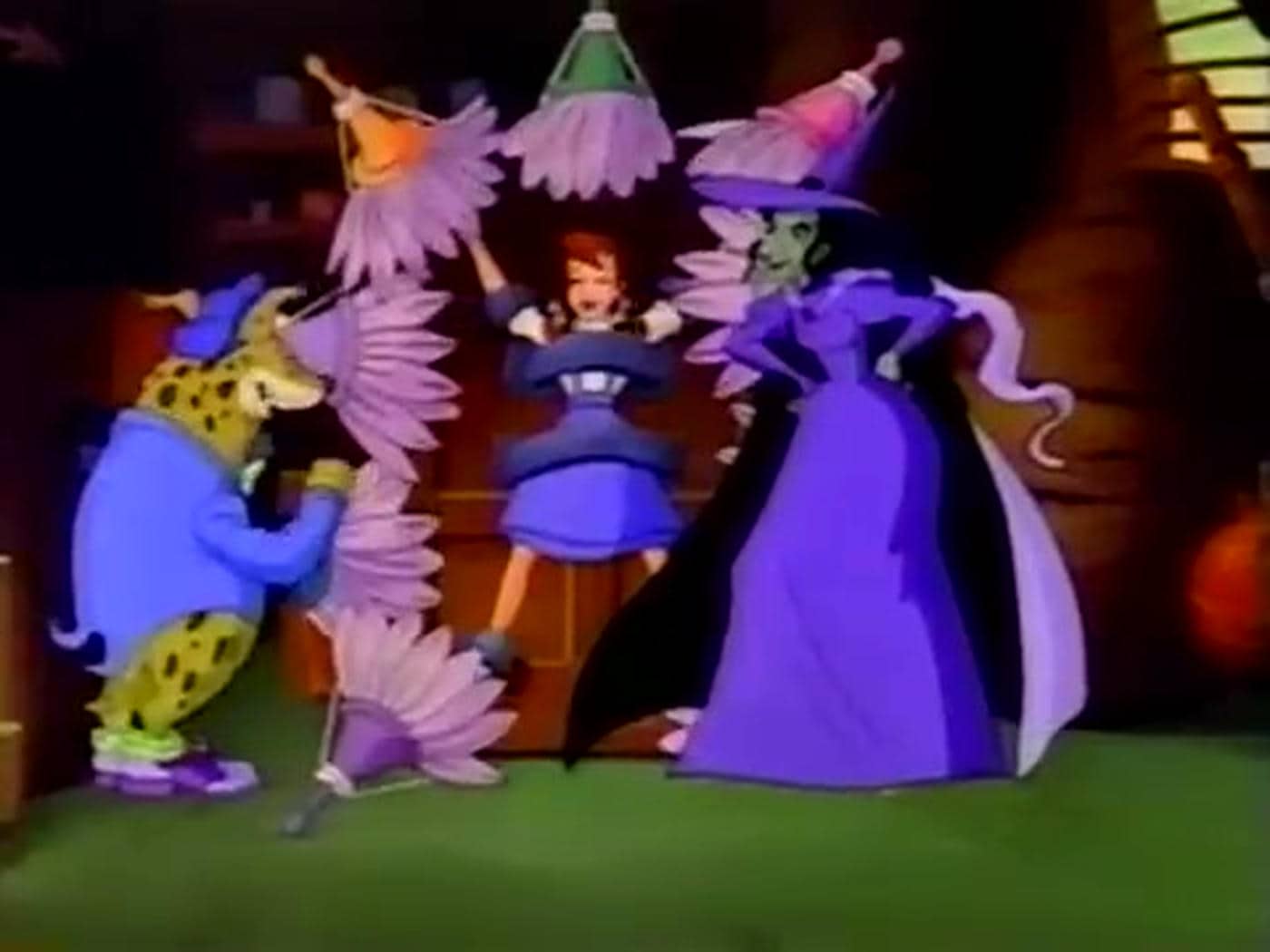

In “Sabrina the Teenage Witch”, season 3, episode 20, Sabrina’s two aunts are tortured by an operator using a series of spinning feather dusters.
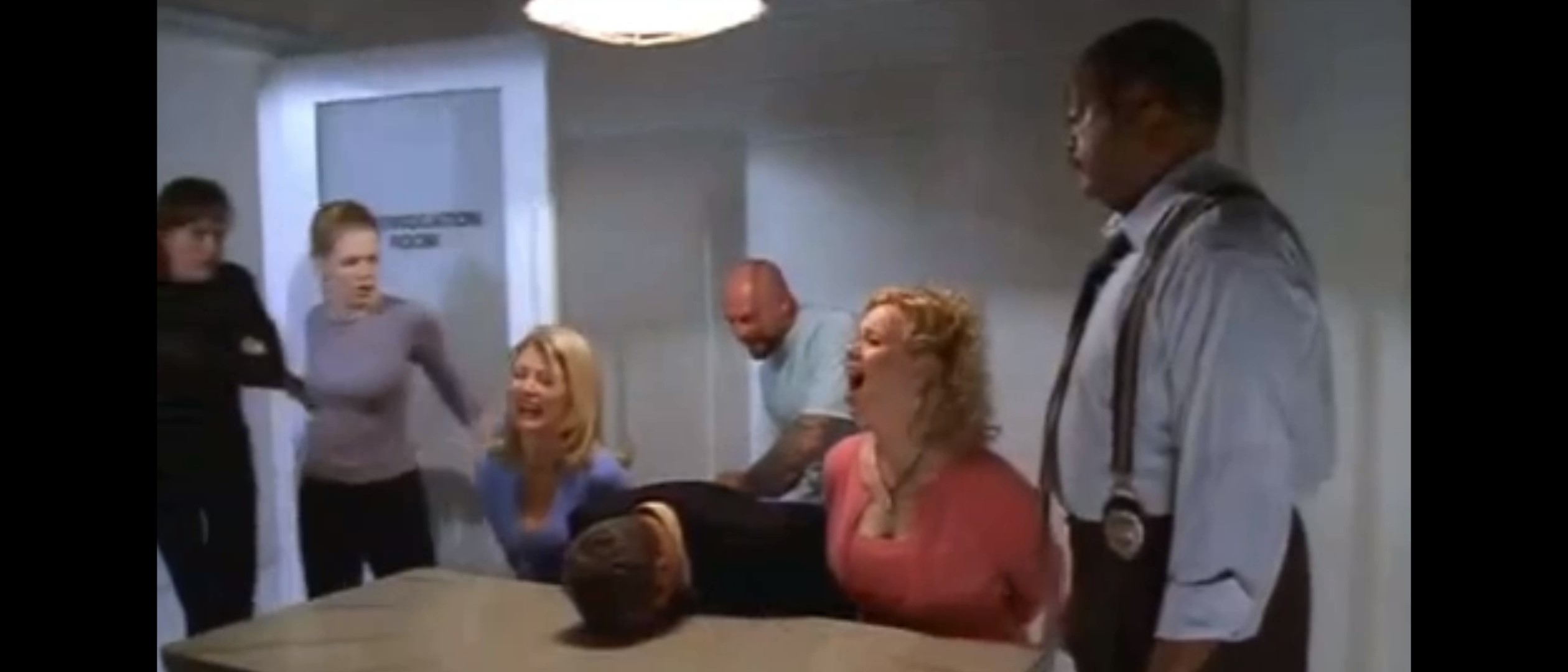


Episode 25 of “The Underdog Show” features a mad scientist who invented a feather tickle machine.
Non-sentient tickle torture devices
A common type—indeed, the majority in animated productions—of devices designed to inflict tickle torture consists of tickle machines that lack their own intelligence.
These are horizontal tables or vertical platforms to which the subject is secured, from which devices (usually small hands) emerge and begin to tickle the subject all over their body.
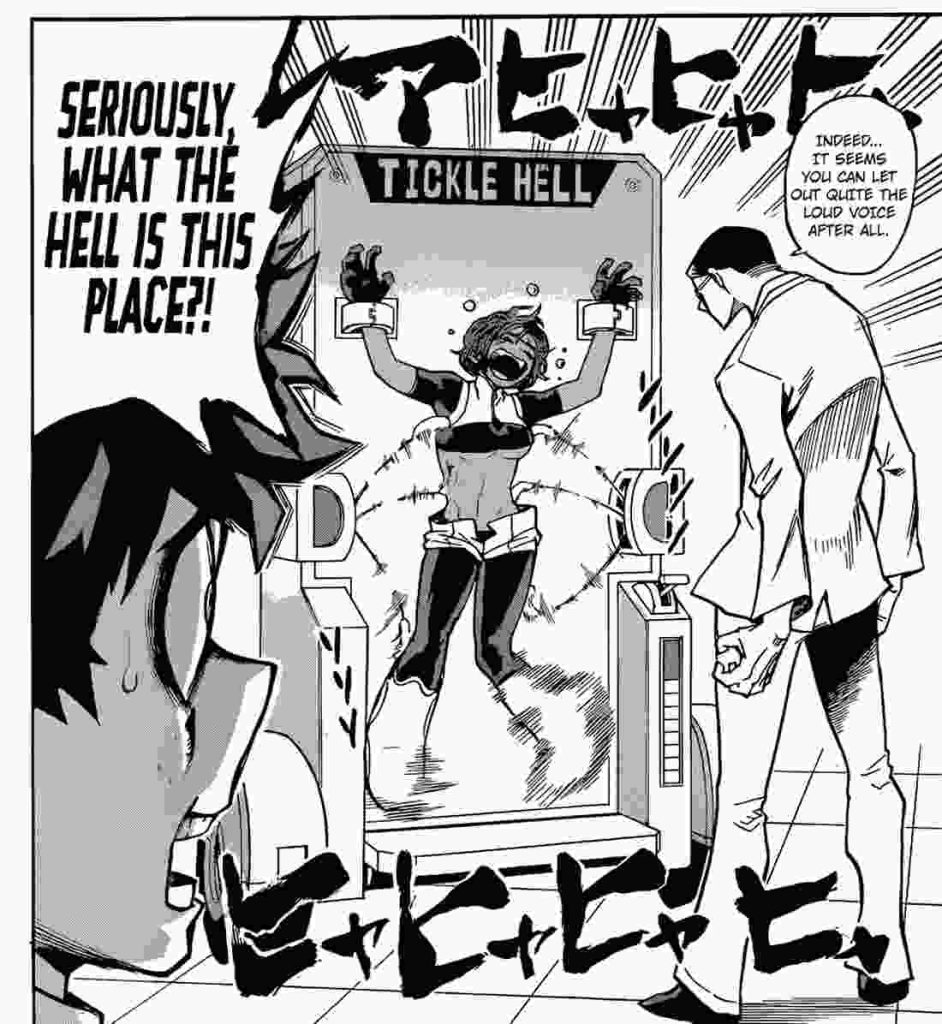
In “My Hero Academia,” Bubble Girl is forced to endure “tickle hell,” which makes her laugh uncontrollably.

In “Dragon Ball GT,” Goku is subjected to the “ticklish hands of hell” in the underworld, which mercilessly tickle him all over.
In episode 19 of “Master Mosquiton,” two men and a woman are subjected to this ordeal.

In the “Kekko Kamen” OVA 2, a girl is subjected to a perverse form of training in which a multitude of little hands tickle her, forcing her to laugh and squirm.
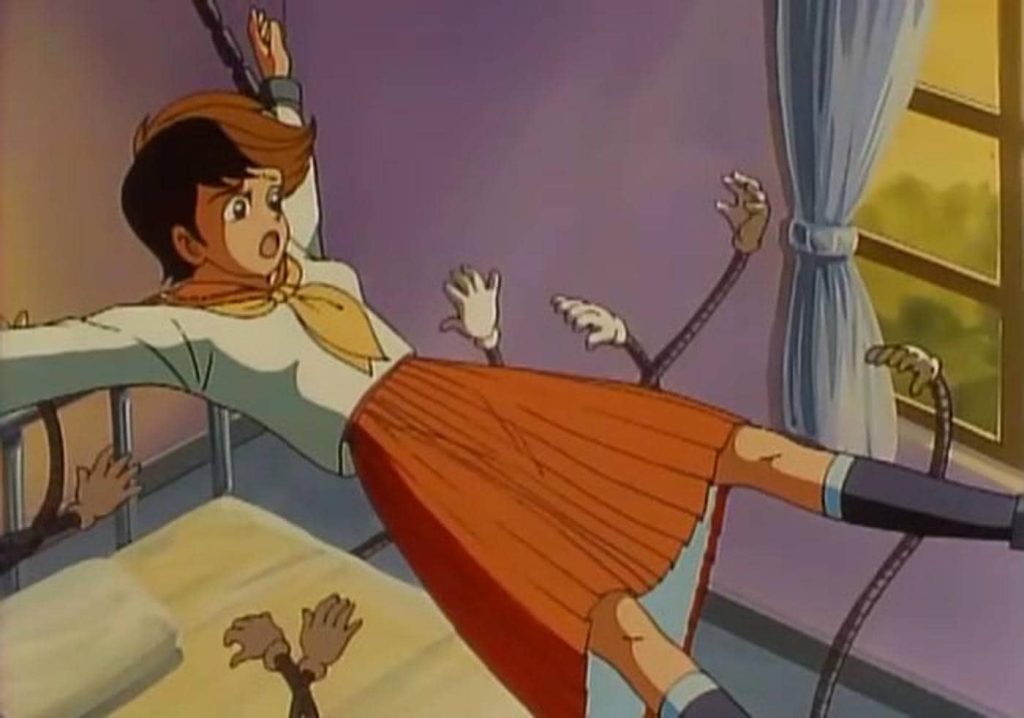
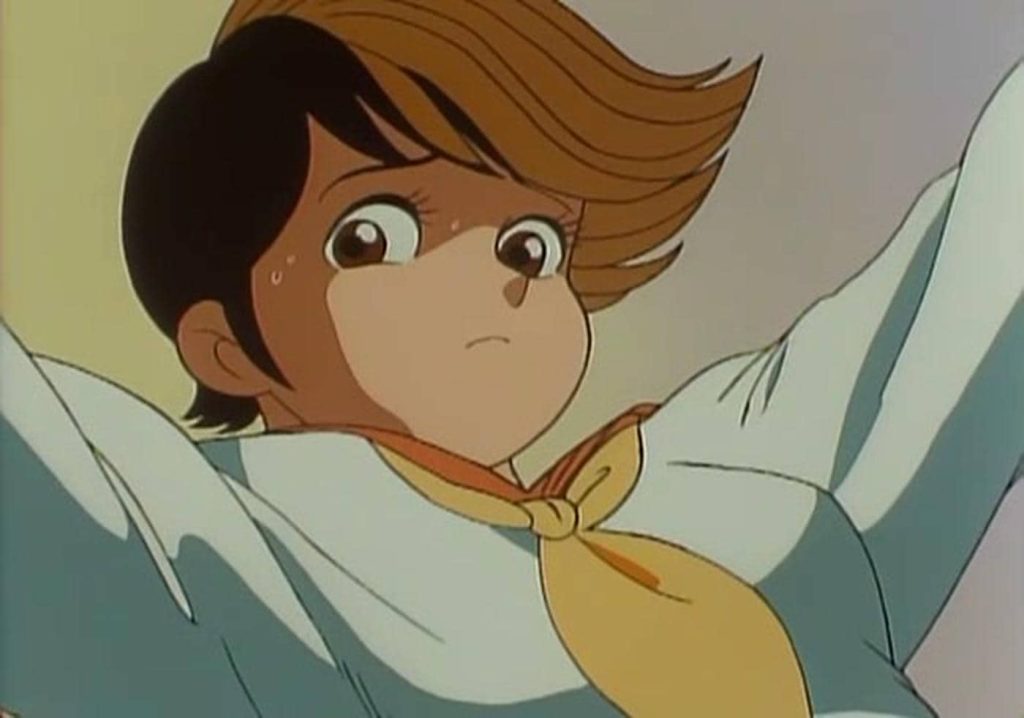




In “Metal Gear Solid: Peace Walker,” due to censorship, the use of electric shocks as a form of torture was changed in the dialogue to tickling (“laughing rods”).
“The Super Mario Bros. Super Show!” includes a tickle torture scene. In the live-action/animated episode “Count Koopula,” Luigi is strapped to a wall with his shoes removed while a mechanical hand tickles his bare feet with a feather.


Wacky Races (2017) features a tickle torture scene in Season 2, Episode 37, titled “Never Say Muttley Again.
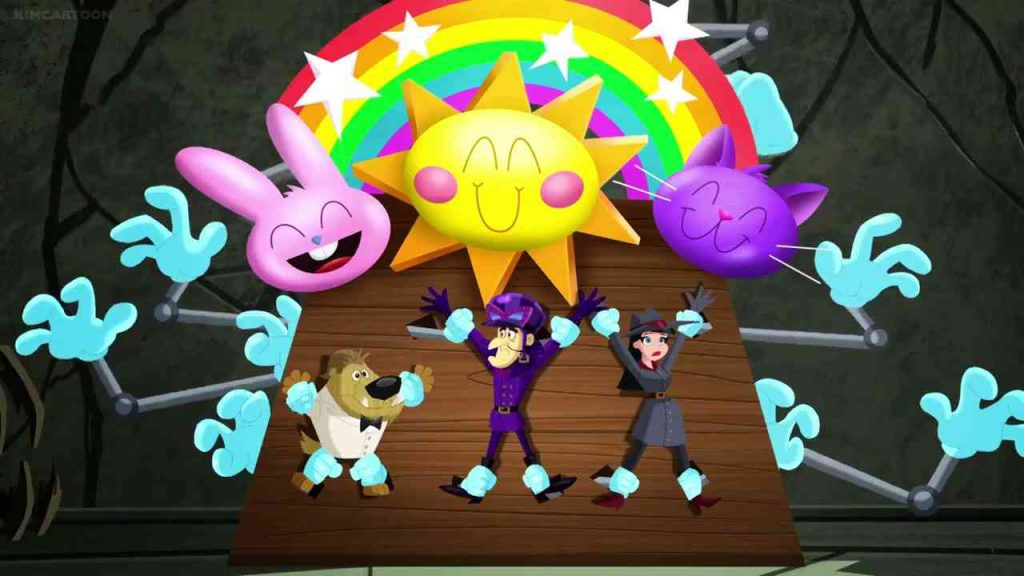

Agent Z is bound in Dr. Doomsdoctor’s lair in a James Bond Goldfinger parody, where instead of lasers, mechanical devices or henchmen tickle the victim relentlessly to extract information. This leads to uncontrollable laughter and squirming, played for cartoonish humor. Later, the villain suffers the same fate.
Xiaolin Showdown features a tickling scene. A “Tickle Bot,” a cannon-shaped machine, restrains and tickles characters like Omi, Raimundo, and Kimiko on a table as a form of torture, notably in the episode “Judging Omi.”



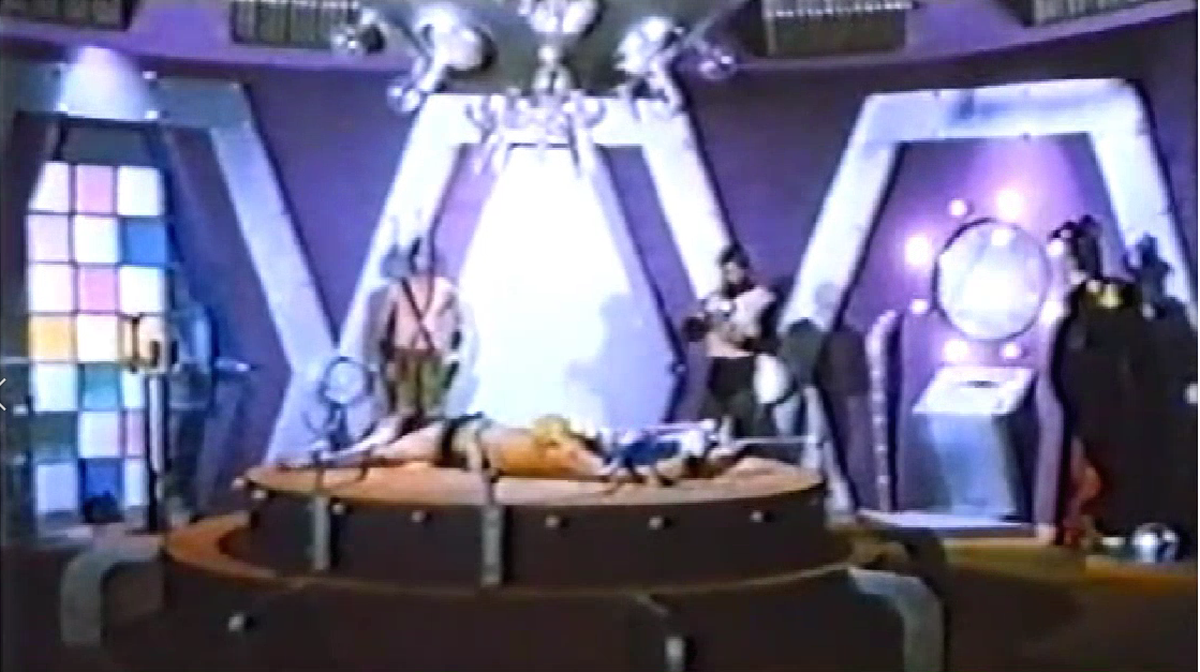
In “Flesh Gordon“, a woman is tickled by a machine and made to laugh for a long time.

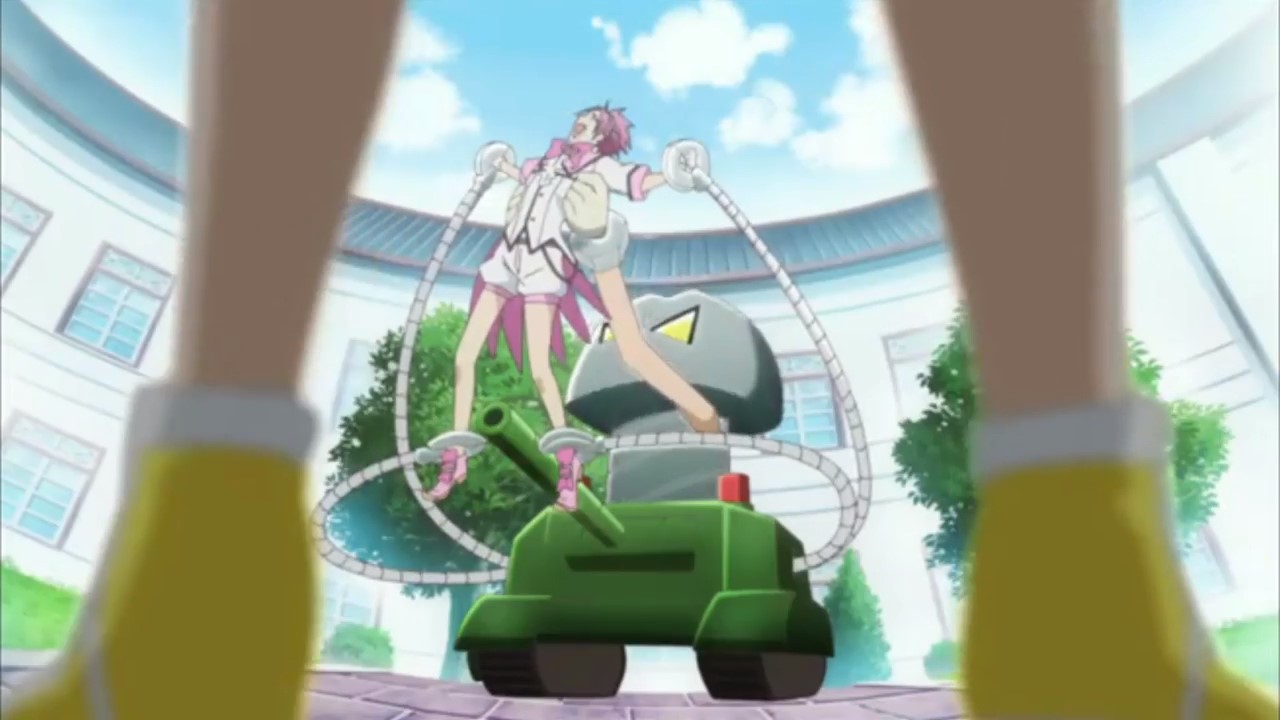
In “Corrector Yui”, ep. 8, Rescue captures Freeze and subjects her to prolonged tickling as a form of interrogation or retaliation, leading to helpless laughter.
The machine consists of large clamps that hold the victim in place; then a sensor scans them, and an interface in the shape of a smiley face surrounded by lots of little hands appears. The smiling interface moves closer, saying “Tickle Tickle Tickle!” while the little hands open and close.

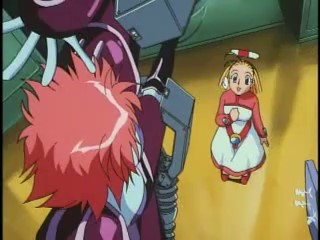


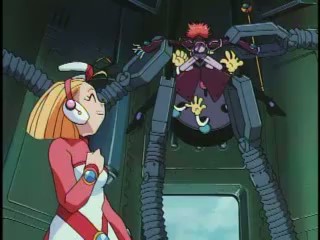
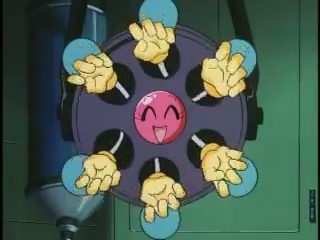




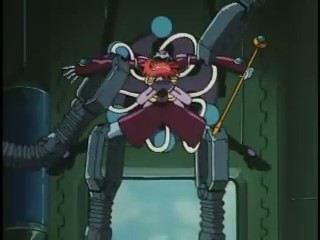
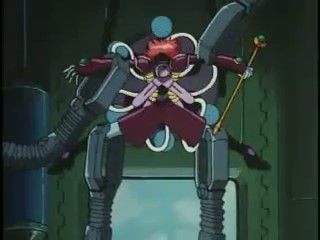

The mechanical hands grab the victim by the hips and under the armpits, tickling them relentlessly, while screens show the victim crying in despair. The apparent aim is to neutralize the victim by preventing them from acting, while at the same time punishing them in a non-lethal manner.
In Lupin the III Part 1 (the first anime series), Episode 1 titled “Is Lupin Still Burning?”, Fujiko Mine is captured by the villainous Mr. X, leader of the Scorpions crime syndicate.
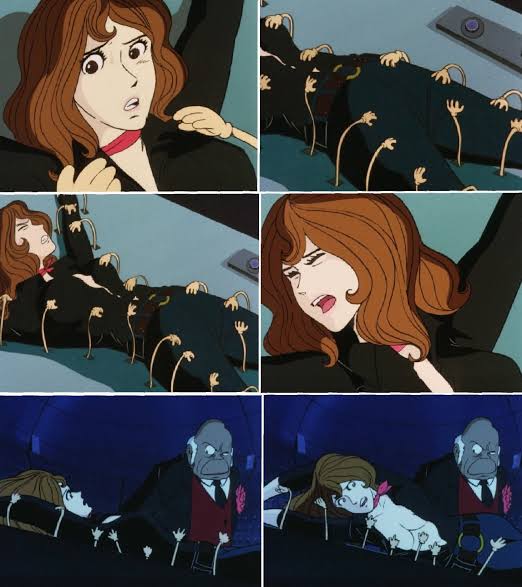
Fujiko, dressed in a black leather outfit, is strapped tightly to a table in Mr. X’s lair as punishment for infiltrating their hideout. Mr. X unzips her suit to expose her midriff and taunts her sadistically, claiming he seeks no information—just her suffering while she watches Lupin face deadly traps. He activates a torture machine with multiple robotic hands that swarm over her body, relentlessly tickling her sides, belly, and other areas, forcing uncontrollable laughter and wriggling from her despite her defiant insults calling him a “pervert.”
This occurs amid a rigged car race plot where Lupin competes against the Scorpions. Fujiko endures the tickle torture in front of Mr. X’s associates, nearly laughing herself to exhaustion, but remains confident in Lupin’s survival.
There is a similar tickle torture scene featuring Fujiko Mine and Mr. X in the Lupin the Third OVA Is Lupin Still Burning? (2018), which directly references and recreates the one from the first series’ Episode 1.



Fujiko is captured and strapped to the same type of torture machine in Mr. X’s lair, where robotic arms emerge to tickle her relentlessly across her body, including sides, belly, and more sensitive areas like armpits, neck, breasts, butt, and inner thighs. Mr. X ramps up the machine’s speed for his sadistic pleasure, ignoring her pleas and laughter as she writhes and begs him to stop, while he mocks her with fourth-wall-breaking taunts about the audience enjoying it. Fujiko quips “Not this again,” highlighting the callback to the original.
This happens amid a time-travel plot orchestrated by Mamo Kyosuke, forcing Lupin through his past while Fujiko suffers to distract her. The machine malfunctions from a power surge, then shifts to mechanical tongues for intensified tickling, but Lupin ultimately rescues her and thwarts the villains.
This version of the machine is even more advanced than the previous one because, after sustaining damage, additional devices—this time shaped like lips—spring into action and begin kissing Fujiko’s body all over, causing her an even more excruciating tickling sensation.
In “Onna Spy Goumon,” a tickle hentai anime, a wealthy criminal has naked female thieves tied to crosses, where they are mercilessly tickled all over their bodies by countless little hands, while he and his henchmen watch with smug satisfaction. The countless little hands assault their chests, armpits, feet, making them laugh hysterically.







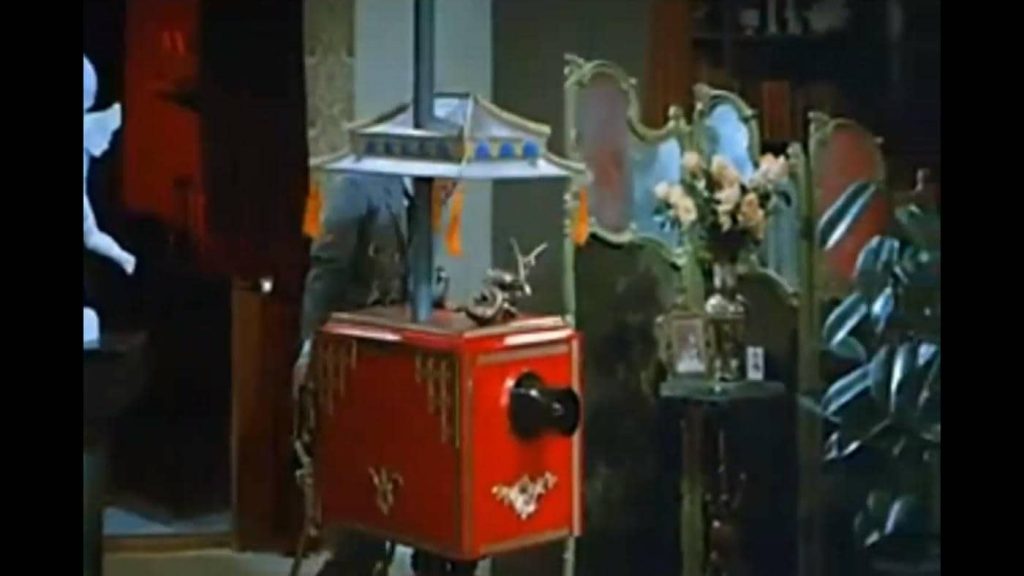
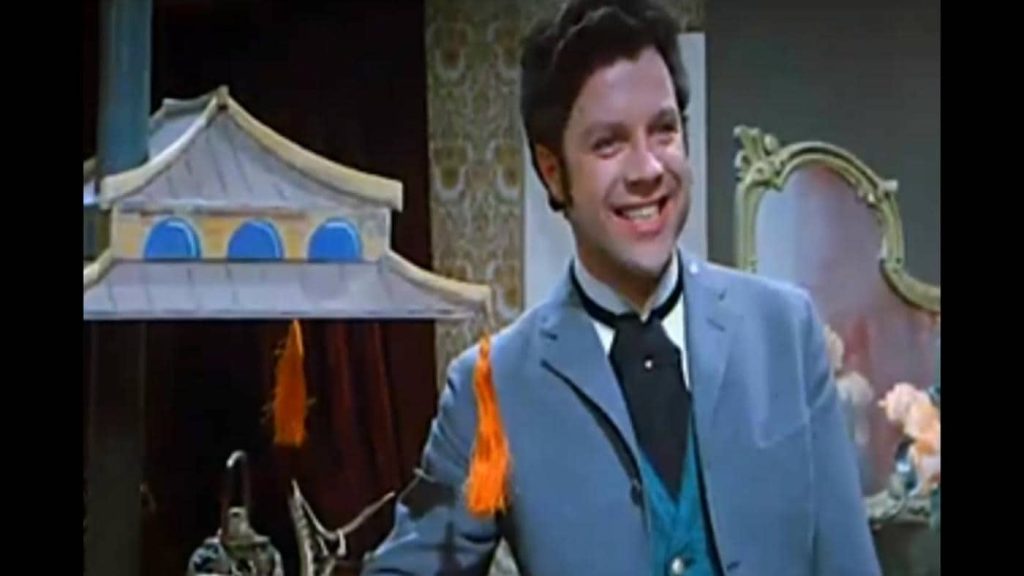
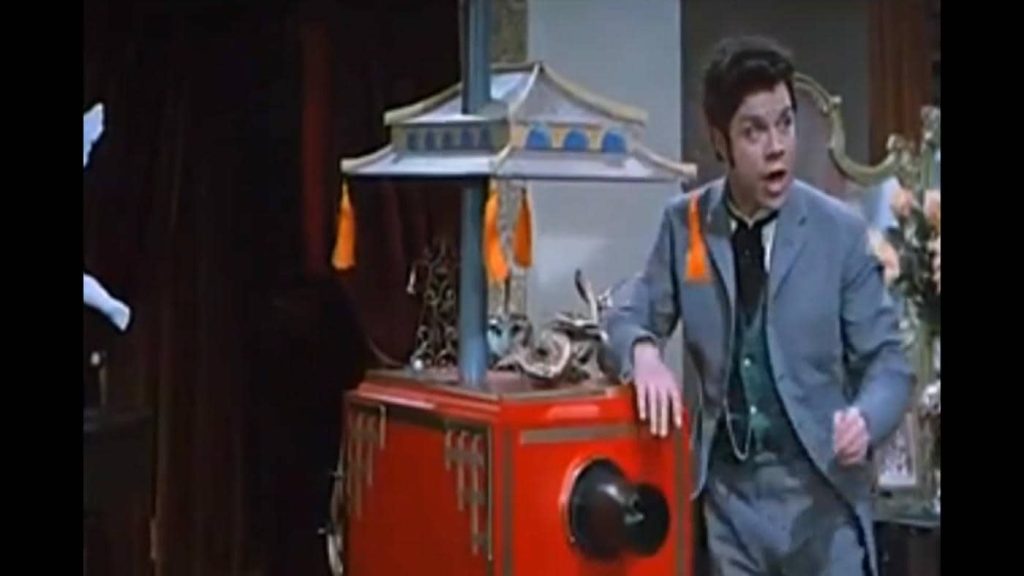
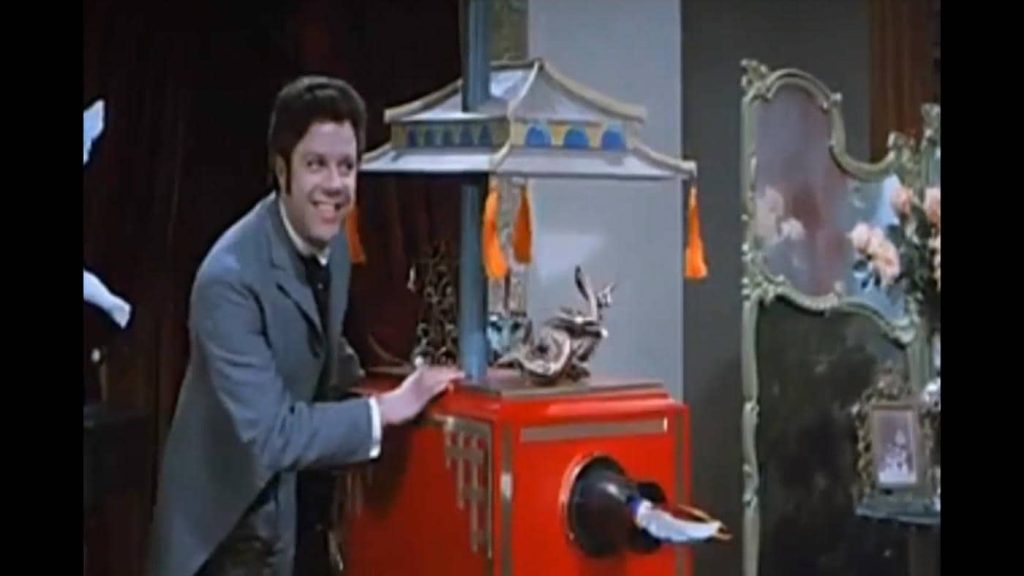
In “What a Swedish Butler Saw,” the protagonist subjects his naked lover to a tickler consisting of a box with rotating feathers. The woman, who is initially frightened, begins to laugh when her nipples are tickled and eventually reaches orgasm.









Robotic tickling machines
One category of tickling machines that doesn’t get much media attention consists of fully sentient devices or robots.
These machines, which are generally robots or devices powered by artificial intelligence, move autonomously without the need for a human operator and are capable of attacking the victim in their most sensitive areas to torture them. In the case of mobile devices or large numbers of devices, they can stimulate various parts of the body simultaneously, intensifying the torment.
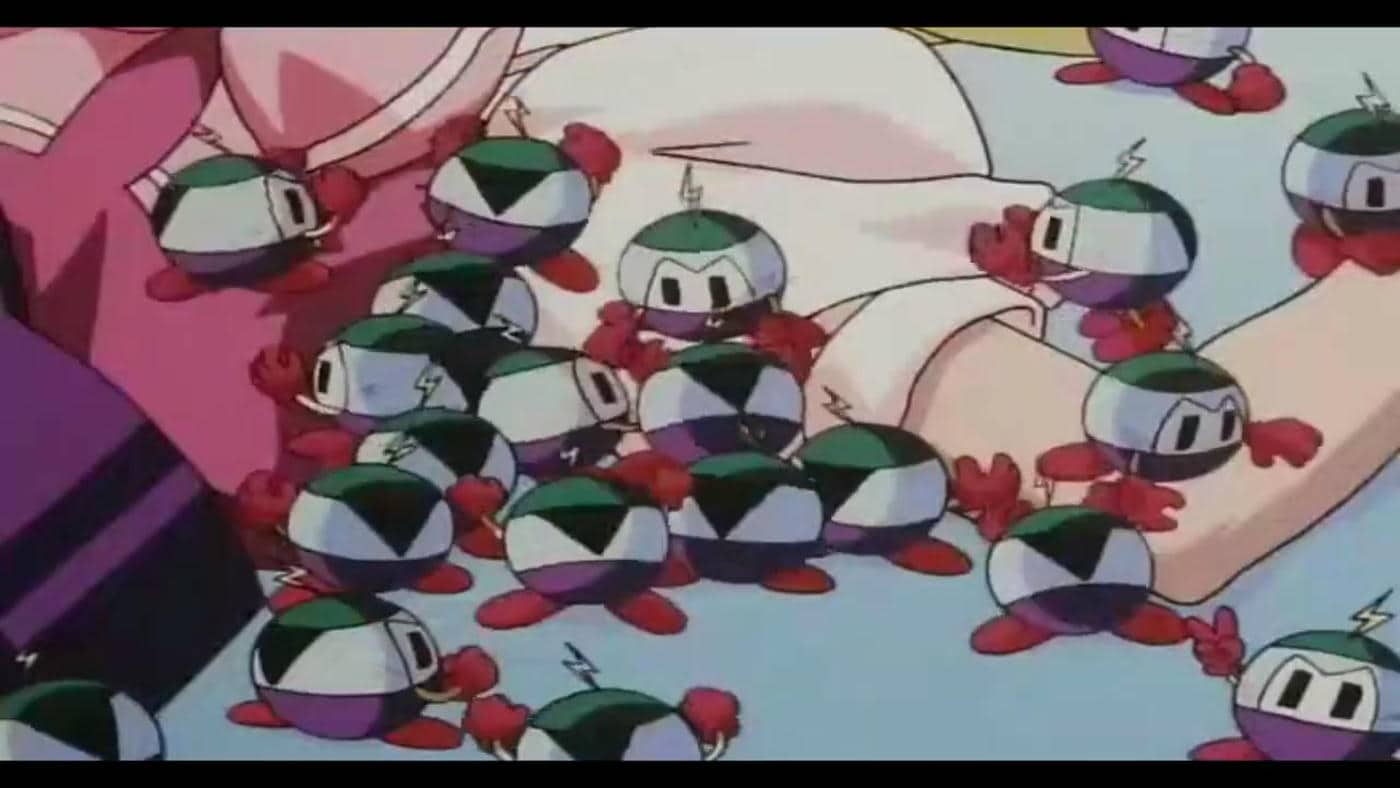
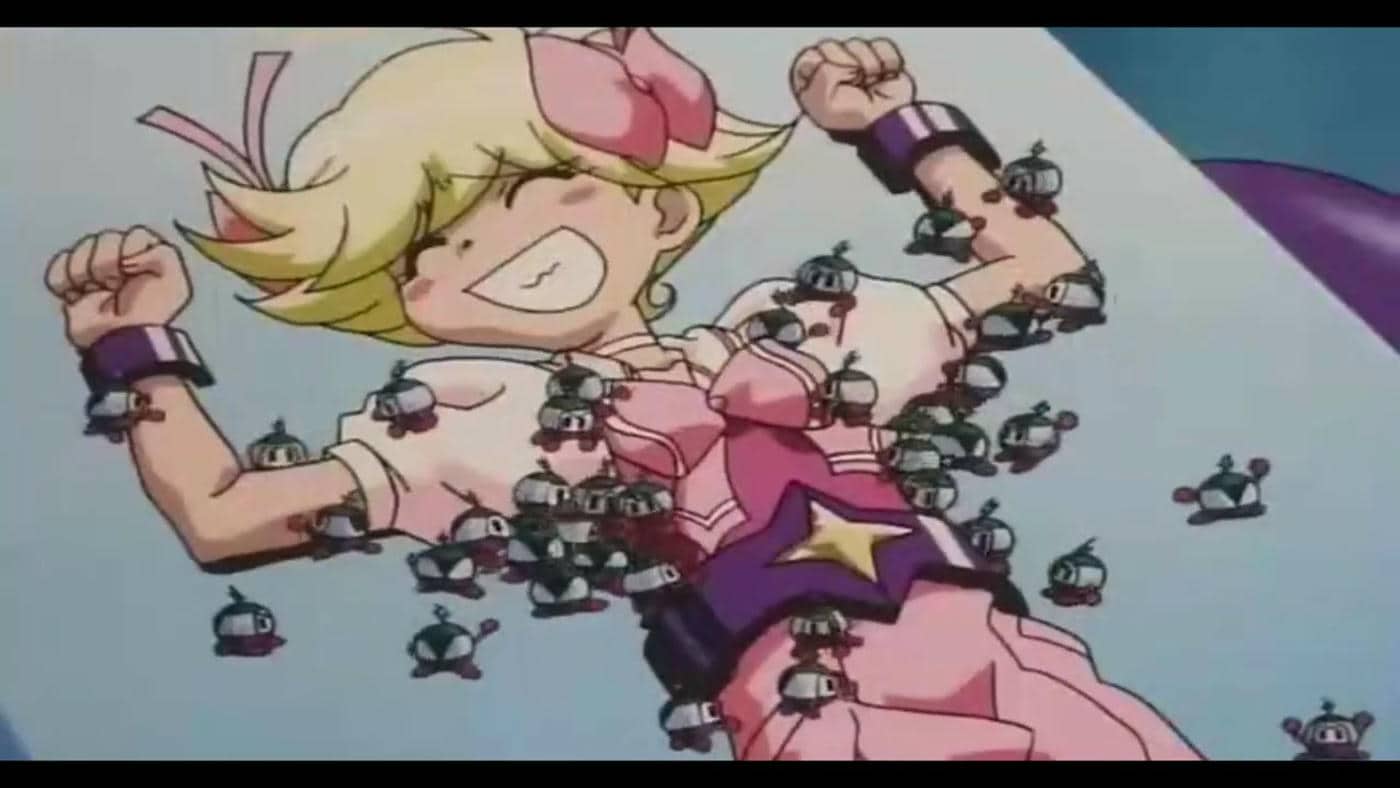
In “I’ll Be an Angel,” episode 5, a girl is tickled all over her body by a swarm of tiny, self-propelled robots.



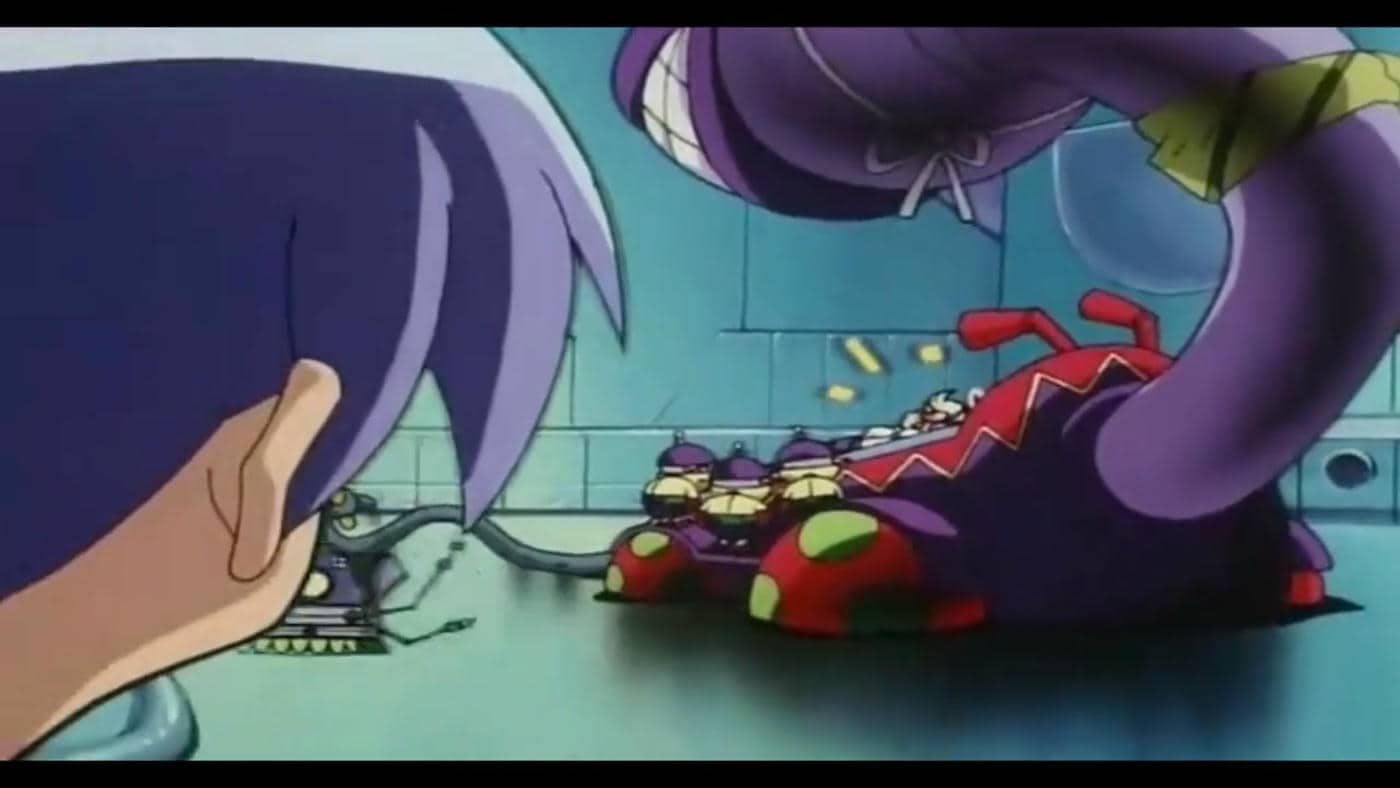
In the “Negima Spring & Summer” OAV Special, a self-propelled robot—part of a scientific experiment—forces the protagonist to take a bath, tickling her relentlessly with its little hands.


In episode 6 of “High Earth Defense Club”, a male protagonist is restrained and tortured by a robot.

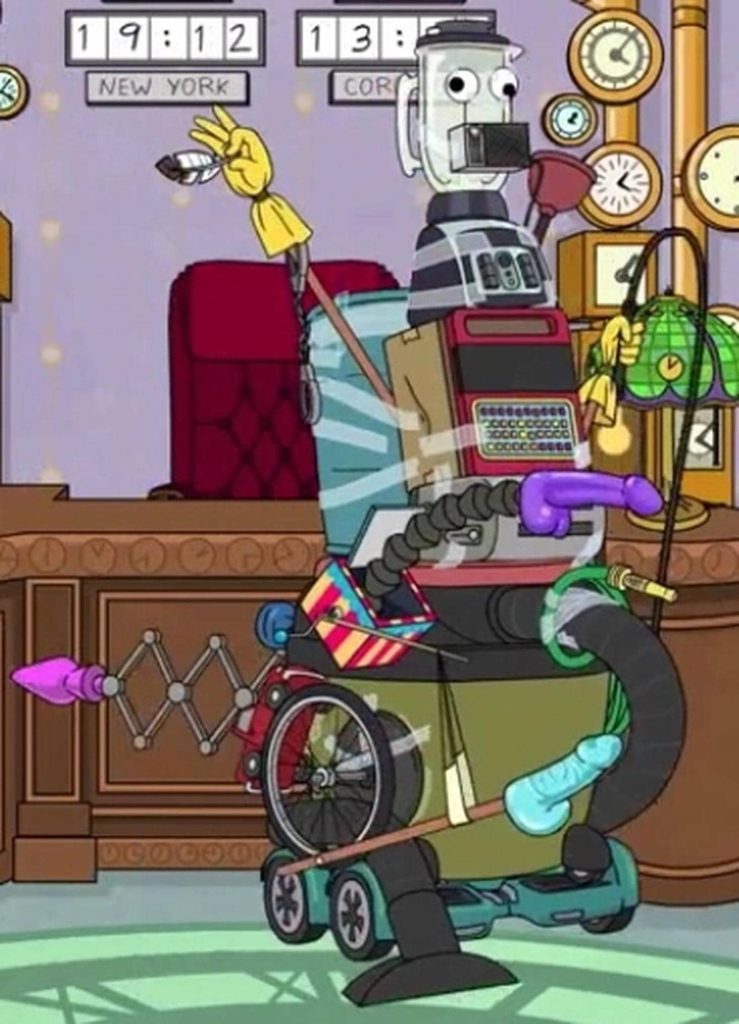
Henry Fondle is a sex robot character from BoJack Horseman. Created by Todd Chavez in Season 5’s “Ancient History” to impress Emily without involving actual sex, he’s a makeshift contraption with a blender head, vacuum body, and phallic accessories. It includes a feather to tickle.
In “The Amazing Spiez”, ep.23, A villain is literally tortured by a robot capable of immobilizing him and running discs with rotating feathers all over his body until he is completely exhausted.









Other examples:

Magical tickling torture devices
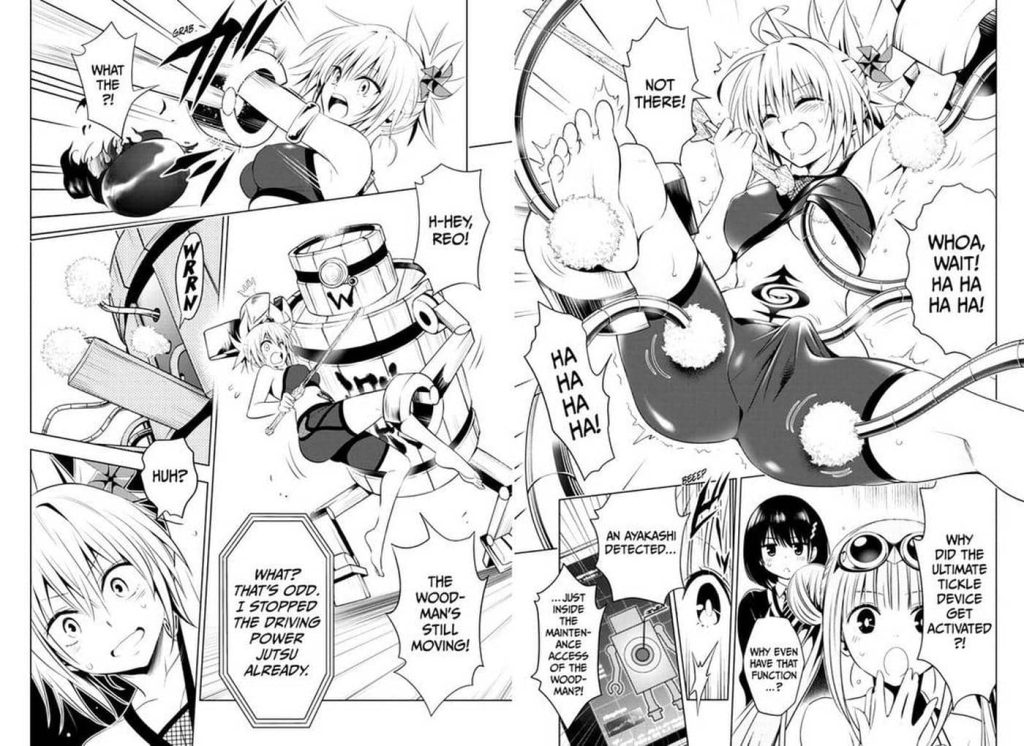
This type of tickling device is not powered by mechanical mechanisms but by spirits or spells; as such, it has a magical connotation, yet it performs virtually the same function as robotic ticklers.
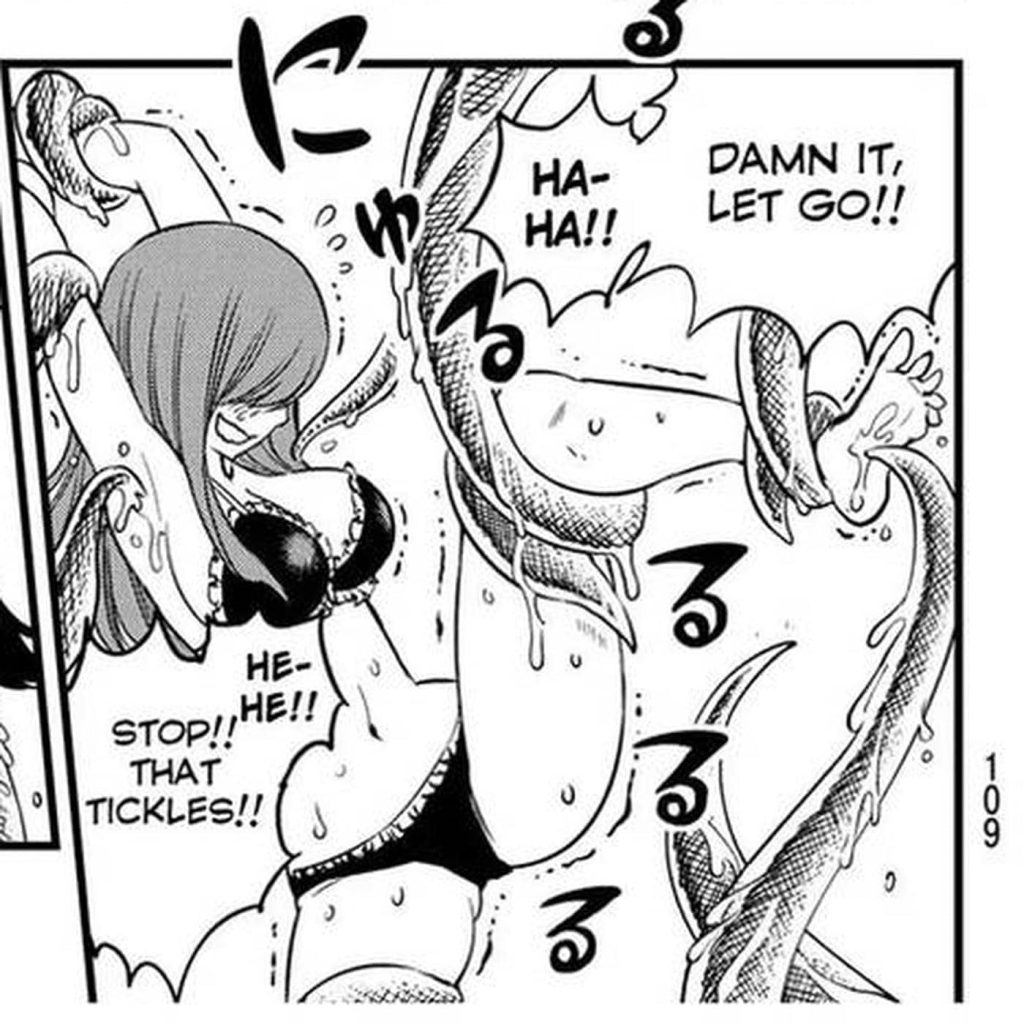
In “Fairy Tail Hero” #1, Erza is tickled by magically animated tentacles that leave her helpless.

In “Melancholy: Airi’s Double-Cross”, episode 27 of the Queen’s Blade anime series, part of the OVA storyline, the Swamp Witch tortures Melona painfully for failing in the Queen’s Blade tournament.
Melona blames Airi and vows revenge, knowing Airi must return due to the Witch’s command spell; earlier, Melona had subjected Airi to three days of relentless tickling.
Tickling machines in scientific experiments
Scientific experiments have involved tickle machines to study tickling responses and why people can’t self-tickle.
In the 1999 study “Can a Machine Tickle?“, blindfolded participants rated machine and human tickling equally, supporting a reflex-based theory over interpersonal ones; laughter and wiggling were identical.
Researchers like Konstantina Kilteni at Radboud University and Donders Institute use robotic setups where participants place their feet through a platform, and a robotic hand or probe delivers controlled, repeatable tickles to feet or other areas. These adjust speed, intensity, and location while monitoring brain activity (EEG, fMRI), heart rate, and responses to decode why tickling provokes laughter, why self-tickling fails, and its evolutionary role.
Science and Technology Week explores tickling responses, likely involving participants or subjects in a controlled setup to observe reactions. This shows robotic arms used in tickling experiments to ensure uniform stimulation across subjects.
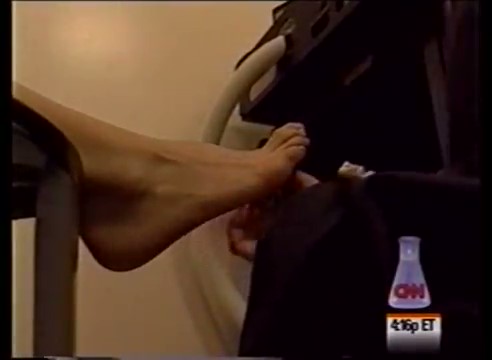

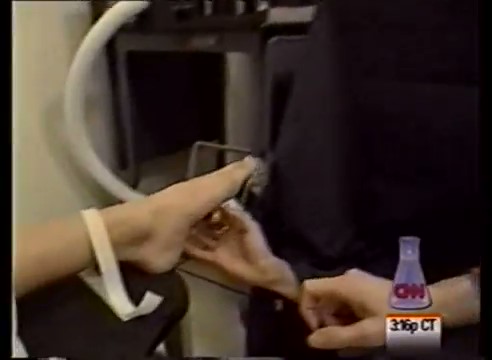

Duck Quacks Don’t Echo (often shortened to “Duck Quack”) features a tickling experiment segment. In a “tickling test scene” from the show, participants undergo tickling to explore physiological responses or myths.
TickleFoot device is a foot tickling machine designed to induce laughter and potentially reduce stress. The device targets the center of the foot arch for women and slightly closer to the toes for men, using precise stimulation to provoke uncontrolled laughter.
Researchers suggest it could help combat stress by triggering positive emotional responses through tickling.
Informazioni sull'autore

Related posts:
 Vote For The Greatest Ticklish Character of All Time!
 Top tickling scenes in videogames
 Tribute to Fujiko Mine | Most iconic sexy and tickling scenes
 List of ticklish superheroes
 Top 10 Tickler Heroes
 List of tickling scenes in “The Howard Stern Show”
 Tickling scenes with adult models
 List of tickling scenes in Italian TV shows
 Tribute to Lucy Heartfilia | Most iconic sexy and tickling scenes
 Tickling scenes in “One Piece”
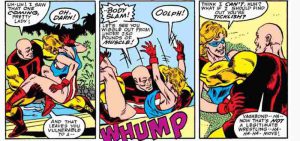 List of Tickling Scenes in Marvel Comics and Cartoons
 List of tickling scenes in Superman (TV and comics)